


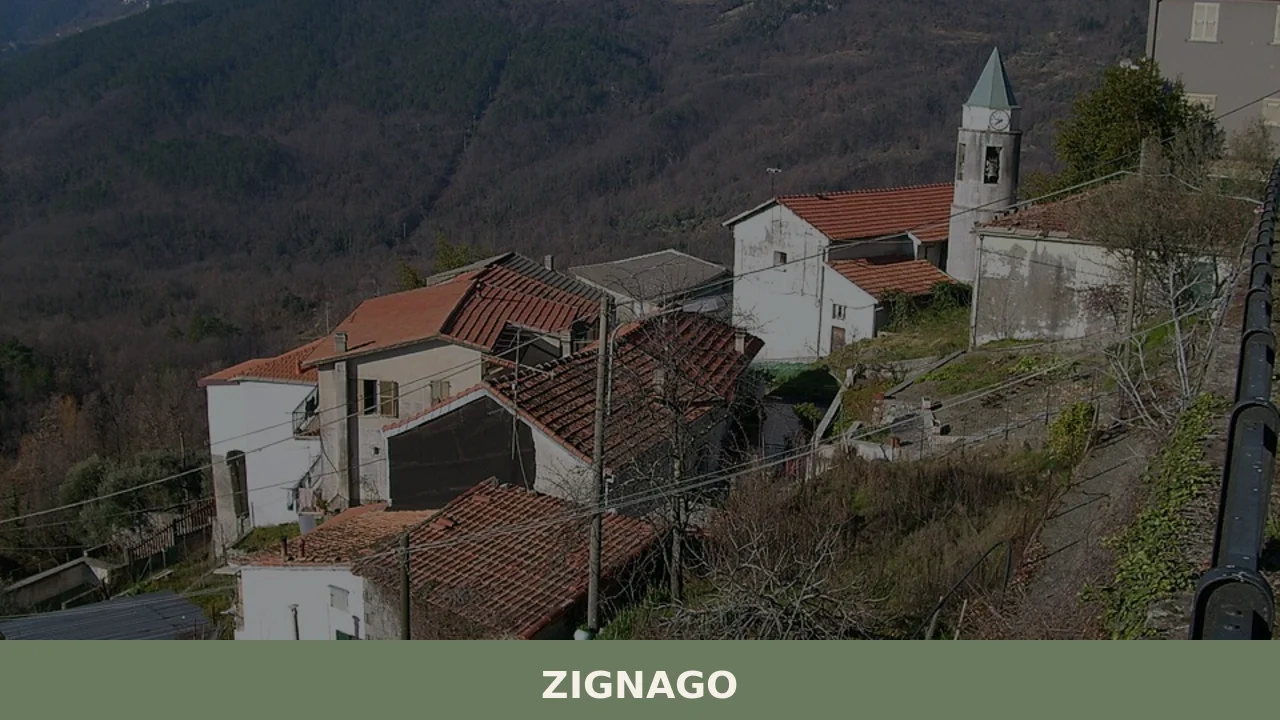
Zignago
 Mountain
what to see in zignago in Italy. Explore this Ligurian comune of 542 residents, located 20 km (12 mi) from La Spezia, and discover its administrative heart and surrounding valleys.
Discover Zignago
With a population of 542 inhabitants, Zignago stands as a small comune in the Province of La Spezia, embodying the quieter side of the Ligurian landscape. This administrative center, situated within the eastern reaches of the region, presents a distinct contrast to the bustling coastal towns. Its presence marks a specific point in the intricate network of Italy’s local governance, maintaining its identity amidst rolling hills and valleys.
For those seeking what to see in Zignago, this Ligurian municipality, home to 542 residents, offers more than just a passing glance at its geographical coordinates.
Visitors to Zignago find its administrative center, the palazzo comunale, as a focal point, alongside the expansive views of the surrounding valleys. The Zignago highlights include understanding its role as a local governance hub and appreciating its strategic location between significant regional cities.
History of Zignago
Zignago, known also by its Ligurian names Zignego and locally as Zignaigu, has existed as a comune, or municipality, within the Province of La Spezia for a considerable period. Its administrative structure places it firmly within the regional framework of Liguria, a region with a long history of independent city-states and intricate local governance. The designation as a comune signifies its self-governing status and its role in managing local affairs for its population, which is a key aspect of what to see in Zignago’s institutional identity.
Historically, Zignago’s location about 70 kilometers (43 mi) east of Genoa and approximately 20 kilometers (12 mi) north of La Spezia placed it at a crossroads of regional influence.
This geographical position meant it was historically connected to the economic and political developments of both major Ligurian cities, albeit from a rural perspective. The area would have seen the passage of goods and people between the coast and the inland valleys, shaping its modest but consistent presence in the region, much like the historical context of Castelvecchio di Rocca Barbena in the same region.
The historical evolution of Zignago is further defined by its immediate administrative borders, sharing boundaries with the municipalities of Brugnato, Rocchetta di Vara, Sesta Godano, and Zeri. These adjacent comuni form a local network that has historically influenced land use, trade, and social interactions among their respective populations. The shared borders suggest a common historical trajectory within the Vara Valley or its adjacent highlands, establishing a distinct sub-region within Liguria.
What to see in Zignago, Liguria: top attractions
The Administrative Center of Zignago
The core of Zignago is defined by its function as a comune, the municipal seat for its 542 inhabitants.
Visitors will observe the central buildings that house the local administration, typically including the palazzo comunale or town hall, which stands as a symbol of local governance. This area, while not a grand historical site, represents the living continuity of a small Italian municipality, managing daily life and public services since its establishment as a self-governing entity. It offers a direct insight into the civic structure of rural Liguria, providing a clear answer to what to see in Zignago’s civic heart.
Views of the Vara Valley Hinterland
From various vantage points within Zignago, the landscape unfolds into the valleys characteristic of Liguria’s hinterland, particularly towards the Vara Valley. The terrain, rising and falling, provides expansive views of wooded slopes and cultivated terraces, a testament to centuries of agricultural activity. This natural panorama is a direct result of Zignago’s location, approximately 20 kilometers (12 mi) north of La Spezia, positioning it among the foothills that transition from the coast to the Apennines.
Observing these vistas offers a sense of the region’s geography and the challenges of its historical development.
The Road Network Connecting Zignago
Zignago’s accessibility and historical connections are intrinsically linked to the provincial road network that serves it, a crucial element for a municipality located 70 kilometers (43 mi) east of Genoa. These routes, often winding through the hills, offer specific insights into local infrastructure and transport patterns. Travelers using these roads can appreciate the engineering required to connect such communities across challenging terrain, a process that has evolved over decades to link Zignago to larger regional centers. The journey itself becomes an experience, revealing the practicalities of life in this part of Liguria.
The Borders with Neighboring Municipalities
Exploring the areas around Zignago allows visitors to trace the administrative boundaries it shares with other comuni such as Brugnato, Rocchetta di Vara, Sesta Godano, and Zeri. These borders are not merely lines on a map but represent areas of shared history and geographical transition between distinct local communities. Observing the subtle changes in landscape or local architecture as one approaches these neighboring areas, approximately 20 kilometers (12 mi) from La Spezia, provides a unique perspective on regional identity. This exploration highlights the intricate mosaic of small Italian municipalities, giving a deeper understanding of what to see in Zignago’s broader context.
The Ligurian Rural Landscape
The broader Ligurian rural landscape surrounding Zignago, an area defined by its inland location within the Province of La Spezia, offers a generic yet profound attraction.
This environment is characterized by its distinct flora and geological formations, shaped by the region’s climate and topography. It is a place where one can observe the patterns of small-scale agriculture and traditional land management that have sustained communities like Zignago for generations. The experience lies in appreciating the quiet resilience of this environment, a natural counterpoint to the more frequented coastal destinations of Liguria, about 70 kilometers (43 mi) from Genoa, offering a similar rural appeal to villages such as Prelà.
Local food and typical products of Zignago
While specific culinary traditions unique to Zignago itself are not documented in available sources, the village’s location within Liguria places it firmly within the broader gastronomic heritage of this Italian region. Ligurian cuisine is historically influenced by both its mountainous hinterland and its coastal access, resulting in a diet rich in fresh vegetables, herbs, olive oil, and sometimes seafood.
The historical context of small, self-sufficient communities like Zignago suggests a reliance on locally grown produce and simple, robust preparations that make the most of seasonal ingredients, reflecting centuries of adaptation to the local environment.
Dishes commonly found in the Ligurian tradition, and thus likely to have been part of Zignago’s culinary landscape, include pasta preparations like trofie al pesto, a short, twisted pasta served with the region’s famous basil pesto, made from basil, pine nuts, garlic, Parmigiano-Reggiano, Pecorino Sardo, olive oil, and salt. Another staple is focaccia, a flatbread often topped with olive oil and salt, or sometimes with onions or olives. These preparations highlight the region’s emphasis on fresh, high-quality ingredients and straightforward cooking methods.
Information regarding certified products specific to Zignago, such as DOP (Denominazione di Origine Protetta) or IGP (Indicazione Geografica Protetta) items, is not provided in the available sources. However, the broader Ligurian region is known for products like extra virgin olive oil and specific basil varieties used for pesto. Any local markets or specialty shops in the area surrounding Zignago would be the place to inquire about regional certifications.
Festivals, events and traditions of Zignago
Specific details concerning festivals, annual events, or unique traditions held within Zignago are not available in the provided sources.
Many small Italian municipalities, including those in Liguria, typically celebrate their patron saint’s day with local processions, religious services, and often a small community gathering or market, which might feature traditional music or simple local fare. These celebrations are deeply ingrained in Italian culture, serving as important communal events that reinforce local identity and historical ties. However, without confirmed information for Zignago, it is not possible to describe these events in detail, and visitors would need to consult municipal calendars closer to their travel dates.
When to visit Zignago, Italy and how to get there
The best time to visit Liguria, and consequently Zignago, Italy, generally spans from late spring (April-May) through early autumn (September-October). During these months, the weather is typically mild and pleasant, ideal for exploring the rural landscape without the intense heat of mid-summer or the cooler, wetter conditions of winter. Spring brings blooming flora to the valleys, while autumn offers comfortable temperatures and the possibility of local harvest events in the wider region. For those who prefer fewer crowds, visiting outside of the peak summer months of July and August is advisable, though Zignago, with its 542 inhabitants, rarely experiences significant tourist traffic. This general guidance also helps in planning what to see in Zignago effectively.
Reaching Zignago requires navigating inland Ligurian roads, as the village is situated about 70 kilometers (43 mi) east of Genoa and 20 kilometers (12 mi) north of La Spezia.
For those arriving by car, the A12 motorway is the primary route, with likely exits at Brugnato or Sesta Godano, from which local provincial roads lead directly to Zignago. The nearest major train station is La Spezia Centrale, which offers connections to regional and national rail networks; from there, local bus services or a taxi would be necessary for the final segment of the journey. The closest major international airport is Genoa Cristoforo Colombo Airport (GOA), approximately 80 kilometers (50 mi) away, with Pisa International Airport (PSA) also being a viable option for international travelers.
A day trip from La Spezia, which is only 20 kilometers (12 mi) away, is easily feasible, allowing visitors to experience the Ligurian hinterland after exploring the coastal city. For international visitors, it is worth noting that while English may be spoken in larger tourist centers, in smaller villages like Zignago, local shopkeepers and residents may have limited English proficiency.
Carrying some Euros cash for small purchases is often useful, as not all establishments might accept card payments. Visitors interested in the broader Ligurian experience might consider extending their trip to Deiva Marina, a coastal village that offers a different perspective on the region’s diverse landscapes, complementing what to see in Zignago.
Beyond Zignago, the Ligurian region offers a wealth of diverse experiences. Visitors who appreciate the tranquility of inland villages might also consider a visit to Bajardo, a village further west in Liguria, which shares a similar spirit of preserving local heritage amidst a captivating natural setting. Exploring these various communities provides a comprehensive understanding of Liguria’s multifaceted identity, from its administrative centers to its rural landscapes and coastal towns.
Frequently asked questions about Zignago
What is the best time to visit Zignago?
The ideal time to visit Zignago is from late spring (April-May) through early autumn (September-October). During these months, the weather is mild and pleasant, perfect for exploring the rural Ligurian landscape and enjoying the expansive views without the intense heat of summer. Spring offers blooming flora, while autumn provides comfortable temperatures. For a unique cultural experience, consider visiting around September 8th for the Festa Patronale of the Santuario della Madonna del Dragnone, the village's patron saint, which typically involves local celebrations. Visiting outside of July and August also ensures fewer crowds.
What to see in Zignago? Main monuments and landmarks
In Zignago, visitors can explore the administrative center, home to the Palazzo Comunale, which serves as the town hall and a symbol of local governance, offering insight into the civic structure of rural Liguria. A significant landmark is the Santuario della Madonna del Dragnone, the village's patron sanctuary. While specific visiting hours are not generally publicized for these smaller, active community buildings, their external architecture and role within the village's life make them central points of interest, reflecting Zignago's historical and communal identity.
What are the main natural or scenic attractions of Zignago?
Zignago offers stunning natural and scenic attractions, primarily centered around its elevated position. From various vantage points within the village, visitors can enjoy expansive views of the Vara Valley Hinterland, characterized by wooded slopes and cultivated terraces that stretch towards the Apennines. The broader Ligurian rural landscape surrounding Zignago showcases distinct flora, geological formations, and traditional small-scale agriculture, providing a serene environment for appreciating the quiet resilience of this inland region away from the bustling coast.
Where to take the best photos in Zignago?
For the best photos in Zignago, focus on the numerous vantage points scattered throughout the village that offer panoramic views of the Vara Valley Hinterland. These elevated spots capture the picturesque landscape of rolling hills, wooded slopes, and cultivated terraces, especially during late spring or early autumn. Additionally, the quiet charm of the village's administrative center, including the Palazzo Comunale, and the historical presence of the Santuario della Madonna del Dragnone, provide authentic glimpses into rural Ligurian life, ideal for capturing its unique atmosphere.
Are there museums, churches or historic buildings to visit in Zignago?
Zignago features a few notable historic buildings and a significant church. The most prominent historic building is the Palazzo Comunale, the town hall, which represents the administrative heart and civic continuity of this small Ligurian municipality. For religious architecture, the Santuario della Madonna del Dragnone, dedicated to the village's patron saint, is a key site for visitors interested in local heritage and religious traditions. While there are no museums documented for Zignago, these structures provide a direct insight into the community's history and local identity.
What can you do in Zignago? Activities and experiences
In Zignago, activities revolve around immersing oneself in the tranquil Ligurian hinterland. Visitors can enjoy leisurely walks or light hikes through the rural landscape, exploring the winding provincial roads that connect Zignago to neighboring comuni. A key experience is simply appreciating the expansive panoramic views of the Vara Valley from various points within the village, observing the distinct flora and geological formations. It's an ideal destination for those seeking a quiet retreat and a taste of authentic, unhurried rural Italian life, far from the coastal crowds.
Who is Zignago suitable for? Families, couples, hikers, solo travelers?
Zignago is an ideal destination for those seeking tranquility, nature, and an escape from crowded tourist spots. It appeals strongly to hikers and nature lovers eager to explore the Ligurian rural landscape, enjoy panoramic valley views, and experience the quiet charm of an authentic Italian comune. Couples looking for a peaceful retreat, solo travelers desiring solitude, and families seeking a serene base for exploring the inland region will find Zignago particularly suitable. It's perfect for appreciating local governance, history, and the natural mountain environment.
📷 Photo Gallery — Zignago
Nearby Villages near Zignago
In Liguria More villages to discover
Balestrino
 Hills
Hills
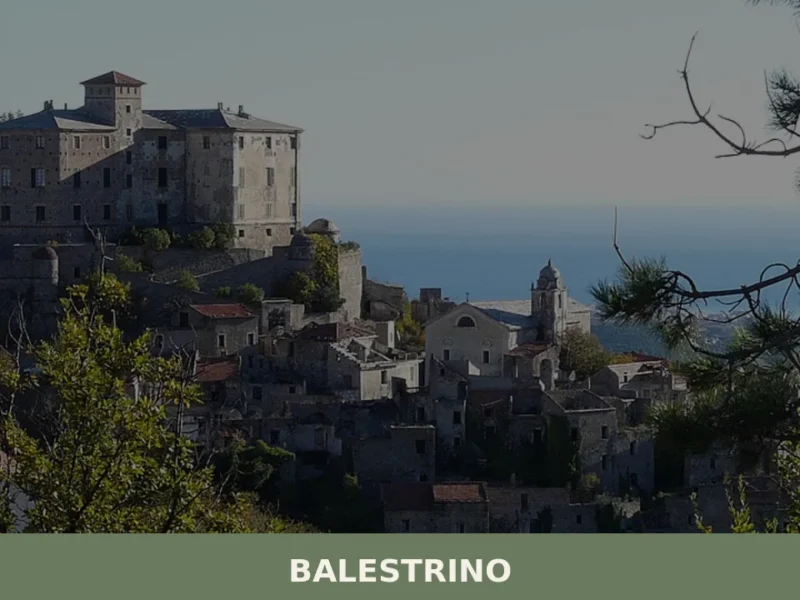
In 1963 a landslide forced the evacuation of the upper part of Balestrino, leaving the old village uninhabited and intact in its sixteenth- and seventeenth-century structure. Today the municipality has 530 residents, spread between the modern settlement in the valley below and the hillside hamlets, at 371 metres above sea level on the ridge separating […]
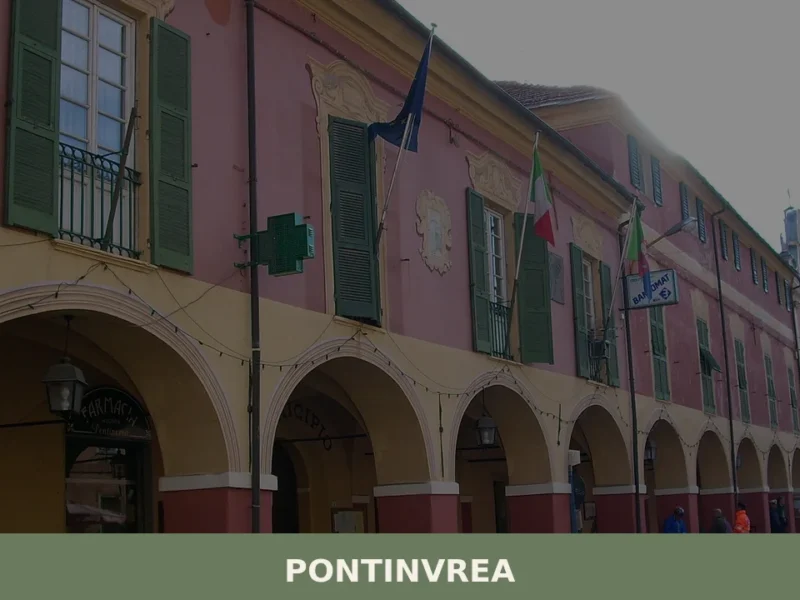
Pontinvrea
Mountain
What to see in Pontinvrea, Italy: 855 inhabitants, 40 km from Genoa. Discover top attractions, local food, festivals and how to get there. Explore now.
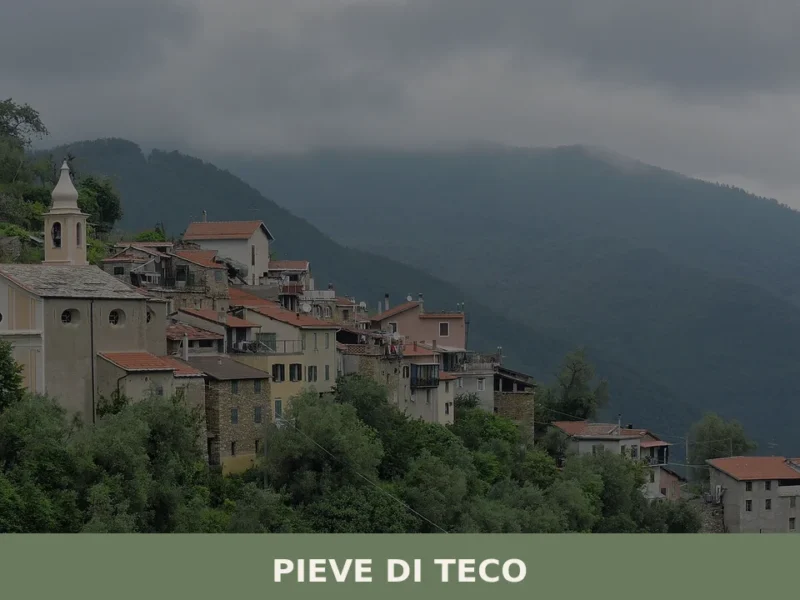
Pieve di Teco
Mountain
What to see in Pieve di Teco, Liguria, Italy: explore 5 top attractions, local food, and how to get there. Population 1,411. Discover this Ligurian village.
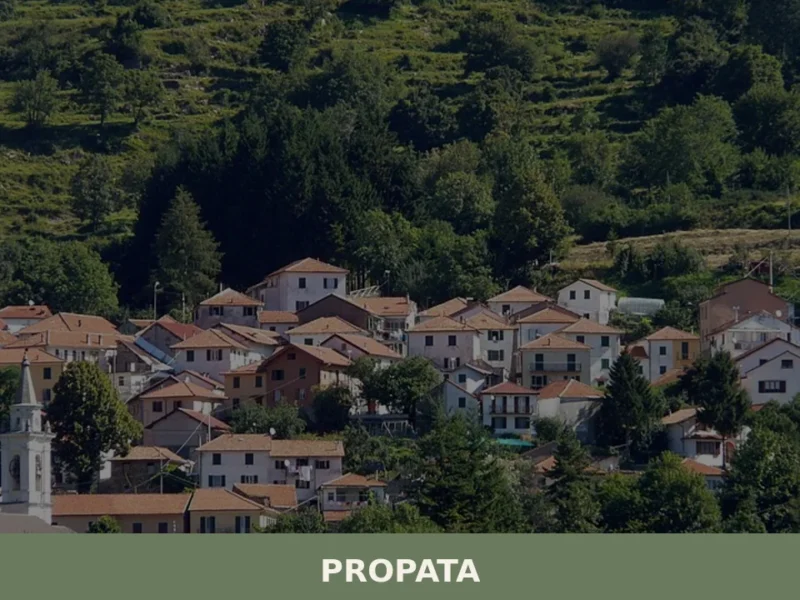
Propata
Mountain
What to see in Propata, Italy: Discover the parish church and its Maragliano statue in this Ligurian village of 156 inhabitants. Explore its history.
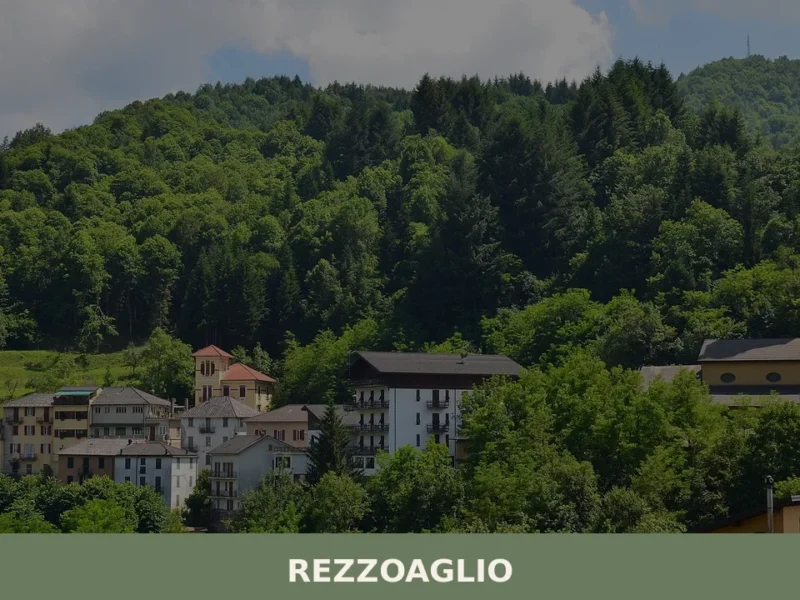
Rezzoaglio
Mountain
What to see in Rezzoaglio, Italy: explore the Aveto Natural Regional Park, local food traditions and 1,048 inhabitants village life. Discover everything here.
Montalto Ligure
Hills
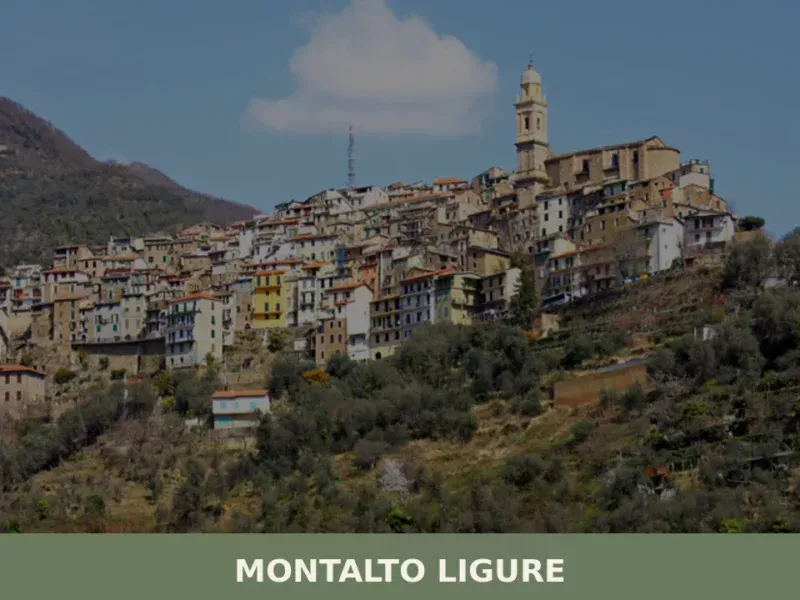
What to see in Montalto Ligure, Italy: Explore its 13.9 km² former territory and administrative history. Discover its unification in 2018.
Maissana
Mountain
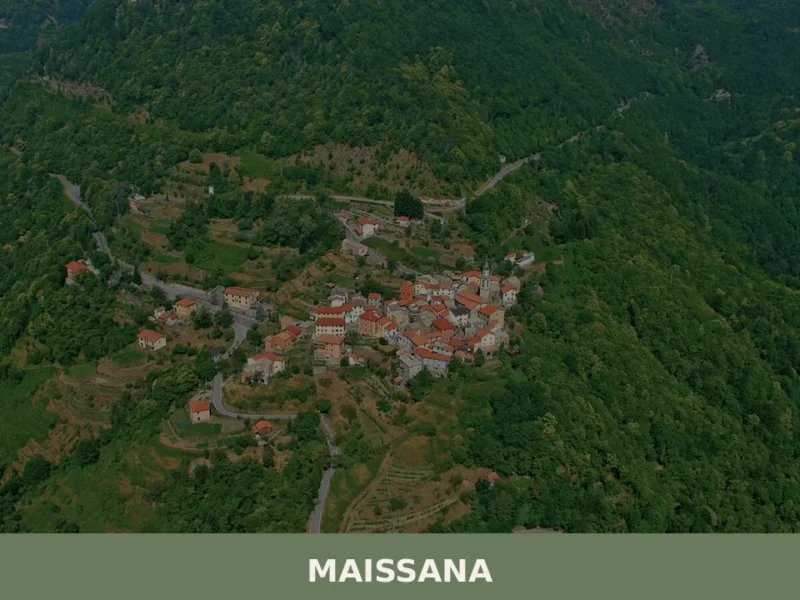
What to see in Maissana, Italy: 644 inhabitants, 50 km from Genoa. Discover top attractions, local food, festivals and how to get there. Explore now.
Olivetta San Michele
Mountain
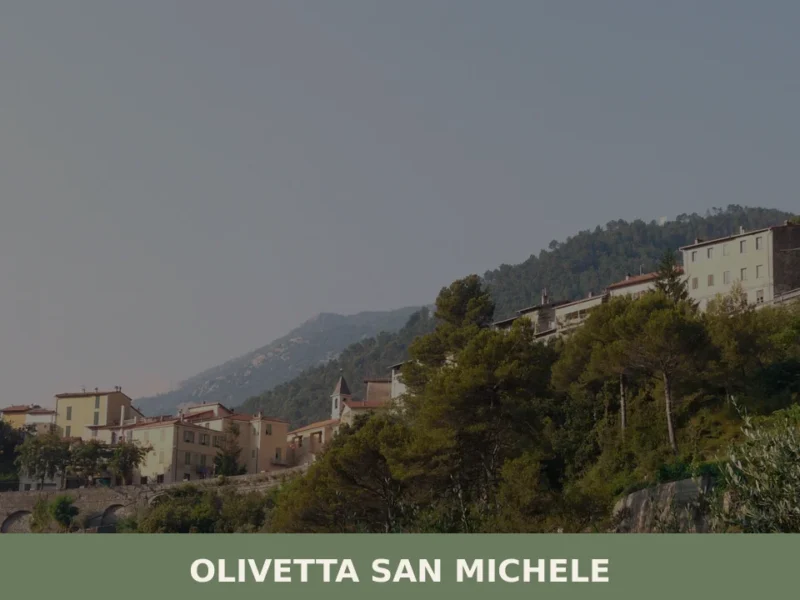
What to see in Olivetta San Michele? Discover 5 unique aspects of this Ligurian village, between history and nature. Read the full guide and plan your visit!
Deiva Marina
 Sea
Sea
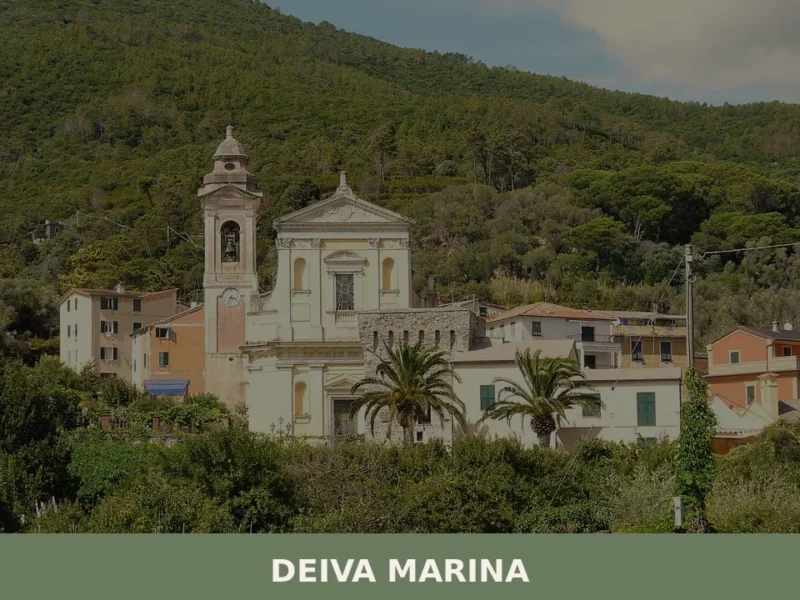
What to see in Deiva Marina, Italy: 5 top attractions, hiking trails, Cinque Terre day trips, and travel tips for this Ligurian village of 1,409 inhabitants. Discover now.
Piana Crixia
Mountain
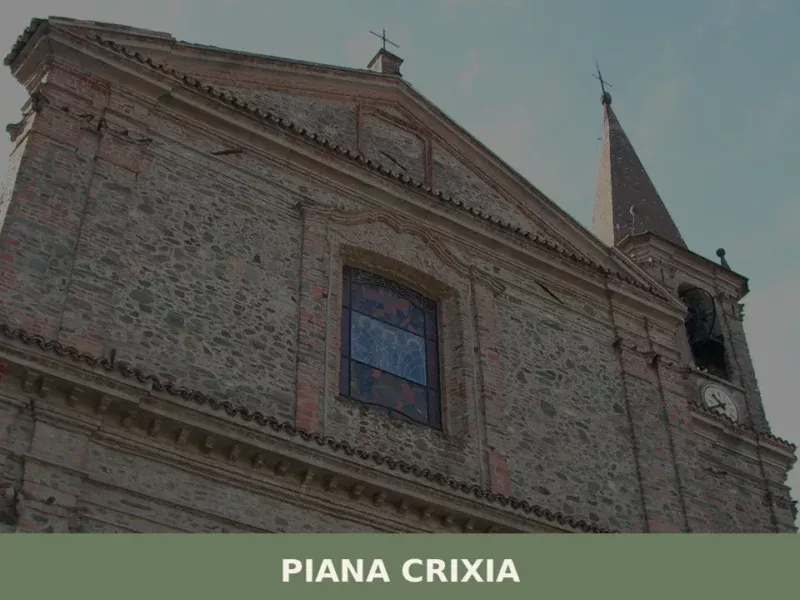
what to see in piana crixia, Italy: Explore this Savona comune (843 inhabitants) and its international ties. Discover Ligurian character and natural surroundings.





🏡 Know Zignago better than we do?
If you’re a local or have been there, your knowledge matters: add what’s missing or fix a detail on this page.