


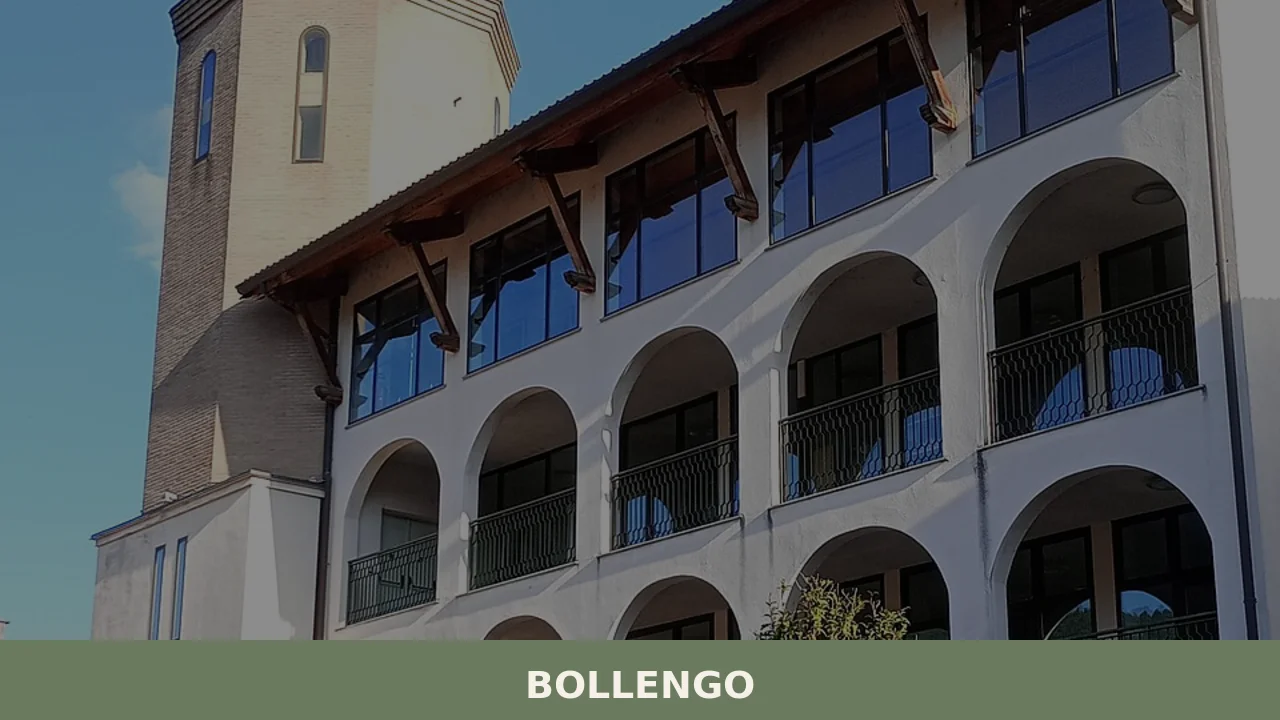
Bollengo
 Hills
Hills
Discover what to see in Bollengo, a 2,089-resident comune in the Canavese area of Piemonte: morainic landscapes, Erbaluce DOCG wines, and rural architecture.
Discover Bollengo
Bollengo is a comune of 2,089 inhabitants in the Metropolitan City of Turin, sitting in the Canavese area of Piemonte — a district historically known for its textile and metalworking industries rather than agricultural monoculture. Knowing what to see in Bollengo requires understanding this dual identity: a compact Piedmontese settlement that has lived between the industrial corridors of the Ivrea basin and the morainic hills left behind by the ancient Balteo glacier. The village carries the marks of that geography in its architecture, its economy and its relationship with the larger urban fabric around it.
History of Bollengo
The name Bollengo — rendered in Piedmontese dialect as Bolengh — belongs to the cluster of Canavese place names whose roots scholars trace to early medieval Lombard or Frankish settlement patterns, where personal names of Germanic origin were combined with the suffix -ingum to denote a community or holding. The Canavese as a whole was incorporated into the Lombard kingdom after 568 AD, and many of its village names preserve that linguistic sediment. Bollengo itself appears in historical cartography and administrative records tied to the broader territory of Ivrea, the ancient Eporedia, which served as the ecclesiastical and political hub of the entire sub-Alpine district throughout the early and high medieval period.
During the feudal era, the Canavese was contested between rival dynasties — the Bishops of Ivrea, the House of Savoy, and local noble families who held scattered castles and revenue rights across the plain. Bollengo fell within the gravitational pull of this system, subject to the progressive consolidation of Savoyard power that brought most of Piemonte under unified ducal administration by the fifteenth century. The Duchy of Savoy formalised control over the Canavese definitively in 1418 when Amadeus VIII absorbed the last independent local lordships, and smaller communes like Bollengo were folded into the administrative machinery of the duchy. This integration meant the village was subject to Savoyard land registers, taxation systems and road infrastructure — the latter of which had lasting consequences for its economic development.
The industrial transformation of the Canavese in the nineteenth and early twentieth centuries brought structural change to the entire zone around Ivrea, most dramatically with the rise of Olivetti from 1908 onward. While Bollengo itself is primarily a residential and agricultural commune rather than an industrial centre, its population and built fabric were inevitably influenced by the labour migration and infrastructure investment that Olivetti’s operations generated across the wider district. The Metropolitan City of Turin, to which Bollengo administratively belongs today, represents the most recent layer of governance — a status formalised under Italian Law 56 of 2014, which replaced the old Province of Turin with the current metropolitan structure.
What to see in Bollengo: the main attractions
The Parish Church
The principal church of Bollengo, dedicated to the saints of the local parish, is the architectural focal point of the village centre. Like most Canavese parish churches, it was rebuilt or substantially remodelled during the Baroque period — a process that affected virtually every major ecclesiastical structure in Piemonte between the late seventeenth and mid-eighteenth centuries. The façade and bell tower mark the spatial centre of the village’s main square.
The Morainic Amphitheatre of Ivrea
Bollengo sits within the boundaries of the Parco Naturale del Lago di Candia e dell’Anfiteatro Morenico di Ivrea, a protected natural area shaped by glacial retreat at the end of the last ice age, roughly 10,000 years ago. The morainic ridges visible from the village territory form one of the most complete glacial amphitheatre systems in Europe, a formation studied extensively by geologists since the nineteenth century.
The Surrounding Vineyard Landscape
The hills around Bollengo support viticulture typical of the Canavese DOC zone, where Erbaluce — a white grape variety with documented cultivation history in the area going back several centuries — is the dominant cultivar. The terraced and sloped vineyard plots visible from the village roads represent a working agricultural landscape maintained by small family producers and cooperative wineries.
Lago di Candia
A short distance from Bollengo lies Lago di Candia, a glacial lake of about 1.5 kilometres in length and one of the few remaining natural lakes in the Canavese plain. The lake and its reed-bed margins are protected habitat, notable for migratory and resident waterfowl. It also supports a small-scale local fishing tradition and has been studied as a palaeoenvironmental archive due to its sediment layers.
The Rural Architecture of the Canavese
The countryside around Bollengo contains examples of traditional Canavese rural building — cascine (farmstead complexes) characterised by internal courtyards, stone and brick construction, and the integration of residential and agricultural functions under a single roof complex. Several such structures date to the eighteenth and nineteenth centuries and remain in active use or have been converted to agriturismo accommodation.
Local food and typical products
The table in this part of Piemonte is anchored by the Canavese’s most celebrated agricultural product: Erbaluce di Caluso, which holds DOCG status — the highest classification in Italian wine law — and is produced from the Erbaluce grape grown on the morainic hills across a defined zone that includes the territory around Bollengo. The wine is made in still white, sparkling and passito (dried-grape) versions, the last of which — Caluso Passito — has a particularly long local tradition. For details on the production zone and producers, the Cantina dei Produttori di Caluso is one of the reference cooperative wineries for the appellation.
Beyond wine, the Canavese table draws on the broader Piedmontese culinary tradition: bagna cauda (a warm anchovy and garlic dip served with raw and cooked vegetables), tajarin (thin egg pasta), braised meats in Erbaluce wine, and the use of local freshwater fish from the lakes of the morainic system. Truffles from the broader Piemonte region appear on autumn menus. For travellers looking to eat locally, the area around Ivrea and Caluso — both within easy reach of Bollengo — offers a range of trattorie and osterie working with Canavese producers. The VisitPiemonte tourism portal maintains an updated directory of local food experiences across the region.
Best time to visit Bollengo
The Canavese has a continental climate moderated by the Alpine arc to the north and west. Summers are warm and occasionally humid, with temperatures regularly exceeding 30°C in July and August — not the most comfortable months for walking the morainic hills. Spring, from late March through May, and autumn, from September through November, offer the most practical conditions: moderate temperatures, clear visibility toward the Alps, and — in the case of autumn — the grape harvest activity that defines the rhythm of the Erbaluce production zone. The grape harvest in the Caluso DOCG zone typically runs through September and into October, when the passito grapes are left to dry on racks before late pressing.
The most significant cultural event in the wider area is the Ivrea Carnival, held each February, which includes the famous Battle of the Oranges — a documented tradition with roots going back to the eighteenth century. While the carnival is centred on Ivrea rather than Bollengo, it draws visitors from across the region and is within easy reach. Travellers combining the carnival with a stay in the Canavese countryside will find the winter period otherwise quiet and cold, with temperatures dropping below freezing on many nights between December and February.
How to get to Bollengo
Bollengo is accessible by road and, to a limited extent, by public transport from the urban centres of Turin and Ivrea. The following reference points cover the main practical options:
- By car from Turin: Approximately 40 kilometres north-east via the A5 motorway (Turin–Aosta), exiting at Ivrea. From Ivrea, Bollengo is reachable in roughly 10 minutes by local road.
- By car from Milan: Approximately 100 kilometres via the A4 motorway to Santhià, then south on the SS26 toward Ivrea.
- By train: The nearest railway station is Ivrea, served by regional trains from Turin Porta Nuova (journey time approximately 50–60 minutes on regional services). From Ivrea station, Bollengo requires a local bus connection or taxi.
- By air: Turin Caselle Airport (Torino Airport) is the closest international airport, approximately 50 kilometres from Bollengo by road. Milan Malpensa is an alternative at roughly 120 kilometres.
Where to stay in Bollengo
Bollengo is a small commune of just over 2,000 residents and does not have the accommodation infrastructure of a destination town. Travellers will find the most practical base either in Ivrea — which has a wider range of hotels and guesthouses — or in the rural surroundings of the Canavese, where agriturismo properties occupying converted farm complexes offer stays with direct access to vineyard and hill landscapes. The morainic lake district, including the area near Lago di Candia, has several such properties operating within the protected natural area.
For those committed to staying as close as possible to Bollengo, holiday apartments and rooms in private homes are the most likely options, bookable through the standard online platforms. The practical advice is to book well in advance if visiting during the September harvest period or around the Ivrea Carnival in February, when accommodation across the whole Canavese zone fills quickly. Staying in the countryside rather than in Ivrea itself gives easier access to the morainic hill roads and the vineyard landscapes that define the character of this part of Piemonte.
More villages to discover in Piemonte
The Canavese and the broader Metropolitan City of Turin contain a range of smaller communes that share the same morainic and hill geography as Bollengo, each with its own distinct character. Brosso, positioned higher in the Canavese hills toward the Valle dell’Orco, is a compact mountain commune where mining history and alpine building traditions have left a visible imprint on the fabric of the village. Foglizzo, on the plain south-east of Ivrea, represents a different register — a lowland Piedmontese commune whose rice and agricultural economy connects it to the broader Po plain culture.
Moving further into the hill country east of Turin, Casalborgone occupies a ridge position in the Monferrato transition zone, with vineyard terraces and views across the Po valley that illustrate how rapidly the landscape changes once you leave the Canavese basin. To the west of Turin, Caselette sits at the base of the Val di Susa corridor, where the Alpine approach begins in earnest — a very different entry point into Piedmontese rural life, shaped by the transit routes that have connected the Italian peninsula to France and northern Europe for two millennia. Taken together, these villages illustrate the variety compressed into a relatively compact area of north-western Italy.
Frequently asked questions about Bollengo
What is the best time to visit Bollengo?
Spring (late March to May) and autumn (September to November) are ideal for visiting Bollengo. Spring offers mild weather and clear views of the Alps, while autumn coincides with the vibrant Erbaluce grape harvest in the surrounding vineyards. Summers can be warm and humid, while winters are cold and quiet. Don't miss the local patron saint festival dedicated to Sant'Eusebio di Vercelli, celebrated on the first Sunday of August, offering a glimpse into local traditions. The nearby Ivrea Carnival in February is also a major cultural event worth considering.
What to see in Bollengo? Main monuments and landmarks
In Bollengo, the architectural focal point is the **Parish Church**, typically a Baroque-era reconstruction common in Piemonte, marking the village's central square. While specific visiting hours may vary, it is generally accessible during religious services. Beyond the immediate village, the surrounding **Morainic Amphitheatre of Ivrea** offers stunning geological formations visible from many points, and the terraced **vineyard landscapes** provide scenic drives. A short distance away, **Lago di Candia** is a protected natural area ideal for nature observation and tranquil walks.
What are the main natural or scenic attractions of Bollengo?
Bollengo is nestled within the **Parco Naturale del Lago di Candia e dell'Anfiteatro Morenico di Ivrea**, a protected area showcasing remarkable natural beauty. The **Morainic Amphitheatre of Ivrea**, a unique glacial formation, is visible from the village territory and offers scenic views for walks and photography. Just a short distance away, **Lago di Candia** is a tranquil glacial lake, perfect for birdwatching and gentle strolls along its protected reed-bed margins. The **surrounding vineyard landscape**, with its terraced Erbaluce plots, also provides picturesque routes for exploring the Canavese countryside.
Where to take the best photos in Bollengo?
For picturesque photos in Bollengo, focus on the panoramic views of the **Morainic Amphitheatre of Ivrea** from the higher points around the village. The **terraced vineyard landscapes** cultivating Erbaluce grapes, especially during autumn harvest, offer stunning agricultural scenery. The **Parish Church** in the main square provides a classic village shot. Don't miss the serene shores of **Lago di Candia** for tranquil nature photography, particularly its reed-beds and waterfowl, or the charming **rural cascine** found in the surrounding countryside, showcasing traditional Canavese architecture.
Are there museums, churches or historic buildings to visit in Bollengo?
The main historic building in Bollengo is its **Parish Church**, an architectural focal point in the village centre, typically rebuilt or remodelled during the Baroque period. While specific visiting hours outside of religious services are not explicitly provided, it serves as a central landmark. The surrounding countryside also features traditional **Canavese rural architecture (cascine)**, dating from the eighteenth and nineteenth centuries, some of which have been converted into agriturismo accommodations, offering a glimpse into local heritage.
What can you do in Bollengo? Activities and experiences
In Bollengo, you can explore the unique **morainic hills** within the Parco Naturale del Lago di Candia e dell'Anfiteatro Morenico di Ivrea, ideal for walking and nature observation. Immerse yourself in the local **viticulture** by discovering the Erbaluce di Caluso DOCG wine, particularly during the grape harvest in autumn (September-October). Enjoy the tranquility of **Lago di Candia** for birdwatching or a leisurely stroll. Indulge in the rich **Canavese culinary tradition**, tasting Erbaluce wine, local freshwater fish, and classic Piedmontese dishes. Consider visiting during the nearby **Ivrea Carnival** in February for a vibrant cultural experience.
Who is Bollengo suitable for? Families, couples, hikers, solo travelers?
Bollengo is ideal for **nature lovers, hikers, and food & wine enthusiasts** seeking an authentic Piedmontese experience away from mass tourism. Its morainic hills and proximity to Lago di Candia make it perfect for **couples and solo travelers** looking for peaceful walks and scenic beauty. **Families** can also enjoy the natural parks and rural charm. Those interested in **local culture and gastronomy**, particularly Erbaluce wine, will find it rewarding. It’s best suited for visitors with their own transport due to its rural setting, making it a great base for exploring the wider Canavese area.
What to eat in Bollengo? Local products and specialties
The undisputed local specialty in Bollengo and the surrounding Canavese area is **Erbaluce di Caluso DOCG wine**. You can savor it in its still white, sparkling, or the traditional sweet passito versions. For an authentic tasting experience, consider visiting cooperative wineries like the Cantina dei Produttori di Caluso, which champions this unique grape. Beyond wine, indulge in classic Piedmontese dishes such as **bagna cauda**, fresh **tajarin** pasta, braised meats prepared with Erbaluce wine, and local freshwater fish from the morainic lakes. In autumn, look for regional **truffles** on local menus.
Nearby Villages near Bollengo
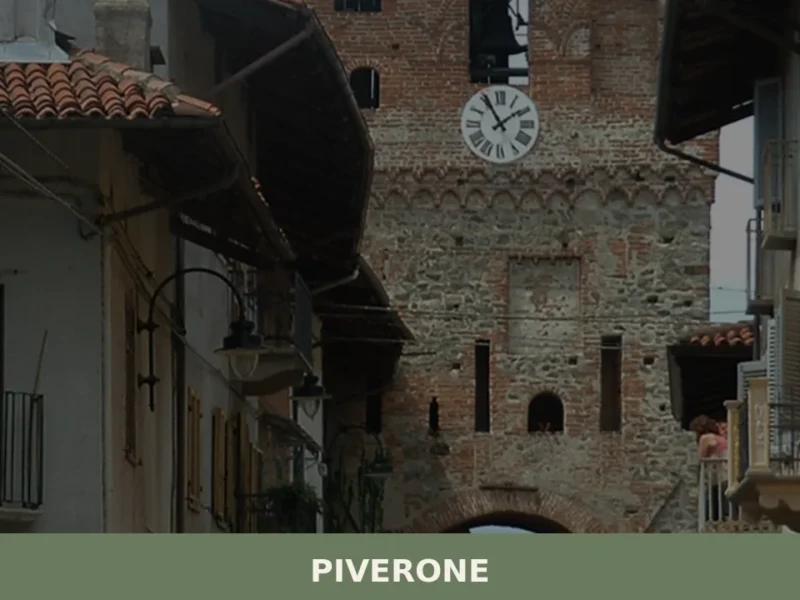
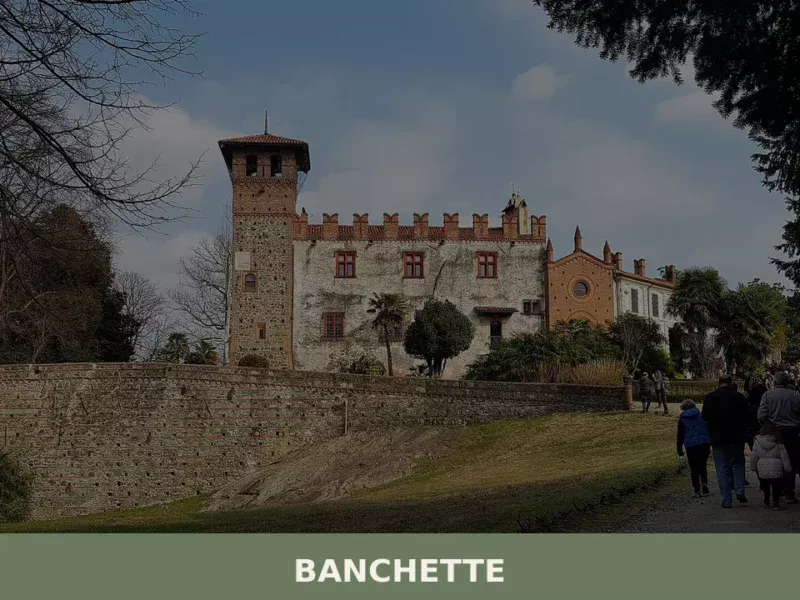
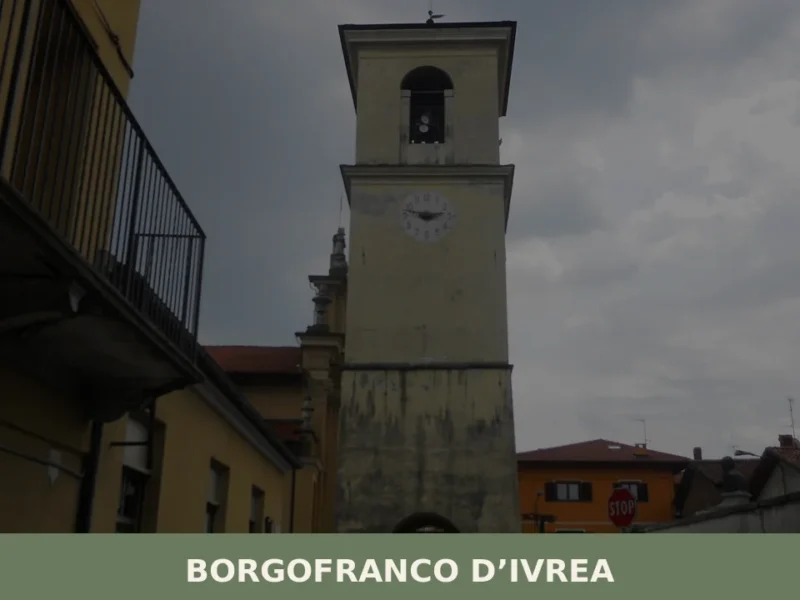
In Piedmont More villages to discover
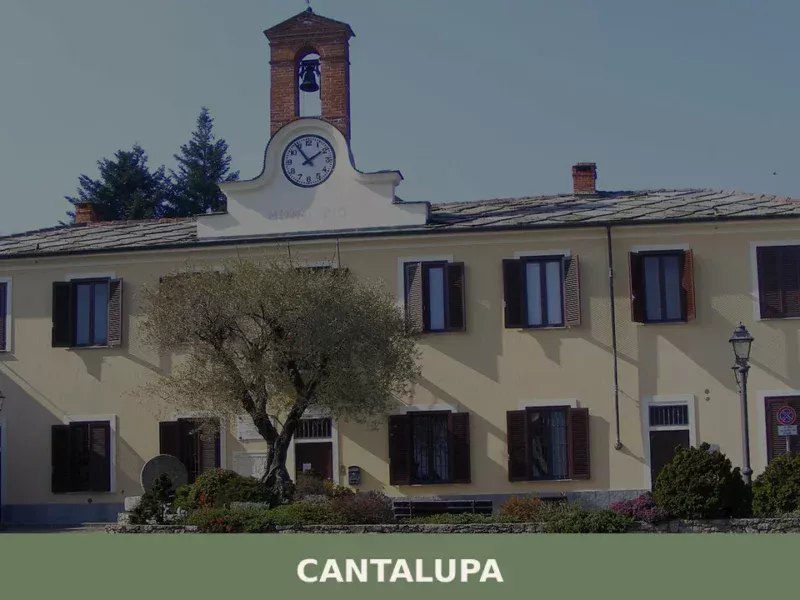
Cantalupa
Hills
Scopri Cantalupa borgo Piemonte: storia, tradizioni e attrazioni di uno dei gioielli nascosti delle colline piemontesi. Visita questo angolo autentico d'Italia!
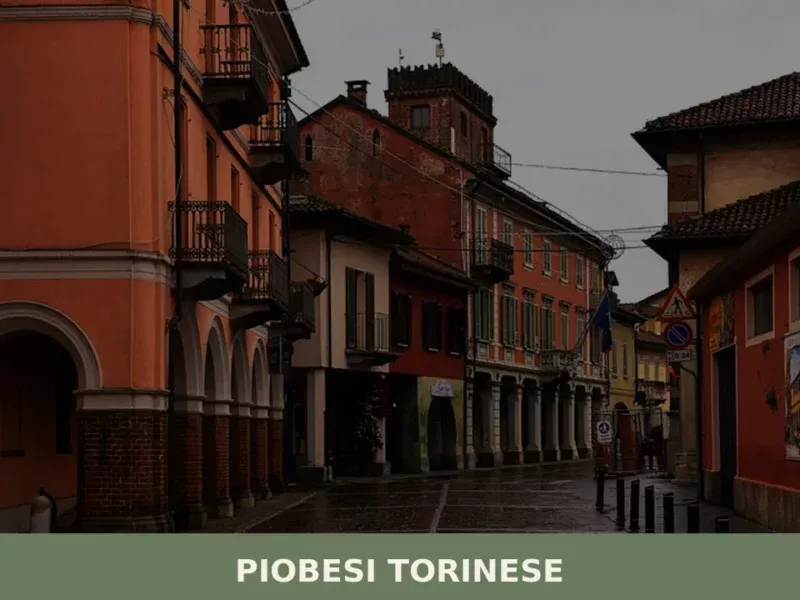
Piobesi Torinese
 Plains
Scopri Piobesi Torinese, affascinante borgo piemontese: storia, attrazioni, tradizioni e consigli pratici per visitarlo al meglio.

Rivarossa
Plains
Population 1,556. A small Piedmont village shaped by monastic settlement, noble conflicts and Swiss-French invasions—home to the Cluniac legacy of Santa Maria Maddalena.

San Bernardino Verbano
 Mountain
San Bernardino Verbano unites 3 historic hamlets at 304 m above Lake Maggiore, offering Val Grande trails, partisan history, and genuine Piedmontese cuisine.
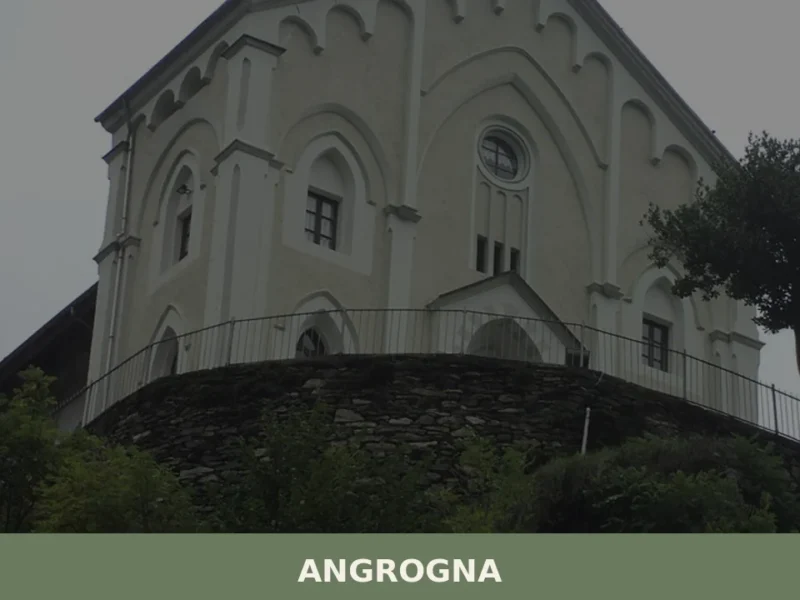
Angrogna
Mountain
What to see in Angrogna: Chanforan, the Ghieisa d'la Tana, Waldensian trails, historic hamlets and mountain cuisine. A complete guide to the village.
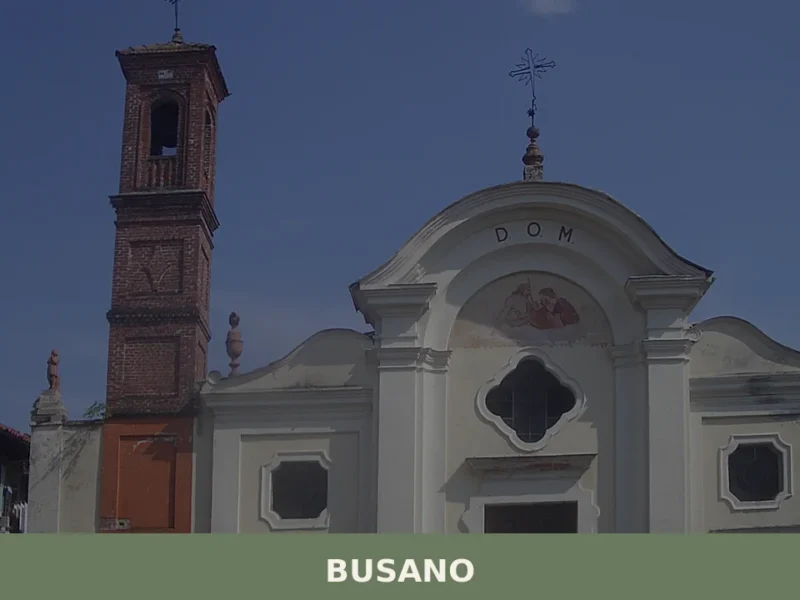
Busano
Plains
What to see in Busano, Piemonte, Italy: 30 km from Turin, explore the Canavese landscape, local cuisine, and festivals. Discover how to get there and when to visit.
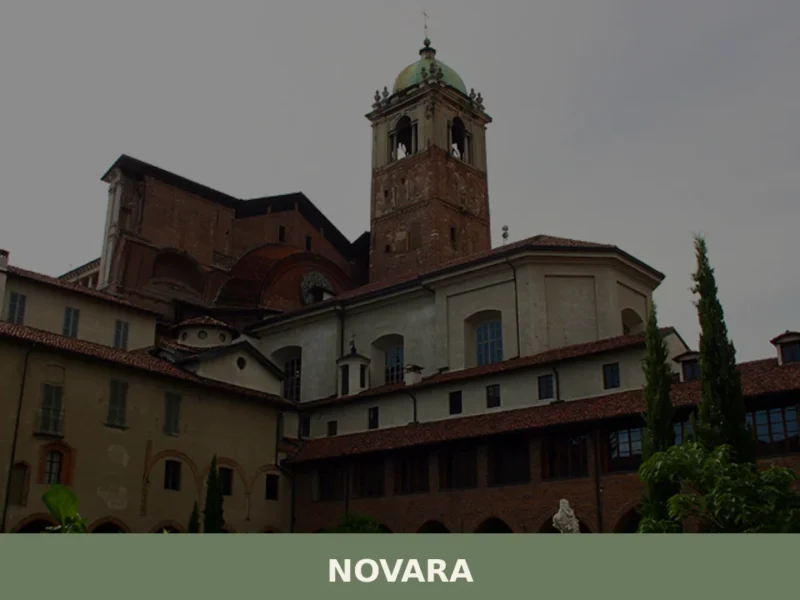
Novara
Plains
What to see in Novara: city at 162 m with 101,000 residents. Explore the Antonelli dome, 4th-century baptistery, paniscia and Colline Novaresi DOC wines.
Balangero
Hills
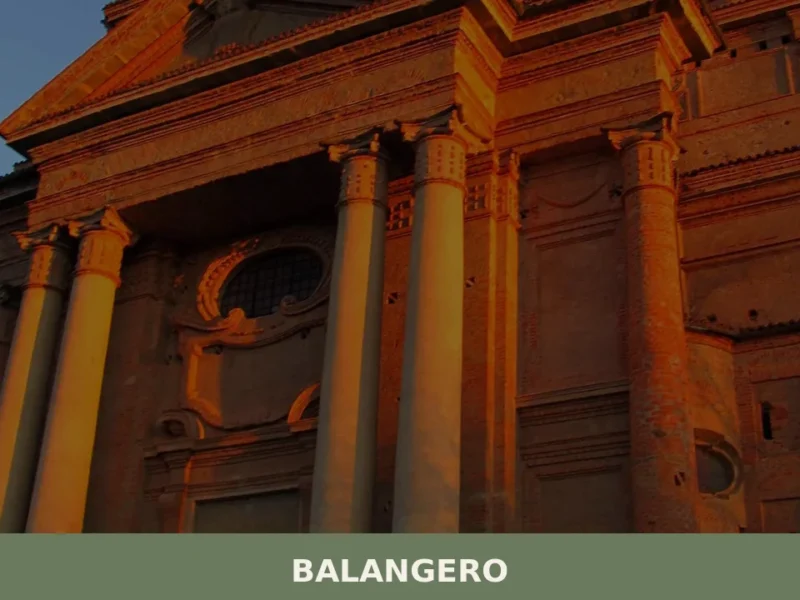
Balangero has just over 3,000 inhabitants and sits at 440 metres above sea level on a hillside in the northern part of the province of Turin. The village is known for having hosted, within its municipal territory, one of the largest asbestos mines in Europe — an extractive operation that left a deep mark on […]

San Benedetto Belbo
Hills
145 residents, one literary trail, one medieval monastery legacy. San Benedetto Belbo rewards slow travellers with Fenoglio's landscape and Langa hilltop views.
Andezeno
Hills
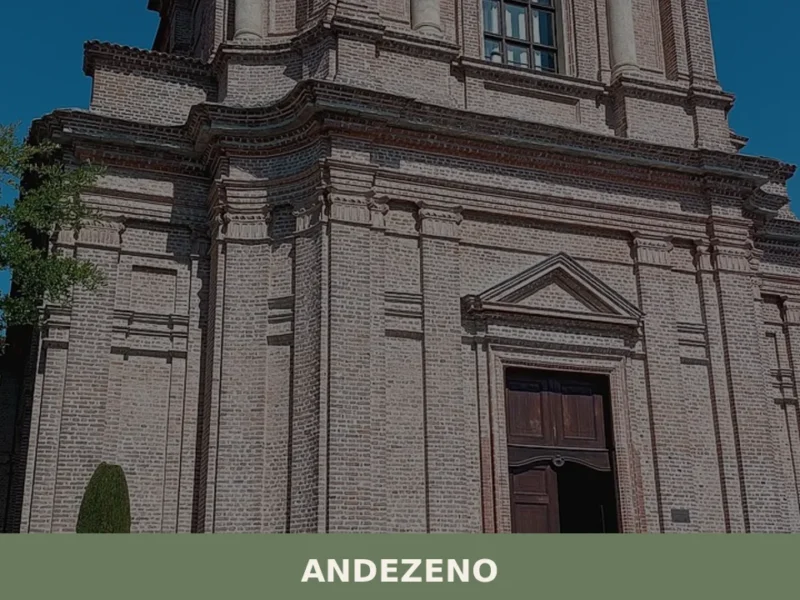
At 306 metres above sea level, on the eastern Turin hills, Andezeno has 2,012 inhabitants spread between the historic centre and its rural hamlets. The municipality appears in medieval documents as early as the 10th century, linked to the affairs of local lords and the Diocese of Turin. Today, anyone wondering what to see in […]

🏡 Know Bollengo better than we do?
If you’re a local or have been there, your knowledge matters: add what’s missing or fix a detail on this page.