


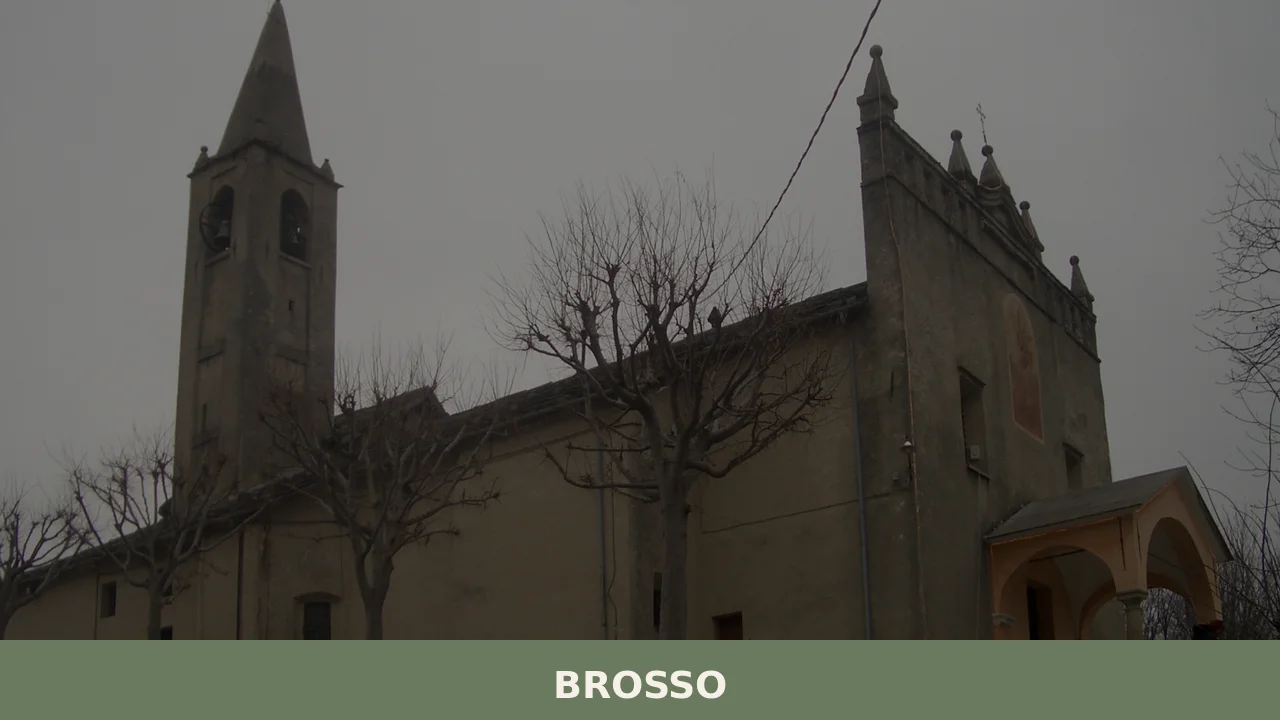
Brosso
 Mountain
Brosso has a population of 391 and sits at 797 metres above sea level in the Valli del Canavese, in the province of Turin, on the south-eastern slopes of the Serra di Ivrea. The area was historically defined by mining activity — particularly iron and copper extraction — a practice that left lasting physical marks […]
Discover Brosso
Brosso has a population of 391 and sits at 797 metres above sea level in the Valli del Canavese, in the province of Turin, on the south-eastern slopes of the Serra di Ivrea. The area was historically defined by mining activity — particularly iron and copper extraction — a practice that left lasting physical marks on both the landscape and the layout of the village. Anyone exploring what to see in Brosso will find a compact mountain settlement with a religious architectural heritage tied to the cult of Saint Michael, set within an Alpine environment of considerable interest for hikers.
History and origins of Brosso
The earliest documentary references to Brosso date from the medieval period, when the village fell under the domain of the Marquises of Monferrato and later the House of Savoy, which consolidated control over the entire Canavese region between the 13th and 14th centuries. The etymology of the name remains uncertain, though some scholars trace it to Ligurian or pre-Roman roots, reflecting the layered linguistic history typical of Piedmont’s Alpine territories.
The local economy was long structured around extractive industry: the iron mines found throughout the Valli del Canavese sustained a small-scale local metalworking trade for centuries, with blacksmiths and metal craftsmen forming a significant share of the working population. This early industrial character sets Brosso apart from many other mountain settlements in the region, which relied exclusively on farming and livestock rearing.
The patron saint of the village is the Archangel Michael, a recurring figure across the Alpine arc where devotion to Saint Michael intertwines with ancient beliefs about the protection of peaks and mountain passes. The feast day falls on 26 September, a date that in local tradition also marks the transition from summer to autumn, accompanied by collective rites and practices that persist in community memory. For further detail on the history of the area, see the Brosso entry on Wikipedia.
What to see in Brosso: 5 key attractions
1. The Church of San Michele Arcangelo
The church dedicated to the village’s patron saint is the main architectural point of reference in Brosso. The building retains elements from several construction phases, with interventions layered from the medieval period through to the modern era. Inside, there are liturgical furnishings and paintings of local interest, documented in the catalogues of the Piedmontese Soprintendenza.
2. The historic centre and stone houses
The built fabric of Brosso follows a compact urban layout, with buildings in local stone constructed according to architectural types common throughout the Canavese valleys. The houses feature load-bearing structures in granite and gneiss blocks, with wooden loggias and pitched roofs — functional design responses to a mountain climate at nearly 800 metres above sea level.
3. The mining landscape of the Valli del Canavese
The land surrounding Brosso still bears visible traces of its historic extractive past. Evidence of former iron and copper working can be found across the hilly and mountain terrain, with slag heaps and residual structures documenting centuries of mining activity. This is a landscape of diffuse industrial archaeology — little studied, but historically significant.
4. The hiking trails along the Serra di Ivrea
From Brosso, walking routes extend along the Serra di Ivrea, the longest glacial moraine in Europe at approximately 25 kilometres. The trails lead to viewpoints overlooking the Canavese plain and the glacial lakes below, with elevation changes accessible to walkers without specialist experience.
5. The Feast of Saint Michael (26 September)
The patron saint’s day on 26 September is the most important communal event in the local calendar. The occasion brings together the village’s 391 residents alongside many former inhabitants who return for the day, with liturgical celebrations and shared meals following an established ritual. It is one of the most direct opportunities to observe the social life of a Piedmontese mountain village.
Local food and produce
The cuisine of Brosso belongs to the gastronomic tradition of the Canavese, one of the most well-defined culinary areas in mountain Piedmont. The most representative dish of the territory is polenta concia, prepared with coarse-ground cornmeal and finished with local butter and cheeses from the area, including Toma Piemontese DOP, a semi-hard cheese produced throughout the Piedmontese Alpine arc using whole or partially skimmed cow’s milk. Also common on local tables is Fontina from the Aosta Valley, which reaches Canavese kitchens through long-standing exchanges with neighbouring valleys, along with Saras del fen, a sheep’s or goat’s milk ricotta aged in hay, typical of the Canavese and the Piedmontese Alpine valleys.
Among main courses, the mountain tradition favours farmyard poultry and seasonal game, cooked using slow methods — braises and stews — that make use of Vino Canavese DOC, a designation covering local wines produced from native grape varieties including Erbaluce, Barbera and Neretto. Also worth noting, in the shops and markets of the area, are Miele delle Valli Alpine Piemontesi (mountain honey) and dried chestnuts from the Canavese woodlands — products that feature in the autumn festivals held in villages across the district. The official website of the Municipality of Brosso publishes updates on local events and seasonal food festivals.
When to visit Brosso: the best time of year
At 797 metres above sea level, Brosso has a continental mountain climate with cold winters and frequent snowfall between December and March. The most favourable period for visiting the village and walking the trails in the surrounding area runs from May to October, with June to September being preferable when the valley floors and wooded slopes are fully accessible. Summer temperatures are notably cooler than on the plain below, making the village a viable destination even in the hottest months.
The highest concentration of visitors comes around the feast of Saint Michael on 26 September, which falls in late autumn: the surrounding beech forests display their seasonal colours, autumn woodland produce — mushrooms and chestnuts — is at its most plentiful, and temperatures typically range between 10 and 15 degrees, ideal conditions for walks along the Serra di Ivrea. Visitors exploring the Canavese at this time of year can plan a route that takes in several villages in the area.
How to get to Brosso
Brosso is reached by car via the A5 Turin–Aosta motorway, taking the Ivrea exit and then continuing towards the Valli del Canavese along the provincial road. The distance from Turin is approximately 55–60 kilometres, with a journey time of around one hour under normal conditions. From Ivrea, the nearest main town, the distance is about 20 kilometres along a mountain road. The closest airport is Turin Caselle (Turin International Airport), approximately 65 kilometres away.
Public transport options are limited: the village has no railway station of its own. The most practical route by train involves reaching Ivrea on regional services along the Turin–Aosta line, then continuing by provincial bus with GTT (Gruppo Torinese Trasporti) towards the valleys. It is advisable to check current timetables directly on the GTT website, as services to mountain villages are reduced on public holidays and outside the main season.
Other villages to explore in Piedmont
The Canavese and eastern Piedmont offer a range of villages with very different characters. Agliè, in the Canavese, provides a clear point of contrast to Brosso’s mountain setting: a lowland town of aristocratic layout, known for the Savoy castle — now a National Museum — and an urban structure that reflects centuries of noble patronage. A quite different proposition is Azeglio, a village on the plain of Vercelli on the shores of Lake Viverone, whose historical reputation owes much to the fact that it gave its name to Count Massimo d’Azeglio, writer, painter and Prime Minister of the Kingdom of Sardinia.
Moving towards the southern part of the Turin area, Airasca is an example of a Piedmontese agricultural plain village, with a history tied to the great medieval feudal dynasties and an economy built on cereal farming. For those planning a broader itinerary across the province of Turin, Arignano, in the Chieri district, offers a further point of reference: a hillside settlement with a well-preserved rural architectural heritage and a commanding position over the Po Hills. Up-to-date information on all of Piedmont’s villages is available on the Touring Club Italiano website.
Frequently asked questions about Brosso
What is the best time to visit Brosso?
The ideal time to visit Brosso for hiking and exploring the natural surroundings is from May to October, with June to September offering the most accessible conditions for trails. Brosso's altitude ensures cooler summer temperatures, making it a pleasant escape during hotter months. For a unique cultural experience, plan your visit around September 26th for the Feast of Saint Michael, the village's patron saint. This late autumn period also showcases the vibrant fall foliage of the beech forests and is perfect for enjoying local produce like mushrooms and chestnuts amidst comfortable temperatures of 10-15 degrees Celsius.
What to see in Brosso? Main monuments and landmarks
Brosso offers several compelling sights. The central point is the Church of San Michele Arcangelo, the village's patron saint, showcasing architectural elements from various periods and housing interesting liturgical art. Visitors can explore the historic centre, a compact network of traditional stone houses built from granite and gneiss, reflecting mountain architecture. The surrounding mining landscape bears visible marks of centuries of iron and copper extraction, offering a unique glimpse into industrial archaeology. Additionally, the village serves as a gateway to hiking trails along the Serra di Ivrea, Europe's longest glacial moraine, providing accessible routes to panoramic viewpoints over the Canavese plain.
What are the main natural or scenic attractions of Brosso?
Brosso is nestled in an Alpine environment, offering significant natural beauty. The primary natural attraction is the Serra di Ivrea, Europe's longest glacial moraine, directly accessible from the village via numerous hiking trails. These well-marked paths cater to walkers of varying experience levels and lead to breathtaking viewpoints overlooking the Canavese plain and its glacial lakes. In autumn, the surrounding beech forests transform with vibrant colours, and the area becomes a prime spot for foraging wild mushrooms and chestnuts, adding to the scenic appeal.
Where to take the best photos in Brosso?
For stunning photographs in Brosso, focus on the hiking trails along the Serra di Ivrea, which offer panoramic viewpoints overlooking the picturesque Canavese plain and its glacial lakes. The historic centre with its compact layout and traditional stone houses provides charming architectural photo opportunities, especially at different times of day. The unique mining landscape, with its traces of historic extraction, offers intriguing subjects for industrial archaeology enthusiasts. During autumn, the vibrant colours of the beech forests surrounding the village create a spectacular backdrop for nature photography.
Are there museums, churches or historic buildings to visit in Brosso?
Yes, Brosso features notable historic buildings and sites. The Church of San Michele Arcangelo is the village's main architectural landmark, displaying a rich history of construction from medieval to modern times, along with liturgical art. Visitors can also explore the historic centre, characterized by its well-preserved stone houses and traditional Canavese architecture. While there isn't a formal museum, the entire mining landscape around Brosso acts as an open-air historical site, with visible traces of iron and copper extraction, slag heaps, and residual structures offering a unique insight into the region's industrial past.
What can you do in Brosso? Activities and experiences
In Brosso, visitors can immerse themselves in mountain life and local culture. Hiking is a primary activity, with accessible trails along the Serra di Ivrea offering stunning views. You can explore the historic centre and the Church of San Michele Arcangelo, appreciating the traditional architecture and religious heritage. For a deeper cultural experience, try to visit on September 26th for the Feast of Saint Michael, participating in local celebrations and shared meals. Throughout your stay, indulge in the rich Canavese gastronomy, sampling local cheeses like Toma Piemontese DOP, polenta concia, and regional wines, or seek out autumn festivals for seasonal produce.
Who is Brosso suitable for? Families, couples, hikers, solo travelers?
Brosso is ideally suited for hikers and nature lovers seeking accessible mountain trails and panoramic views along the Serra di Ivrea. Its compact and authentic atmosphere also appeals to solo travelers and couples looking for a tranquil escape from the summer heat or an immersive cultural experience. Families can enjoy gentle walks and the village's serene environment. Those interested in local traditions and community life will particularly appreciate visiting around September 26th for the Feast of Saint Michael, a vibrant communal event.
What to eat in Brosso? Local products and specialties
Brosso's cuisine is deeply rooted in the Canavese gastronomic tradition. A must-try specialty is Polenta Concia, a hearty dish made with coarse cornmeal, local butter, and area cheeses like Toma Piemontese DOP. You'll also find Fontina cheese and Saras del fen, a distinctive ricotta aged in hay. Main courses often feature farmyard poultry and seasonal game, slow-cooked and often accompanied by Vino Canavese DOC, made from local grape varieties such as Erbaluce, Barbera, and Neretto. Don't miss Miele delle Valli Alpine Piemontesi (mountain honey) and dried chestnuts, especially in autumn.
Nearby Villages near Brosso
In Piedmont More villages to discover
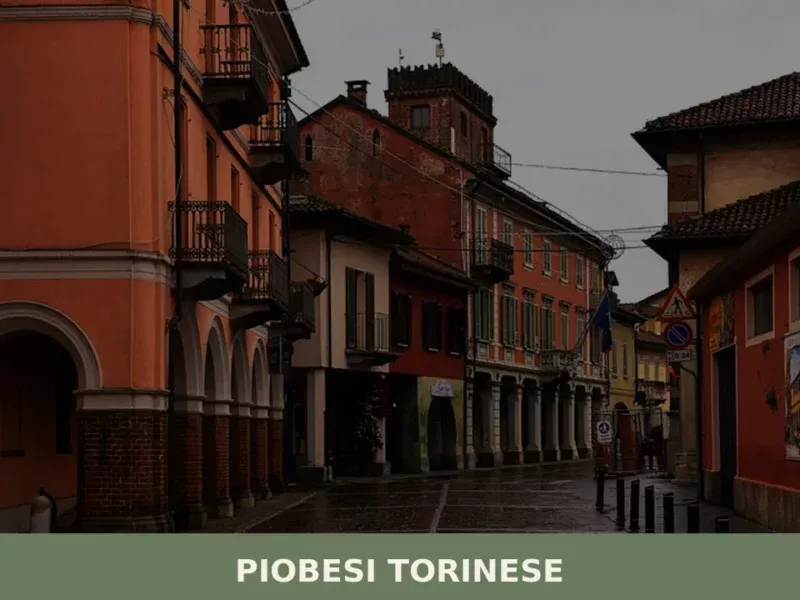
Piobesi Torinese
 Plains
Scopri Piobesi Torinese, affascinante borgo piemontese: storia, attrazioni, tradizioni e consigli pratici per visitarlo al meglio.
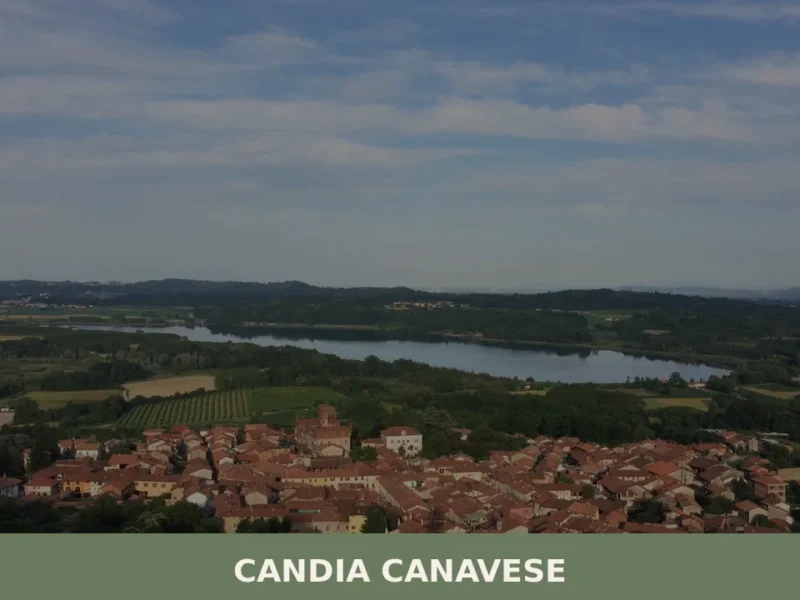
Candia Canavese
 Hills
Hills
Scopri Candia Canavese, il gioiello del Piemonte affacciato sul lago. Storia, natura e tradizioni ti aspettano in questo borgo incantevole del Canavese.
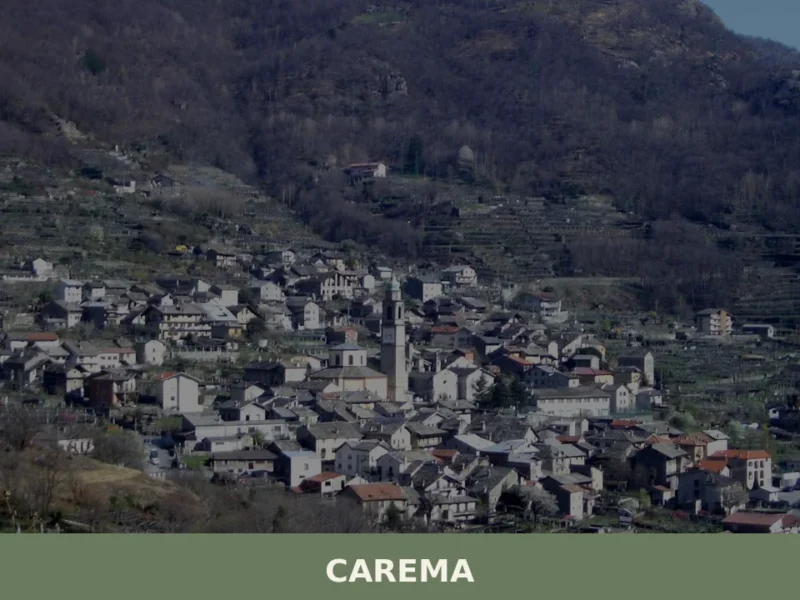
Carema
Mountain
Scopri Carema borgo medievale: un gioiello del Piemonte tra vigneti storici, torri antiche e tradizioni millenarie. Visita questo angolo unico d'Italia!
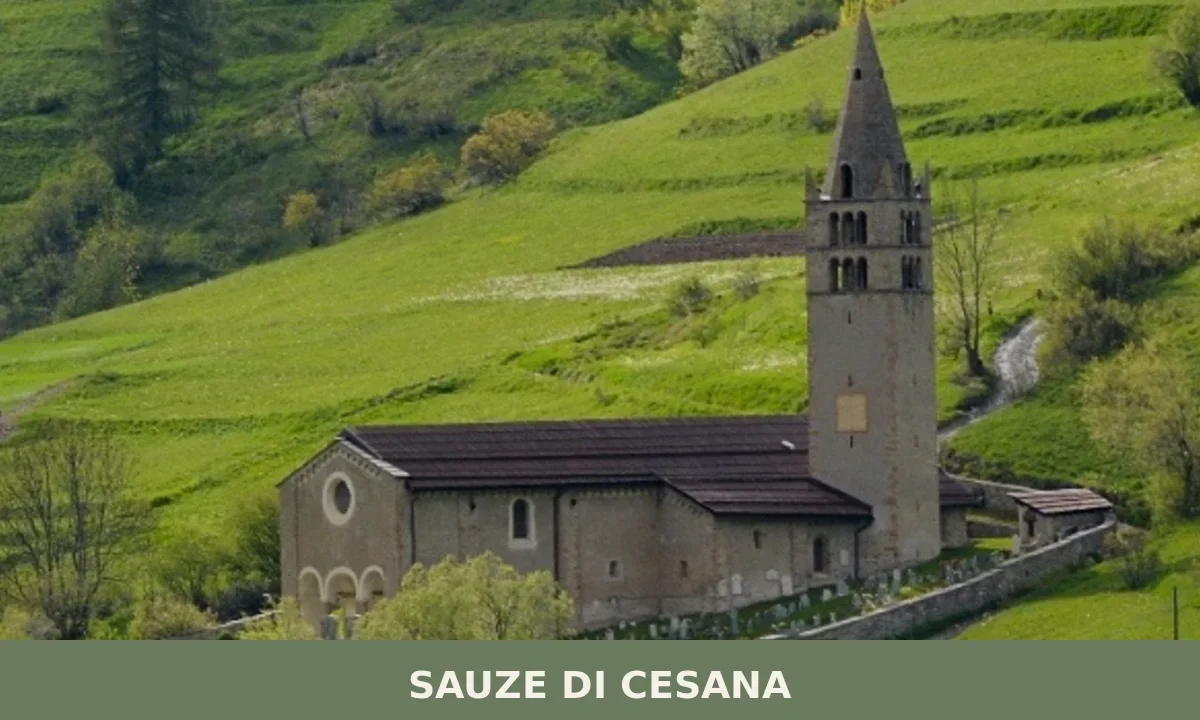
Sauze di Cesana
Mountain
Population 226. A high-altitude mountain village in Val di Susa where stone architecture and a century of territorial struggle have shaped identity more than monuments.
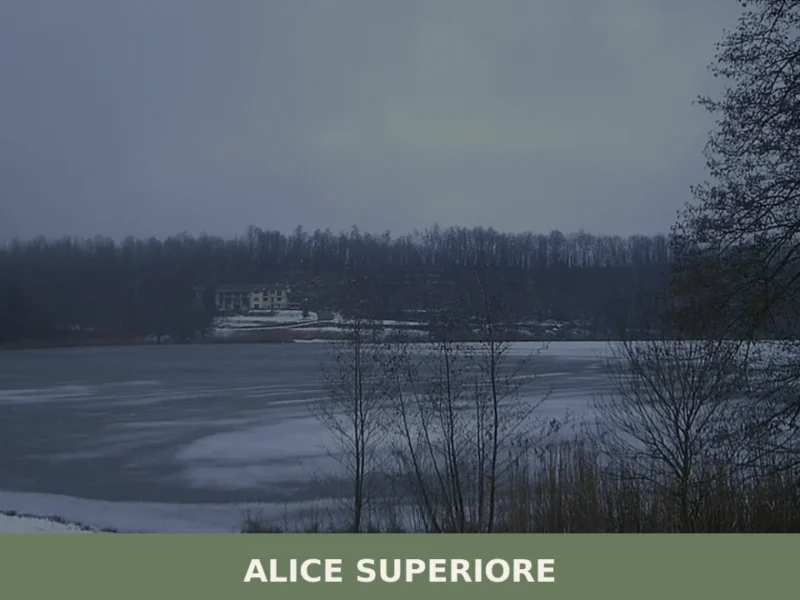
Alice Superiore
Mountain
Alice Superiore sits at 610 metres above sea level in the Chiusella Valley, a lateral branch of the Canavese district within the Metropolitan City of Torino. Home to 711 inhabitants, the village occupies a stretch of sloping terrain where chestnut woods give way to Alpine pasture. For anyone researching what to see in Alice Superiore, […]
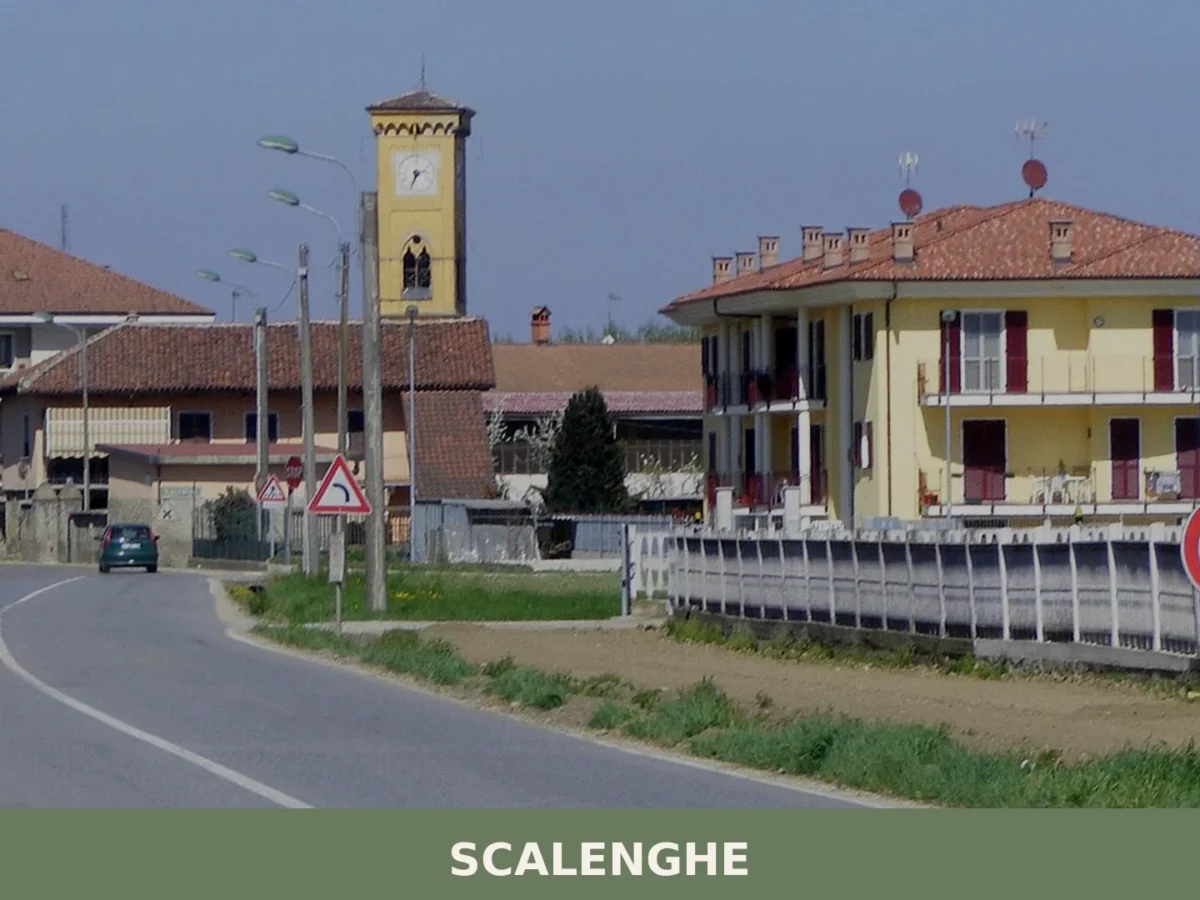
Scalenghe
Hills
A comune of 3,195 residents where centuries-old churches meet a landscape shaped by cattle and grain. Medieval roots and modern farming define this territorial landmark.
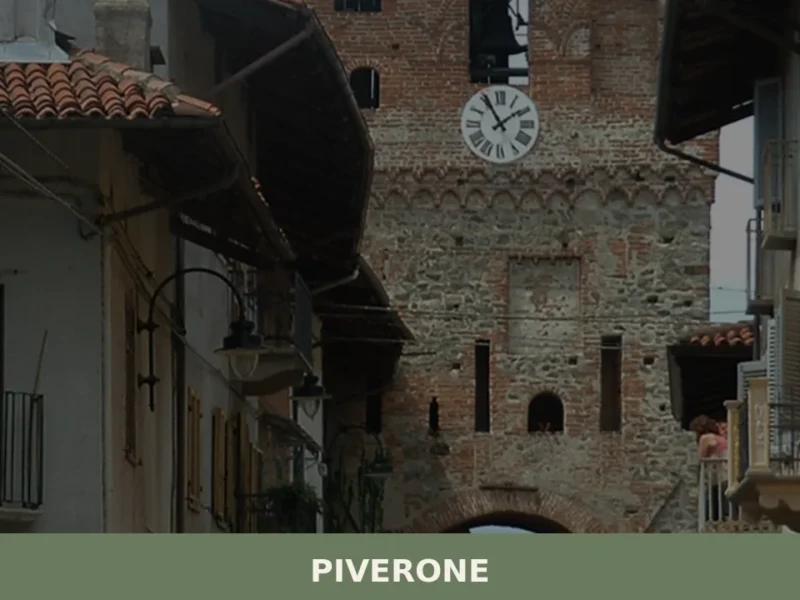
Piverone
Hills
Piverone is a comune of 1,225 inhabitants in the Metropolitan City of Turin, sitting in the Canavese district of Piemonte at the foot of the Monferrato hills. Its Piedmontese name, Pivron, pronounced /pɪw’rʊŋ/, signals a linguistic heritage rooted deep in the region’s Franco-Provençal and Occitan-influenced dialects. For anyone researching what to see in Piverone, the […]

Balme
Mountain
Population 97. Balme stands at 1,432 metres in the Valli di Lanzo, where stone architecture and seasonal rhythms anchor a centuries-old mountain community.
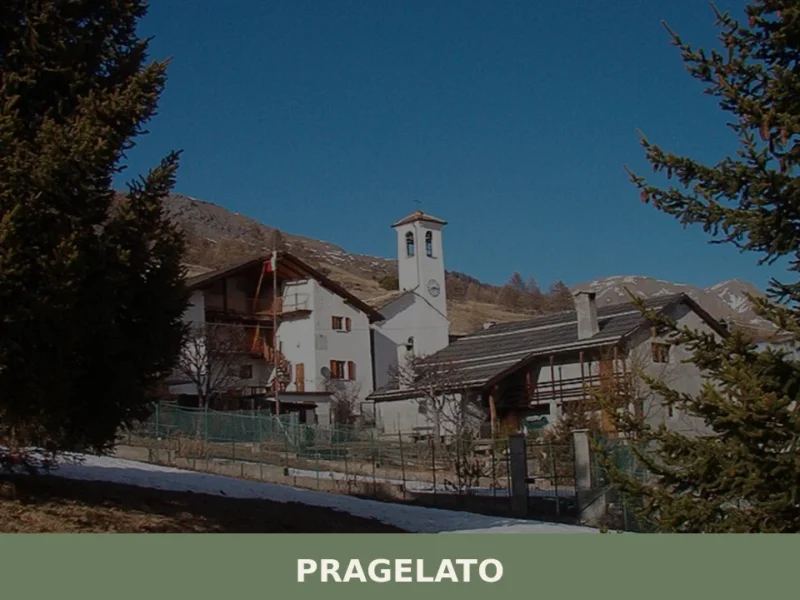
Pragelato
Mountain
Pragelato sits at around 1,524 metres above sea level in Val Chisone, approximately 82 kilometres west of Turin, and its Occitan name — Pradzalà or Prajalats — translates directly as “frozen meadow”, a reference to the high-altitude pastures that define the landscape here. With a resident population of 692, this is a compact Alpine commune […]
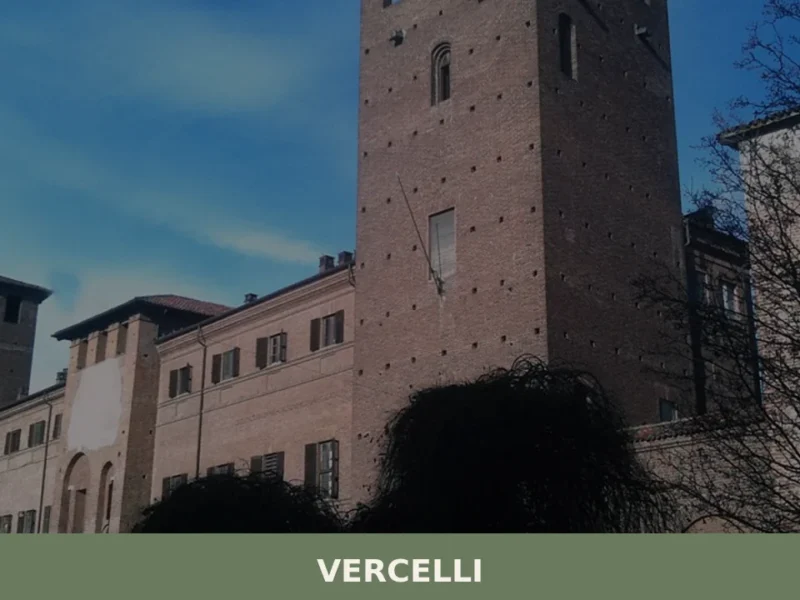
Vercelli
Plains
What to see in Vercelli: rice capital at 130 m in Piedmont. Basilica di Sant'Andrea, Museo Borgogna, panissa and flooded paddies. Plan your visit now.
🏡 Know Brosso better than we do?
If you’re a local or have been there, your knowledge matters: add what’s missing or fix a detail on this page.