


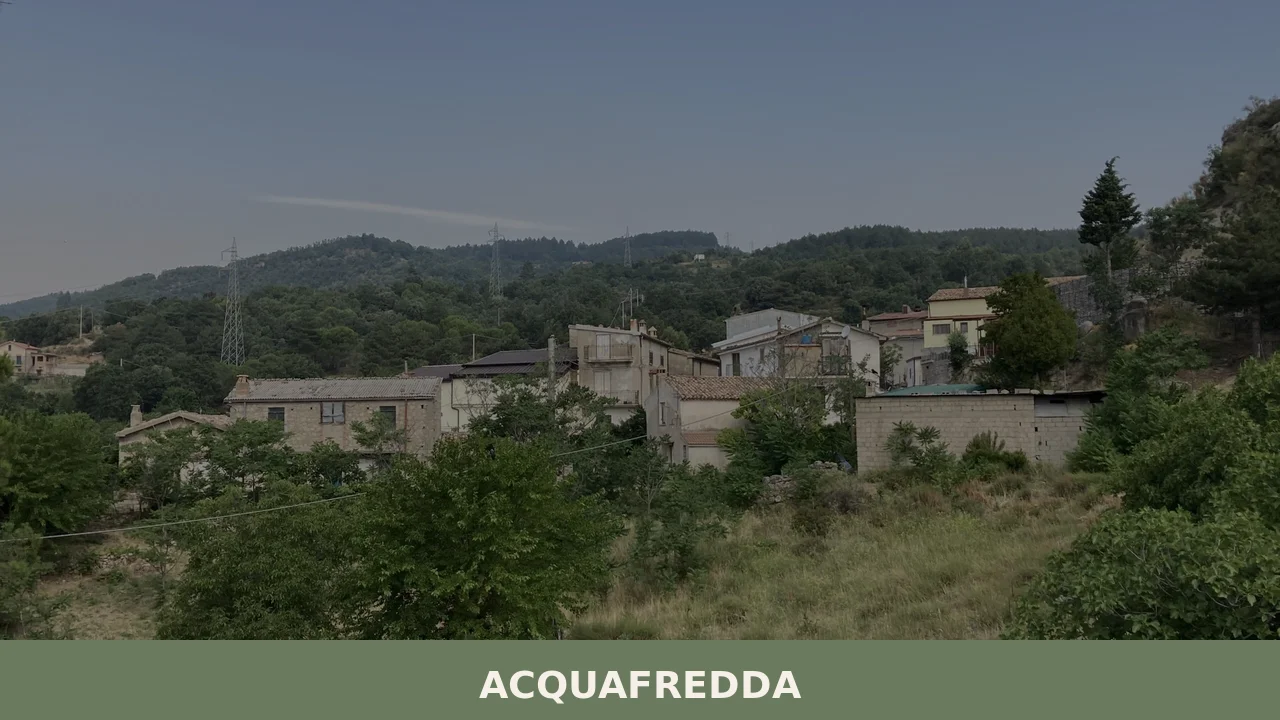
Acquafredda
 Plains
What to see in Acquafredda, a municipality in the lower Brescian area at 55 m above sea level: the Church of San Biagio, historic farmsteads, fontanili and the traditional cuisine of the Po Plain.
Discover Acquafredda
Acquafredda is a municipality in the province of Brescia with a population of 1,518, spread across flat terrain at 55 metres above sea level, in the agricultural belt between Lake Garda and the River Oglio. Understanding what to see in Acquafredda means engaging with the reality of the deep Po Plain, where the identity of the place is written in the concrete signs of the land: the parish church, the historic agricultural estates, and the road network that reflects the original Roman land division. This is a village that makes no attempt to be anything other than what it is.
History and Origins of Acquafredda
The place name “Acquafredda” refers directly to a hydrogeological feature of the territory: the presence of spring water at a consistently low temperature, a common phenomenon in the foothill and lowland belt of Brescia province where shallow aquifers surface continuously. This characteristic has historically influenced both human settlement and local agricultural practices, which were oriented towards crops that benefited from natural irrigation. The name appears in medieval sources with varying spellings, all pointing to the same environmental reference, and its earliest documented occurrence places the site within the framework of Lombard and later Carolingian territorial organisation across the Brescian Po Plain.
During the medieval period, Acquafredda fell within the orbit of the feudal system centred on the power of the Bishop of Brescia, and later on the local lordships that controlled the lower Brescian territory. This stretch of Lombard lowland was the scene of recurring conflicts between urban communes, rural signorie and ecclesiastical powers between the twelfth and fourteenth centuries. The territory of Acquafredda followed the administrative fate of the province of Brescia through the transition to Visconti rule and then to the Republic of Venice in 1426, the year in which Brescia and its surroundings permanently joined the Venetian terraferma state, a status it retained until the end of the eighteenth century.
Under Venetian rule, the Brescian plain underwent a gradual transformation in land ownership: prominent Venetian patrician families and the Brescian aristocracy invested in irrigated farming, draining land and building the rural villas that still dot the landscape. Acquafredda, like many municipalities in the lower Brescian area, was affected by this agricultural reorganisation. With the arrival of Napoleon in 1797 and the fall of the Republic of Venice, the territory was administratively restructured, passing subsequently under Austrian control as part of the Kingdom of Lombardy-Venetia in 1815, until its annexation to the Kingdom of Italy in 1859 following the Second War of Independence. The patron saint, Saint Blaise, Bishop and Martyr, whose feast is celebrated on 3 February, reflects a devotion of medieval origin widespread throughout the Brescian territory.
What to See in Acquafredda: 5 Key Attractions
Parish Church of San Biagio
The village’s principal place of worship is dedicated to its patron saint, Blaise, Bishop and Martyr, a figure venerated since the Middle Ages throughout the Diocese of Brescia. The church forms the architectural focal point of the settlement and preserves decorative elements from the successive phases of construction and enlargement that shaped many parish churches in the lower Brescian area between the sixteenth and eighteenth centuries.
The Historic Agricultural Centre
The built fabric of Acquafredda’s centre documents the typology of the Lombard farmstead, or cascina: enclosed courtyards, arcaded porticoes, barns and stables repurposed over time for other uses. Reading this layout makes it possible to trace the economic cycles of Brescian agriculture, from extensive cereal growing to dairy cattle farming, which defined the plain up to the second half of the twentieth century.
The Water Network and Fontanili
The municipal territory retains traces of the system of fontanili (spring-fed resurgences) and irrigation channels that historically supplied water to the fields. These features — some dating back to medieval hydraulic organisation and expanded during the Venetian period — are a distinctive characteristic of the western Brescian plain and give concrete meaning to the village’s name.
The Landscape of the Lower Brescian Plain
At 55 metres above sea level, the territory of Acquafredda offers a direct reading of a structured agricultural plain: the rows of trees, the residual mulberry hedgerows (a legacy of Lombardy’s silk industry), the drainage channels, and the rural tracks laid out on foundations of Roman origin are all features that can be appreciated by travelling the local roads on foot or by bicycle.
Historic Farmsteads and Rural Architecture
In the outlying hamlets and surrounding countryside, rural complexes of historical and architectural interest can be found: large courtyard farmsteads with dovecote towers, rural bread ovens and wells, built between the sixteenth and nineteenth centuries by the families who owned the land. Some of these complexes retain original construction features in Lombard fired brick, the dominant material in rural building across the lower Po Plain.
Local Cuisine and Food Products
Acquafredda sits within the gastronomic zone of the lower Brescian area, a territory whose cooking is built on the produce of the plain. The most representative dish of the entire province is Manzo all’olio di Rovato, a preparation using cuts of beef cooked slowly with extra-virgin olive oil, anchovies and capers — a combination rooted in the Renaissance culinary tradition of Brescia. Equally embedded in the territory is the tradition of Brescian casoncelli — pasta filled with meat, bread, cheese and raisins, dressed with melted butter, sage and pancetta — distinguished from its Bergamo counterpart by its sweet-savoury filling. The Brescian plain also produces Bagoss, a PDO aged cheese from Bagolino that is sold throughout the province, as well as Provolone Valpadana PDO, available in local food shops. Visitors to the area will also find pistum on the menus of local trattorias and restaurants — a traditional Brescian pork sausage.
The territory surrounding Acquafredda falls within the production zone of Grana Padano PDO, a hard cheese produced in the dairies of the Brescian plain using milk from local cattle farms. The cured meat tradition is also significant here: Brescian salame and Brescian soppressata are products found in butchers’ shops and weekly markets in neighbouring municipalities. In February, around the feast of Saint Blaise on 3 February, many communities in the lower Brescian area mark the occasion with collective celebrations tied to local religious and food traditions, including the distribution of blessed candles and communal gatherings after the church service.
When to Visit Acquafredda: The Best Time of Year
The Brescian plain has a pronounced continental climate: hot, humid summers with temperatures exceeding 30°C, and cold winters with persistent fog from November to February. Spring — between April and May — and autumn — September and October — are the most suitable periods for visiting Acquafredda and the surrounding area, both for the moderate temperatures and because the agricultural landscape displays its full range of colours through the cycles of sowing and harvest. The feast of Saint Blaise on 3 February is the main liturgical occasion in the village calendar: anyone in the area on that date can take part in a celebration deeply rooted in the local community, including the traditional blessing of the throat. For cycling along the fontanili and irrigation channels, the ideal period is between April and June, before the summer heat makes cycling across open flat land more demanding.
How to Get to Acquafredda
Acquafredda is relatively easy to reach thanks to its location on the Brescian plain, which is well served by the Lombard motorway and road network. The official website of the Municipality of Acquafredda provides updated information on local roads and services.
- By car: from the A21 Brescia–Piacenza motorway, exit at Manerbio, then follow signs for Acquafredda along the SP19. Approximately 25 km from the city of Brescia.
- From Milan: approximately 100 km via the A4 Milan–Venice motorway to Brescia, then the A21 towards Cremona, exit Manerbio. Estimated journey time: 1 hour 15 minutes.
- By train: the nearest railway station is Manerbio, on the Brescia–Cremona line. Acquafredda is around 8 km from there, reachable by taxi or private transport.
- Nearest airport: Brescia-Montichiari Airport (approximately 30 km) or Milan Malpensa Airport (approximately 130 km).
Where to Stay in Acquafredda
Accommodation options in Acquafredda, a municipality of just over 1,500 inhabitants, are limited and largely confined to agriturismi and guesthouses in the surrounding countryside. Those looking for hotels with a fuller range of services can head to Manerbio or to larger centres in the lower Brescian area, just a few kilometres away. For those who prefer rural stays, the agriturismi of the Brescian plain offer rooms in converted farmstead settings, sometimes with on-site dining based on local produce. Booking in advance is advisable in spring and around local events. The Italia.it page dedicated to Lombardy provides an overview of accommodation in the region with filters by area and type, which is useful when planning a stay in the Brescian area.
Other Villages to Explore in Lombardy
Lombardy offers a variety of landscapes and historic centres that extend well beyond the Po Plain. Visitors to Acquafredda who want to extend their itinerary through the region can head towards Lake Maggiore to reach Angera, a lakeside village dominated by the Rocca Borromeo, one of the best-preserved medieval fortresses in northern Italy. Moving towards the province of Varese, Besano is a municipality known for its Triassic fossil deposit, one of the most significant in Europe for the presence of marine reptiles.
In the Valcuvia area, also in the Varese province, two villages offer complementary perspectives on pre-Alpine Lombardy: Cassano Valcuvia retains a Visconti castle that bears witness to the military control of the valley during the late Middle Ages, while Bedero Valcuvia is a small hillside settlement with a Romanesque parish church that stands as one of the rare intact examples of medieval religious architecture in this part of the region. Both are easily reached from Varese and can be combined into a single day’s outing, with further information available through the Touring Club Italiano.
Frequently asked questions about Acquafredda
What is the best time to visit Acquafredda?
The ideal times to visit Acquafredda are spring (April-May) and autumn (September-October). During these periods, temperatures are moderate, perfect for exploring the agricultural landscape as it transitions through sowing and harvest colours. For a unique cultural experience, plan your visit around February 3rd, the feast day of San Biagio Vescovo e Martire, the village's patron saint. This date offers a chance to participate in a deeply rooted community celebration, including the traditional blessing of the throat. If you're interested in cycling along the fontanili and irrigation channels, the period between April and June is recommended, before the intense summer heat sets in.
What are the historical origins of Acquafredda?
Acquafredda's name, meaning 'cold water,' originates from the natural spring water present in its territory, influencing early settlements and agriculture. Historically, the village was part of the Brescian Po Plain, falling under the Bishop of Brescia's feudal system, then various local lordships. It became part of the Republic of Venice in 1426, leading to significant agricultural reorganisation by patrician families. Later, it passed through Napoleonic and Austrian control before joining the Kingdom of Italy in 1859, reflecting the broader administrative changes of Lombardy.
What to see in Acquafredda? Main monuments and landmarks
Acquafredda offers a glimpse into the authentic Po Plain identity. Key attractions include the **Parish Church of San Biagio**, the village's architectural focal point with decorative elements from the 16th-18th centuries, accessible during mass or specific opening hours (check local notices). Explore **The Historic Agricultural Centre**, which showcases traditional Lombard farmsteads (cascine) with courtyards and porticoes. Discover **The Water Network and Fontanili**, ancient spring-fed resurgences and irrigation channels that give the village its name. Finally, appreciate the **Landscape of the Lower Brescian Plain** and its **Historic Farmsteads and Rural Architecture**, best explored on foot or by bicycle along the rural tracks.
What are the main natural or scenic attractions of Acquafredda?
The primary natural attractions in Acquafredda revolve around its unique hydraulic landscape and the expansive agricultural plain. Visitors can explore **The Water Network and Fontanili**, the distinctive spring-fed resurgences and irrigation channels that define the area, offering insight into historical water management. The **Landscape of the Lower Brescian Plain** itself is a scenic attraction, with its structured fields, tree rows, and ancient rural tracks. These features are best appreciated by cycling or walking the local roads, especially between April and June, when the weather is ideal for outdoor exploration.
Where to take the best photos in Acquafredda?
For photography enthusiasts, Acquafredda offers picturesque scenes reflecting its agricultural heritage. Capture the historic charm of the **Parish Church of San Biagio**, especially its architectural details. The **Historic Agricultural Centre** provides excellent opportunities to photograph traditional Lombard farmsteads (cascine) with their enclosed courtyards and porticoes. The **Water Network and Fontanili**, with their serene spring-fed channels, are particularly evocative. Finally, the vast **Landscape of the Lower Brescian Plain**, especially at dawn or dusk, with its structured fields, tree rows, and historic rural architecture, offers stunning panoramic shots.
Are there museums, churches or historic buildings to visit in Acquafredda?
Acquafredda features several significant historic buildings. The main one is the **Parish Church of San Biagio**, dedicated to the patron saint, an architectural focal point with decorative elements from the 16th to 18th centuries, reflecting the region's historical religious art. While specific opening hours for tourist visits might vary, it is generally accessible during religious services. Additionally, the **Historic Agricultural Centre** and numerous **Historic Farmsteads and Rural Architecture** scattered throughout the countryside are living examples of traditional Lombard structures, showcasing enclosed courtyards, dovecote towers, and original brickwork from the 16th to 19th centuries, offering insight into the area's agrarian past.
What can you do in Acquafredda? Activities and experiences
In Acquafredda, visitors can immerse themselves in the authentic rural life of the Brescian plain. **Cycling or walking** along the local roads offers a great way to explore the agricultural landscape, the water network, and the fontanili, particularly enjoyable from April to June. You can **visit the Parish Church of San Biagio** and explore the **Historic Agricultural Centre** and outlying farmsteads to appreciate the local architecture and history. **Savouring the local cuisine** is a must, with dishes like Brescian casoncelli and Manzo all'olio. For a cultural immersion, attend the **Feast of San Biagio on February 3rd**, a traditional community celebration.
Who is Acquafredda suitable for? Families, couples, hikers, solo travelers?
Acquafredda is ideal for travelers seeking an authentic, tranquil experience away from bustling tourist hubs. It appeals particularly to **cultural tourists** interested in agricultural history, traditional architecture, and the deep Po Plain identity. **Cyclists and walkers** will appreciate the flat terrain and scenic routes along the water networks and farmsteads. **Food enthusiasts** will find delight in the local Brescian cuisine and PDO products. It's suitable for **couples and solo travelers** looking for a peaceful escape, and **families** who wish to introduce children to rural life and history in a calm setting, rather than action-packed attractions.
What to eat in Acquafredda? Local products and specialties
Acquafredda is a haven for food lovers, showcasing the rich culinary traditions of the lower Brescian area. Must-try specialties include **Manzo all'olio di Rovato**, a slow-cooked beef dish, and **Brescian casoncelli**, a distinctive sweet-savoury filled pasta. Local cheese selections feature **Bagoss PDO** and **Provolone Valpadana PDO**, available in local food shops. Don't miss **pistum**, a traditional Brescian pork sausage, often found in local trattorias. The region is also a production zone for **Grana Padano PDO** and offers excellent cured meats like **Brescian salame** and **Brescian soppressata**, found at butchers and weekly markets in nearby municipalities.
📷 Photo Gallery — Acquafredda
Nearby Villages near Acquafredda
In Lombardy More villages to discover
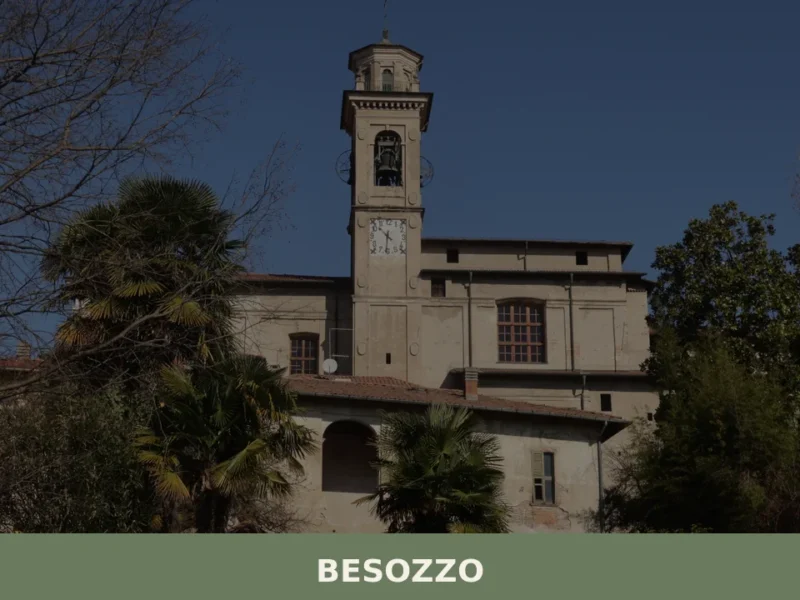
Besozzo
 Hills
Hills
What to see in Besozzo, Italy: Explore the historic upper village (240 m a.s.l.), its noble Palazzi, and proximity to Lago Maggiore. Discover this Lombardian gem.
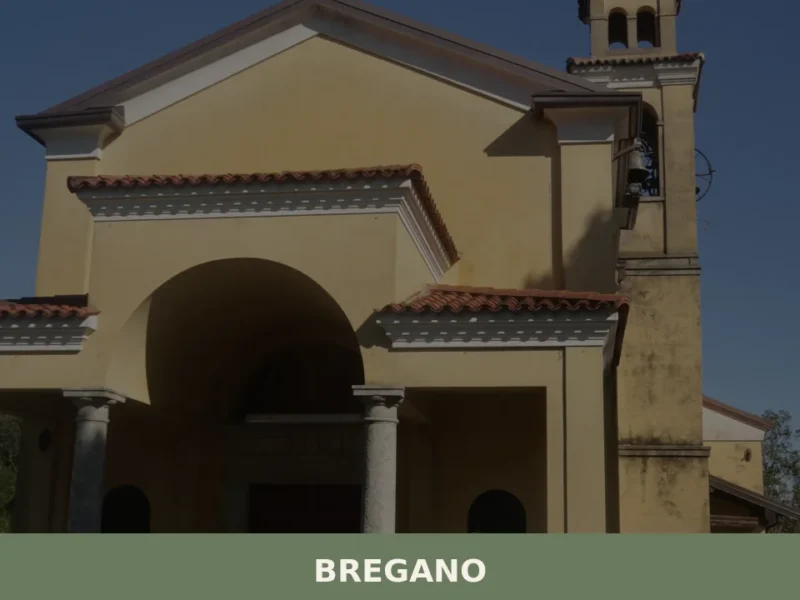
Bregano
Hills
With its 824 inhabitants spread across an elevation of 303 metres on the hills between Lake Varese and Campo dei Fiori, Bregano is a municipality in the province of Varese whose documented existence dates back at least to the 13th century, when the settlement appears in the ecclesiastical registers of the Pieve di Brebbia. Asking […]
Bardello
Hills
 Lake
Lake
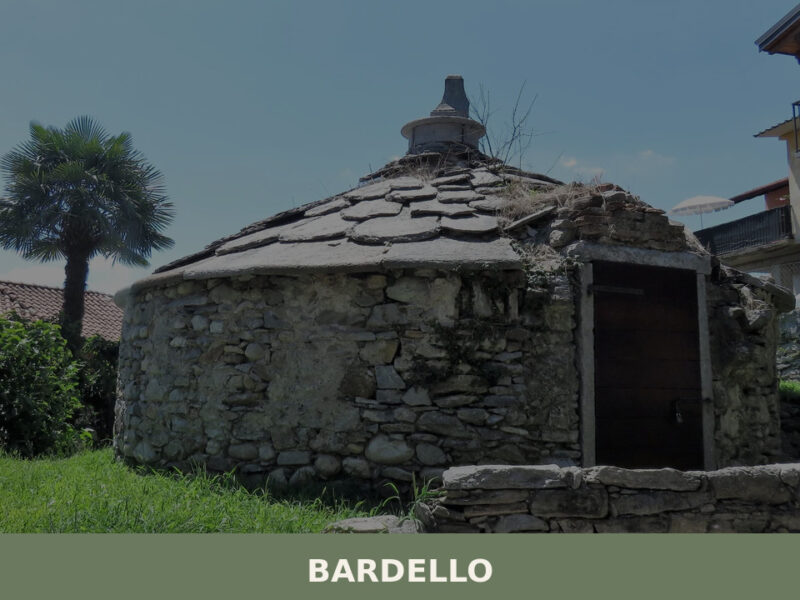
Morning mist lifts off the Bardello river in thin, slow ribbons, revealing a low-slung village of roughly 1,553 inhabitants pressed against the southern shore of Lake Varese. A church bell counts seven. A heron stands motionless in the reeds along the waterway that gives this settlement its name. If you are wondering what to see […]
Biandronno
Hills
Lake
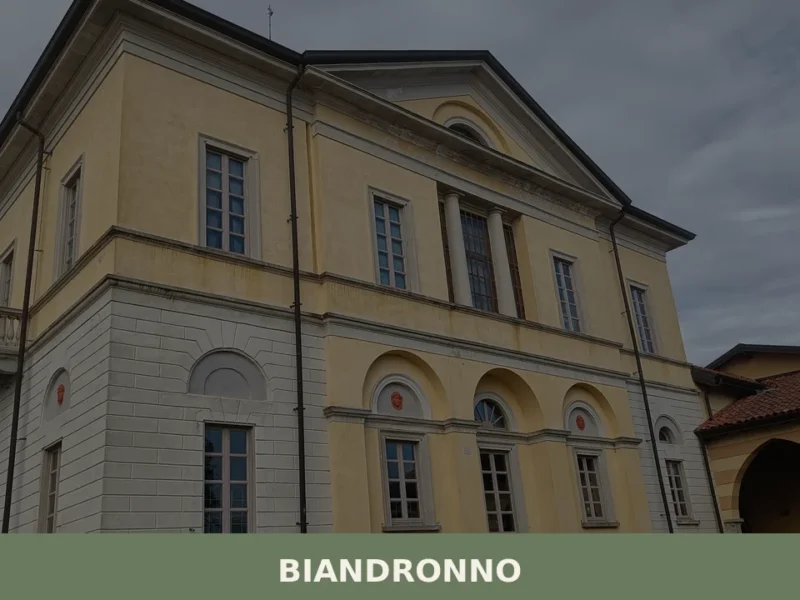
At 262 m a.s.l., Biandronno extends across the gentle hills that characterize the province of Varese, offering a panorama that opens onto the surrounding reliefs and the plain. The village, with its population of 3,162 inhabitants, maintains a discreet atmosphere, typical of smaller Lombard centers where life flows at rhythms tied to the territory. In […]
Adrara San Rocco
Hills
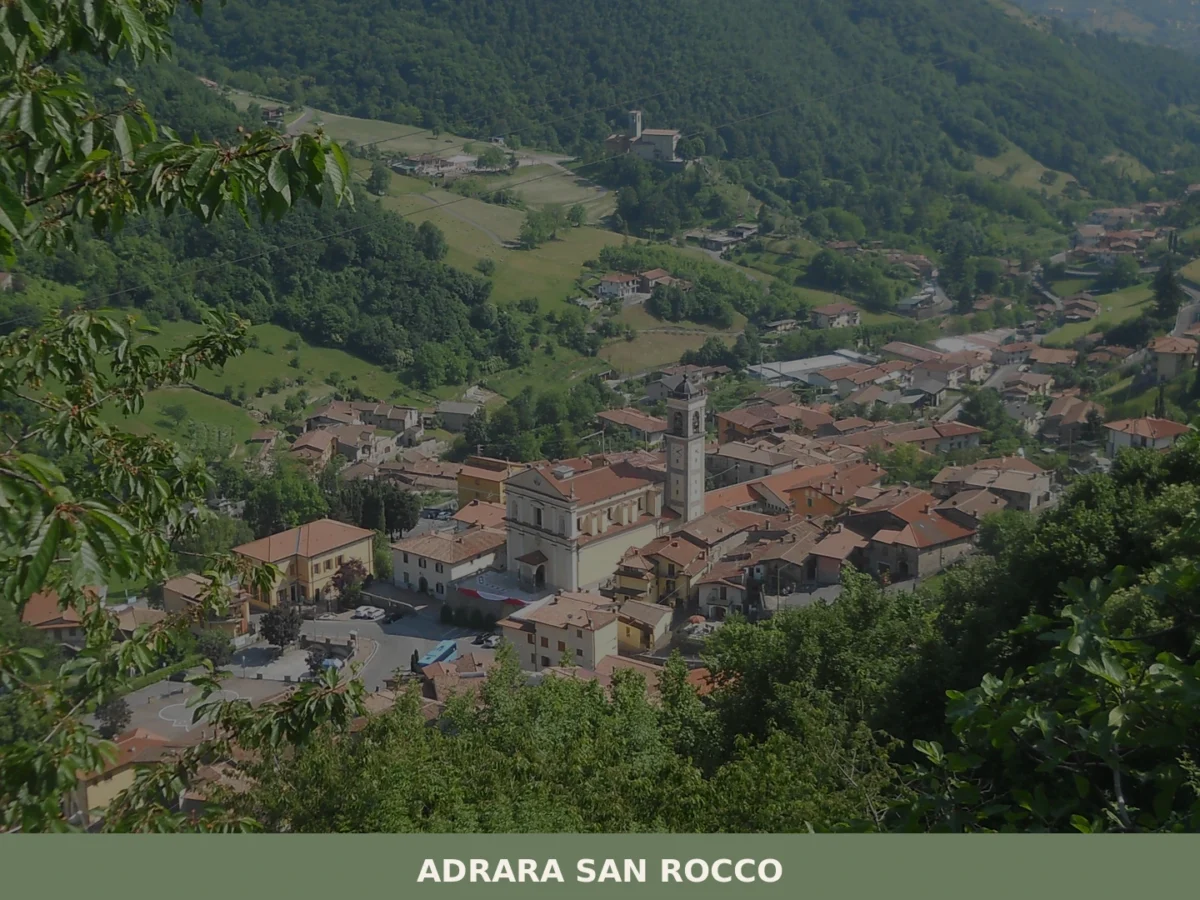
The long external staircase of the church of San Rocco rises above the Guerna river valley, its stone steps worn by five centuries of use since the building was consecrated in 1539. The valley cuts eastward from Bergamo, 25 kilometres (16 mi) away, deep into the territory of Monte Bronzone Sebino. A castle once stood […]
Castello Cabiaglio
Hills
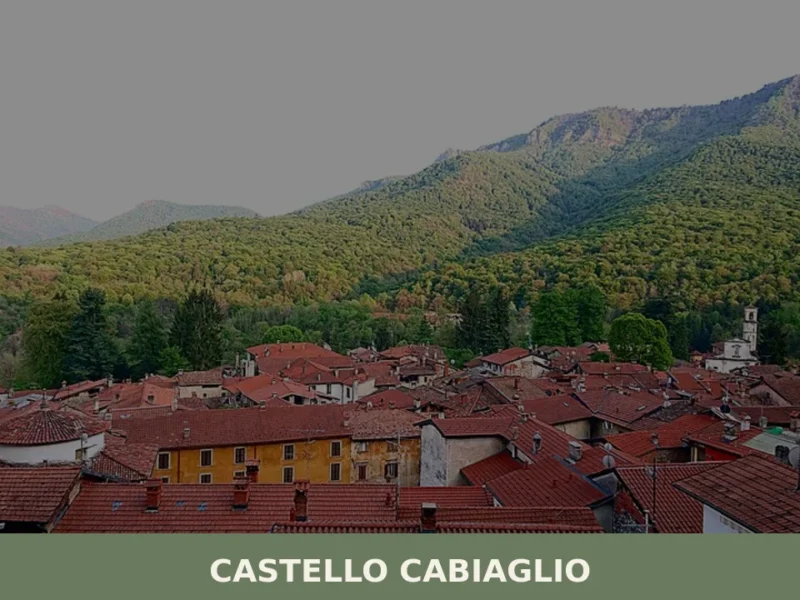
What to see in Castello Cabiaglio: a hill village at 514m with 567 residents in Varese. Explore Sant'Appiano church, Campo dei Fiori trails and local porcini risotto. Plan your visit now.
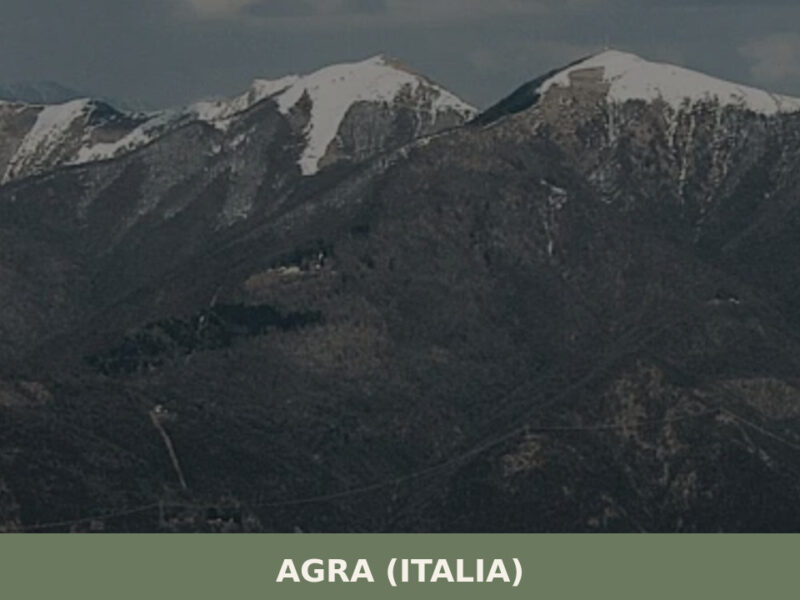
Agra
 Mountain
A 391-inhabitant mountain village at 650 metres in Varese province, Agra sits at the Swiss border with trails to Monte Lema and centuries-old chestnut woods.
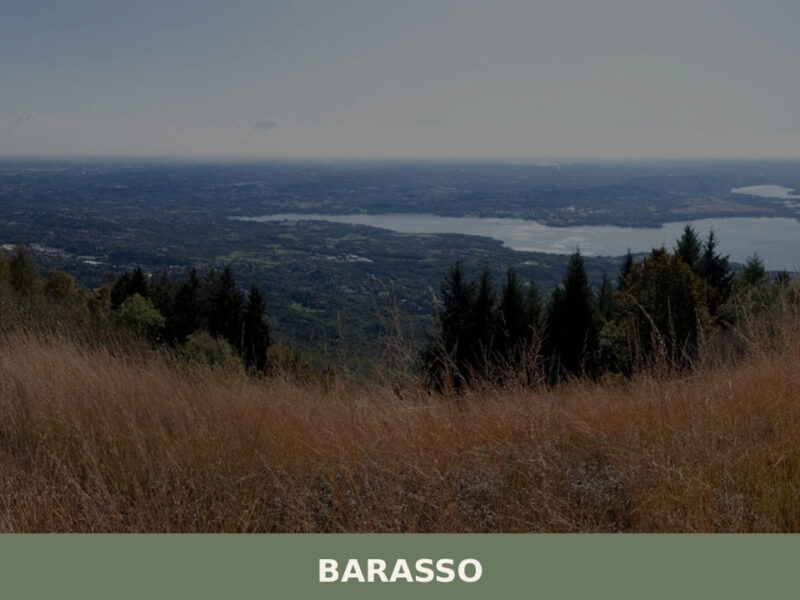
Barasso
Hills
Morning light filters through chestnut canopies along Via Roma, casting long shadows across stone walls that have absorbed centuries of Lombard weather. A church bell marks the hour — unhurried, familiar, absorbed by the surrounding green hills above Varese. Barasso, home to roughly 1,710 inhabitants, occupies a quiet slope in the Varesotto prealpine belt, a […]
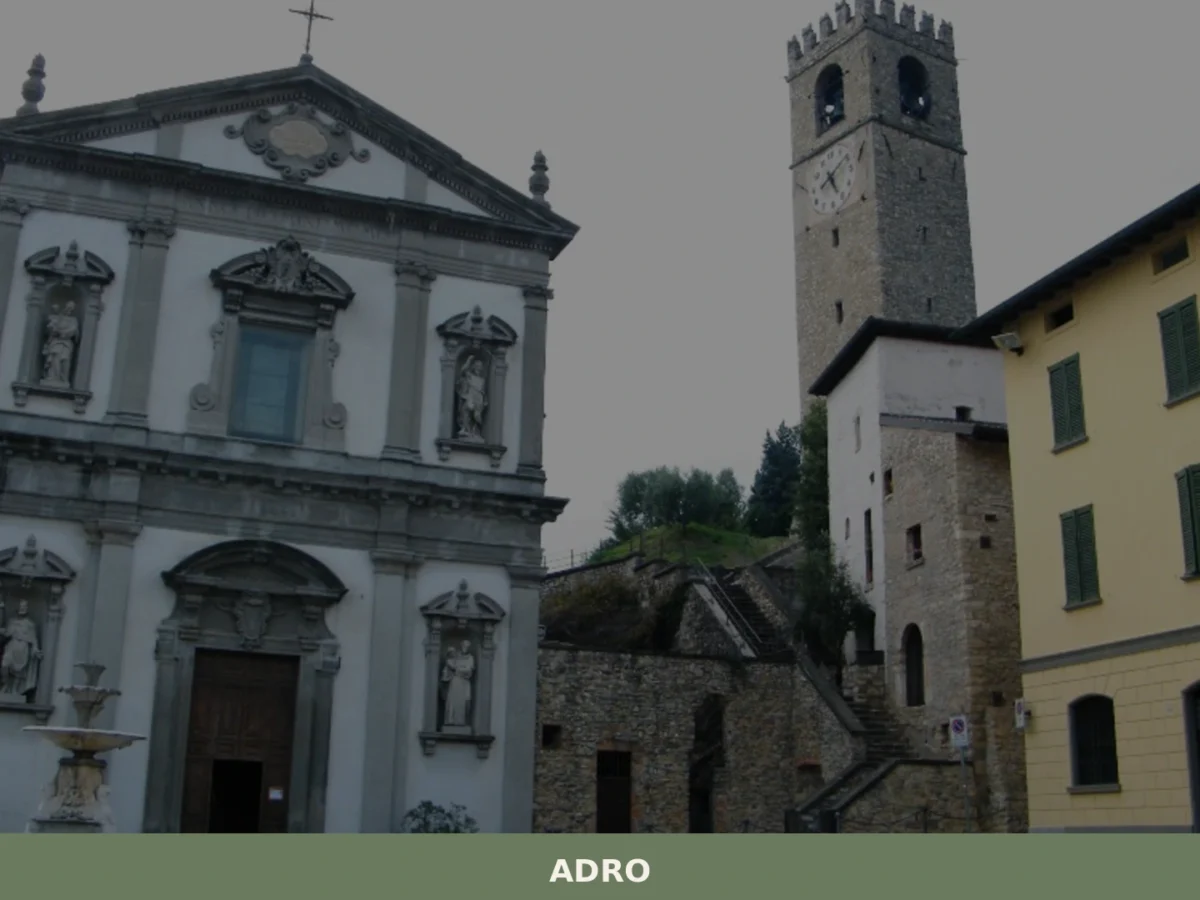
Adro
Plains
What to see in Adro, Lombardia, Italy: explore 5 verified attractions, Franciacorta wines, and a medieval tower. Discover how to get there from Milan.
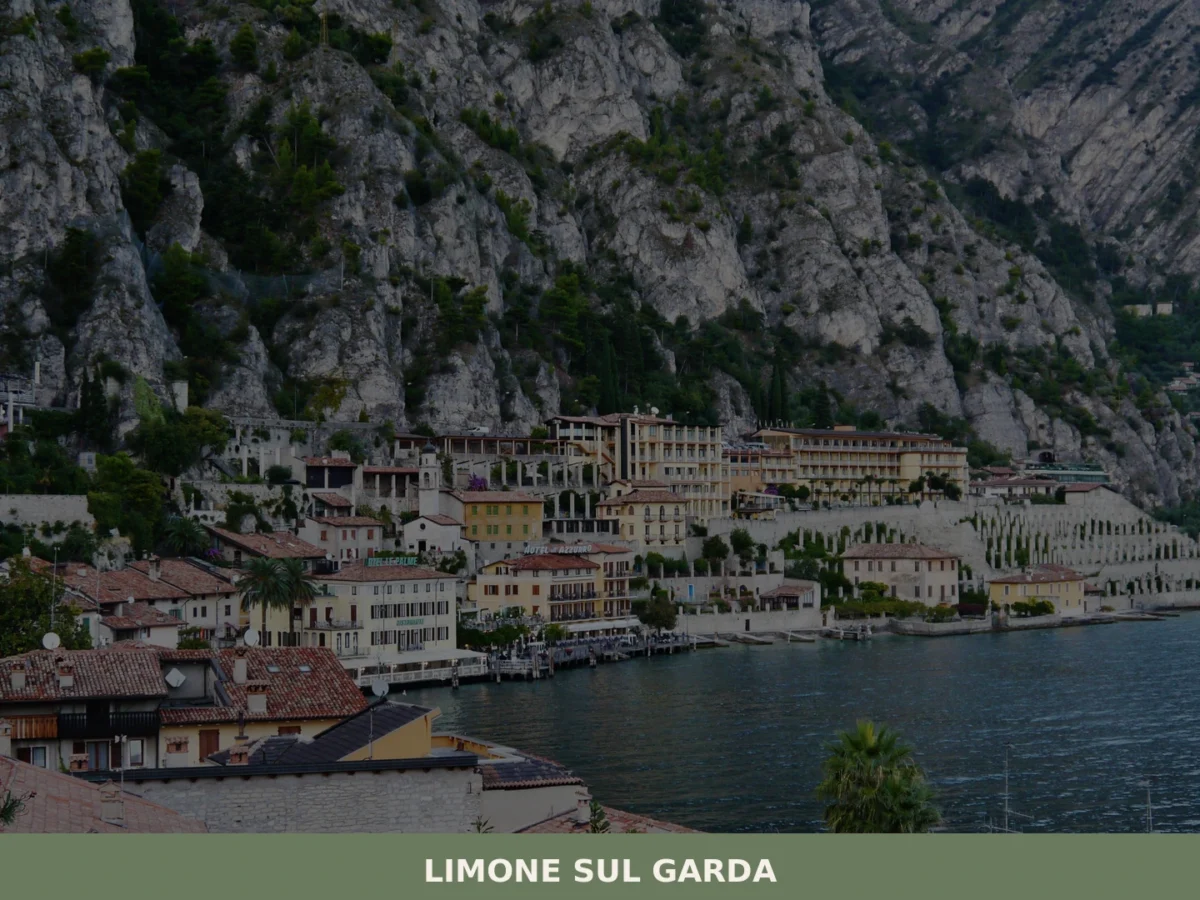
Limone sul Garda
Lake
Plains
What to see in Limone sul Garda, Italy. Discover Lake Garda's terraced lemon groves and the village where 17th-century genetics shaped longevity. Explore unique history and culture.



🏡 Know Acquafredda better than we do?
If you’re a local or have been there, your knowledge matters: add what’s missing or fix a detail on this page.