


Garlenda
 Hills
Hills
What to see in Garlenda, Liguria, Italy: explore a village of 1,200 inhabitants 80 km from Genoa. Discover top attractions, local food, and how to get there.
Discover Garlenda
The Arroscia valley holds its light differently in the late afternoon. Stone walls run along the lower slopes of the inland Ligurian hills, marking boundaries between olive groves and fields that have been worked since before the medieval communes took shape. The municipality of Garlenda sits in the Province of Savona, bordered to the north and east by Villanova d’Albenga, to the south by Stellanello and Andora, and to the west by Casanova Lerrone — a geographic position that places it squarely in the corridor connecting the Ligurian coast to the inland valleys of western Liguria.
Knowing what to see in Garlenda starts with understanding its scale: a community of around 1,200 inhabitants, positioned about 80 km (50 mi) southwest of Genoa and roughly 45 km (28 mi) southwest of Savona.
Visitors to Garlenda find a rural Ligurian comune that rewards those interested in inland walking routes, local agricultural production, and the village architecture typical of this stretch of the Ligurian hinterland. The Garlenda highlights include its church heritage, the surrounding hill landscape, and a local food culture rooted in the western Ligurian tradition of olive oil, vegetables, and pasta preparations tied to the land.
History of Garlenda
The name Garlenda has roots consistent with many Ligurian place names that derive from Latin or Lombard terms designating land ownership or physical features. The settlement pattern in this part of the Savona province follows a model common across inland western Liguria: small agricultural communities occupying elevated or semi-elevated ground, positioned to control passes and cultivated terraces while remaining defensible. The municipality’s location within the Arroscia valley system placed it within a broader network of routes connecting the coast near Albenga to the alpine passes further north.
During the medieval period, this zone of inland Liguria fell under the influence of competing local powers, including the bishops of Albenga and various noble families who controlled the smaller fortified centres of the Savona hinterland.
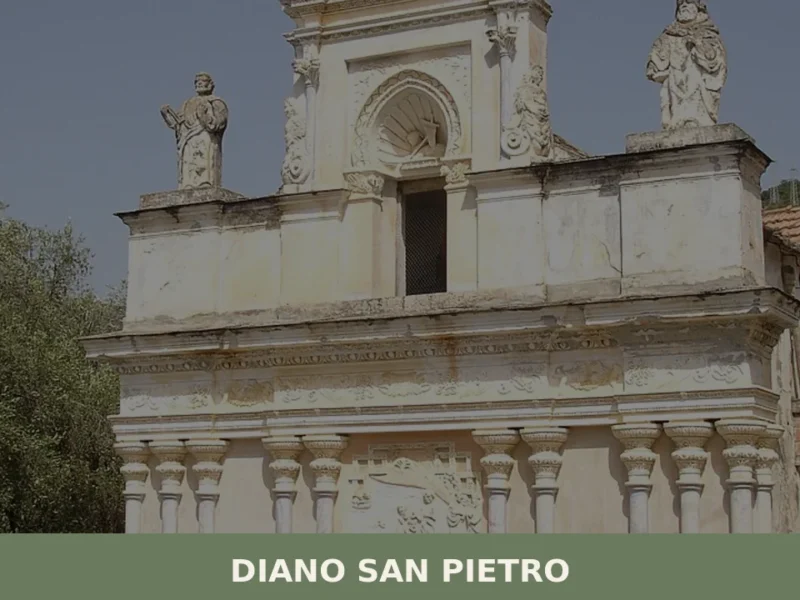
The network of villages in this area, including those now bordering Garlenda, developed their administrative and ecclesiastical identities gradually through the medieval and early modern centuries. Villanova d’Albenga, which borders Garlenda on both the north and east, represents one of the more significant nearby centres that shaped the regional context in which Garlenda evolved. For visitors interested in the broader context of this territory, the village of Diano San Pietro, located further along the Ligurian hinterland, shares a comparable pattern of medieval rural settlement and ecclesiastical architecture in the same regional zone.
Through the early modern period, Garlenda remained a small agricultural commune within the wider administrative structures that governed inland Liguria. The unification of Italy in the nineteenth century incorporated such villages into the national provincial system, and Garlenda became formally part of the Province of Savona, the administrative designation it retains today.
The population of approximately 1,200 inhabitants reflects a demographic stability common to many inland Ligurian villages, where agricultural continuity and a relatively contained geographic footprint have kept community size consistent across the post-war decades. The borders recorded today — with Stellanello and Andora to the south, Casanova Lerrone to the west — correspond to boundaries that solidified through centuries of local land management and communal administration.
What to see in Garlenda, Liguria: top attractions
Parish Church of Garlenda
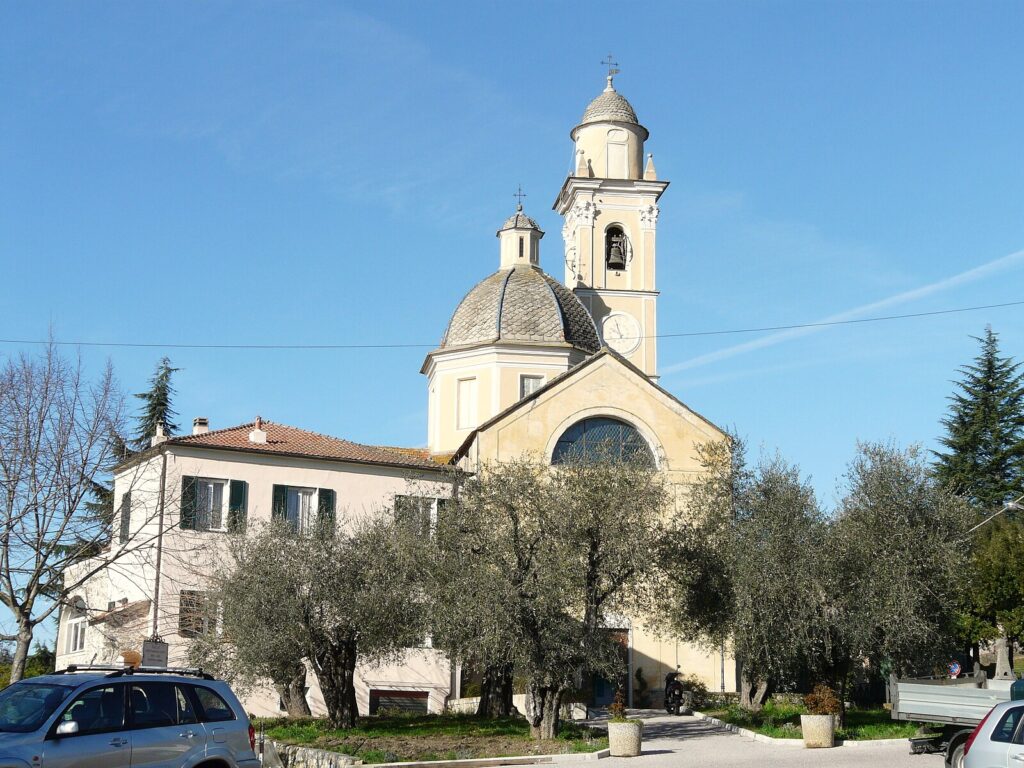
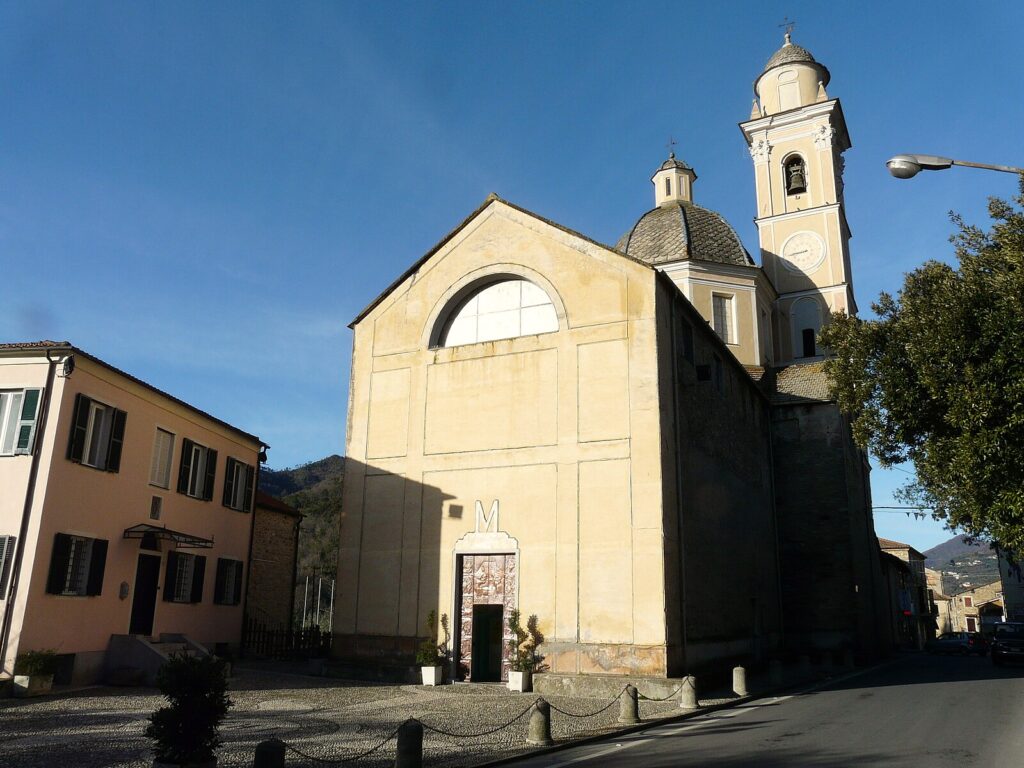
The parish church forms the architectural centre of Garlenda’s village core, its facade oriented toward the main communal space and its bell tower marking the skyline against the surrounding hills. Churches of this type in the Savona province typically incorporate Romanesque structural elements in their original construction, with later Baroque modifications to the interior chapels and altars. Standing inside, the visitor can read the layering of different building campaigns in the proportions of the nave and the decorative treatment of the side altars. The church is most accessible during morning hours on weekdays and before and after Sunday Mass, when the interior is consistently open to visitors.
The Village Centre and Historic Street Fabric
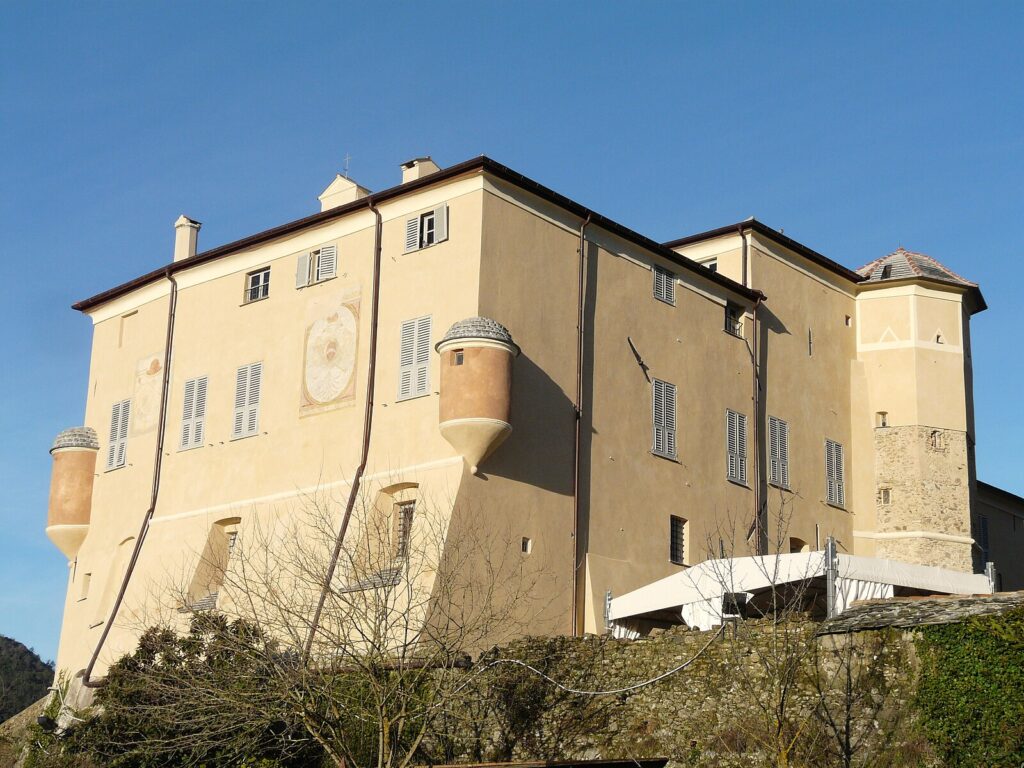
The built core of Garlenda extends across a compact area where the street pattern reflects the incremental growth of a rural Ligurian comune over several centuries.
Façades of local stone, window surrounds, and covered passages between buildings give the centre its material consistency. The scale of the streets — narrow, with walls rising two to three storeys on either side — produces a clear contrast between the shaded interior lanes and the open agricultural land visible from the village edges. Walking the perimeter of the old centre in under 20 minutes is realistic, and that brevity makes it easy to observe the architectural details without the need for a guided tour. Look for the carved lintels on older doorways, which sometimes carry dates or family symbols from the seventeenth and eighteenth centuries.
The Surrounding Olive Grove Landscape
The agricultural land immediately surrounding Garlenda is characterised by olive cultivation on terraced slopes, a land-use pattern that defines much of inland western Liguria at elevations between 100 m and 400 m (330 ft and 1,310 ft). The terraces themselves, retained by dry-stone walls, represent centuries of accumulated labour and function as the primary visual grammar of the landscape around the village.
In late October and November, when olive harvesting takes place, the groves are actively worked and the pressing of oil at local facilities gives the village a distinctive seasonal rhythm. Walking along the tracks between groves in the morning offers clear views west toward the hills above Casanova Lerrone and south toward the coastal ridge separating the inland valley from the Ligurian Sea.
Valley Views Toward Villanova d’Albenga
From the higher ground at the eastern edge of Garlenda, the view opens toward Villanova d’Albenga, the neighbouring municipality that borders Garlenda on both the north and east sides. The flat agricultural plain of the Arroscia valley floor, used for intensive flower and vegetable cultivation, spreads out at roughly 30 m to 50 m (98 ft to 164 ft) above sea level, creating a visual contrast with the steeper terraced slopes rising on either side.
This vantage point also makes the geography of the whole area legible: the coastal strip lies approximately 10 km (6.2 mi) to the south, and on clear days the horizon above the ridge carries the outline of the Ligurian Alps to the north. Early morning, before agricultural traffic increases on the valley roads, is the most practical time to walk these upper tracks.
Rural Architecture of the Municipal Territory
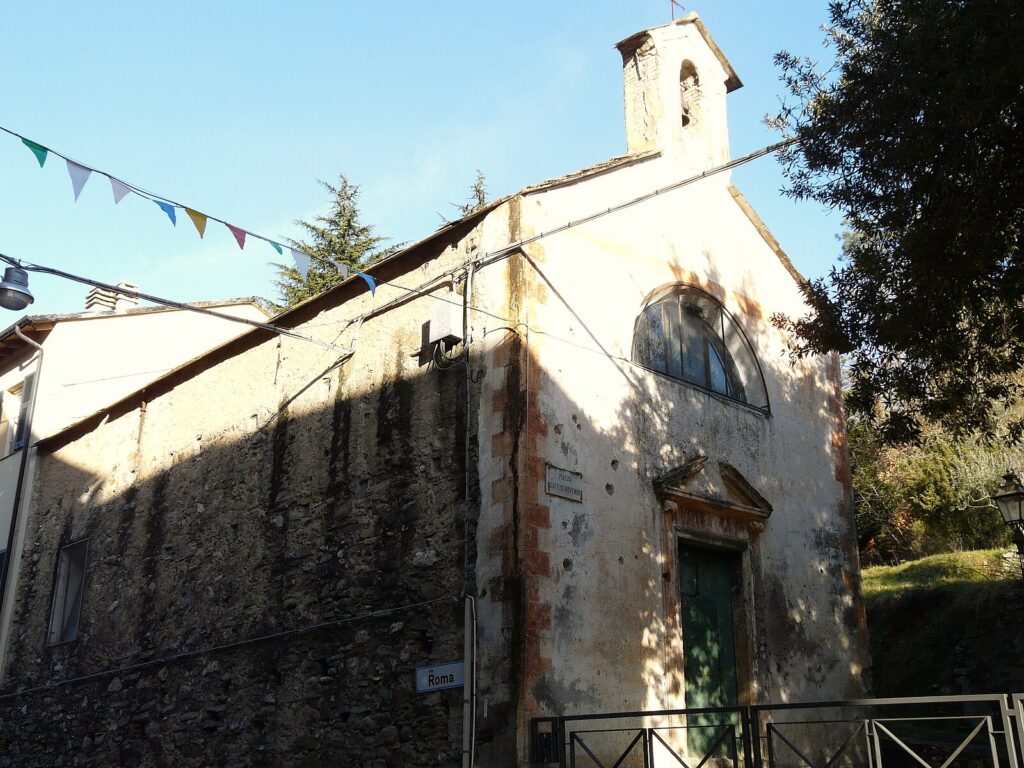
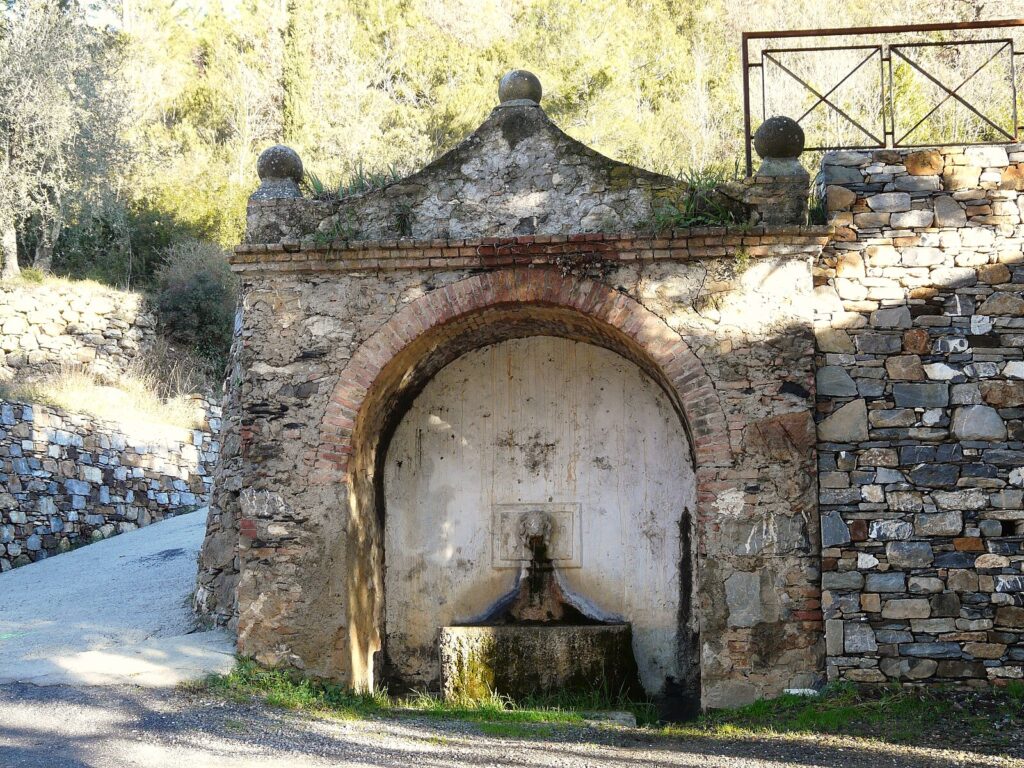
Beyond the immediate village centre, the dispersed rural architecture of Garlenda’s municipal territory includes farmsteads, rural chapels, and agricultural outbuildings distributed across the slopes. Several of these structures date to the eighteenth and nineteenth centuries, built in the local construction tradition using roughly dressed stone with lime mortar joints and terracotta roof tiles. Small votive shrines appear at track junctions and field boundaries, a practice documented across inland Liguria from the late medieval period onward.
Exploring the minor roads between Garlenda and the municipal boundary toward Andora to the south gives access to some of this dispersed fabric, and the terrain on these lower routes is generally walkable without specialist equipment. The medieval village of Brugnato, while located further east in Liguria, offers a comparable immersion in rural ecclesiastical architecture for those planning a broader Ligurian itinerary.
Local food and typical products of Garlenda
Western Liguria’s food tradition is shaped by the agricultural geography of the inland valleys rather than by fishing alone. The Savona hinterland, of which Garlenda is a part, has historically produced olive oil, vegetables, pulses, and the foraged herbs that define the flavour base of the local kitchen. The influence of Genoese culinary practice extends westward through these valleys, but the villages around the Arroscia basin also maintain preparations specific to their own agricultural output, using ingredients grown at altitudes and on soil types that differ noticeably from those of the coastal strip.
Among the preparations most associated with this zone of inland western Liguria, farinata occupies a central place: a flatbread made from chickpea flour, water, olive oil, and salt, cooked at high heat in a large round copper or iron pan until the surface sets to a thin, slightly scorched crust over a creamy interior.
The technique requires a wood-fired or very hot oven, and the result is eaten while hot, sometimes with black pepper ground directly onto the surface. Trofie al pesto represents another preparation well established in this area — hand-rolled short pasta with a twisted form, served with a sauce of fresh basil leaves ground with pine nuts, garlic, Ligurian olive oil, and aged Pecorino or Parmigiano. Coniglio alla ligure, rabbit slow-cooked with olives, pine nuts, white wine, and rosemary, is a preparation documented across inland Ligurian villages and connects directly to the small-scale animal husbandry historically practised in communities the size of Garlenda. Focaccia, the yeasted flatbread dimpled by hand before baking and saturated with local olive oil, is present at every bakery in the Savona province and is often consumed as a morning meal.
The olive oil produced in this corridor of western Liguria, between the coast and the inland hills of the Savona province, reflects the dominance of the Taggiasca olive variety. This variety, with its relatively small fruit and low bitterness, produces an oil characterised by a delicate flavour and moderate polyphenol content, distinct from the more robust oils of central Italian production zones. Local production in and around Garlenda follows the harvest calendar typical of the Ligurian interior, with pressing concentrated between late October and December.
Visitors arriving during this period can often purchase oil directly from producers, as farm-gate sales are a normal part of the local economy in villages of this size. Those interested in comparable food traditions along the Ligurian coast might also visit Bonassola, a coastal village in eastern Liguria where olive cultivation and local food traditions maintain a similar connection to the land.
Local markets in the nearby town of Albenga, located approximately 8 km (5 mi) to the south, offer the widest seasonal selection of produce from the surrounding agricultural area, including vegetables, herbs, and packaged local oil. Albenga’s market days fall on fixed days of the week and draw producers from the surrounding inland municipalities, making it the most practical access point for visitors to Garlenda who want to buy directly from local growers.
Festivals, events and traditions of Garlenda
Like most municipalities of comparable size in the Savona province, Garlenda marks its ecclesiastical calendar with a festa patronale, the patron saint’s festival, which typically involves a Mass, a procession through the village streets, and communal gathering in the main square.
The specific date of Garlenda’s patron saint festival corresponds to the feast day of the parish church’s titular saint, observed according to the Roman Catholic liturgical calendar. These village-level celebrations in inland Liguria generally include music, outdoor eating, and in some cases fireworks in the evening, though the precise programme varies from year to year based on the organising committee’s resources and local participation.
The agricultural calendar also marks the village’s informal seasonal rhythms. The olive harvest in autumn brings extended working hours in the groves and a corresponding increase in social activity around the local oil press, a pattern that functions as a practical collective tradition across the whole of inland western Liguria. Summer months see the return of residents who have moved to larger urban centres, increasing the village population temporarily and reviving some of the communal life of the main square. The sagra, a traditional local food festival focused on a specific ingredient or preparation, is a format common across this province; local variants are typically announced through municipal notice boards and regional tourism listings in the weeks before the event.
When to visit Garlenda, Italy and how to get there
The best time to visit Garlenda depends on what a visitor wants from the trip.
Late spring, between mid-April and June, offers mild temperatures in the inland hills — typically between 18°C and 25°C (64°F and 77°F) — with the agricultural landscape at full production and the surrounding paths dry enough for comfortable walking. Early autumn, from September through October, brings the beginning of the olive harvest and a seasonal density of activity in the rural territory around the village. Summer is warm and dry, with July temperatures in the Savona hinterland frequently reaching 30°C (86°F) or above, making the shaded streets of the village centre more comfortable than open terraced slopes in the middle of the day. Winter is mild by northern European standards but brings significant rainfall across the Ligurian hinterland, and some local businesses operate reduced hours between November and March.
Garlenda sits about 80 km (50 mi) southwest of Genoa, making it a practical day trip from that city for those with a car. If you arrive by car from the A10 motorway (the Autostrada dei Fiori connecting Savona to the French border), the most convenient exit is Albenga, located approximately 8 km (5 mi) to the south of Garlenda. From Albenga, the SP453 provincial road leads north into the valley toward the village. The nearest railway station is at Albenga, served by Trenitalia regional services on the Genoa–Ventimiglia coastal line; from the station, a local bus or taxi covers the remaining distance to Garlenda.
The nearest major airport is Genova Cristoforo Colombo Airport, located about 90 km (56 mi) to the northeast, with a drive time of approximately one hour under normal traffic conditions. For those travelling from further afield, Nice Côte d’Azur Airport in France lies roughly 110 km (68 mi) to the west and may represent a practical entry point for international visitors arriving from northern Europe or North America. It is worth carrying some cash in Euros, as smaller local shops and farm-gate vendors in villages of this size may not always accept card payments, and English-language assistance may be limited in the less tourist-oriented establishments.
Visitors extending their stay in the Savona province can plan a route that takes in several inland Ligurian villages within a short driving radius. The village of Coreglia Ligure, situated in the eastern part of Liguria, offers a point of comparison for understanding how the region’s inland village typology varies across its geographic extent, and it fits naturally into a broader multi-day itinerary through the Ligurian hinterland.
Where to stay near Garlenda
Accommodation options closest to Garlenda are concentrated in and around Albenga, approximately 8 km (5 mi) to the south, where hotels, agriturismi (farm-stay properties offering rooms and often meals based on their own production), and holiday rental apartments serve the broader Albenga plain and its surrounding inland municipalities.
The agricultural character of the territory around Garlenda makes agriturismo the most contextually consistent accommodation format for visitors who want proximity to the olive groves and rural landscape rather than the coastal resort infrastructure. Booking in advance is advisable during the olive harvest period in October and November and during July and August, when demand across the Ligurian coast and its hinterland is at its peak.
Frequently asked questions about Garlenda
What is the best time to visit Garlenda?
The most rewarding seasons to visit Garlenda are spring (April–June) and autumn (September–November). Spring brings mild temperatures and green terraced hillsides, ideal for walking the olive grove tracks. Autumn is particularly special in late October and November, when the olive harvest begins and local facilities press fresh oil, giving the village a distinctive seasonal rhythm. The village's patron feast celebrates the Natività di Maria (traditionally 8 September), which marks a lively period in early autumn. Summer is warm but quieter; winter is cool and uncrowded, best suited to those seeking complete rural solitude.
What are the historical origins of Garlenda?
Garlenda's name likely derives from Latin or Lombard roots denoting land ownership or geographic features, consistent with place-name patterns across inland Liguria. The settlement developed as a small agricultural commune within the Arroscia valley system, part of a network of elevated villages controlling terraced land and routes connecting the coast near Albenga to alpine passes. During the medieval period, the area fell under the influence of the bishops of Albenga and local noble families. Following Italian unification in the nineteenth century, Garlenda was formally incorporated into the Province of Savona, its current administrative designation.
What to see in Garlenda? Main monuments and landmarks
The main landmark is the parish church, which anchors the village centre with its bell tower visible against the surrounding hills. It features Romanesque structural foundations with later Baroque interior modifications to chapels and altars. The historic street fabric of the compact old centre — narrow stone lanes, carved door lintels dating to the 17th and 18th centuries, and covered passages — is worth exploring on foot. The entire old centre can be walked in under 20 minutes. The church is most accessible on weekday mornings and around Sunday Mass times. Admission is free.
What are the main natural or scenic attractions of Garlenda?
The terraced olive grove landscape surrounding Garlenda is the primary natural attraction, with dry-stone-walled slopes typical of inland western Liguria between 100 m and 400 m elevation. Tracks between groves offer morning walks with clear views west toward the hills above Casanova Lerrone and south toward the coastal ridge. From the eastern edge of the village, a viewpoint opens over the flat Arroscia valley floor toward Villanova d'Albenga, with the Ligurian Alps visible to the north on clear days and the coast approximately 10 km to the south.
Where to take the best photos in Garlenda?
The most photogenic spot is the elevated eastern edge of the village, where the Arroscia valley floor spreads out below and the contrast between flat agricultural plain and terraced hillsides is most dramatic. Early morning light before valley traffic increases is ideal. The olive groves on the surrounding slopes, especially during the October–November harvest, offer strong documentary and landscape photography opportunities. Within the village, the narrow stone lanes of the historic centre — particularly older doorways with carved lintels — provide close-up architectural detail characteristic of the Ligurian inland vernacular.
Are there museums, churches or historic buildings to visit in Garlenda?
The main historic building open to visitors is the parish church at the centre of the village, which can be visited on weekday mornings and around Sunday Mass. The church combines Romanesque structural elements with Baroque interior decoration on the side altars and chapels. Beyond the church, the historic street fabric itself — stone façades, carved lintels, covered passages — constitutes the village's architectural heritage. Dispersed across the municipal territory are 18th- and 19th-century farmsteads, rural chapels, and votive shrines at track junctions, accessible on foot along the minor roads toward Andora.
What can you do in Garlenda? Activities and experiences
The main activities in Garlenda are walking and food-and-wine exploration. The tracks through olive groves and terraced hillsides offer informal rural walks without requiring specialist equipment, particularly the routes toward the municipal boundaries with Andora and Casanova Lerrone. In October and November, visitors can witness the olive harvest firsthand. The village is a practical base for exploring the wider Arroscia valley, including neighbouring Villanova d'Albenga. The local food tradition — farinata, trofie al pesto, focaccia, coniglio alla ligure — provides strong motivation for eating at local establishments serving western Ligurian inland cuisine.
Who is Garlenda suitable for? Families, couples, hikers, solo travelers?
Garlenda suits travellers who prefer quiet, authentic rural Liguria over coastal resort towns. It is particularly well suited to couples seeking a slow-travel experience among olive groves and hill villages, food enthusiasts interested in western Ligurian inland cuisine and fresh-pressed olive oil, and casual walkers who enjoy undemanding countryside tracks without the need for technical hiking gear. The village's compact scale and calm pace also make it accessible for older visitors and those travelling independently. Families with young children will find limited specific infrastructure but a safe, unhurried environment. It is not suited to those seeking nightlife or beach tourism.
What to eat in Garlenda? Local products and specialties
Garlenda sits within the western Ligurian inland food tradition centred on locally pressed olive oil, the area's most important agricultural product. Key dishes to try include farinata (chickpea flour flatbread cooked in a copper pan at high heat), trofie al pesto (hand-rolled twisted pasta with Ligurian basil pesto), focaccia saturated with local olive oil, and coniglio alla ligure (rabbit slow-cooked with olives, pine nuts, white wine and rosemary). Ligurian extra-virgin olive oil from the Savona hinterland is the defining local product and can be purchased directly from producers in and around the Arroscia valley during and after the autumn harvest.
📷 Photo Gallery — Garlenda
Nearby Villages near Garlenda
In Liguria More villages to discover
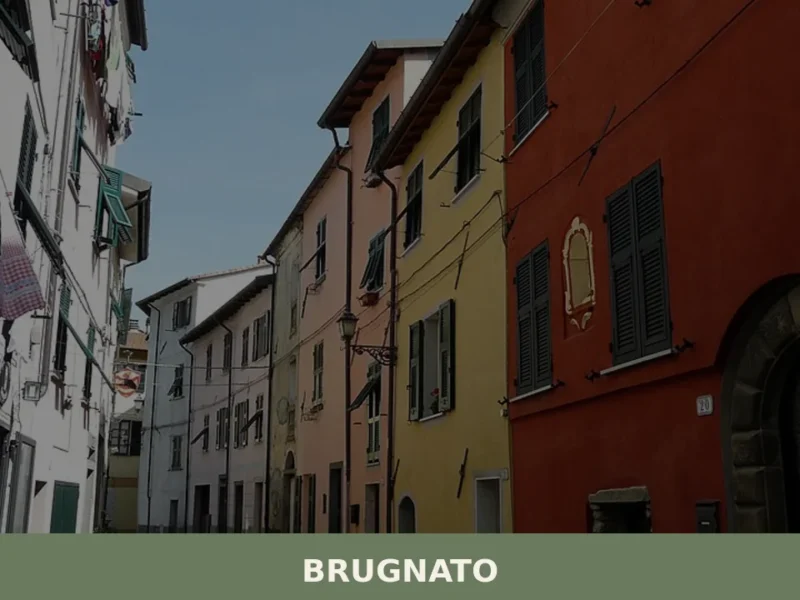
Brugnato
 Plains
What to see in Brugnato, a Ligurian village 115m above sea level? Explore the Co-Cathedral of San Pietro Apostolo and taste typical Val di Vara products. Discover its rich history!
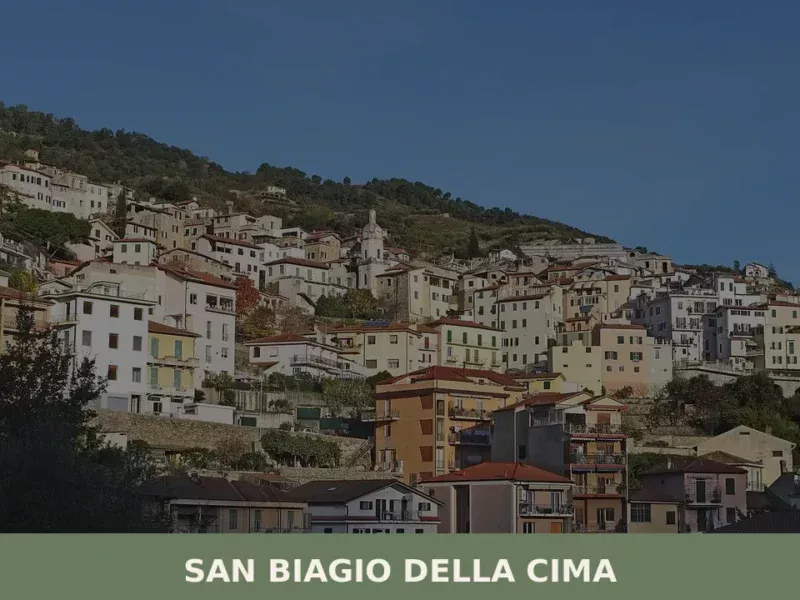
San Biagio della Cima
 Sea
Sea
What to see in San Biagio della Cima, Italy: discover the 1,266-inhabitant Ligurian village, its 1686 historical pact, and surrounding views. Explore this corner of Italy.
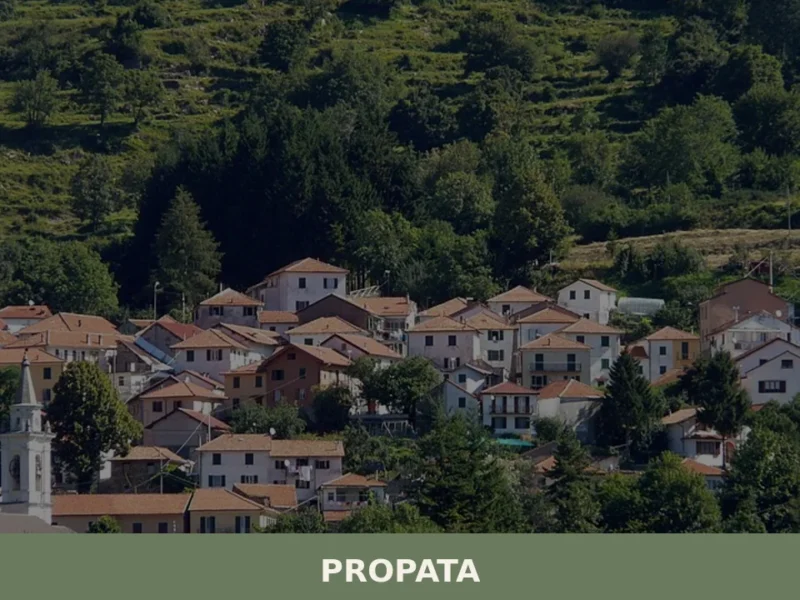
Propata
 Mountain
What to see in Propata, Italy: Discover the parish church and its Maragliano statue in this Ligurian village of 156 inhabitants. Explore its history.
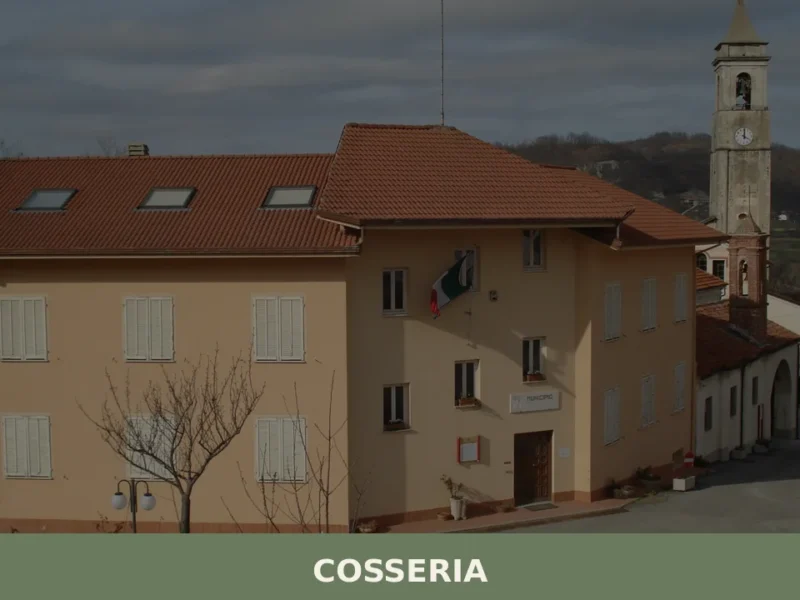
Cosseria
Mountain
What to see in Cosseria, Liguria, Italy: explore a comune of 1,095 inhabitants near Savona. Discover the 5th Infantry Division history, local food and how to get there.
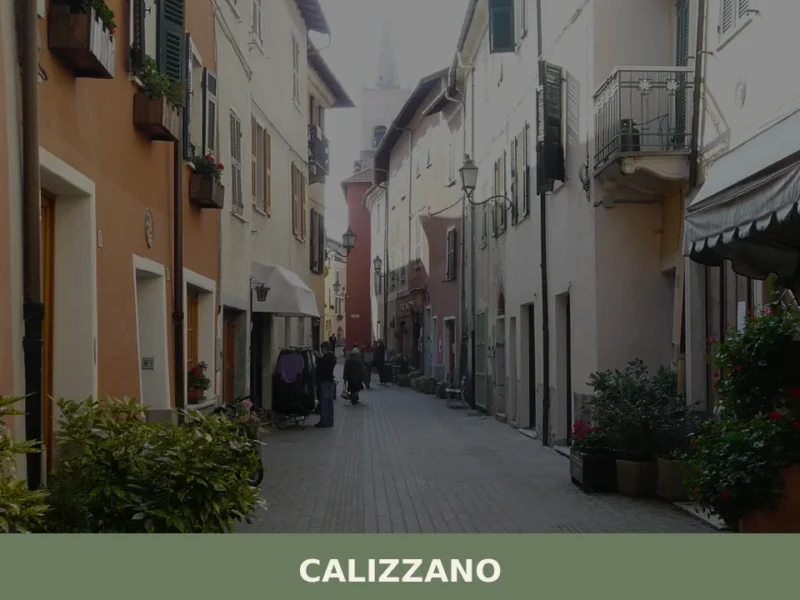
Calizzano
Mountain
What to see in Calizzano, Liguria, Italy: explore the upper Bormida Valley at 70 km from Genoa. Discover Monte Spinarda, local food and festivals. Read the guide.
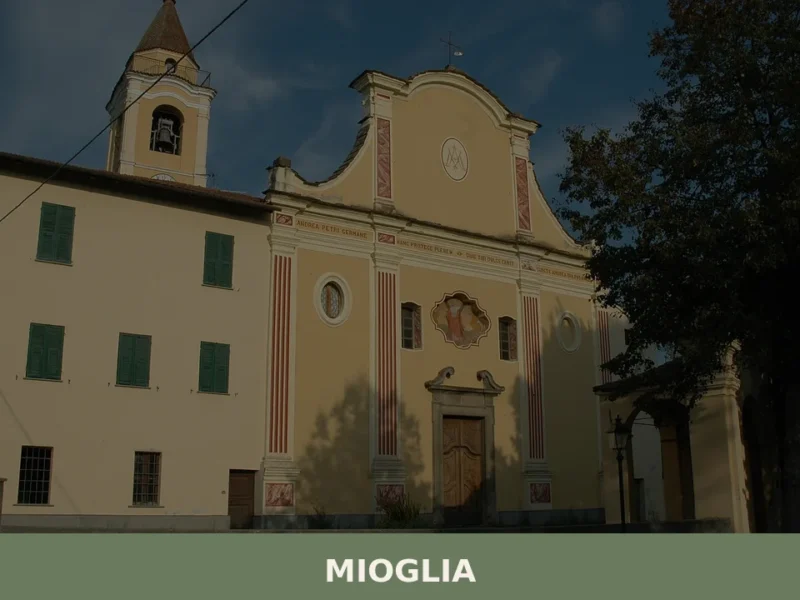
Mioglia
Mountain
What to see in Mioglia, Italy: a village of 538 inhabitants 40 km from Genoa. Discover top attractions, local food, festivals and how to get there.
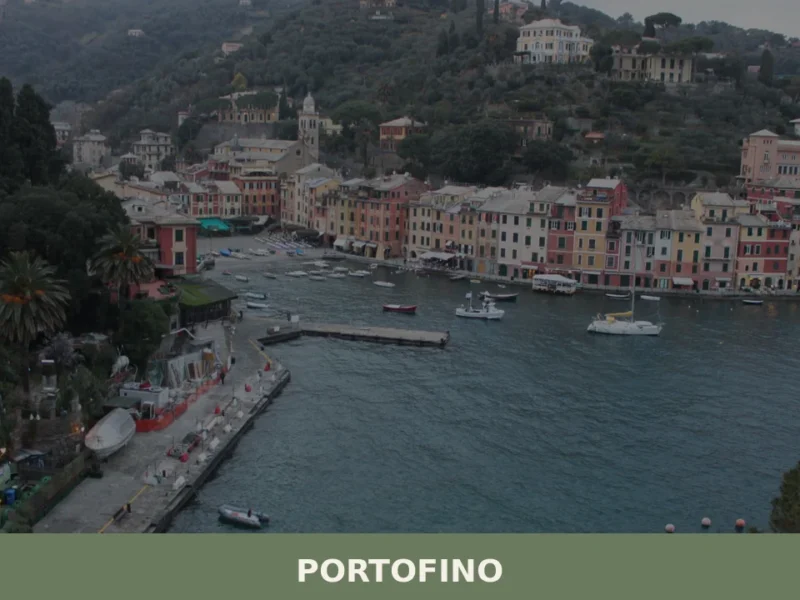
Portofino
Sea
Portofino has a population of 355 residents spread across a headland that descends to sea level. It is one of the smallest municipalities in Italy by population, yet its natural harbour appears in almost every historical guide to the Ligurian Riviera. Anyone looking into what to see in Portofino will find a compact collection of […]
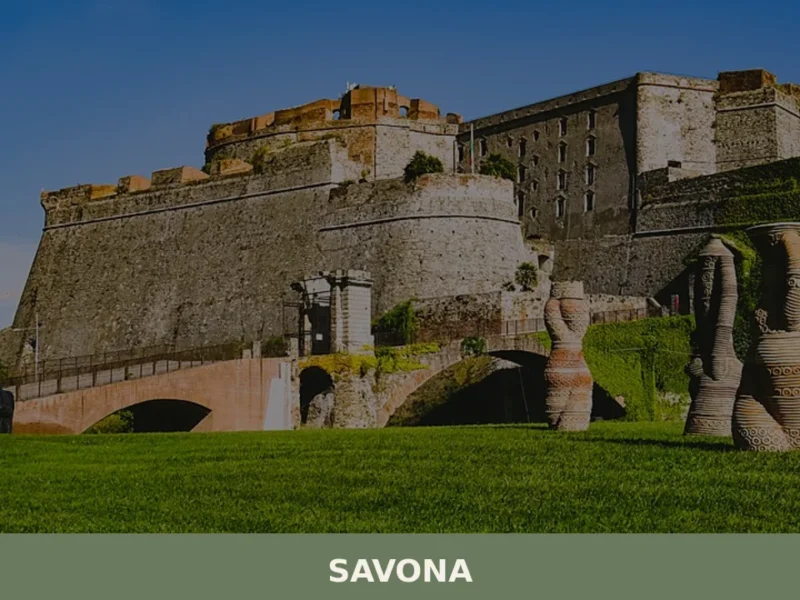
Savona
Sea
A port town of 58,500 souls on Liguria's western coast, Savona bridges medieval urban fabric with centuries of maritime trade and religious devotion.
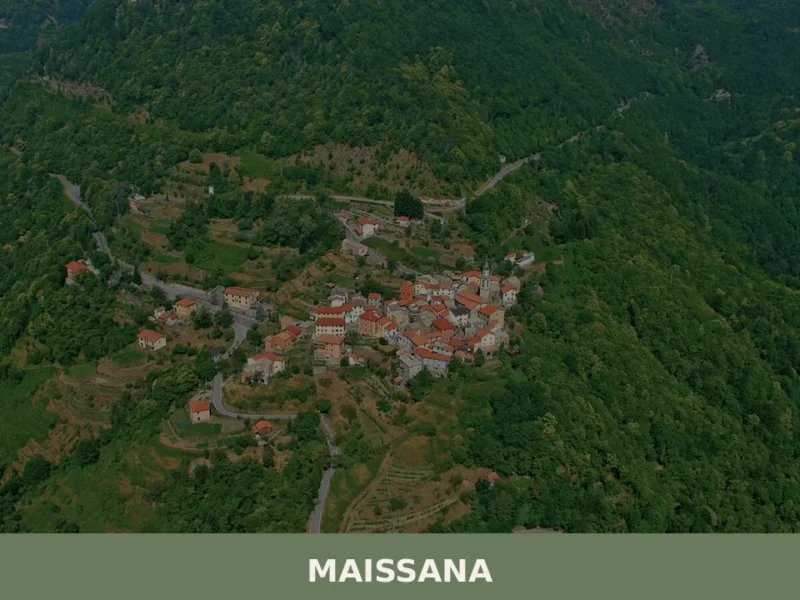
Maissana
Mountain
What to see in Maissana, Italy: 644 inhabitants, 50 km from Genoa. Discover top attractions, local food, festivals and how to get there. Explore now.
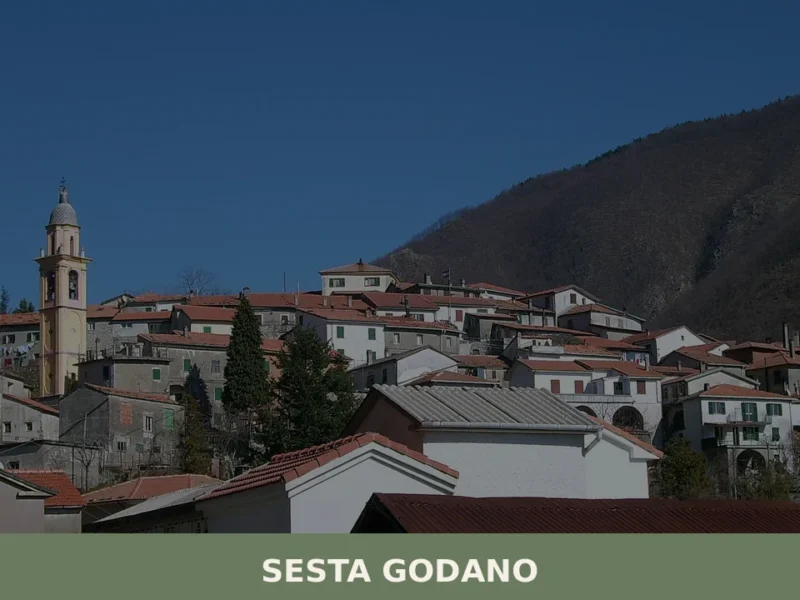
Sesta Godano
Mountain
What to see in Sesta Godano, Italy? Explore this Ligurian village at 242 m (794 ft) altitude. Discover its mountain setting and local festivals. Read our guide.



🏡 Know Garlenda better than we do?
If you’re a local or have been there, your knowledge matters: add what’s missing or fix a detail on this page.