


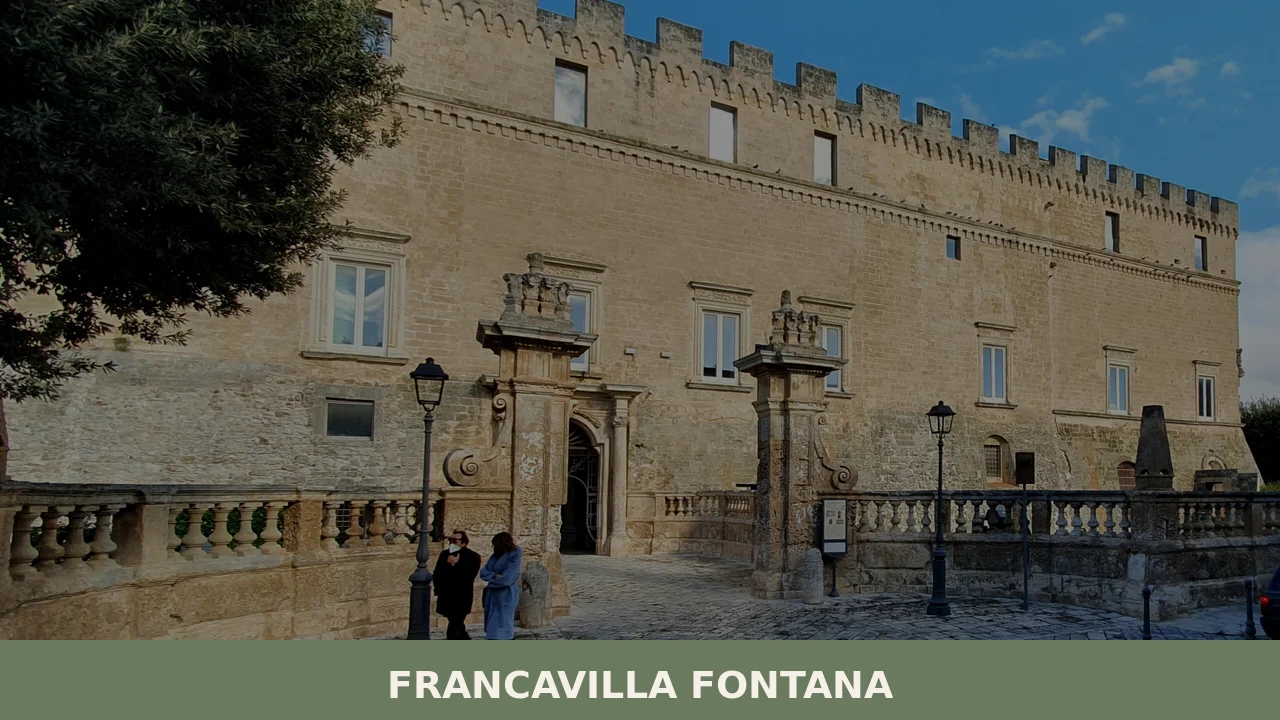
Francavilla Fontana
 Plains
Discover what to see in Francavilla Fontana, Puglia: Baroque palaces, the medieval basilica, local food, travel tips and how to get there.
Discover Francavilla Fontana
In 1310, Philip I of Anjou, Prince of Taranto, granted Francavilla — meaning “free town” — its charter of privileges, a civic foundation that explains both the settlement’s name and its early prosperity. Today, with around 34,000 inhabitants and the official designation of città d’arte awarded by the Puglia Region in 2009, this Brindisi-province centre sits along the ancient route of the Via Appia, between Brindisi and Taranto, at the northern edge of the Salento peninsula. Knowing what to see in Francavilla Fontana means understanding a place built as much on legal freedom as on stone.
History of Francavilla Fontana
The town’s origin is tied to a specific religious episode recorded in the fourteenth century. According to local tradition codified in later ecclesiastical documents, a shepherd named Giovanni Berardi discovered a painted image of the Virgin on a rock in 1310 — the same year Philip of Anjou formalised the settlement around the site. The prince ordered a chapel built over the spot, which became the nucleus around which the town grew. This dual foundation — civil charter and religious sanctuary — gave Francavilla Fontana an unusual early coherence: the sacred site drew settlers, and the charter of liberties (“franchigie”) gave them reason to stay and build.
From the seventeenth century onward, the town passed into the hands of the Imperiali family, Genoese nobles who would dominate its development for nearly two centuries. Under their patronage, Francavilla Fontana became one of the most significant cultural and manufacturing centres in the Terra d’Otranto. The Imperiali invested in urban infrastructure, commissioning palaces, churches, and civic buildings that gave the historic centre its recognisable Baroque character. This was not decorative ambition alone: the family encouraged artisan production and trade, and the town’s reputation for craft manufacture — particularly in ceramics and textiles — dates substantially to this period of feudal investment.
In the nineteenth century, Francavilla Fontana’s administrative standing rose further: it was designated the capital of a circondario, a sub-provincial administrative district, placing it above many of its neighbours in the regional hierarchy. Until 1864 the town was officially called simply “Francavilla”; the addition of “Fontana” — a reference to the fountain associated with the original Marian apparition — distinguished it from other Italian towns sharing the same root name. That administrative history has left a physical record: the town retains institutional buildings and a civic fabric that reflect its former role as a regional centre of some consequence, not merely a local market town.
What to see in Francavilla Fontana: 5 must-visit attractions
Basilica di San Cosma e Damiano
Built on the site of the original fourteenth-century chapel erected by Philip of Anjou, the current Baroque basilica was substantially reconstructed in the seventeenth and eighteenth centuries. Its interior houses the venerated image of the Madonna della Fontana, the painted icon associated with the town’s founding legend, and features a richly decorated nave characteristic of southern Italian Baroque ecclesiastical architecture.
Palazzo Imperiali (Palazzo Ducale)
The ducal palace of the Imperiali family dominates the central Piazza Umberto I. Construction began in the seventeenth century and continued across successive generations of the dynasty. Today the building serves as Francavilla Fontana’s town hall, and its state apartments retain frescoed ceilings and period furnishings that document the cultural ambitions of the Genoese feudal family who effectively shaped the town’s urban layout.
Museo Civico di Francavilla Fontana
Housed within the Palazzo Imperiali, the civic museum holds collections covering local archaeology, decorative arts, and the history of the Imperiali patronage. Ceramic pieces produced in the territory during the period of feudal manufacturing prominence feature among the holdings, providing material evidence of the artisan economy that the excerpt references as central to the town’s historical identity.
Chiesa di San Filippo Neri
This eighteenth-century church, dedicated to the Florentine Counter-Reformation preacher Philip Neri, stands among the Baroque religious buildings that define the historic centre’s streetscape. Its façade and interior decoration reflect the period of peak Imperiali influence, when the family channelled resources into ecclesiastical commissions as a form of civic and dynastic display across the town’s principal thoroughfares.
Historic Centre and Baroque Streets
The entire centro storico of Francavilla Fontana was the basis for the Puglia Region’s 2009 città d’arte recognition. Walking its principal streets — Corso Umberto I and the surrounding grid — visitors encounter a consistent Baroque and late-Baroque urban fabric: stone doorways with carved lintels, aristocratic palazzi with rusticated bases, and the hierarchy of piazze that reflect the town’s former administrative importance as a circondario capital.
Local food and typical products
Francavilla Fontana sits within one of Italy’s most productive olive oil zones. The province of Brindisi is home to the Brindisi DOP designation, and locally pressed oils — predominantly from Ogliarola and Cellina di Nardò cultivars — are found in every kitchen in the area. Alongside oil, the town’s table draws on the Salentine tradition of pulse-based cooking: ciceri e tria (chickpeas with hand-cut fried pasta), fave e cicoria (pureed broad beans with wild chicory), and pittule (fried dough fritters) are dishes that appear in households and in the town’s trattorie throughout the year. Fresh pasta formats, particularly orecchiette and sagne ‘ncannulate, are made by hand here as across the broader Valle d’Itria and Salento zone.
Francavilla Fontana also falls within the production area for Primitivo and Negroamaro wines, grape varieties that define Puglia’s red wine tradition. The Brindisi DOC and neighbouring Salice Salentino DOC wines are available in local restaurants and from producers throughout the surrounding countryside. For those wanting to taste methodically, the town’s restaurant and wine-bar offer has expanded in recent years in line with the growth of wine tourism across the region — the official municipality website periodically lists local food events and market days that are worth checking before arrival.
Best time to visit Francavilla Fontana
The most significant annual event in Francavilla Fontana is the Festa della Madonna della Fontana, held in late August and drawing substantial numbers of both pilgrims and visitors to the basilica. The late summer period — from mid-August through September — is when the town is at its most animated, with processions, outdoor concerts, and markets filling the central piazze. Spring, from April through early June, offers mild temperatures in the range of 18–24°C and considerably lower visitor numbers, making it the most practical season for exploring the historic centre on foot without the August heat or crowds.
July and August bring reliable sun and temperatures that regularly exceed 35°C in the inland Salento zone — physically demanding for extended walking in stone streets with limited shade. Winter is mild by northern European standards (rarely below 5°C), and the town functions normally year-round as a working provincial centre, which means restaurants and shops remain open outside the summer season — an advantage over purely coastal destinations in Puglia that close substantially from October onward. The official Puglia tourism portal maintains an updated calendar of regional events that can help with timing a visit around specific festivals.
How to get to Francavilla Fontana
Francavilla Fontana is well connected by both road and rail, occupying a central position in the Brindisi province that makes it accessible from multiple directions.
- By car: From the A14 Bologna–Taranto motorway, exit at Taranto and take the SS7 (Via Appia) eastward toward Francavilla Fontana — approximately 30 km and 35 minutes. From Brindisi, the SS16 and then provincial roads cover around 30 km in a similar time. From Lecce, the drive is approximately 50 km via Manduria or via the SS7ter.
- By train: Francavilla Fontana has its own railway station on the Ferrovie del Sud Est (FSE) network, connecting it to Taranto to the west and to Lecce via Grottaglie and Manduria to the south. Trenitalia services also link Brindisi to Francavilla Fontana with a change at Taranto in some routing combinations. Journey time from Lecce is approximately 1 hour; from Taranto, around 40 minutes.
- Nearest airports: Brindisi Papola Casale Airport (Aeroporto del Salento) is the closest, at approximately 35 km and 35–40 minutes by car — making it the practical gateway for most international visitors. Bari Karol Wojtyła Airport is around 110 km to the north, approximately 1 hour 15 minutes by car via the A14.
- From Brindisi city: Approximately 30 km, around 35 minutes by car. By FSE train with a connection, journey times vary between 50 minutes and 1 hour 15 minutes depending on service.
Where to stay in Francavilla Fontana
Accommodation in Francavilla Fontana is concentrated in and around the historic centre, with a range that includes small hotels, B&Bs, and guesthouses occupying converted townhouses. Staying centrally makes sense here: the town’s points of interest are within walking distance of each other, and the central piazze are the hub of evening activity. For visitors who prefer more rural surroundings, the countryside immediately outside the town offers agriturismo options set among olive groves, with the advantage of space and direct access to local agricultural production — olive oil tastings and farm-based meals are commonly offered.
Given that Francavilla Fontana functions as a year-round working town rather than a seasonal resort, room availability is generally less pressured than in coastal Puglia destinations, though August — particularly around the late-August festival — warrants earlier booking. Holiday apartments and short-term rentals in the historic centre have grown in availability in recent years and represent a practical option for those staying more than two or three nights. Booking through major platforms is straightforward, though checking the municipality’s own listings or local tourism contacts can surface smaller family-run properties that do not always appear on international aggregators.
More villages to discover in Puglia
Puglia’s interior rewards extended exploration beyond any single destination. North of Francavilla Fontana, the Capitanata plain gives way to hill towns of considerable historical weight. Lucera, with its Angevin castle and medieval cathedral built over a mosque, documents the Norman and Swabian layers of Apulian history with unusual clarity. Further into the Apennine foothills, Castelluccio Valmaggiore represents a smaller, quieter variant of Puglia’s inland settlement pattern — a hill village whose scale and setting contrast sharply with the provincial-capital gravity of a town like Francavilla Fontana.
Along the Adriatic coast, the picture changes again. Manfredonia, founded by Manfred of Sicily in the thirteenth century and facing the Gargano promontory, pairs coastal geography with a documented medieval history that echoes some of Francavilla Fontana’s Angevin connections. To the south, closer to Bari, Mola di Bari illustrates the working-port tradition of the Adriatic coast — a different economy and a different streetscape, but equally grounded in the specific agricultural and maritime logic that has always organised settlement across this region.
Frequently asked questions about Francavilla Fontana
What is the best time to visit Francavilla Fontana?
The best time to visit Francavilla Fontana depends on your preferences. For vibrant local life and events, late summer, from mid-August through September, is ideal. This period includes the significant Festa della Madonna della Fontana in late August, featuring processions, concerts, and markets. The official feast day for Maria Santissima della Fontana is September 14th. If you prefer milder temperatures and fewer crowds for exploring the historic centre on foot, spring (April to early June) offers pleasant weather between 18-24°C. While July and August can be very hot, winter provides a mild climate and the town remains active, with shops and restaurants open year-round.
What are the historical origins of Francavilla Fontana?
Francavilla Fontana's origins are dual: a civic foundation and a religious one. In 1310, Philip I of Anjou granted the settlement its charter of privileges, making it a 'free town' and giving it its name. Concurrently, a shepherd's discovery of a Virgin Mary image led to the construction of a chapel, which became the town's spiritual nucleus. Later, the Imperiali family, from the 17th century, profoundly shaped its Baroque architecture and cultural standing. The 'Fontana' suffix was added in 1864 to distinguish it, referencing the miraculous fountain linked to the Marian apparition.
What to see in Francavilla Fontana? Main monuments and landmarks
Francavilla Fontana, a 'città d'arte,' offers a rich Baroque heritage. Key attractions include the Basilica di San Cosma e Damiano, which houses the venerated Madonna della Fontana icon. Dominating Piazza Umberto I is the grand Palazzo Imperiali, now the town hall, which also hosts the Museo Civico. Here you can explore local archaeology, decorative arts, and the Imperiali family's history, including local ceramics. Don't miss the elegant Chiesa di San Filippo Neri and simply wandering through the Historic Centre and Baroque Streets, recognized for their consistent urban fabric of stone doorways, aristocratic palazzi, and charming piazze.
Where to take the best photos in Francavilla Fontana?
For memorable photos in Francavilla Fontana, focus on the elegant Baroque architecture of the historic centre. The Piazza Umberto I, dominated by the imposing Palazzo Imperiali (the Ducal Palace), offers splendid architectural compositions. Stroll along Corso Umberto I and the surrounding Baroque streets to capture characteristic stone doorways, aristocratic palazzi with rusticated bases, and charming piazze. These areas provide a consistent and picturesque backdrop, reflecting the town's historical significance and its 'città d'arte' status.
Are there museums, churches or historic buildings to visit in Francavilla Fontana?
Yes, Francavilla Fontana boasts several significant cultural and historic sites. You can visit the Basilica di San Cosma e Damiano, a beautiful Baroque church housing the revered Madonna della Fontana icon. The grand Palazzo Imperiali, once the ducal palace and now the town hall, is a key historic building. Within its walls, the Museo Civico di Francavilla Fontana offers insights into local archaeology, decorative arts, and the town's feudal history. Additionally, the Chiesa di San Filippo Neri is another notable 18th-century Baroque church contributing to the town's rich architectural landscape.
What can you do in Francavilla Fontana? Activities and experiences
In Francavilla Fontana, you can immerse yourself in its rich cultural and culinary offerings. Explore the historic centre on foot, admiring the Baroque architecture and significant landmarks like the Palazzo Imperiali and the Basilica di San Cosma e Damiano. Indulge in the local gastronomy by tasting exquisite olive oils (Brindisi DOP) and traditional Salentine dishes such as ciceri e tria and fave e cicoria. Discover the region's renowned Primitivo and Negroamaro wines through tastings at local restaurants or nearby producers. If timing allows, experience the vibrant Festa della Madonna della Fontana in late August, or check the municipality website for local food events and market days.
Who is Francavilla Fontana suitable for? Families, couples, hikers, solo travelers?
Francavilla Fontana is ideally suited for cultural enthusiasts and history buffs drawn to its 'città d'arte' status and rich Baroque heritage. Couples seeking a romantic getaway will appreciate the charming historic centre and local culinary experiences. Food and wine lovers will find plenty to savour, from DOP olive oils to traditional Salentine dishes and renowned Primitivo and Negroamaro wines. Its central location also makes it a great base for exploring the Salento region. While not a primary hiking destination, the surrounding countryside offers peaceful agriturismo stays, appealing to those who enjoy rural tranquility and local produce.
What to eat in Francavilla Fontana? Local products and specialties
Francavilla Fontana's culinary scene is deeply rooted in Salentine traditions, featuring exceptional local products. A must-try is the Brindisi DOP olive oil, predominantly from Ogliarola and Cellina di Nardò cultivars. Savor traditional pulse-based dishes like ciceri e tria (chickpeas with hand-cut fried pasta) and fave e cicoria (pureed broad beans with wild chicory). Don't miss pittule, delicious fried dough fritters, or freshly made pasta such as orecchiette and sagne 'ncannulate. Pair your meal with local Primitivo or Negroamaro wines, falling under the Brindisi DOC and Salice Salentino DOC designations.
Nearby Villages near Francavilla Fontana
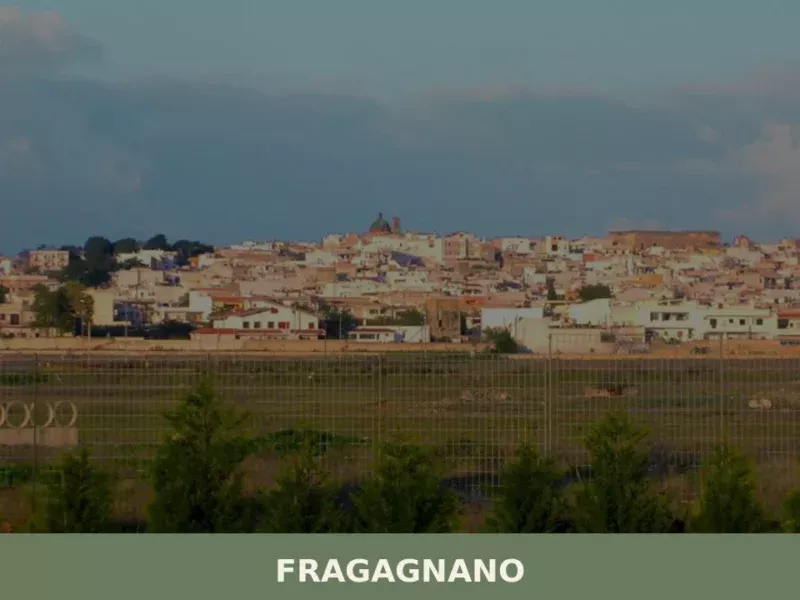
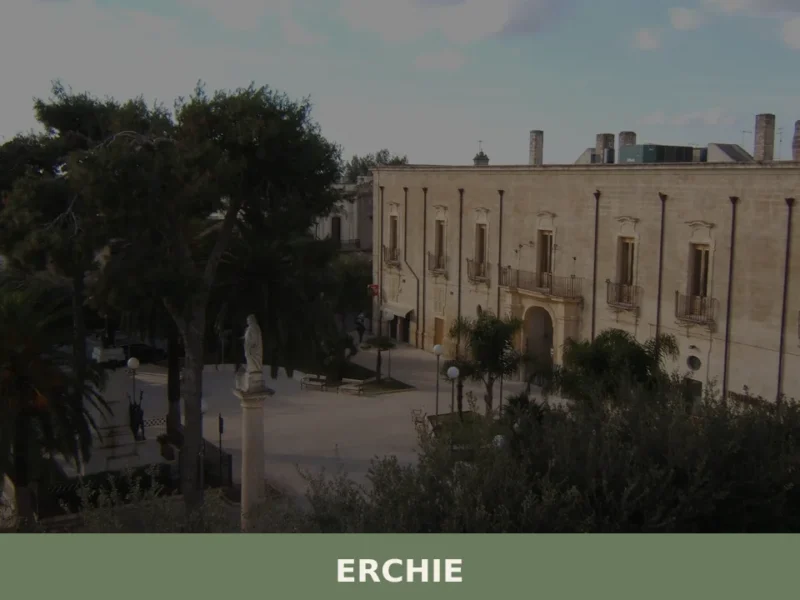
In Apulia More villages to discover
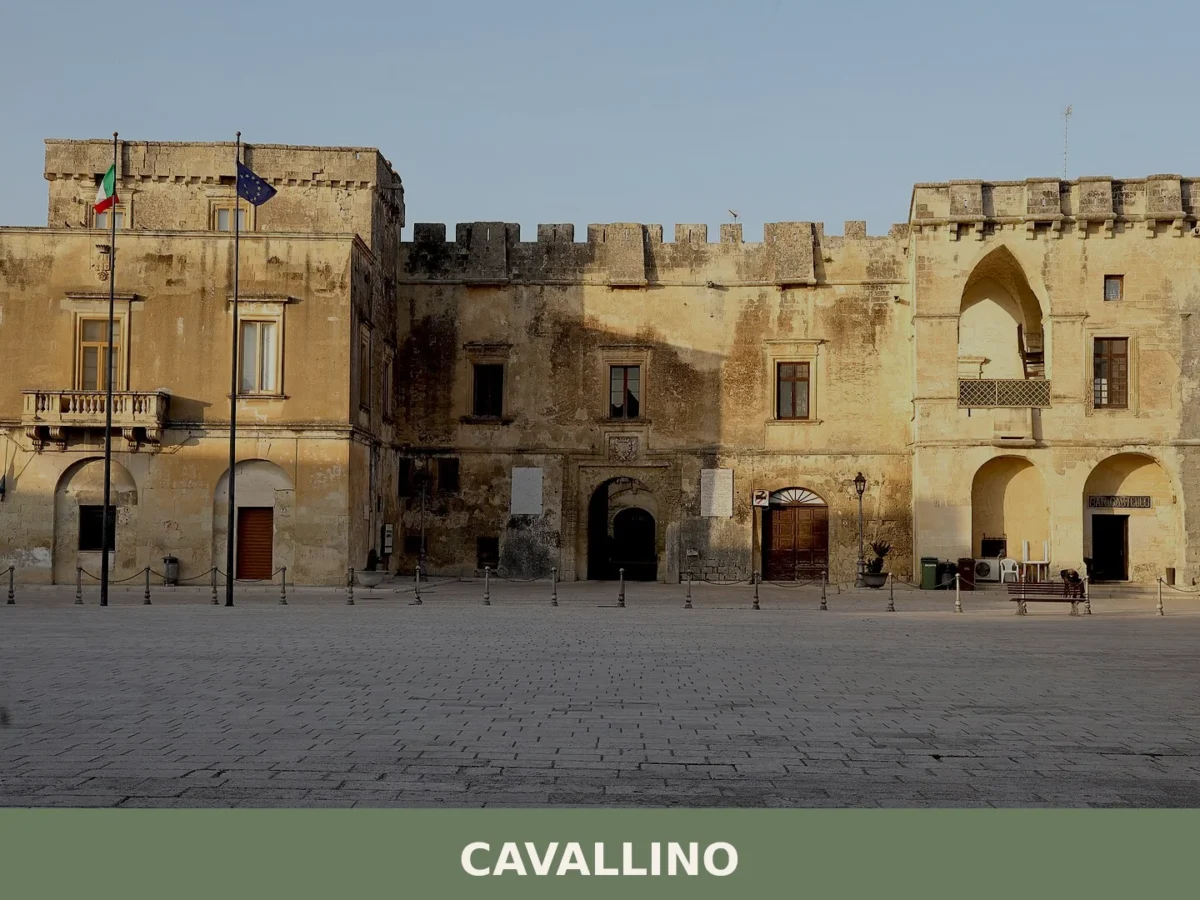
Cavallino
Plains
A village of 13,000 inhabitants where Messapic foundations meet Baroque stone. Visit the Dominican church, the feudal castle and a 1633 public well.
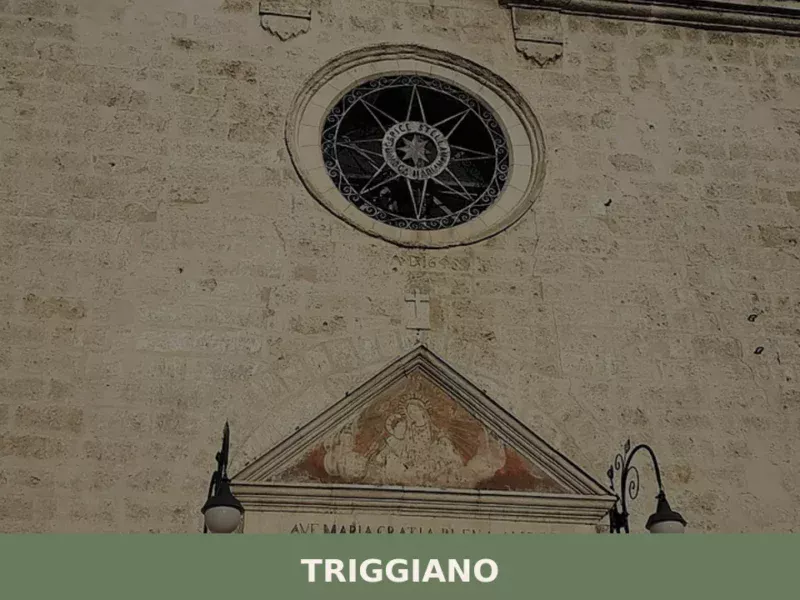
Triggiano
Plains
What to see in Triggiano? Discover the 5 must-see attractions, from the Baronial Castle to the Mother Church, and experience the tradition of this Apulian village.
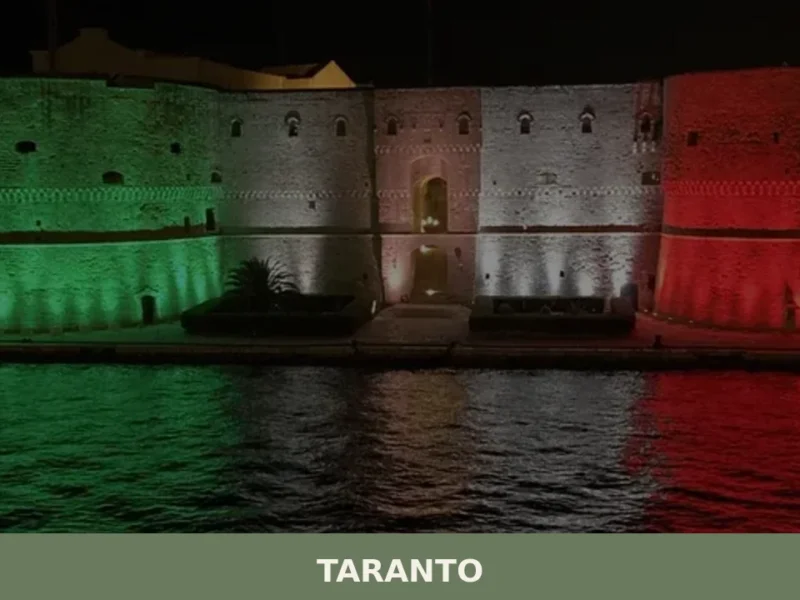
Taranto
 Sea
Sea
A port city of 186,000 on Apulia's coast, Taranto lives by the rhythm of its ancient harbour and working waterfront, not heritage tourism.
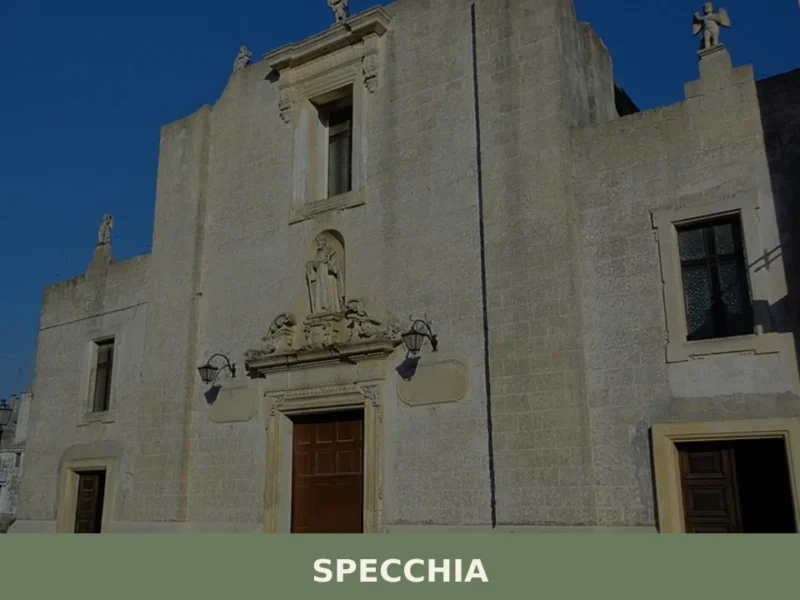
Specchia
Plains
What to see in Specchia: a medieval village at 131m in Salento with 4,569 residents. Explore Castello Risolo, the historic centre and PAT-certified local food. Plan your visit.
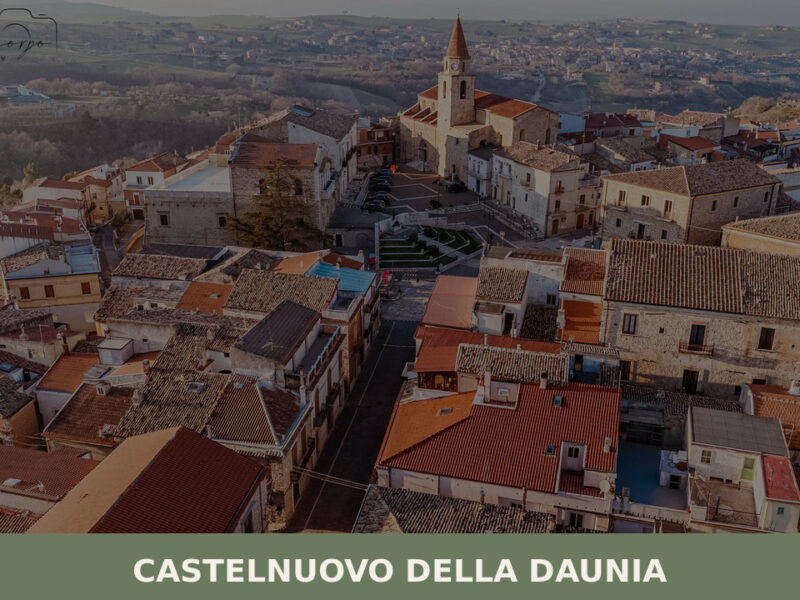
Castelnuovo della Daunia
 Hills
Hills
A compact hill village at 543 metres in Puglia's Subappennino Dauno, Castelnuovo della Daunia offers medieval lanes, panoramic views over the Tavoliere, and the quiet rhythms of inland southern Italy.
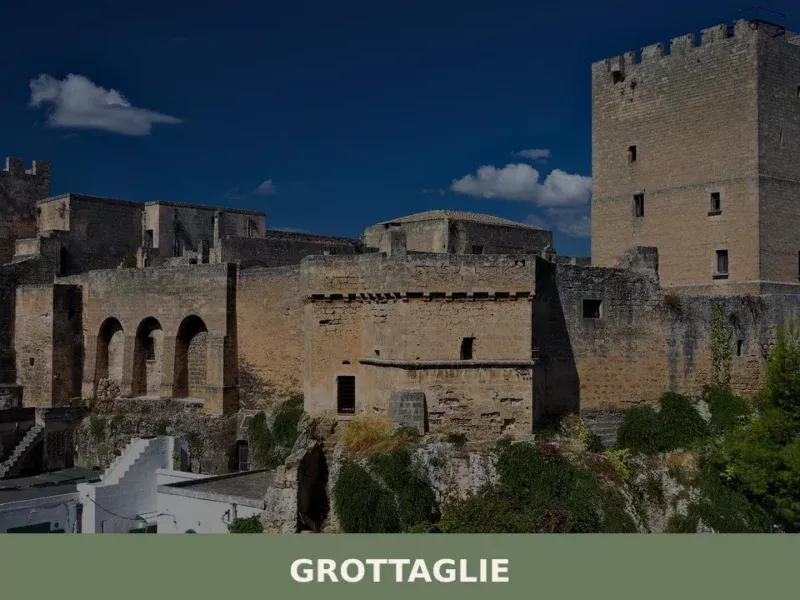
Grottaglie
Plains
Discover what to see in Grottaglie, Puglia: ceramic quarter, Castello Episcopio, ravines and local food. Practical travel guide with history and tips.
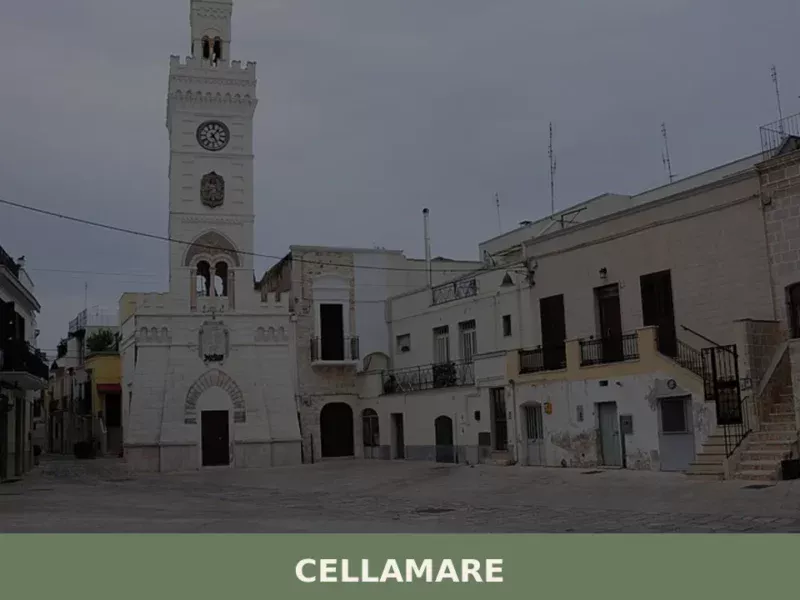
Cellamare
Plains
What to see in Cellamare, Italy: Explore this historic village, founded in 1171, located 110 m (361 ft) above sea level. Discover its grape industry and ancient origins.
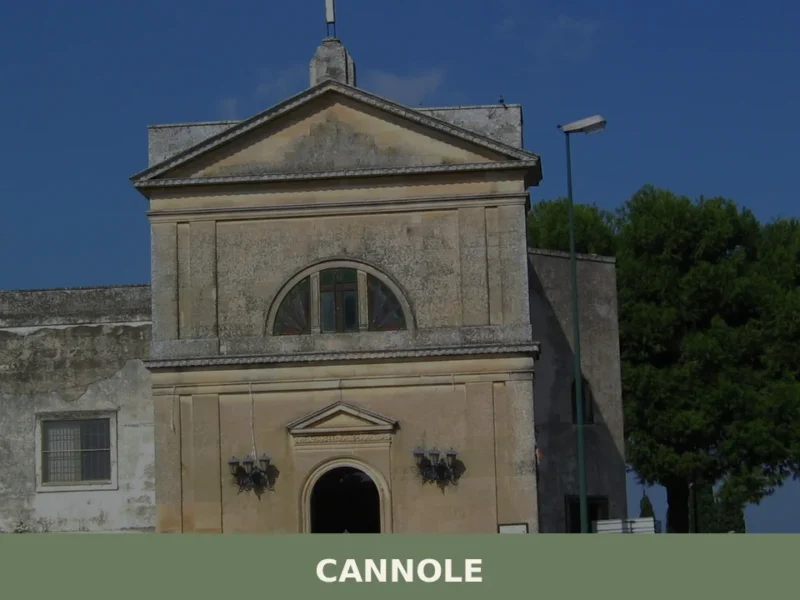
Cannole
Plains
With its 1,631 inhabitants spread across a plateau at 100 metres above sea level in the interior of the Salento, Cannole is one of the smallest municipalities in the province of Lecce. The settlement is organised around a compact core of Lecce stone houses, with a central square that still serves as a daily point […]
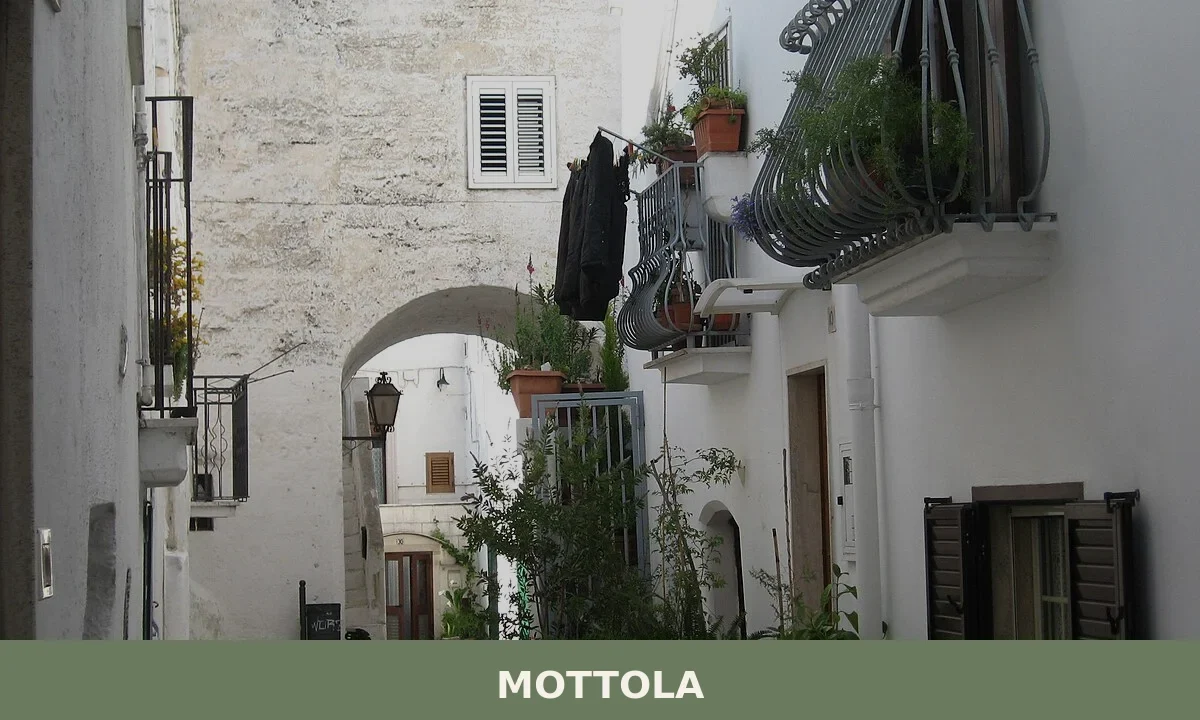
Mottola
Hills
A hillside comune of 15,125 residents in Taranto province, Mottola rises 387 metres above sea level with panoramic views of the Ionian Sea and a landscape of ravines dotted with rupestrian churches and Byzantine caves.
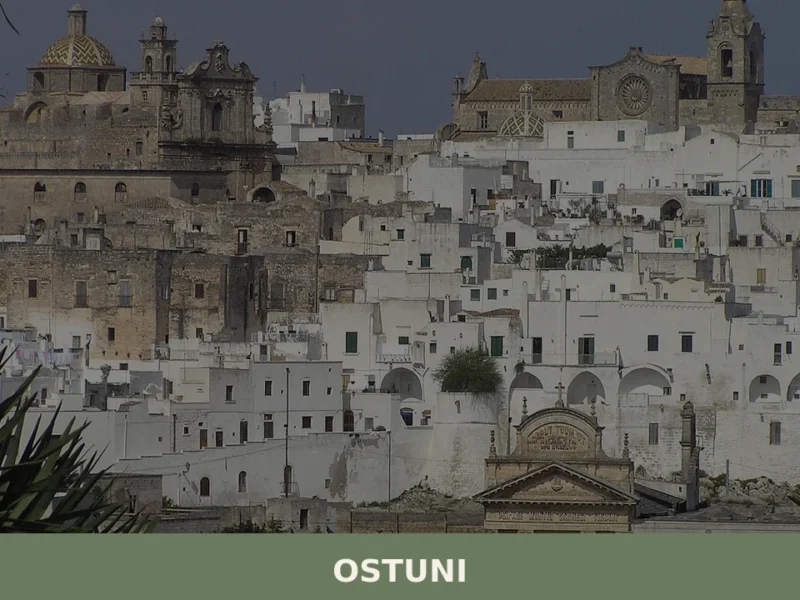
Ostuni
Sea
What to see in Ostuni, Italy: Discover the 'White Town' with its 30,143 residents and explore 5 key historical sights. Read our guide for top attractions and travel tips.



🏡 Know Francavilla Fontana better than we do?
If you’re a local or have been there, your knowledge matters: add what’s missing or fix a detail on this page.