


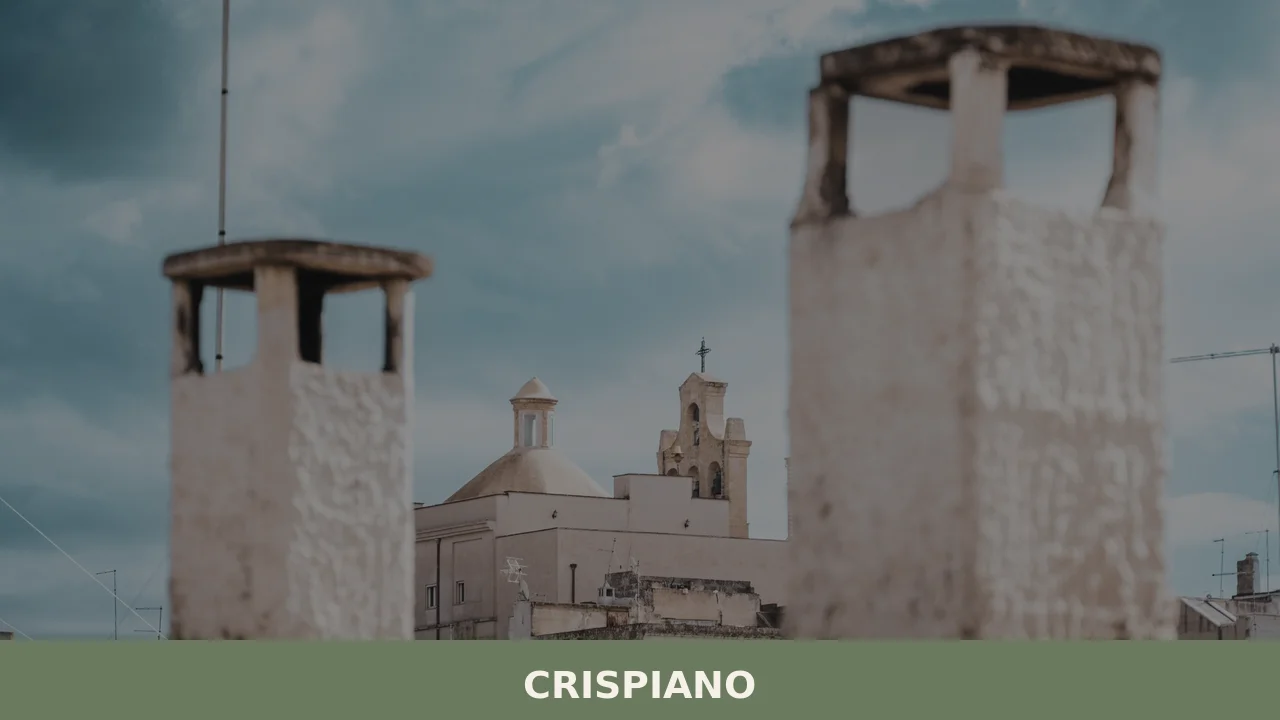
Crispiano
 Plains
Discover what to see in Crispiano, a 12,800-person comune near Taranto built around a prehistoric karst ravine, a medieval abbey, and a living farming economy.
Discover Crispiano
Crispiano is a comune of roughly 12,800 inhabitants in the province of Taranto, in Puglia’s inland Ionian hinterland. The settlement owes its origins to a deep karst ravine known as the Vallone, a geological formation that provided shelter for prehistoric communities long before any village boundary was drawn on a map. Understanding what to see in Crispiano begins with that ravine: everything of historical and cultural weight in the town — its cave dwellings, its medieval abbey, its earliest church — gravitates toward that ancient scar in the limestone plateau.
History of Crispiano
The Vallone of Crispiano was inhabited from prehistoric times, a fact confirmed by the physical evidence of cave systems carved into its calcareous walls. By the medieval period, this same ravine had become the site of the Casale Crispiani, a rural settlement of some administrative significance, and more importantly of the Abbazia di Santa Maria di Crispiano — an abbey that gave the emerging community both a religious focal point and a name that persists in the territory to this day. The abbey’s presence in the Vallone indicates that by the High or Late Middle Ages, organised ecclesiastical life had taken root in what had previously been a landscape of sheltered, semi-nomadic occupation.
From the sixteenth or seventeenth century onward, the cave dwellings cut into the walls of the Vallone were progressively reoccupied in a more permanent and structured way. This re-population consolidated around the small church of Santa Maria del Vallone, which served as the nucleus of what would become the first recognisable urban core of Crispiano. The pattern mirrors what happened in other parts of Puglia and Basilicata during the same centuries, where rupestrian settlement — living in or against the rock — was not a sign of poverty alone but a practical response to the landscape’s geography and the region’s recurring instability.
The modern town, as it stands today, is largely a product of the second half of the nineteenth century. The first permanent residential structures rose in the area now called Crispianello, followed by expansion into the zone historically known as the Difesa di Crispiano — today corresponding to Piazza Madonna della Neve and Corso Vittorio Emanuele III. Post-Unification Italy brought administrative reorganisation and gradual urbanisation to this part of Taranto province, and Crispiano grew steadily outward. The most recent phase of urban expansion has extended east of the railway line, into the Quartiere Santa Maria Goretti, reflecting the town’s continued demographic growth into the twenty-first century.
What to see in Crispiano: 5 must-visit attractions
The Vallone di Crispiano
The karst ravine that gave Crispiano its reason to exist is the single most important physical feature in the territory. Prehistoric in its earliest use, medieval in its organised settlement, the Vallone remains accessible and visible today as a landscape of exposed limestone, cave mouths and layered human occupation spanning several thousand years.
Abbazia di Santa Maria di Crispiano
Founded in the medieval period within the Vallone, this abbey was the religious and administrative anchor of the Casale Crispiani. Its dedication to the Virgin Mary and its position inside the ravine place it firmly within the tradition of Puglian rupestrian monasticism, where communities built places of worship against or within the living rock rather than on open ground.
Chiesa di Santa Maria del Vallone
This small church, positioned within the ravine itself, served as the original nucleus around which the first stable settlement of Crispiano organised itself from the sixteenth or seventeenth century. Its role was both liturgical and civic: the building around which the earliest permanent households clustered, making it effectively the founding structure of the modern town.
Piazza Madonna della Neve and Corso Vittorio Emanuele III
The historical heart of post-Unification Crispiano, this area — formerly called the Difesa di Crispiano — represents the town’s nineteenth-century urban ambitions. The main corso and the square anchored around the church dedicated to the Madonna della Neve form the social and commercial spine of the contemporary centro storico.
The Agriturismo Circuit and Local Farms
Crispiano’s agricultural economy — built on sheep and cattle farming, olive oil production, cheese-making, tomato processing and wine — is not background detail but a functioning, visitable landscape. Several agriturismo operations in the municipal territory allow direct access to working farms and their produce, connecting visitors to the economic reality that has sustained the town across centuries.
Local food and typical products
Crispiano’s food culture is inseparable from its pastoral and agricultural economy. Sheep and cattle rearing have long underpinned a tradition of fresh and aged cheeses, including the styles common across the Taranto province — soft ricotte, firm pecorini and the stretched-curd cheeses characteristic of Puglia’s inland dairy tradition. Olive oil and wine production complete the agricultural picture, alongside the processing of locally grown tomatoes, a crop that has been central to Puglian rural economies since its introduction to the region centuries ago. These are not artisanal curiosities produced for tourist markets: they are the outputs of an economy that has functioned on these terms for generations.
Visitors looking to engage with this food culture directly will find the most reliable access through the agriturismo network operating within the municipality. These farm-based establishments — several of which are active in the Crispiano area — typically offer meals built around their own production: grilled meats, house cheeses, bread baked on the premises, and local wine. For a broader overview of Puglia’s agricultural food traditions and protected designation products, the Regione Puglia’s official portal provides updated guidance on DOP and IGP designations applicable across the province of Taranto.
Best time to visit Crispiano
The Taranto hinterland has a continental-influenced Mediterranean climate: summers are hot and dry, with July and August temperatures regularly exceeding 35°C in the limestone interior, while winters are mild but can bring sharp winds across the plateau. Spring — particularly April through early June — offers the most comfortable conditions for exploring the Vallone and the surrounding agricultural landscape on foot. The countryside is green, olive groves are in active growth, and the light across the karst terrain is direct without the bleaching harshness of midsummer. Autumn, from late September through October, coincides with the olive harvest and is the period when agriturismi and farm operations are at their most active and accessible.
For practical event and seasonal programming information, the Comune di Crispiano’s official website carries updated notices on local festivals, civic events and any temporary access arrangements for heritage sites within the Vallone. Religious feast days — particularly those tied to the Madonna della Neve, to whom one of the town’s principal public spaces is dedicated — typically fall in summer and early autumn and draw a significant turnout from the local population.
How to get to Crispiano
Crispiano sits approximately 15 kilometres north of Taranto, making the provincial capital the primary reference point for arrivals by both road and rail. The town is served by its own railway station on the Taranto–Metaponto line, placing it within a short regional train journey of Taranto Centrale. By road, the most direct approach from Taranto is via the SS172, which connects the city to the inland plateau. From the north — travelling from Bari or the Adriatic coast — the A14 motorway connects to Taranto, from which Crispiano is a straightforward 20-minute drive.
- Nearest airport: Aeroporto di Brindisi “Papola Casale” — approximately 80 km; Aeroporto di Bari “Karol Wojtyła” — approximately 110 km
- By train: Trenitalia regional services on the Taranto–Metaponto line stop at Crispiano station; journey from Taranto Centrale takes under 20 minutes
- By road from Taranto: approximately 15 km via SS172, around 20 minutes by car
- By road from Bari: approximately 100 km via A14 motorway, around 1 hour 10 minutes
- By road from Brindisi: approximately 70 km via SS7, around 55 minutes
Where to stay in Crispiano
Accommodation in Crispiano itself is modest in scale, which reflects both the town’s size and its function as a residential comune rather than a primary tourism destination. The most practical and locally rooted option is the agriturismo sector: farm-stay properties in the municipal territory offer rooms or small apartments alongside access to the farms’ food production, which is a more integrated experience than a standard hotel stay would provide. These properties vary in size and level of comfort, and booking directly through the farm or through Italy’s national agriturismo platforms is generally the most reliable approach. The Puglia Promozione tourism board maintains a searchable accommodation database that covers the Taranto province, including agriturismi in the Crispiano area.
Visitors who prefer a wider choice of hotel accommodation — including chain hotels and serviced apartments — will find the full range in Taranto city, 15 kilometres to the south, which is also a practical base for day trips into the surrounding plateau. Staying in Taranto gives access to the city’s own considerable archaeological and historical resources while keeping Crispiano within easy reach by either car or regional train.
More villages to discover in Puglia
Puglia’s inland territory extends well beyond the Taranto province, and some of its most historically layered communities sit in the northern reaches of the region, far from the Ionian coast. Sannicandro di Bari, in the metropolitan city of Bari, offers a different perspective on Puglian inland settlement — a compact historic centre with a documented medieval past and an economy rooted in the same olive and wheat agriculture that characterises much of the regional interior. Further north still, Celle di San Vito, in the Foggia province, is one of Italy’s smallest comuni and one of the few places in Puglia where a Franco-Provençal linguistic tradition has survived into the modern era — a detail that makes it remarkable among the region’s villages on purely ethnographic grounds.
The Salento peninsula, at Puglia’s southern tip, produces a different kind of village geography — flatter, more sun-exposed, built on the remains of Messapian and Byzantine settlement. Patù is a case in point: a small comune in the province of Lecce where a Messapian funerary monument, the Centopietre, sits within the village boundaries and raises unresolved questions about the pre-Roman populations of this coast. Closer to Bari, Cellamare represents the suburban fringe of the regional capital — a comune whose historic identity has been reshaped by proximity to a major city, but which retains traces of its earlier agricultural and feudal character. Each of these four communities illustrates a different register of Puglian village life, and taken together with Crispiano they sketch something of the region’s genuine internal variety.
Frequently asked questions about Crispiano
What is the best time to visit Crispiano?
Crispiano is best visited in Spring (April to early June) or Autumn (late September to October). Spring offers pleasant temperatures, ideal for exploring the Vallone and surrounding agricultural landscapes, with lush greenery and clear light. Autumn coincides with the olive harvest, making agriturismi particularly active and accessible for food experiences. While summers are hot, the town celebrates its patron, Nostra Signora della Neve, on August 5th, a vibrant local event. Winters are mild but can be windy. Always check the Comune di Crispiano's official website for updated event schedules.
What are the historical origins of Crispiano?
Crispiano's history is deeply intertwined with the Vallone, a karst ravine offering shelter since prehistoric times, evidenced by ancient cave dwellings. During the medieval period, the Vallone hosted the Casale Crispiani and the Abbazia di Santa Maria di Crispiano, establishing an organized community. From the 16th century, the first stable settlement consolidated around the Chiesa di Santa Maria del Vallone. The modern urban core, including Piazza Madonna della Neve, largely developed from the mid-19th century onwards, expanding Crispiano into the vibrant town it is today.
What to see in Crispiano? Main monuments and landmarks
Crispiano's primary attractions revolve around its ancient Vallone, a deep karst ravine. Here, visitors can explore the landscape of exposed limestone and cave mouths, witness to millennia of human occupation. Within the Vallone lies the medieval Abbazia di Santa Maria di Crispiano, a significant historical and religious site, and the Chiesa di Santa Maria del Vallone, the nucleus of the town's earliest stable settlement. The modern town center, centered around Piazza Madonna della Neve and Corso Vittorio Emanuele III, reflects its 19th-century expansion. Additionally, Crispiano's agriturismo circuit offers direct access to local farms, allowing visitors to experience the region's agricultural heritage and taste authentic products.
What are the main natural or scenic attractions of Crispiano?
The most significant natural attraction in Crispiano is the Vallone, a deep karst ravine that shaped the town's origins. This striking geological formation presents a landscape of exposed limestone and ancient cave systems, offering a unique glimpse into the area's natural history and providing shelter across millennia. Beyond the Vallone, the surrounding agricultural landscape, characterized by olive groves and pastures, offers scenic beauty, especially during spring's lush greenery or autumn's harvest period, perfect for gentle exploration.
Where to take the best photos in Crispiano?
For captivating photographs in Crispiano, focus on the dramatic geological features of the Vallone, capturing its exposed limestone walls, ancient cave mouths, and the historically significant Abbazia di Santa Maria di Crispiano nestled within. The picturesque agricultural landscape, with its rolling olive groves and working farms, offers beautiful rural scenes, particularly during spring's bloom or autumn's golden light. In the town center, Piazza Madonna della Neve and Corso Vittorio Emanuele III provide classic shots of Crispiano's 19th-century urban charm and daily life.
Are there museums, churches or historic buildings to visit in Crispiano?
Yes, Crispiano offers several significant historic buildings. Within the Vallone, you can discover the medieval Abbazia di Santa Maria di Crispiano, a testament to rupestrian monasticism, and the Chiesa di Santa Maria del Vallone, which served as the original core of the town's settlement. While specific public visiting hours for these historical religious sites are not detailed, their exteriors and historical context are integral to Crispiano's heritage. The main public square, Piazza Madonna della Neve, is anchored by a church dedicated to the town's patron saint, offering another point of interest in the modern town center.
What can you do in Crispiano? Activities and experiences
In Crispiano, visitors can immerse themselves in the region's history and natural beauty by exploring the ancient Vallone on foot, discovering its cave dwellings and historic religious sites. A key experience is engaging with the local agriturismo circuit, where you can visit working farms, sample fresh cheeses, olive oil, and wine directly from producers, and enjoy traditional Puglian meals. The town's agricultural landscape is ideal for gentle walks, especially in spring and autumn. During the patron saint's feast on August 5th, visitors can also experience a vibrant local cultural celebration.
Who is Crispiano suitable for? Families, couples, hikers, solo travelers?
Crispiano is ideal for travelers seeking an authentic, less-beaten-path Puglian experience. History enthusiasts will appreciate its deep roots in the Vallone, with prehistoric cave dwellings and medieval rupestrian sites. Nature lovers and gentle hikers will enjoy exploring the karst ravine and the surrounding agricultural landscapes, especially in spring. Foodies and gastronomes will find Crispiano particularly appealing, with its strong agriturismo network offering direct access to local cheeses, olive oil, and traditional farm-to-table cuisine. It's suitable for couples, solo travelers, and families looking for a tranquil immersion into Puglia's rural heritage.
What to eat in Crispiano? Local products and specialties
Crispiano's culinary identity is deeply rooted in its pastoral and agricultural traditions. Local specialties include a variety of fresh and aged cheeses, such as soft ricotte, firm pecorini, and typical stretched-curd cheeses, all derived from the area's sheep and cattle farming. Exceptional olive oil and regional wines are also prominent, alongside products made from locally grown tomatoes. Visitors can best experience these authentic flavors by dining at the local agriturismi, which often serve meals crafted from their own produce, offering a true taste of Crispiano's enduring food culture.
Getting there
Piazza Madonna della Neve, 74012 Crispiano
Nearby Villages near Crispiano
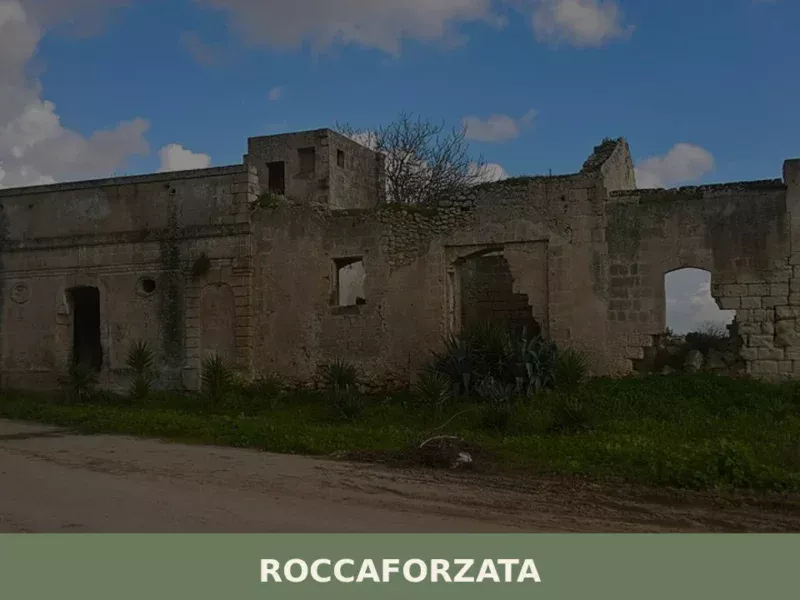
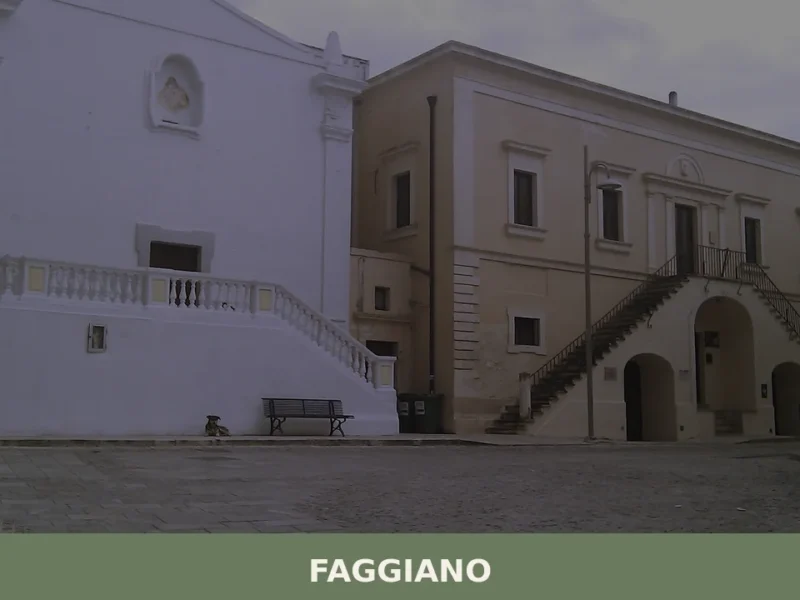
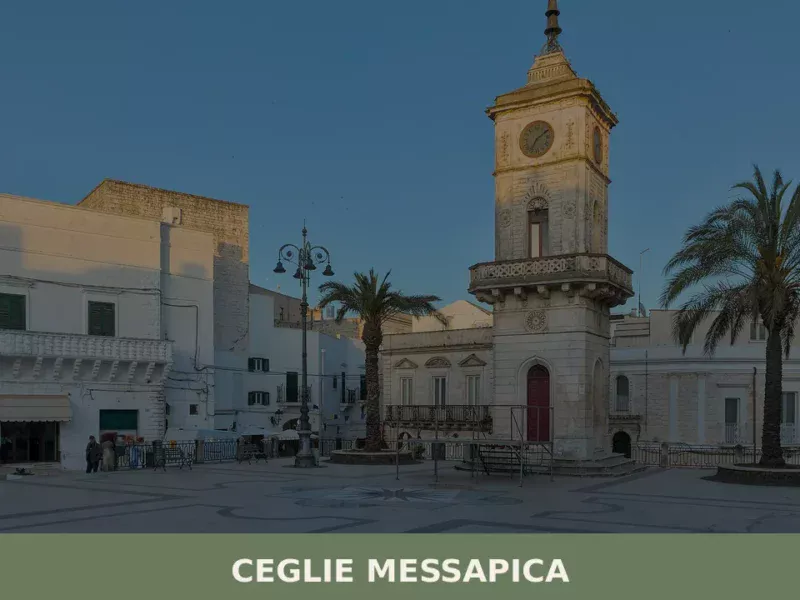
In Apulia More villages to discover
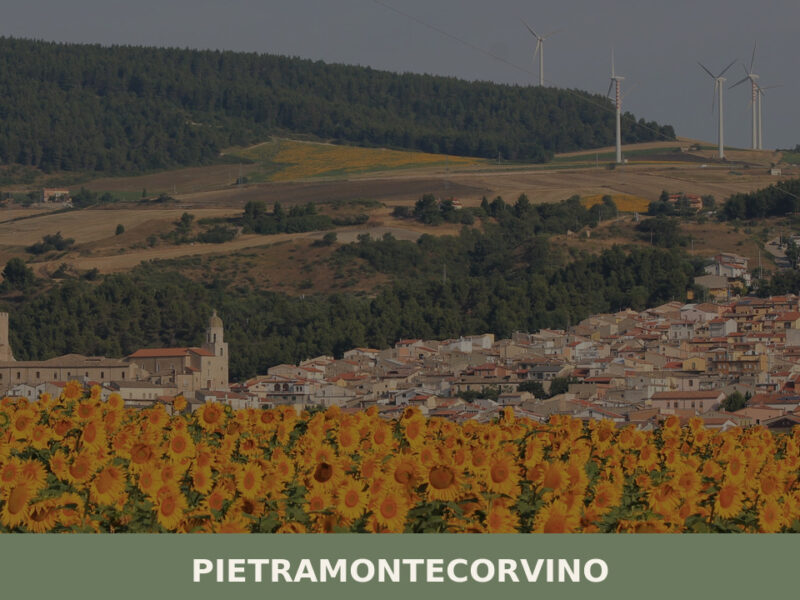
Pietramontecorvino
 Hills
Hills
A medieval hill village at 456 metres above the Tavoliere plain, Pietramontecorvino preserves a rock-carved old quarter, Norman tower, and the quiet rhythms of Daunia's agricultural past.
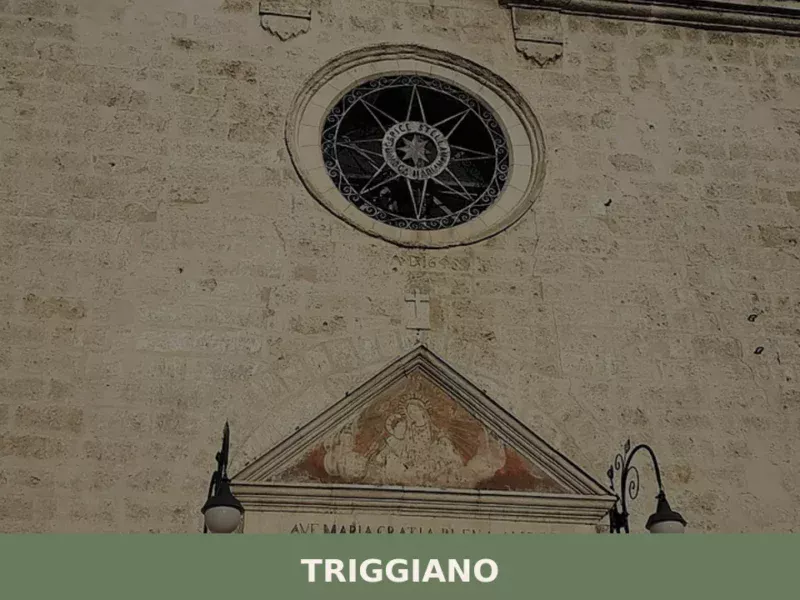
Triggiano
Plains
What to see in Triggiano? Discover the 5 must-see attractions, from the Baronial Castle to the Mother Church, and experience the tradition of this Apulian village.
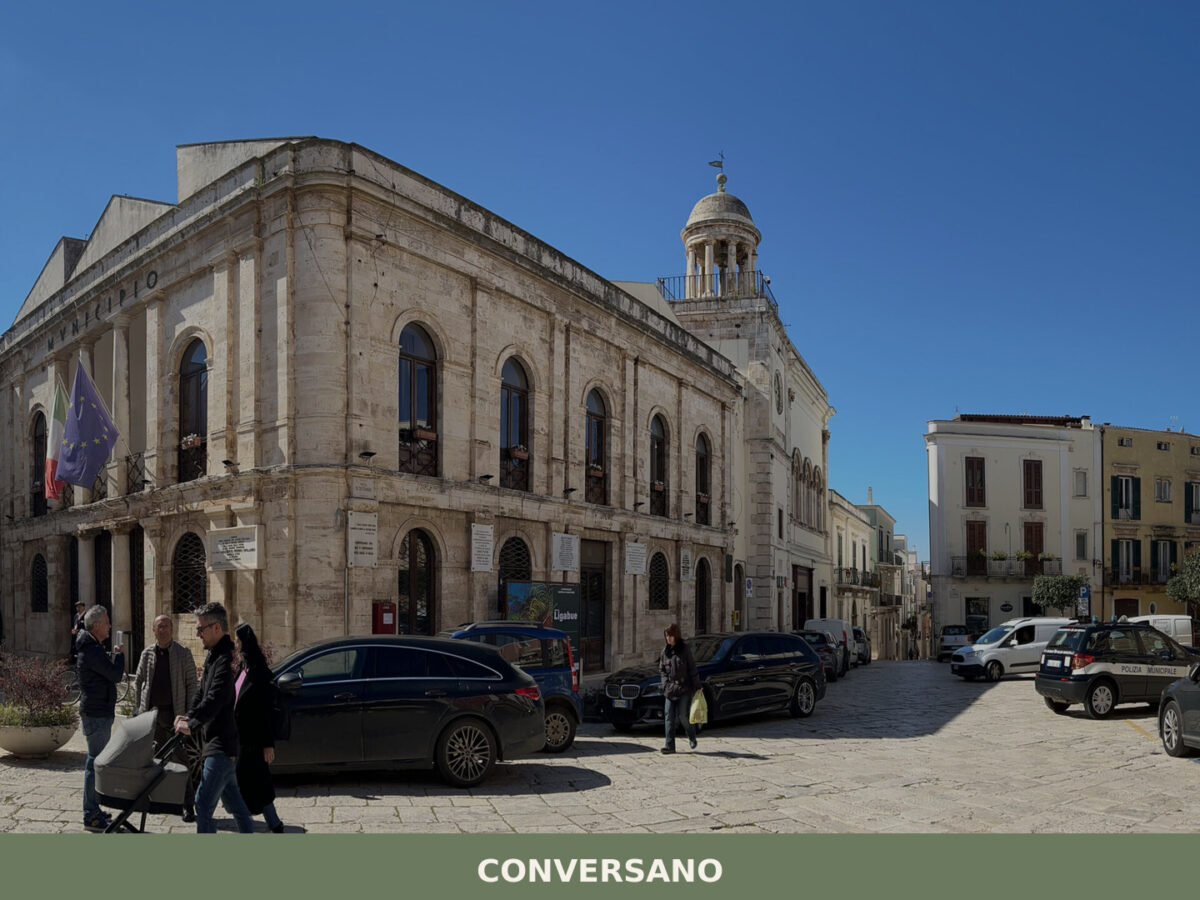
Conversano
Hills
What to see in Conversano: town at 219 m on the Murgia plateau. Norman castle, Finoglio cycle, Romanesque cathedral and Africani PAT. Plan your visit now.
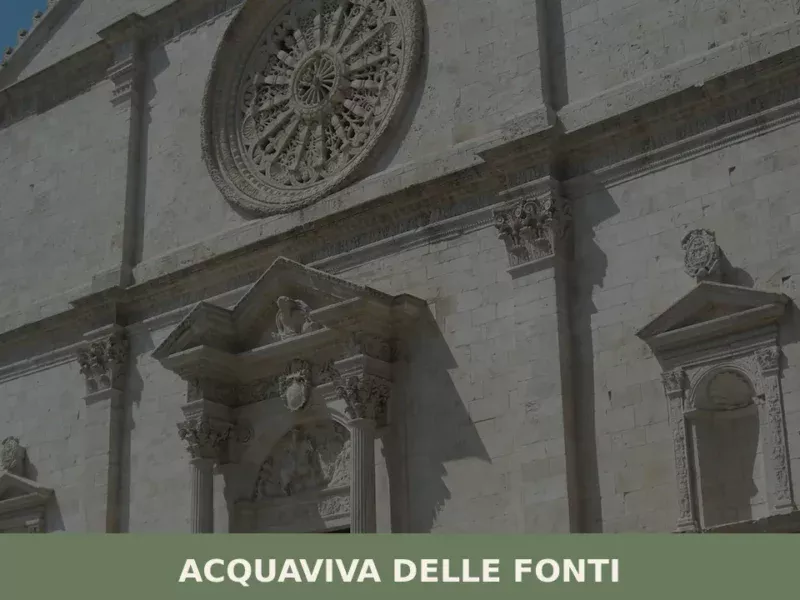
Acquaviva delle Fonti
Hills
Beneath the main square of Acquaviva delle Fonti, water still flows. This is not a figure of speech: a network of underground aquifers runs through the limestone subsoil of this town in the Murge hills near Bari, feeding cisterns and wells that for centuries determined both the wealth and the very name of the town. […]
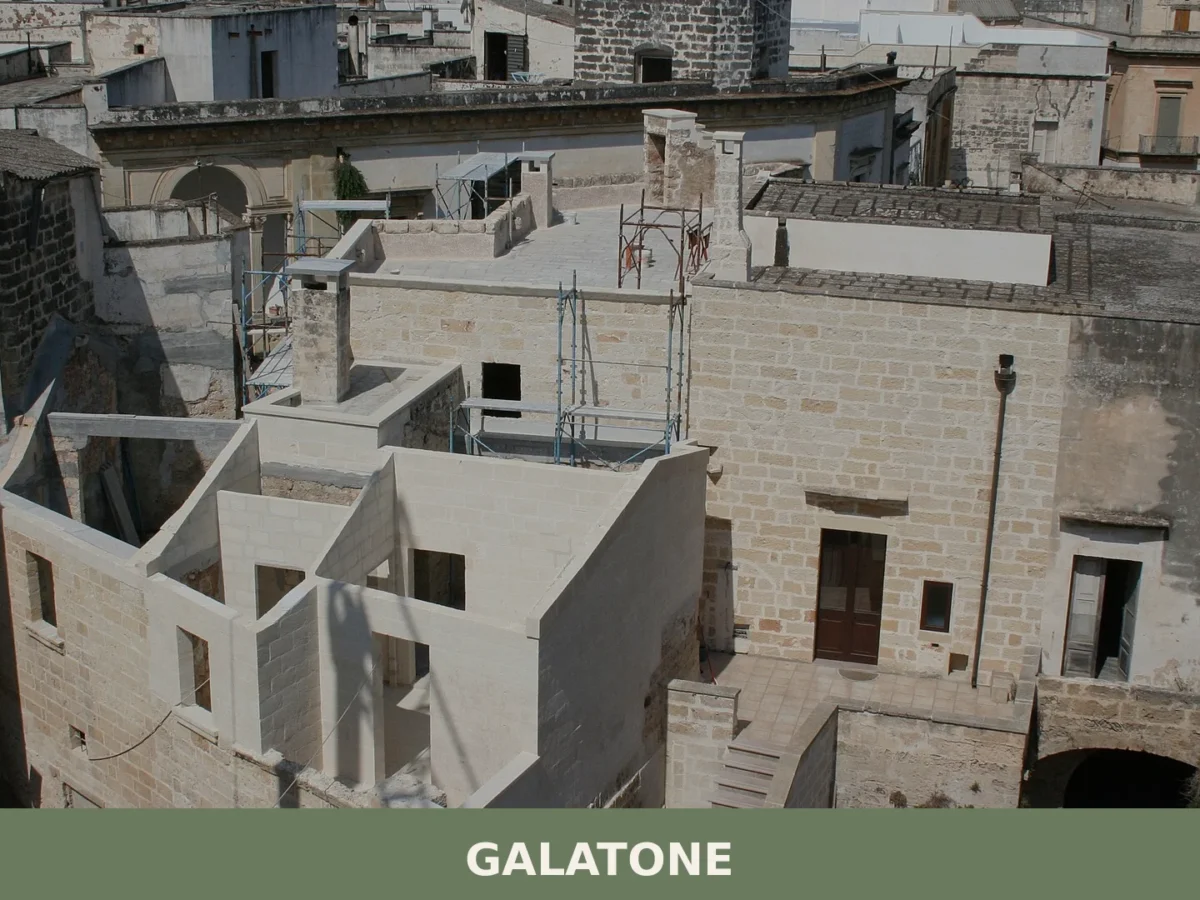
Galatone
 Sea
Sea
A medieval settlement of 14,800 inhabitants on the Ionian shore. Known for three baroque sanctuaries and the birthplace of Antonio De Ferrariis, a leading Renaissance humanist.
Racale
Sea
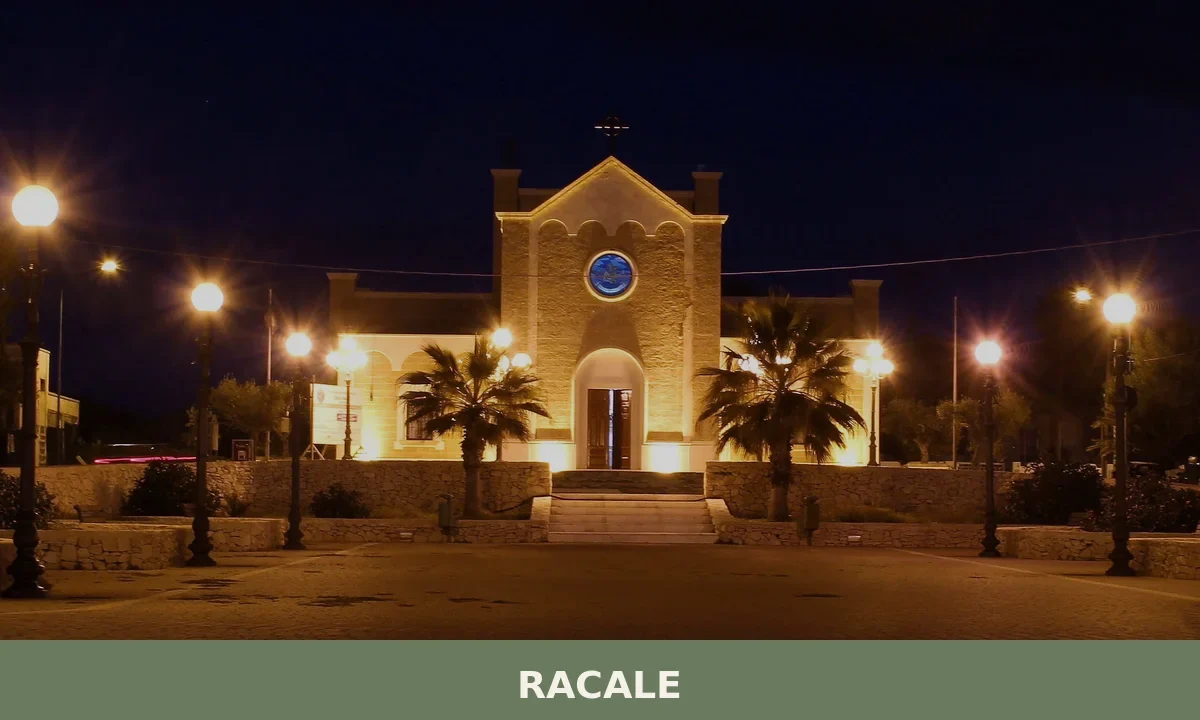
10,703 inhabitants. A lower Salento comune with medieval roots, three competing founding myths, and a lively tradition of defence against Ottoman raids.
San Nicandro Garganico
Sea
A hilltop settlement on the Gargano promontory with a Norman castle, prehistoric dolmen, and a living agricultural culture shaped by wheat, olives, and limestone.
Monopoli
Sea
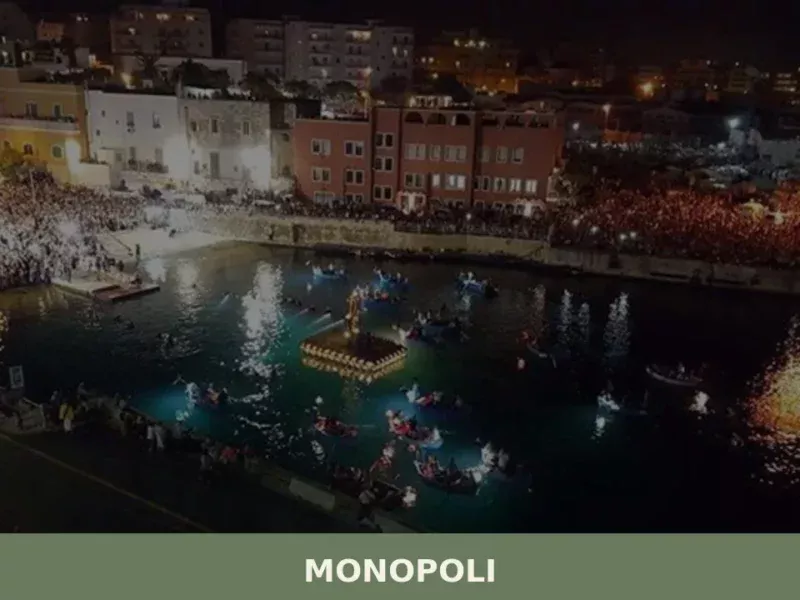
From the promontory where the Castle of Charles V stands, the view sweeps across the Adriatic, a horizon of waters that have shaped Monopoli’s identity for centuries. This port city, whose name evokes the idea of a “unique city,” reveals itself through its architecture, which tells of historical layers, from Messapian walls to Spanish fortifications. […]
Ischitella
 Lake
Sea
Lake
Sea
A ridge-top village on the Gargano promontory, Ischitella offers Norman walls, Baroque churches, ancient olive groves, and access to the Foresta Umbra.
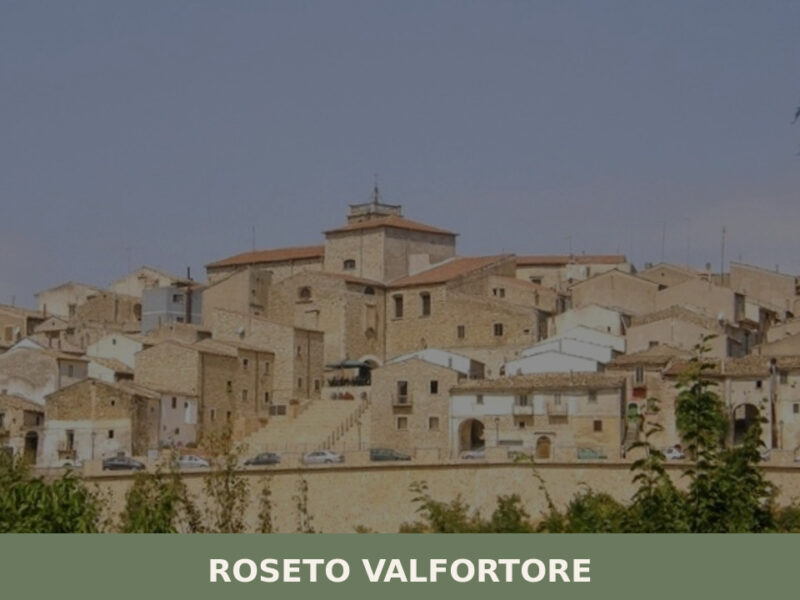
Roseto Valfortore
 Mountain
A stone village of 993 inhabitants at 658 metres in the Fortore valley. Roseto Valfortore preserves medieval architecture, mountain cooking traditions, and the quiet of inland Puglia.



🏡 Know Crispiano better than we do?
If you’re a local or have been there, your knowledge matters: add what’s missing or fix a detail on this page.