


Alezio
 Plains
Discover what to see in Alezio, a Salento village with Messapian roots, a national archaeology museum, and ancient olive groves near Gallipoli in Puglia.
Discover Alezio
Until 1873, the village now known as Alezio was officially registered under the name Villapicciotti — a bureaucratic identity that sat uneasily on a settlement whose roots reach back well before any modern administrative record. Today, with a population of around 5,641 inhabitants, Alezio occupies the western flank of Salento, a few kilometres inland from Gallipoli and its Ionian coastline. Knowing what to see in Alezio requires patience and a willingness to read a landscape that doesn’t announce itself loudly — this is a place where the evidence accumulates quietly, in stone, in soil, and in the rhythms of an agricultural hinterland that still defines daily life.
History of Alezio
The name Alezio connects this village to a much older settlement: the ancient Messapian city of Alétium, documented in classical sources and associated with the broader pre-Roman civilisation that once controlled much of the heel of Italy. The Messapians — a distinct Italic people who occupied Salento from at least the ninth century BCE — left tangible evidence across this territory in the form of pottery, bronze objects, and funerary goods. Archaeological finds attributed to this cultural horizon have been recovered in and around the modern village, giving the contemporary comune a direct, material link to its ancient predecessor rather than a merely nominal one.
During the medieval period, Alezio passed through the feudal structures that characterised much of the Kingdom of Naples, changing hands among the noble families who competed for influence across Salento. The village’s position in the agricultural interior — close enough to Gallipoli to benefit from that port city’s commercial activity, yet distant enough to develop its own self-contained economy — gave it a degree of resilience that smaller, more exposed settlements sometimes lacked. Olive cultivation became the backbone of the local economy during this period, a pattern that persisted for centuries and left its mark on the landscape in the form of vast groves of ancient olive trees still visible today.
The administrative renaming of 1873, when Villapicciotti was officially redesignated as Alezio, was not an arbitrary act: it represented a deliberate recovery of the classical toponym, part of the post-unification Italian tendency to reconnect modern municipalities with their ancient identities. This kind of institutional memory matters here. The comune belongs to the Province of Lecce, placing it within one of the most historically layered administrative territories in southern Italy — a province whose capital city carries the weight of Baroque architecture and Roman precedent in roughly equal measure.
What to see in Alezio: the main attractions
Museo Nazionale di Alezio
The national archaeological museum of Alezio houses finds recovered from the ancient Messapian site, including ceramic vessels, bronze objects, and grave goods that date primarily to the fourth and third centuries BCE. The collection provides direct physical evidence of the pre-Roman culture that gave the village its name and offers one of the most focused windows into Messapian material life in the entire Salento region.
Santuario della Madonna della Lizza
This Marian sanctuary, located just outside the village centre, is the most significant religious site in Alezio and draws pilgrims from across the Salento peninsula. The building preserves a venerated image of the Madonna and occupies a site that local tradition associates with an apparition, giving the sanctuary both devotional and historical weight. The surrounding landscape of olive groves frames the approach road in a way that reinforces the site’s separateness from the village proper.
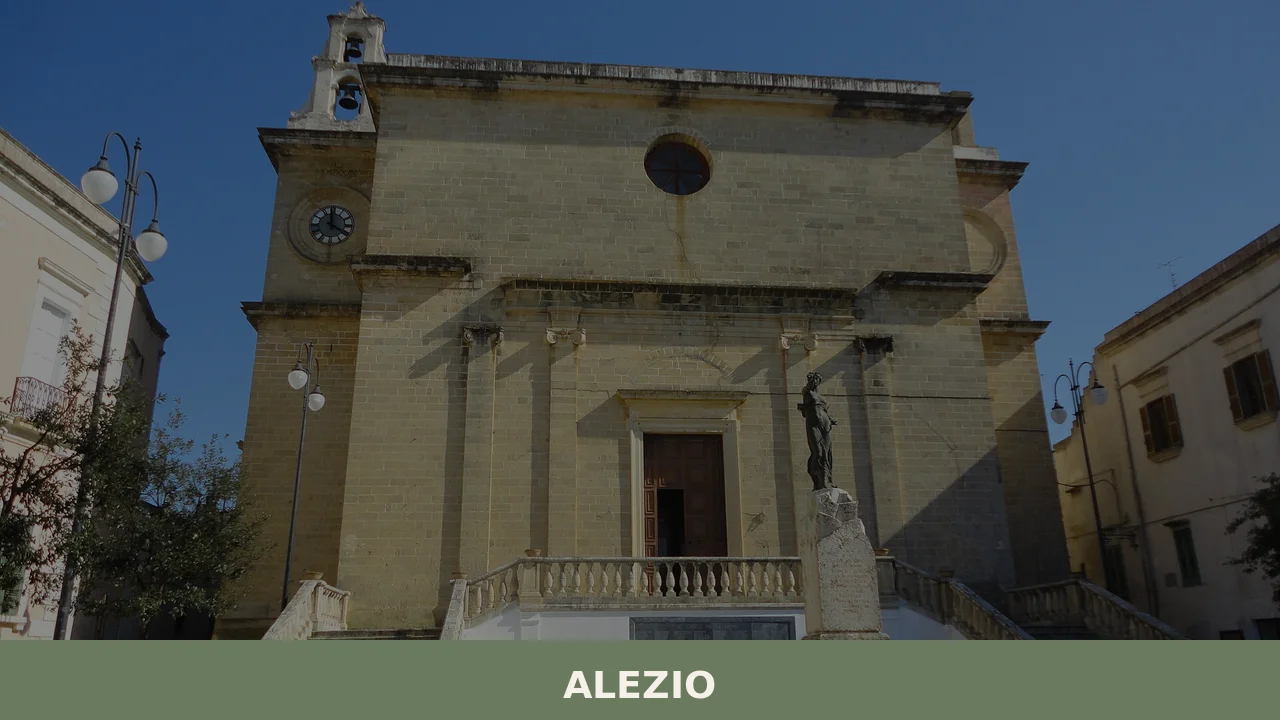
Chiesa Madre di Santa Maria della Grazia
The parish church of Alezio, dedicated to Santa Maria della Grazia, anchors the historic centre and displays the architectural vocabulary typical of Salento’s ecclesiastical building tradition — worked limestone, a structured façade, and an interior that accumulated decorative layers over several centuries. Its position in the main piazza makes it the natural reference point for understanding the village’s urban layout.
Historic Centre and Palazzo Baronale
The compact historic centre of Alezio retains a legible street plan that reflects its medieval origins. The baronial palazzo, associated with the feudal period of the village’s history, stands as one of the more substantial civil structures in the centre, its stone construction typical of the building culture of inland Salento where local limestone — the same golden-cream material used everywhere from Lecce to the coast — was the default building resource.
Surrounding Olive Groves and Agricultural Landscape
The territory immediately surrounding Alezio is defined by centuries-old olive trees, some with trunks of considerable girth that suggest planting histories spanning multiple human generations. This working agricultural landscape, which produces oil under the broader Puglia olive oil tradition, is not decorative backdrop but active farmland — one of the most consistent and historically documented economic features of the Alezio territory.
Local food and typical products
Alezio sits within one of Italy’s most productive olive oil zones, and the oil pressed from the groves surrounding the village belongs to the broader Pugliese tradition of high-polyphenol, intensely flavoured oils derived predominantly from Ogliarola and Cellina di Nardò cultivars. The local agricultural economy has revolved around olive cultivation for centuries, and this is reflected directly in the food culture: olive oil appears not as a condiment but as a structural ingredient in virtually every dish produced in the territory. Ciceri e tria — a pasta and chickpea preparation with roots in the Arab culinary influence on medieval Salento — is among the most characteristic first courses of this part of the province, combining fried and boiled pasta in proportions that vary from household to household.
The broader Salento food tradition that Alezio participates in includes pitta di patate, a baked preparation of potato dough typically filled with olives, capers, and salted fish, and frise, the twice-baked barley or wheat rounds that form the base of a quick meal when soaked briefly in water and dressed with tomato, olive oil, and oregano. Locally produced wine, drawing on the Primitivo and Negroamaro grapes grown extensively across the Lecce province, completes the table in a region where agrifood production is among the most diversified in southern Italy. For meals, smaller family-run trattorias in the village and the surrounding territory remain the most reliable option for eating within this tradition.
Best time to visit Alezio
The western Salento interior where Alezio sits experiences a Mediterranean climate with dry, hot summers and mild, occasionally wet winters. The most comfortable visiting periods are late spring — from late April through June — and early autumn, in September and October. During these months, temperatures are manageable for walking the historic centre and the surrounding countryside, the olive harvest in autumn is either approaching or under way, and the proximity to Gallipoli’s coast means the beach option is readily available without the full pressure of the July and August tourist season. The feast of the Madonna della Lizza, centred on the sanctuary outside the village, draws significant local attendance and represents the most important annual religious and community event in Alezio’s calendar.
Summer visitors should account for the fact that the interior of Salento in July and August runs consistently above 35°C during peak afternoon hours. The coastal towns, including Gallipoli just a short drive away, become extremely busy during this period. Those arriving primarily to engage with the village’s archaeological and architectural heritage will find the shoulder seasons far more practical, with shorter queues at the museum, cooler conditions for walking, and a working rhythm to the village that disappears once the summer migration from northern Italy and abroad reaches its peak.
How to get to Alezio
Alezio is located in the Province of Lecce, on the western side of the Salento peninsula, a few kilometres from Gallipoli. The nearest major transport hub is Lecce, approximately 30 kilometres to the northeast. The most practical way to reach the village from outside the region is to fly into Brindisi Airport (Aeroporto del Salento), which handles both domestic and international routes and sits roughly 60 kilometres from Alezio by road. From Brindisi, a hire car is the most efficient option; the drive takes approximately one hour via the SS16 and connecting provincial roads.
- From Lecce: approximately 30 km by road (SP362 direction Gallipoli), around 35–40 minutes by car
- From Gallipoli: approximately 7 km inland, under 15 minutes by car
- From Brindisi Airport: approximately 60 km, around 55–65 minutes by car
- By train: the nearest rail station is Gallipoli, served by the Ferrovie Sud Est regional network from Lecce. From Gallipoli station, Alezio is reachable by local bus or taxi
- By motorway: the A14 Bologna–Taranto autostrada connects at Taranto, from which the SS7 leads into the Salento peninsula toward Lecce and Gallipoli
A private vehicle remains the most practical means of exploring Alezio and its surrounding territory. Public transport connections exist but are infrequent and timetabled around local commuting rather than visitor needs.
Where to stay in Alezio
Alezio itself is a small comune of just over five thousand inhabitants, and its accommodation offer reflects that scale. The village centre has limited hotel infrastructure, but the surrounding territory — particularly along the roads between Alezio and Gallipoli — supports a number of agriturismi, the farm-stay establishments that are among the most practical and characteristically Pugliese accommodation options in rural Salento. These typically occupy working olive or vineyard properties and offer rooms or small apartments alongside meals prepared from estate-grown produce. Holiday rental apartments in the historic centre are also available through standard booking platforms, particularly in summer months when demand from the Gallipoli coastal area pushes visitors to seek accommodation slightly inland.
Visitors who want beach access alongside a base in the Alezio area will find the short distance to Gallipoli’s coastline — under fifteen minutes by car — makes the village a viable alternative to the significantly more expensive and congested accommodation market directly on the Ionian shore. The practical booking tip here is straightforward: for summer visits, reserve well in advance, as the entire Gallipoli-area accommodation market tightens significantly from late June onward. For spring and autumn visits, availability is generally much easier and rates considerably lower.
More villages to discover in Puglia
The Province of Lecce and the wider Puglia region contain a range of villages whose histories intersect with Alezio’s in different ways. Specchia, a compact hill village in the southern Salento interior, shares with Alezio the characteristic building material of local limestone and a medieval street plan that remained largely intact through the modern period — it offers a useful comparative perspective on how inland Salento villages developed their distinctive urban forms. Further north, the agricultural town of Orta Nova, in the Capitanata plain of the Foggia province, illustrates the sharp contrast between the olive-dominated landscape of the Lecce hinterland and the cereal agriculture that characterises Puglia’s northern flatlands.
For those tracing a broader route through the region, Cassano delle Murge in the Metropolitan City of Bari provides entry into the Alta Murgia territory, a dramatically different geological and cultural landscape from the flat, sun-baked Salento where Alezio sits. Closer to the regional capital, Cellamare offers a glimpse of the densely settled suburban hinterland immediately south of Bari — a useful waypoint for travellers moving between the regional capital and the Salento peninsula on a longer Puglia itinerary.
Frequently asked questions about Alezio
What is the best time to visit Alezio?
The best times to visit Alezio are late spring (late April to June) and early autumn (September to October). These months offer pleasant temperatures ideal for exploring the historic centre and olive groves, and coincide with the olive harvest season in autumn. While July and August can be very hot, they host important local events. The village celebrates its Patron Saint, the Madonna dell'Assunta, on August 16th with traditional festivities. Additionally, the Feast of the Madonna della Lizza, a significant religious and community event, draws pilgrims to the sanctuary just outside the village, making these periods culturally rich.
What to see in Alezio? Main monuments and landmarks
Alezio offers a quiet discovery of its rich past and agricultural present. Start with the Museo Nazionale di Alezio, which showcases fascinating Messapian artifacts, providing a direct link to the ancient city of Alétium. Visit the Santuario della Madonna della Lizza, a revered Marian sanctuary just outside the village, and the Chiesa Madre di Santa Maria della Grazia, anchoring the picturesque historic centre. Explore the narrow streets, admire the Palazzo Baronale, and don't miss the opportunity to wander through the surrounding centuries-old olive groves, a testament to Alezio's enduring agricultural heritage.
What are the main natural or scenic attractions of Alezio?
Alezio's primary natural attraction lies in its surrounding agricultural landscape, characterized by vast expanses of centuries-old olive groves. These ancient trees, some with impressive girth, define the territory and offer scenic beauty, especially during the olive harvest season in autumn. Visitors can enjoy gentle walks or drives through this working landscape, appreciating the deep connection between the village and its fertile plains, a fundamental aspect of Salento's identity and economy. The olive groves also notably frame the approach to the Santuario della Madonna della Lizza.
Where to take the best photos in Alezio?
For captivating photographs in Alezio, focus on the historic centre, particularly around the Chiesa Madre di Santa Maria della Grazia and the Palazzo Baronale, which offer classic Salento architectural backdrops. The narrow, medieval streets provide charming perspectives. Additionally, the approach to the Santuario della Madonna della Lizza, framed by ancient olive groves, presents a picturesque rural scene. The expansive olive groves themselves, especially at sunrise or sunset, offer beautiful opportunities to capture Alezio's agricultural soul and the unique light of Salento.
Are there museums, churches or historic buildings to visit in Alezio?
Yes, Alezio is home to several important cultural and historical sites. The Museo Nazionale di Alezio is a must-visit, housing significant Messapian archaeological finds from the ancient city of Alétium. You can also explore the Santuario della Madonna della Lizza, a revered Marian sanctuary just outside the village, and the Chiesa Madre di Santa Maria della Grazia, located in the heart of the historic centre. Within the historic core, the Palazzo Baronale stands as a notable example of the village's feudal past. For current opening hours and any admission fees, it's advisable to check local information upon arrival.
What can you do in Alezio? Activities and experiences
In Alezio, visitors can immerse themselves in history and local culture. Explore the Museo Nazionale di Alezio to delve into Messapian history, then wander through the charming historic centre, admiring the Chiesa Madre and Palazzo Baronale. Enjoy leisurely walks or bike rides through the ancient olive groves surrounding the village. Savor authentic Salento cuisine at local trattorias, featuring dishes like ciceri e tria and regional olive oil. During late spring and early autumn, the pleasant weather is ideal for exploring, and if visiting on August 16th, experience the vibrant local celebrations for the patron saint, Madonna dell'Assunta.
Who is Alezio suitable for? Families, couples, hikers, solo travelers?
Alezio is ideal for visitors seeking an authentic Salento experience, away from the bustling coastal crowds. It appeals strongly to history and archaeology enthusiasts eager to explore its Messapian roots and museum. Foodies will appreciate its deep connection to olive oil production and traditional Pugliese cuisine. It's perfect for slow travelers, couples, and solo adventurers who enjoy discovering local culture, walking through ancient olive groves, and experiencing the rhythms of an agricultural village. Its proximity to Gallipoli also makes it a great base for those wanting to combine cultural exploration with easy access to the Ionian coast.
What to eat in Alezio? Local products and specialties
Alezio's culinary identity is deeply rooted in the Salento tradition and its rich agricultural produce. The local olive oil, pressed from Ogliarola and Cellina di Nardò cultivars, is a fundamental ingredient. Must-try specialties include ciceri e tria, a unique pasta and chickpea dish featuring both fried and boiled pasta, and pitta di patate, a savory potato pie typically filled with olives, capers, and salted fish. Don't miss frise, crunchy twice-baked bread rounds enjoyed with fresh toppings, and pair your meal with excellent local wines made from Primitivo and Negroamaro grapes.
📷 Photo Gallery — Alezio
Nearby Villages near Alezio
In Apulia More villages to discover
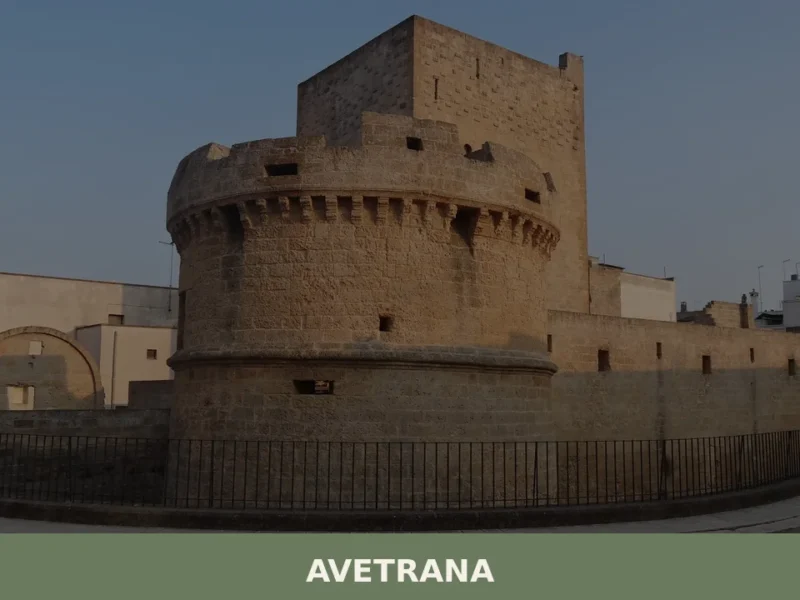
Avetrana
Plains
What to see in Avetrana, Italy: explore a 13th-century castle, the Chiesa Madre and Palazzo Imperiali. Population 6,277. Discover festivals, food and how to get there.
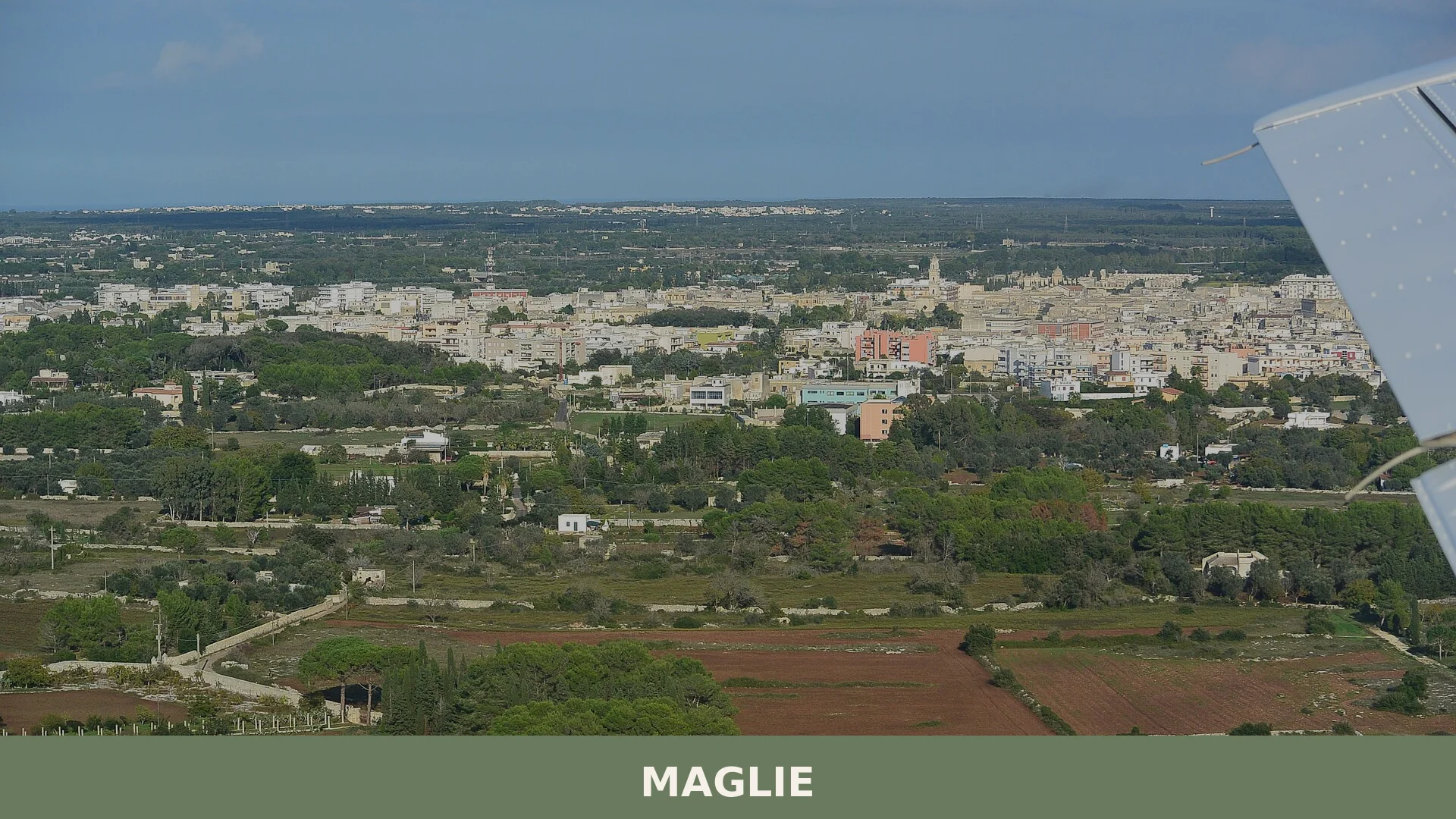
Maglie
Plains
A town of 13,265 inhabitants rooted in medieval feudalism and Baroque art. Maglie sits at the crossroads of Salento's agricultural identity, anchored by its cathedral and a layer of history that reaches back to the Bronze Age.
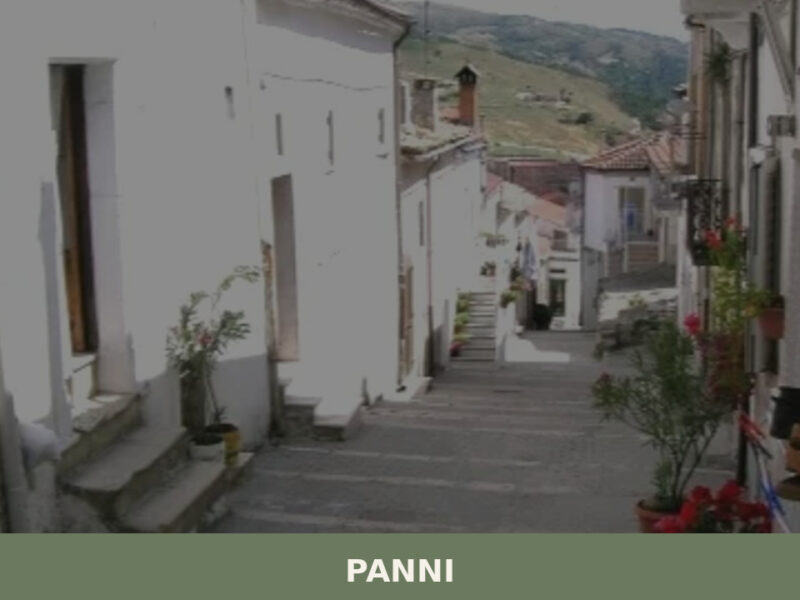
Panni
 Mountain
Panni stands at 801 metres in the Daunian Sub-Apennines, a wind-swept village of 693 people in the province of Foggia. A guide to its history, sights, and food.
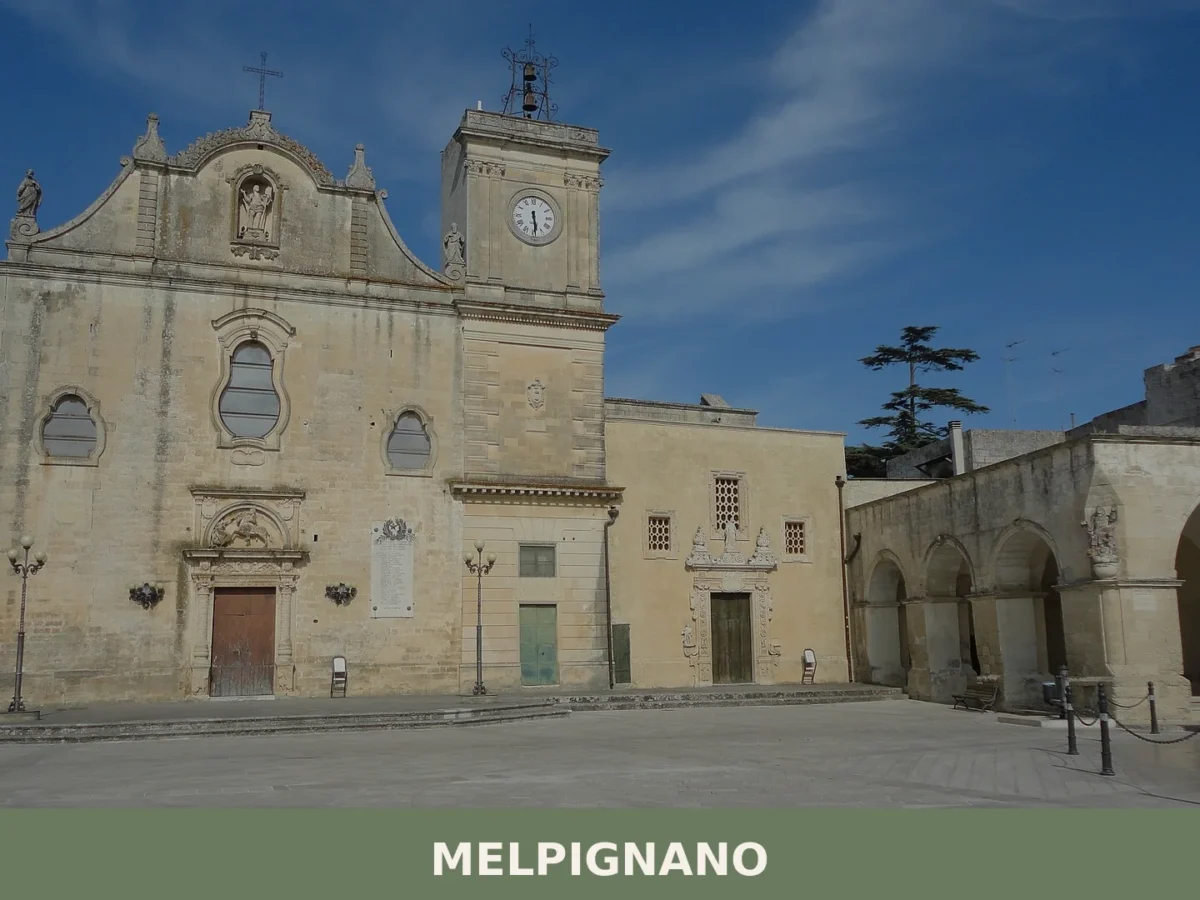
Melpignano
Plains
A village of 2,070 inhabitants rooted in Greek-Byzantine heritage, where Renaissance porticoes frame a living past and summer brings Italy's biggest pizzica festival.
Poggio Imperiale
Plains
A planned eighteenth-century village on the Tavoliere plain, Poggio Imperiale offers grid-pattern streets, agricultural landscapes, and the unhurried rhythms of northern Puglia.
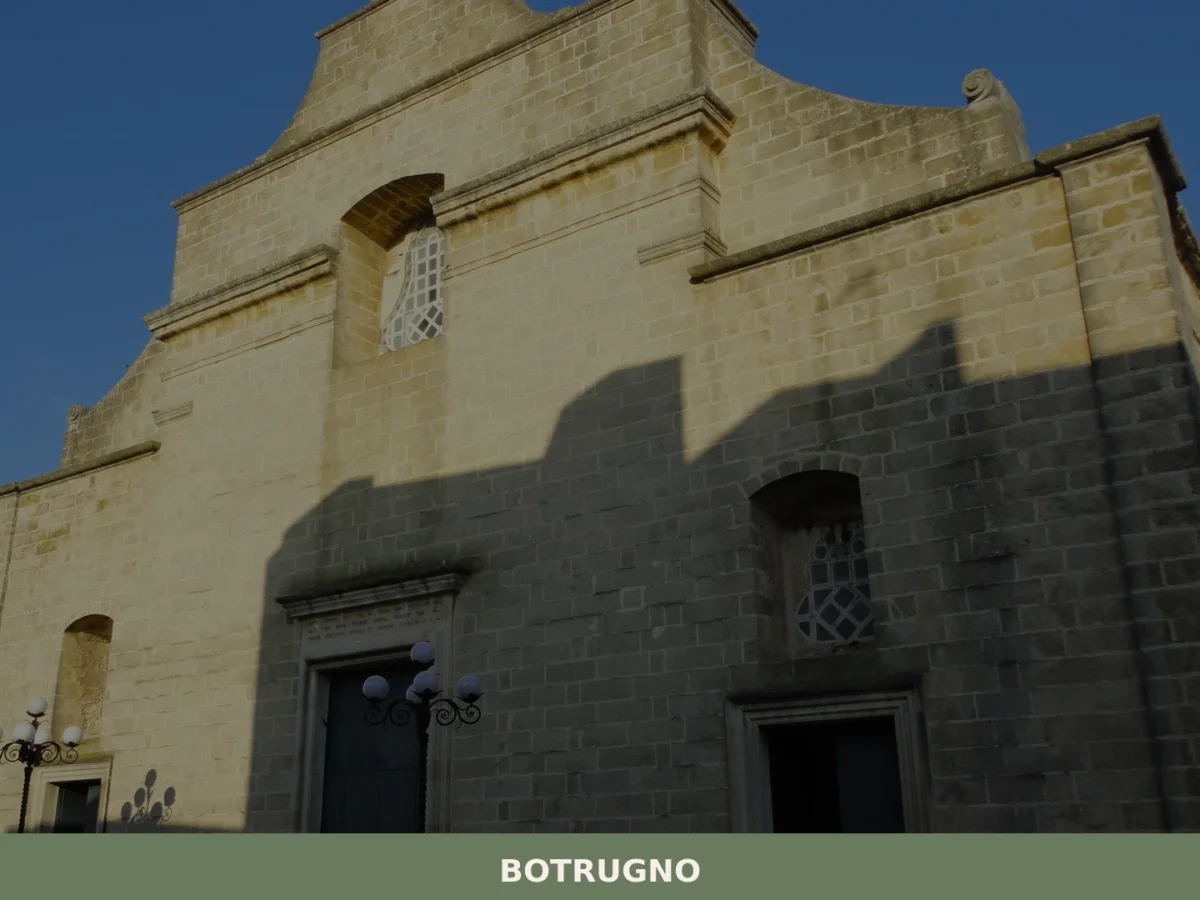
Botrugno
Plains
Discover what to see in Botrugno, a Salentine village of 2,556 inhabitants in the Lecce province: churches, olive groves, local food and practical travel tips.
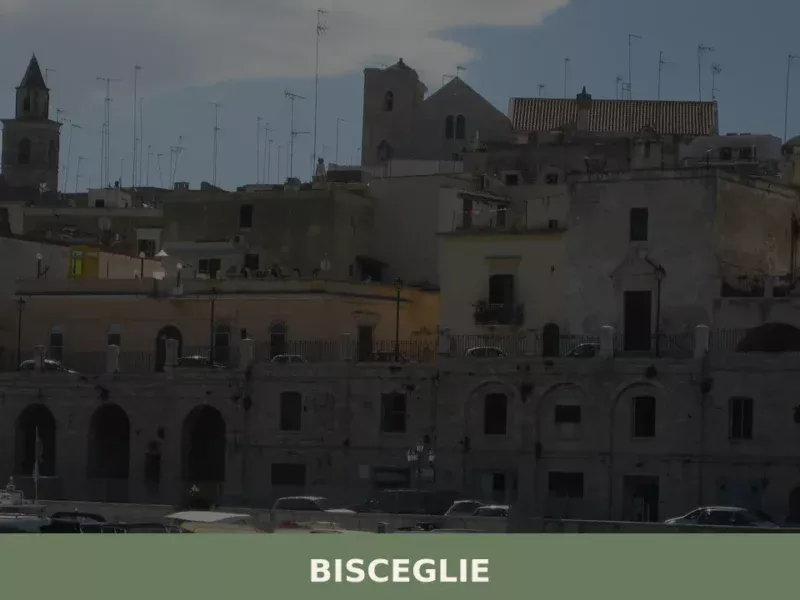
Bisceglie
 Sea
Sea
Discover what to see in Bisceglie, Puglia: Bronze Age dolmens, a Norman cathedral, Swabian castle, local food and practical travel tips for the Adriatic coast.
Orta Nova
Plains
If you are looking to discover the most fascinating Orta Nova attractions, you are in the right place. This Apulian village, located in the heart of the Tavoliere delle Puglie just 24.7 km from Foggia, holds historical and cultural treasures that tell centuries of Italian history. With its 16,600 inhabitants, Orta Nova offers a perfect […]
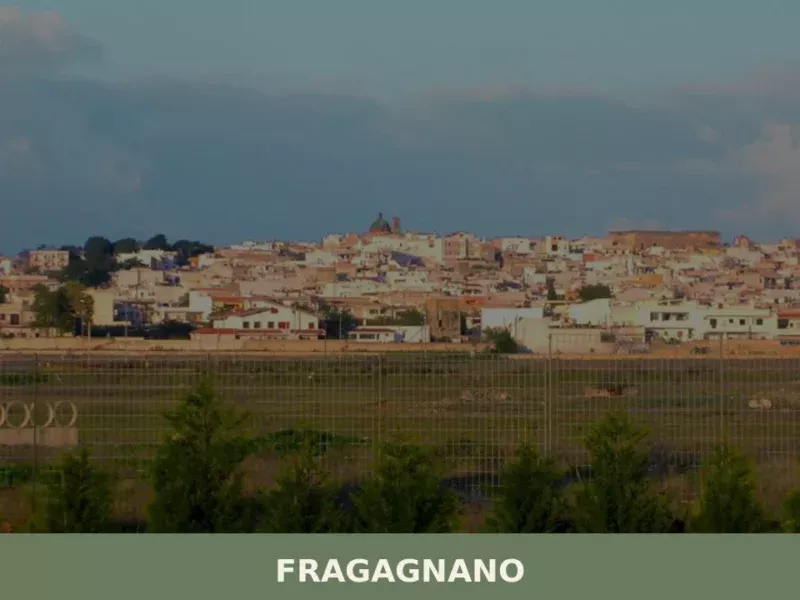
Fragagnano
Plains
Discover what to see in Fragagnano, a village in Taranto province and part of the Terre del Mare e del Sole. History, food, travel tips and nearby villages.
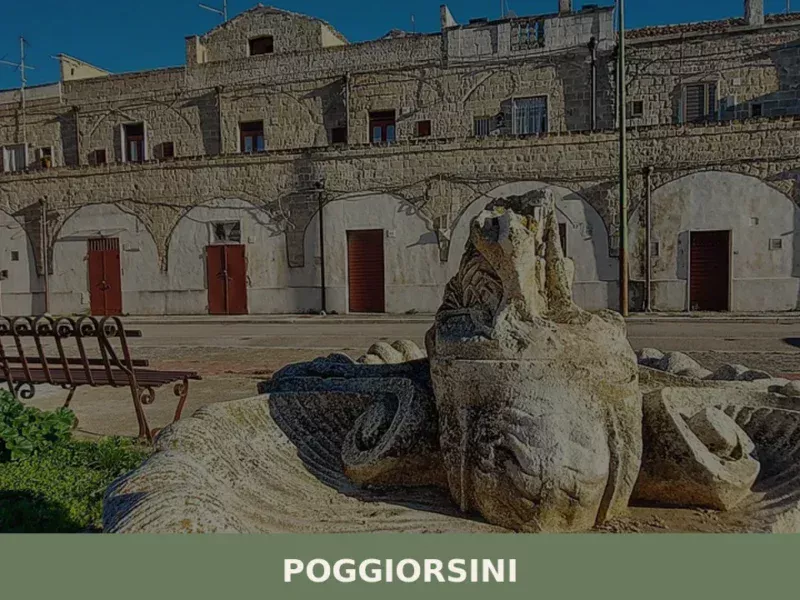
Poggiorsini
 Hills
Hills
What to see in Poggiorsini: from trulli to the streets of the old town. Discover attractions, practical tips and how to plan your visit to this Puglia village.
🧀 Italian traditional products




🏡 Know Alezio better than we do?
If you’re a local or have been there, your knowledge matters: add what’s missing or fix a detail on this page.