


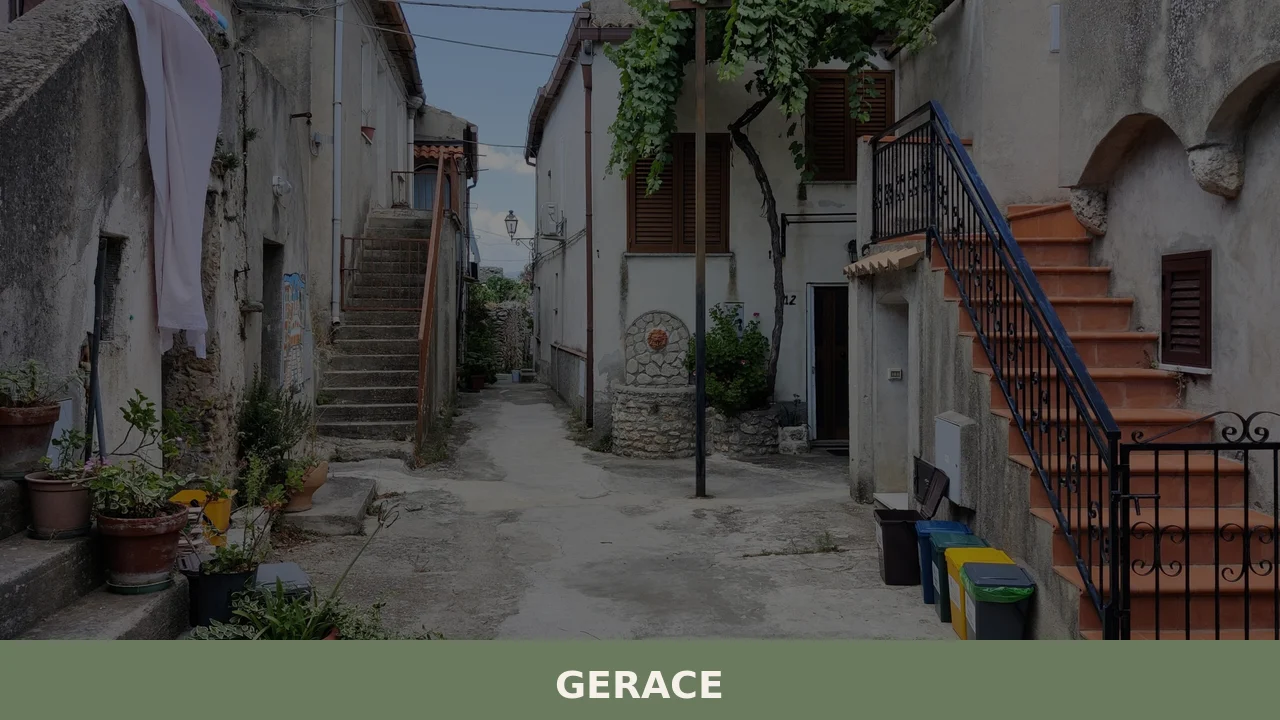
Gerace
 Hills
Hills
A rock formed from sea fossils laid down 60 million years ago rises 500 metres (1,640 ft) above the Ionian plain. From its summit, on a clear day, the coastal town of Locri and the sea beyond it are visible as distinct horizontal bands of terracotta, grey, and blue. The hill is composed of marine […]
Discover Gerace
A rock formed from sea fossils laid down 60 million years ago rises 500 metres (1,640 ft) above the Ionian plain. From its summit, on a clear day, the coastal town of Locri and the sea beyond it are visible as distinct horizontal bands of terracotta, grey, and blue.
The hill is composed of marine conglomerates compressed into pale layers, and the town built on top of it follows the same geometry: tight, vertical, resistant.
One hundred and twenty-eight churches once filled this space, and the columns holding up the largest of them were taken directly from the Greek temples of ancient Locri below.
Deciding what to see in Gerace is easier when you understand the scale: the medieval centre is compact, covering a hilltop roughly 10 km (6.2 mi) inland from the Ionian coast, yet it concentrates a Norman cathedral, a Byzantine castle, Greek-Orthodox oratories, and a Baroque-altared Franciscan church within walking distance of one another. Gerace, Calabria, Italy holds membership in I Borghi più belli d’Italia, the national association of Italy’s most beautiful villages, a designation based on documented architectural and historical criteria. Visitors to Gerace find a medieval urban fabric that has remained largely intact, making the town one of the most coherent historic centres in southern Italy.
History of Gerace
The name itself records the town’s origin story.
It derives from the Greek word hierax (ἱέραξ), meaning sparrowhawk. According to a documented local legend, the inhabitants of the Locri coastline fled a Saracen attack in 915 CE and were guided inland by a sparrowhawk to the commanding rock above the plain, where they established a new settlement. Archaeological evidence confirms that the area had already been inhabited since the Neolithic Age, and traces of Sicel presence have also been identified. Even during the height of Greek Locri’s power on the coast, the hill above was occupied, and it later served as a Roman military garrison site.
After the Byzantine reconquest of Italy in the 6th century, the town became an administrative, military, and religious capital under the name of Santa Ciriaca.
In 986, the Saracens briefly seized it before Byzantine control was restored. The Norman conquest came in 1059, after which Gerace became the seat of a principality, its authority symbolised by the Castle of the Hauteville — the ruling Norman dynasty also known as Altavilla.
During the political turbulence of the Sicilian Vespers in the late 13th century, the Aragonese admiral Roger of Lauria occupied Gerace and converted it into his personal feudal estate. The town subsequently received the status of Royal City. In 1348 it became a county, passing through the hands of the Caracciolos, then Gonzalo de Córdoba, and finally, toward the end of the 16th century, the Grimaldi family, who held it as a principality.
The abolition of feudalism in 1806 brought Gerace new administrative importance as a district capital. That role did not prevent internal unrest: in 1847, the population of the district rose in rebellion against Bourbon rule. Royal troops suppressed the insurrection, and its leaders — among them Rocco Verduci — were sentenced and executed in Gerace itself. In the 19th century, a new coastal settlement was constructed to house modern public buildings, initially named Gerace Marina before being renamed Locri in 1934.
The separation between the administrative coastal town and the historic hilltop has preserved Gerace’s medieval character to a degree unusual in Calabria.
What to see in Gerace, Calabria: top attractions
The Norman Cathedral of Gerace
Twenty-six columns divide the interior of the Norman Cathedral into a nave and two aisles.
Thirteen columns line each side, and none of them were quarried for this building: every shaft was taken from the ancient Greek temples of Locri, carrying pre-Christian material into a Christian structure consecrated in the 11th century. The cathedral is the largest religious building in Calabria, a distinction that registers physically the moment you enter — the ceiling height and the rhythm of the colonnade are out of proportion with the hilltop setting. Beneath the main floor, the crypt is accessible to visitors and contains the prison of the Five Martyrs of Gerace, documented to 1045. A museum attached to the cathedral has been open since 1996.
The building rewards slow inspection: the column capitals vary, reflecting the different temples from which the shafts were removed.
The Norman Castle
The castle occupies the highest point of the rock, and from its walls the vertical drop to the plain below measures approximately 500 metres (1,640 ft). Construction is documented from the Norman period following the conquest of 1059, though the structure is considered to have originated as a Byzantine fortification, possibly begun in the 10th century.
What remains today are substantial ruins rather than an intact building, but the perimeter and several wall sections survive in readable condition. The view from the summit extends across the Locri plain to the Ionian Sea, with the coastal town visible directly below. The Castle of the Hauteville — or Altavilla — served as the symbolic seat of Norman power in the principality of Gerace.
Visiting in the morning, before midday heat builds on exposed stone, makes the climb more comfortable.
Church of San Giovannello
The church of San Giovannello — the name translates informally as Little Saint John — occupies one of the smallest footprints of any religious building in Gerace, which itself adds to its documentary value. It was built in the 10th century as a Greek-Orthodox place of worship, making it one of the oldest surviving structures in the town. The interior preserves the spatial logic of Byzantine religious architecture: a compact plan oriented to emphasise the altar end, with masonry that has not been substantially altered to accommodate later liturgical needs.
This is the building in Gerace that communicates most directly the town’s Byzantine administrative and ecclesiastical phase, before the Norman conquest reorganised religious life along Latin-rite lines. It is worth entering simply to register the difference in scale and spatial intention compared to the cathedral a few minutes’ walk away.
Church of Saint Francis
The Church of Saint Francis dates to the 13th century, placing its construction in the decades after the Norman period and within the broader Franciscan expansion across southern Italy.
The building’s exterior is relatively plain, but the interior contains a Baroque altar described in historical records as precious — an assessment based on its materials and craftsmanship rather than sentimental value.
The contrast between the medieval shell and the Baroque interior fitting is characteristic of many southern Italian churches, where successive generations modified liturgical furnishings without altering the structural envelope. Gerace once counted 128 churches within its walls; the Church of Saint Francis is among the most significant of those that remain in identifiable condition.
Visiting on a weekday morning generally allows access without the crowds that gather on weekend afternoons in summer.
Santa Maria del Mastro
Santa Maria del Mastro was founded in 1083, making it one of the dateable medieval churches of Gerace with a precise construction record. It functioned under Greek rite — the Eastern Christian liturgical tradition — until 1480, when it transitioned to the Latin rite. That nearly four-century period of Greek-rite use reflects the persistence of Byzantine religious organisation in Calabria long after the Norman political conquest.
The building therefore sits at the intersection of two distinct ecclesiastical traditions, and its architectural fabric carries marks of both. For visitors interested in what to see in Gerace beyond the obvious civic monuments, Santa Maria del Mastro offers a specific historical argument about how religious authority shifted in this part of southern Italy across the medieval period.
The church stands in the lower section of the historic centre, reachable on foot from the cathedral in under ten minutes.
Local food and typical products of Gerace
The food culture of the Locride area — the inland strip of Reggio Calabria province centred on the Locri plain — reflects centuries of subsistence agriculture in a terrain where the coast and the mountains are separated by only a few kilometres. Gerace itself sits at the boundary between these two environments, and its kitchen draws from both.
The Byzantine and Norman periods that defined the town’s political history also shaped its agricultural patterns: olive groves, grain cultivation on the terraced slopes, and the use of dried legumes as dietary staples all have documented roots in the medieval period.
Calabrian cooking more broadly is characterised by the use of nduja, a spreadable spiced pork salume, and by peperoncino (chilli pepper), which appears in preserved meats, sauces, and even some bread preparations.
Dishes typical of the inland Reggio Calabria area include pasta con i fagioli, a dense preparation of short pasta cooked directly in a broth of white or borlotti beans with garlic, olive oil, and dried chilli. Pitta ‘mpigliata is a traditional festive pastry from the broader Calabrian area: a folded dough casing filled with figs, honey, walnuts, and raisins, formed into a circular shape and baked until the pastry is firm.
Frìttuli — rendered pork scraps cooked slowly in lard — represent the kind of zero-waste butchery technique that remains standard in village production. Pecorino cheeses produced in the surrounding hills, aged for varying periods, appear on local tables both fresh and matured, the texture shifting from soft and milky at a few weeks to dry and granular after longer aging.
No certified DOP or IGP products are recorded specifically for Gerace in the available sources.
The broader Calabrian territory does produce a range of certified products — including the Bergamotto di Reggio Calabria DOP citrus and various olive oils — but these are not attributed to Gerace specifically in the source material consulted.
Locally produced olive oil from the Locride area is present in artisan form at small producers and periodic markets in the region, though without formal certification attached to the Gerace name.
For those exploring the area’s food production directly, the weekly market in Locri on the coast, 10 km (6.2 mi) from Gerace, offers seasonal produce, local cheeses, and preserved meats from inland suppliers. Autumn, roughly October through November, is the period when freshly pressed olive oil becomes available and when local producers bring new-season products to market. Purchasing directly from small producers near the hilltop is possible, though signage is minimal and a basic command of Italian is useful in this context.
Festivals, events and traditions of Gerace
Gerace’s documented historical events include the 1847 insurrection and its public aftermath — the sentencing and execution of the rebellion’s leaders, including Rocco Verduci, in the town itself.
This event is part of the civic memory of Gerace and is referenced in local historical accounts. The town’s Greek-Orthodox heritage, represented by San Giovannello and the long Greek-rite use of Santa Maria del Mastro, also informs certain religious observances, though specific festival dates tied to these traditions are not recorded in the sources available for this guide.
The Cathedral of Gerace, as the largest religious building in Calabria, serves as the focal point for the town’s principal religious calendar.
The crypt and its documented connection to the Five Martyrs of Gerace (1045) is a site of specific religious memory. The museum attached to the cathedral, open since 1996, hosts exhibitions tied to the town’s ecclesiastical history. For current festival schedules, patron saint dates, and seasonal events, the official municipal website of Gerace provides the most reliable and updated information, as specific dates were not confirmed in the sources consulted for this guide.
When to visit Gerace, Italy and how to get there
The best time to visit Gerace is between April and June or in September and October.
During these months, temperatures on the hilltop are moderate — the elevation of 500 m (1,640 ft) reduces summer heat relative to the coast — and the light on the pale conglomerate rock is clear without the midday harshness of July and August. Summer weekends draw more visitors to the Ionian coast below, and some of that traffic reaches Gerace, particularly in August. For those travelling specifically to visit the historic centre rather than the beach, spring and early autumn offer quieter conditions. Winter visits are possible but note that some smaller churches and local services have reduced hours between December and February.
Gerace lies 10 km (6.2 mi) inland from Locri on the Ionian coast. If you arrive by car, the most direct route follows the SS111 road from Locri uphill to Gerace, a drive of approximately 15 to 20 minutes on a winding road. From the motorway, the nearest exit on the A2 Autostrada del Mediterraneo is Locri, after which the SS111 leads directly to the hilltop.
The nearest train station is Locri, served by Trenitalia regional services on the Ionian line connecting Reggio Calabria to Taranto. From Locri station, a local bus or taxi covers the remaining 10 km (6.2 mi) to Gerace.
The nearest airport is Reggio Calabria Airport, approximately 90 km (56 mi) south, from which the drive to Gerace takes roughly one hour and fifteen minutes by car. International visitors typically fly into Lamezia Terme International Airport, approximately 130 km (81 mi) north, which has broader European connections and from which a car hire makes the most practical sense. A day trip from Reggio Calabria city is entirely feasible: the distance is around 90 km (56 mi) and the drive takes approximately one hour and twenty minutes. Carrying euro cash is advisable, as smaller shops and services in Gerace may not accept cards, and English is not widely spoken outside the main tourist sites.
Visitors travelling along the Ionian coast can combine Gerace with a stop at coastal Locri and its archaeological museum.
Those moving north along the coast toward the Sila mountain region may also consider a detour through Belmonte Calabro, another Calabrian hilltop commune with a documented medieval centre, which sits roughly 140 km (87 mi) to the north and can be incorporated into a longer coastal driving itinerary.
Similarly, Acquappesa, on the Tyrrhenian coast northwest of the Sila plateau, offers a contrasting coastal context for travellers exploring the full breadth of Calabria by car.
Where to stay near Gerace
Accommodation options in and around Gerace include small agriturismi — farm-stay properties combining rural accommodation with local food production — and a number of bed-and-breakfast structures within the historic centre itself. The coastal town of Locri, 10 km (6.2 mi) below, provides a wider range of hotel options and is a practical base for visitors combining Gerace with beach access. Booking in advance is advisable for the summer months, when Ionian coast tourism increases demand across the area. Staying within the hilltop historic centre, even for a single night, allows access to the streets and monuments after day visitors have left, which changes the character of the place substantially.
Frequently asked questions about Gerace
What is the best time to visit Gerace?
Late spring (May–June) and early autumn (September–October) offer mild temperatures and uncrowded streets, ideal for exploring the hilltop centre on foot. Summer brings warmer conditions and more visitors; the most significant local event is the feast of Sant'Antonio di Gerace on 23 August, when the medieval centre hosts religious processions and community celebrations. August is also peak tourist season in Calabria generally, so expect more activity across the borgo. Winter is quiet and cool at 500 metres altitude, but all major monuments remain accessible.
What are the historical origins of Gerace?
According to documented local legend, Gerace was founded in 915 CE when inhabitants fleeing a Saracen raid on coastal Locri were guided inland by a sparrowhawk — hierax in Greek, the origin of the town's name. Archaeological evidence confirms Neolithic settlement on the same hill, with later Sicel and Roman military presence. After the Byzantine reconquest of Italy, the town served as an administrative and religious capital. The Norman conquest of 1059 established the principality of Gerace; later lords included the Aragonese admiral Roger of Lauria, the Caracciolos, Gonzalo de Córdoba, and the Grimaldi family.
What to see in Gerace? Main monuments and landmarks
The Norman Cathedral — the largest church in Calabria — is the unmissable starting point: its nave is lined with 26 columns taken directly from ancient Greek temples at Locri. Beneath it, the crypt and the prison of the Five Martyrs (documented 1045) are open to visitors; an attached museum has been accessible since 1996. The Norman Castle crowns the highest point of the rock with views across the Ionian plain. The 10th-century Byzantine church of San Giovannello, the 13th-century Church of Saint Francis with its Baroque altar, and Santa Maria del Mastro (founded 1083) complete the essential circuit, all reachable on foot.
What are the main natural or scenic attractions of Gerace?
Gerace sits at 500 metres on a marine-conglomerate rock rising sharply above the Ionian plain, and the landscape itself is the primary natural attraction. From the castle walls the vertical drop to the plain measures approximately 500 metres, with the coastal town of Locri and the Ionian Sea visible as distinct horizontal bands on clear days. The surrounding Locride area offers terraced olive groves and the transition zone between the Aspromonte hinterland and the coast, giving the territory visible variety within a short radius of the hilltop centre.
Where to take the best photos in Gerace?
The walls of the Norman Castle at the summit offer the most expansive view: on a clear day the Locri plain, the coastline, and the Ionian Sea are simultaneously visible. The cathedral façade and the colonnade inside — with its recycled Greek columns — reward close architectural photography, particularly in morning light before tour groups arrive. The narrow lanes of the medieval centre, largely unaltered, provide consistent compositions of pale stone, stairways, and recessed doorways throughout the day.
Are there museums, churches or historic buildings to visit in Gerace?
The Cathedral Museum has been open since 1996 and is attached directly to the Norman Cathedral. The cathedral crypt, containing the prison of the Five Martyrs of Gerace documented to 1045, is accessible to visitors. Among the surviving churches from the original 128 that once filled the hilltop, San Giovannello (10th century, Byzantine), Santa Maria del Mastro (founded 1083, Greek rite until 1480), and the Church of Saint Francis (13th century, Baroque interior) are all visitable. Current opening hours are best confirmed locally or via the Comune di Gerace before visiting.
What can you do in Gerace? Activities and experiences
The primary activity is a self-guided walking tour of the compact medieval centre, moving between the cathedral, castle, and surviving churches — the entire circuit is manageable in a half-day. The cathedral museum adds a structured cultural stop. The feast of Sant'Antonio di Gerace on 23 August provides a concentrated experience of local religious and civic tradition. The surrounding Locride territory supports food and wine exploration, with local producers of olive oil, nduja, and traditional pastries such as pitta 'mpigliata accessible in nearby towns along the Ionian coast.
Who is Gerace suitable for? Families, couples, hikers, solo travelers?
Gerace suits couples and culturally motivated solo travellers most directly: the combination of Norman, Byzantine, and Greek heritage concentrated on a single hilltop rewards careful, unhurried exploration. History enthusiasts and architecture photographers will find the density of documented monuments unusually high for a village of 2,353 inhabitants. Families with children can manage the walking circuit, though the hilltop terrain involves uneven stone lanes and stairs. It is not a beach or resort destination; visitors primarily come for the historic centre and the views across the Ionian plain.
What to eat in Gerace? Local products and specialties
The Locride area cuisine draws on both coastal and mountain traditions. Pasta con i fagioli — short pasta cooked directly in a broth of white or borlotti beans with garlic, olive oil, and dried chilli — is a documented inland staple. Pitta 'mpigliata is a traditional Calabrian festive pastry: folded dough filled with figs, honey, walnuts, and raisins, baked firm. Nduja, the spreadable spiced pork salume, appears across local preparations. Frìttuli, a rendered-pork preparation, is also associated with the broader Calabrian tradition of this area.
Nearby Villages near Gerace
In Calabria More villages to discover
Cosenza
Hills
What to see in Cosenza, Italy: explore 5 key attractions from the 1239 Swabian Castle to the medieval Duomo. Discover events, food and how to get there.
Ardore
 Sea
Sea
what to see in ardore: Discover Italy with Ardore’s altitude at 250 m, explore scenic landscapes and local festivals in Calabria.
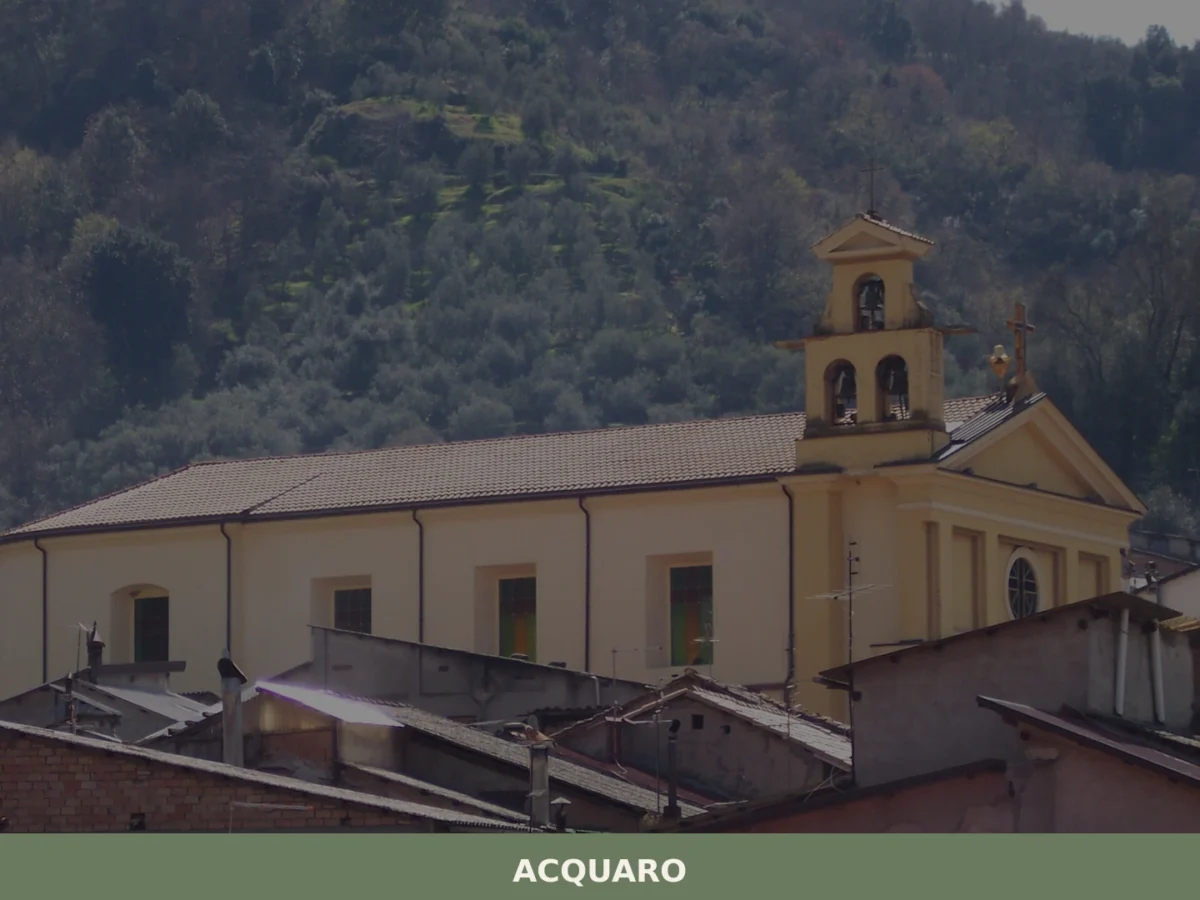
Acquaro
Hills
Discover what to see in Acquaro, a village of 1,778 inhabitants in Vibo Valentia, Calabria. History, food, travel tips and the Alto Mesima valley landscape.
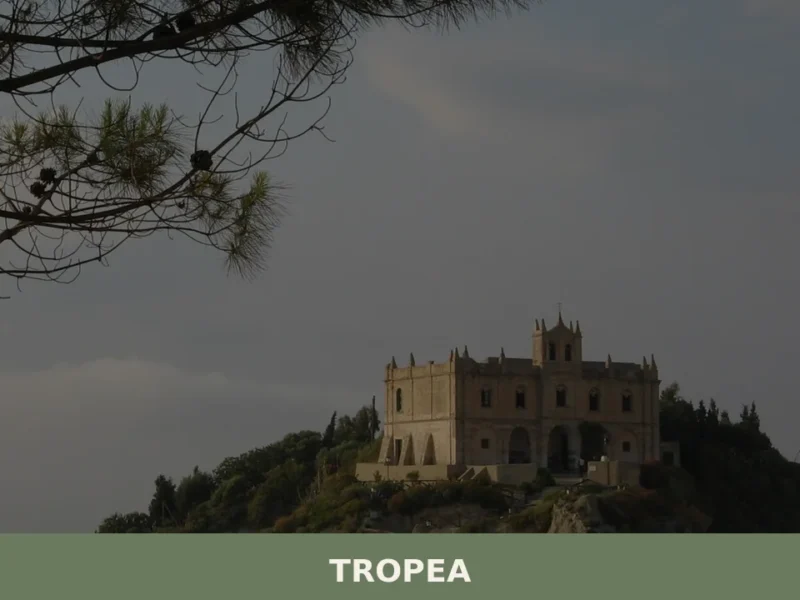
Tropea
Sea
What to see in Tropea, Calabria, Italy: explore 5 top attractions, the famous red onion, sandy beaches on the Tyrrhenian Sea. Discover how to get there.
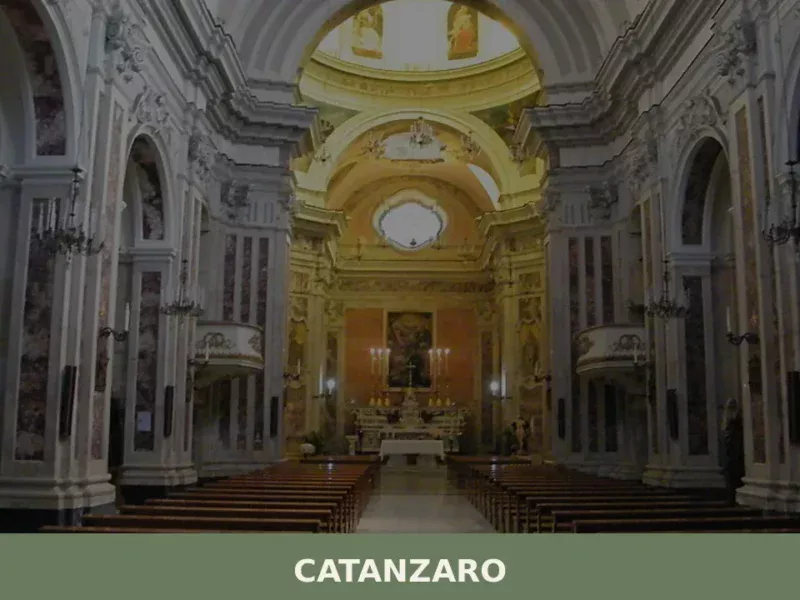
Catanzaro
Sea
What to see in Catanzaro: from historic churches to the Morandi Bridge, discover the 5 top attractions. A complete guide to visiting the Calabrian capital.
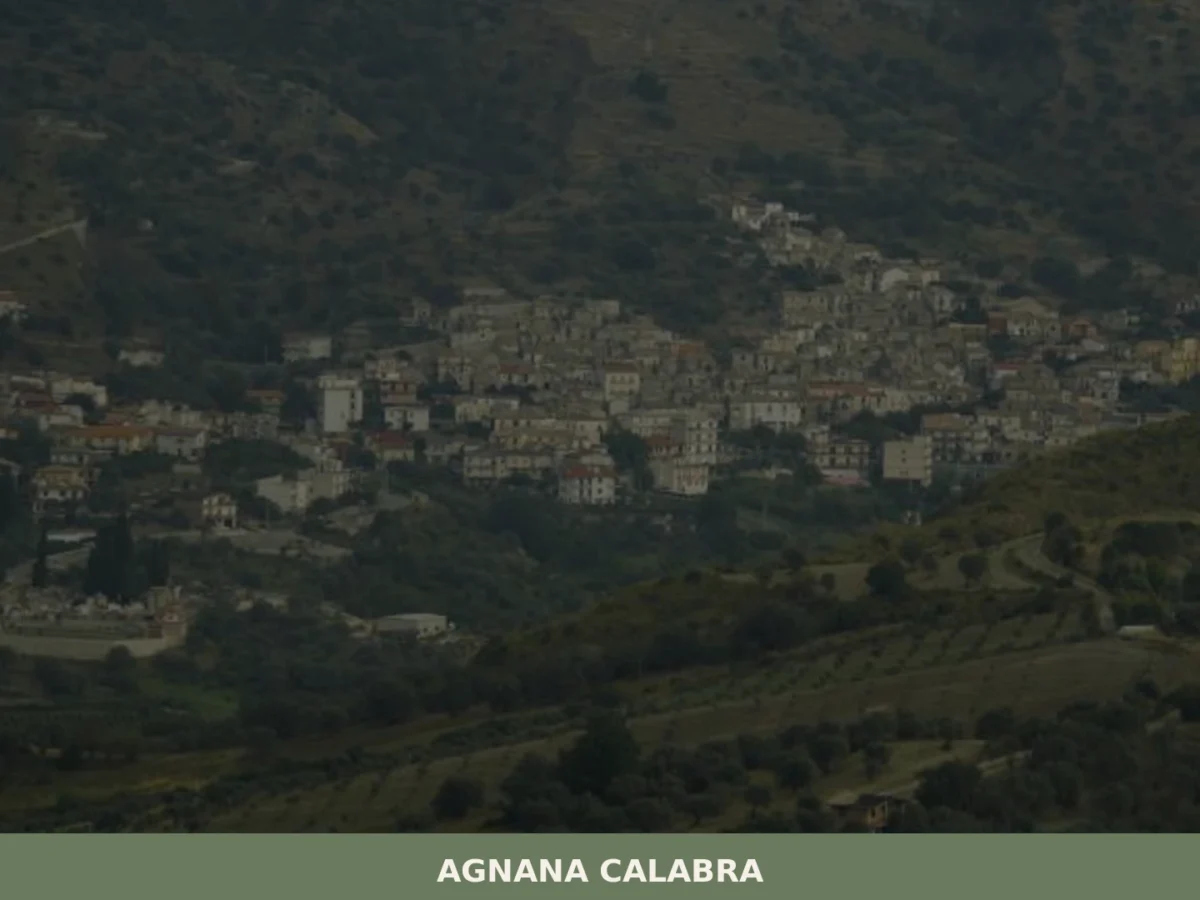
Agnana Calabra
 Mountain
Planning a visit? Discover what to see in Agnana Calabra u2014 history, local food, best time to visit and how to reach this Reggio Calabria village.
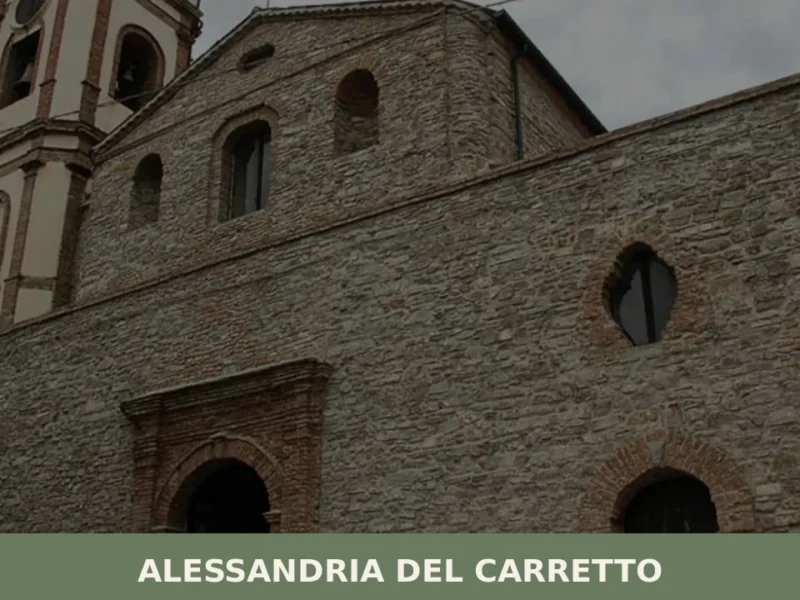
Alessandria del Carretto
Mountain
At 1,000 metres above sea level, on the eastern slope of the Calabrian Pollino, Alessandria del Carretto has just 357 inhabitants today — making it one of the least populated municipalities in the entire province of Cosenza. Its territory falls within the Pollino National Park, and anyone wondering what to see in Alessandria del Carretto […]
Altilia
Hills
A quiet hill village of 677 people in Calabria's Savuto valley. Discover what to see in Altilia — its stone lanes, parish church, and deep agrarian roots.
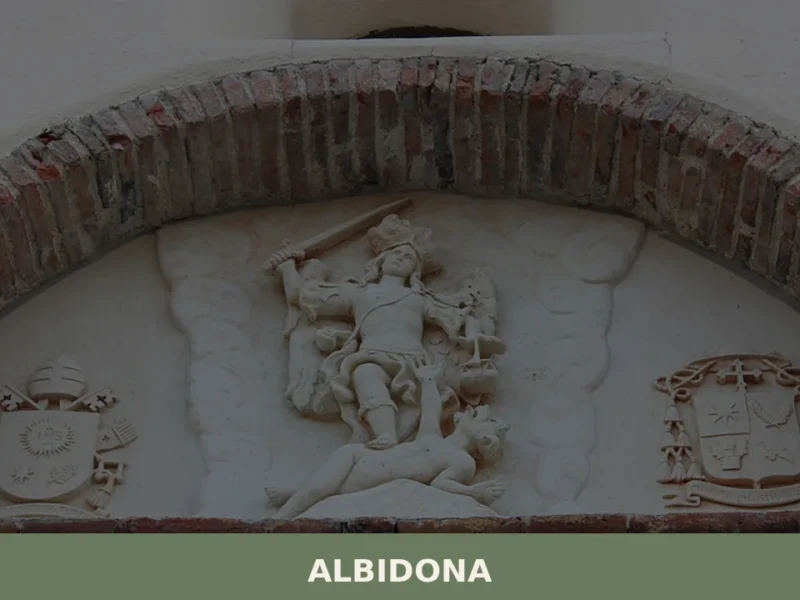
Albidona
Sea
Albidona has 1,142 inhabitants and sits at 810 metres above sea level on the eastern slope of the Pollino massif, in the province of Cosenza. The old town preserves an urban layout arranged in parallel bands, developed along the ridge that separates the Saraceno stream valley from the Caldanello valley. Asking what to see in […]
Bianchi
Mountain
Bianchi is home to 1,358 residents spread across a hilly area in the province of Cosenza, at roughly 500 metres above sea level along the middle valley of the Savuto river. Anyone looking into what to see in Bianchi will find a medieval urban core, a mother church documented since the 16th century, and a […]
🏡 Know Gerace better than we do?
If you’re a local or have been there, your knowledge matters: add what’s missing or fix a detail on this page.