


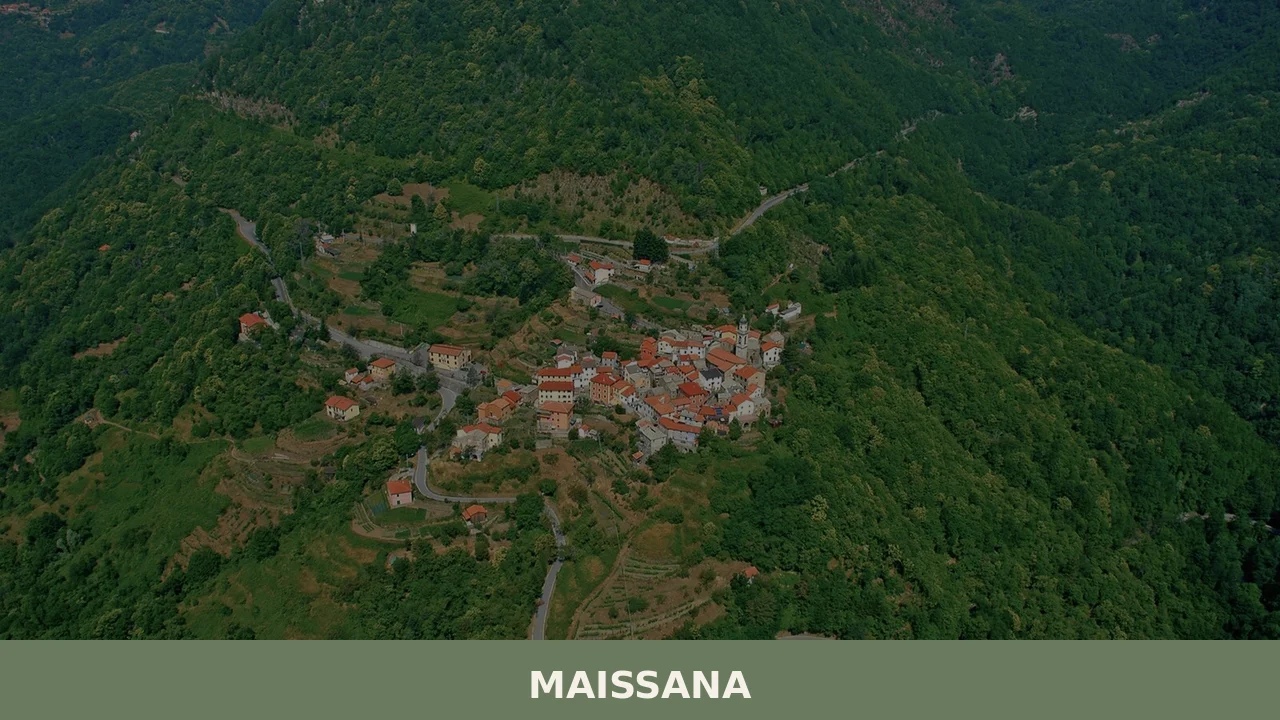
Maissana
 Mountain
What to see in Maissana, Italy: 644 inhabitants, 50 km from Genoa. Discover top attractions, local food, festivals and how to get there. Explore now.
Discover Maissana
Snow accumulates fast in Maissana. In February 2009, a single night deposited 65 centimetres (26 in) of fresh snow across the village and its surrounding ridges, a figure that illustrates why this comune, a standard Italian municipal unit, holds the record as the coldest settlement in the entire Province of La Spezia.
Winter temperatures here range from a minimum of −5 °C (23 °F) to a maximum of 4 °C (39 °F), and the valley below the village sits in a cold trap that amplifies the chill blowing down from the Ligurian Apennines.
For those planning what to see in Maissana, the starting point is geography: the village stands roughly 50 kilometres (31 mi) east of Genoa and about 35 kilometres (22 mi) northwest of La Spezia, placing it squarely in the inland hill country of eastern Liguria, Italy.
The resident population of 644 gives the place a scale where every building is visible from the road. Visitors to Maissana find a compact settlement surrounded by five neighbouring municipalities — Carro, Casarza Ligure, Castiglione Chiavarese, Ne, and Varese Ligure — each reachable within a short drive along narrow provincial roads.
History of Maissana
The Ligurian name of the village, Maissann-a, preserves a phonological layer older than standard Italian, reflecting the survival of the Ligurian dialect across the inland valleys east of Genoa.
The settlement developed within a zone historically controlled by various feudal powers that competed for influence over the Vara river basin and its tributaries during the medieval period. Control of these upland routes connecting the Ligurian coast to the Po Valley made even small communities strategically relevant, and Maissana’s position on the high ground between the coast and the Apennine passes gave it a role in the movement of goods and people that larger, better-documented towns in the province also played.
During the period of Genoese expansion across Liguria, the inland municipalities of the Province of La Spezia were gradually absorbed into administrative structures that linked coastal trading interests with mountain agricultural communities.
Maissana, like its neighbours, operated within this economy — producing timber, chestnuts, and livestock products that travelled downhill toward the ports.
The five bordering municipalities of Carro, Casarza Ligure, Castiglione Chiavarese, Ne, and Varese Ligure each developed under similar conditions, and the borders between them reflect historical land divisions rather than any strong natural barrier. The village of Lorsica, situated in the neighbouring Fontanabuona valley to the northwest, shares this same pattern of Genoese-era administrative integration and upland agricultural identity.
The modern era brought depopulation to most of the inland Ligurian hills as residents moved toward coastal towns and industrial centres in the twentieth century. Maissana’s current population of 644 is the result of that long demographic contraction, which affected virtually every comune in the Ligurian interior. What remained was a tight rural fabric dependent on small-scale farming, forestry, and increasingly on agritourism as the century turned.
The village retains its municipal independence today, administered from within the Province of La Spezia, and its official records and governance structure are accessible through the Municipality of Maissana.
What to See in Maissana, Liguria: Top Attractions
The Village Centre and Its Medieval Street Plan
The core of Maissana follows a layout typical of Ligurian hill settlements: narrow parallel lanes running along the contour of the slope, interrupted by short cross-passages and covered walkways called carrugi.
Stone facades of local grey limestone press close together, leaving overhead gaps narrow enough that the sky appears as a strip. The street plan itself dates to the medieval period, when compactness was a defensive and thermal necessity. Walking the length of the village from one end to the other covers approximately 400 metres (1,312 ft) at most, which means visitors can read the entire settlement in under an hour on foot — paying attention to corbelled roof edges, iron rings for tethering animals, and carved lintels above doorways.
The Parish Church of the Village
The parish church anchors the upper part of the settlement and serves as the visual terminus of the main lane.
Its facade, built in the plastered and painted style common across inland Liguria, faces a small paved square that functions as the social centre of the village. The interior follows a single-nave plan, with side altars added during the Baroque period when Genoese religious patronage extended into the eastern hinterland. The bell tower rises approximately 18 metres (59 ft) above the surrounding rooftops and serves as a landmark visible from the provincial road below.
Services still take place regularly, and the church remains the focus of the annual patron saint celebrations.
The Valley Landscape Below the Village
The terrain dropping away from Maissana toward the valley floor gives a clear cross-section of the local ecosystem: terraced plots of chestnuts and mixed woodland occupy the upper slopes at between 400 and 600 metres (1,312 and 1,969 ft), transitioning into denser riparian vegetation near the watercourses below.
The elevation difference between the village and the valley floor is visible in a single glance from the road above the settlement. In winter, the valley fills with cold air and occasional fog while the village itself catches low-angle sunlight on its south-facing walls. This same topography is what makes Maissana the coldest municipality in the Province of La Spezia — a fact that shapes both its vegetation and the rhythm of its agricultural calendar.
The Surrounding Apennine Ridgeline
The ridgeline above Maissana, rising to over 900 metres (2,953 ft) at certain points, defines the boundary between Liguria and the Emilian Apennines. Marked trails connect the village to this high ground, following routes used historically by drovers and traders crossing between the coast and the Po Valley. The gradient from the village to the ridge runs roughly 300 metres (984 ft) over a horizontal distance of about 3 kilometres (1.9 mi), making it a demanding but achievable half-day walk for those with appropriate footwear.
From the crest, on clear days, the view extends south toward the Ligurian coast and north into the first hills of Emilia-Romagna.
The Neighbouring Municipality of Varese Ligure
Varese Ligure, which directly borders Maissana to the east, provides the nearest concentration of services — including shops, a weekly market, and a historic centre built around a circular medieval planning scheme known as a borgo rotondo.
The distance between Maissana and Varese Ligure is approximately 10 kilometres (6.2 mi) by road. For visitors exploring what to see in Maissana, Varese Ligure functions as a practical base: it offers accommodation, restaurants, and a pharmacy within a short drive. The two municipalities share the same provincial administration and the same agricultural microclimate, making a combined visit a logical way to cover the upper Vara valley in a single day.
Local Food and Typical Products of Maissana
The food culture of the upper Vara valley, where Maissana sits, developed under the constraints of altitude and isolation. For most of its history, the village relied on what the surrounding land produced: chestnuts, rye, beans, seasonal vegetables, and dairy from cattle and goats kept in small farmyards. The chestnut was the dominant carbohydrate source across the Ligurian Apennines well into the twentieth century, and its influence on local cooking remains visible in flour-based preparations still made in the area.
The connection to the coast, while geographically close, was practically distant in pre-industrial times — olive oil and dried fish arrived by mule track and were treated as preserved goods rather than daily staples.
Within this context, testaroli — flat discs of batter cooked on a heavy cast-iron pan called a testo, then cut into diamond shapes and briefly boiled before serving — represent one of the most documented preparations of the inland Ligurian and Lunigiana tradition.
The technique requires no oven and only a handful of ingredients: water, flour, and salt. Chestnut flour preparations, including necci (thin chestnut pancakes cooked between hot stones) and polenta-style porridges, appear regularly in the domestic cooking of villages at this altitude. Foraging for porcini mushrooms and wild herbs is a practical activity in late summer and autumn, and dried porcini appear in pasta sauces and risotto across the valley.
The province of La Spezia and the surrounding area produce several documented agricultural goods, though no specific certified designation of origin (PDO or PGI) product has been recorded in the available sources as exclusive to Maissana itself.
The broader Ligurian interior is associated with Ligurian extra-virgin olive oil, produced from Taggiasca and other local cultivars at lower altitudes, and with small-scale sheep and goat dairy products that circulate through local markets rather than supermarket chains.
At Maissana’s altitude, oil production is not viable, and the dairy tradition is the more relevant agricultural output.
The best opportunity to encounter local food products directly is through the network of agriturismi — farm-stay establishments that combine accommodation with meals prepared from on-site production — and through occasional sagre, traditional food festivals organised at the village level during summer and early autumn. These events typically feature seasonal ingredients and are announced through municipal channels rather than regional tourism platforms, so checking the municipality’s official communications before a visit is practical advice.
Festivals, Events and Traditions of Maissana
The annual calendar in Maissana follows the structure common to small Ligurian municipalities: a patron saint festival that organises the summer social calendar, and a quieter winter period defined by the heavy snowfall that can close roads and restrict movement. The patron saint celebration brings together residents and returning former inhabitants for a programme that typically includes a religious procession, an outdoor mass, and communal dining in the village square.
The specific date of the patron saint’s feast determines when this gathering takes place each year, and local preparations — including the decoration of the church facade and the setting up of outdoor tables — begin several days in advance.
Summer evenings in Maissana also see smaller informal gatherings tied to the agricultural calendar, particularly at the end of the hay harvest and during the mushroom and chestnut seasons in September and October.
These are not formally organised tourist events but working-community occasions that visitors present in the village may observe. The winter snow, which the village’s climate reliably delivers, has historically shaped a distinct indoor social tradition — the filò, a gathering in a heated farm building where neighbours shared work, stories, and food through the long Apennine evenings — though this practice has diminished with modern heating and communication.
When to Visit Maissana, Italy and How to Get There
The best period to visit Maissana depends on what a traveller is looking for. Late spring — specifically May and June — combines mild temperatures, flowering vegetation on the hillsides, and roads clear of winter ice. Early autumn, from mid-September through October, is the season for mushroom foraging and chestnut harvesting, when the surrounding woodland is at its most productive and the village calendar is most active.
Summer between July and August brings the warmest conditions and the patron saint festival, but also the busiest period on the coastal roads leading inland from La Spezia and the Cinque Terre.
Winter travel to Maissana requires preparation: the village records average lows of −5 °C (23 °F), and snowfall can reach 65 centimetres (26 in) overnight, as it did in February 2009. Snow chains or winter tyres are necessary equipment from November through March.
Getting to Maissana from the major Italian hubs requires a car for the final section. From Genoa, the distance is approximately 50 kilometres (31 mi), taking roughly one hour by car via the A12 motorway and then provincial roads toward the Vara valley. From La Spezia, the distance is about 35 kilometres (22 mi), approximately 45 minutes by car. Travellers arriving by rail can reach La Spezia Centrale, which is served by Trenitalia connections from Genoa, Pisa, and Rome, and then hire a car or take a local bus service toward Varese Ligure.
There is no train station in Maissana itself, and the final stretch of road into the village is not served by regular public transport.
From Florence, the drive covers approximately 170 kilometres (106 mi) via the A15 motorway through the Apennine tunnel, making Maissana reachable as a day trip from Tuscany for those with a car. International visitors should be aware that English is not widely spoken in small shops and local establishments; carrying cash in euros is practical, as card readers are not universally available at the village level.
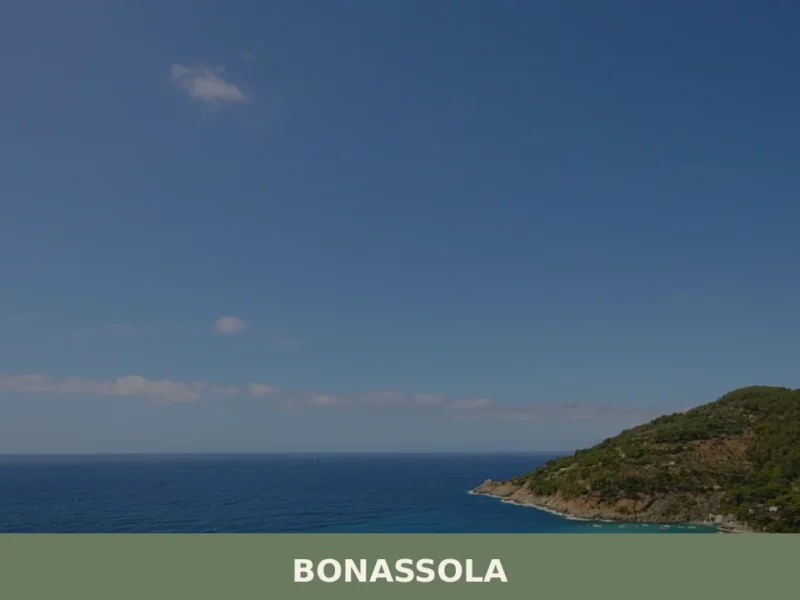
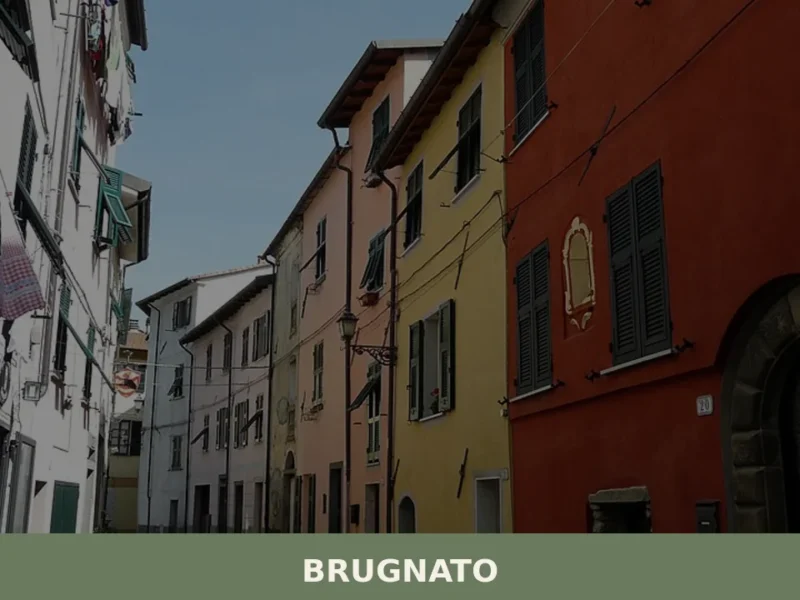
For those building a wider itinerary across eastern Liguria, the coastal village of Bonassola, located on the Ligurian coast approximately 30 kilometres (18.6 mi) south of Maissana, offers a contrast in landscape and climate and is reachable from La Spezia in under an hour. Inland, the medieval village of Brugnato, situated in the lower Vara valley, makes a logical stop on the route between La Spezia and Maissana, and its documented history as a former episcopal seat adds a distinct layer to the day’s itinerary.
Frequently asked questions about Maissana
What is the best time to visit Maissana?
The ideal time to visit Maissana is during the summer and early autumn. This period offers pleasant temperatures for exploring the medieval village and undertaking walks to the Apennine ridgeline, where trails are more accessible. Key events include the annual patron saint celebration for San Bartolomeo on August 24th, and various local food festivals (sagre) throughout summer and early autumn, offering a taste of local traditions. While winters are cold and snowy, making Maissana the coldest settlement in the Province of La Spezia, it can appeal to those seeking a quiet, snow-covered mountain experience, though conditions can be challenging.
What are the historical origins of Maissana?
Maissana's history is deeply rooted in its strategic position within the Vara river basin, connecting the Ligurian coast to the Po Valley. Its Ligurian name, Maissann-a, reflects its ancient origins. The village developed under various feudal powers before being integrated into Genoese administrative structures during the expansion period, contributing timber, chestnuts, and livestock to the coastal economy. Despite experiencing significant depopulation in the 20th century, Maissana retains its municipal independence and a rich rural fabric, now increasingly focused on small-scale farming and agritourism.
What to see in Maissana? Main monuments and landmarks
In Maissana, visitors should explore the compact Village Centre, characterized by its medieval street plan with narrow parallel lanes, covered walkways (carrugi), and stone facades. The entire settlement is easily walkable in under an hour. The Parish Church, anchoring the upper village, is a key landmark with its plastered facade, Baroque side altars, and an 18-meter bell tower. Beyond the village, the scenic Valley Landscape offers views of terraced plots and woodlands. For a more adventurous exploration, marked trails lead to the Apennine Ridgeline, providing panoramic views stretching from the Ligurian coast to Emilia-Romagna on clear days.
What are the main natural or scenic attractions of Maissana?
Maissana's natural beauty is defined by its dramatic topography. The Valley Landscape below the village showcases terraced chestnut groves and dense woodlands, offering a clear cross-section of the local ecosystem. For hikers, the Apennine Ridgeline above Maissana, reaching over 900 meters, is a significant attraction. Marked trails, historically used by drovers, connect the village to this high ground. A demanding but achievable half-day walk provides breathtaking panoramic views, extending south towards the Ligurian coast and north into the Emilian Apennines on clear days.
Where to take the best photos in Maissana?
For memorable photographs in Maissana, start in the Village Centre, capturing the unique medieval street plan with its narrow lanes, stone facades, and atmospheric carrugi. The Parish Church, with its distinctive plastered facade and towering bell tower, provides a classic shot, especially from its small paved square. For panoramic landscape photography, ascend to the Apennine Ridgeline above the village. From this vantage point, on clear days, you can capture sweeping vistas of the Ligurian coast to the south and the first hills of Emilia-Romagna to the north, offering stunning contrasts between mountain and sea.
Are there museums, churches or historic buildings to visit in Maissana?
While Maissana does not feature museums, its primary historic building is the Parish Church, located at the upper end of the village. This church, with its distinctive plastered facade, single-nave interior, and Baroque side altars, remains an active place of worship and the focal point for local celebrations. Additionally, the entire Village Centre itself is a historical marvel, preserving a medieval street plan characterized by narrow lanes, stone facades, and traditional covered walkways (carrugi), offering a tangible connection to the village's past.
What can you do in Maissana? Activities and experiences
In Maissana, visitors can immerse themselves in the tranquil mountain environment. Key activities include exploring the compact medieval Village Centre on foot, discovering its unique street plan and architecture. Hiking enthusiasts will enjoy the marked trails leading to the Apennine Ridgeline, offering challenging walks and expansive views. In summer and early autumn, experience local culture by attending the patron saint celebrations on August 24th or seasonal food festivals (sagre). For culinary experiences, seek out local agriturismi to taste traditional dishes, and consider foraging for porcini mushrooms and wild herbs in late summer.
Who is Maissana suitable for? Families, couples, hikers, solo travelers?
Maissana is ideally suited for travelers seeking an authentic Ligurian mountain experience away from the coastal crowds. It appeals particularly to hikers and nature lovers, with its marked trails leading to the Apennine ridgeline and opportunities for foraging. Those interested in local history and traditional village life will appreciate its well-preserved medieval street plan and cultural events like the patron saint celebrations and sagre. Couples and solo travelers looking for a quiet, restorative retreat will find its compact, rural fabric appealing, while families can enjoy exploring the village and surrounding nature, especially during milder seasons.
What to eat in Maissana? Local products and specialties
Maissana's cuisine is shaped by its mountain altitude and historical isolation, focusing on local produce. A must-try specialty is testaroli, flat discs of batter cooked on a traditional cast-iron pan (testo), then cut and briefly boiled before serving with pesto or other sauces. Chestnut flour preparations are prominent, including necci (thin pancakes cooked between hot stones) and polenta-style porridges. Local dairy products from cattle and goats are also common. In late summer and autumn, foraged porcini mushrooms and wild herbs enhance pasta sauces and risottos. The best way to sample these authentic flavors is through local agriturismi or seasonal food festivals (sagre).
📷 Photo Gallery — Maissana
Nearby Villages near Maissana
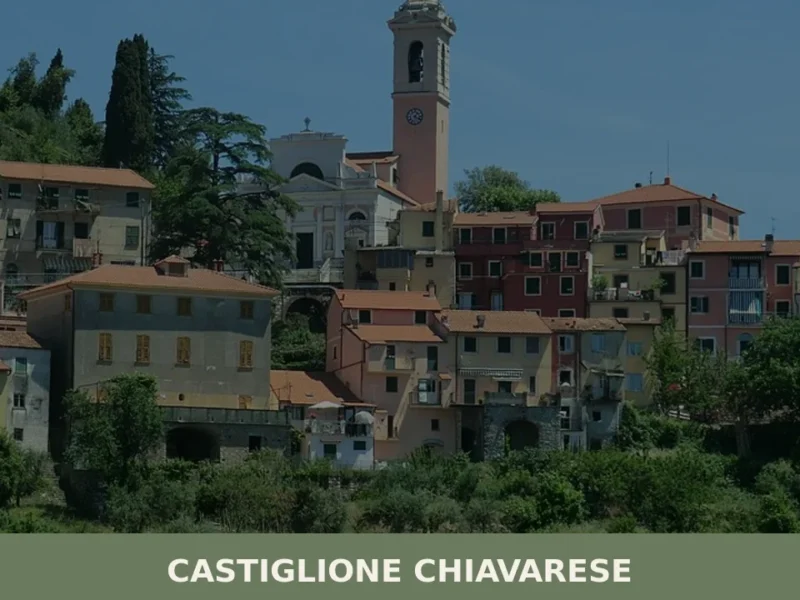
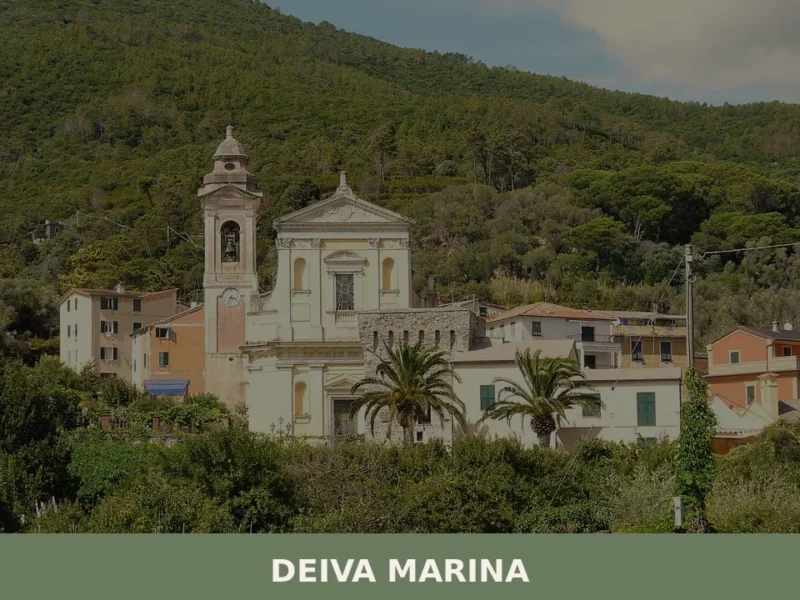
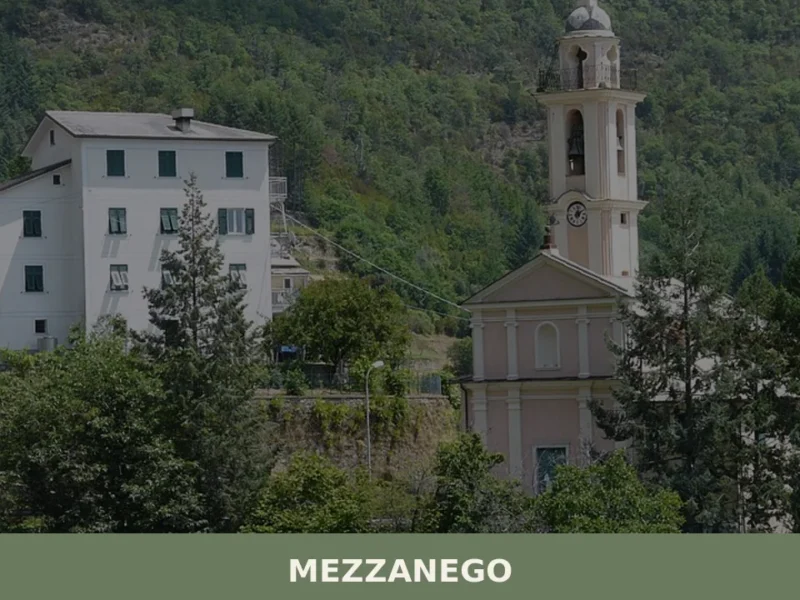
In Liguria More villages to discover
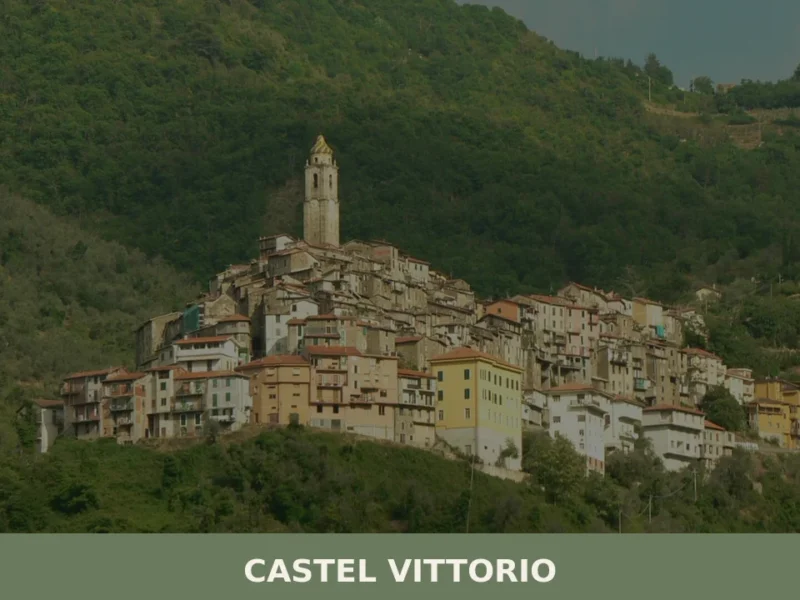
Castel Vittorio: Liguria’s Enduring Stone Village
 Hills
Hills
What to see in Castel Vittorio, Liguria, Italy: at 420 m altitude, 261 inhabitants, parish art by Venusti & Maragliano. Discover top attractions & travel tips.
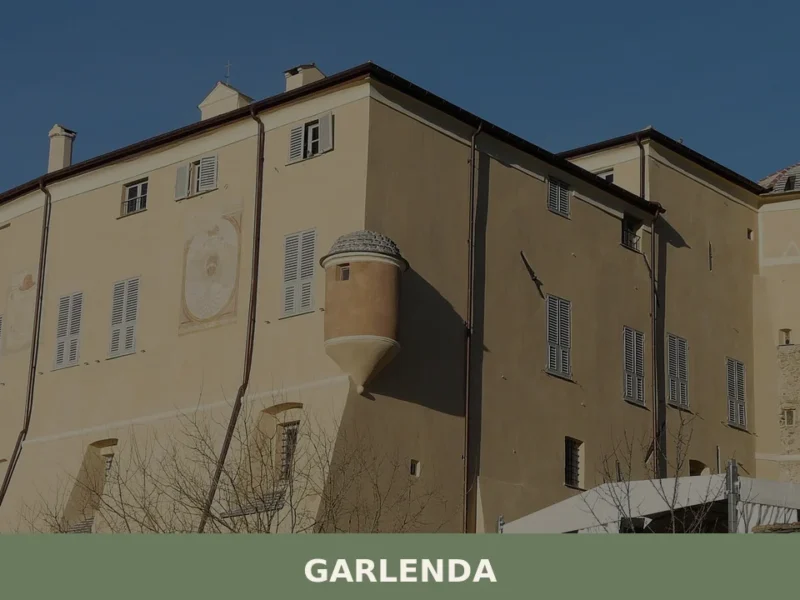
Garlenda
Hills
What to see in Garlenda, Liguria, Italy: explore a village of 1,200 inhabitants 80 km from Genoa. Discover top attractions, local food, and how to get there.
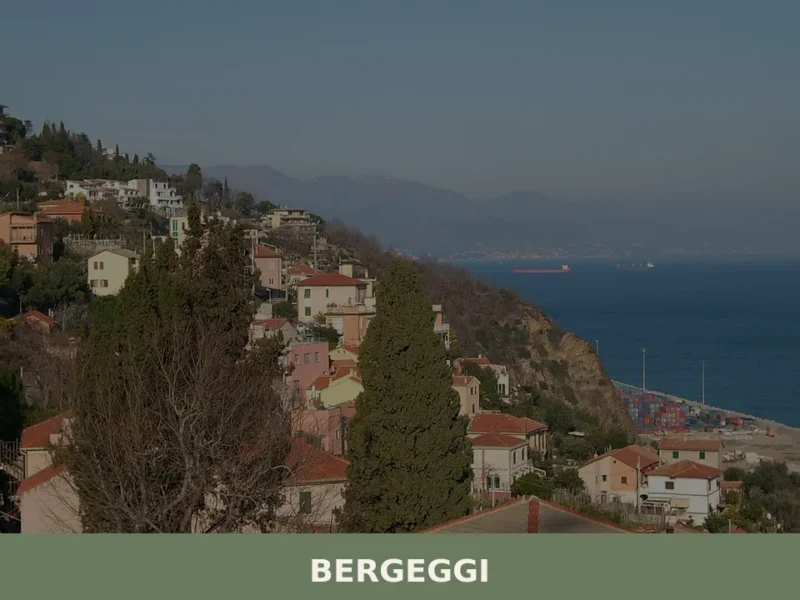
Bergeggi
 Sea
Sea
The limestone bluffs that drop into the Ligurian Sea west of Savona do not ease the traveller in gently. The coastline here is direct: rock, water, and the smell of salt on warm stone. Bergeggi sits at roughly 10 km (6.2 mi) from Savona, at a point where the Via Aurelia, the ancient Roman road […]
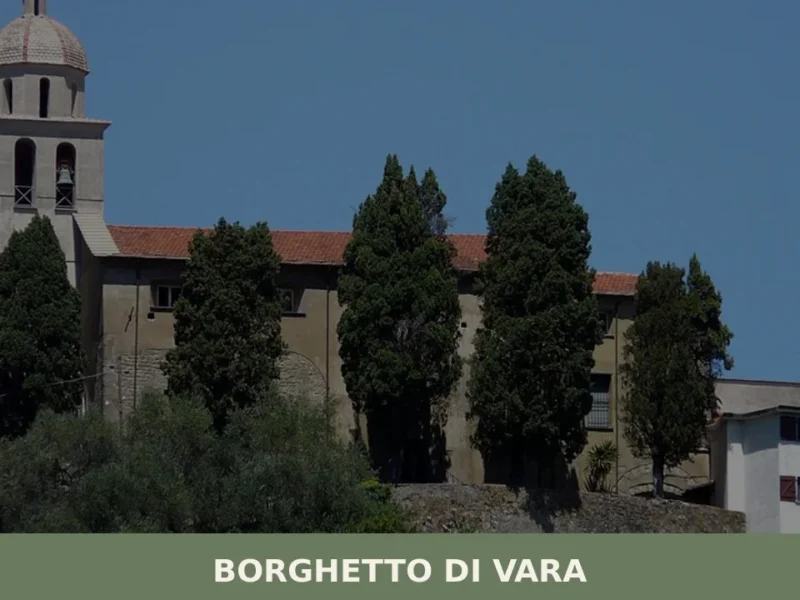
Borghetto di Vara
 Plains
What to see in Borghetto di Vara, Italy: Discover a village of 870 inhabitants at 104 m altitude. Explore its plain landscape and the Parish Church of San Carlo Borromeo.

Arenzano
Sea
What to see in Arenzano, Liguria, Italy: explore a 16th-century patrician villa, a Saracens' Tower, and a coastal sanctuary. Population 11,445. Discover it all.
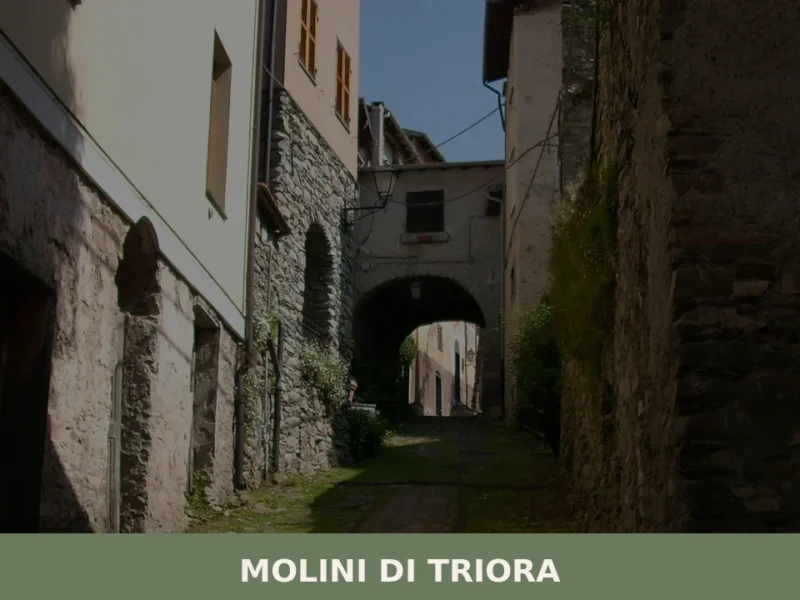
Molini di Triora
Hills
What to see in Molini di Triora, Italy: a village at 460 m in Liguria. Discover top attractions, local food, festivals and how to get there. Read the guide.
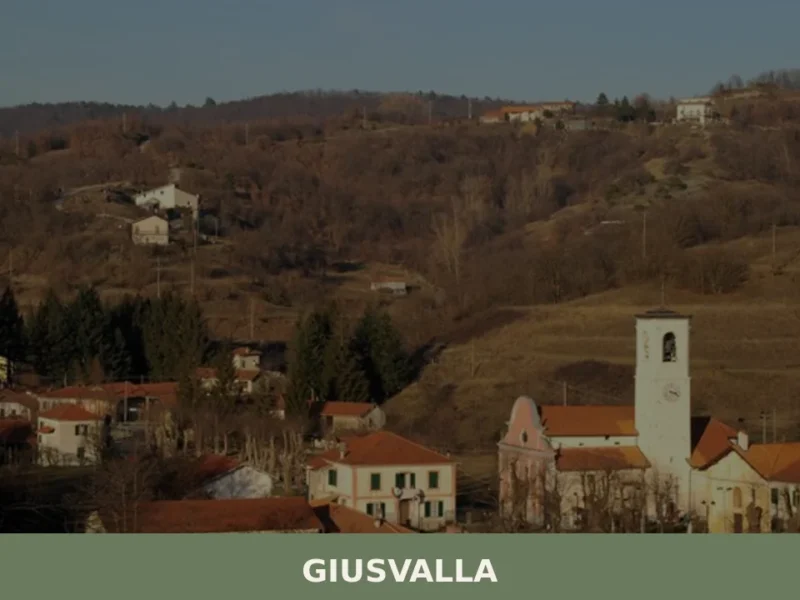
Giusvalla
Mountain
What to see in Giusvalla, Italy: 465 inhabitants, 45 km from Genoa. Discover the Festa Patronale di S. Matteo, Bricco della Croce, and local Ligurian food traditions.
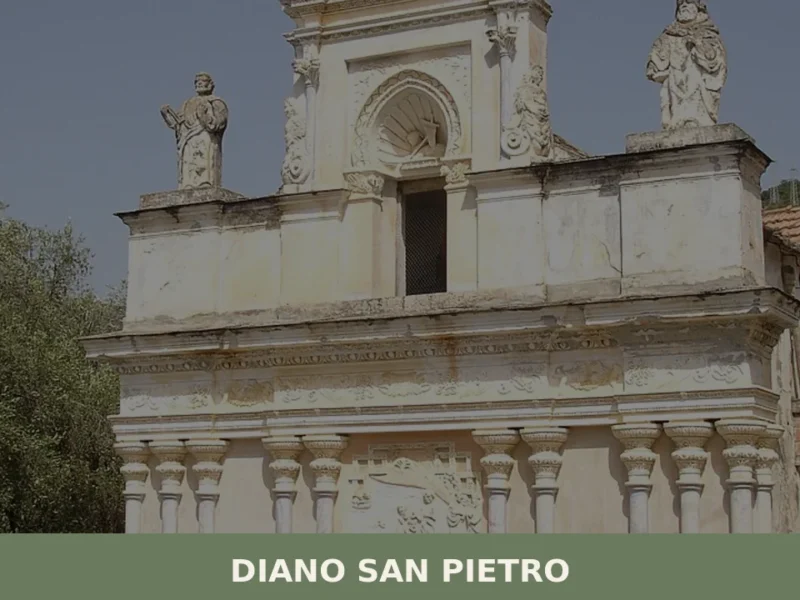
Diano San Pietro
Plains
What to see in Diano San Pietro: a village of 1,081 at 83m in the Diano Valley. Discover the Church of San Pietro, olive terraces and nearby villages. Plan your visit.
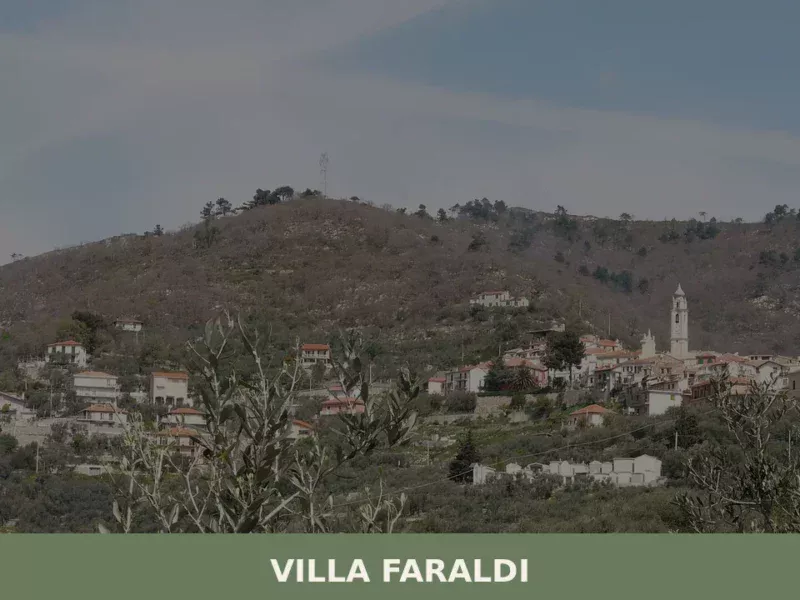
Villa Faraldi
Hills
what to see in villa faraldi: Discover this Italian village of 452 inhabitants in Liguria. Explore historic alleys and scenic views. Read our guide to Villa Faraldi, Italy.
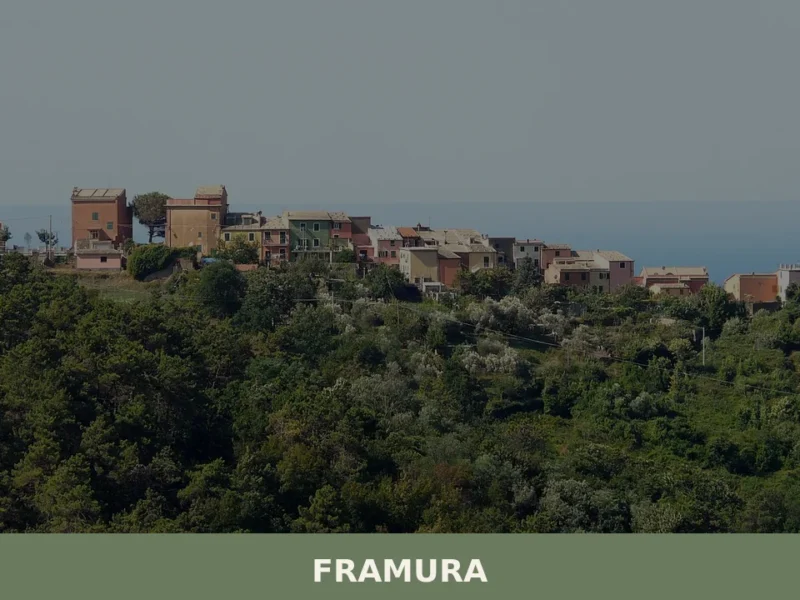
Framura
Sea
What to see in Framura, Liguria, Italy: explore 5 top attractions, WWII history, coastal trails, and local food in a village of 677 inhabitants. Discover it now.



🏡 Know Maissana better than we do?
If you’re a local or have been there, your knowledge matters: add what’s missing or fix a detail on this page.