


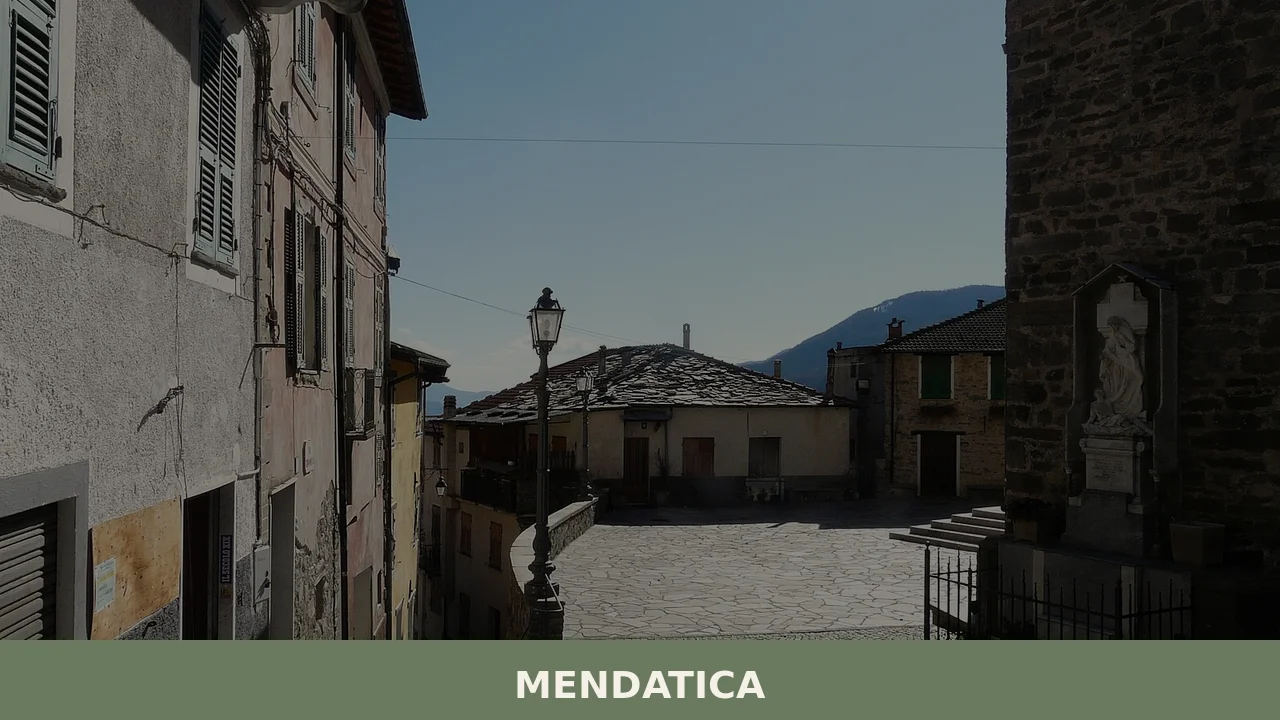
Mendatica
 Mountain
What to see in Mendatica, Liguria, Italy: 190 inhabitants, mountain village 100 km from Genoa. Discover Colle San Bernardo, Alpi Liguri Park and local cuisine.
Discover Mendatica
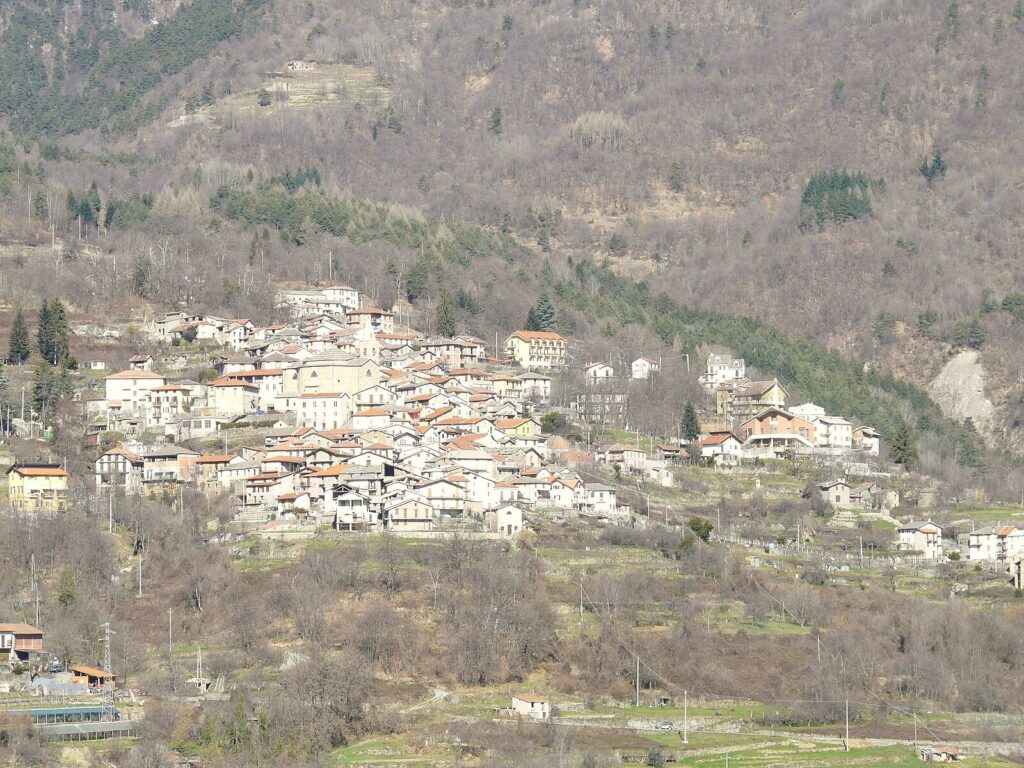
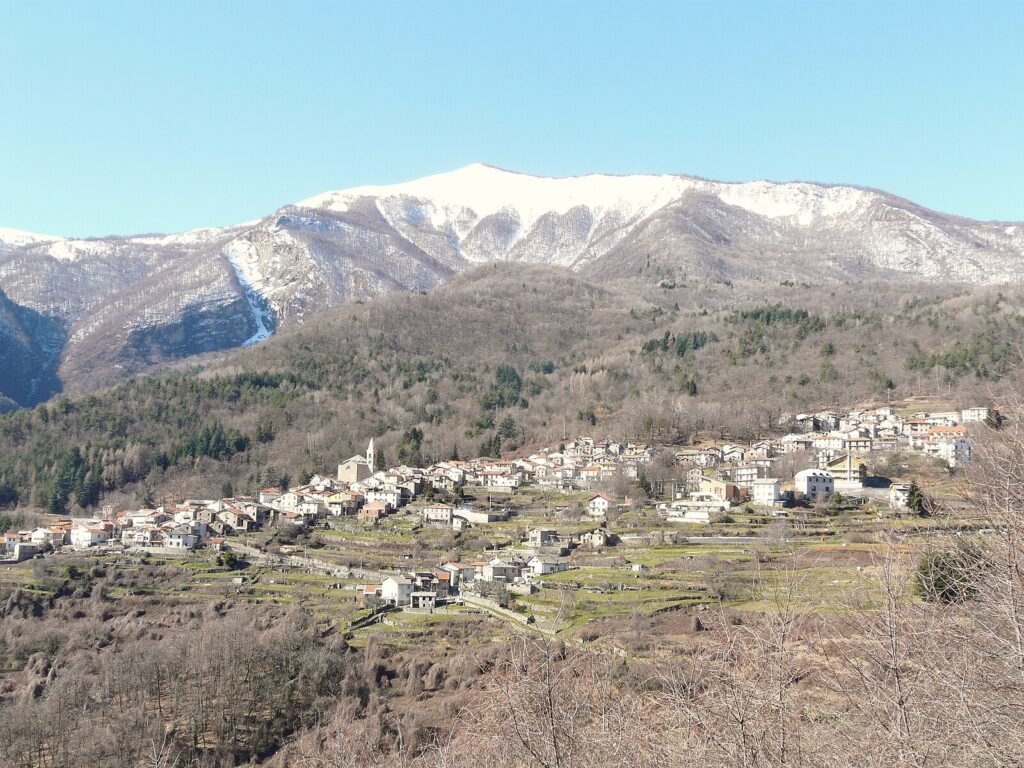
The road into Mendatica climbs through limestone ridges and chestnut cover until the village appears as a compact cluster of stone buildings on the inner side of the Ligurian Alps. At roughly 100 kilometres (62 mi) southwest of Genoa and 30 kilometres (19 mi) northwest of Imperia, the municipality sits inside a mountain landscape defined by the borders it shares with Briga Alta, Cosio di Arroscia, Montegrosso Pian Latte, and Triora.
The population numbers 190 inhabitants, a figure that itself tells something about the density of daily life here.
For visitors planning a trip to this corner of northwestern Italy, knowing what to see in Mendatica means engaging with a place shaped by its position in the Parco Naturale Regionale delle Alpi Liguri and by the high passes that historically connected the Ligurian coast to the Piedmontese interior. The Mendatica highlights include the Colle San Bernardo di Mendatica pass, the village’s medieval core, and a local food culture rooted in mountain livestock farming. Visitors to Mendatica find a settlement that has preserved its physical form because its terrain made large-scale transformation impractical.
History of Mendatica
The name Mendatica appears in the Ligurian dialect as Mendaiga or Mendéga, indicating a place-name that predates standardised Italian. The Ligurian form is characteristic of the inland Alpine zone where Romance vernaculars absorbed pre-Latin substrate vocabulary, particularly in topographical terms referring to mountain terrain. The settlement belongs to the Province of Imperia, which was itself constituted in the twentieth century by merging older administrative districts along the western Ligurian coast and hinterland.
Mendatica’s position at the boundary between four municipalities — Briga Alta to the north, Cosio di Arroscia to the east, Montegrosso Pian Latte to the south, and Triora to the west — reflects a pattern of territorial organisation typical of the medieval Ligurian interior, where each ridge and valley system generated its own administrative unit.
The high pass of Colle San Bernardo di Mendatica functioned as a key transit point between the coast and the Alpine interior. Passes of this type were used for transhumance, the seasonal movement of livestock between lowland winter pastures and high summer grazing grounds, a practice that structured social and economic life across the entire mountain arc. The village of Lorsica, further east in the Ligurian Apennines, shares this broader pattern of mountain settlement shaped by transhumance and cross-ridge commerce.
In the modern period Mendatica, like most small comuni of the Ligurian interior, experienced significant depopulation during the twentieth century as residents moved toward coastal urban centres. The current population of 190 inhabitants represents a fraction of what rural censuses recorded in earlier centuries, when inland agriculture and livestock herding supported larger communities. Administrative ties to the Province of Imperia and the inclusion of the municipal territory within the Parco Naturale Regionale delle Alpi Liguri have since defined the formal framework within which the village now operates.
That protected status has shaped land use and conservation policy for the surrounding mountain territory.
What to see in Mendatica, Liguria: top attractions
Colle San Bernardo di Mendatica
The Colle San Bernardo di Mendatica is a mountain pass cutting through the Ligurian Alpine ridge, and it is one of the defining physical features of the municipality. The pass has served for centuries as a crossing point between the Ligurian coastal zone and the upper Piedmontese valleys, a function documented in the transhumance routes that brought shepherds and their flocks through the col each spring. Standing at the pass, visitors look across a landscape of open grassland and rocky outcrops on the high ridge line, with the drop toward the coast visible on the southern face. The best conditions for crossing occur between late spring and early autumn, when snow has cleared from the upper slopes.
Parco Naturale Regionale delle Alpi Liguri
The encompasses the mountain territory within which Mendatica sits, and visiting the village means entering the park’s protected zone. The park was established to safeguard the ecosystems of the western Ligurian Alps, where elevations and biological communities differ markedly from the coastal strip just 30 kilometres (19 mi) to the south. Footpaths cross the municipal area and connect to the wider trail network of the park, passing through beech and chestnut woodland before opening onto high pastures.
Walkers should carry a detailed trail map, as the paths vary considerably in gradient and surface quality.
The Medieval Village Core
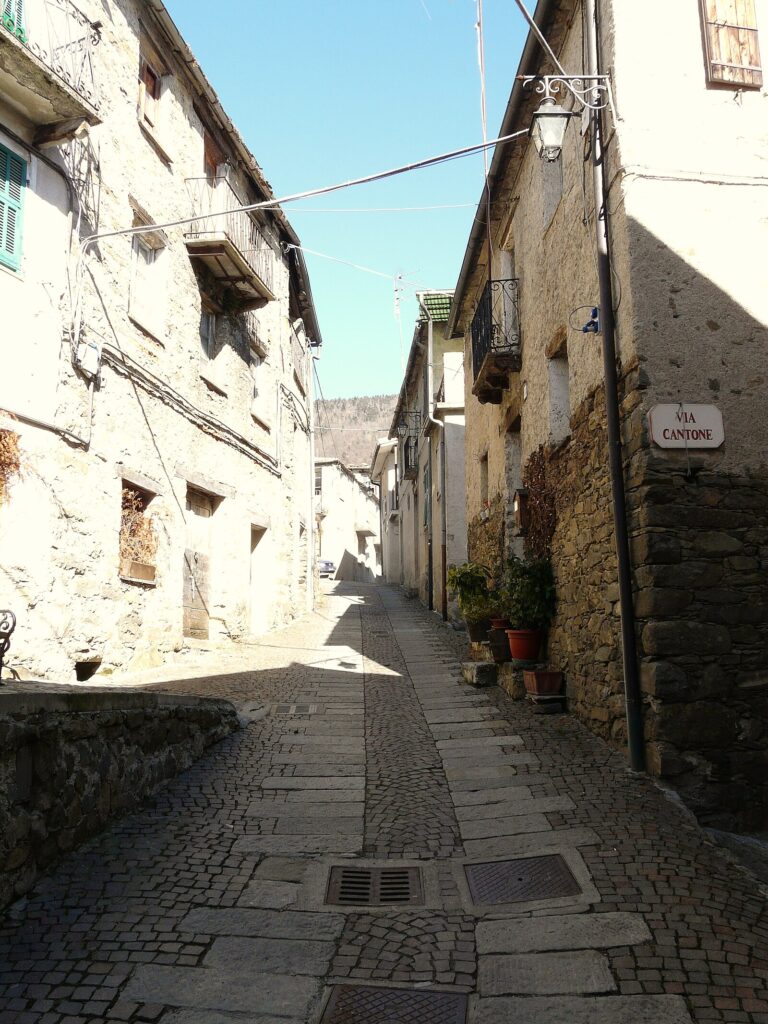
The historic centre of Mendatica preserves the layout and building fabric of a Ligurian mountain settlement, with stone construction typical of the inland Alpine zone and narrow lanes that follow the contours of the slope. The building material is the local stone, dark and dense, quite different from the coloured plaster render found in coastal Ligurian towns. Doorways and window surrounds show the proportions of medieval rural construction, sized for function rather than display. Walking through the centre takes roughly thirty minutes at a slow pace; the best light for observing the facades falls in the morning, when direct sun reaches the north-facing walls.
Bordering Municipalities and Ridge Landscape
Mendatica borders four distinct municipalities — Briga Alta, Cosio di Arroscia, Montegrosso Pian Latte, and Triora — and the landscape at each of these boundaries offers a different perspective on the western Ligurian Alps. The ridge terrain between Mendatica and Triora, for instance, crosses the same mountain arc associated with the latter’s documented medieval history. The municipal boundary with Briga Alta runs along high ground where seasonal vegetation shifts are visible across short distances. Approaching any of these borders on foot along the marked paths gives a clear reading of how terrain organised human settlement across the whole zone.
Local Architecture and Vernacular Building Tradition
The architecture of Mendatica belongs to a construction tradition specific to the Ligurian-Alpine inland, distinct from both the coastal Riviera style and the heavier Alpine vernacular further north.
Buildings use dry-laid and mortared local stone with roof structures originally designed to carry significant snow loads. Lintels, thresholds, and corbels cut from the same material as the walls give the fabric a visual unity. Several buildings in the historic core date structurally to the pre-modern period, identifiable by wall thickness and the absence of modern openings. It is worth taking time in the main lane to observe the junction between older masonry and later repair phases, which are readable in the different stone coursing.
Local food and typical products of Mendatica
The food tradition of Mendatica belongs to the inland Ligurian mountain kitchen, which diverges sharply from the coast’s olive oil and fish-dominated cooking. At an altitude that makes olive cultivation marginal, the diet historically centred on livestock products, dried legumes, chestnuts, and preserved meats. The village sits within the broader culinary zone of the Province of Imperia’s interior valleys, where the movement of livestock between high and low pastures — the same transhumance that shaped the territory’s economy — also determined what ingredients were available through the year.
Among the preparations associated with this area, polenta made from locally ground corn or chestnut flour formed the daily staple for much of the rural population, eaten plain or accompanied by slow-cooked meat sauces based on lamb or goat, the animals most suited to high-pasture farming.
Formaggi di malga, fresh and semi-aged cheeses produced from milk collected on the high summer pastures, are made using traditional curd-cutting and pressing techniques with no industrial standardisation. Testa in cassetta, a pressed pork head preparation common across inland Liguria, appears on tables in the colder months, its texture dense and gelatinous, flavoured with herbs gathered on the surrounding slopes. These preparations share a logic of preservation and seasonal availability rather than elaborate technique.
No certified product denominations (PDO, PGI, or similar designations) are formally recorded in the available sources as specific to Mendatica. The food traditions described here reflect the documented culinary geography of the Ligurian mountain interior and the Province of Imperia, consistent with what regional sources confirm for villages at comparable altitude and in comparable terrain.
Visitors seeking certified products from this general zone should enquire locally, as small-batch mountain producers often operate without formal certification despite following documented traditional methods.
Local food can be encountered at the village’s periodic events and at the few establishments serving the mountain tourism passing through in summer and autumn. The autumn period, when chestnuts are harvested from the groves on the lower slopes, is a practical time to find seasonal produce in the area. Carrying cash is advisable, as smaller local producers and rural restaurants in the Province of Imperia’s interior do not always accept card payments.
Festivals, events and traditions of Mendatica
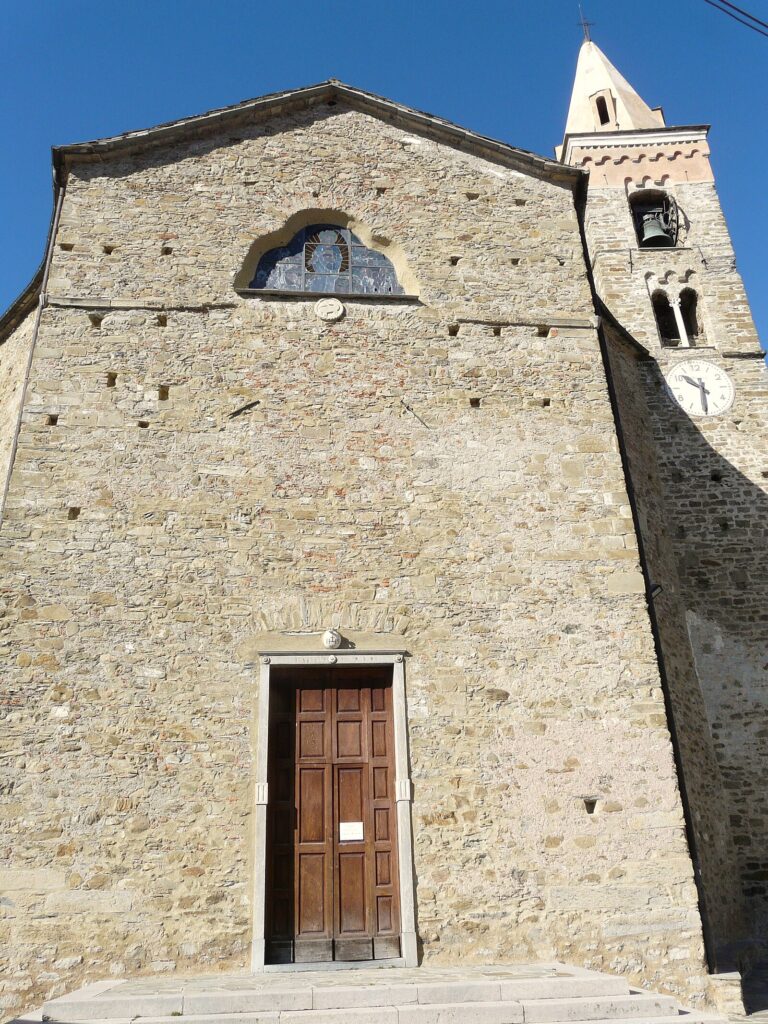
The civic and religious calendar of Mendatica follows the pattern of Ligurian mountain communities, organised around the liturgical year and the agricultural cycle. Patron saint observances bring the village’s 190 inhabitants together in a format that has remained consistent across generations: a religious procession through the lanes of the historic centre, a outdoor mass at the village church, and communal eating in the public spaces. The specific date of the patron festival aligns with the liturgical feast of the village’s dedicatory saint, as is standard for Ligurian comuni of this type.
The broader calendar includes local manifestations of the sagra tradition — a food-centred public festival, typically organised by a local committee, focused on a single seasonal ingredient or traditional dish.
In the inland valleys of the Province of Imperia, sagre in the summer and early autumn months are associated with mountain products including cheeses, cured meats, and chestnut-based preparations. Mendatica participates in this regional pattern, and the summer months represent the most active period for local events. Visitors arriving between July and September are most likely to encounter open village events, though dates should be confirmed with the municipal office before planning a specific trip.
When to visit Mendatica, Italy and how to get there
The best time to visit Mendatica, Italy falls between late May and early October, when the mountain passes are clear of snow and the footpaths within the Parco Naturale Regionale delle Alpi Liguri are fully accessible. Summer temperatures at mountain altitude remain moderate compared to the coast, making the area a practical destination for walking in July and August when the coastal zone of Liguria is at its hottest and most crowded. Autumn brings lower temperatures and the chestnut harvest season, and the light quality on the stone buildings of the historic centre is particularly clear in September and October. Winter closures affect some rural facilities, and high-altitude paths may be snowbound from November through April.
Mendatica sits approximately 100 kilometres (62 mi) southwest of Genoa and 30 kilometres (19 mi) northwest of Imperia, making it a feasible day trip from the provincial capital or from the Ligurian coast.
From Genoa by car, the A10 motorway connects to the coastal road near Imperia, from which the SP inland route climbs into the Arroscia valley toward Mendatica; the full drive from Genoa takes approximately ninety minutes depending on traffic at the coastal junction. The nearest train station with regular service is in Imperia, accessible via Trenitalia; from the station, a car or local bus connection is required to reach the village. The nearest international airport is Genoa Cristoforo Colombo Airport, approximately 120 kilometres (75 mi) to the northeast, with a combined train and road transfer of roughly two hours. For those arriving from further afield, Milan is approximately 220 kilometres (137 mi) to the north via the A26 and A10 motorways, making Mendatica reachable within a half-day drive. English is not widely spoken in the smaller establishments of the inland villages, and carrying euros in cash is practical for markets, rural producers, and smaller restaurants.
Where to stay near Mendatica
Accommodation options in the immediate area of Mendatica reflect its scale as a municipality of 190 inhabitants in the mountain interior. The surrounding Province of Imperia offers agriturismo facilities — farmstay operations combining accommodation with on-site food production — in the inland valley communities. The villages of Cosio di Arroscia and Montegrosso Pian Latte, both bordering Mendatica, are documented as nearby settlements where rural accommodation has historically been available. Visitors planning a stay of more than one day may also consider basing themselves in Imperia and making day excursions into the mountain interior.
Booking in advance through the official regional tourism portal is recommended, as rural accommodation capacity in this zone is limited.
Those planning to explore several villages in the Ligurian hinterland can extend a trip from Mendatica to Davagna, a mountain comune further east that shares the same pattern of inland Ligurian settlement, or to Fascia, another high-altitude village in the Ligurian interior where the landscape and built fabric follow comparable logic to what visitors encounter in Mendatica.
Frequently asked questions about Mendatica
What is the best time to visit Mendatica?
The most practical window is late spring through early autumn (May to October), when the Colle San Bernardo di Mendatica pass is clear of snow and the trail network through the Parco Naturale Regionale delle Alpi Liguri is fully accessible. Autumn is particularly rewarding: chestnut harvests on the lower slopes bring seasonal produce to the area, and the mountain light is at its clearest. Winter closes many high paths but offers an authentic off-season atmosphere. The feast of patron saints Nazario and Celso punctuates the summer calendar for those interested in local traditions.
What are the historical origins of Mendatica?
Mendatica appears in Ligurian dialect as Mendaiga or Mendéga, a place-name predating standardised Italian and likely rooted in pre-Latin substrate vocabulary common to the inland Alpine zone. The village's position at the junction of four municipalities — Briga Alta, Cosio di Arroscia, Montegrosso Pian Latte, and Triora — reflects medieval Ligurian territorial organisation, where ridges and valleys defined separate administrative units. The Colle San Bernardo pass made Mendatica a documented transit point for transhumance routes connecting the Ligurian coast to Piedmontese valleys.
What to see in Mendatica? Main monuments and landmarks
The three main points of interest are the Colle San Bernardo di Mendatica mountain pass, the medieval village core, and the surrounding territory of the Parco Naturale Regionale delle Alpi Liguri. The historic centre can be walked in roughly thirty minutes at a slow pace; morning light is best for observing the dark stone facades. The pass itself is the defining landscape feature and the logical starting point for ridge walks. No admission fees apply to the village or pass; access is unrestricted year-round, though the high-altitude paths are seasonally snowbound.
What are the main natural or scenic attractions of Mendatica?
Mendatica sits entirely within the Parco Naturale Regionale delle Alpi Liguri, one of the protected areas of the western Ligurian Alps. Footpaths cross the municipal territory and connect to the park's wider trail network, moving through beech and chestnut woodland before reaching open high pastures. The Colle San Bernardo di Mendatica pass offers views across the ridge toward the Piedmontese interior on one side and the coastal drop on the other. Walkers should carry a detailed trail map, as paths vary significantly in gradient and surface condition.
Where to take the best photos in Mendatica?
The Colle San Bernardo di Mendatica pass provides the most dramatic panoramic views, looking south toward the coastal drop and north across the upper Piedmontese valleys. Within the village, the historic centre is best photographed in the morning, when direct sunlight reaches the north-facing stone facades and reveals the texture of the dark local masonry. The ridge terrain along the municipal boundary with Briga Alta, accessible on foot via marked paths, offers elevated vantage points over the broader mountain landscape of the western Ligurian Alps.
What can you do in Mendatica? Activities and experiences
Hiking is the primary activity, with trails crossing the municipal territory and connecting to the Parco Naturale Regionale delle Alpi Liguri network; the Colle San Bernardo di Mendatica pass is a natural objective for ridge walks between late spring and early autumn. The village's periodic events and the few establishments serving mountain tourism offer access to the local mountain kitchen — polenta, slow-cooked lamb and goat, malga cheeses, and chestnut-based preparations. Autumn chestnut harvest is a practical seasonal reason to visit for food-oriented travellers.
Who is Mendatica suitable for?
Mendatica is best suited to hikers and walkers seeking access to the Parco Naturale Regionale delle Alpi Liguri and the Colle San Bernardo pass, and to travellers interested in authentic, largely untouristed Ligurian mountain villages. The small scale — 190 inhabitants, a compact historic centre, limited services — makes it a natural fit for independent travellers, couples, and anyone wanting a genuine inland Ligurian experience far from the coastal Riviera. Families with older children who hike comfortably will find the terrain rewarding; it is not oriented toward resort-style or beach tourism.
What to eat in Mendatica? Local products and specialties
The local mountain kitchen centres on polenta made from corn or chestnut flour, slow-cooked lamb and goat sauces from high-pasture livestock, and formaggi di malga — fresh and semi-aged cheeses produced on summer mountain pastures using traditional methods without industrial standardisation. Testa in cassetta, a pressed pork head preparation flavoured with local herbs, appears in colder months. No PDO or PGI certifications are formally recorded as specific to Mendatica; small-batch producers often operate without formal certification. Carrying cash is advisable, as rural establishments in the Province of Imperia interior do not always accept cards.
📷 Photo Gallery — Mendatica
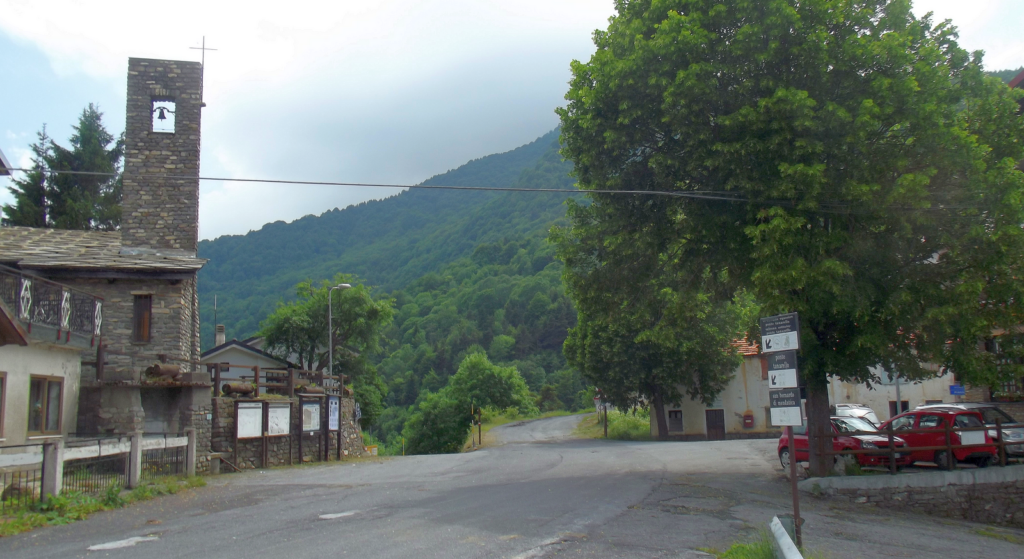
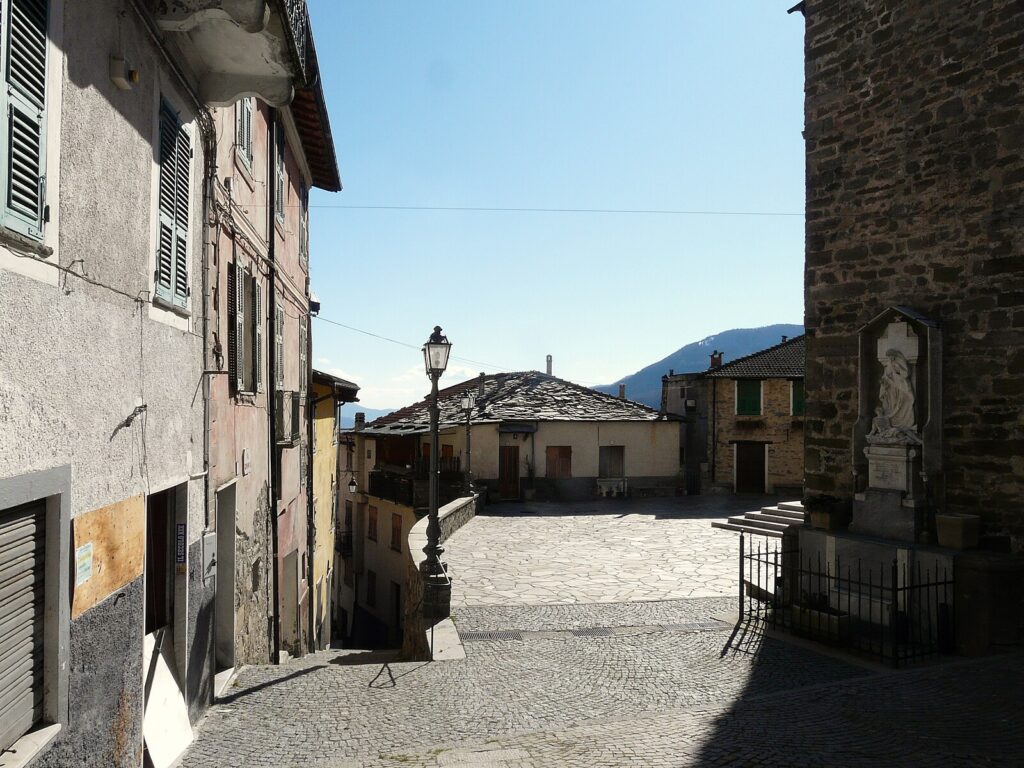
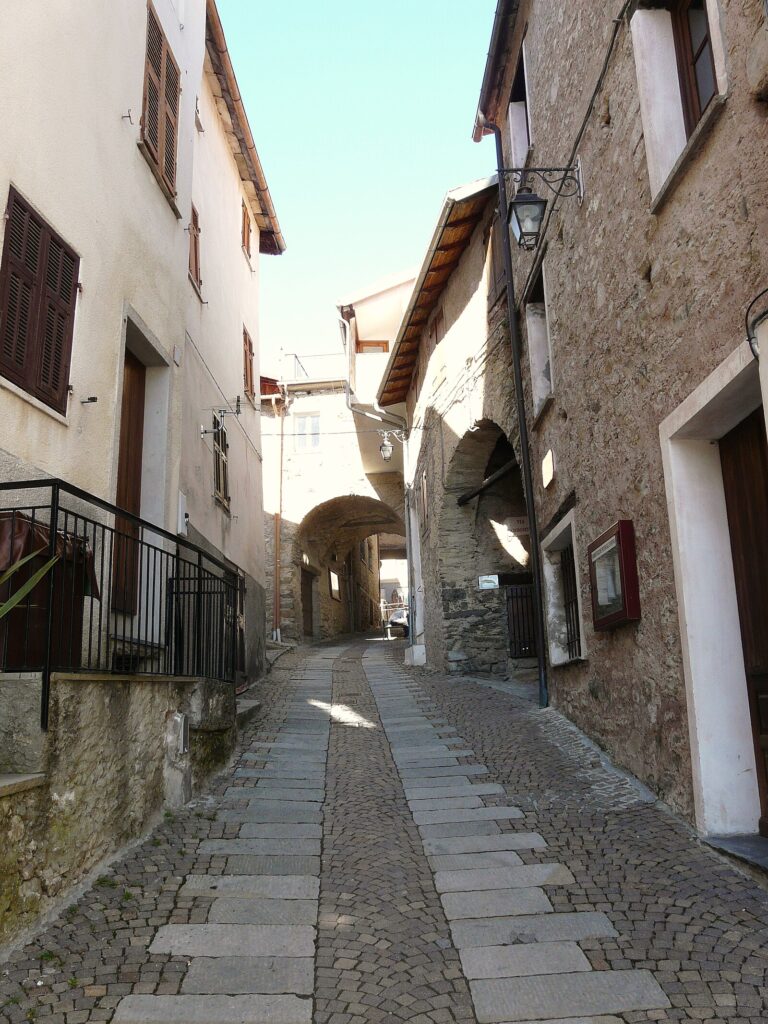
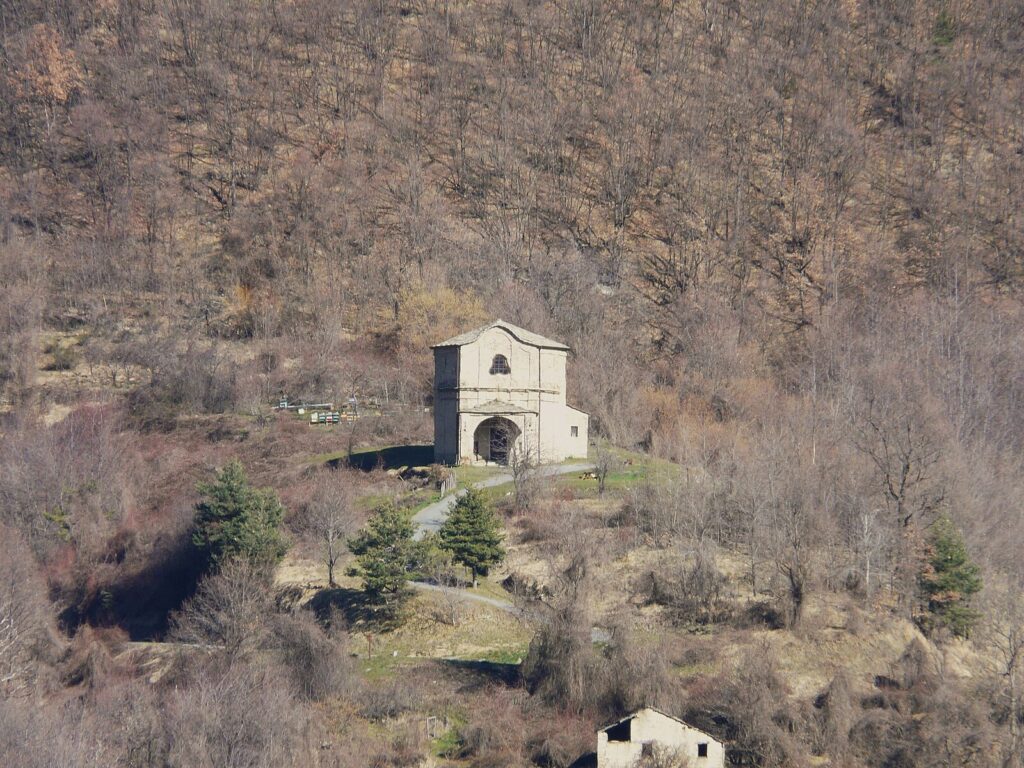
Nearby Villages near Mendatica
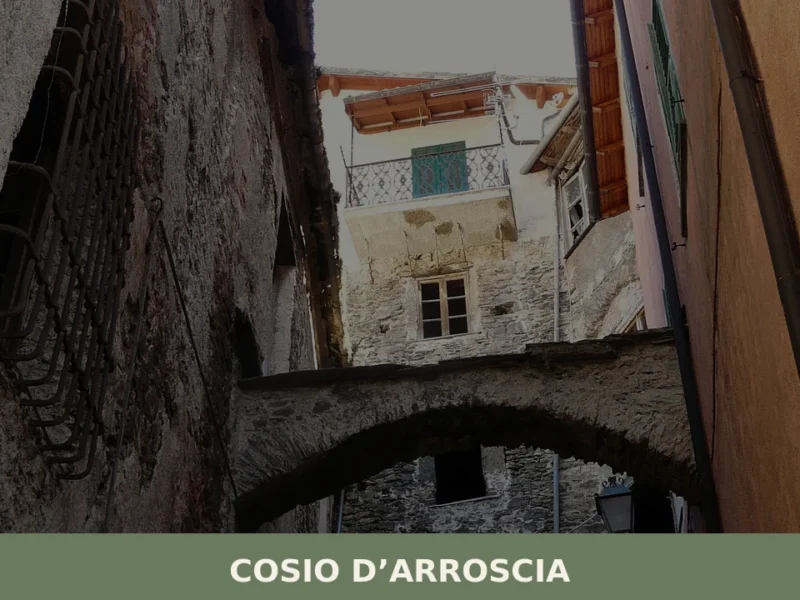
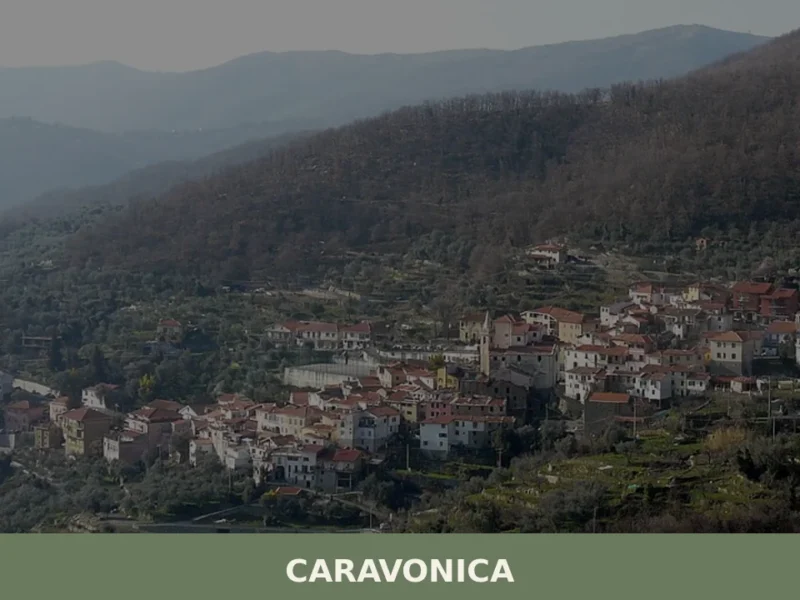
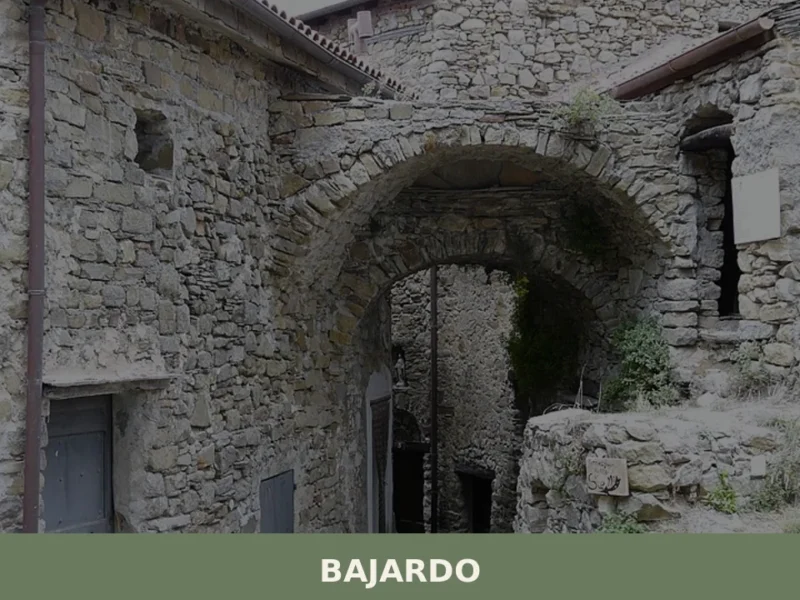
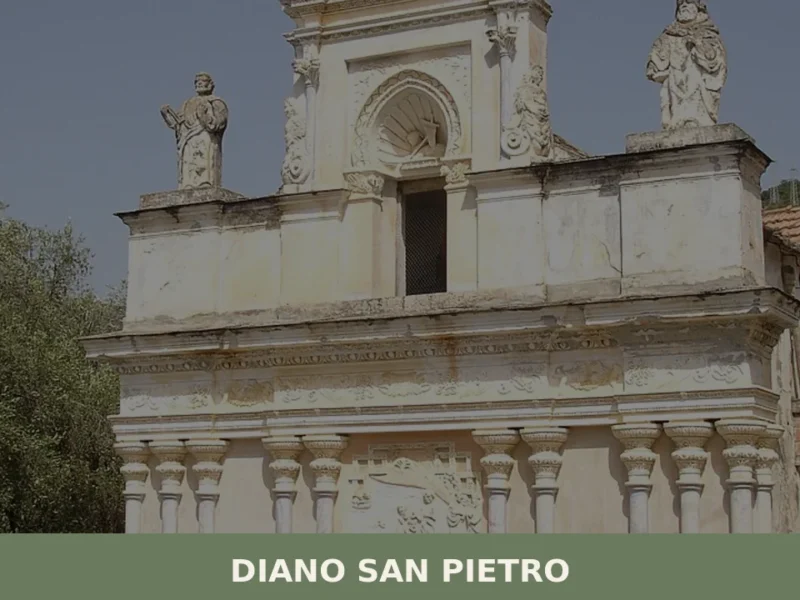
In Liguria More villages to discover
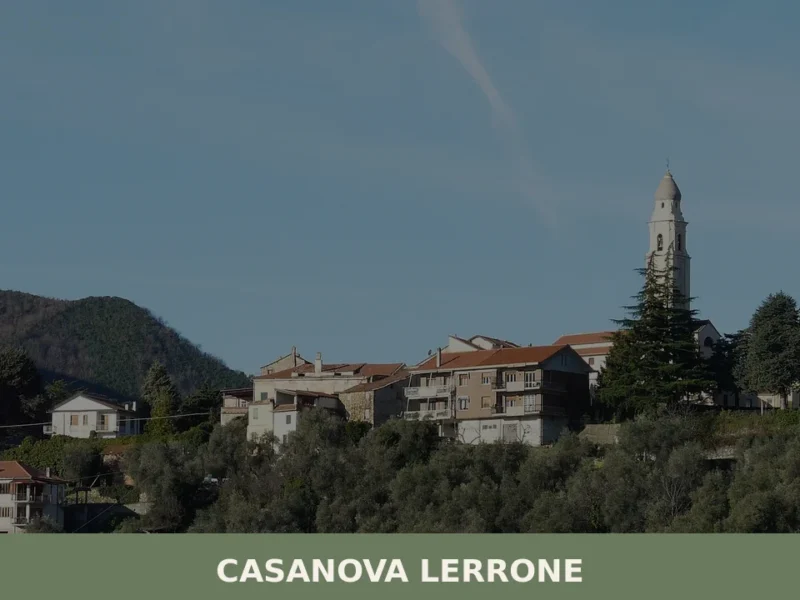
Casanova Lerrone
 Hills
Hills
What to see in Casanova Lerrone, Italy: 752 inhabitants, 10 bordering municipalities. Discover top attractions, local food and how to get there. Explore now.
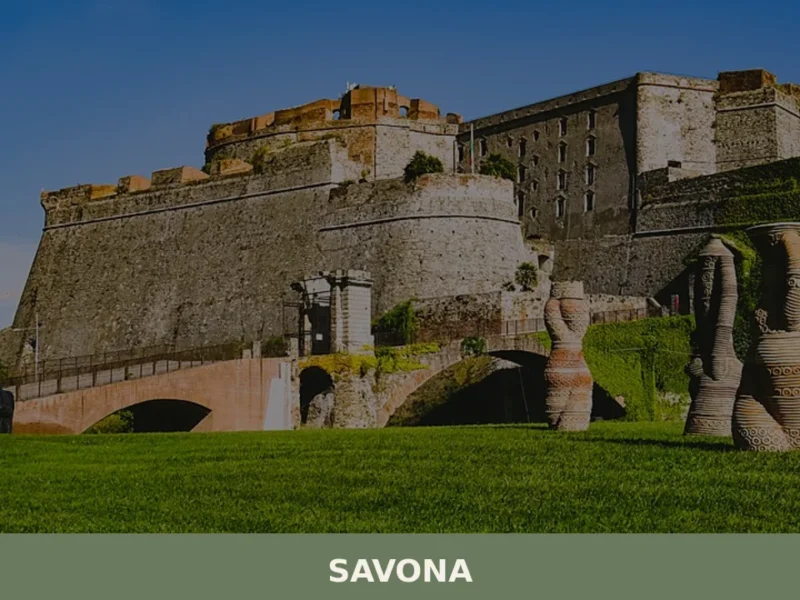
Savona
 Sea
Sea
What to see in Savona: Ligurian port city at 4 m a.s.l. with Priamàr Fortress, a second Sistine Chapel. Plan your visit to 5 key sites and local cuisine.
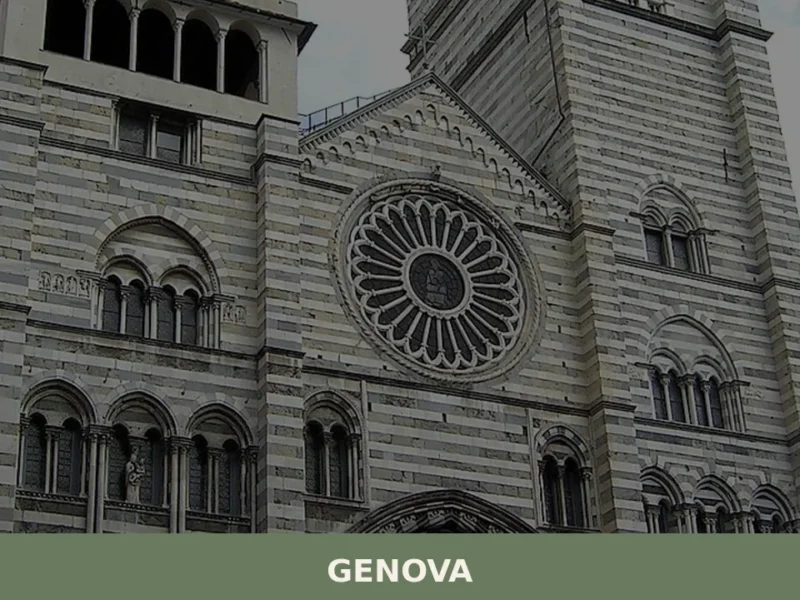
Genova
Sea
What to see in Genova: city at 18 m above sea level with UNESCO Rolli palaces and Europe's largest aquarium. Plan your visit with our full guide.
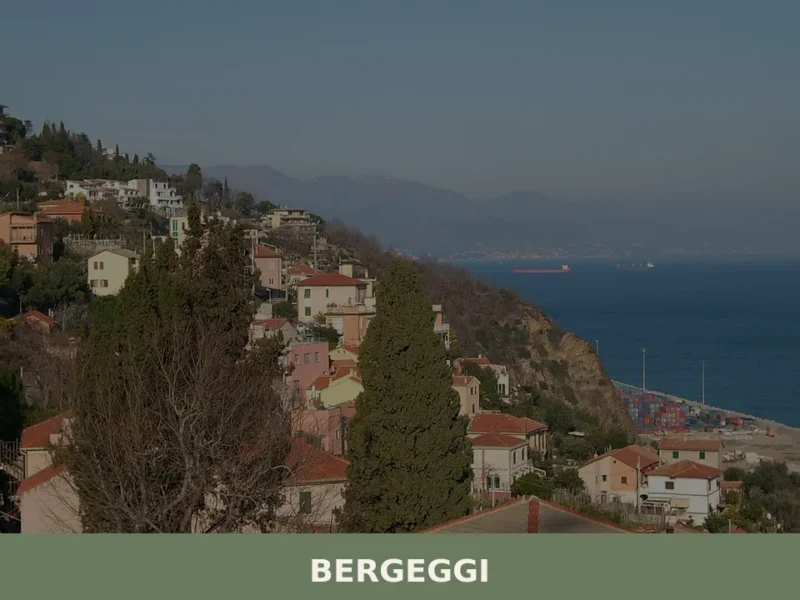
Bergeggi
Sea
The limestone bluffs that drop into the Ligurian Sea west of Savona do not ease the traveller in gently. The coastline here is direct: rock, water, and the smell of salt on warm stone. Bergeggi sits at roughly 10 km (6.2 mi) from Savona, at a point where the Via Aurelia, the ancient Roman road […]
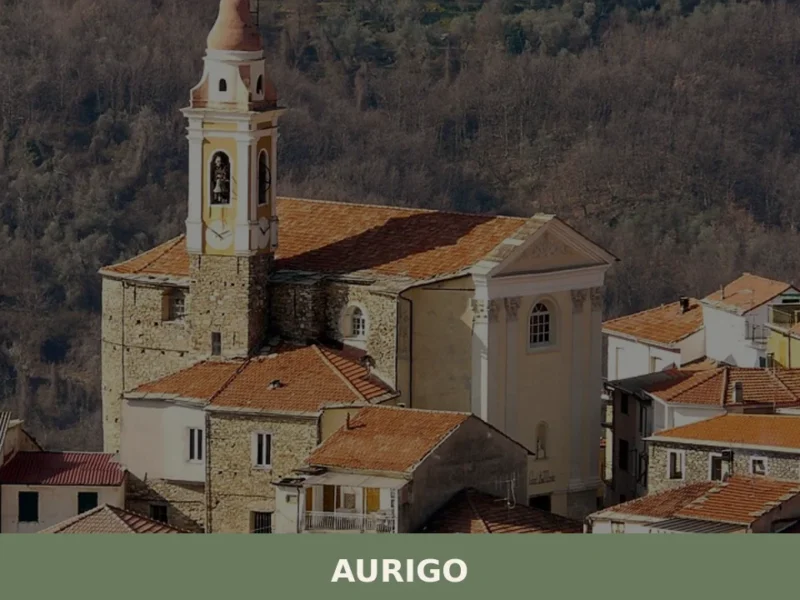
Aurigo
Hills
A 331-inhabitant village above the Impero Valley. Discover what to see in Aurigo: centuries-old sanctuaries, stone lanes, and olive terraces across the Ligurian hinterland.
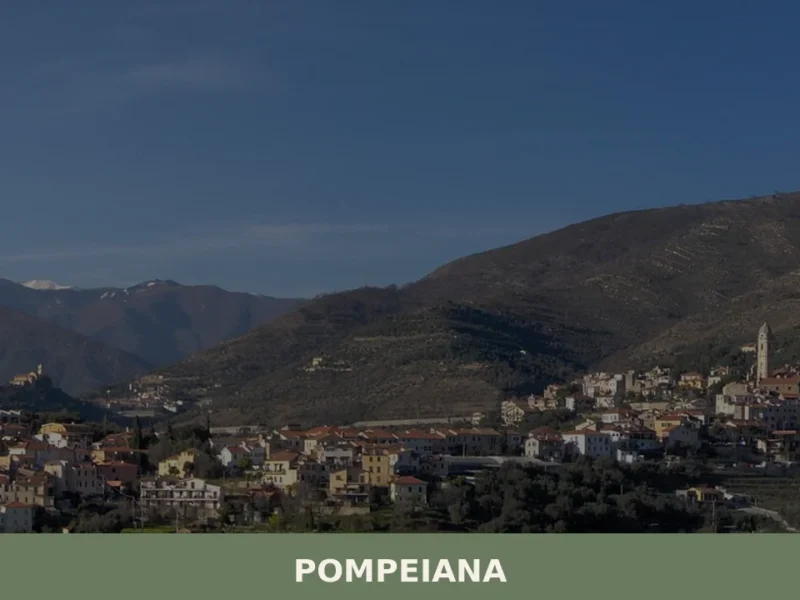
Pompeiana
Sea
what to see in pompeiana, Italy. Discover this Imperia village of 837 residents, explore its historic center and surrounding olive terraces. Read our guide to Liguria.
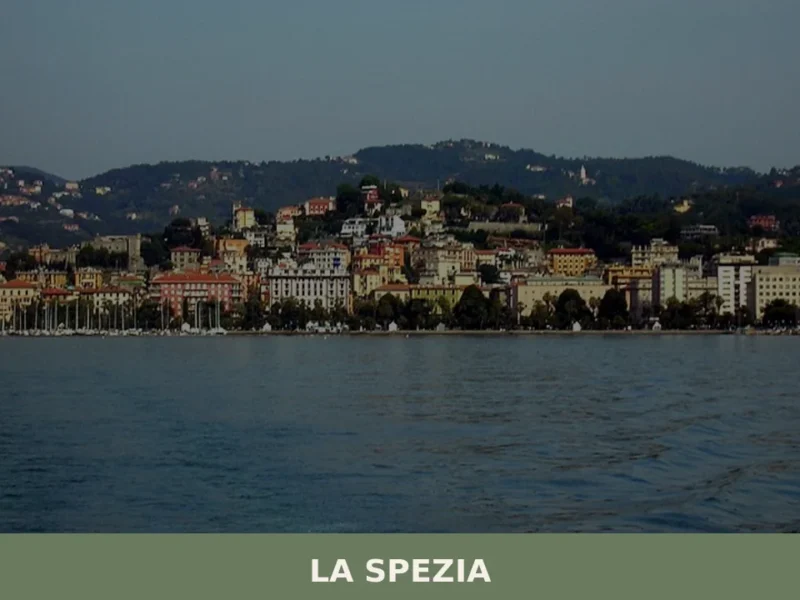
La Spezia
Sea
What to see in La Spezia, Italy: explore the Castle of San Giorgio, 10 museums, the Palio del Golfo and Cinque Terre links. Discover La Spezia's top highlights.
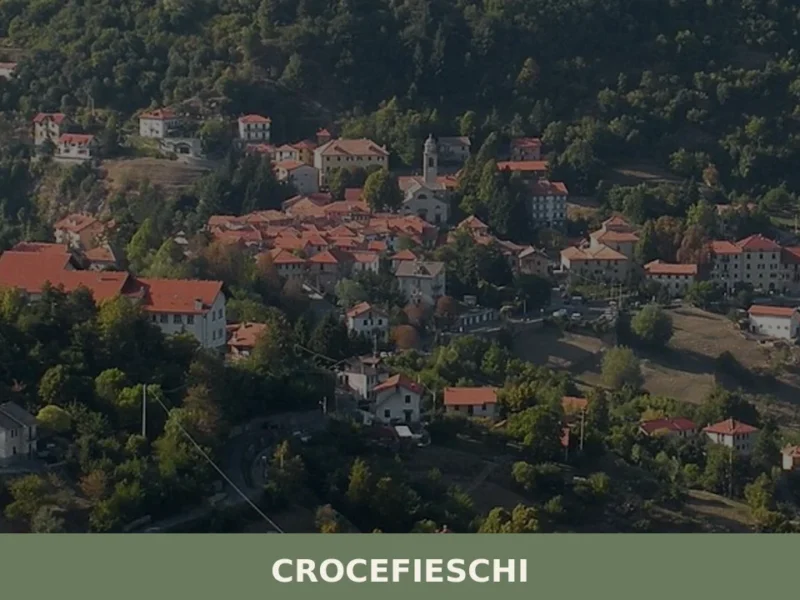
Crocefieschi
Mountain
At 742 meters above sea level, in the heart of the Ligurian Apennines, lies Crocefieschi, a municipality in the province of Genoa with 518 inhabitants. Its geographical position makes it a reference point for those seeking significant altitudes in the Genoese hinterland, away from coastal dynamics. The village’s name, according to tradition, is said to […]
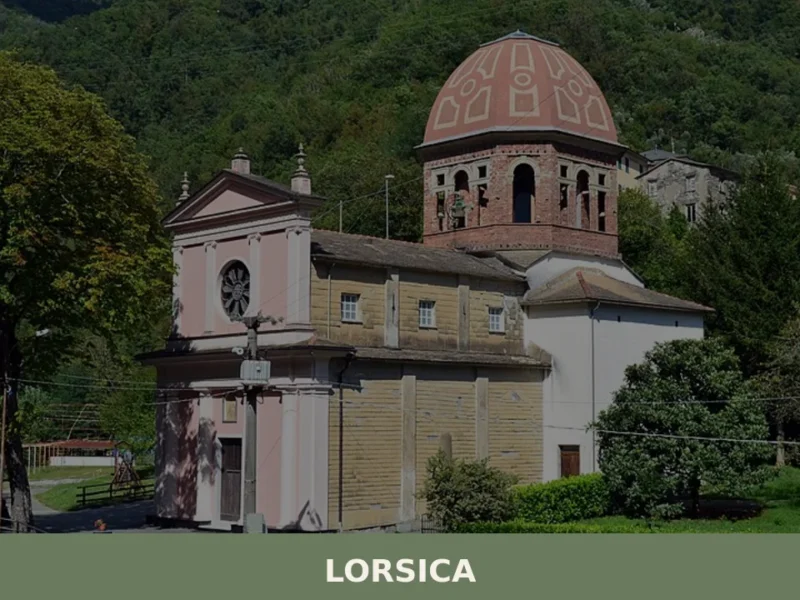
Lorsica
Hills
What to see in Lorsica: a Ligurian village at 343 m with 395 residents. Explore historic churches, Val Sturla trails and local food. Plan your visit today.
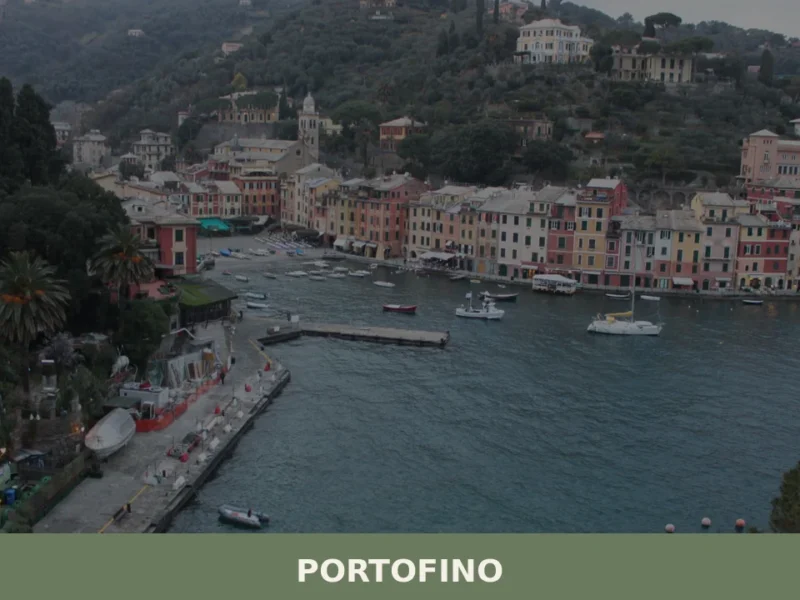
Portofino
Sea
Portofino has a population of 355 residents spread across a headland that descends to sea level. It is one of the smallest municipalities in Italy by population, yet its natural harbour appears in almost every historical guide to the Ligurian Riviera. Anyone looking into what to see in Portofino will find a compact collection of […]

🏡 Know Mendatica better than we do?
If you’re a local or have been there, your knowledge matters: add what’s missing or fix a detail on this page.