


Montefino
 Hills
Hills
What to see in Montefino, Abruzzo, Italy: the Castello di Corte, the Chiesa di San Giacomo and the olive oil festival. Village at 375 m. Discover the full guide.
Discover Montefino
A hill at 375 metres (1,230 ft) above the Fino valley, a Norman fortress occupying its highest point, and groves of olive trees covering the slopes below — this is the physical outline of Montefino before anything else is said about it.
The town’s name itself carries a geographic argument: until 1863 it was known as Montesecco, from the Latin Mons Siccus, meaning “dry mountain,” a direct reference to the absence of springs on the site.
The river Fino eventually gave the settlement its current identity.
Deciding what to see in Montefino takes very little time for a first-time visitor, because the village is compact and its main landmarks are concentrated. The comune, which today has around 1,071 inhabitants, stands in the province of Teramo in Abruzzo, Italy, roughly east of the Apennine spine.
Visitors to Montefino find two distinct medieval castles, an eighteenth-century church with a sixteenth-century portal salvaged from a ruined abbey, and a calendar that includes a sagra — a traditional local food festival — dedicated to olive oil every July.
History of Montefino
The territory around Montefino was inhabited in antiquity by the Adriatic Sabini, a people documented across the middle Adriatic hinterland before Roman consolidation.
The area later fell within the sphere of Hatria Picena, the Roman colonial settlement known today as Atri, which exercised administrative authority over a wide stretch of the Teramo lowlands and hills.
No surviving evidence points to a continuously occupied site on this specific hilltop during the classical period, and the archaeological record between Roman times and the medieval era remains sparse.
The first documented reference to a settlement here dates to around 1150, when a castellum Montis Sicci — a fortified nucleus with approximately 65 inhabitants — appears in records as part of the County of Penne.
This is the origin of the defensive core that still defines the upper part of the town.
In 1454 the fief passed to the Acquaviva family of Atri, a powerful noble lineage whose influence extended across much of the Abruzzo-Adriatic zone during the fifteenth century. The Acquaviva undertook two concrete interventions: they restored the existing defensive walls and built a new castle that still bears their name. By 1506 the town had passed into the possession of the bishops of Teramo, a transfer that shifted local authority from feudal aristocracy to ecclesiastical governance.
The name Montesecco — and its Latin root Mons Siccus — defined the settlement for roughly seven centuries.
The official change to Montefino came in 1863, as part of the broader administrative reorganisation that followed Italian unification, and it aligned the town’s identity with the river in the valley below rather than with the dry ridge it occupies. The twentieth century brought a different kind of transformation: the population dropped from 2,399 in 1951 to 1,184 in 2001, a decline of more than half driven by internal migration toward industrial and urban centres.
Today, the economy mixes light industry with a declining agricultural sector where olives and grain remain the principal crops.
What to see in Montefino, Abruzzo: top attractions
Castello di Corte
The Castello di Corte occupies the absolute summit of the hill, its masonry and layout retaining Norman features that date the original structure to the period documented around 1150.
The walls show the characteristic solidity of military architecture designed to control the Fino valley below, and the elevated position means the building is visible from a considerable distance on the approach roads.
Standing at the base of the structure, visitors can distinguish the original medieval coursework from later modifications introduced during the Acquaviva interventions of 1454. It is worth climbing to the castle first thing in the morning, when the valley light is clearest and the contrast between the hilltop stonework and the olive-covered slopes below is at its sharpest.
Castello degli Acquaviva
The second castle, known as the Castello degli Acquaviva, was constructed by the Acquaviva of Atri after 1454, when the family took possession of the fief and set about reinforcing the town’s defensive infrastructure.
It occupies the terraced medieval zone that developed beneath the older Norman fortress, forming part of a layered townscape where different building campaigns from different centuries are readable in sequence.
The Acquaviva were a documented force in fifteenth-century Abruzzo, and this structure is one of the physical markers of their territorial reach. Visiting both castles in the same morning covers the full military and political history of the site within a walk of a few hundred metres.
Chiesa di San Giacomo Apostolo
The Chiesa di San Giacomo Apostolo — the Church of Saint James the Apostle — was built in the eighteenth century and is the town’s main place of worship.
Its most significant architectural element is older than the building itself: an external portal dating to the sixteenth century, recovered from an abandoned abbey in the surrounding territory and incorporated into the church’s facade.
This kind of material reuse is common in rural Abruzzo, where resources from declining ecclesiastical buildings were frequently redirected to active community structures. The portal’s carved stonework is worth examining in detail, as it represents craftsmanship from an otherwise lost building.
The church is also the focal point of the Feast of Saint James, celebrated on 25 July each year.
The Medieval Town Terraces
Below the Castello di Corte, the town descends in a series of terraced levels that correspond to the phases of medieval urban development between the twelfth and fifteenth centuries. The street plan on these terraces is tight, with narrow lanes running between stone buildings that back onto the hillside.
This part of Montefino was where the later medieval community organised itself after the original fortified nucleus became too small, and the spatial relationship between the upper castle and the lower town is still clearly legible.
Walking these streets takes under an hour and requires no particular physical preparation, though the uneven stone surfaces call for appropriate footwear.
The views eastward toward the Adriatic lowlands open up at several points along the upper perimeter.
The Fino Valley Viewpoints
The hill on which Montefino stands reaches 375 metres (1,230 ft) and provides a direct visual command of the Fino valley, where olive cultivation and grain farming have been the dominant land uses for centuries. Several points along the town’s perimeter — particularly on the eastern and southern edges — offer unobstructed views across the valley floor and toward the coastal plain beyond.
The olive groves on the slopes below the town are working agricultural land, not ornamental planting, and during the autumn harvest season between October and November the activity in the fields is visible from the viewpoints above.
The agricultural calendar directly shapes what the visitor sees from these vantage points, making the season of the visit relevant to the experience.
Local food and typical products of Montefino
The agricultural identity of Montefino is legible in the landscape before it appears on any plate.
Olives and grain have been the primary crops of the Fino valley for as long as the settlement has been documented, and the food culture of the area reflects an economy built around what the hill and the valley produce rather than on trade routes or port access.
The Province of Teramo has a distinct culinary tradition within Abruzzo, shaped by the proximity of both the Apennines and the Adriatic, but Montefino’s position in the interior hill zone places its table firmly in the olive oil and cereal register rather than in the seafood one.
Olive oil from this zone of the Teramo hills is pressed from olives harvested in October and November, when the fruit moves from green to dark purple.
The oil tends toward a grassy, slightly bitter profile with a peppery finish — characteristics associated with early-harvest pressing.
Pasta dishes in the area follow the Abruzzese preference for egg-based doughs: chitarra, a square-section spaghetti cut on a wire frame, appears with lamb ragù, a preparation where the meat is browned with garlic and rosemary and then slowly reduced with tomato and white wine.
Arrosticini, small skewers of castrated sheep fat and lean meat grilled over elongated charcoal bracieri, are the most recognised product of the Teramo pastoral tradition and are found at most local festivals and roadside stops in the province.
The territory around Montefino falls within the production area of Olio Extravergine di Oliva Aprutino Pescarese DOP, a protected designation of origin covering olive oil from specific cultivars — primarily Dritta, Leccino and Toccolana — grown in a defined zone of the Pescara and Teramo hinterland.
This certification governs harvesting methods, pressing temperatures and chemical parameters including maximum acidity levels. The oil must be extracted mechanically at controlled temperatures.
Local producers sell directly from farms in the surrounding area, and the village’s own annual festival is centred on this product.
The most direct occasion to engage with the local olive oil production is the Sagra dell’Olio, held in July, which brings producers, pressed oil and traditional preparations together in a public format.
While the harvest itself happens in autumn, the July festival functions as a showcase using oils from the preceding season.
Visitors who plan their trip around this event will find food stalls, tastings and a direct point of contact with the farming families who work the Fino valley slopes.
Festivals, events and traditions of Montefino
The town’s patron saint is Saint James the Great, and the Festa di San Giacomo Apostolo is celebrated on 25 July each year, centred on the Chiesa di San Giacomo Apostolo. The date aligns with the feast day of the saint in the Roman Catholic calendar and has been the town’s main religious event for as long as the church has stood in its current form.
The celebration draws residents and visitors to the church and the surrounding streets, following a pattern typical of Abruzzo hill-town patron festivals: a liturgical ceremony followed by communal gathering in the public spaces of the medieval centre.
Also in July, the Sagra dell’Olio — the annual olive oil sagra — runs alongside or close to the patron feast, making the middle of summer the town’s most concentrated period of public events.
A sagra in the Italian hill-town context is an organised food fair built around a specific local product, typically involving outdoor stalls, tastings and prepared dishes.
For Montefino, the olive oil harvest from the Fino valley slopes is the central subject. The two July events together make this the most active period in the village’s annual calendar.
When to visit Montefino, Italy and how to get there
The practical answer on timing is July: the patron feast on 25 July and the Sagra dell’Olio both fall in this month, and the hill climate at 375 metres (1,230 ft) keeps temperatures more moderate than on the Adriatic coast below. Autumn — specifically October and November — is the other logical window, as the olive harvest is underway in the valley and the agricultural activity that defines the area is at its most visible.
Spring offers mild temperatures and green hillsides, while winter is quiet and access roads can be affected by frost.
For visitors whose primary interest is the architecture, spring and autumn both provide comfortable conditions for walking the medieval streets.
Montefino is located in the province of Teramo, Abruzzo, and the nearest major urban reference point is the city of Teramo, approximately 30 km (18.6 mi) to the northwest. The town of Pescara, which has the region’s main airport and rail connections, lies roughly 45 km (28 mi) to the south.
From Rome, the distance is approximately 220 km (136.7 mi) by road, making Montefino reachable as a day trip from the Italian capital if combined with a stop in the Teramo area. The most direct road approach uses the A24 motorway (Rome–L’Aquila–Teramo), exiting at Teramo and then following provincial roads east toward the Fino valley.
For those arriving by train, Trenitalia serves Pescara Centrale and Teramo, from which the final section requires a car or local bus connection.
Pescara Airport (Aeroporto d’Abruzzo) handles domestic and some international routes and is the closest air access point. International visitors should be aware that English is spoken infrequently in smaller shops and at local stalls; carrying euro cash is practical, as card payment terminals are not universal in rural hill villages of this size.
Drivers arriving from the south along the Adriatic corridor may consider combining a visit to Montefino with a stop in the coastal town of Martinsicuro, which sits on the coast roughly 40 km (24.9 mi) to the northeast and offers a different geographic register — flat, maritime, directly on the Adriatic — before or after the inland hill experience.
Visitors wanting to extend their time in the Abruzzo interior can look further south toward Lama dei Peligni, a hill village in the Maiella massif area that shares the region’s pattern of compact medieval settlement and agricultural landscape, or west toward Navelli, a plateau village in the L’Aquila province known for its saffron cultivation, which represents a different but equally specific strand of Abruzzese agricultural identity. Both require a car and represent a half-day addition to an itinerary centred on Montefino.
Frequently asked questions about Montefino
What is the best time to visit Montefino?
The best time to visit Montefino is during the summer months, especially July, to experience its vibrant local festivals. The Feast of Our Lady of Mount Carmel is celebrated on July 16th, followed by the Oil Festival, a traditional food festival dedicated to olive oil, held later in the month. Additionally, the Feast of Saint James takes place on July 25th. Alternatively, autumn (October-November) offers a different charm, allowing visitors to observe the olive harvest from the Fino Valley viewpoints, providing a unique insight into the region's agricultural life.
What to see in Montefino? Main monuments and landmarks
Montefino, being a compact village, offers several key landmarks easily explored on foot. Visitors can delve into history by exploring the two medieval castles: the Norman Castle of the Court, located at the summit, and the 15th-century Castle of the Acquaviva, built by the powerful Acquaviva family. The Church of the Apostle Saint James, an 18th-century church, is notable for its salvaged 16th-century portal. Additionally, a stroll through the Medieval Town Terraces reveals the layered urban development, while the Fino Valley Viewpoints offer stunning panoramic vistas across the valley and towards the Adriatic lowlands.
What are the main natural or scenic attractions of Montefino?
Montefino's primary natural and scenic attraction is its elevated position, offering commanding views of the Fino Valley. The Fino Valley Viewpoints, particularly on the eastern and southern edges of the town, provide unobstructed vistas across the valley floor and towards the coastal plain. From these vantage points, visitors can appreciate the extensive olive groves and grain fields that characterise the working agricultural landscape. During the autumn harvest season (October and November), the activity in these fields adds a dynamic visual element to the panoramic scenery, connecting visitors to the local agricultural calendar.
Where to take the best photos in Montefino?
For the most picturesque photos in Montefino, start at the Castle of the Court first thing in the morning; the clear valley light creates a stunning contrast between the ancient stonework and the olive-covered slopes below. The Fino Valley Viewpoints, located along the town's eastern and southern perimeters, offer expansive panoramic shots of the valley and the distant Adriatic lowlands. Additionally, the narrow, winding lanes and stone buildings of the Medieval Town Terraces provide charming, atmospheric backdrops for capturing the historic essence of the village.
Are there museums, churches or historic buildings to visit in Montefino?
Yes, Montefino features several significant historic buildings. The Church of the Apostle Saint James, the town's main place of worship, dates to the eighteenth century and incorporates a remarkable sixteenth-century portal salvaged from a ruined abbey. Visitors can also explore the two medieval castles: the Castle of the Court, with its Norman origins from around 1150, and the Castle of the Acquaviva, constructed by the Acquaviva family after 1454. The Medieval Town Terraces themselves are a historic site, showcasing urban development from the twelfth to fifteenth centuries. No museums are documented for the village.
What can you do in Montefino? Activities and experiences
In Montefino, visitors can immerse themselves in its rich history by exploring the two medieval castles, Castle of the Court and Castle of the Acquaviva, and visiting the Church of the Apostle Saint James with its ancient portal. Strolling through the Medieval Town Terraces offers a charming walk through historic lanes. Take in the breathtaking Fino Valley Viewpoints, where you can observe the olive harvest in autumn. Engage with the local food culture by tasting regional specialties like guitar pasta with lamb ragù and meat skewers, and experience the Oil Festival in July, celebrating the village's prized olive oil.
Who is Montefino suitable for? Families, couples, hikers, solo travelers?
Montefino is particularly suitable for history enthusiasts, couples seeking a tranquil and authentic Italian village experience, and solo travelers interested in cultural immersion. Its compact size and concentrated landmarks make it easy to explore for those who enjoy gentle walks through medieval settings. Food and wine lovers will appreciate the focus on local olive oil and traditional Abruzzese cuisine. While not a demanding hiking destination, visitors who enjoy scenic views and a relaxed pace of cultural discovery will find Montefino rewarding, offering a genuine glimpse into rural Abruzzo.
What to eat in Montefino? Local products and specialties
Montefino's culinary offerings are deeply rooted in its agricultural heritage, with olives and grain as primary crops. A must-try is the local olive oil, often certified as Extra Virgin Olive Oil from the Aprutino Pescarese region with Protected Designation of Origin, known for its distinctive grassy, slightly bitter profile with a peppery finish, resulting from early-harvest pressing (October-November). Traditional pasta dishes include guitar pasta, a square-section spaghetti, typically served with a rich lamb ragù. Another iconic specialty from the Teramo pastoral tradition is meat skewers, small skewers of castrated sheep meat and fat, grilled to perfection.
Nearby Villages near Montefino

In Abruzzo More villages to discover
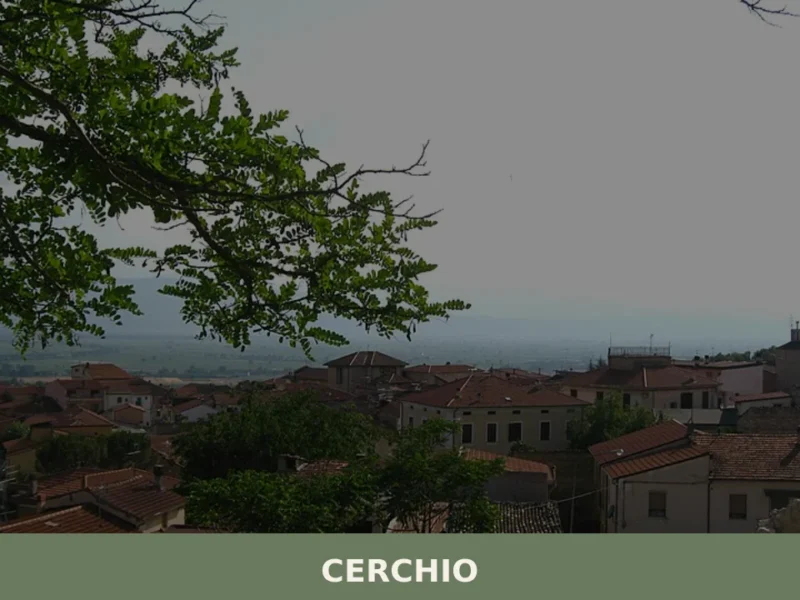
Cerchio
 Mountain
At 834 metres above sea level, on the Fucino plain — the largest lake in central Italy until 1875, when the drainage project commissioned by Prince Alessandro Torlonia transformed the lake bed into agricultural land —, Cerchio has a current population of 1,556 and an economy still tied to those fields reclaimed from the water. […]
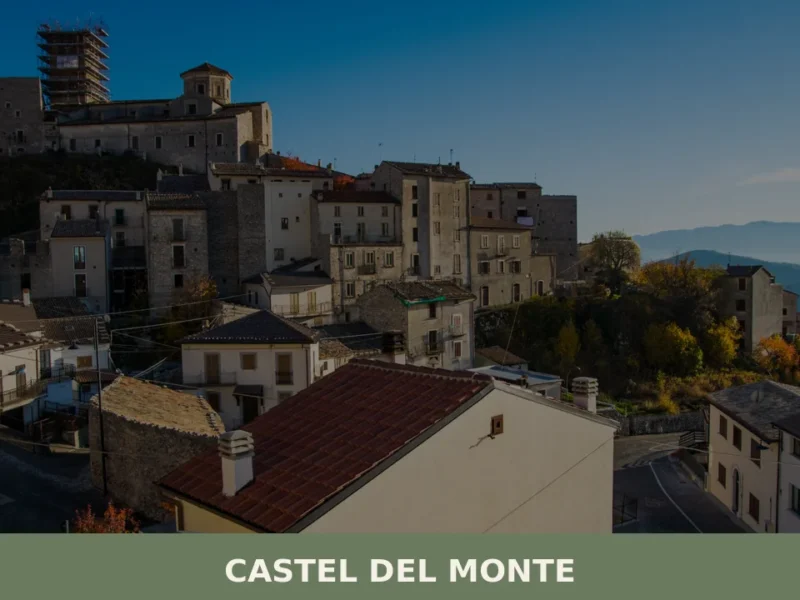
Castel del Monte
Mountain
what to see in Castel del Monte? Discover this Abruzzo village at 1346m altitude. Explore historic churches, medieval walls, and taste traditional canestrato cheese in Italy.
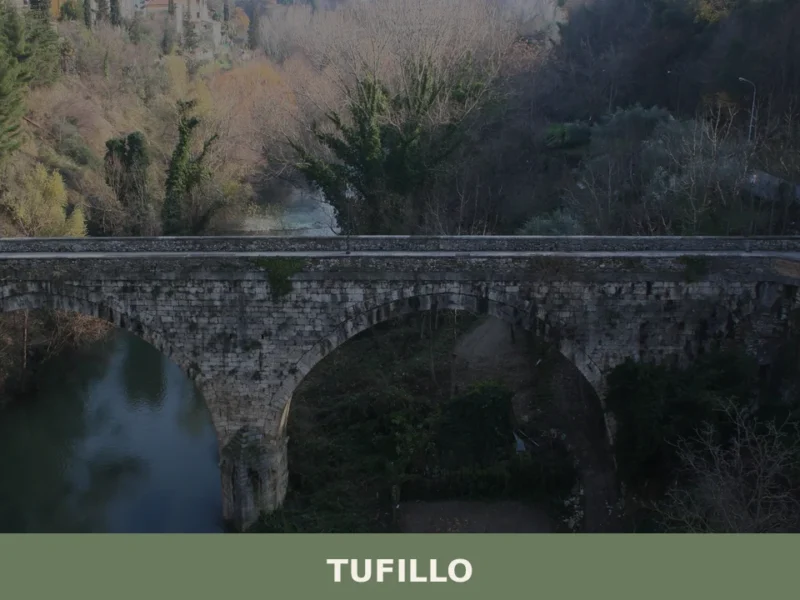
Tufillo
Hills
What to see in Tufillo, Abruzzo, Italy: a village of 456 inhabitants in the Province of Chieti. Discover top attractions, local food, and how to get there.
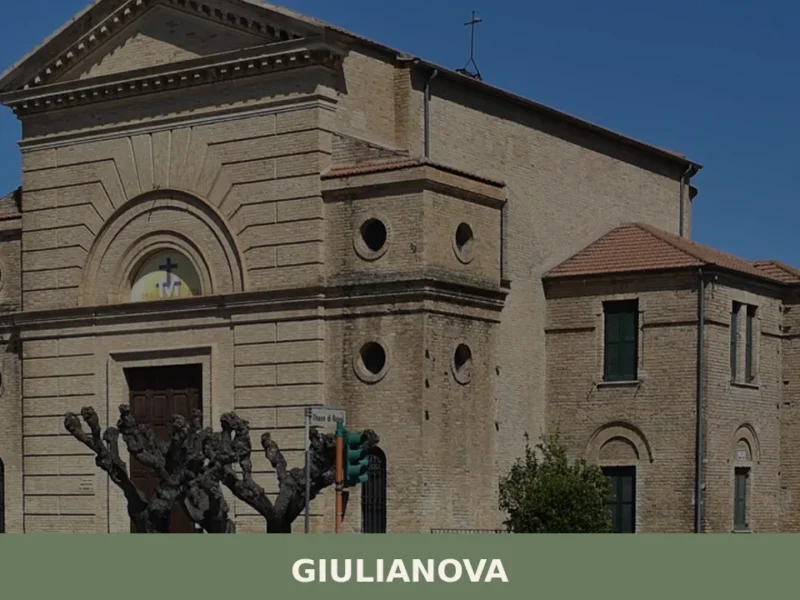
Giulianova
 Sea
Sea
In 1470, Duke Giuliantonio Acquaviva refounded the ancient settlement of Castel San Flaviano on a hill 68 metres above sea level, giving it his own name: Giulianova. The urban layout he commissioned — a regular grid with a central square and symmetrical blocks — is one of the earliest documented examples of an ideal Renaissance […]
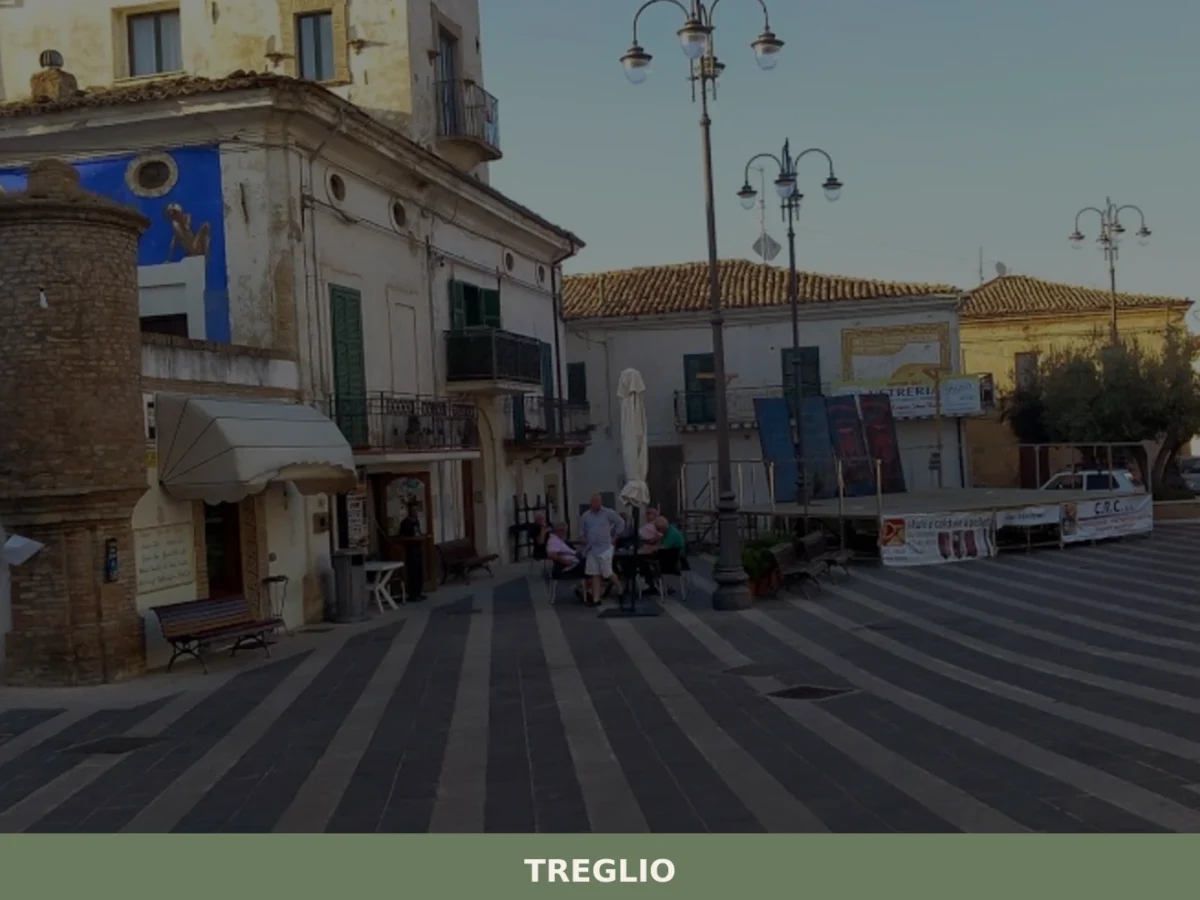
Treglio
 Plains
What to see in Treglio? Explore the 5 main attractions of this village in Abruzzo. Discover the complete guide for your visit!
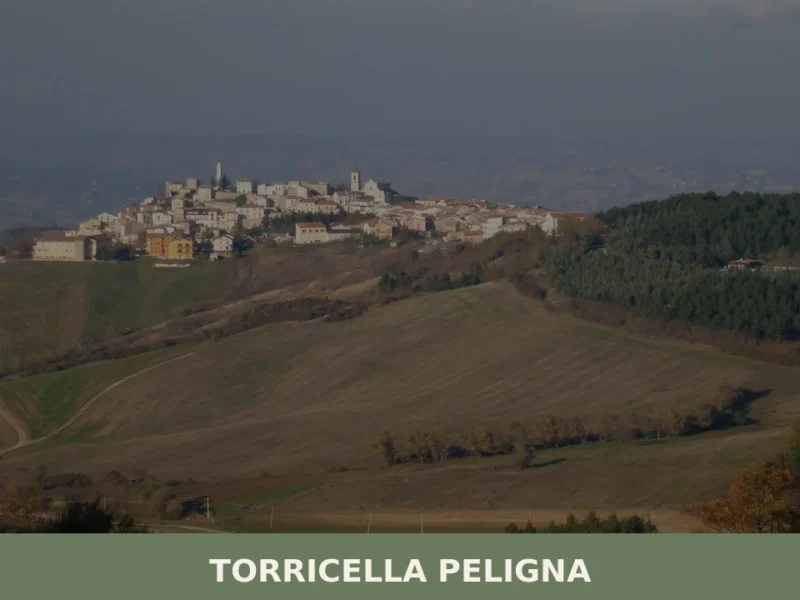
Torricella Peligna
Mountain
What to see in Torricella Peligna, Italy: Explore its 1,392 inhabitants and significant WWII history. Discover ancient Samnite finds and the Church of San Giacomo.
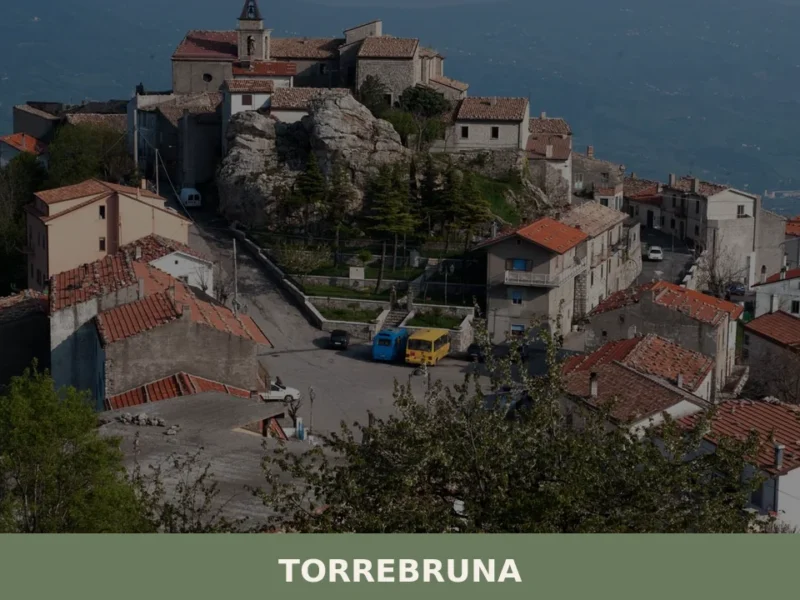
Torrebruna
Mountain
What to see in Torrebruna, Italy: 3 historic monuments, 879 inhabitants, fortified boroughs and a 17th-century church. Discover how to get there and when to visit.
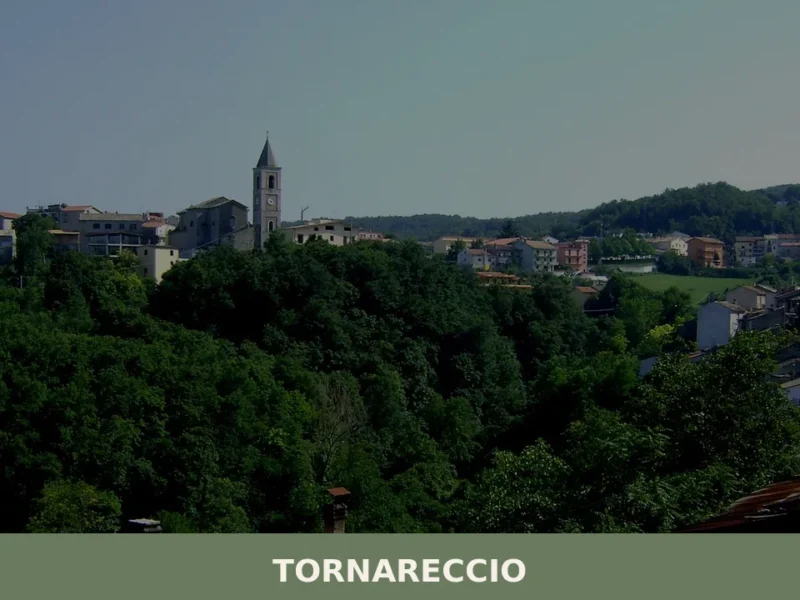
Tornareccio
Hills
What to see in Tornareccio, Italy? Discover this Abruzzo village known for its apiaries and Palaeolithic history, home to 1,895 inhabitants. Explore its archaeological sites and honey production.
Corvara
Mountain
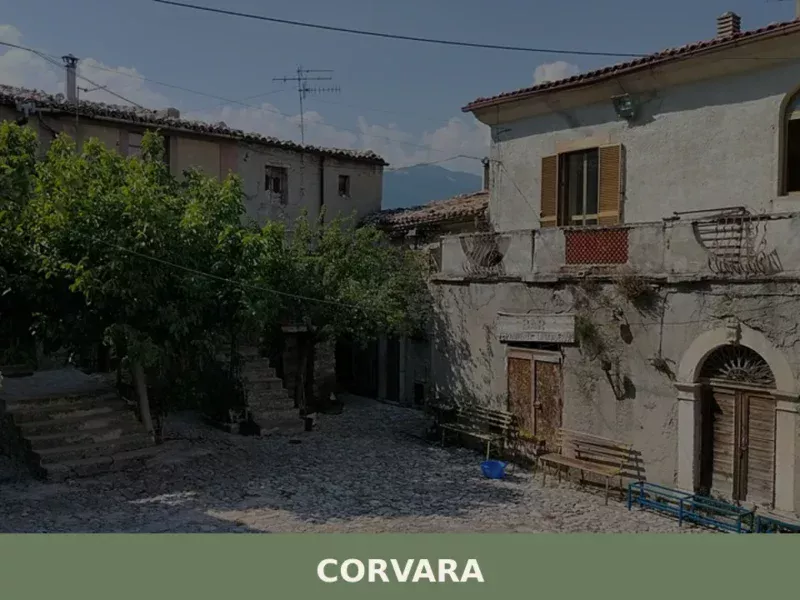
Corvara, a municipality of 210 inhabitants in the province of Pescara, is located 625 meters above sea level in the Pescara valley. Its territory, documented as early as the medieval period, shows traces of settlements dating back to the Neolithic, highlighting a continuous habitation linked to its strategic position. For those wondering what to see […]
Taranta Peligna
Mountain
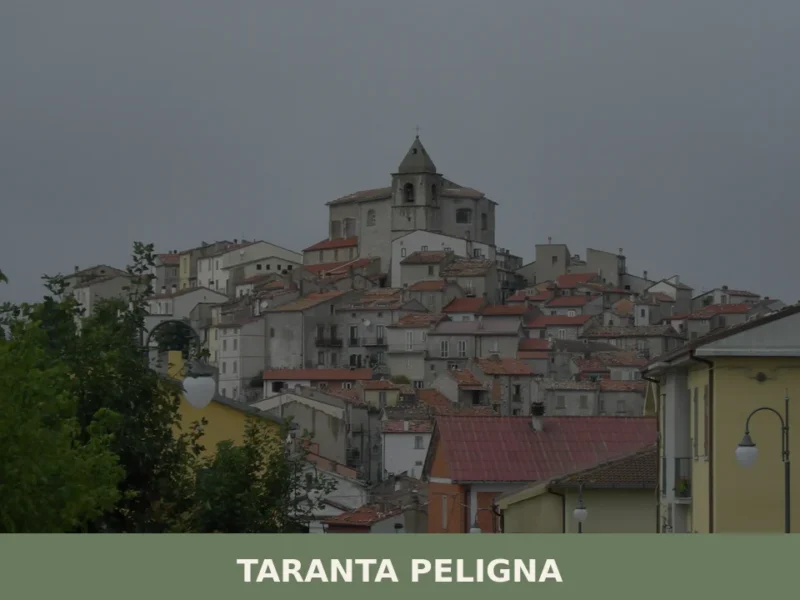
What to see in Taranta Peligna, Italy: explore the Maiella mountains from this village of 384 inhabitants. Discover Cavallone Cave and the Military Shrine. Read more.



🏡 Know Montefino better than we do?
If you’re a local or have been there, your knowledge matters: add what’s missing or fix a detail on this page.