


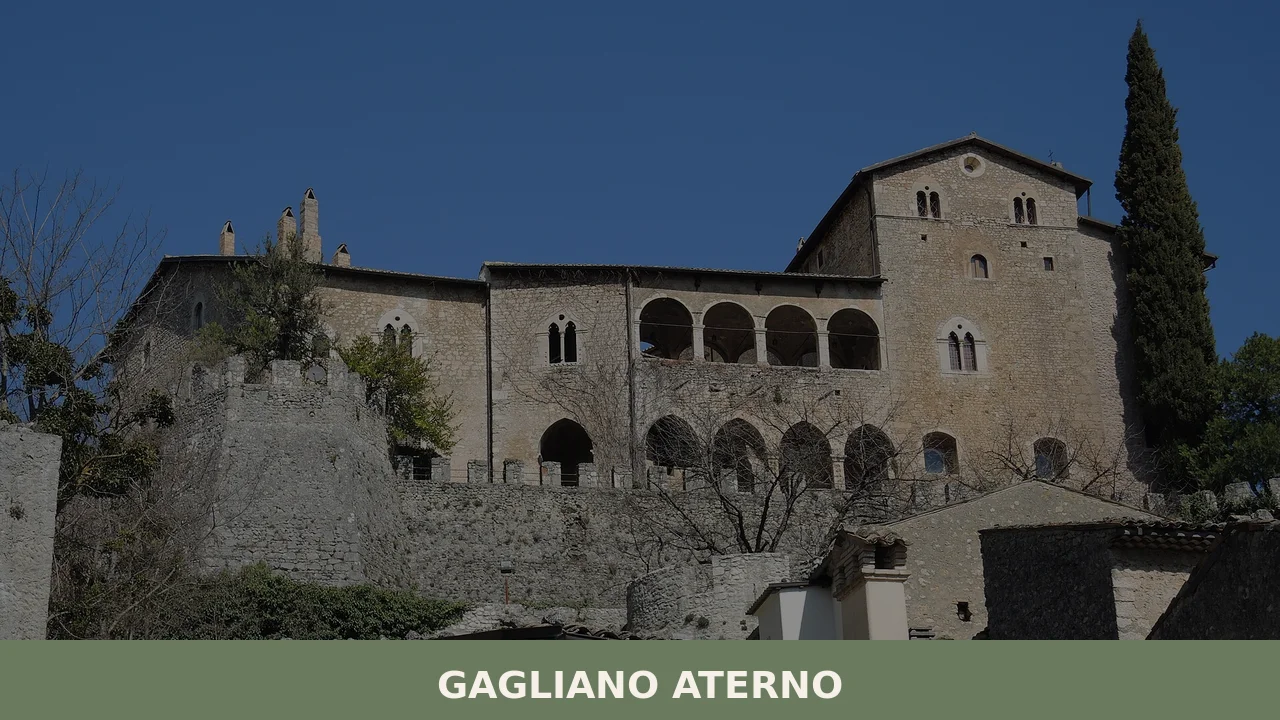
Gagliano Aterno
 Mountain
What to see in Gagliano Aterno, Italy: a 14th-century castle, Baroque stucco church and a village of 251 inhabitants 45 km from L’Aquila. Discover the full guide.
Discover Gagliano Aterno
The stone fabric of Gagliano Aterno belongs mostly to the medieval period, though the ground beneath it carries traces of a pre-Roman settlement that predates the village by centuries.
The 14th-century castle still defines the upper skyline, and the Church of Santa Chiara holds Baroque stucco decoration that demands close inspection rather than a passing glance.
This is a comune of 251 inhabitants in the Province of L’Aquila, sitting approximately 45 km (28 mi) from the provincial capital in the interior of Abruzzo.
Knowing what to see in Gagliano Aterno means orienting yourself around three core monuments and the archaeological substratum they stand on. Visitors to Gagliano Aterno find a 14th-century fortified castle, two documented churches, and the physical evidence of pre-Roman occupation in the terrain itself.
The village sits within the broader landscape of the L’Aquila province, making it reachable as a day trip from the regional capital and from Rome, roughly 120 km (75 mi) to the southwest.
History of Gagliano Aterno
The site occupied by Gagliano Aterno was inhabited long before the medieval builders arrived.
Evidence of a pre-Roman settlement exists in the vicinity of the current village, placing human presence here in a period that predates the Roman administrative organisation of central Italy. The Aterno river valley, which gives the village its distinguishing suffix, was a natural corridor through the Apennine interior, used for movement and trade between the Adriatic coast and the highland basins of what is now Abruzzo.
The medieval construction phase that shaped the village as it stands today produced the castle in the 14th century, a period of intense fortification activity across the L’Aquila province.
The comune falls within a zone where competing feudal powers consolidated territory through castle-building, and the structure at Gagliano Aterno reflects that defensive logic.
The nearby village of Navelli, also in the L’Aquila province, underwent a comparable process of medieval consolidation during the same era, with fortified structures responding to the same political pressures across the highland territory.
By the Baroque period, the village’s religious architecture had acquired a new layer of elaboration, most visibly in the stucco decoration applied to the interior of the Church of Santa Chiara.
This type of ornamental work, common across Abruzzo between the late 17th and early 18th centuries, indicates that the village retained enough resources and ecclesiastical patronage to commission skilled decorative craftsmen even in a period of broader rural demographic contraction in the Apennine interior.
The community that exists today, numbering 251 inhabitants, is the reduced but continuous successor to those earlier populations.
What to see in Gagliano Aterno, Abruzzo: top attractions
Castello di Gagliano Aterno
The castle was constructed in the 14th century, which places its foundations in a period when the L’Aquila area was undergoing rapid feudal consolidation under Angevin and later local lordship.
The structure commands the upper portion of the village, and its mass in stone defines the approach from the valley road. Standing at its base, visitors can read the defensive priorities of its builders in the thickness of the walls and the elevation of the keep relative to the surrounding terrain. The construction date of the 1300s situates it within roughly 150 years of L’Aquila’s own founding as a city, making it part of a wider network of fortified points across the province.
Church of Santa Chiara
The interior of the Church of Santa Chiara contains stucco decorations from the Baroque period, which distinguishes it from the more austere rural churches common in this part of the Apennines.
Baroque stucco work of this type typically involves relief decoration in white or polychrome plaster applied to vaults, lunettes, and altar surrounds, producing a layered visual effect that contrasts with the rough stone exterior. The church is named for Saint Clare of Assisi, founder of the Order of Poor Ladies in the 13th century, though the decorative campaign visible today reflects a later patronage entirely.
It is worth entering during daylight hours when the stucco surfaces catch natural light most clearly.
Church of Saint Martin
The Church of Saint Martin is one of two principal religious buildings documented in Gagliano Aterno, dedicated to the 4th-century bishop of Tours whose cult spread widely across medieval Italy through Frankish and Lombard influence.
The dedication itself signals something about the settlement’s medieval ecclesiastical connections, since Sant’Agostino and San Martino dedications often mark early medieval church foundations rather than later ones.
The church stands within the compact fabric of the village, and its exterior form — like much of the surrounding architecture — belongs to the medieval building phase that characterises most of what survives in Gagliano Aterno. Visiting in the morning provides better exterior light for examining the facade’s stonework.
Pre-Roman Settlement Area
The vicinity of Gagliano Aterno preserves evidence of occupation predating the Roman period, which means the landscape holds archaeological significance beyond the visible medieval fabric.
Pre-Roman settlement in this part of the Apennines was typically associated with Italic peoples, including the Vestini and Paeligni tribes, who inhabited the highland valleys of what is now the L’Aquila province before Roman administrative incorporation.
The terrain around the village, shaped by the Aterno river valley system, provided the same conditions — defensible high ground, proximity to water, connectivity through mountain passes — that made it attractive across multiple historical periods.
Visitors with an interest in pre-Roman Italy will find the setting itself informative, even where visible remains are limited.
The Village Streetscape and Medieval Urban Fabric
The built fabric of Gagliano Aterno is predominantly medieval in date, which means the spatial organisation of its streets, the proportions of its buildings, and the relationship between the castle and the lower settlement all reflect planning logic from the 14th century or earlier.
Walking the main street of a village this size — 251 inhabitants across a compact historic core — takes less than 20 minutes, but the sequence of stone facades, narrow passages, and sudden open views over the Aterno valley compresses a considerable amount of documented history into a small area.
The village of Montenerodomo in the Chieti province presents a comparable medieval street pattern, useful as a point of comparison for visitors touring the Abruzzo interior.
The best time to walk the village core is in the early morning before midday heat builds in summer months.
Local food and typical products of Gagliano Aterno
The food culture of the L’Aquila province, within which Gagliano Aterno sits, belongs to the broader Apennine culinary tradition of central Italy.
This tradition is defined by the conditions of high-altitude agriculture and transhumance — the seasonal movement of livestock between valley floors and mountain pastures — which shaped what was produced, preserved, and eaten across these communities for centuries.
Pulses, cured pork products, lamb, and foraged ingredients form the structural base of the local repertoire, supplemented by pasta forms that can be made and dried without refrigeration.
The pasta most closely associated with this zone of Abruzzo is spaghetti alla chitarra, made by pressing a sheet of egg dough through a wooden frame strung with metal wires, producing square-section strands with a rougher surface than machine-extruded pasta.
This texture is functional: it holds sauce more effectively than smooth pasta, and the sauces paired with it are typically lamb-based, often built with tomato, rosemary, and chilli.
Arrosticini, small skewers of castrato (castrated sheep) grilled over charcoal in a long narrow brazier called a furnacella, represent another staple of this territory.
The meat is cut into small cubes of approximately 1 cm, alternating lean and fat, and cooked quickly at high heat to retain moisture.
The province of L’Aquila is associated with lenticchie di Santo Stefano di Sessanio, a small brown lentil grown at altitude on the Gran Sasso plateau. These lentils require no soaking before cooking, have a thin skin, and produce a dense, earthy broth when simmered with local cured pork fat or simply with olive oil and herbs.
Saffron cultivation at , roughly within the same provincial zone, produces what is documented as one of the highest-concentration saffron varieties in Italy, used in both savoury dishes and traditional confectionery across the L’Aquila area.
For visitors looking to buy local products directly, the autumn months — September through November — bring the most concentrated availability of cured meats, dried pulses, and seasonal preserves at local markets and small producers across the L’Aquila province.
The weekly markets in L’Aquila itself, approximately 45 km (28 mi) from Gagliano Aterno, stock a broader range of certified regional products than what is typically available in villages of this size.
Festivals, events and traditions of Gagliano Aterno
The religious calendar of Gagliano Aterno is anchored to its two patron dedications: Saint Martin and Saint Clare. The feast of Saint Martin falls on 11 November, a date that has historically marked the transition into the winter agricultural cycle across Catholic Europe, and in Abruzzo it is traditionally associated with the first tasting of new wine and the beginning of the pork butchering season.
The feast of Saint Clare is observed on 11 August.
These dates structure the village’s ceremonial year, and local observance typically includes a Mass, a procession through the village streets, and communal gathering.
Gagliano Aterno also maintains a documented diaspora connection: the Gagliano Aterno Club, based in Detroit, USA, preserves the cultural identity of the community that emigrated from this village during the major waves of Italian emigration in the early 20th century. This connection is not merely archival — it represents an active relationship between the village of 251 inhabitants and a broader community abroad that has kept local traditions in circulation across generations and continents.
When to visit Gagliano Aterno, Italy and how to get there
The best time to visit Gagliano Aterno and the wider Abruzzo interior is between late May and early October.
Spring brings cooler temperatures and green hillsides after snowmelt, while the months of June through September offer the most reliable dry weather for walking the village and surrounding terrain. August is the peak period for Italian domestic tourism in the mountain villages, which can make accommodation in the area harder to secure without advance planning.
For international visitors, September and early October represent an effective balance: stable weather, lower visitor density, and the beginning of the autumn harvest cycle in the surrounding agricultural landscape.
Reaching Gagliano Aterno by car is the most practical option. From L’Aquila, the journey covers approximately 45 km (28 mi) via the SS5 Tiburtina and connecting provincial roads, with a driving time of around 50 to 60 minutes depending on the specific route through the Aterno valley.
From Rome, the total distance is approximately 120 km (75 mi), making Gagliano Aterno reachable as a day trip from the capital in around 1 hour 45 minutes by car.
The nearest major rail hub is L’Aquila, served by Trenitalia regional connections from Rome Tiburtina; from L’Aquila station, a car or taxi is necessary to cover the final 45 km (28 mi) to the village, as no direct public bus service to Gagliano Aterno is documented.
The nearest international airport is Rome Fiumicino (FCO), approximately 160 km (99 mi) from the village, with a driving time of around 2 hours. For international visitors, English is not widely spoken in smaller villages and rural shops in this part of Abruzzo, and carrying euro cash is advisable as card payment terminals are not universally available.
Visitors planning a broader itinerary through the Abruzzo interior can combine Gagliano Aterno with other villages in the L’Aquila province. The village of Fano Adriano, situated closer to the Gran Sasso massif in the Teramo province, offers a geographically complementary stop for those moving between the L’Aquila basin and the Adriatic side of the region. To the southeast, Valle Castellana sits within the Gran Sasso e Monti della Laga National Park, extending a route into the northern Abruzzo uplands for visitors with more than a single day available.
Frequently asked questions about Gagliano Aterno
What is the best time to visit Gagliano Aterno?
The ideal time to visit Gagliano Aterno depends on your interests. For cultural immersion and local traditions, autumn is excellent, particularly around November 11th for the Feast of San Martino, which marks the new wine and pork butchering season. This period (September-November) is also best for finding local cured meats, dried pulses, and preserves. Late spring and early summer offer pleasant weather for exploring the medieval village on foot and appreciating the surrounding mountain landscape, avoiding summer's peak heat. The Feast of Santa Chiara is celebrated on August 11th.
What to see in Gagliano Aterno? Main monuments and landmarks
In Gagliano Aterno, visitors can explore the imposing 14th-century Castello, which dominates the village skyline. The Church of Santa Chiara is notable for its intricate Baroque stucco decorations; enter during daylight hours for the best view. The medieval Church of Saint Martin, dedicated to the village's patron, showcases the historic stonework of the era, best appreciated in morning light. The village's streetscape itself is a preserved medieval urban fabric, inviting leisurely walks. Additionally, the surrounding terrain holds archaeological significance with evidence of pre-Roman settlements.
What are the main natural or scenic attractions of Gagliano Aterno?
Gagliano Aterno, situated at 650 meters altitude within the Apennine interior, offers a rich mountain landscape experience. The village provides scenic views over the Aterno river valley, which historically served as a natural corridor. Its elevated position ensures panoramic vistas of the surrounding L'Aquila province. Visitors can appreciate the natural beauty of the Apennine foothills, making it an ideal location for those seeking tranquility and a connection with the robust, unspoiled nature characteristic of inland Abruzzo.
Where to take the best photos in Gagliano Aterno?
For iconic shots of Gagliano Aterno, capture the 14th-century castle as it defines the upper skyline, especially from the valley road approaching the village. Within the compact medieval core, the narrow passages and sudden open views over the Aterno valley offer picturesque opportunities. Inside the Church of Santa Chiara, the Baroque stucco decorations are best photographed during daylight hours when natural light illuminates their intricate details. For the exterior stonework of the Church of Saint Martin, morning light is ideal for accentuating its medieval features.
Are there museums, churches or historic buildings to visit in Gagliano Aterno?
Yes, Gagliano Aterno offers several historic buildings and churches to visit. Key among these are the 14th-century fortified Castello di Gagliano Aterno, a prominent landmark. Visitors can also explore the Church of Santa Chiara, renowned for its elaborate Baroque stucco interior, and the medieval Church of Saint Martin. The entire village itself, with its predominantly medieval urban fabric and stone facades, functions as a living historic site, offering a tangible connection to centuries of history.
What can you do in Gagliano Aterno? Activities and experiences
In Gagliano Aterno, visitors can immerse themselves in history by exploring the medieval village's streetscape, visiting the 14th-century castle, and inspecting the Baroque stucco of the Church of Santa Chiara. Culinary experiences are central, with opportunities to savor local specialties like spaghetti alla chitarra, arrosticini, and dishes featuring Lenticchie di Santo Stefano di Sessanio and saffron. Attending the Feast of San Martino (November 11th) or Santa Chiara (August 11th) offers cultural insight. The mountain setting also invites appreciation of the natural Apennine landscape.
Who is Gagliano Aterno suitable for? Families, couples, hikers, solo travelers?
Gagliano Aterno is ideal for history enthusiasts eager to explore pre-Roman, medieval, and Baroque layers of heritage. Food and wine lovers will appreciate its authentic Apennine culinary traditions, from spaghetti alla chitarra to arrosticini and local lentils. It appeals to those seeking a tranquil, off-the-beaten-path experience, making it perfect for solo travelers or couples desiring cultural immersion and slow tourism. Its mountain setting also suits visitors who enjoy scenic landscapes and gentle exploration of a compact, historic village.
What to eat in Gagliano Aterno? Local products and specialties
Gagliano Aterno's cuisine is rooted in the Apennine tradition. Must-try specialties include spaghetti alla chitarra, often served with rich lamb-based sauces. Arrosticini, small skewers of grilled castrato, are a regional staple. Look for Lenticchie di Santo Stefano di Sessanio, a flavorful local lentil, and dishes incorporating saffron, a high-concentration variety cultivated nearby. Local cured pork products and pulses are also prominent. Autumn (September-November) is particularly good for purchasing these typical products at local markets or small producers.
📷 Photo Gallery — Gagliano Aterno
Getting there
Piazza Municipio, 67020 Gagliano Aterno (AQ)
Nearby Villages near Gagliano Aterno
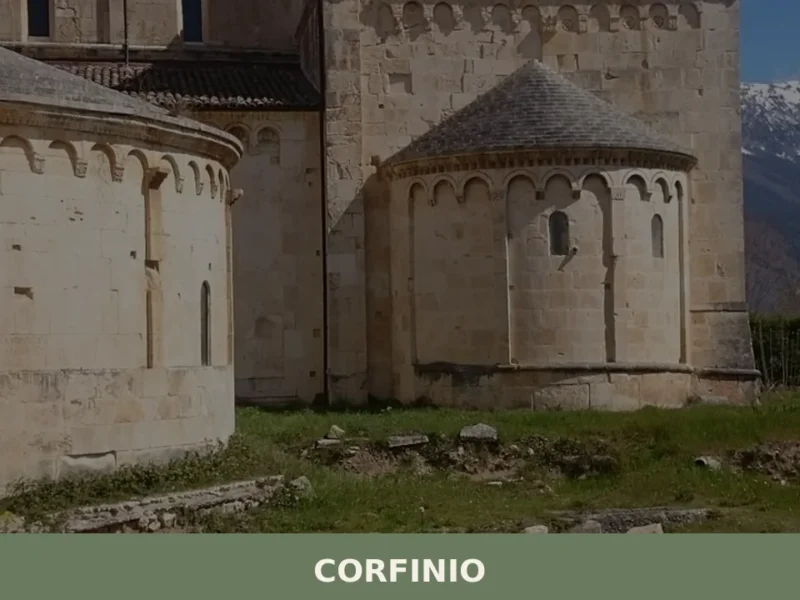
In Abruzzo More villages to discover
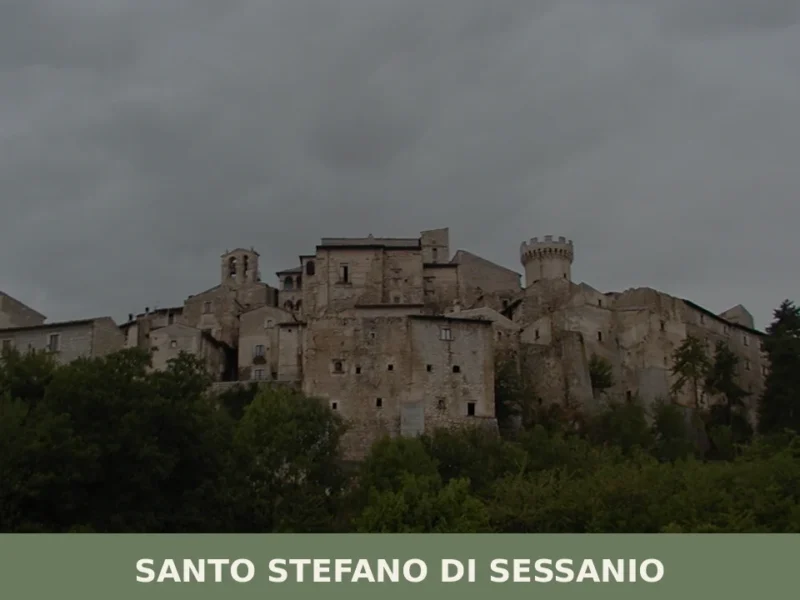
Santo Stefano di Sessanio
Mountain
What to see in Santo Stefano di Sessanio, Italy: Discover this medieval hill town at 1,250 m (4,101 ft) altitude. Explore its restored Sextantio Albergo Diffuso and taste the renowned gourmet lentils.
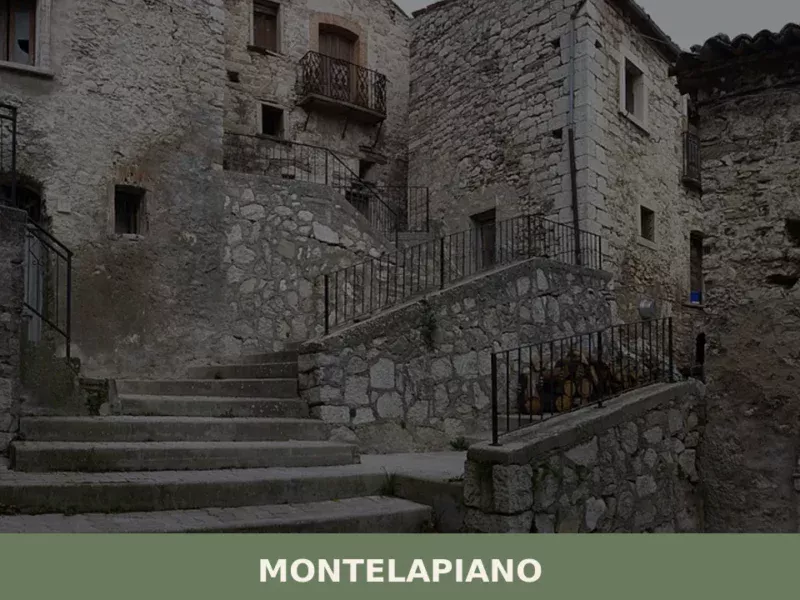
Montelapiano
Mountain
What to see in Montelapiano, a village of 75 inhabitants at 740 m above sea level. Discover the Church of San Bonifacio and the Colle Belvedere. Plan your visit to Abruzzo!
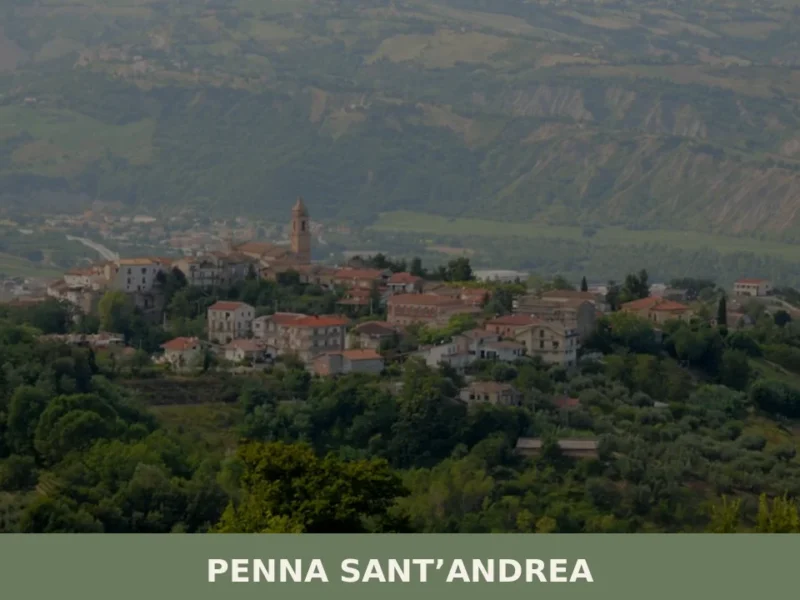
Penna Sant’Andrea
 Hills
Hills
What to see in Penna Sant'Andrea? Discover the 5 must-see attractions of this village in Abruzzo. Plan your visit now!
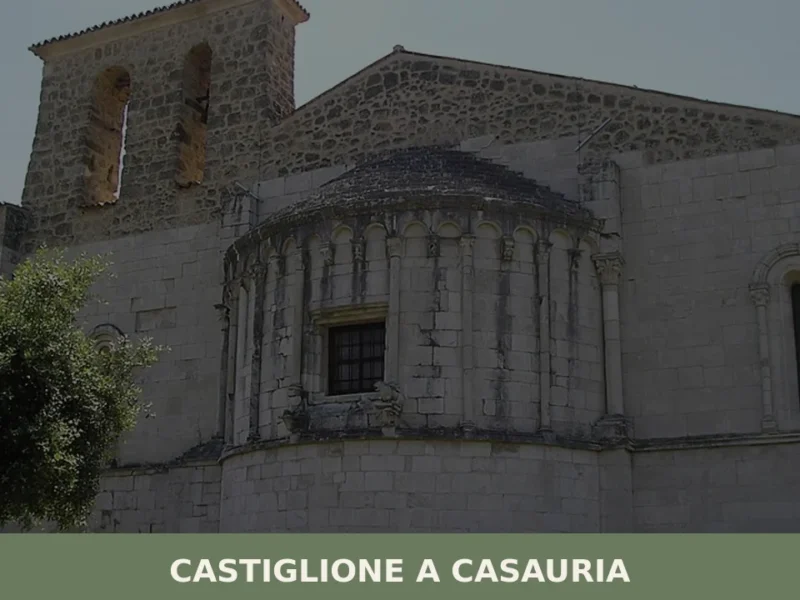
Castiglione a Casauria
Hills
The Abbey of San Clemente a Casauria, founded in 871 by Emperor Louis II, stands just a few hundred metres from the town centre and ranks among the most important Romanesque monuments in central Italy. It is this monastic presence that defines the identity of Castiglione a Casauria, a village of 701 inhabitants in the […]
Guilmi
Mountain
What to see in Guilmi, a hill village at 674 m in Chieti province with 408 residents. Visit the Church of San Nicola, the medieval centre and taste PAT products from the Frentani area.
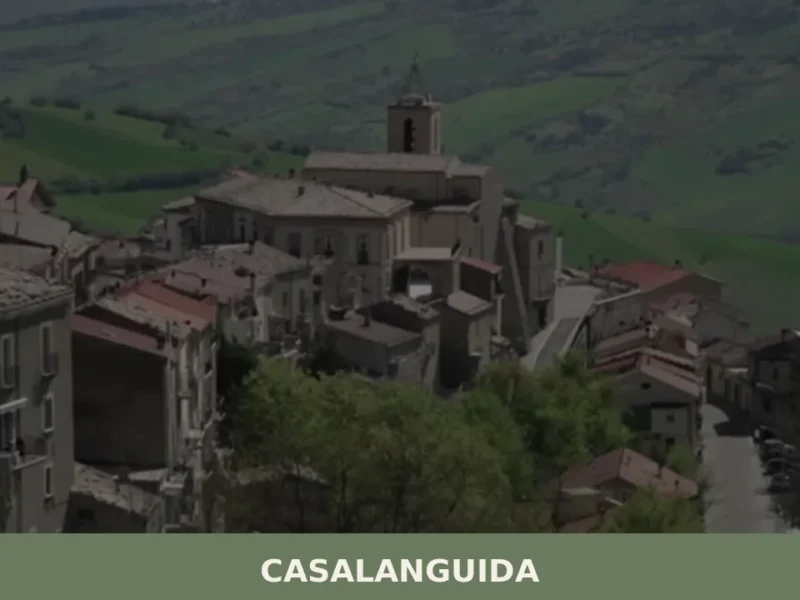
Casalanguida
Hills
With its 818 registered inhabitants and an elevation of 470 metres above sea level, Casalanguida occupies a hilltop ridge in the middle Sinello valley, in the province of Chieti. The municipal territory extends across vineyards and olive groves that mark the landscape with regular geometric patterns, visible from the provincial road that climbs up from […]
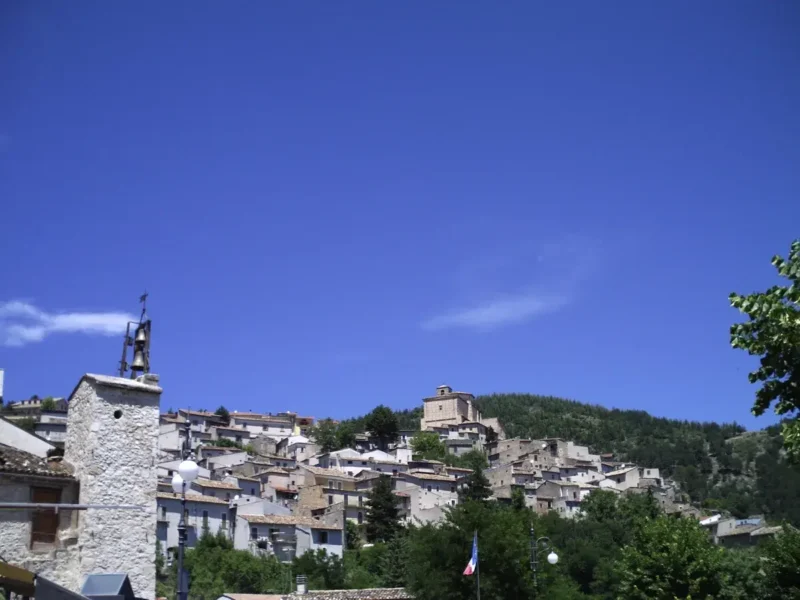
Secinaro
Mountain
what to see in secinaro, Italy: Explore this Abruzzese village at 859m (2,818 ft) above sea level, home to a unique meteor crater field and Monte Sirente's slopes.
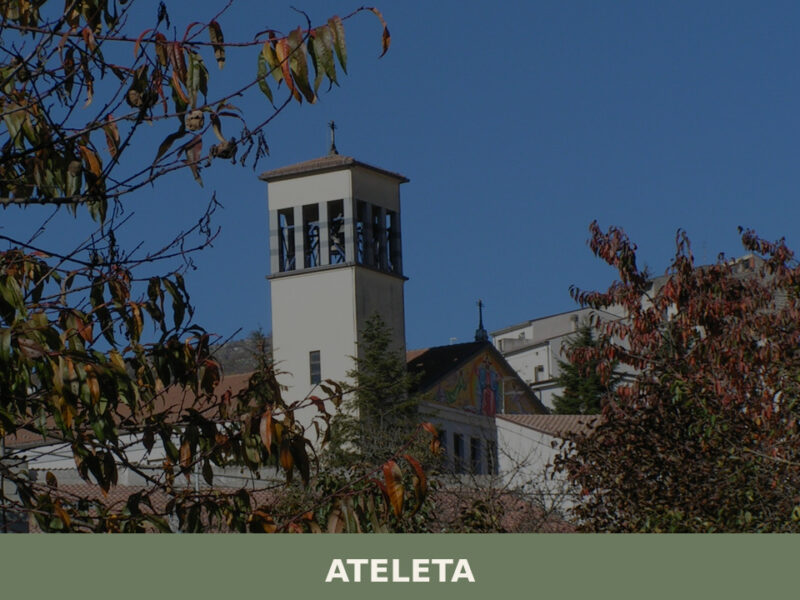
Ateleta
Mountain
Morning fog lifts off the Alto Sangro valley in slow, deliberate sheets, revealing stone houses arranged along a ridge at over 750 metres above sea level. The air carries woodsmoke and the faint sound of a church bell marking seven o’clock. Ateleta, a village of 1,157 inhabitants in the province of L’Aquila, occupies a quiet […]
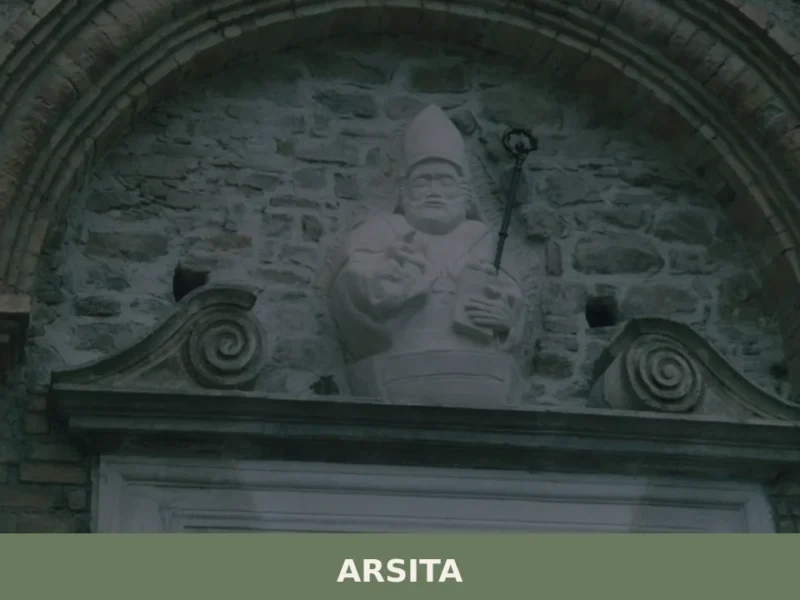
Arsita
Hills
Until 1905, this village was called Bacucco, a name likely derived from the Latin bacuca, which referred to olives that had fallen to the ground — a direct reference to the agricultural character of the area. Situated at 470 metres above sea level on the hills of the Teramo province, Arsita and its 733 inhabitants […]
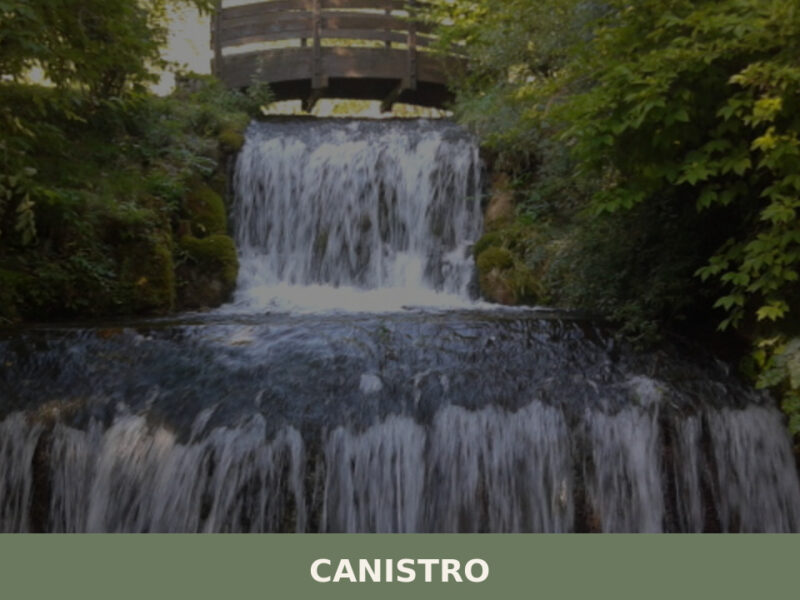
Canistro
Mountain
A village of mineral springs and stone alleys split between two elevations in the Valle Roveto. Here is what to see in Canistro, Abruzzo.




🏡 Know Gagliano Aterno better than we do?
If you’re a local or have been there, your knowledge matters: add what’s missing or fix a detail on this page.