


Prezza
 Mountain
What to see in Prezza, Italy: explore a medieval hilltop comune at 480 m, the Praesidium Winery, and the Church of Santa Lucia. Discover Abruzzo’s Valle Peligna.
Discover Prezza
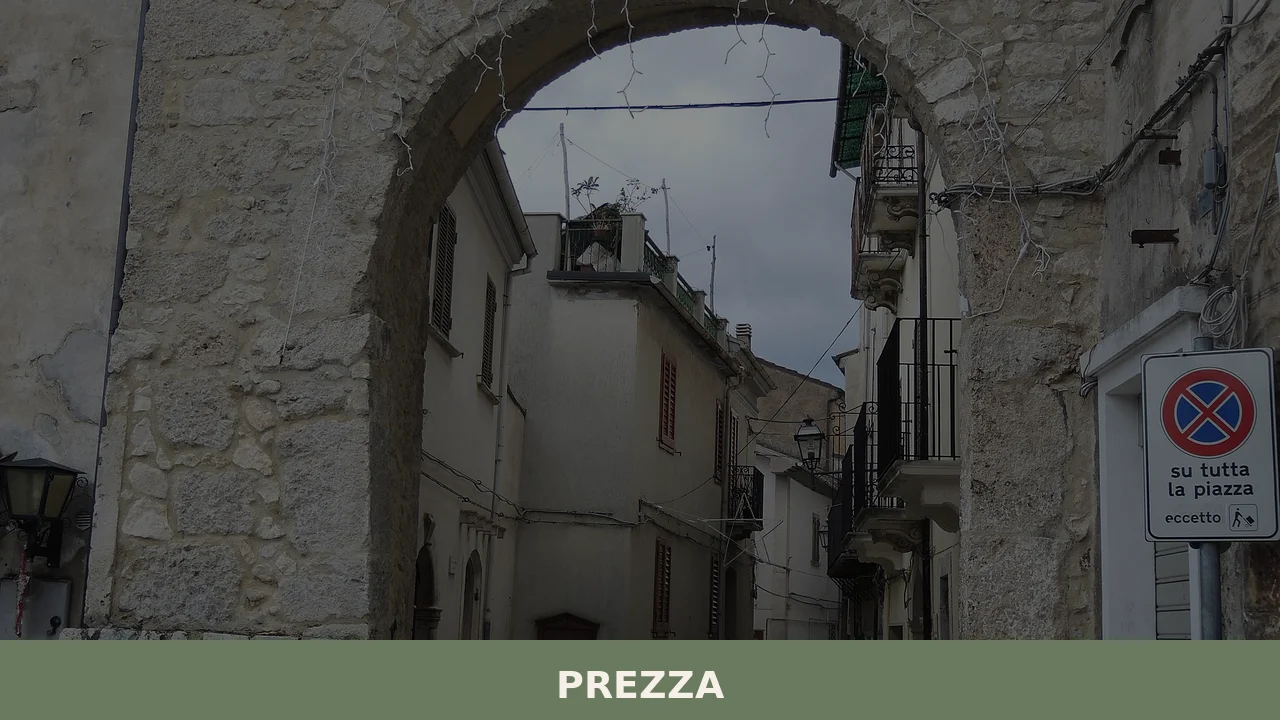
Stone arches cross the narrow lanes of Prezza at head height, their voussoirs cut from local material and fitted without mortar joints that show any movement after three centuries. The bell tower of the Church of Santa Lucia rises from the upper part of the village at an elevation of 480 m (1,575 ft) above sea level, the single structure that survived the earthquake of 1706 intact while everything around it collapsed. Below the ridge, the Valle Peligna opens into a flat agricultural basin framed by Apennine ridgelines on three sides.
Deciding what to see in Prezza is easier when the village’s compact size is understood: at just under 19.7 km² (7.6 sq mi) and with a population of 996 inhabitants, the entire historic centre can be covered on foot in a morning.
Visitors to Prezza find a medieval street plan that has kept its original layout, a winery whose name derives from the town’s documented Latin designation, and a calendar of religious and civic events anchored to the feast of Saint Lucia on 13 December. The following guide covers every documented attraction, the local food economy, and practical travel information for reaching Prezza, Abruzzo, Italy from the nearest major cities.
History of Prezza
Archaeological evidence places human activity in the Prezza area as far back as the Roman period, and medieval documents record the settlement under the name Pagus Laverna, a Latin designation that points to an organised community rather than an isolated farmstead. Some medieval sources also refer to the locality as Villa Carrene. The territory fell within the sphere of influence of the Abbey of San Clemente a Casauria, a major ecclesiastical institution that controlled land, labour, and tithing rights across much of the Peligna Valley during the early medieval centuries. By the ninth century, the Sansoneschi family had become involved in the feudal administration of the area alongside the monks of that same abbey.
During the central Middle Ages, Prezza developed into a fortified hill settlement serving a defensive function within the Valle Peligna.
The Catalogus Baronum, the twelfth-century survey of feudal obligations in the Norman Kingdom of Sicily, associates Prezza with the Counts of Celano and with the neighbouring commune of Raiano. In the fifteenth century, written sources occasionally name the place Praesidium, a Latin word meaning garrison or stronghold, which reflects the military role the settlement played in the wider territorial system. Another name recorded in feudal documents is Rocca di Sale, possibly connected to the collection of salt dues or local tithes, though the precise administrative function behind the name is not further specified in surviving records. The village of Cansano, which shares the same highland geography and the same medieval context of fortified Peligna settlements, lies within the same provincial zone and offers a point of comparison for visitors interested in how these communities developed in parallel.
The earthquake of 1706 restructured the physical fabric of Prezza decisively. The medieval castle and most of the older buildings were destroyed, and the town was rebuilt in the years that followed using the same network of lanes but with new structures replacing the collapsed ones. Only the bell tower of the Church of Santa Lucia remained standing.
The rebuilding preserved the medieval street plan — the vaulted passages, the stone portals, the irregular sequence of small squares — so that the spatial logic of the original fortified layout is still legible today. During World War II, local oral history records that residents of Prezza sheltered displaced persons and soldiers, a form of documented civilian solidarity in a region that saw significant military movement through the Apennine valleys.
What to see in Prezza, Abruzzo: top attractions
Church of Santa Lucia and its Medieval Bell Tower
The bell tower of the Church of Santa Lucia is the oldest standing structure in Prezza and the only element of the pre-1706 townscape to have survived the earthquake of that year without structural collapse. The church itself was rebuilt in the decades following the disaster, and the contrast between the tower’s older masonry and the reconstructed nave is visible at close range. Standing at the base of the tower, a visitor can observe where the original stonework ends and the post-earthquake construction begins. The church remains the principal religious building in the village and is the focal point of the annual feast on 13 December.
Access is from the upper part of the historic centre.
The Historic Centre and Medieval Street Plan
The layout of Prezza’s historic centre follows the defensive logic of a medieval hill settlement: lanes narrow toward the upper part of the village, stone arches bridge the gaps between facing buildings, and small squares interrupt the street pattern at irregular intervals. This plan survived the 1706 earthquake not in its buildings but in its geometry, so the rebuilt structures from the eighteenth century occupy the same footprints and follow the same alignments as their predecessors. Visitors covering the centre on foot will pass through vaulted passages low enough to require ducking and beneath portals whose carved surrounds date from different construction phases. The historic centre covers a compact area that rewards slow movement; the panoramic views over the Valle Peligna open at several points along the upper perimeter.
Praesidium Winery
The Praesidium winery takes its name directly from the fifteenth-century Latin designation of the commune, making it one of the few productive enterprises in the Italian wine sector whose brand is rooted in documented local historiography rather than invented heritage. The winery produces Montepulciano d’Abruzzo, the principal red wine variety of the region, from vineyards in the Valle Peligna.
Montepulciano d’Abruzzo is a DOC-classified wine, meaning production methods and grape sourcing are regulated. For those planning what to see in Prezza and wanting to understand the agricultural economy of the valley, a visit to the Praesidium winery adds a direct connection between the medieval name of the village and its present-day productive identity. Check current visiting hours before arrival, as winery schedules vary by season.
Valle Peligna Panoramic Viewpoints
Prezza sits at 480 m (1,575 ft) above sea level on the western edge of the Valle Peligna, and the ridge on which the village stands gives unobstructed views across the flat valley floor toward the Apennine ranges that close the horizon. The valley below is agricultural land, organised into field parcels visible from the upper lanes of the town. From the perimeter of the historic centre, the distance to Sulmona — 8 km (5 mi) to the east — can be judged by eye on clear days. The viewpoints require no special access and can be reached from multiple points along the upper streets.
Autumn, when the surrounding slopes change colour and haze is minimal, offers the most defined views of the valley and the mountain ridges beyond.
Open-Air Mural Project
In recent years, a mural project has added painted surfaces to walls throughout the village, each depicting episodes or themes drawn from local history. The murals function as a visual index of the community’s documented past — medieval nomenclature, agricultural life, events from the twentieth century — applied to the external walls of buildings along the lanes of the historic centre. For visitors moving through the streets, the murals provide context that is not available from architectural evidence alone, particularly for periods after the 1706 reconstruction when the built environment became more uniform. No single fixed route is marked, so the murals are encountered in sequence as the visitor moves through the town.
Local food and typical products of Prezza
The economy of Prezza has been agricultural and pastoral across all documented historical periods, and the food produced in and around the village reflects the resources of the Valle Peligna: vine cultivation, olive groves, garlic fields, and kitchen garden crops including artichokes. The valley’s position in the central Apennines, sheltered but at moderate elevation, creates growing conditions suited to both viticulture and the cultivation of aromatic alliums. The gastronomic identity of the area is closely tied to Sulmona, the principal town of the Peligna zone 8 km (5 mi) away, which has historically been the commercial centre for produce from the surrounding hill communes.
Among the documented local products, garlic and artichokes feature in the traditional diet alongside olive oil pressed from local groves.
The cooking of the Peligna area uses these ingredients in combination with pasta, legumes, and cured pork in ways that reflect the pastoral economy rather than a coastal or urban food tradition. Among traditional sweets, the sources document cioffe, fried dough preparations typical of Abruzzo’s inland festivals. The dough is shaped, fried in oil until it puffs, and dusted with sugar or honey; the result is consumed warm, generally at communal events rather than in daily domestic cooking.
The wine production of Prezza is anchored to Montepulciano d’Abruzzo, a DOC classification covering red wines produced from the Montepulciano grape across specified zones of the Abruzzo region. The Praesidium winery represents this production at the village level, and the wines it produces are the most directly associated with the Prezza name in commercial circulation.
Olive oil from the Valle Peligna is another documented product of the local agricultural economy, though no specific certification label is assigned to Prezza’s production in the available sources.
For visitors interested in buying local produce directly, the proximity of Sulmona — 8 km (5 mi) by road — means that the weekly markets and specialist food shops of that town are accessible as a complement to any purchases made in Prezza itself. The feast of Saint Lucia on 13 December brings food stalls and communal eating into the village streets, making mid-December a practical window for tasting local specialities in their festival context.
Festivals, events and traditions of Prezza
The central event in Prezza’s annual calendar is the feast of the patron saint, Saint Lucia, celebrated on 13 December. The festivities include religious processions through the lanes of the historic centre and local celebrations that draw both residents and visitors from neighbouring communes. Saint Lucia’s feast falls in early winter, a period when agricultural work has largely concluded for the season, which historically gave the celebration its social function as a communal gathering after the harvest cycle. The procession moves through the medieval street plan of the village, making the spatial structure of the centre a functional part of the ritual rather than simply a backdrop.
Beyond the December feast, the mural project represents a form of ongoing civic commemoration, with new panels added periodically to document community history.
The period of World War II, during which Prezza residents sheltered displaced persons and soldiers, is part of the local historical memory that the murals address. No other specific festivals with confirmed dates appear in the available sources for Prezza, though the broader Abruzzo region has a documented tradition of the sagra — a traditional local food festival centred on a specific product or dish — during late summer and autumn months. Visitors planning a trip around a specific event should verify current programming with the municipal authorities before arrival.
When to visit Prezza, Italy and how to get there
The best time to visit Prezza depends on what the visitor prioritises. Late spring, between May and June, brings mild temperatures at 480 m (1,575 ft) elevation and the valley’s agricultural landscape at its most active. Autumn, from September through November, offers cooler air, clearer visibility across the Valle Peligna, and the grape harvest period that is directly relevant to the Praesidium winery.
The feast of Saint Lucia on 13 December is the single most concentrated event in the village calendar and gives a specific date around which to organise a winter visit. Summer months are warm but manageable at this elevation, and the historic centre, with its shaded stone lanes, stays cooler than open ground. For international visitors asking about the best time to visit Abruzzo more broadly, the same spring and autumn windows apply across the region.
Prezza is accessible by car via the A25 Autostrada dei Parchi, the motorway that connects Rome to Pescara through the Apennines. The nearest practical exit is at Sulmona, 8 km (5 mi) to the east of Prezza. From Rome, the drive covers approximately 150 km (93 mi) and takes around 90 minutes under normal traffic conditions, making Prezza a realistic day trip from the capital for those with a car. The nearest major train station is Sulmona, served by Trenitalia on lines connecting to Rome (Tiburtina) and L’Aquila, 60 km (37 mi) to the northwest. From Sulmona station, Prezza is reachable by local road in under 15 minutes by car.
The nearest airport with scheduled international connections is Pescara Airport (Aeroporto Internazionale d’Abruzzo), approximately 90 km (56 mi) to the east, with a road transfer of roughly 60 to 75 minutes via the A25. Those arriving from L’Aquila, the provincial capital, cover 60 km (37 mi) southeastward along the same motorway. International visitors should note that English is not widely spoken in smaller shops and businesses in the Valle Peligna; carrying euro cash is practical, as card payment infrastructure in hill villages of this size is not always available at every point of sale.
For those organising a day trip from a nearby major city, Sulmona serves as the natural base. It has a wider range of accommodation and connects to Prezza in under 15 minutes by road. Visitors covering what to see in Prezza as part of a longer Abruzzo itinerary can combine the visit with a stop at Pescara, the region’s largest city on the Adriatic coast, reached in approximately 75 minutes from Prezza via the A25.
The hill communes of the Valle Peligna reward slow travel; planning two to three hours in Prezza is sufficient to cover the historic centre, the church, the viewpoints, and the murals at a considered pace.
Visitors extending their time in the area may find it worthwhile to reach Casalanguida, a hill commune in the Chieti province of Abruzzo, which shares the same regional tradition of small fortified settlements and locally produced wine. Closer to the Valle Peligna, the commune of Carpineto Sinello represents the wider Abruzzo pattern of compact stone villages that have maintained their pre-modern street layout into the present. Neither requires a major detour from a route that already includes Prezza among its stops.
📷 Photo Gallery — Prezza
Nearby Villages near Prezza
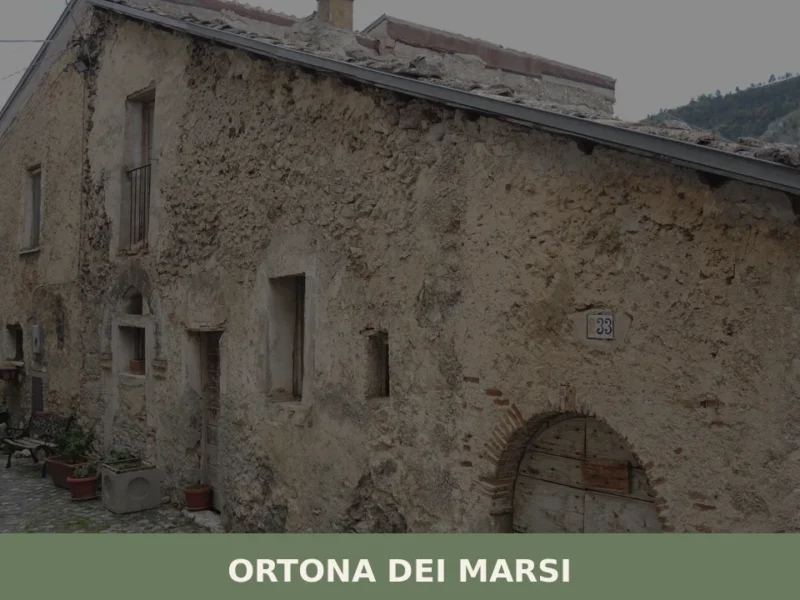
In Abruzzo More villages to discover
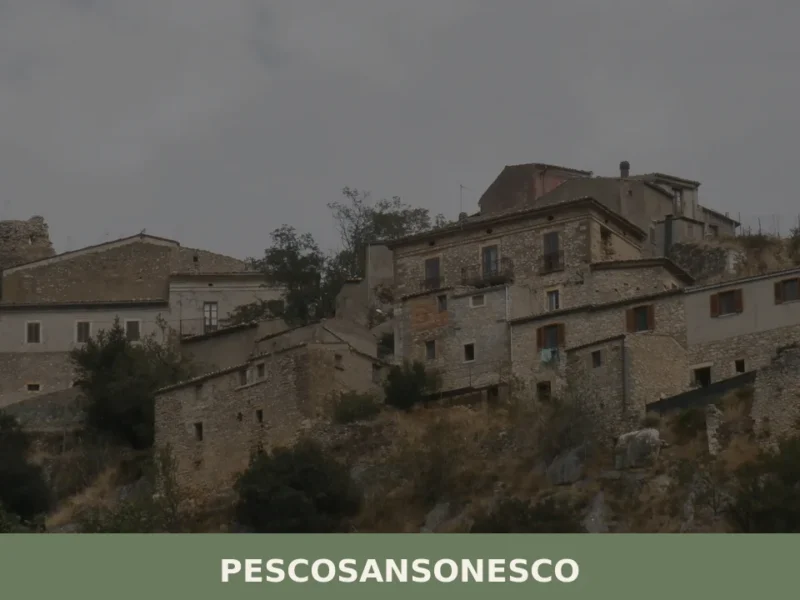
Pescosansonesco
Mountain
What to see in Pescosansonesco, Italy? Discover this village at 610 m altitude, exploring its ancient ruins and a renowned sanctuary. Read our guide.
Giuliano Teatino
 Hills
Hills
Giuliano Teatino is a small village in Abruzzo, in the province of Chieti. Discover its origins, monuments and how to visit: a practical guide to plan your trip.
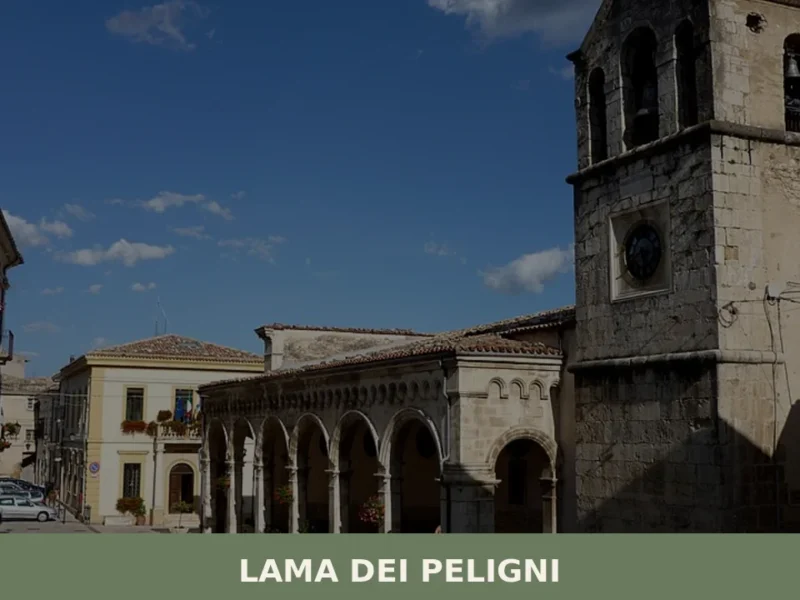
Lama dei Peligni
Mountain
What to see in Lama dei Peligni: village at 669 m, Grotta del Cavallone, Majella National Park trails and arrosticini PAT. Plan your visit with this complete guide.
Roccamontepiano
Hills
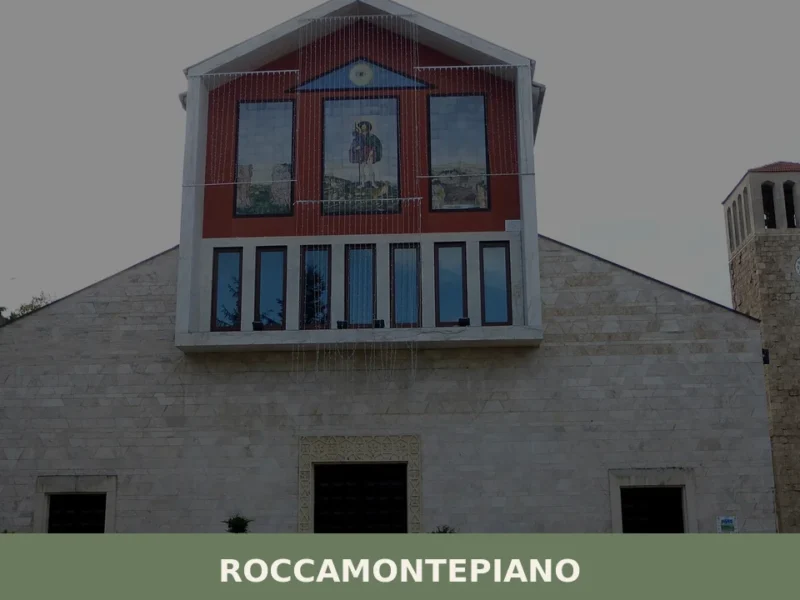
What to see in Roccamontepiano, Abruzzo, Italy: explore a hilltop village at 450 m with a 1765 landslide history. Discover the Saint Roch festival and more.
Civita d’Antino
Mountain
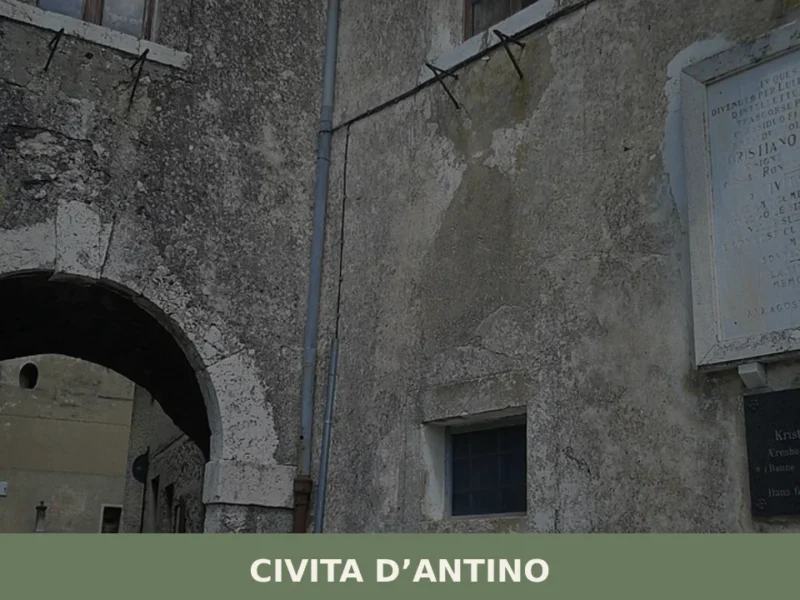
In 1878, the Danish painter Kristian Zahrtmann reached Civita d’Antino for the first time and decided to return every summer until 1911, turning this small town in the Valle Roveto into an artistic colony frequented by dozens of Scandinavian painters. Even today, anyone wondering what to see in Civita d’Antino will find traces of that […]
Pescocostanzo
Mountain
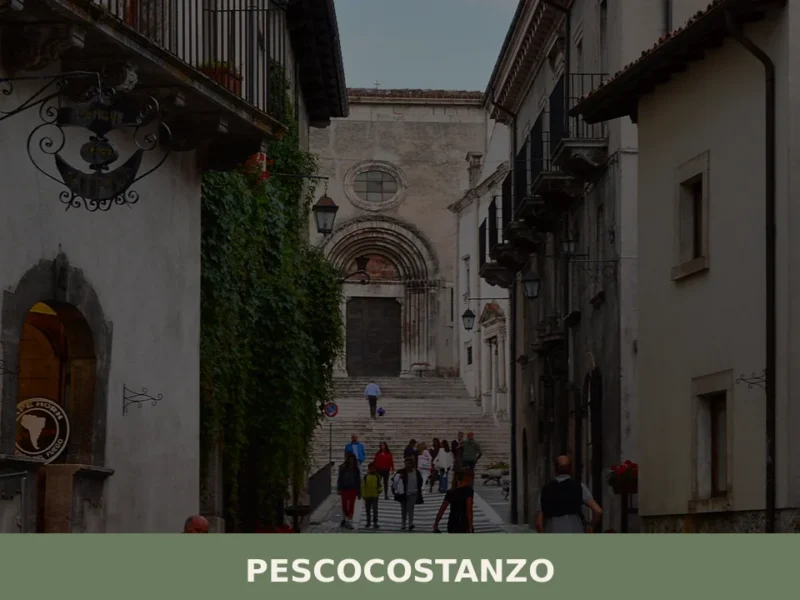
what to see in pescocostanzo offers a blend of mountain beauty and historical charm in Italy. Discover its 1,138 inhabitants, the Maiella National Park, and the Basilica di Santa Maria del Colle. Explore Abruzzo's heart.
Santa Maria Imbaro
 Sea
Sea
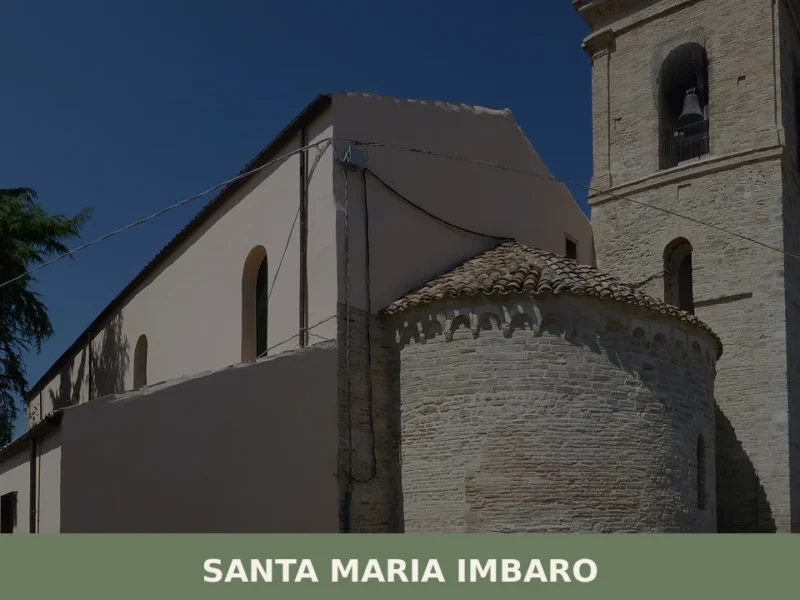
The hill that supports Santa Maria Imbaro stands out sharply against the outline of the Chieti countryside: the low rooftops, the local stone façades and the bell tower of the parish church form a compact silhouette that can be read from the provincial road, even before turning into the village. The local dialect calls it […]
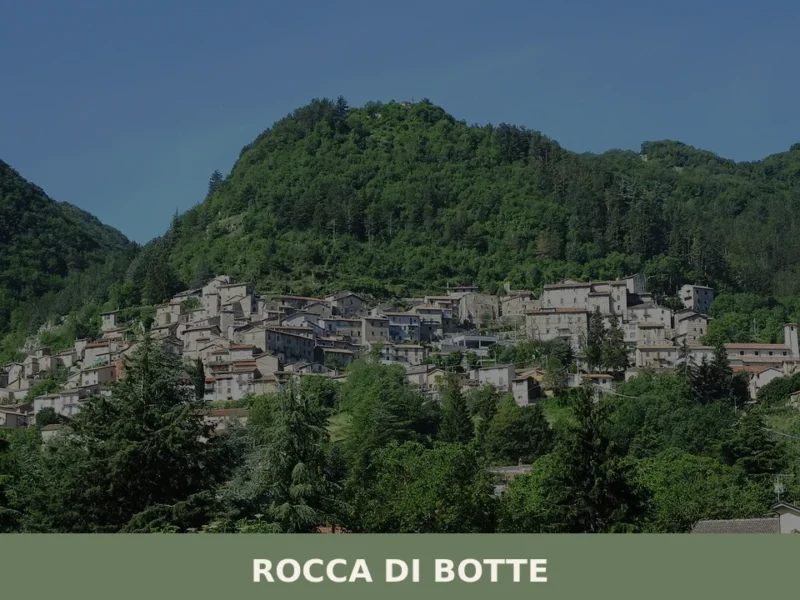
Rocca di Botte
Mountain
What to see in Rocca di Botte, Abruzzo, Italy: explore 5 top attractions, medieval history dating to the 12th century, and local food traditions. Discover it now.
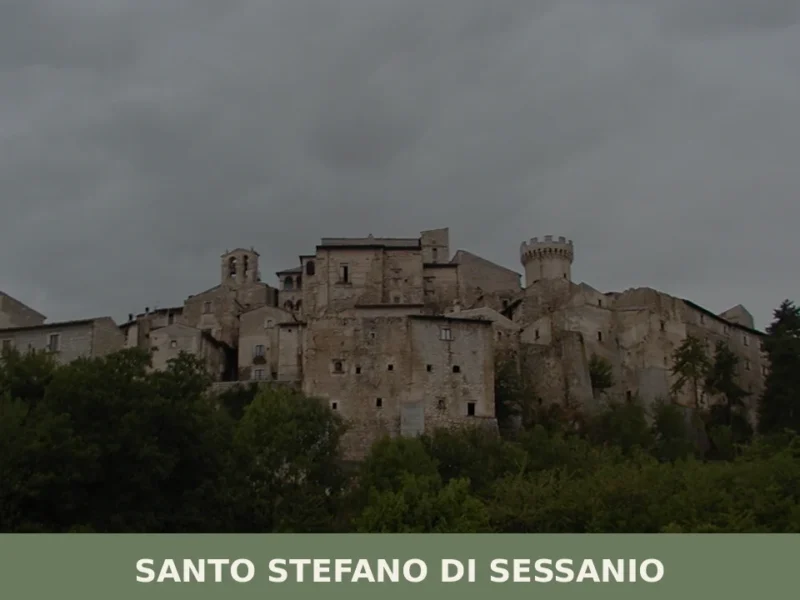
Santo Stefano di Sessanio
Mountain
What to see in Santo Stefano di Sessanio, Italy: Discover this medieval hill town at 1,250 m (4,101 ft) altitude. Explore its restored Sextantio Albergo Diffuso and taste the renowned gourmet lentils.
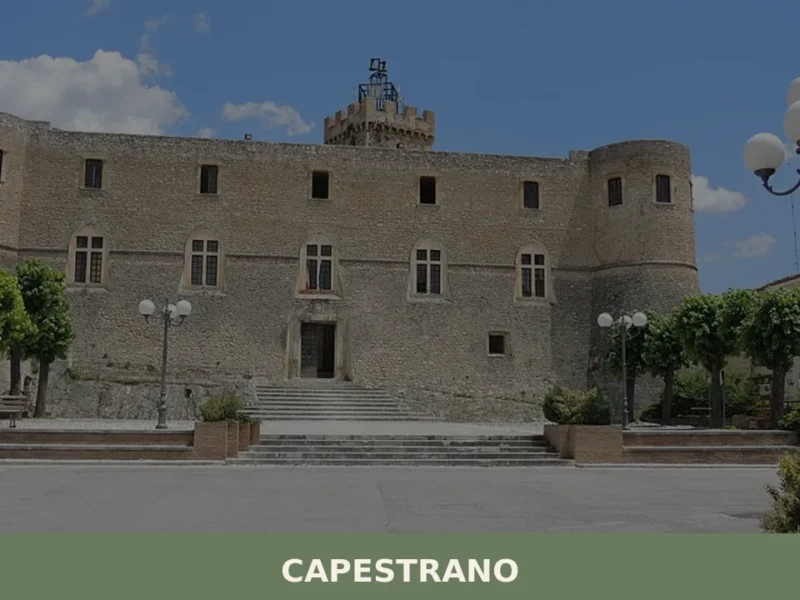
Capestrano
Hills
What to see in Capestrano? Discover the 5 top attractions, from Piccolomini Castle to the Warrior statue. Plan your visit to this Abruzzo village.


🏡 Know Prezza better than we do?
If you’re a local or have been there, your knowledge matters: add what’s missing or fix a detail on this page.