


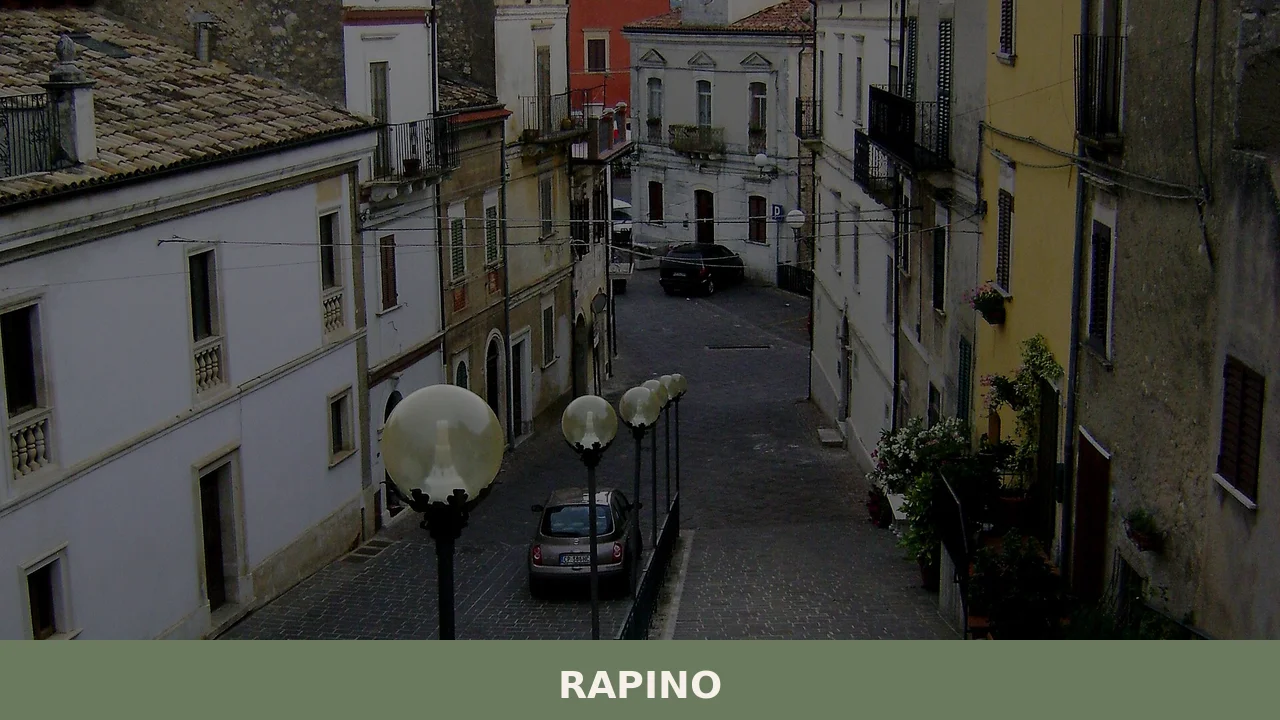
Rapino
 Hills
Hills
What to see in Rapino: discover the 5 top attractions in this Abruzzo village, from the castle to traditional ceramics. Plan your visit.
Discover Rapino
Clay worked on the wheel leaves a faint, almost imperceptible mark on the fingers, one that tells more than any inscription.
In Rapino this material has built a solid reputation over time: the village’s ceramic workshops have fed commercial trade with the Chieti hinterland for centuries, and their products — jugs, plates, glazed amphorae — can still be found today in the regional markets of inland Abruzzo.
The village, situated in the province of Chieti, is part of that hill system separating the Adriatic coastal strip from the first foothills of the Maiella, and its material history can be read in the walls, the kilns, and the collections of the local museum.
What to see in Rapino is a question answered by at least five distinct places: the Ceramics Museum, the Grotta del Colle with its archaeological finds, the Torre del Colle dominating the hilly landscape, the olive-growing areas that have earned the village the title of Città dell’olio, and the urban fabric of the historic centre with its local stone architecture.
The village has 1,337 inhabitants and is located in the province of Chieti.
Those who come to Rapino find a village whose economy revolves primarily around tourism, supported by a threefold vocation: ceramic craftsmanship, archaeological heritage, and olive production.
History and origins of Rapino
The documented roots of Rapino stretch back to the pre-Roman era, as attested by the materials found in the Grotta del Colle, a site that has yielded votive objects and everyday items traceable to the Italic peoples who inhabited the Chieti hinterland before the Roman conquest.
This archaic presence is no marginal detail: it explains why the village developed such a deeply rooted ceramic specialisation, since the working of local clay dates back to extremely ancient craft practices, handed down through techniques that the centuries have modified without ever interrupting.
The area was frequented by peoples who knew the territory well — its clay quarries, the routes towards the Adriatic coast.
During the Middle Ages Rapino followed the fortunes of the hill-top centres of Abruzzo, becoming part of the feudal system that characterised the province of Chieti between the 10th and 14th centuries.
The Torre del Colle, a defensive structure that still stands on the municipal territory today, belongs to this historical phase: it was built to serve as a watchtower and to control the surrounding land, in a period when inland villages had to secure effective defences against raids and rivalries between local lordships.
The settlement pattern that resulted — compact houses clustered around an elevated core, narrow streets, controlled access points — is still legible in the morphology of the historic centre.
A similar context can be found in the urban layout of Corfinio, likewise marked by historical stratifications spanning the Italic age and the medieval period.
In the modern era Rapino underwent the demographic and economic transformations common to many centres of inland Abruzzo, with a gradual contraction of the population and a shift in productive activity towards tourism and quality craftsmanship.
Until 2013 the village was part of the Comunità montana della Maielletta, an administrative body grouping the municipalities of the hill district around the Maiella to jointly manage services, resources and local development.
Its dissolution reshaped the institutional relationships of the territory, but did not alter the identity of the village, which has continued to rely on ceramics and tourism as the cornerstones of its economy.
What to See in Rapino: Main Attractions
Ceramics Museum
The display cases of the Ceramics Museum of Rapino house examples that document the evolution of a centuries-old artisan production: jugs with geometric decorations, plates enamelled in green and brown, amphorae with stylised floral motifs that echo the influences of the southern Mediterranean filtered through the Abruzzo tradition.
The museum collects pieces spanning an extended period of time, from the simplest everyday domestic objects to more elaborate productions intended for regional markets.
Rapino is recognised as one of the most important ceramic centres in inland Abruzzo, and this exhibition space preserves its material memory with continuity.
Those who enter will find a logical progression among the displayed materials: one can understand how firing techniques changed over time, and how the pigments used for decorations incorporated external influences without losing their local character.
The museum is located in the historic centre of the village and is accessible on foot from the main car park; for updated opening times and admission details, it is advisable to consult the official website of the Municipality of Rapino.
Grotta del Colle
The Grotta del Colle is a natural cavity that, in the course of archaeological excavations conducted in the territory of Rapino, has yielded votive materials and grave goods datable to the Iron Age and subsequent periods.
The rocky walls of the cave have preserved traces of human activity dating back to pre-Roman times, when the site most likely served a ritual function for the Italic populations of the area.
The finds brought to light include ceramics, metals and organic remains that scholars have used to reconstruct the religious and daily practices of these communities.
The site is situated on a hillside, a short distance from the village, and the configuration of the terrain makes it clear why this cavity was chosen as a place of deposition: sheltered, partially concealed, and naturally separated from the inhabited space of the settlement.
Those who approach the cave walk along a stretch of path that passes through the scrub and woodland vegetation typical of the Chieti hills; spring and autumn offer the best conditions for a visit, with mild temperatures and light that is favourable for reading the landscape.
Torre del Colle
The Torre del Colle rises on a ridge that affords an open view towards the valley below and towards the first spurs of the Maiella: from this position, in medieval times, it was possible to monitor movement along the road routes connecting the hinterland to the Adriatic coast.
The structure, built in local stone, displays the construction characteristics of Abruzzo’s medieval watchtowers — a solid base, a contained vertical development, materials quarried on site — and represents one of the few defensive elements of the municipal territory still recognisable in their original form.
The tower stands close to the Grotta del Colle, which suggests that the entire Colle area held a strategic and symbolic role in the life of the village from antiquity onwards.
Reaching the tower requires a walk on foot from the village centre; the elevation gain is moderate, but the walk offers progressive views of the hilly landscape that open up at every bend in the path.
Historic Centre and Urban Architecture
The historic core of Rapino preserves the urban layout of Abruzzo’s medieval hilltop villages: narrow alleyways between limestone buildings, sculpted doorways marking the entrance to the oldest dwellings, sudden open spaces that reveal views over the surrounding countryside.
The façades reveal different constructional layers — courses of irregular stone on the lower floors, brickwork on the upper storeys added in later periods — and tell the story of the phases of expansion and reconstruction that the village underwent between the 14th and 19th centuries.
Walking through the historic centre means passing in front of the workshops where some craftspeople still work clay using traditional techniques, keeping alive a productive cycle that runs from the extraction of raw material through to firing in the kiln and sale.
The concentration of these activities within the historic perimeter of the village is one of the elements that sets Rapino apart from neighbouring centres.
Those visiting Rapino can extend their itinerary towards Chieti, the provincial capital a few kilometres away, where the National Archaeological Museum of Abruzzo preserves some of the materials recovered from excavations in the territory.
Olive-Growing Territory and Rural Landscape
The title of Città dell’olio awarded to Rapino recognises a productive specialisation measured in cultivated hectares, native olive varieties, and a harvesting system that still follows the traditional seasonal calendar, with hand-picking taking place between October and November. The olive groves extend across the hills surrounding the village,
drawing an agricultural terraced landscape that alternates rows of olive trees with wooded areas and small seasonal watercourses.
Walking through these olive groves allows you to observe up close the oldest trees, whose twisted trunks bear witness to decades of slow growth in a clay-limestone soil that characterises the hilly belt around Chieti.
The oil produced in Rapino is part of a tradition widespread throughout southern Abruzzo, documented at least from the medieval period, when olive groves were assets recorded in ecclesiastical and feudal land registers.
The agrarian landscape has a legibility of its own: the ancient terraces, the dry-stone walls that hold the earth in place, the paths between the rows form a system built over centuries that deserves as much attention as the architecture of the historic centre.
Typical cuisine and products of Rapino
The cuisine of the Rapino area belongs to the gastronomic tradition of inland hilly Abruzzo, a cuisine historically based on locally produced ingredients and preservation techniques developed to survive seasonal cycles.
The influence of transhumant pastoralism, which for centuries crossed these territories along the drove roads connecting Abruzzo to Puglia, is reflected in the abundant use of sheep meat, hard cheeses and dried legumes.
The proximity to the Maiella has also brought mushrooms, wild herbs and black truffle into the local culinary repertoire, gathered in the surrounding woodlands and used as seasoning in simple preparations, without complex elaboration.
Among the dishes that characterize the local table, pasta alla chitarra remains the most representative preparation: an egg pasta format cut with a traditional instrument that produces square-section spaghetti, dressed with lamb ragù or with tomato sauce and aged pecorino.
Scrippelle, thin crêpes made of flour and egg, are served in chicken broth or stuffed and gratinated, in a tradition shared by several centres in the province of Chieti.
Lamb main courses — roasted, grilled, or prepared with potatoes and rosemary in a terracotta dish — form a cornerstone of the winter and spring menu.
Cooking in clay containers, a practice still alive in some families of the village, harks directly back to the local ceramic tradition: oven and table meet in the same material.
The extra virgin olive oil produced in the Rapino area is the element that runs transversally through all local cuisine: it is used raw over legumes, for frying baccalà fritters during the Christmas period, and as a base for sautéed spring wild vegetables.
The village does not have a specific DOP certification for its own oil, but olive production is documented and recognised by the Città dell’olio mark, which attests to the quantitative and qualitative importance of cultivation in the municipal territory.
Anyone looking to purchase local oil should turn directly to producers in the area or to the seasonal markets held in the village.
The most favourable season for approaching local cuisine in public settings is autumn, when the olive harvest coincides with festivals and gastronomic events that bring the fresh seasonal produce to the table.
Aged pecorino cheeses, available from local producers or in the shops of the historic centre, accompany meals with a savouriness that varies according to the ageing period — cheeses matured for at least 90 days have a drier texture and a more pronounced flavour compared to young ones, consumed within 30 days of production.
Festivals, events and traditions of Rapino
Rapino maintains a calendar of events linked to ceramic production, which constitutes the identity thread of the village in the Abruzzo tourism landscape.
Exhibitions and displays by ceramic artisans are concentrated in the summer months, when the flow of visitors is at its highest and the historic centre becomes an open-air exhibition space.
The workshops open their doors, the works are put on sale, and for a few weeks the village takes on the role of a showcase for a craft that otherwise lives mainly within local circuits.
This type of event directly connects the festive calendar to the productive economy of the village, in a bond that is historically documented and continues to structure public life in Rapino.
The olive-growing tradition is expressed instead in autumn, with initiatives linked to the harvest and the first pressing of the oil.
The events of this period allow visitors to follow the stages of the supply chain firsthand: from the manual picking of olives on the hillside farms to the milling at local production facilities.
The olive oil cycle has a ritual significance that goes beyond simple economic production: it marks the transition from the warm season to the cold one, gathers families around collective work, and produces a food that for months will be at the centre of the daily table.
For updated information on the precise dates of annual events, the correct reference is the official website of the Municipality of Rapino.
When to Visit Rapino and How to Get There
The most balanced time to visit Rapino is spring — between April and June — when hillside temperatures remain between 15 and 22 degrees Celsius, the olive grove vegetation is in full leaf, and the paths leading to the Grotta del Colle and the Torre del Colle can be walked without difficulty.
Autumn, from September to November, offers a second favourable window, coinciding with the olive harvest and a more intimate atmosphere compared to summer.
Summer brings the peak of ceramic events but also the highest temperatures, which can make visiting outdoor sites tiring during the central hours of the day.
Winter is not recommended for those wishing to explore the rural territory, but the historic centre and the museum remain accessible.
To reach Rapino by car, the most direct connection from the A14 motorway involves exiting at the Lanciano toll gate, followed by a journey of approximately 25 km inland along the provincial road that climbs the valley towards the Chieti hills.
From the city of Chieti the distance is approximately 30 km, covered in 35–40 minutes.
The nearest railway station is Lanciano, served by the Adriatic line; from there it is necessary to continue by car or local transport services.
The reference airport is the Abruzzo International Airport in Pescara, approximately 50 km from Rapino, reachable in about an hour’s drive. For updated timetables and connections for regional public transport, the reference portal is Trenitalia.
| Departure point | Distance | Estimated time |
|---|---|---|
| Lanciano (A14 toll gate) | approximately 25 km | 30 minutes |
| Chieti city | approximately 30 km | 35–40 minutes |
| Pescara Airport | approximately 50 km | 55–65 minutes |
Those planning a broader itinerary through inland Abruzzo can include in their route Carapelle Calvisio, a village in the province of L’Aquila that shares with Rapino a dedication to enhancing the historical and landscape heritage of the Abruzzo hinterland, or venture towards Cagnano Amiterno, in the upper Aterno valley, where the mountain landscape offers a sharp contrast to the olive-growing hills of the Chieti area.
Both destinations can be reached in under two hours from Rapino, travelling along state roads that pass through some of the most striking landscapes of central Abruzzo.
Frequently asked questions about Rapino
What is the best time to visit Rapino?
Spring (April–June) and autumn (September–November) are the ideal seasons: mild temperatures make walking through the historic centre and reaching the Grotta del Colle and Torre del Colle comfortable. Autumn also coincides with the olive harvest (October–November), offering a chance to see traditional hand-picking in the groves. The feast of the patron saint San Lorenzo Martire falls on 10 August, when the village celebrates with local festivities — a lively period to visit, though summer heat at 420 m is generally manageable.
What are the historical origins of Rapino?
Rapino's documented roots reach back to the pre-Roman Iron Age, as confirmed by votive objects and grave goods found in the Grotta del Colle, attributable to the Italic peoples of the Chieti hinterland. Ceramic production in local clay dates to these ancient craft practices. During the Middle Ages the village entered the feudal system of the province of Chieti (10th–14th centuries), giving rise to the compact hilltop settlement and the defensive Torre del Colle, still visible today.
What to see in Rapino? Main monuments and landmarks
The five main attractions are: the Ceramics Museum in the historic centre, housing centuries of local ceramic production (check current hours on the Municipality of Rapino's official website); the Grotta del Colle, a pre-Roman ritual cave reachable by a short hillside path; the medieval Torre del Colle with panoramic views towards the Maiella; the historic centre with stone architecture and active craft workshops; and the olive-growing terraced landscape recognised by the Città dell'olio designation.
What are the main natural or scenic attractions of Rapino?
Rapino sits at 420 m on the hill system between the Adriatic coast and the Maiella foothills, offering an open agrarian landscape of olive groves, dry-stone terraces and wooded hillsides. The path to the Grotta del Colle passes through scrub and woodland typical of the Chieti hills. The ridge on which the Torre del Colle stands provides views across the valley and towards the first spurs of the Maiella. Spring and autumn offer the best light and temperatures for exploring these outdoor spaces.
Where to take the best photos in Rapino?
The ridge where the Torre del Colle stands offers the widest panoramic views: the valley below and the Maiella foothills in the background make for a strong landscape composition. The terraced olive groves surrounding the village — best photographed during the October–November harvest — provide characteristic agrarian scenery. Within the historic centre, the sculpted stone doorways of the oldest buildings and the narrow alleyways framing views over the countryside are reliable subjects in the early morning or late afternoon light.
Are there museums, churches or historic buildings to visit in Rapino?
The Ceramics Museum of Rapino, located in the historic centre and accessible on foot from the main car park, is the principal indoor attraction: it documents the full arc of local ceramic production from everyday domestic objects to elaborately glazed regional-market wares. For updated opening hours and admission fees, consult the official Municipality of Rapino website. The Torre del Colle is a medieval defensive structure still recognisable in its original form, reachable by a moderate uphill walk from the village centre.
What can you do in Rapino? Activities and experiences
Visitors can walk the footpath to the Grotta del Colle and Torre del Colle for archaeology and landscape; explore active ceramic workshops in the historic centre where craftspeople still work clay on the wheel using traditional techniques; and follow the olive-grove trails during the October–November harvest season. The village's position also makes it a practical base for a day trip to Chieti (provincial capital), where the National Archaeological Museum of Abruzzo holds materials from excavations across the territory.
Who is Rapino suitable for? Families, couples, hikers, solo travelers?
Rapino suits culturally curious travellers of all ages. Families with older children will appreciate the Ceramics Museum and the archaeological cave. Couples looking for a quiet hilltop retreat benefit from the scenic olive-grove walks and the intimate historic centre. Hikers find the paths to the Torre del Colle and Grotta del Colle accessible without specialist equipment. Food and craft enthusiasts are drawn by ceramic workshops and the olive-oil tradition. The village is less suited to those seeking beach tourism or nightlife.
What to eat in Rapino? Local products and specialties
Rapino holds the Città dell'olio designation, reflecting a documented olive-oil tradition rooted in the medieval period when olive groves were recorded in ecclesiastical land registers. The local oil, produced from native varieties on clay-limestone hillside soils, is the primary food product associated with the village. More broadly, the cuisine belongs to the inland Abruzzo hill tradition: historically built on locally grown ingredients and preservation techniques shaped by transhumant pastoralism — a culinary culture shared with the wider Chieti hinterland.
📷 Photo Gallery — Rapino
Nearby Villages near Rapino
In Abruzzo More villages to discover
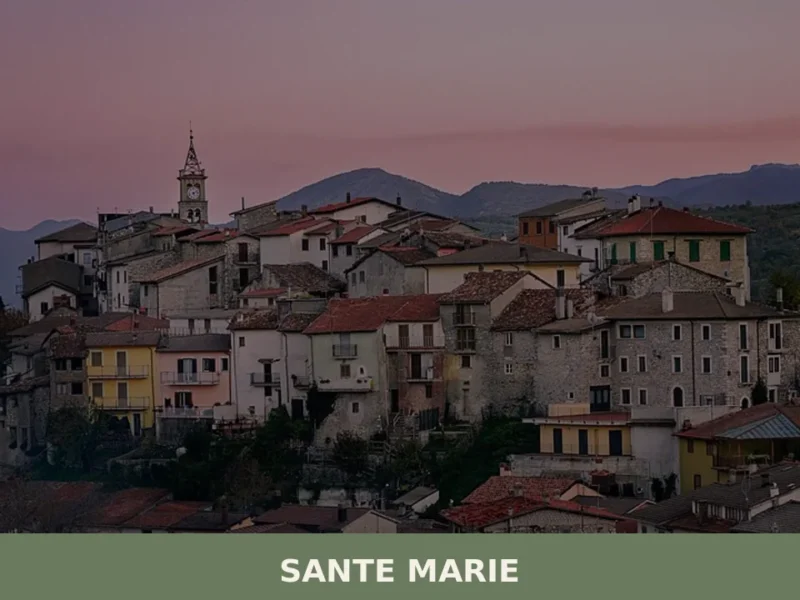
Sante Marie
 Mountain
What to see in Sante Marie? Discover the 5 must-see attractions, from the historic village to the trails. Plan your visit to Abruzzo!
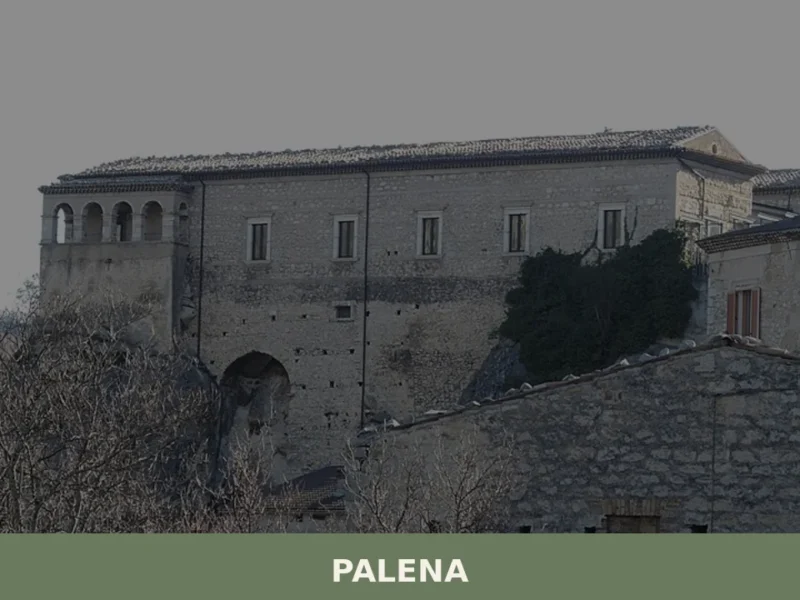
Palena
Mountain
What to See in Palena: discover 5 must-see attractions, from the Ducal Castle to the Marsican Bear Museum. Plan your visit and taste local products.
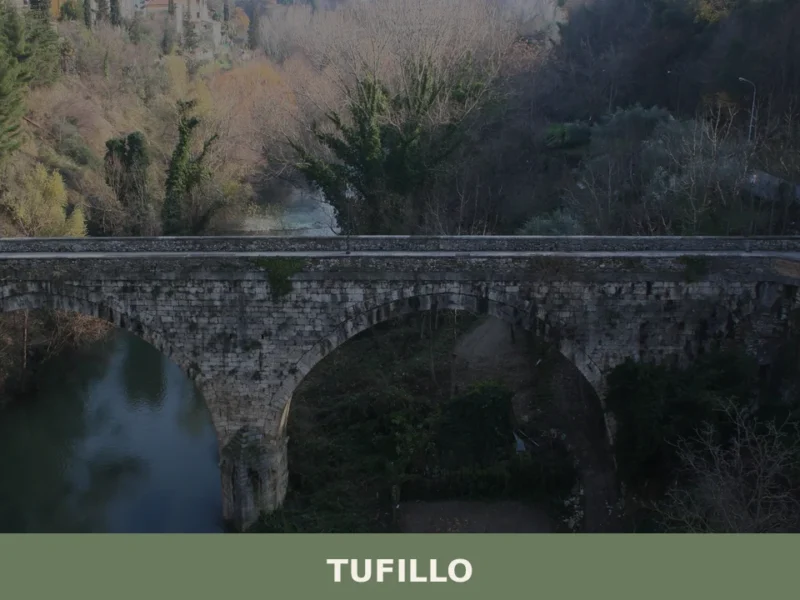
Tufillo
Hills
What to see in Tufillo, Abruzzo, Italy: a village of 456 inhabitants in the Province of Chieti. Discover top attractions, local food, and how to get there.
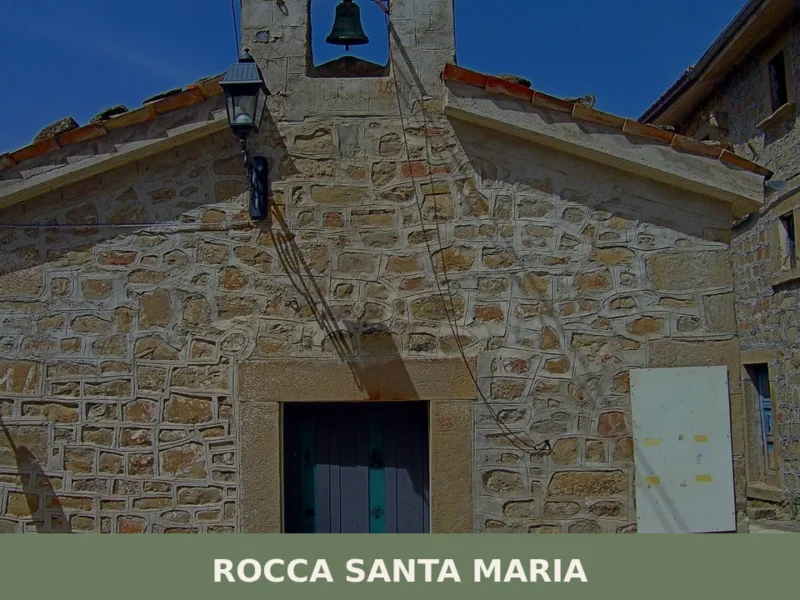
Rocca Santa Maria
Mountain
what to see in rocca santa maria, Italy. Explore a village of 560 inhabitants within Gran Sasso e Monti della Laga National Park. Discover its mountain frazioni and natural beauty.
Civitella Alfedena
 Lake
Mountain
Lake
Mountain
At 1123 metres above sea level, on the southern slopes of the Abruzzo, Lazio and Molise National Park, Civitella Alfedena is home to just 285 residents — fewer than a single apartment block in Rome — spread along an urban core that retains its medieval defensive layout, complete with stone portals and covered passageways. Asking […]
Filetto
Hills
Filetto, a settlement of 854 inhabitants, is located at 403 meters above sea level in the heart of the province of Chieti. This settlement, documented in historical sources dating its presence back to the medieval era, extends across a hill overlooking the Foro Valley. Its urban layout reflects the layering of different periods, with buildings […]
Roccamontepiano
Hills
What to see in Roccamontepiano, Abruzzo, Italy: explore a hilltop village at 450 m with a 1765 landslide history. Discover the Saint Roch festival and more.
Salle
Mountain
From its elevation of 680 m (2,231 ft) above sea level, the village of Salle overlooks the Orta Valley, where the river carves through limestone gorges towards the Majella massif. Stone houses, built from local materials, cluster tightly along ancient pathways, revealing centuries of human habitation in this mountainous landscape. The air often carries the […]
Anversa degli Abruzzi
Hills
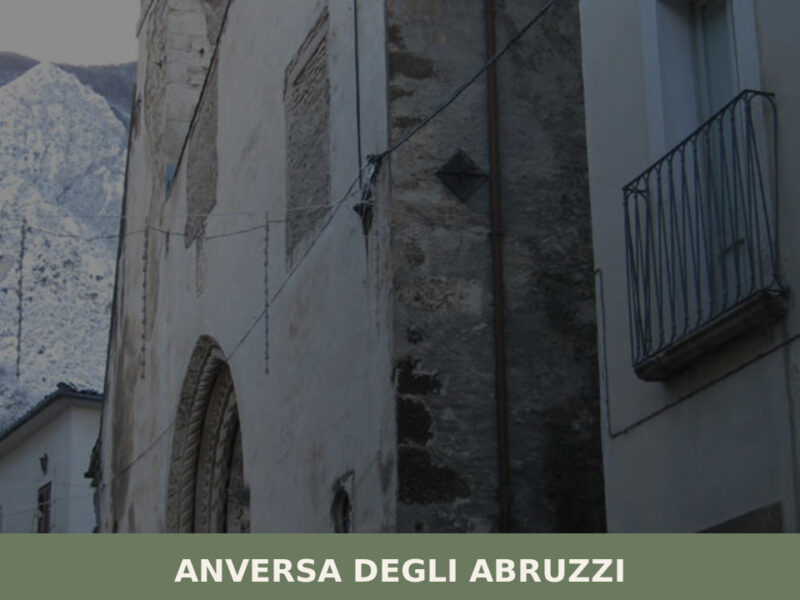
Morning light strikes the limestone walls of the old quarter at an angle that turns them the colour of raw honey. Below, the Sagittario Gorge drops away — a vertical wound in the rock that swallows sound. The air carries a faint mineral chill even in July. With only 368 residents, Anversa degli Abruzzi holds […]
Santa Maria Imbaro
 Sea
Sea
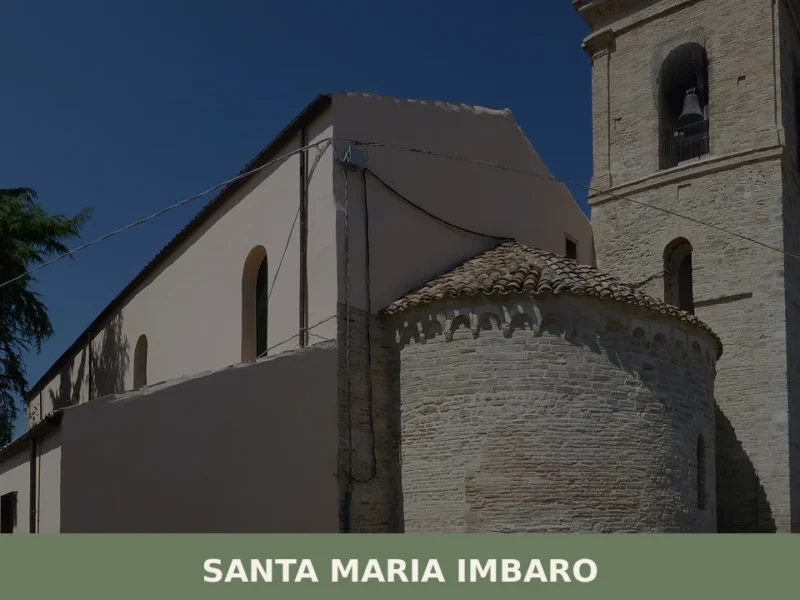
The hill that supports Santa Maria Imbaro stands out sharply against the outline of the Chieti countryside: the low rooftops, the local stone façades and the bell tower of the parish church form a compact silhouette that can be read from the provincial road, even before turning into the village. The local dialect calls it […]



🏡 Know Rapino better than we do?
If you’re a local or have been there, your knowledge matters: add what’s missing or fix a detail on this page.