


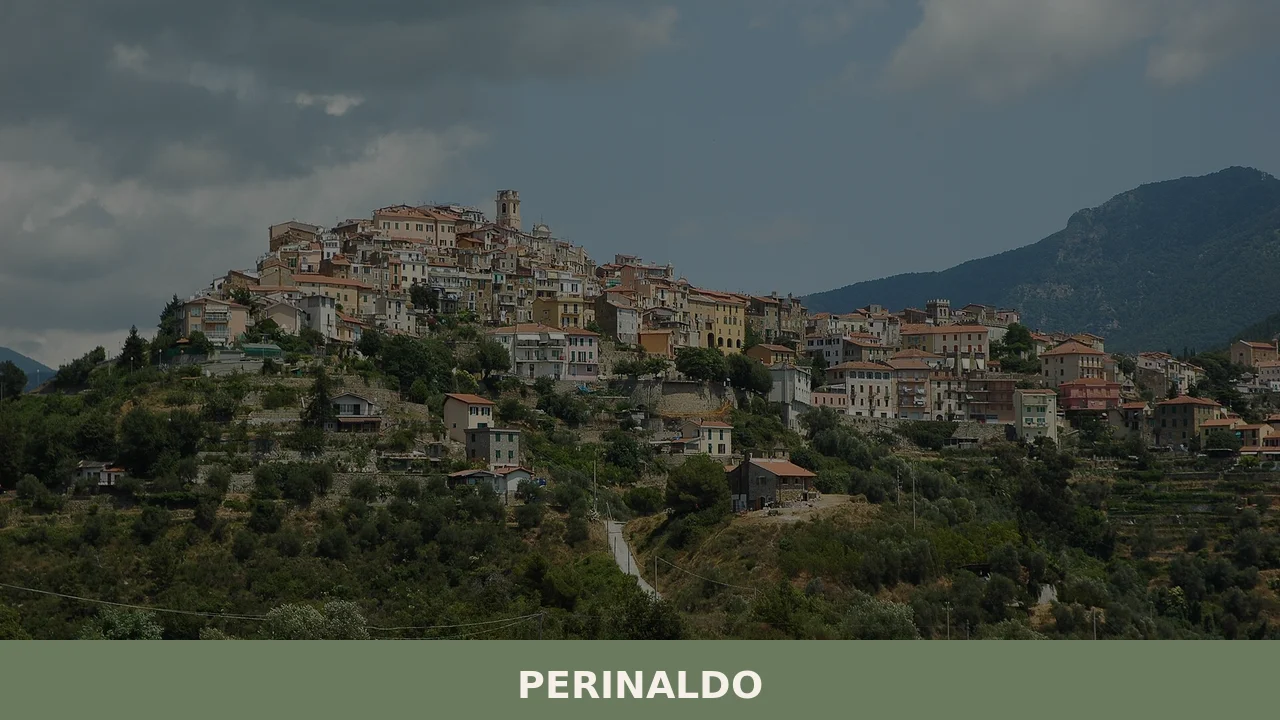
Perinaldo
 Mountain
what to see in perinaldo, Italy: Discover the 15th-century church and Cassini Observatory in this Ligurian village of 913 inhabitants. Explore Perinaldo now.
Discover Perinaldo
With a population of 913 inhabitants, Perinaldo emerges as a distinctive presence in the Province of Imperia, Liguria. This Italian comune, or municipality, is situated approximately 120 kilometers (75 mi) southwest of Genoa and about 30 kilometers (19 mi) west of Imperia.
It holds the designation as one of ‘I Borghi più belli d’Italia’ (The most beautiful villages of Italy), a recognition of its well-preserved character and visual appeal that draws visitors from across the globe.
For those wondering what to see in Perinaldo, the village presents a compelling blend of historical architecture and scientific heritage.
Despite its modest population of 913, visitors find several significant sites, including a parish church dating back to 1489 and an astronomical observatory. The Perinaldo highlights include exploring centuries-old religious buildings and learning about the legacy of its most famous son, the astronomer Giovanni Domenico Cassini.
History of Perinaldo
The village of Perinaldo, a municipality within the Province of Imperia in the Italian region of Liguria, has maintained a unique identity throughout its existence.
Its inclusion among ‘I Borghi più belli d’Italia’ signifies a commitment to preserving its historical and architectural integrity, reflecting centuries of Ligurian life. This recognition highlights its role in safeguarding not just buildings, but a cohesive way of life that characterizes the region’s inland settlements, offering visitors a glimpse into a well-preserved past.
Perinaldo also fosters international ties, having been twinned with Tourves, France, since 1993, and with Buey Arriba, Cuba, fostering cultural exchange across continents.
Perinaldo holds particular significance as the birthplace of Giovanni Domenico Cassini, an influential 17th-century Italian astronomer who later became a naturalized French citizen.
Born in this Ligurian village, Cassini’s scientific contributions include observations of Jupiter’s Great Red Spot, the discovery of four of Saturn’s moons, and the division in Saturn’s rings now known as the Cassini Division. His work in Paris, where he served as the first director of the Paris Observatory, brought him international renown, yet his roots remained firmly in this small Ligurian village, connecting it to major scientific advancements.
The historical fabric of Perinaldo extends beyond individual figures, encompassing the broader narrative of Ligurian hill towns. These settlements often developed defensively, with structures built to withstand various historical shifts and regional conflicts, shaping the dense, characteristic layout still visible today.
The strategic position of many such villages, including Perinaldo, often played a role in their development, influencing their architecture and community structure over centuries.
Its location in western Liguria, relatively close to other notable villages such as Isolabona and Rocchetta Nervina, suggests a shared history of regional interactions and cultural influences that visitors can still observe.
What to see in Perinaldo, Liguria: top attractions
Parish church of San Nicola da Bari
The Parish Church of San Nicola da Bari stands as a central historical landmark in Perinaldo, its robust stone facade reflecting centuries of local devotion and craftsmanship. Constructed in 1489, this significant religious edifice houses a 15th-century wooden crucifix, a testament to the village’s artistic and spiritual heritage that has been carefully preserved over generations.
Visitors can observe the architectural details that span various periods, from the original Gothic elements to later additions, offering insights into the evolving styles and materials used in the region.
Exploring this church provides a direct connection to the community’s past, particularly its enduring faith and artistic expression, which remains a key part of what to see in Perinaldo for history enthusiasts.
Church of Sant’Antonio abate
Further contributing to Perinaldo’s religious landscape is the Church of Sant’Antonio abate, a structure that embodies the architectural styles prevalent in the late 16th century. Built between 1590 and 1600, its design offers a distinct contrast to the earlier Parish Church, showcasing the stylistic shifts within a century, moving towards more Renaissance-influenced forms. The church’s interior, while not extensively detailed in historical records, provides an atmosphere of quiet contemplation, typical of many Ligurian rural churches, often adorned with simple yet meaningful religious art.
Those exploring the village should seek out this church to appreciate another facet of Perinaldo’s architectural and cultural evolution, noticing its unique position within the village fabric.
Sanctuary of the Visitation
The Sanctuary of the Visitation represents a later addition to Perinaldo’s sacred sites, dating from the 17th century, providing a different perspective on the village’s spiritual development.
Its construction during this period highlights the continued spiritual devotion and artistic patronage within the community, even as other parts of Europe experienced significant cultural and religious changes. The sanctuary typically features a more refined, often Baroque-influenced style, distinct from the earlier medieval and Renaissance structures found elsewhere in the village, characterized by more elaborate decorative elements.
It offers a peaceful retreat and an opportunity to observe the architectural trends that characterized the Ligurian hinterland during the 1600s, suggesting a period of prosperity or renewed religious focus.
Astronomical observatory
Dedicated to the village’s most famous son, the Astronomical Observatory in Perinaldo serves as a tangible link to Giovanni Domenico Cassini’s profound scientific legacy. While the exact date of its establishment is not specified in available sources, its modern presence underscores Perinaldo’s unique connection to the history of astronomy and scientific inquiry.
The observatory provides a contemporary facility for stargazing and scientific education, allowing visitors to engage with the celestial wonders that fascinated Cassini centuries ago, using modern instruments. It stands as a modern tribute, inviting exploration into the cosmos from the very village where a pioneer of planetary observation was born, making it a crucial aspect of what to see in Perinaldo for those interested in science and history.
Historic Centre of Perinaldo
Beyond individual monuments, the Historic Centre of Perinaldo itself functions as a compelling attraction, reflecting its prestigious status as one of ‘I Borghi più belli d’Italia’.
Its compact layout, characterized by narrow, winding streets known as carrugi and traditional stone houses, speaks to centuries of communal life and defensive planning typical of Ligurian hill settlements.
Walking through these ancient alleys allows visitors to observe the resilient Ligurian architecture, built from local materials, and appreciate the village’s meticulously preserved aesthetic. The elevated position often provides panoramic views of the surrounding valleys, olive groves, and the distant Ligurian Sea, offering a comprehensive understanding of Perinaldo, Liguria, Italy’s geographical context and why it is considered a noteworthy destination for cultural exploration.
Local food and typical products of Perinaldo
The provided sources do not detail specific local food traditions or typical products unique to Perinaldo, Liguria, Italy.
While the village is part of the broader Ligurian region, renowned for its rich gastronomic heritage, particular dishes or certified products exclusively associated with Perinaldo are not documented in the available information. Visitors might expect to find general Ligurian culinary offerings in local eateries, which often include ingredients like olive oil, aromatic herbs, fresh vegetables, and seafood from the nearby coast, reflecting the region’s diverse agricultural and maritime influences.
These regional staples form the foundation of many traditional dishes across Liguria, even if specific Perinaldo specialties are not outlined.
Festivals, events and traditions of Perinaldo
Information regarding specific festivals, annual events, or unique traditions celebrated within Perinaldo is not provided in the available authoritative sources.
While many Italian villages commemorate patron saints or historical events with vibrant local festivities, details specific to Perinaldo’s calendar of events are not documented here. The village does maintain international connections through its twin town agreements with Tourves, France, established in 1993, and with Buey Arriba, Cuba, fostering cultural ties and exchanges that contribute to its broader identity beyond its immediate region.
When to visit Perinaldo, Italy and how to get there
Determining the best time to visit Liguria, and specifically what to see in Perinaldo during your visit, largely depends on individual preferences for weather and crowd levels.
The Ligurian climate is generally mild, characterized by warm, dry summers and temperate winters, making spring (April to June) and early autumn (September to October) particularly pleasant for exploration.
These periods offer comfortable temperatures for walking through the village’s historic centre, enjoying outdoor views, and participating in any local activities, while avoiding the peak summer heat and larger tourist numbers. The village terrain, like many Ligurian hill towns, features inclines and uneven surfaces, so comfortable, sturdy footwear is highly advisable for all visitors to navigate its ancient streets with ease.
For those planning a trip to Perinaldo, understanding how to get to Perinaldo is essential for a smooth journey into this part of Liguria. The village is located approximately 120 kilometers (75 mi) southwest of Genoa, the capital of Liguria, and about 30 kilometers (19 mi) west of Imperia, the provincial capital, offering distinct travel approaches.
If arriving by car, Perinaldo is accessible via regional roads; visitors typically use the A10 motorway (Autostrada dei Fiori), exiting at a nearby hub like Ventimiglia or Bordighera, which are within a reasonable driving distance of 15-20 kilometers (9-12 mi) from the village. From these points, a local bus service or a taxi would be necessary to reach the village, as direct train connections are not available within Perinaldo itself, though the nearest train station at Ventimiglia provides regional and international links.
For international travelers, the nearest major airport would be Nice Côte d’Azur Airport in France, or Genoa Cristoforo Colombo Airport in Italy, both requiring onward travel by car, bus, or train connections. A day trip from nearest major city like Imperia is highly feasible, taking approximately 45 minutes to an hour by car, making Perinaldo an accessible destination for a shorter visit. It is advisable for international visitors to carry some Euros cash, as smaller establishments in villages like Perinaldo may have limited card facilities, and English proficiency might vary, making basic Italian phrases useful.
Frequently asked questions about Perinaldo
What is the best time to visit Perinaldo?
Spring (April–June) and early autumn (September–October) are the ideal seasons to visit Perinaldo. Temperatures are mild and comfortable for walking the village's steep carrugi and enjoying panoramic views toward the Ligurian Sea. Summer is warm but can attract more visitors. If you wish to experience the village's patron saint celebration, plan your trip for 6 December, the feast day of San Nicola da Bari, which is an important date in Perinaldo's local tradition.
What are the historical origins of Perinaldo?
Perinaldo is a Ligurian hill village whose layout reflects the defensive settlement patterns typical of the inland Province of Imperia. It is internationally recognized as the birthplace of Giovanni Domenico Cassini (1625–1712), the pioneering astronomer who discovered the Cassini Division in Saturn's rings, four of Saturn's moons, and served as the first director of the Paris Observatory. The village has maintained its historic character to such a degree that it earned the prestigious designation of 'I Borghi più belli d'Italia'.
What to see in Perinaldo? Main monuments and landmarks
Perinaldo's key attractions include: the Parish Church of San Nicola da Bari (1489), housing a 15th-century wooden crucifix; the Church of Sant'Antonio Abate (1590–1600), featuring Renaissance-influenced architecture; the 17th-century Sanctuary of the Visitation; and the Astronomical Observatory dedicated to Cassini, open for stargazing and educational visits. The Historic Centre itself, with its narrow carrugi and stone houses set at 572 metres elevation, is a landmark in its own right and one of Italy's most beautiful villages.
Are there museums, churches or historic buildings to visit in Perinaldo?
Yes. Perinaldo has three documented historic churches: the Parish Church of San Nicola da Bari (1489), the Church of Sant'Antonio Abate (1590–1600), and the Sanctuary of the Visitation (17th century). The Astronomical Observatory, dedicated to native son Giovanni Domenico Cassini, is also a key cultural venue offering stargazing sessions. For the most up-to-date opening hours and any admission fees, it is advisable to contact the local Pro Loco or the municipality of Perinaldo directly before your visit.
Where to take the best photos in Perinaldo?
Positioned at 572 metres above sea level, Perinaldo offers sweeping panoramic views across the terraced valleys, olive groves, and the distant Ligurian Sea. The best vantage points are found within the Historic Centre itself, particularly along its elevated perimeter. The narrow carrugi framed by traditional stone houses provide excellent compositions typical of Ligurian hill villages. The area around the Astronomical Observatory also benefits from the village's elevated, light-pollution-reduced position, ideal for night sky photography.
What can you do in Perinaldo? Activities and experiences
Visitors to Perinaldo can explore three historic churches, walk the medieval carrugi of one of Italy's most beautiful villages, and visit the Astronomical Observatory for guided stargazing sessions connected to Cassini's legacy. The surrounding landscape at 572 metres elevation is well suited to hiking and nature walks through the Ligurian hinterland. The village also maintains international cultural ties through its twin-town relationships with Tourves (France) and Buey Arriba (Cuba), occasionally reflected in local cultural initiatives.
Who is Perinaldo suitable for? Families, couples, hikers, solo travelers?
Perinaldo is particularly well suited to culture lovers, history enthusiasts, and astronomy fans drawn by the legacy of Giovanni Domenico Cassini. Couples and solo travellers seeking quiet, authentic Ligurian atmosphere will appreciate its well-preserved medieval character. Hikers will enjoy the mountain setting at 572 metres and surrounding trails. Families with older children interested in science will find the Astronomical Observatory engaging. The village's steep, uneven carrugi make it less suitable for visitors with limited mobility or very young children in strollers.
What to eat in Perinaldo? Local products and specialties
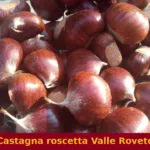
Perinaldo sits within the western Ligurian hinterland of the Province of Imperia, a territory renowned for its extra virgin olive oil — among the finest in Italy — along with locally grown aromatic herbs, foraged mushrooms, and chestnuts from the mountain terrain. While no food product is exclusively certified to Perinaldo itself, visitors dining locally can expect traditional Ligurian inland cuisine featuring these ingredients, alongside pasta dishes, vegetable preparations, and cured meats typical of the Ligurian hill communities of the Nervia and Argentina valleys.
📷 Photo Gallery — Perinaldo
Getting there
Piazza Monsignor Rossi, 18032 Perinaldo (IM)
Nearby Villages near Perinaldo
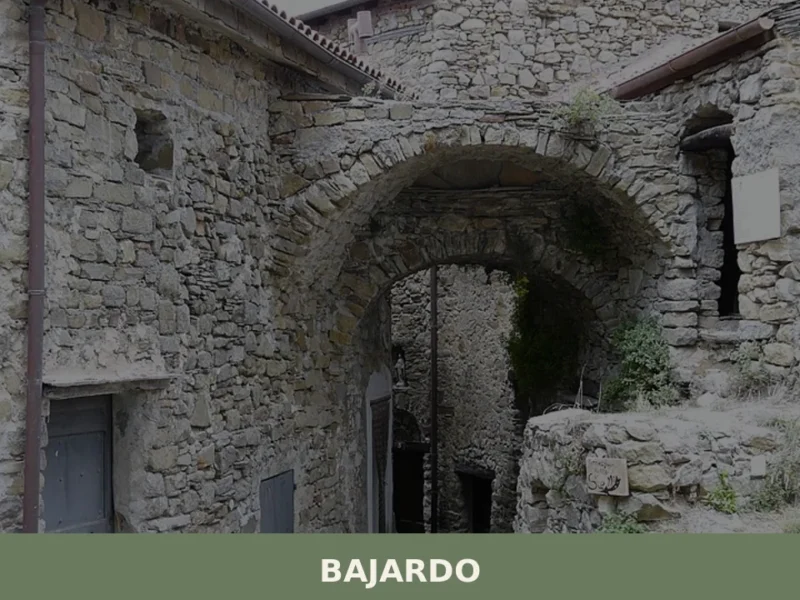
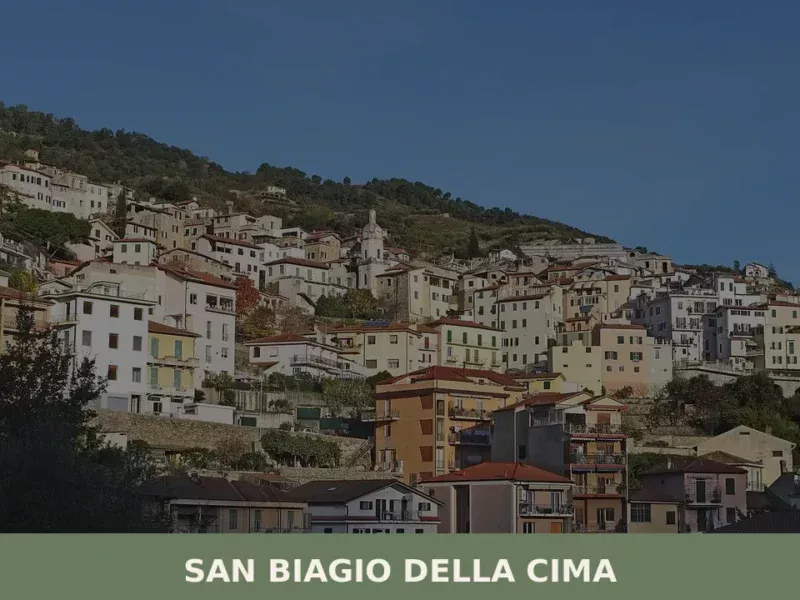
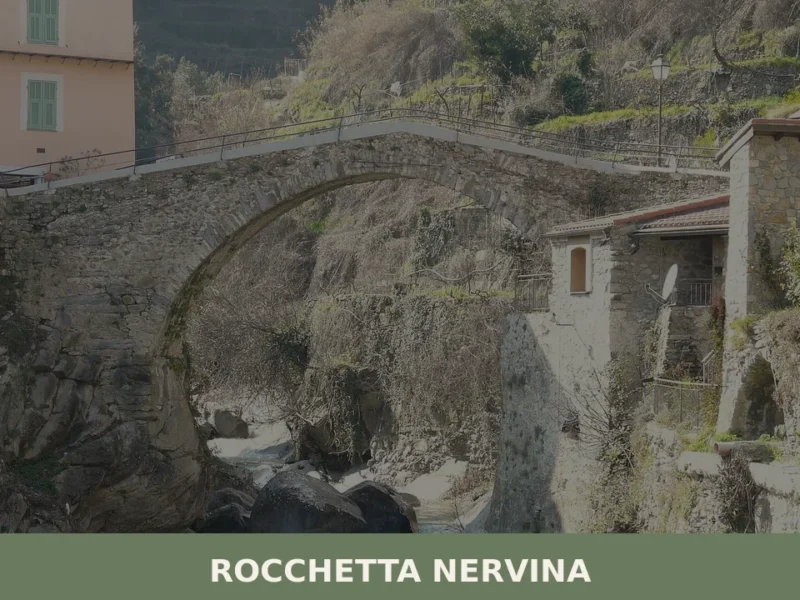
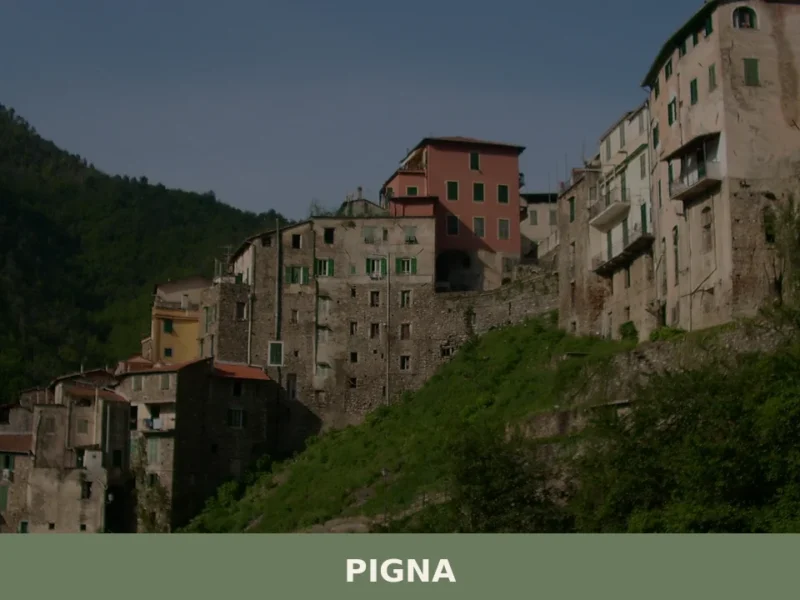
In Liguria More villages to discover
Airole
 Plains
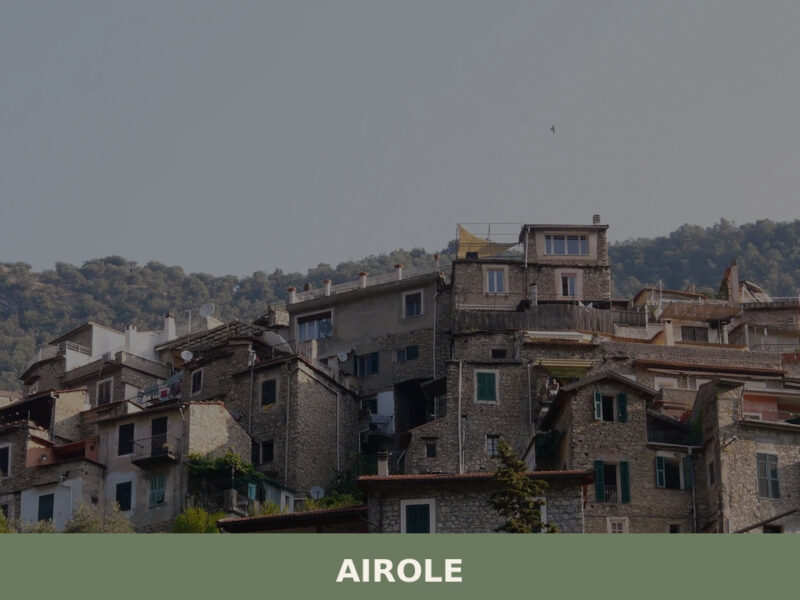
A compact Ligurian hill village of 365 inhabitants in the Roia valley. Discover what to see in Airole, from medieval stone alleys to terraced olive groves.
Rovegno
Mountain
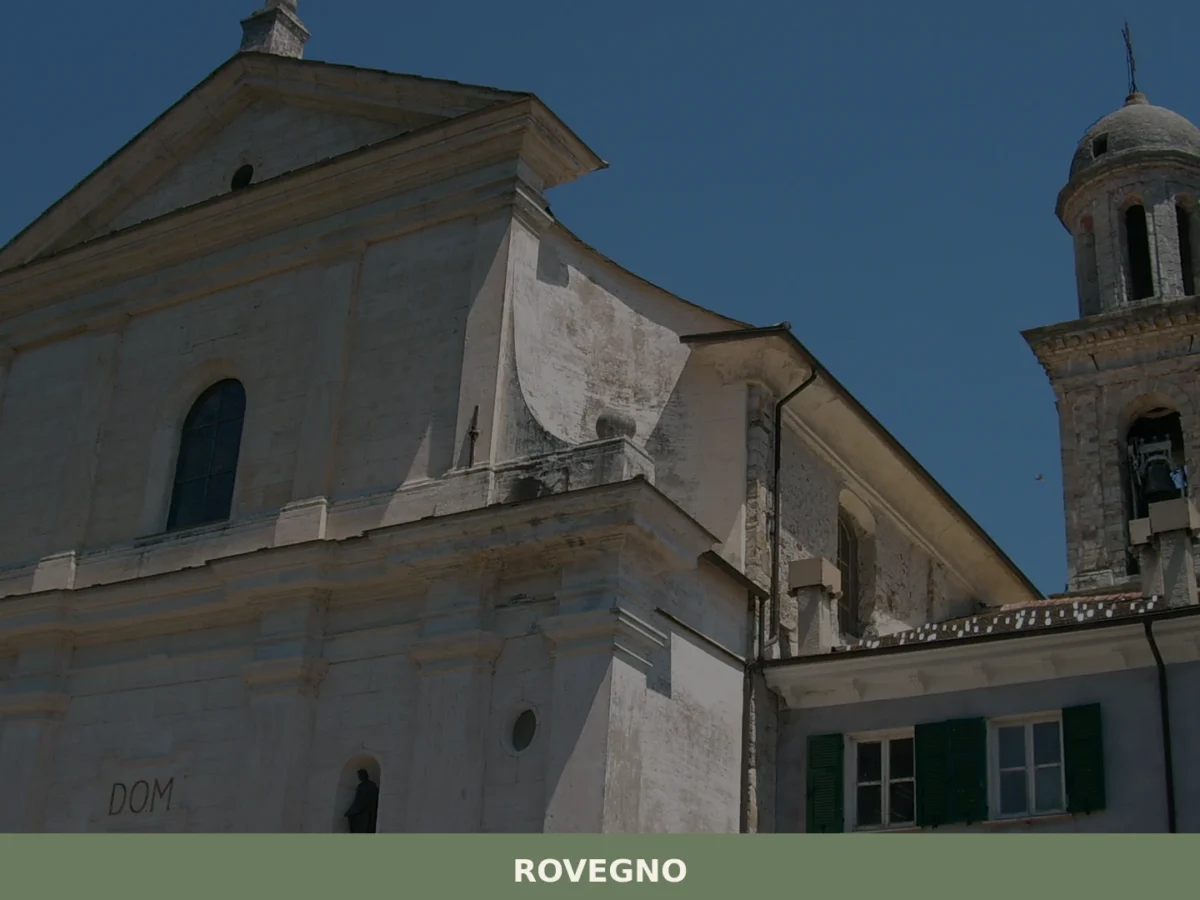
What to see in Rovegno, Italy: Explore the Val Trebbia, 35 km (22 mi) from Genoa. Discover its valley landscape and the surrounding municipalities. Read our guide.
Vendone
 Hills
Hills
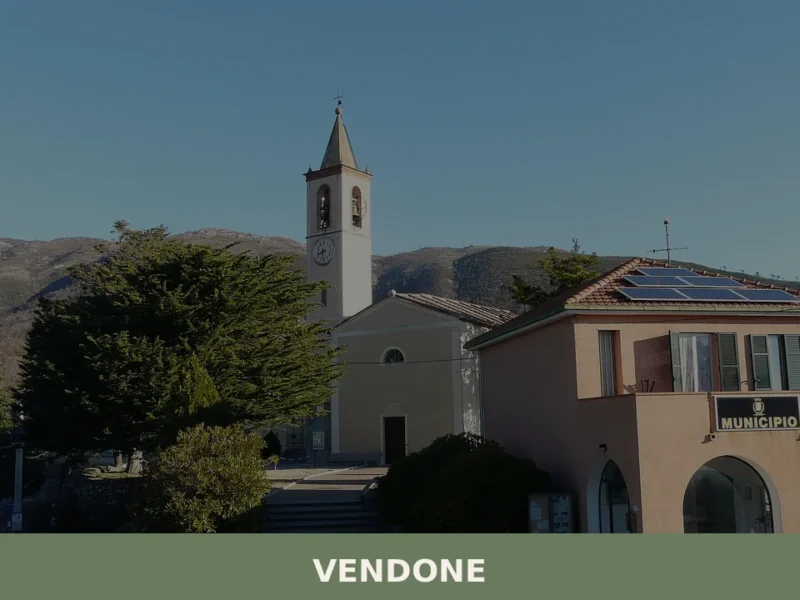
What to see in Vendone, Liguria, Italy: 5 attractions, local food, festivals and how to get there. 401 inhabitants, 80 km from Genoa. Discover it now.
Lorsica
Hills
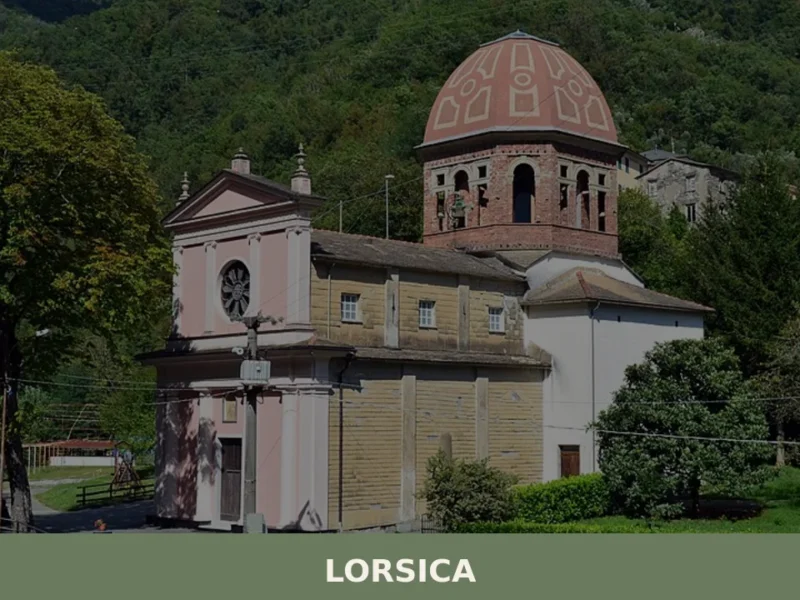
What to see in Lorsica: a Ligurian village at 343 m with 395 residents. Explore historic churches, Val Sturla trails and local food. Plan your visit today.
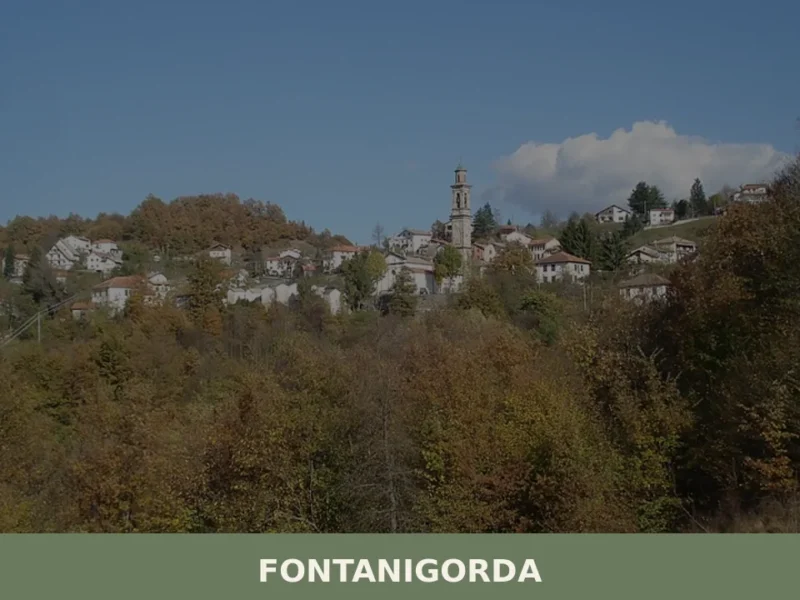
Fontanigorda
Mountain
At 819 meters above sea level, in the heart of the upper Trebbia Valley, Fontanigorda appears as an alpine settlement in the province of Genoa. Its documented origin dates back to 1153, when it appears in annals as “Fontana Gordana,” a reference to the abundance of water in its territory. This village, with a population […]
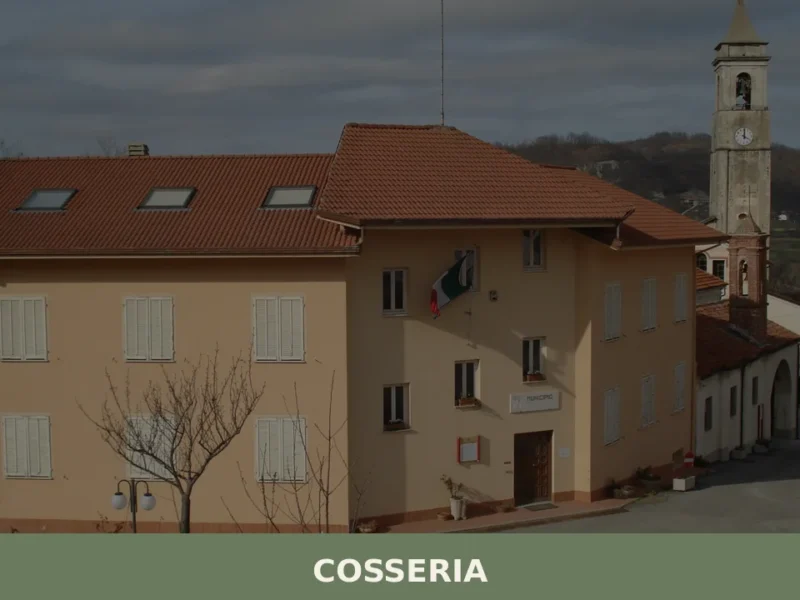
Cosseria
Mountain
What to see in Cosseria, Liguria, Italy: explore a comune of 1,095 inhabitants near Savona. Discover the 5th Infantry Division history, local food and how to get there.
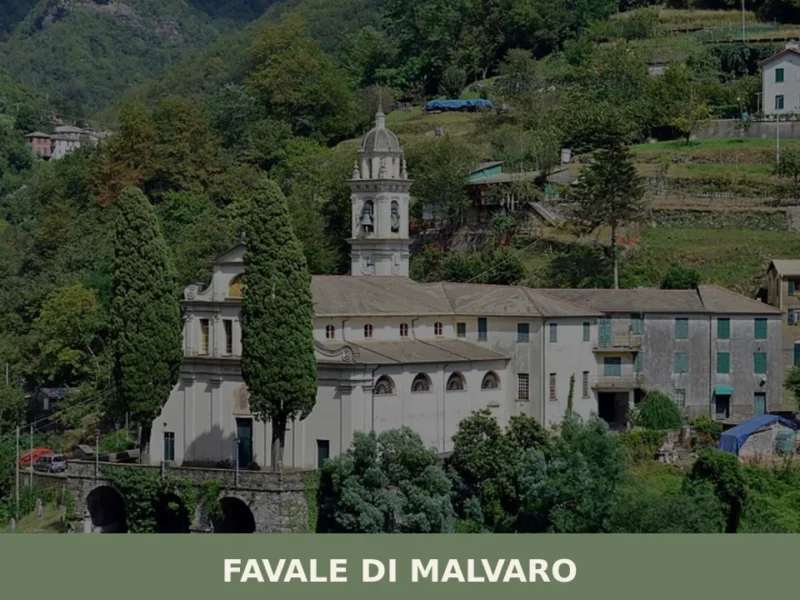
Favale di Malvaro
Hills
In 1892, Amadeo Pietro Giannini left Favale di Malvaro for America. The son of Ligurian emigrants, he went on to found the Bank of Italy in San Francisco in 1904, which later became Bank of America — for decades the largest banking institution in the world. This small village in the Fontanabuona valley, home to […]
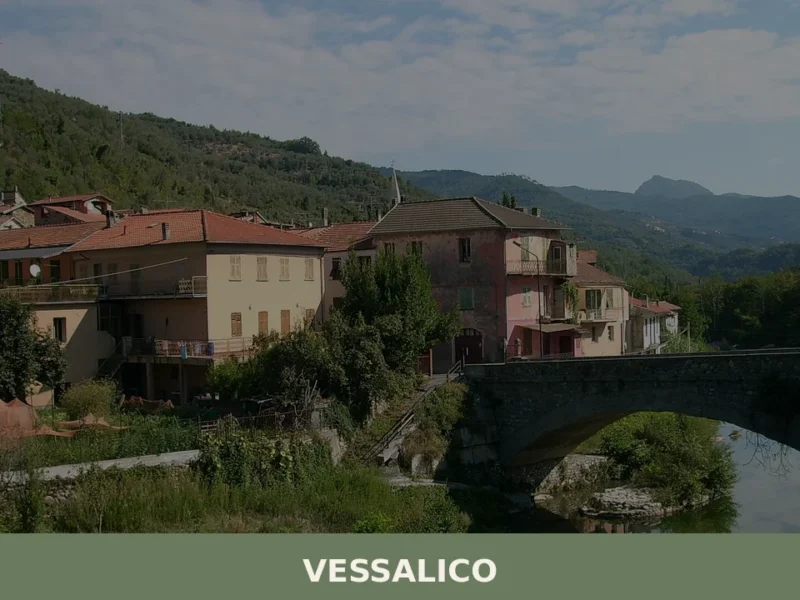
Vessalico
Plains
what to see in vessalico, Italy: Explore this Ligurian village at 197m. Discover its history and the patron saint festival on July 22. Read more.
Pietrabruna
 Sea
Sea
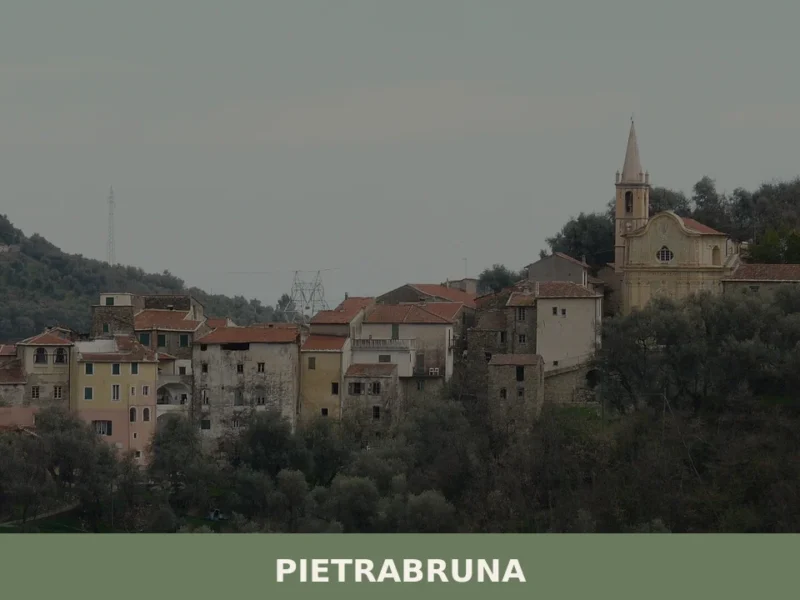
What to see in Pietrabruna, Italy: 546 inhabitants, 100 km from Genoa. Discover medieval architecture, Ligurian olive oil and local festivals. Full travel guide.
Giusvalla
Mountain
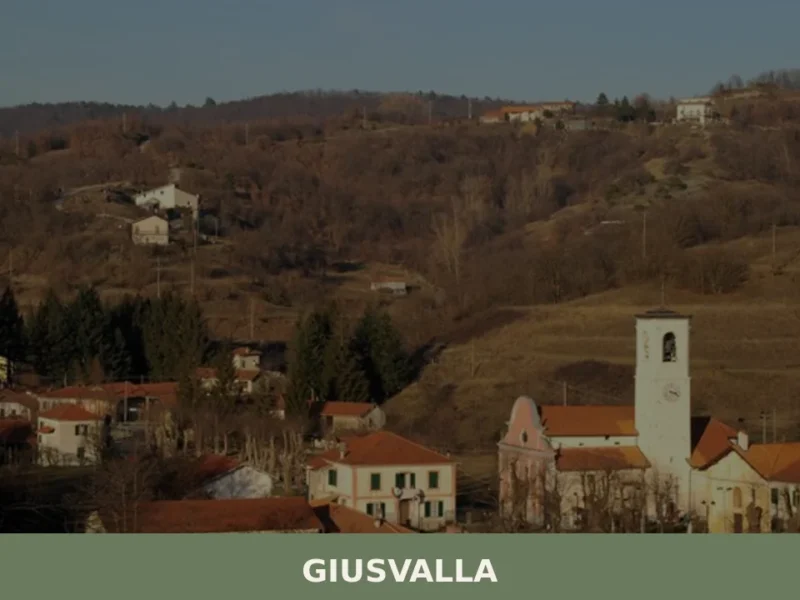
What to see in Giusvalla, Italy: 465 inhabitants, 45 km from Genoa. Discover the Festa Patronale di S. Matteo, Bricco della Croce, and local Ligurian food traditions.

🏡 Know Perinaldo better than we do?
If you’re a local or have been there, your knowledge matters: add what’s missing or fix a detail on this page.