


Mioglia
 Mountain
What to see in Mioglia, Italy: a village of 538 inhabitants 40 km from Genoa. Discover top attractions, local food, festivals and how to get there.
Discover Mioglia
The road into Mioglia narrows as the valley floor recedes below. The municipality covers 20.0 square kilometres (7.7 sq mi) in the Province of Savona, and at its edges the land borders four distinct communes: Giusvalla, Pareto, Pontinvrea, and Sassello.
The settlement sits roughly 40 kilometres (25 mi) west of Genoa and 20 kilometres (12 mi) north of Savona, where the Ligurian hinterland begins to pull sharply upward away from the coast.
Around 538 people hold residence here, a number that has changed little over the past two decades.
Deciding what to see in Mioglia starts with understanding its geography: a compact hill commune in inland Liguria, Italy, positioned between the coastal strip and the Ligurian Apennines. Visitors to Mioglia find an intact network of stone-built village streets, a parish church at the centre of local civic life, and direct access to the wooded slopes that surround the built area. The 538 inhabitants maintain a close relationship with the agricultural and forest landscape, and that relationship is legible in every corner of the commune.
History of Mioglia
The name Mioglia appears in both its Italian form and in two regional variants: Mieuja in Ligurian and Mioja in Piedmontese.
These parallel forms reflect the commune’s position at a linguistic and administrative boundary, where the influence of Piedmontese-speaking communities to the north met the coastal Ligurian dialects descending toward Savona. The dual naming tradition is not accidental: the village sat on routes linking the port of Savona with the Piedmontese hinterland, and both linguistic communities used those routes regularly for trade and seasonal movement.
The Province of Savona, within which Mioglia has always been administratively placed, preserves records of the inland villages as part of the broader organisation of Ligurian territory under successive powers, from medieval lordships through to Genoese dominance and later Napoleonic reorganisation.
Villages at this altitude and with this orientation toward both coastal and inland markets developed distinct local economies built on livestock, chestnut cultivation, and the processing of wool and other upland products.
Mioglia shared these characteristics with its neighbouring communes, including Savona’s provincial network, which connected smaller hill settlements to the administrative and commercial centre on the coast.
Come arrivare a Mioglia
Mioglia è raggiungibile principalmente in auto attraverso la Strada Provinciale 30, che la collega efficientemente alla costa ligure e all’entroterra. Si trova a circa 20 km a nord di Savona e a circa 40 km a ovest di Genova. Per chi arriva in treno, le stazioni più vicine sono Savona o Acqui Terme, da cui è necessario proseguire in autobus o taxi.
Cucina e prodotti tipici di Mioglia
La cucina di Mioglia riflette la sua posizione unica, a cavallo tra Liguria e Piemonte, offrendo piatti genuini a base di prodotti del bosco come funghi e castagne. Non mancano le specialità legate all’allevamento locale e i sapori robusti dell’entroterra ligure, spesso accompagnati da vini regionali.
Cosa vedere a Mioglia
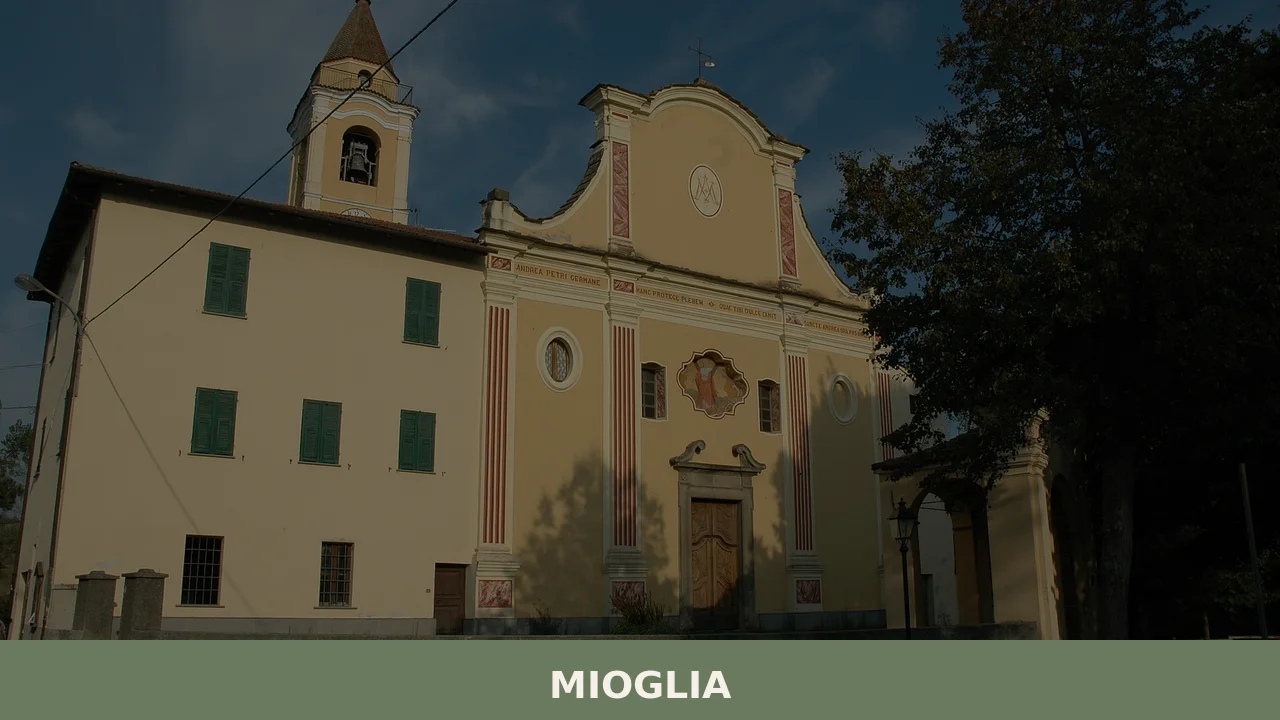
A Mioglia, i visitatori possono esplorare il piccolo ma affascinante centro storico con le sue caratteristiche vie in pietra, la Chiesa Parrocchiale di Sant’Andrea, punto di riferimento per la comunità, e godere della tranquillità offerta dai boschi circostanti, ideali per escursioni e passeggiate nella natura incontaminata.
Through the nineteenth and twentieth centuries, Mioglia followed the demographic trajectory common to much of inland Liguria: a gradual contraction of population as agricultural employment declined and younger residents sought work in the coastal cities. The population recorded at 31 December 2004 stood at 536, a figure che è calata leggermente, attestandosi oggi intorno ai 500 abitanti, secondo i dati recenti, riflettendo le dinamiche demografiche tipiche dell’entroterra ligure.
consistent with the current registered count of 538 inhabitants. This near-stability in recent years suggests that the outflow has slowed, partly due to the renewed interest in rural living and the accessibility of Savona and Genoa for commuting.The administrative boundaries of the commune have remained consistent, bordering Giusvalla to one side and Pontinvrea to another, preserving a well-defined territorial identity across centuries of shifting political arrangements.
What to see in Mioglia, Liguria: top attractions
The Parish Church of Mioglia
Stone-dressed and set at the focal point of the village plan, the parish church anchors the built fabric of Mioglia in the way that Italian hill communes consistently organised their centres around a single religious structure.
The church serves the community of 538 residents and functions as the venue for the principal liturgical events of the civic calendar, including the patronal festival. Its facade faces the main gathering space of the village, and the interior preserves the furnishings accumulated by a rural parish over several hundred years of continuous use. Visitors arriving on foot from the lower approach road will see the bell tower before the facade comes into view — a standard orientation for Ligurian inland churches of this period.
The best time to observe the building in full light is the morning.
The Village Street Network and Historic Core
The medieval layout of Mioglia survives in the arrangement of its narrow internal streets, where the building lines press close and the passage between houses reduces to a width measured in single metres. This type of compact urban form, typical of Ligurian hill settlements, was designed for defence and for conserving heat in the colder months at altitude. The commune sits approximately 20 kilometres (12 mi) from the coast, and the internal temperature in winter drops noticeably compared to the Riviera below. Walking the core requires no particular equipment, but the gradient between the lower and upper parts of the village is real and consistent.
The stone paving, where original sections remain, shows the wear of several centuries of foot traffic and animal passage.
The Surrounding Woodland and Apennine Slopes
Mioglia’s 20.0 square kilometres (7.7 sq mi) include a substantial area of forested Apennine slope that begins where the built village ends. Chestnut and oak dominate the canopy at the altitudes immediately surrounding the settlement, while the upper slopes transition toward mixed woodland and open grassland.
The commune borders Sassello, a village known for its position within the natural landscape of the Ligurian Apennines, and the trails connecting the two pass through continuous forest cover. Walkers should expect an elevation gain of several hundred metres depending on the route chosen. Spring and early autumn provide the most reliable conditions: snow is possible above 600 m (1,969 ft) in winter, and summer heat in sheltered valleys can be intense.
The Communal Territory Bordering Giusvalla and Pareto
The administrative edges of Mioglia touch four neighbouring communes, and each boundary zone has its own character. The land toward Giusvalla and Pareto to the north retains a more open agricultural character, with meadows and field systems still visible between patches of replanted woodland.
These border areas are accessible by local roads and offer a different experience from the wooded southern slopes.
The distance from the village centre to the municipal border with Pareto is measurable within the 20.0 km² (7.7 sq mi) total area of the commune, meaning the edges are reachable on foot within a few hours. The neighbouring village of Deiva Marina on the Ligurian coast lies further south and east, representing the contrast between the inland and coastal experience of the same region.
Views Toward Savona and the Ligurian Coast
From the higher ground within the commune, on clear days, the direction of Savona 20 kilometres (12 mi) to the south is identifiable by the coastal plain and the haze above the port. This visual connection between the inland village and the sea below is one of the defining geographical experiences of the Ligurian Apennine interior: the coast is never truly distant, yet the climate, vegetation and pace of life differ substantially. The elevation of the village itself is consistent with the broader ridge system of the Ligurian Apennines, placing it well above the coastal strip.
For visitors interested in what to see in Mioglia from a landscape perspective, the panoramic points on the southern edge of the commune provide the clearest orientation.
Local food and typical products of Mioglia
The food culture of Mioglia belongs to the inland Ligurian tradition, which diverges significantly from the coastal cuisine most visitors associate with the region.
Where the Riviera relies on seafood, olive oil, and basil, the villages of the Savona hinterland built their diet around preserved meats, chestnuts, dried legumes, and the products of small-scale animal husbandry. The altitude and the relative isolation of the commune through the winter months encouraged preservation techniques — drying, salting, smoking — that shaped the flavour profile of local cooking in lasting ways.
These methods were not decorative choices but practical responses to the logistics of upland life at 40 kilometres (25 mi) from the nearest major supply centre.
Among the preparations most closely associated with this zone of inland Liguria, chestnut-based dishes occupy a central position. Chestnut flour, ground from the dried nuts harvested in autumn, forms the base of castagnaccio, a flat baked preparation made without added sugar, incorporating rosemary, pine nuts, and olive oil. The result is dense and slightly bitter, with a texture that depends on the ratio of flour to water and the quality of the oil used.
Vegetable soups and minestrone in this area rely on dried borlotti beans, cavolo nero, and seasonal root vegetables rather than the lighter broths of the coast. Focaccia, the Ligurian flatbread baked with olive oil and salt, is standard throughout the province, but the inland versions tend to have a denser crumb than the thinner coastal style.
No officially certified products with a protected designation of origin (PDO or PGI) are recorded in the available sources as specific to Mioglia.
The broader Province of Savona produces Riviera Ligure olive oil (PDO), which covers territories across the Ligurian coast and some inland areas, though the specific municipalities covered by that designation require verification against the official product specification.
Visitors looking to purchase local food products will find the best selection at periodic markets in the larger centres of the province, particularly in Savona itself.
The autumn season, from October through November, is the most productive period for local food culture in the inland villages of this zone. Chestnut harvest brings communal activity to the woodland areas, and the sagra — a traditional local food festival — format, common across Ligurian hill communes, typically concentrates events in this period. Specific confirmed dates for recurring food events in Mioglia are not recorded in the available sources, but the seasonal logic of the calendar applies to the commune as it does to its neighbours.
Festivals, events and traditions of Mioglia
The patronal festival of Mioglia follows the cycle of the Roman Catholic liturgical calendar, as it does in the overwhelming majority of Italian communes of this size and tradition.
The parish church at the centre of the village serves as the focal point for the principal annual religious observance, which in Italian hill communes typically involves a procession through the historic streets, a solemn Mass, and an evening gathering that combines religious and civic elements. The specific date of the patron saint’s feast and the precise format of the Mioglia celebration are not confirmed in the available documentary sources, but the structural pattern — procession, bell ringing, communal meal — is consistent with the practice documented across the Province of Savona.
The broader cultural calendar of the Ligurian interior during summer and early autumn includes numerous local events tied to agricultural cycles and religious observances.
For what to see in Mioglia during a visit timed to coincide with community life, the months of July through September offer the highest probability of encountering public events, outdoor gatherings, and the informal sociability that concentrates in Italian villages during the warmer months.
Visitors planning a day trip from Genoa or Savona should check with the local municipal office — the comune — for current programming, as the schedule of smaller events is rarely publicised beyond the village itself.
When to visit Mioglia, Italy and how to get there
The best time to visit Mioglia and the surrounding inland Ligurian territory depends on what a visitor prioritises. Late spring, from May through June, offers mild temperatures, full leaf cover on the chestnut and oak woodland, and the clear air that follows the last rains of the season. Early autumn, September and October, brings the harvest period and the cooler, more stable weather that makes walking the surrounding slopes comfortable.
Summer is warm and functional, though the villages at this altitude are noticeably cooler than the coastal resorts 20 kilometres (12 mi) south. Winter travel is possible but requires preparation for occasional snow above 600 m (1,969 ft) and reduced services in smaller villages. International visitors searching for the best time to visit Liguria’s inland zone will find the shoulder seasons consistently more rewarding than the peak August period, when coastal towns are at maximum capacity and the interior sees relatively little organised tourism traffic.
Getting to Mioglia from the coast is straightforward by car.
From Savona, 20 kilometres (12 mi) to the south, the approach follows provincial roads into the Apennine interior; the journey takes approximately 30 to 40 minutes depending on road conditions. From Genoa, 40 kilometres (25 mi) to the east, the A26 motorway provides the fastest initial approach before transitioning to provincial roads toward the Savona hinterland. For those using public transport, the nearest significant rail connection is Trenitalia’s Savona station, from which local bus services connect to the inland villages, though frequency is limited and schedules should be verified in advance.
There is no train station within Mioglia itself. The nearest international airports are Genoa Cristoforo Colombo Airport, approximately 55 kilometres (34 mi) away, and Turin’s Caselle Airport, approximately 130 kilometres (81 mi) to the northwest. A day trip from Genoa is logistically feasible; from further hubs such as Milan, approximately 170 kilometres (106 mi) to the north, the journey requires a half-day each way by road.
International visitors should note that English is not widely spoken in smaller shops and offices in this area of inland Liguria, and carrying cash in Euros is advisable as card payment infrastructure in rural communes is not always reliable.
Visitors completing a trip through this part of the Province of Savona may find it useful to combine Mioglia with nearby communes that share its geographical character. The village of Fascia in inland Liguria represents another example of the high-altitude settlement type found across the Ligurian Apennines, and the contrast between different communes in this zone adds context to the experience of any single village.
For a different register of Ligurian landscape and architecture, the coastal village of Isolabona in the western Ligurian interior offers comparison with how valley-floor settlements developed differently from the ridge-line communes of the Savona province.
Frequently asked questions about Mioglia
What is the best time to visit Mioglia?
Spring (April–May) and early autumn (September–October) offer the most reliable conditions for visiting Mioglia. Spring brings mild temperatures and clear skies ideal for walking the wooded Apennine slopes, while October coincides with the chestnut harvest, the most active period for local food culture in the inland villages. Winter can bring snow above 600 m. The patronal feast of Sant'Andrea Apostolo falls on 30 November, giving late-autumn visitors a chance to experience the village's principal civic and religious celebration.
What are the historical origins of Mioglia?
Mioglia developed along trade routes connecting the port of Savona with the Piedmontese hinterland, a position reflected in its dual naming tradition: Mieuja in Ligurian and Mioja in Piedmontese. The village was shaped by medieval lordships, Genoese dominance, and later Napoleonic administrative reorganisation. Its upland economy relied on livestock, chestnut cultivation, and wool processing. Through the nineteenth and twentieth centuries, Mioglia followed the common inland Ligurian pattern of gradual depopulation, stabilising at around 536–538 residents in recent decades.
What to see in Mioglia? Main monuments and landmarks
The parish church is the focal point of Mioglia's historic centre, its bell tower visible from the lower approach road before the facade comes into view. Best observed in morning light, it hosts the principal liturgical events of the civic calendar including the Sant'Andrea feast on 30 November. The medieval street network, with narrow stone-paved lanes pressing close between buildings, is walkable without special equipment though the gradient between upper and lower village is consistent. No admission charge applies to the public spaces of the historic core.
What are the main natural or scenic attractions of Mioglia?
Mioglia's 20 km² of communal territory include forested Apennine slopes dominated by chestnut and oak, transitioning to mixed woodland and open grassland at higher elevations. Trails connect Mioglia with neighbouring Sassello through continuous forest cover, with several hundred metres of elevation gain depending on the route. The northern border areas toward Giusvalla and Pareto retain open agricultural character with visible meadows and field systems. Spring and early autumn provide the most reliable walking conditions; snow is possible above 600 m in winter.
Where to take the best photos in Mioglia?
The panoramic points on the southern edge of the commune offer the clearest views toward Savona and the Ligurian coast, approximately 20 kilometres to the south. On clear days the coastal plain and the haze above the port are identifiable from this higher ground. Within the village, the approach from the lower road provides a classic view of the bell tower rising above the roofline. Morning light is best for photographing the parish church facade and the stone-paved streets of the historic core.
Who is Mioglia suitable for? Families, couples, hikers, solo travelers?
Mioglia suits hikers and walkers who prefer quiet Apennine landscapes over crowded coastal resorts. The wooded trails toward Sassello and the agricultural border zones near Giusvalla and Pareto offer varied routes without technical difficulty. Couples and slow-travel visitors will appreciate the intact medieval street network and the unhurried pace of a 538-resident inland commune. The village is less suited to families seeking organised tourist infrastructure or beach access, but offers a genuine rural Ligurian experience within 20 km of Savona for those with a car.
What to eat in Mioglia? Local products and specialties
Mioglia's food culture belongs to the inland Savona tradition centred on chestnuts, preserved meats, dried legumes, and small-scale animal husbandry rather than coastal seafood. Castagnaccio — a dense, unsweetened flatbake of chestnut flour with rosemary, pine nuts, and olive oil — is the most characteristic preparation of this zone. Vegetable minestrone uses dried borlotti beans, cavolo nero, and root vegetables. Inland focaccia tends to a denser crumb than the coastal style. The autumn chestnut harvest from October through November is the most productive season for local food culture.
Nearby Villages near Mioglia
In Liguria More villages to discover
Portofino
 Sea
Sea
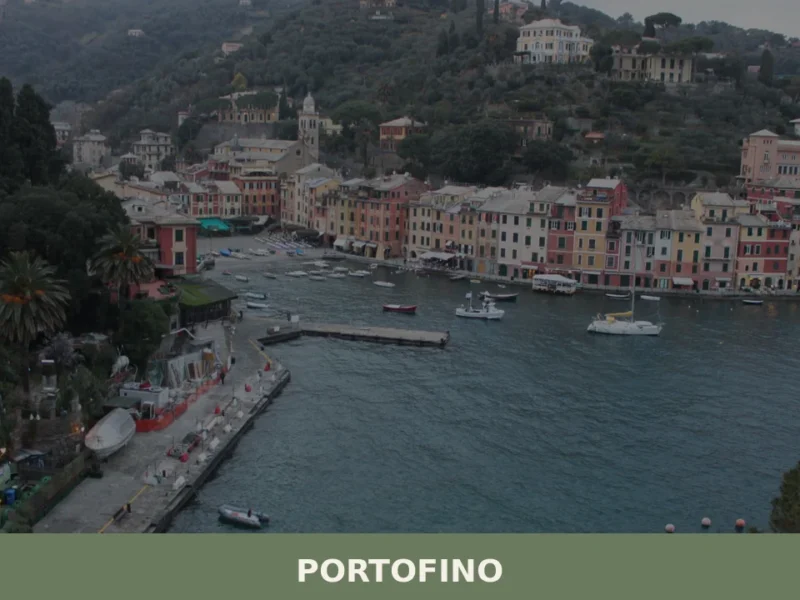
Portofino has a population of 355 residents spread across a headland that descends to sea level. It is one of the smallest municipalities in Italy by population, yet its natural harbour appears in almost every historical guide to the Ligurian Riviera. Anyone looking into what to see in Portofino will find a compact collection of […]
Plodio
Mountain
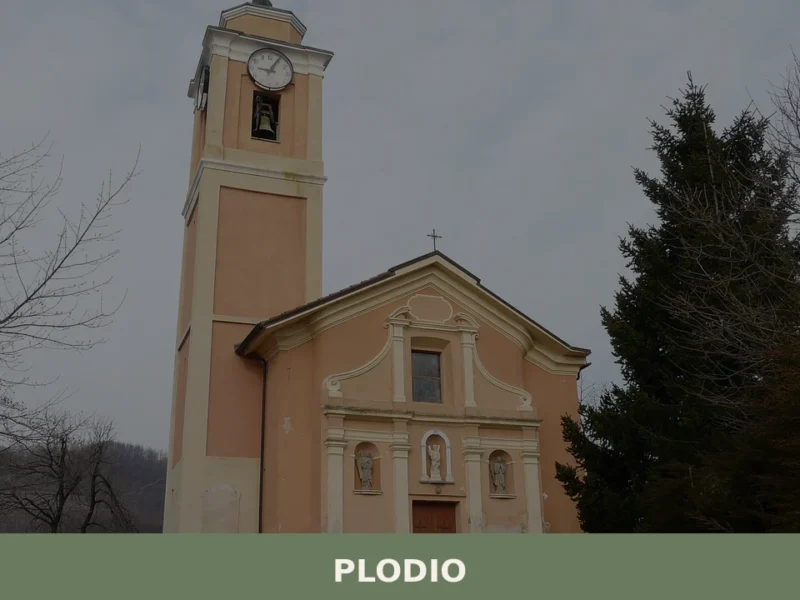
What to see in Plodio, Liguria, Italy: explore Val Bormida, Col di Cadibona and local traditions in a village of 640 inhabitants. Discover the full travel guide.
Cosio d’Arroscia
Mountain
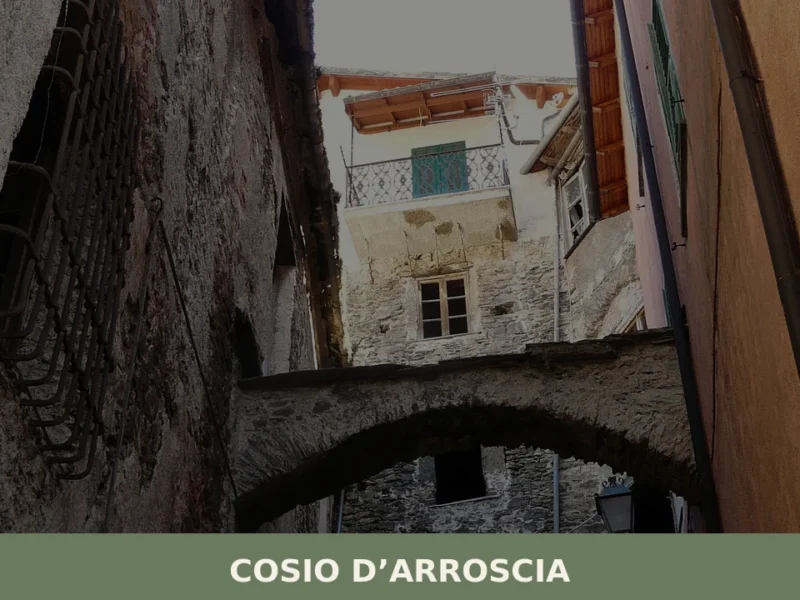
what to see a Cosio d'Arroscia: il village ligure a 721 m s.l.m. con 171 abitanti, la chiesa dei Santi Pietro e Paolo, i hiking trails dell'Alta Via e la festa patronale del 29 giugno.
Rocchetta di Vara
Mountain
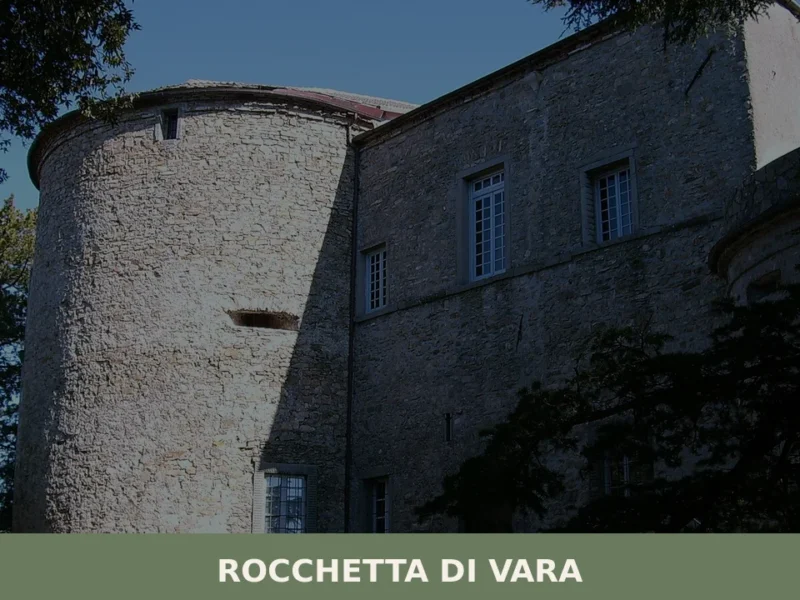
What to see in Rocchetta di Vara, Italy: 752 inhabitants, 70 km from Genoa. Discover top attractions, local food and how to get there. Complete guide.
Vessalico
 Plains
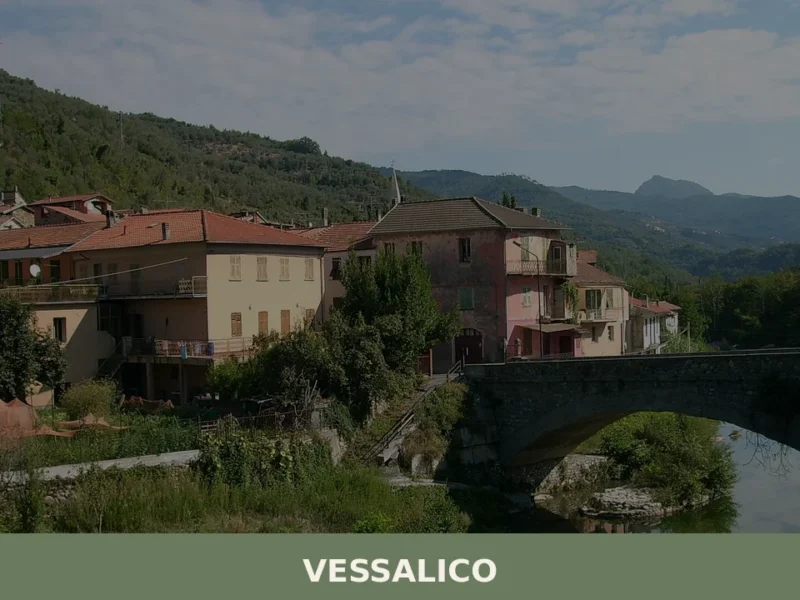
what to see in vessalico, Italy: Explore this Ligurian village at 197m. Discover its history and the patron saint festival on July 22. Read more.
Montalto Ligure
 Hills
Hills
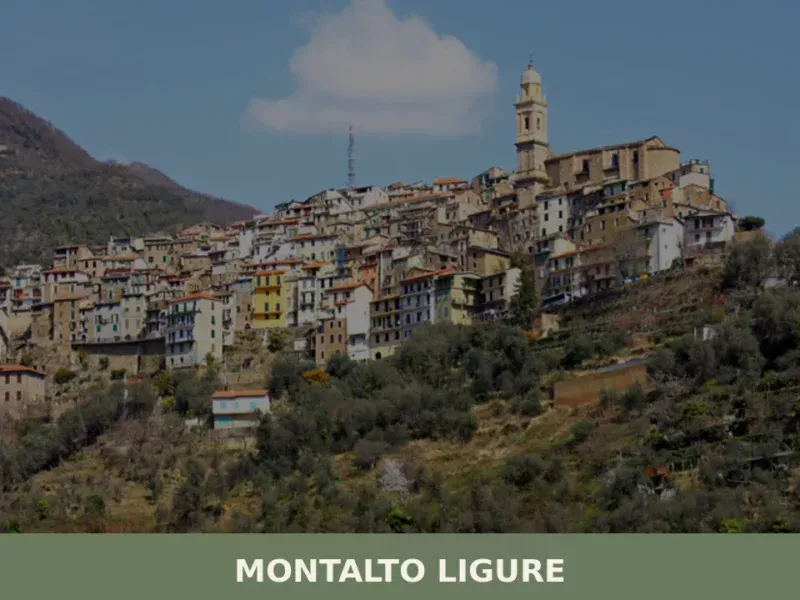
What to see in Montalto Ligure, Italy: Explore its 13.9 km² former territory and administrative history. Discover its unification in 2018.
Chiusavecchia, Liguria: An Ancient Italian Village Guide
Plains
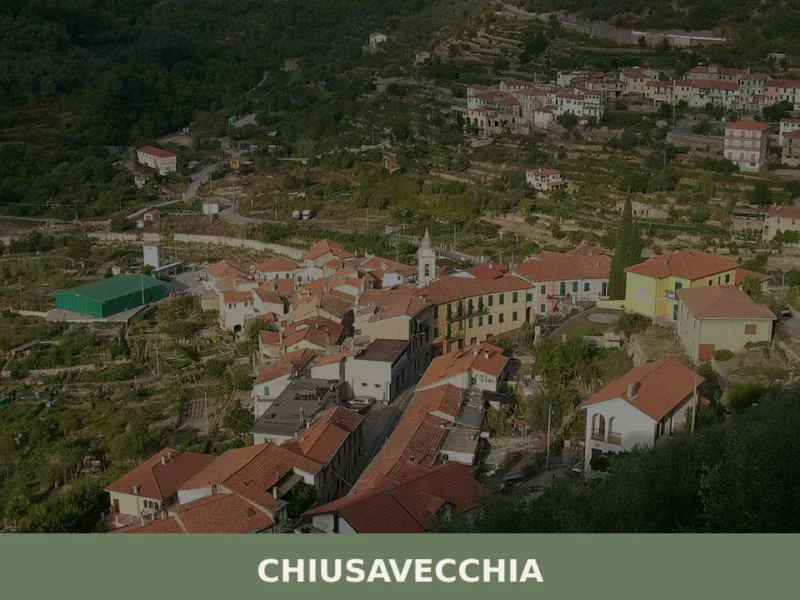
What to see in Chiusavecchia, Italy: Explore this Ligurian village at 140m altitude. Discover its historic core and the feast of San Biagio.
Diano Arentino
Hills
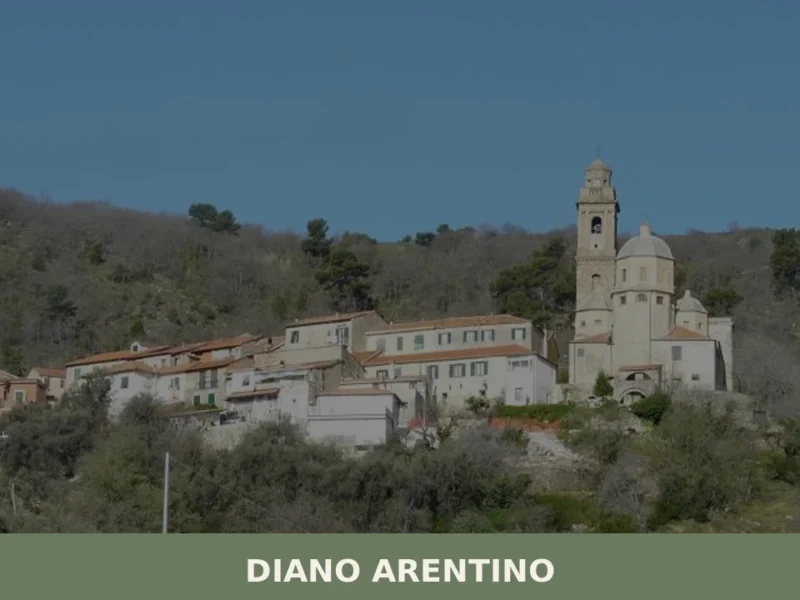
Diano Arentino sits at 331 metres above sea level in the province of Imperia, one of several small settlements that make up the historical Comunitas Diani — a confederation of villages documented in medieval records across the olive-rich hills behind the Gulf of Diano. With a population of roughly 700, the village maintains an economy […]
Apricale
Hills
A sun-facing medieval village of 626 inhabitants in Liguria's Val Nervia. Explore what to see in Apricale, from its castle to its open-air murals.
Rezzoaglio
Mountain
What to see in Rezzoaglio, Italy: explore the Aveto Natural Regional Park, local food traditions and 1,048 inhabitants village life. Discover everything here.


🏡 Know Mioglia better than we do?
If you’re a local or have been there, your knowledge matters: add what’s missing or fix a detail on this page.