


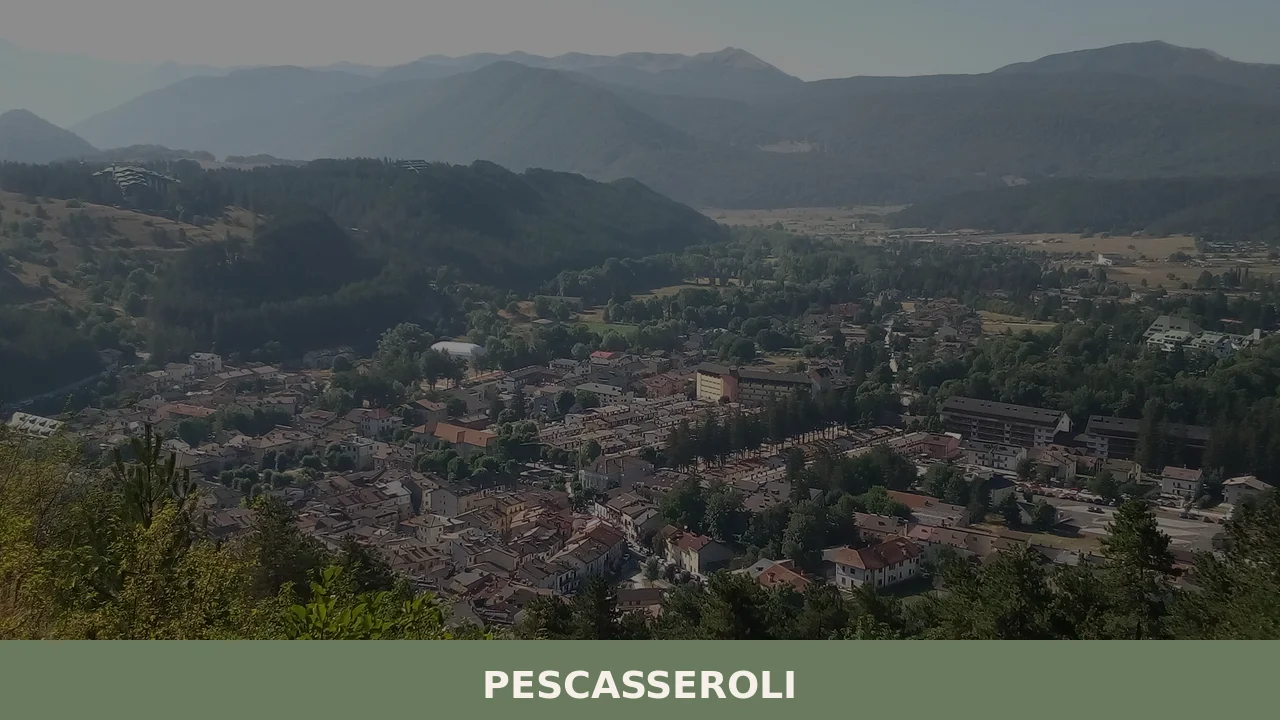
Pescasseroli
 Mountain
What to see in Pescasseroli: from the Abruzzo National Park to Croce’s birthplace, UNESCO beech forests, mountain cuisine and practical information for visiting the village.
Discover Pescasseroli
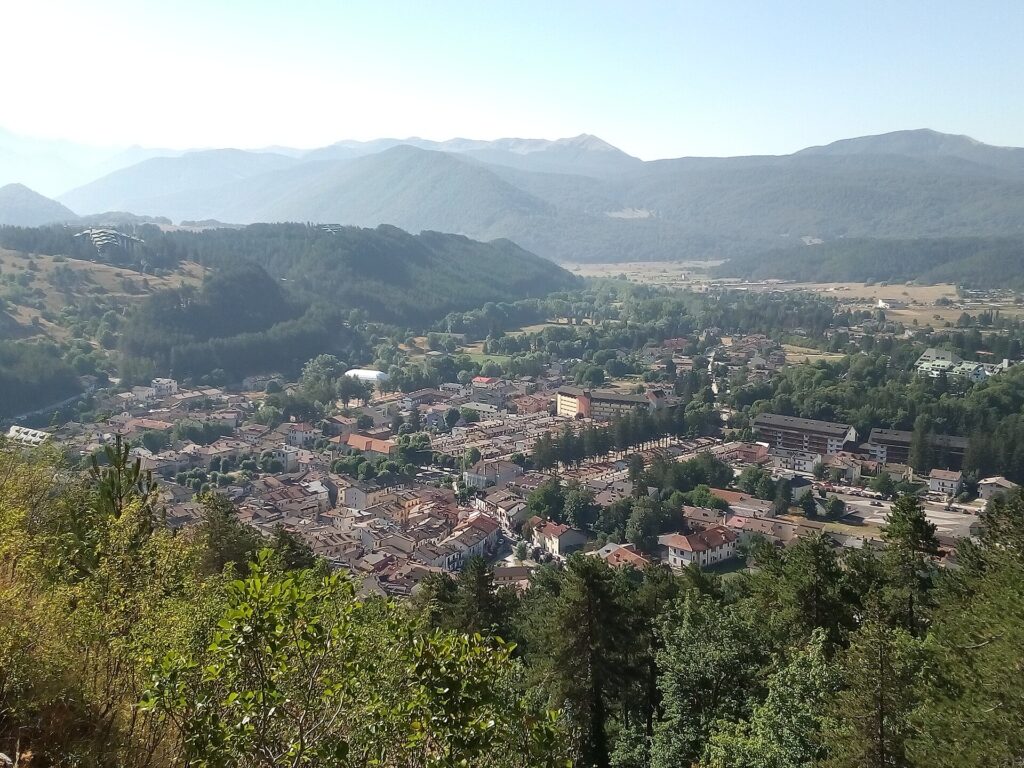
Pescasseroli has 2,209 inhabitants and sits at 1,167 metres above sea level in the heart of the Abruzzo, Lazio and Molise National Park, where it has served as the administrative headquarters since the protected area was established in 1922. The town was the birthplace of Benedetto Croce in 1866, in the family home that still overlooks Corso Benedetto Croce.
Asking what to see in Pescasseroli means engaging with a territory where conservation biology and Apennine culture coexist in tangible ways: Marsican brown bears recorded just a few hundred metres from the town centre, ancient beech forests recognised by UNESCO, and an urban layout that has retained its original medieval structure.
History and origins of Pescasseroli
The place name first appears in a 10th-century document in the form Pesculum Serulae, probably derived from the Latin pesculum (rocky height) and a diminutive referring to a local feature, perhaps the Sangro torrent, which rises in this very area. Alternative interpretations link the name to piscis (fish), owing to the presence of trout in the valley’s watercourses, but medieval documentation favours the orographic hypothesis.
During the Middle Ages, the village belonged to the County of Borrello, then passed under the rule of the Di Sangro family. The parish church of Saints Peter and Paul, dating from the 12th–13th century, houses a polychrome wooden Madonna and Child from the 13th century, attributed to the Abruzzese sculptural school. The town suffered severe damage in the 1915 Marsica earthquake and was partially rebuilt in the following decades.
In 1866, the philosopher and historian Benedetto Croce was born here; in his memoirs he recalled the family home and his childhood spent among the mountains.
The turning point in Pescasseroli’s modern history came on 11 January 1923, when the Abruzzo National Park — one of the first national parks established in Italy — was officially recognised by royal decree. From that moment, the village took on the role of operational centre for the protection of the Marsican brown bear, the Apennine chamois and the wolf, species that in the early decades of the 20th century faced local extinction.
What to see in Pescasseroli: 5 main attractions
1. Visitor Centre of the Abruzzo, Lazio and Molise National Park
Located along Viale Colli dell’Oro, the centre managed by the Park Authority houses a natural history museum with dioramas of local ecosystems, a wildlife area home to Marsican brown bears that cannot be reintroduced into the wild, and an Apennine botanical garden with over 500 catalogued plant species. The exhibition trail documents a century of conservation policies.
2.
Birthplace of Benedetto Croce
At number 28 Corso Benedetto Croce stands the palazzo where the philosopher was born in 1866. The building, restored after the 1915 earthquake damage, hosts a small exhibition space with documents, period photographs and first editions of Croce’s works. A commemorative plaque was placed on the façade in 1936.
3. Church of Saints Peter and Paul
The parish church, dedicated to the patron saints of the village including Paul of Tarsus, features a Romanesque layout from the 12th–13th century with subsequent post-earthquake restorations. Inside, it preserves a finely crafted wooden statue of the Madonna and Child datable to the 13th century and a 14th-century wooden crucifix. The side portal displays carvings in the local limestone.
4.
Vallone Iannanghera and ancient beech forests
About 3 kilometres from the town centre, the trail ascending the valley leads to one of the ancient beech forests added in 2017 to the UNESCO World Heritage List as part of the serial site “Primeval Beech Forests of the Carpathians and Other Regions of Europe.” Some beech trees are over 400–500 years old, with trunks reaching 5 metres in circumference.
5. Monte Marsicano (2,245 m)
The ascent of Monte Marsicano starts from the Stazzo di Pescasseroli locality and covers an elevation gain of roughly 1,000 metres. The trail crosses high-altitude pastures where sightings of Apennine chamois — an endemic subspecies (Rupicapra pyrenaica ornata) with an estimated population of around 700 individuals across the entire park — are frequent. From the summit, the view opens onto the Maiella, Gran Sasso and the Fucino plain.
Local cuisine and regional products
Pescasseroli’s cuisine follows the pastoral tradition of the upper Sangro valley.
Sagne e fagioli — fresh pasta cut into wide, irregular strips and cooked with borlotti beans, garlic, extra-virgin olive oil and chilli pepper — is one of the most common dishes during the cold months. Polenta rognosa, made with cornmeal, crumbled sausage and eggs, is a resourceful dish typical of farming families. Arrosticini, skewers of mutton cut into small cubes and grilled on a fornacella (an elongated charcoal brazier), feature on the menu of every restaurant and food festival in the area. Pecora alla cottora involves slow-cooking for several hours in a copper cauldron with tomato, peppers, rosemary and bay leaf: the process transforms tough cuts of meat into a tender, concentrated dish.
Among the cheeses, you will find Pecorino d’Abruzzo, made from whole sheep’s milk and aged on wooden boards for periods ranging from 2 to 12 months, and fresh sheep’s milk ricotta, also used in dessert-making. Mortadella di Campotosto IGP, a pork salume wrapped in natural casing with a central strip of lardello — produced in the nearby lakeside territories — appears frequently on local tables. The area’s mountain honey, especially the high-altitude wildflower variety, benefits from the park’s wild pasture flora.
For desserts, ferratelle (crispy or soft wafers cooked between two iron plates engraved with geometric patterns) and cagionetti (fried half-moons filled with grape jam, chickpeas, chocolate and almonds, prepared mainly at Christmas) round off festive meals. The Municipality of Pescasseroli organises food events dedicated to the valley’s cuisine every summer.
What to see in Pescasseroli by season: the best time to visit
Winter turns Pescasseroli into a base for cross-country and alpine skiing: the local resort’s lifts generally operate from December to March, with runs extending between 1,500 and 1,945 metres. Snowfalls are frequent and heavy, with accumulations that in some years exceed 2 metres on the ground in the town centre. Spring, from April to June, marks the flowering of mountain meadows and the emergence of bears from hibernation: this is the period when the park’s biologists step up monitoring activities.
Summer brings daytime temperatures between 20 and 28 degrees, conditions that favour hikes at higher elevations. Concerts and cultural programmes are concentrated between July and August. Autumn offers the beech forests in full colour change — from green to yellow, orange and deep red — between October and the first half of November, attracting a growing number of nature photographers.
The patron feast of Saints Peter and Paul is celebrated on 29 June. In August, the Rassegna dei Parchi (Parks Festival) takes place, a cultural event bringing together representatives of Italy’s protected areas with screenings, conferences and educational activities. Those seeking less crowded conditions can aim for September and the first half of October: restaurants and accommodation remain open, trails are accessible and temperatures are still mild during the middle of the day.
How to reach Pescasseroli
By car, from the A25 Rome–Pescara motorway, exit at the Pescina or Celano–Aielli toll station and continue for about 40 kilometres along the SR 83 Marsicana regional road, which crosses the Passo del Diavolo (1,400 m) before descending into the valley.
From Rome the distance is approximately 170 kilometres (2 hours and 15 minutes under normal conditions); from Naples, the drive is around 200 kilometres (2 hours and 30 minutes) passing through Castel di Sangro and Opi. From Pescara the route covers roughly 130 kilometres.
The nearest railway station is Avezzano, on the Rome–Avezzano–Sulmona line, about 50 kilometres away. From Avezzano, scheduled buses operated by TUA (Trasporto Unico Abruzzese) run daily to Pescasseroli, with a journey time of approximately one hour. The closest airport is Rome Fiumicino (190 km), followed by Rome Ciampino (175 km) and Abruzzo Airport in Pescara (140 km).
In winter, snow chains or winter tyres are mandatory on the mountain stretches of the Marsicana road.
Other villages to discover in Abruzzo
Visitors to Pescasseroli who wish to explore the Abruzzo hinterland may consider a stop at Lucoli, a scattered municipality in the province of L’Aquila made up of numerous hamlets spread along a valley at around 1,000 metres of elevation. Lucoli preserves hermitages and rural churches scattered across its vast municipal territory, with a landscape alternating between beech and oak woods and meadows used for summer grazing. The distance from Pescasseroli is approximately 80 kilometres, reachable in about an hour and a half via Avezzano.
In the opposite direction, towards the Adriatic coast and the border with the Marche, the village of Ancarano lies in the Tronto Valley, in the province of Teramo, at an altitude of just 229 metres. The contrast with Pescasseroli is stark: from a high-mountain landscape, one moves to a hilly terrain with olive groves and vineyards. Ancarano documents a different side of the region — that of low-hill agriculture and cultural exchange with the neighbouring Marche territory. Together, the two villages illustrate the range of altitude and climate that defines Abruzzo — from Pescasseroli’s 1,167 metres to the valley floors close to the Adriatic.
Frequently asked questions about Pescasseroli
What is the best time to visit Pescasseroli?
Each season offers a distinct experience. Winter (December–March) suits skiers, with runs between 1,500 and 1,945 metres. Spring (April–June) is ideal for wildlife watching as bears emerge from hibernation and meadows bloom. Summer brings mild temperatures (20–28 °C), hiking, and cultural events concentrated in July and August. The patron feast of San Paolo is celebrated on 29 June, while the Rassegna dei Parchi takes place in August. For fewer crowds with trails still open and autumn foliage at its peak, aim for September through mid-October.
What are the historical origins of Pescasseroli?
The village name appears in a 10th-century document as Pesculum Serulae, likely derived from the Latin pesculum (rocky height). During the Middle Ages it belonged to the County of Borrello, then passed to the Di Sangro family. The 1915 Marsica earthquake caused significant damage, leading to partial reconstruction. The modern era was shaped by the establishment of the Abruzzo National Park in 1923 — one of Italy's first — and by the birth here in 1866 of philosopher and historian Benedetto Croce.
What to see in Pescasseroli? Main monuments and landmarks
The five key sites are: the National Park Visitor Centre on Viale Colli dell'Oro (natural history museum, bear enclosure, botanical garden with 500+ plant species); the Birthplace of Benedetto Croce at Corso Benedetto Croce 28 (exhibition with documents and first editions); the 12th–13th-century Church of Saints Peter and Paul (wooden Madonna and Child, 14th-century crucifix); the Vallone Iannanghera UNESCO ancient beech forest 3 km from the centre; and Monte Marsicano (2,245 m) for panoramic summit views over the Maiella and Gran Sasso.
What are the main natural or scenic attractions of Pescasseroli?
Pescasseroli sits at the heart of the Abruzzo, Lazio and Molise National Park, one of Italy's oldest protected areas. Key natural highlights include the Vallone Iannanghera ancient beech forest — part of the 2017 UNESCO World Heritage serial site — with trees up to 400–500 years old. Monte Marsicano (2,245 m) offers trails crossing high-altitude pastures with regular Apennine chamois sightings. The park hosts Marsican brown bears recorded within a few hundred metres of the town centre, as well as wolves and a rich Apennine flora documented in the park's botanical garden.
Where to take the best photos in Pescasseroli?
The summit of Monte Marsicano (2,245 m) delivers a sweeping panorama encompassing the Maiella, Gran Sasso and the Fucino plain — ideal in clear weather from late spring to early autumn. The Vallone Iannanghera beech forest peaks visually between mid-October and early November, when foliage turns yellow, orange and deep red, drawing nature photographers specifically for this display. In the town itself, the medieval street layout along Corso Benedetto Croce and the façade of the Church of Saints Peter and Paul with its carved limestone portal offer strong architectural compositions.
Are there museums, churches or historic buildings to visit in Pescasseroli?
The National Park Visitor Centre on Viale Colli dell'Oro functions as the area's principal museum, with dioramas, a century of conservation history, and live animals. The Birthplace of Benedetto Croce at Corso Benedetto Croce 28 houses period documents, photographs and first editions; a commemorative plaque was placed on the façade in 1936. The Church of Saints Peter and Paul preserves a 13th-century polychrome wooden Madonna and Child and a 14th-century wooden crucifix. For current opening hours and admission fees, check the Ente Parco Nazionale d'Abruzzo, Lazio e Molise official website.
What can you do in Pescasseroli? Activities and experiences
Outdoor activities dominate year-round: alpine and cross-country skiing at the local resort (December–March, runs up to 1,945 m); hiking to Monte Marsicano (+1,000 m elevation gain) and through the UNESCO beech forests; wildlife watching for bears, chamois and wolves within the national park. Culturally, summer brings concerts and the August Rassegna dei Parchi festival. Gastronomic events dedicated to the upper Sangro valley's cuisine are organised by the municipality each summer. The park's visitor centre offers educational trails suitable for guided visits with children.
Who is Pescasseroli suitable for? Families, couples, hikers, solo travelers?
Pescasseroli works well for a wide range of visitors. Families benefit from the park's wildlife area — where Marsican brown bears can be observed safely — and the educational visitor centre. Hikers and nature enthusiasts find serious terrain in Monte Marsicano and the UNESCO beech forests. Couples can combine cultural visits (Croce birthplace, medieval church) with scenic autumn foliage walks. Winter sports fans have a compact ski resort on hand. The village's small scale, walkable historic centre and year-round events also make it rewarding for solo travellers seeking an authentic Apennine experience.
What to eat in Pescasseroli? Local products and specialties
The local table reflects the pastoral tradition of the upper Sangro valley. Key dishes include sagne e fagioli (fresh wide pasta with borlotti beans, garlic and chilli), polenta rognosa (cornmeal with sausage and eggs), arrosticini (mutton skewers grilled on a fornacella), and pecora alla cottora (slow-cooked mutton in copper cauldron with tomato and peppers). Cheeses feature Pecorino d'Abruzzo aged 2–12 months and fresh sheep's milk ricotta. Mortadella di Campotosto IGP from nearby territories appears on local tables. For desserts, look for ferratelle wafers and Christmas cagionetti filled with grape jam, chickpeas, chocolate and almonds.
📷 Photo Gallery — Pescasseroli
Nearby Villages near Pescasseroli
In Abruzzo More villages to discover
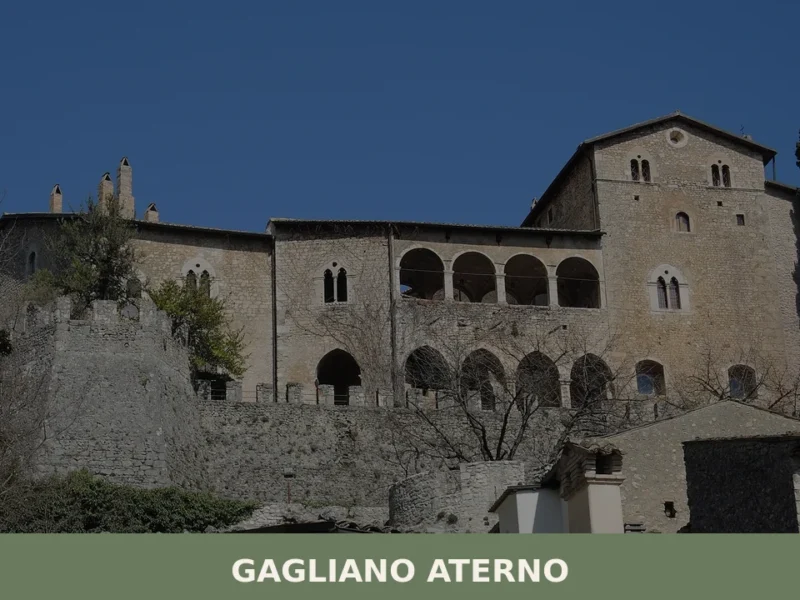
Gagliano Aterno
Mountain
What to see in Gagliano Aterno, Italy: a 14th-century castle, Baroque stucco church and a village of 251 inhabitants 45 km from L'Aquila. Discover the full guide.
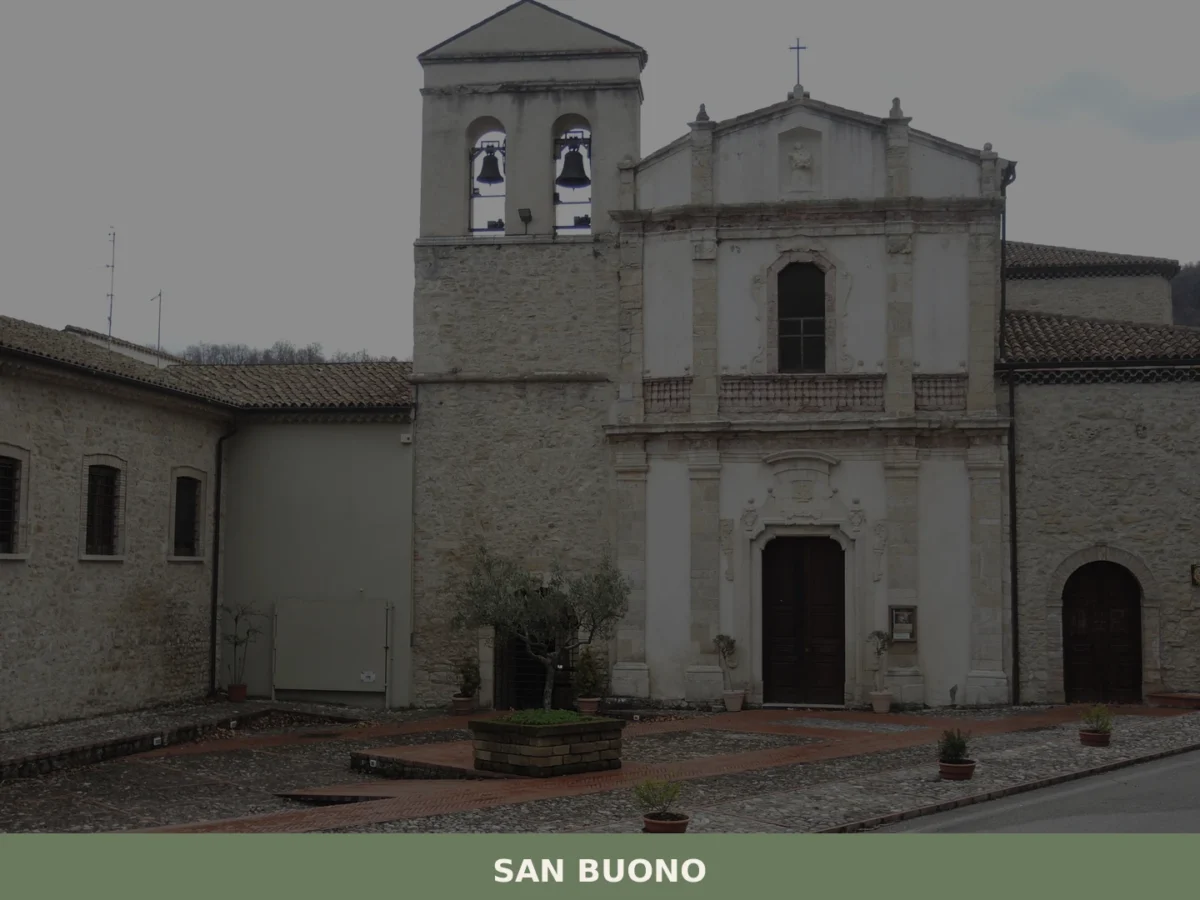
San Buono
 Hills
Hills
What to see in San Buono? Explore our complete guide to this Abruzzo village (1,010 residents), rich in history and nature. Plan your visit now!
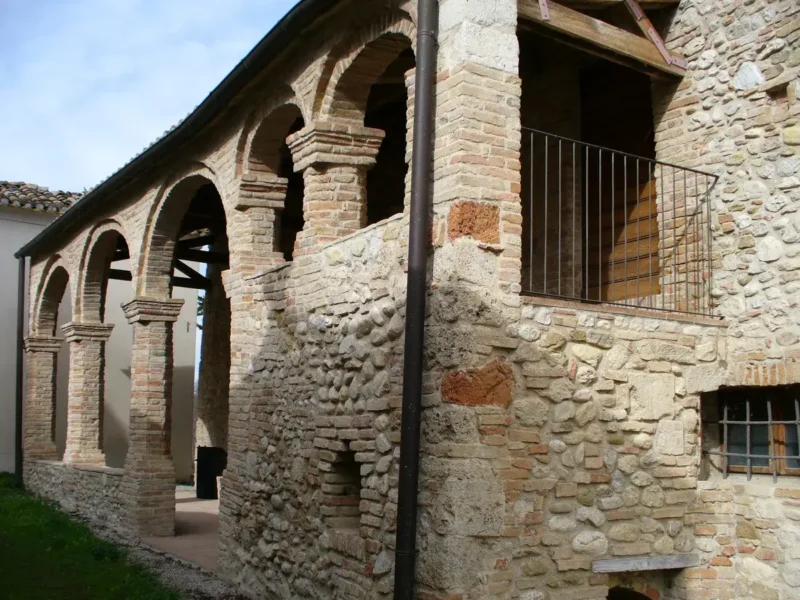
Torano Nuovo
 Sea
Sea
What to see in Torano Nuovo: 5 attractions including historic village, churches and Abruzzo vineyards. Discover the complete guide to visit in one day.
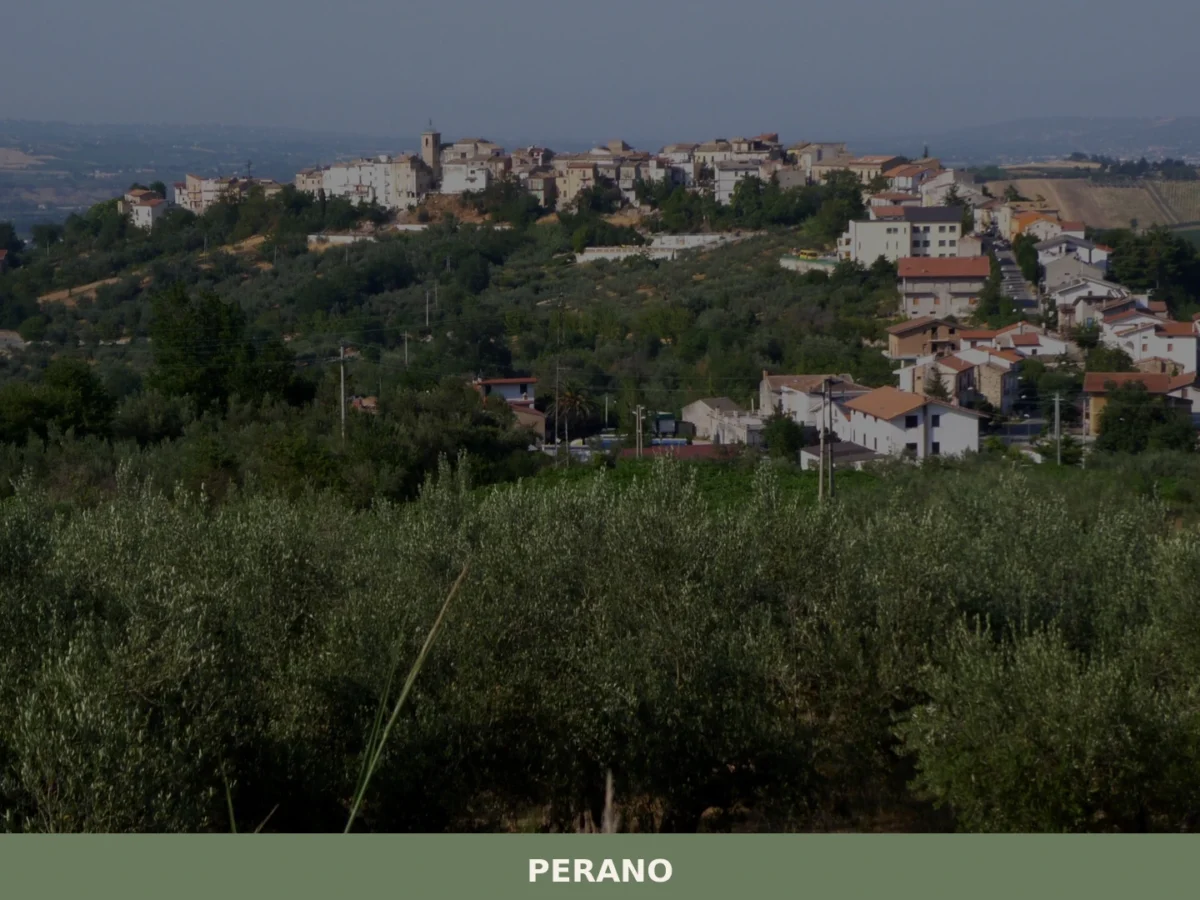
Perano
 Plains
What to see in Perano? Discover the complete guide to the 3 unmissable attractions of this Abruzzo village. Plan your visit now!
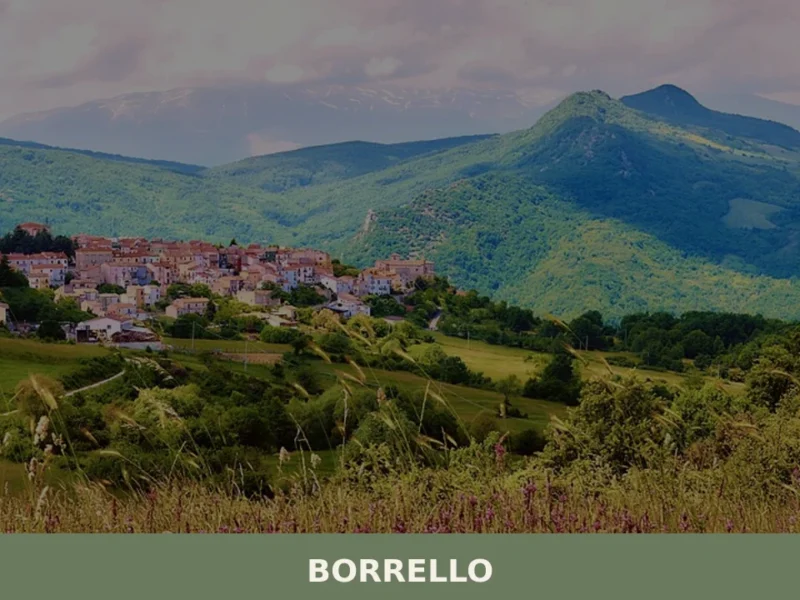
Borrello
Mountain
At 804 metres above sea level, on the eastern slope of the Majella massif, 338 inhabitants watch over a settlement that in the eighteenth century counted more than two thousand residents. Anyone looking into what to see in Borrello will find a territory shaped more by geology than by human hands: the Cascate del Verde, […]
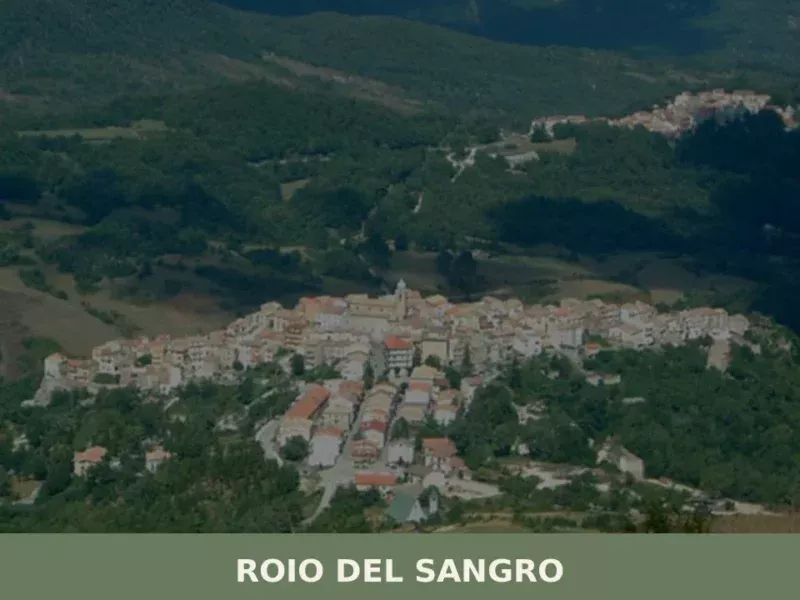
Roio del Sangro
Mountain
What to see in Roio del Sangro? Explore the 5 main attractions of this village in Abruzzo, amidst history and nature. Discover the ultimate guide for your visit!
Celano
Mountain
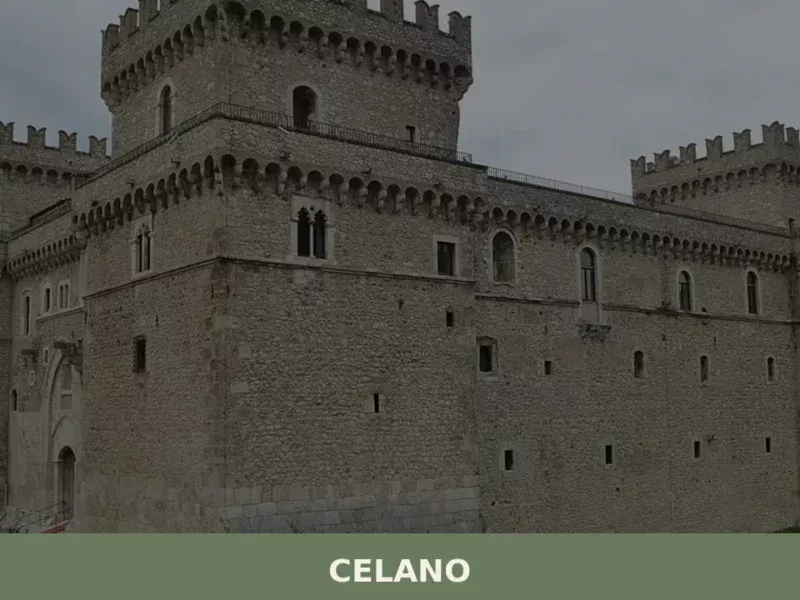
The Castello Piccolomini in Celano, with its four corner towers and curtain wall enclosing a perimeter of over one hundred metres, commands the Fucino plain from an altitude of 840 metres. Anyone wondering what to see in Celano will find an unequivocal starting point here: a fortress that has endured six centuries of history, earthquakes […]
Salle
Mountain
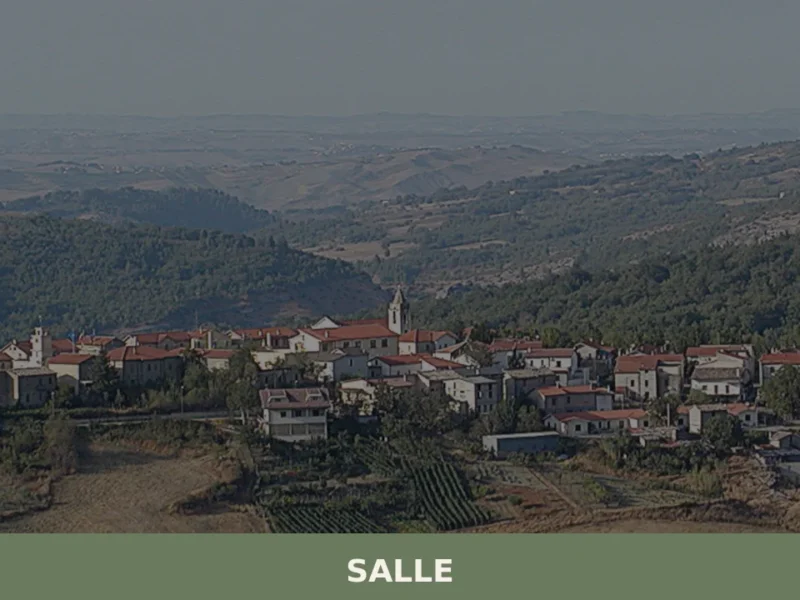
From its elevation of 680 m (2,231 ft) above sea level, the village of Salle overlooks the Orta Valley, where the river carves through limestone gorges towards the Majella massif. Stone houses, built from local materials, cluster tightly along ancient pathways, revealing centuries of human habitation in this mountainous landscape. The air often carries the […]
Pietracamela
Mountain
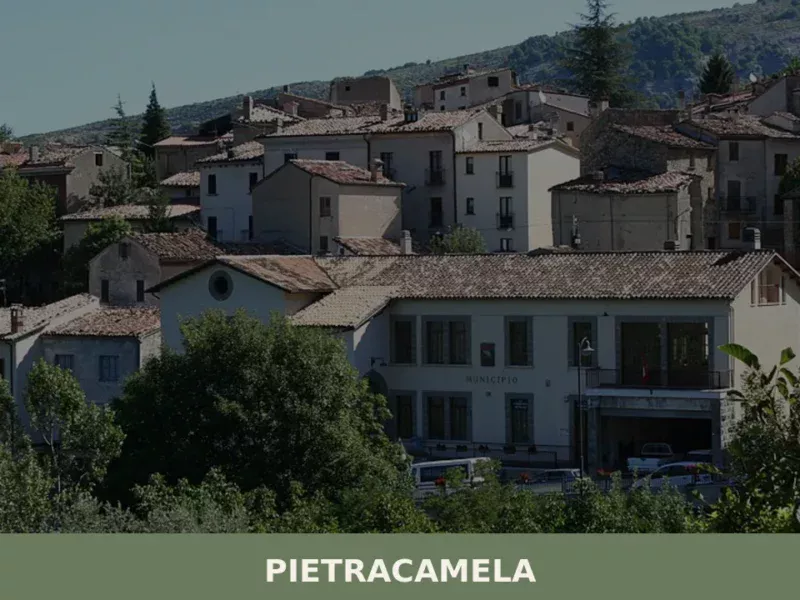
what to see in pietracamela, Italy. Discover its top attractions, events, and culinary delights. Explore attractions like Gran Sasso and experience local festivals. A complete guide to this Abruzzo gem.
Corfinio
Hills
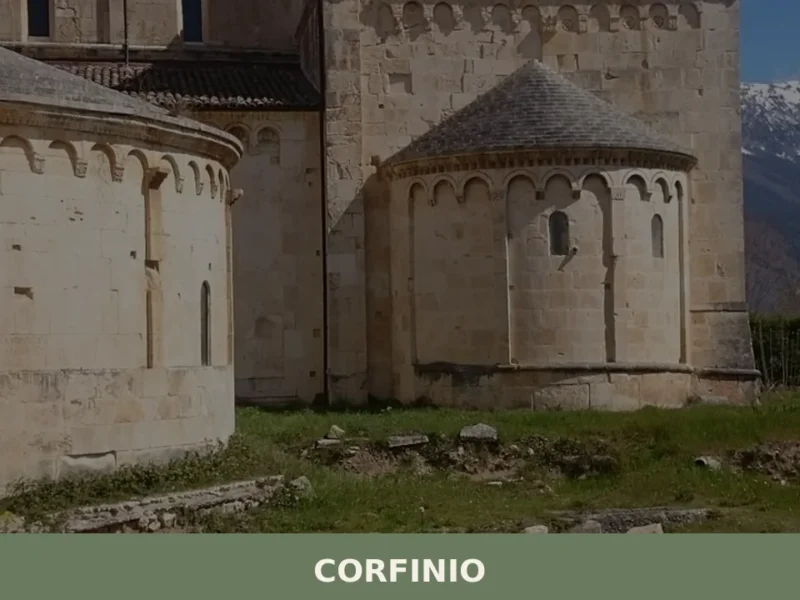
what to see in Corfinio, Italy: Explore this Abruzzese village at 346 m a.s.l., from its Roman past to the Museo Antonio De Nino. Discover Corfinio.




🏡 Know Pescasseroli better than we do?
If you’re a local or have been there, your knowledge matters: add what’s missing or fix a detail on this page.