


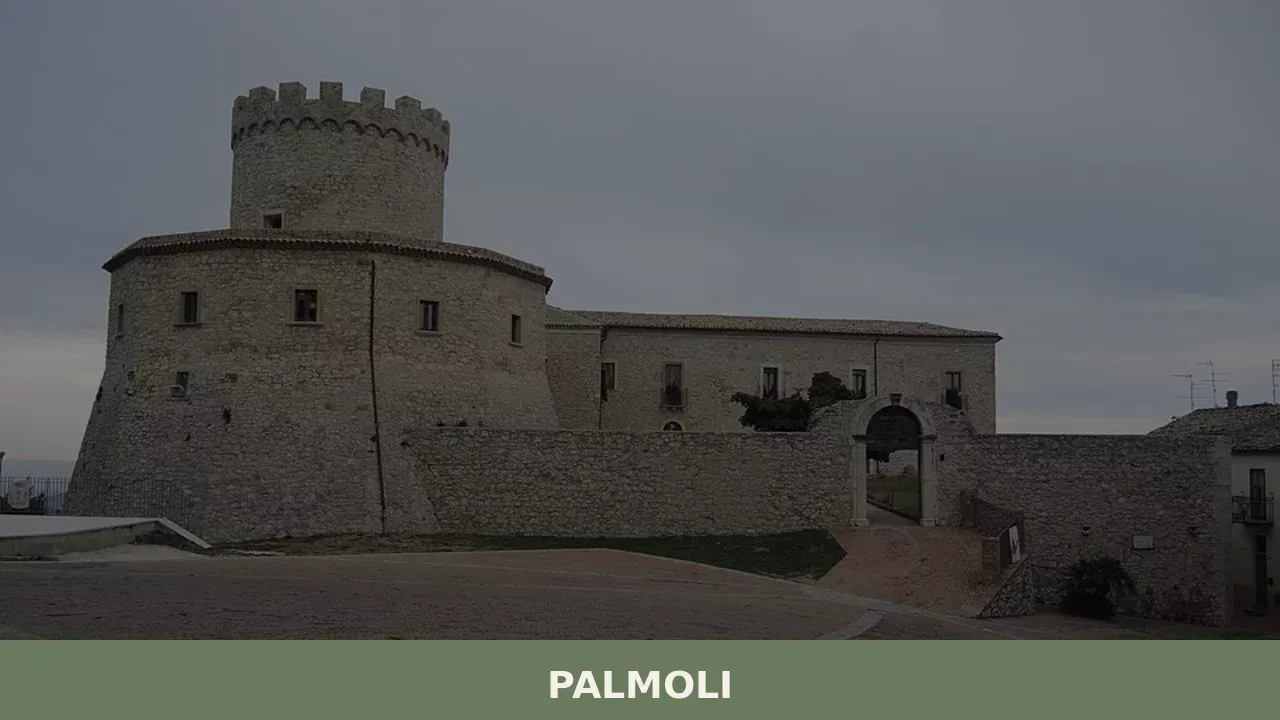

Palmoli is a hilltop commune of roughly 840 residents in Chieti province, Abruzzo, known for its marchional castle, museum of rural civilisation, and the unspoilt landscape of the Abruzzo interior.
Discover Palmoli
Palmoli is a hilltop comune of around 841 residents in the province of Chieti, Abruzzo, standing at 711 metres above sea level across a municipal territory of just over 32.76 square kilometres. The settlement belongs to the inner hill zone of the region and centres on a castle complex whose origins go back to the early medieval period, when a fortified community began to take shape on this elevated ground overlooking the surrounding landscape.
Palmoli village in Abruzzo carries a long and layered history, from its pre-Roman roots among the Frentani people through centuries of feudal lordship — documented as early as the twelfth century — to the modern era marked by the Second World War fighting on the nearby Trigno front. Today the village, whose patron saint is San Valentino celebrated on 14 February, preserves that history in its castle, its church of Santa Maria delle Grazie, and a museum dedicated to rural life and the abandoned castles of the Vastese area.
Palmoli village in Abruzzo: history and origins
Palmoli is a small hilltop settlement in the Chieti province of Abruzzo whose roots reach back to the era of the Frentani people, later absorbed into the Roman world, and whose medieval character took shape around the year 1000 when inhabitants gathered on the ridge and raised a castle there.
By the twelfth century the settlement was documented in the Catalogus baronum under the Latin form Palmulam, recorded as a possession held by Filippo di Grandinato in subvassalage from the count of Loreto. In the earlier part of the fifteenth century it passed into the hands of Paolo di Sangro, and control subsequently moved to the Caracciolo di San Buono and then to the Severino-Longo, whose name endures in the palazzo that forms part of the castle complex.
In the early nineteenth century Palmoli was briefly merged with the neighbouring centre of San Buono, between around 1807 and 1811, before regaining its separate standing. The territory was touched by the fighting of the Second World War, when the area became a site of conflict during the battle of the Trigno in 1943.
Castle, Church and Museum: Palmoli’s Built Heritage
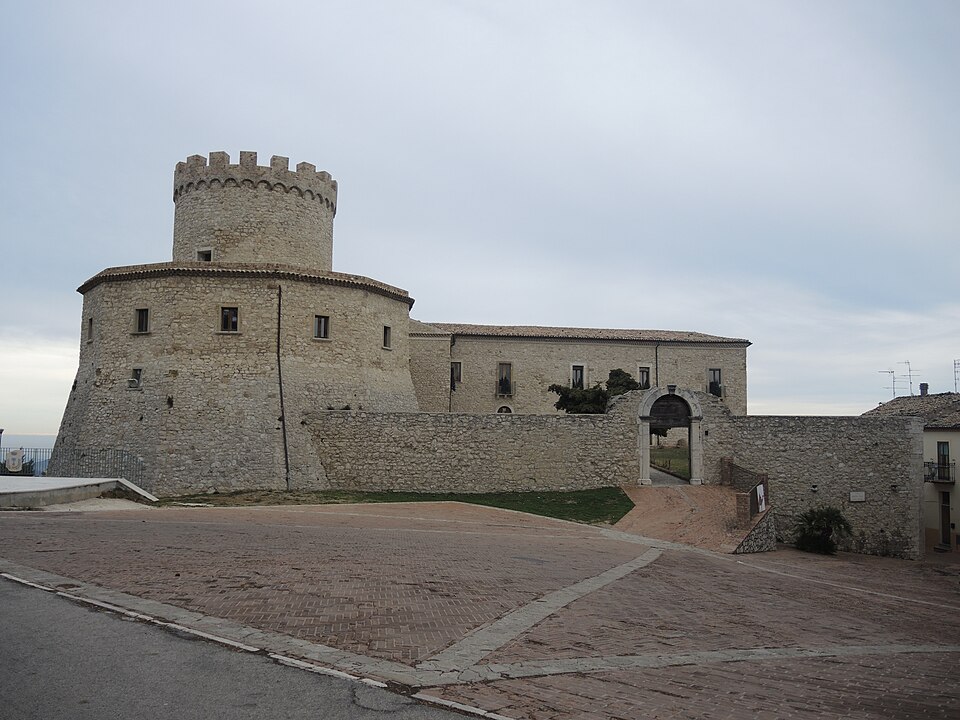
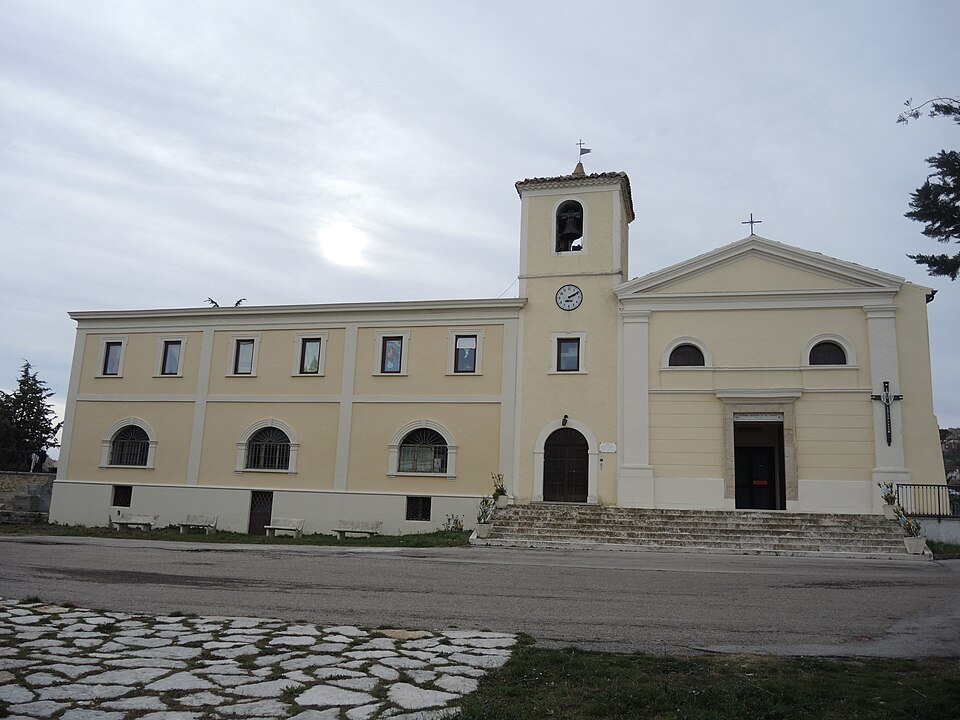
Palmoli’s principal landmarks are the castello marchesale, the church of Santa Maria delle Grazie, and the museum of peasant civilisation and abandoned castles housed inside one wing of the castle.
Castello Marchesale
The castle is built in local limestone, sandstone and brick. Its most distinctive element is a twelve-sided tower from the sixteenth century, which absorbed an earlier circular tower. The complex also includes the Palazzo Severino-Longo and the church of San Carlo Borromeo. Until the early twentieth century a further tower with vertical, unsloped walls stood within the compound. An adjoining marchesale palace encloses a garden equipped with casemates built for defensive purposes.
Museo della Civiltà Contadina e dei Castelli Abbandonati del Vastese
One wing of the castello marchesale houses this museum, which brings together archaeological finds and an ethnological section. Its focus is on agropastoral life in the Vasto area, documented through tools, working implements and related objects.
Church of Santa Maria delle Grazie
The parish church of Palmoli is built in the Romanesque Abruzzese style.
Convento della Madonna del Carmine
This religious building presents a Baroque character and is the starting point of the procession held each year in honour of the Madonna del Carmine.
Fonte alle Coste
Located in the locality of the same name at around 711 metres above sea level, this public fountain dates from the mid-nineteenth century and was rebuilt at the end of the same century. It consists of two rectangular pillars and horizontal cornices supporting a round arch, above which sits a stone architrave. The rectangular basin is fronted by a carved mascherone.
Palmoli and Its Vastese Territory: Certified Products and Local Flavours
The area around Palmoli, in the Vastese corner of Chieti province, is home to certified products including IGP-recognised Agnello del Centro Italia and Vitellone bianco dell’Appennino Centrale, DOP-protected Colline Teatine olive oil and Salamini italiani alla cacciatora, alongside a generous range of Abruzzo wines. Among the reds, Montepulciano d’Abruzzo DOC is a broad denomination covering much of the region, while the DOCG designation applies exclusively to the Colline Teramane subzone; the pale copper-pink Cerasuolo d’Abruzzo DOC offers a distinctive rosé expression of the same grape. The broader Abruzzo DOC and Ortona DOC denominations also cover the provincial territory, together with IGT designations such as Colline Teatine and Colline Frentane.
Among traditional regional preparations cited for this area, herbal liqueurs deserve a mention: Centerba (also known as Cianterba) is a sharp, intensely aromatic spirit long associated with Abruzzo hill country, and gentian-based digestivi — including amaro and liquore di genziana — reflect the mountain flora of the interior. Mosto cotto, a cooked grape must used as a sweetener and condiment, and Ratafia, a mellow cherry liqueur, round out the territory’s traditional drinks. These are regional and provincial traditions rather than products exclusive to Palmoli itself.
Reaching Palmoli and Planning Your Stay in the Chieti Highlands
Palmoli sits at 711 metres above sea level in the inland hills of Chieti province and is most comfortably reached by car, with the nearest motorway access on the A14 Adriatica; the best seasons to visit are late spring and early autumn, when the hill climate is mild and the surrounding landscape at its most rewarding. The village covers a compact area of roughly 32.76 square kilometres, and its position in the Vastese makes it a practical base for exploring several neighbouring historic centres.
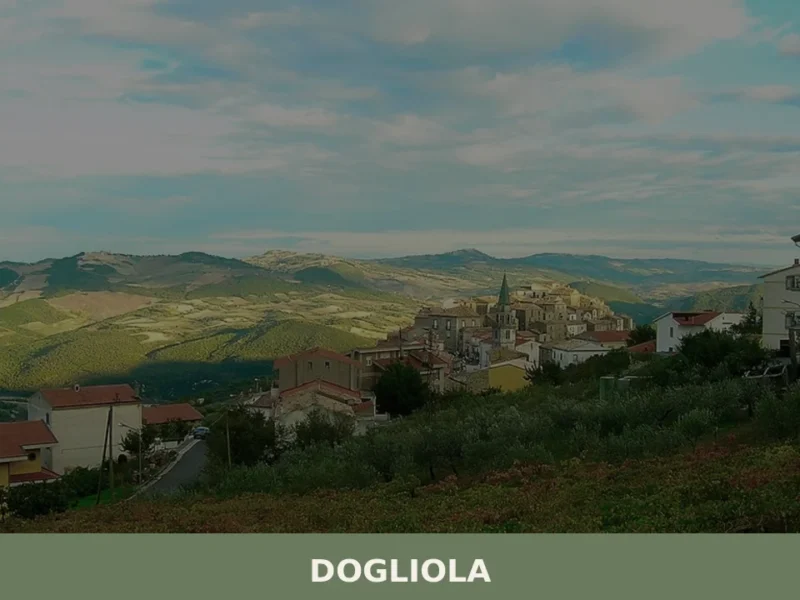
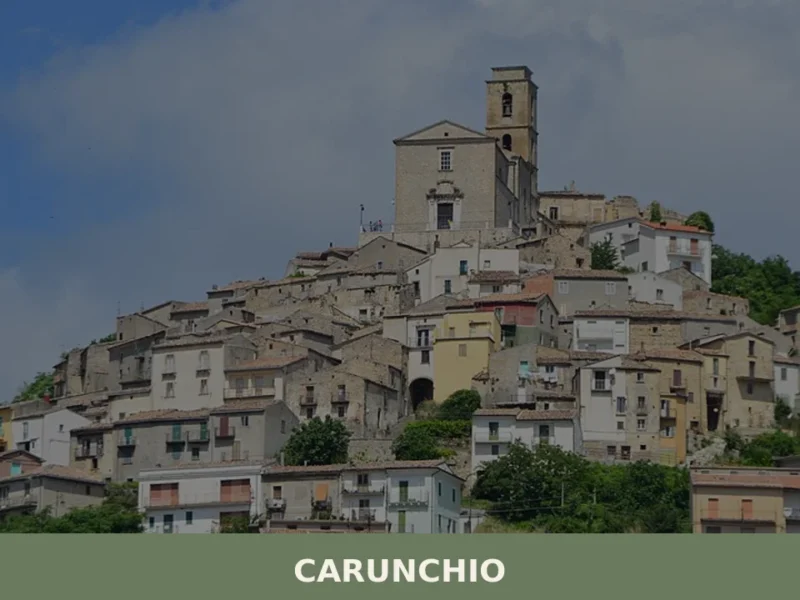
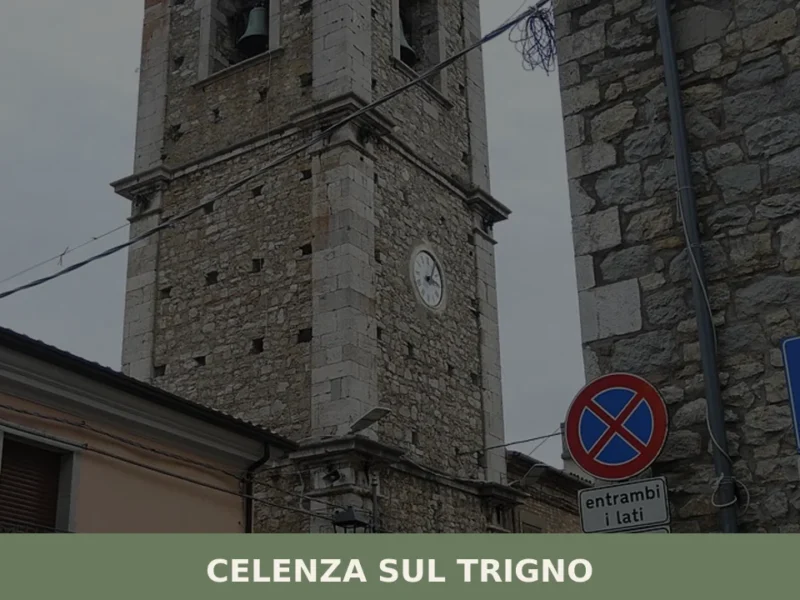
Carunchio, another hilltop settlement of the Vastese, lies within easy driving distance and pairs well with a visit to Palmoli. Heading towards the Trigno valley, Celenza sul Trigno offers a further point of interest in a landscape marked by the wartime history of the Trigno line. To the south-west, Carpineto Sinello completes a natural circuit through the inner Chieti hills.
| Departure | Distance | Time |
|---|---|---|
| Vasto (uscita A14) | approx. 30 km | approx. 40 min |
| Chieti | approx. 75 km | approx. 1 hour and 15 min |
| Lanciano | approx. 55 km | approx. 1 hour |
| Pescara | approx. 95 km | approx. 1 hour and 30 min |
The feast of the patron saint San Valentino, celebrated on 14 February, draws visitors even in winter. The institutional website of the municipality — www.comune.palmoli.ch.it — is the recommended starting point for up-to-date local information before your journey.
Frequently asked questions about Palmoli
When is the best time to visit Palmoli?
The most evocative time to visit Palmoli is around 14 February, when the village celebrates its patron saint San Valentino di Terni with local festivities. Spring and early autumn are also ideal: mild temperatures, clear skies, and uncrowded streets make exploring the hilltop village comfortable. Summer brings warm but not extreme heat at 711 metres of altitude, while winter can be cold and occasionally snowy, adding atmosphere but requiring careful road planning.
How do you get to Palmoli by car?
By car, Palmoli is most easily reached via the A14 Adriatic motorway, exiting at Vasto Nord or Lanciano and then following inland provincial roads towards the Vastese hill country. The village sits roughly 30 kilometres west of Vasto. Roads are narrow and winding in the final stretch, so a medium-sized vehicle is advisable. There is limited but usable parking near the village entrance, typical of small hilltop comuni in Abruzzo.
Is there a train or bus service to Palmoli?
Palmoli has no direct rail connection. The nearest railway stations are Vasto–San Salvo and Lanciano, both on the Adriatic line served by Trenitalia regional trains. From those stations, reaching Palmoli requires a local bus run by regional operators or, more practically, a private car or taxi. Visitors travelling without a car should plan onward transport in advance, as rural bus frequencies in inland Chieti province are limited, especially on weekends.
How long should you plan for a visit to Palmoli?
A half-day is sufficient to visit Palmoli's main sights: the medieval castle complex, the church of Santa Maria delle Grazie, and the museum dedicated to rural life and the abandoned castles of the Vastese area. Combining the village with a walk along nearby trails or a lunch featuring local Vastese cuisine can easily extend the stay to a full day. Overnight options exist in the surrounding area in the form of agriturismos in the broader Chieti hinterland.
Are there any documented walking or outdoor routes near Palmoli?
The territory around Palmoli, part of the inner Vastese hill zone at around 711 metres, offers scenic countryside suited to walking and cycling, with routes connecting nearby villages across the Trigno and Sinello river valleys. The CAI (Club Alpino Italiano) maintains marked trails in the broader Chieti province hill network. Visitors interested in specific waymarked itineraries should consult the local CAI Chieti section or the Abruzzo regional tourism portal for up-to-date trail maps and difficulty ratings.
📷 Photo Gallery — Palmoli
Nearby Villages near Palmoli
In Abruzzo More villages to discover
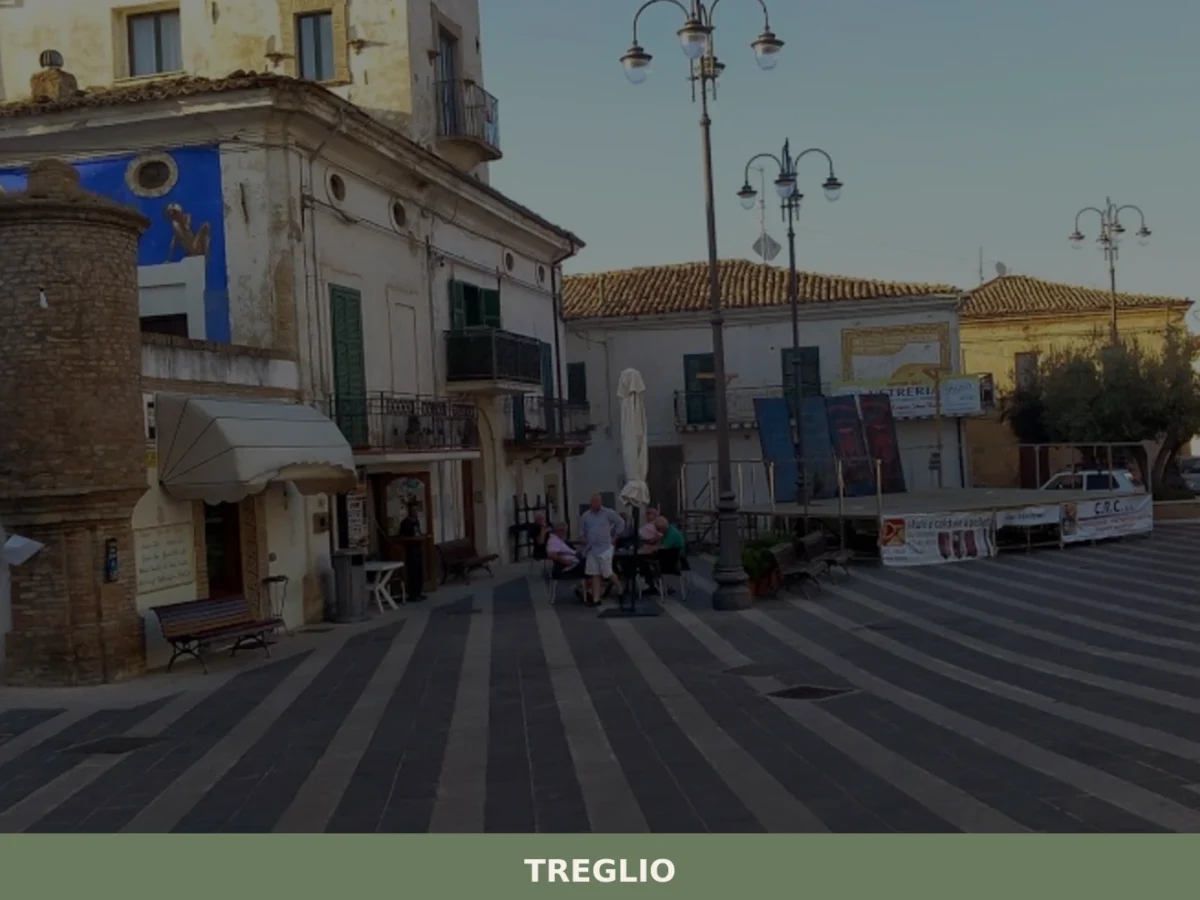
Treglio
 Plains
What to see in Treglio? Explore the 5 main attractions of this village in Abruzzo. Discover the complete guide for your visit!
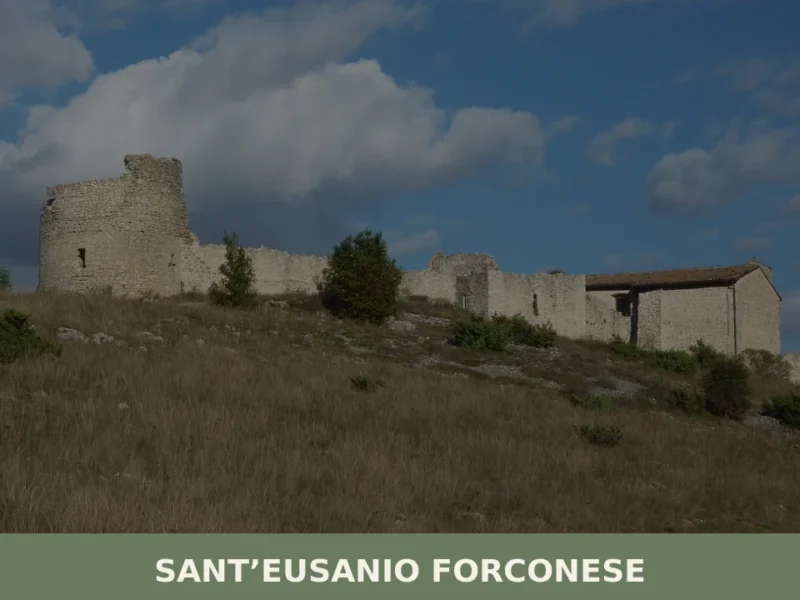
Sant’Eusanio Forconese
 Mountain
A small mountain village in the L'Aquila province where a medieval basilica with corner towers still dominates the rooftops at 592 metres above the Aterno valley.
Ofena
Mountain
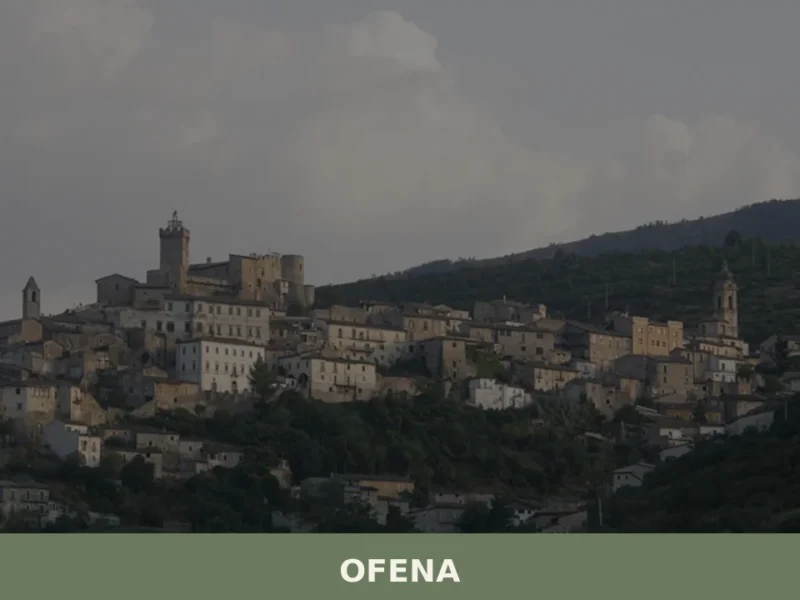
What to see in Ofena, Italy: Explore its historical significance as Aufinium and the Gran Sasso e Monti della Laga National Park. This village of 517 inhabitants offers a journey into Abruzzo's past. Read our guide.
Fossa
Mountain
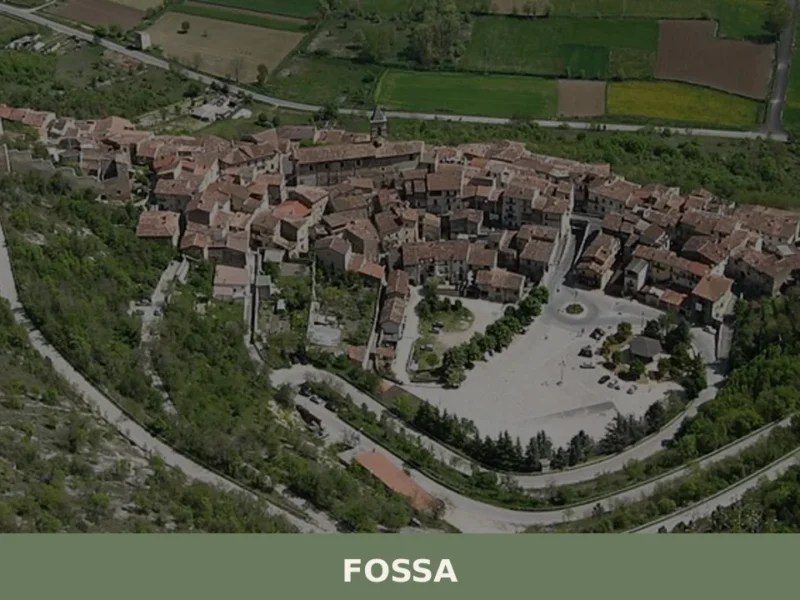
The Vestine necropolis of Fossa, unearthed in 1992 along the state road 17, revealed over six hundred tombs dating from the 9th to the 1st century BC — a discovery that rewrote our understanding of pre-Roman central Italy. Anyone wondering what to see in Fossa will find a solid starting point here: a village of […]

Casoli
 Hills
Hills
What to see in Casoli, Abruzzo, Italy: explore Castello Masciantonio, Lake Casoli 4 mi away, and a medieval town listed among Italy's most beautiful villages. Discover it now.
Pennadomo
Hills
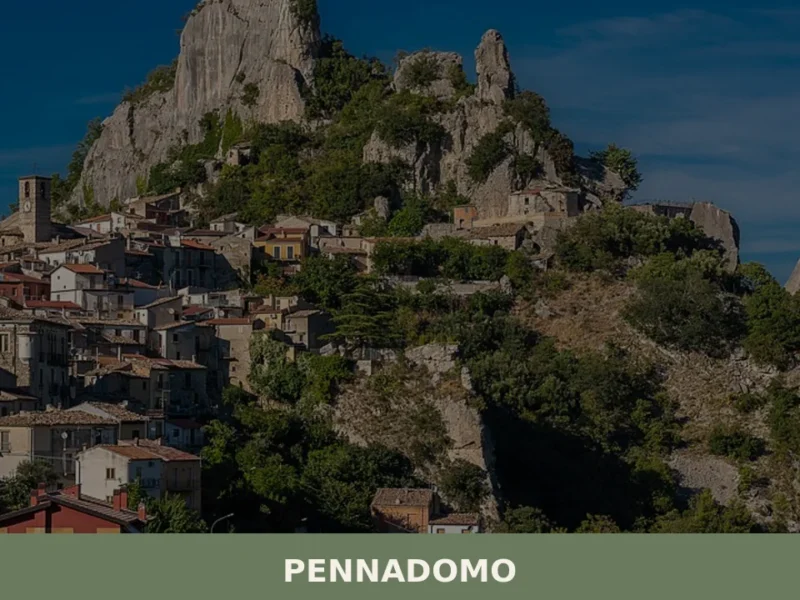
Pennadomo is a small mountain comune of 204 residents in the Chieti province of Abruzzo, with roots documented as far back as 1114 and three historic churches at its centre.
Carpineto Sinello
Hills
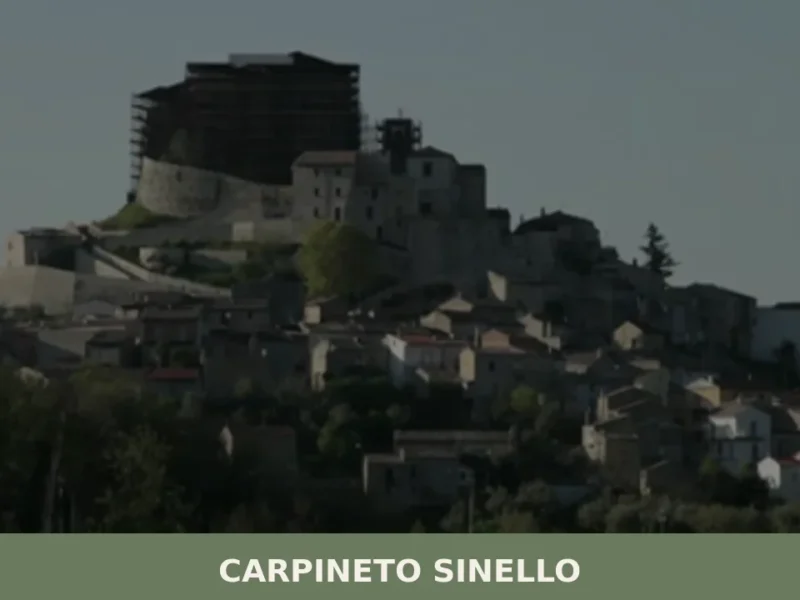
At 381 metres above sea level, on the ridge line separating the Sinello valley from the Appello stream valley, Carpineto Sinello has just 480 inhabitants today — less than a fifth of the nearly two thousand recorded in early twentieth-century censuses. The demographic data tells the story of a hilltop centre in the Chieti area […]
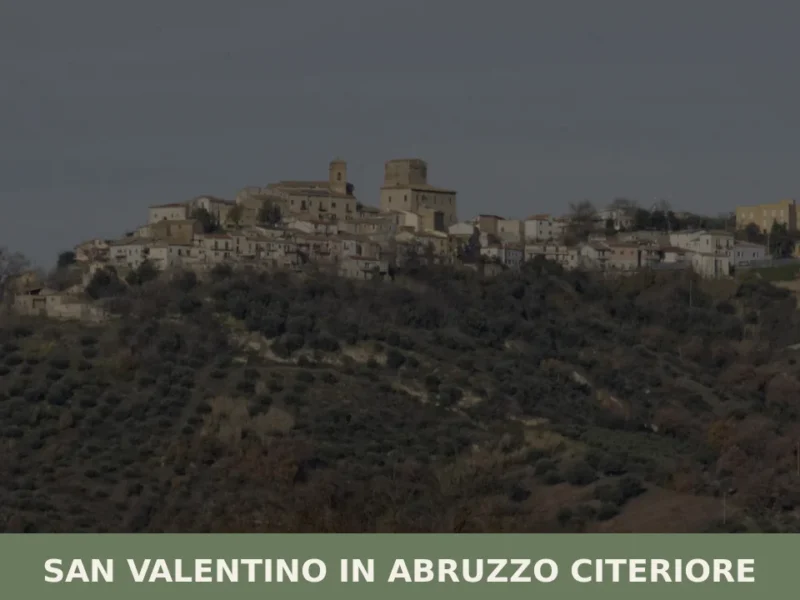
San Valentino in Abruzzo Citeriore
Hills
The Apennine peaks rise around San Valentino in Abruzzo Citeriore, a mountain hill town that has maintained its historical character over centuries. Situated on the northern edge of the Majella National Park, this location offers commanding views and a sense of enduring heritage. In this article History of San Valentino in Abruzzo Citeriore What to […]
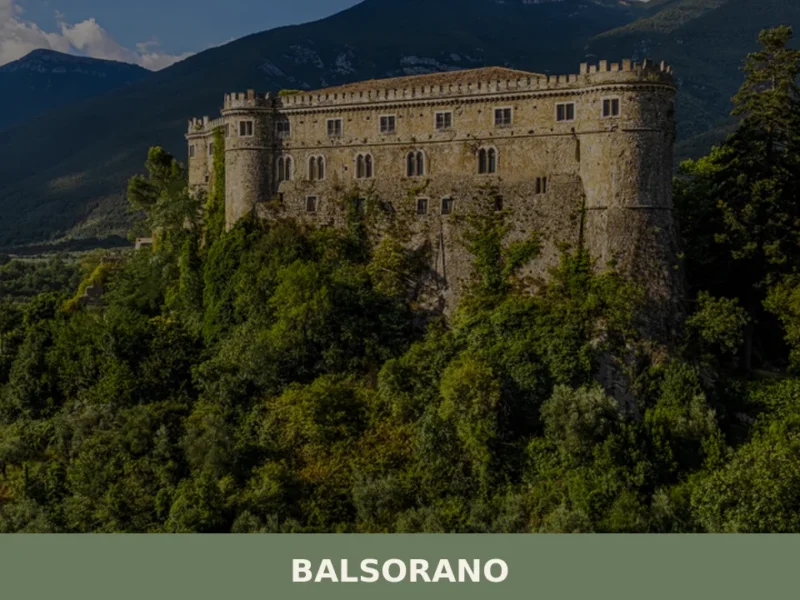
Balsorano
Hills
The Val Roveto divides southern Abruzzo from Lazio along a fault line that has determined earthquakes, migrations and feudal borders for over seven centuries. Balsorano occupies the valley floor and the hillside at 340 metres above sea level, with its 3,617 inhabitants spread between the upper historic centre — Balsorano Vecchio — and the modern […]
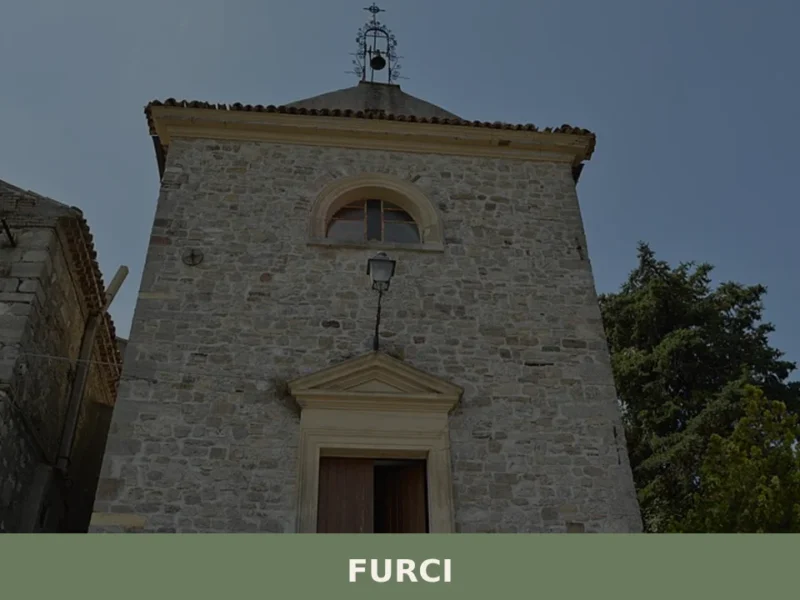
Furci
Hills
Furci has 806 inhabitants and sits at 550 metres above sea level, along the hill ridge that separates the Sinello valley from the Treste stream valley, in the southern part of the province of Chieti. Anyone looking into what to see in Furci will find a compact urban centre, organised around the main church and […]



🏡 Know Palmoli better than we do?
If you’re a local or have been there, your knowledge matters: add what’s missing or fix a detail on this page.