


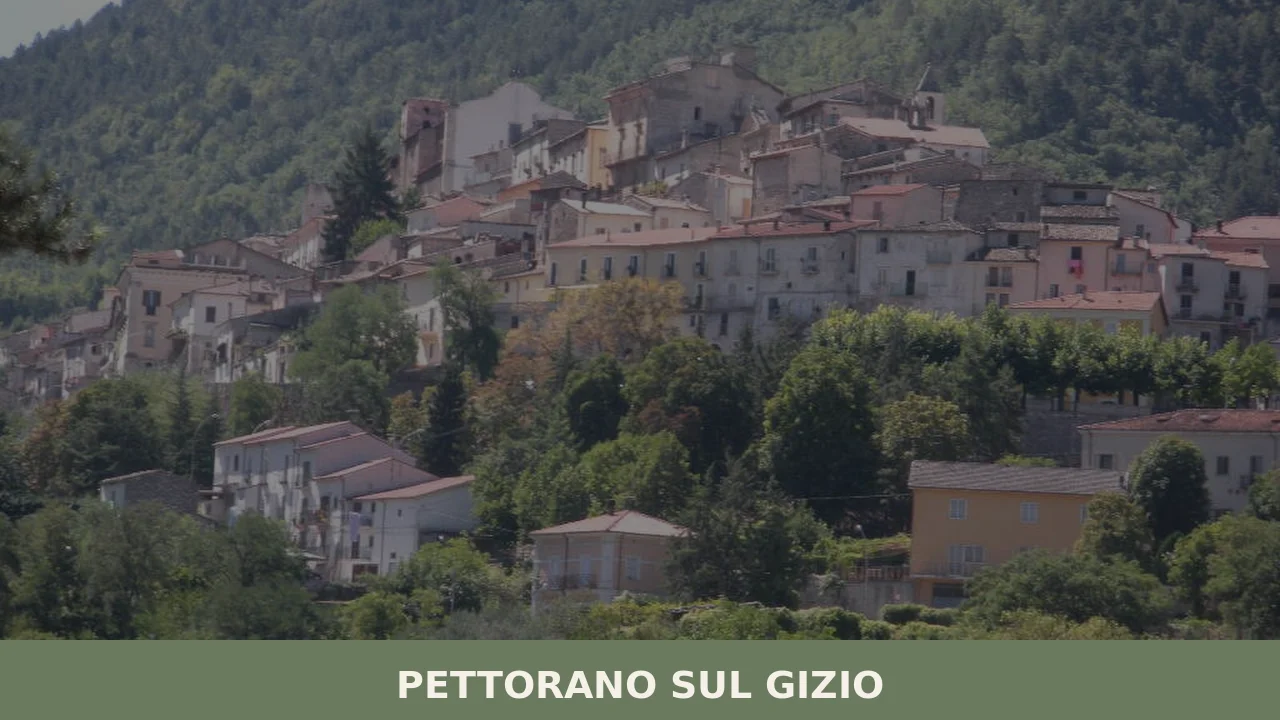
Pettorano sul Gizio
 Mountain
what to see in pettorano sul gizio, Italy. Explore Cantelmo Castle and the Gizio River, home to Baron Michele Leone (1909-1988). Discover this beautiful Abruzzese village.
Discover Pettorano sul Gizio
The Gizio river carves its path through the communal territory of Pettorano sul Gizio, a town situated within the province of L’Aquila, in Italy’s Abruzzo region.
This historic settlement holds a prestigious designation, being officially recognized as one of I Borghi più belli d’Italia, or “The most beautiful villages of Italy.” Its stone buildings and narrow pathways reflect centuries of history, inviting visitors to experience the enduring character of central-southern Italy.
For those wondering what to see in Pettorano sul Gizio, the village offers a compelling array of historical and natural points of interest.
Visitors will find the imposing Cantelmo Castle, an ancient fortress that has guarded the valley for centuries, alongside the serene landscapes shaped by the Gizio River. This village, situated in the Abruzzo region, provides a rich experience for travelers seeking to explore Italy’s lesser-known, yet highly acclaimed, destinations.
History of Pettorano sul Gizio
Pettorano sul Gizio boasts a long history, indicated by its prominent medieval fortress, the Cantelmo Castle.
This defensive structure suggests a significant role for the village in past centuries, likely as a strategic stronghold overlooking the Gizio River valley. The presence of historical figures such as Frederick of Pettorano further underscores the village’s deep roots and its involvement in regional affairs through different eras.
Frederick’s influence points to a period where local nobility played a crucial part in shaping the political and social landscape of Abruzzo, much like in other historical centers such as Montefino. This historical depth is a significant part of what to see in Pettorano sul Gizio, offering context to its enduring structures.
The village’s historical narrative also includes notable individuals from more recent times, such as Baron Michele Leone, a professional wrestler born in Pettorano sul Gizio in 1909.
His life, spanning until 1988, connects the village to a broader, international context, demonstrating how individuals from this small comune achieved recognition beyond their local origins. Such figures contribute to the cultural heritage and collective memory of Pettorano sul Gizio, illustrating a diverse historical tapestry that extends from medieval lords to modern-day personalities.
In contemporary times, Pettorano sul Gizio has gained widespread recognition for its architectural preservation and cultural appeal.
The village has been officially included in the prestigious association of I Borghi più belli d’Italia, signifying its exceptional beauty and historical integrity. This modern designation highlights the community’s commitment to maintaining its heritage, ensuring that its historical buildings and traditional layout continue to be appreciated by both residents and visitors alike. This recognition plays a vital role in attracting those interested in what to see in Pettorano sul Gizio today, drawing attention to its preserved charm.
What to see in Pettorano sul Gizio, Abruzzo: top attractions
Cantelmo Castle
The formidable stone walls of Cantelmo Castle rise majestically above Pettorano sul Gizio, commanding views over the surrounding valley and the Gizio River.
This medieval fortress, explicitly mentioned as a significant landmark, has stood for centuries, serving as a testament to the village’s strategic importance in historical conflicts and territorial control. Visitors can explore its ancient courtyards and ramparts, imagining the lives of those who once defended its battlements. The castle’s architecture, characterized by robust masonry and defensive towers, offers insights into medieval military engineering and the challenges of mountain strongholds, providing a focal point for anyone exploring what to see in Pettorano sul Gizio.
The Historic Center of Pettorano sul Gizio
Winding cobblestone alleys and traditional stone houses define the historic center of Pettorano sul Gizio, a layout characteristic of villages recognized among I Borghi più belli d’Italia.
This designation, awarded for exceptional beauty and preservation, ensures that the village’s core retains its authentic character, offering a journey through centuries of architectural evolution.
Walking through these narrow streets allows visitors to appreciate the careful craftsmanship of past generations and the enduring appeal of traditional Abruzzese building styles, similar to what can be found in Frisa. The compact nature of the village center, with its interconnected buildings and hidden squares, encourages exploration on foot, truly defining what to see in Pettorano sul Gizio in its essence, revealing new perspectives around every corner.
The Gizio River Landscape
The Gizio River flows directly through the communal territory of Pettorano sul Gizio, shaping a verdant valley that contrasts with the village’s stone structures. This natural feature provides a serene backdrop to the historic settlement, offering opportunities for peaceful walks along its banks and appreciation of the local flora and fauna. The river’s presence has historically been vital for the community, supporting agriculture and providing a natural resource for generations.
Exploring the areas adjacent to the Gizio River allows visitors to connect with the natural environment that has sustained Pettorano sul Gizio for hundreds of years, making it a significant part of the region’s overall appeal.
Panoramic Vistas from the Village
From various points within Pettorano sul Gizio, visitors are afforded expansive panoramic views across the Abruzzo landscape, a hallmark of its elevated position.
The village sits at an elevation that allows for sweeping perspectives of the surrounding mountains and valleys, extending for many kilometers (miles) on clear days. These vistas offer a deep sense of the region’s rugged beauty and its geographical context within central Italy. Identifying the best viewpoints, perhaps from the vicinity of Cantelmo Castle or along the upper village pathways, enhances the visitor experience, providing memorable photographic opportunities and a broader appreciation of the area’s natural grandeur, a key part of what to see in Pettorano sul Gizio.
Traditional Abruzzese Village Architecture
The enduring architectural style of Pettorano sul Gizio is a key component of its charm, reflecting centuries of local building traditions.
Characterized by sturdy stone construction, pitched roofs, and small, functional windows, these structures have adapted to the mountain climate and available materials over hundreds of years. This cohesive architectural heritage contributes significantly to the village’s status as one of I Borghi più belli d’Italia, providing a visual consistency that appeals to visitors. Observing the details of the stonework and the arrangement of buildings along the sloping terrain offers a tangible connection to the past, showcasing the ingenuity of local artisans and the practical beauty of their craft.
Local food and typical products of Pettorano sul Gizio
Those exploring what to see in Pettorano sul Gizio will find that the village’s culinary landscape, while not specifically detailed in the provided sources, forms part of the rich gastronomic tradition of the Abruzzo region.
Abruzzese cuisine is deeply rooted in its mountainous terrain and pastoral history, characterized by hearty and flavorful dishes that reflect the local agricultural bounty.
The region’s geography, with its sheep farming and traditional farming practices, has historically shaped the ingredients and cooking methods, emphasizing quality and seasonal availability. This foundation means that the food found in towns like Pettorano often highlights locally sourced produce and time-honored preparation techniques, connecting diners to the land and its heritage.
Considering its inland location near the Gizio River, the traditional diet in Pettorano sul Gizio would likely feature robust dishes centered around lamb, sheep, and pork, often prepared with aromatic herbs collected from the surrounding hillsides. Common preparations might include slow-cooked stews or grilled meats, reflecting the agricultural economy that sustained the village for centuries. Hand-made pasta, such as maccheroni alla chitarra, often served with rich ragùs, is a staple across Abruzzo and would undoubtedly be a part of the local culinary repertoire.
The reliance on simple, wholesome ingredients underscores a practical approach to cooking, born from generations of rural life.
While no specific certified products originating exclusively from Pettorano sul Gizio are mentioned in the available data, the broader L’Aquila province is known for various quality agricultural products.
These can include high-altitude cheeses, cured meats, and legumes, which are often produced using traditional methods. Visitors interested in the local flavors might seek out regional specialties that embody the Abruzzese commitment to authentic taste and traditional craftsmanship. The absence of specific product listings for Pettorano itself does not diminish the regional emphasis on fresh, local ingredients.
Festivals, events and traditions of Pettorano sul Gizio
When considering what to see in Pettorano sul Gizio, visitors might also anticipate local festivals, though specific details regarding them are not provided in the available source material. Many villages within Italy, particularly those designated as one of I Borghi più belli d’Italia, often maintain a vibrant calendar of events that celebrate local history, patron saints, and agricultural cycles.
These typically include religious processions, traditional music performances, and communal gatherings that foster a strong sense of identity.
Such festivities contribute significantly to the cultural life of a village, offering insights into its heritage and providing opportunities for community engagement.
While no particular dates or specific customs are confirmed for Pettorano sul Gizio, visitors to similarly designated villages often encounter local markets selling artisanal products and food festivals, known as sagre, celebrating seasonal ingredients. These events usually take place during warmer months, drawing people from surrounding areas to experience regional flavors and crafts. Without specific information for Pettorano sul Gizio, however, it is not possible to outline a precise calendar of such traditions or to confirm the occurrence of any documented food fairs or patron saint celebrations within the village itself.
When to visit Pettorano sul Gizio, Italy and how to get there
The best time to visit Pettorano sul Gizio, Italy, largely depends on desired activities and climate preferences. Spring (April-May) and autumn (September-October) generally offer pleasant temperatures for exploring the village’s historic center and the Gizio River valley, with fewer crowds than peak summer months. Summers (June-August) are warm, ideal for enjoying the Abruzzese sunshine and outdoor activities, though the village may experience more visitors.
Winters (November-March) can be cold, with potential for snow, offering a different, quieter atmosphere for those seeking a tranquil experience.
Pettorano sul Gizio is situated in the L’Aquila province, making it accessible primarily by road. If arriving by car from a major Italian hub, Rome is approximately 160 km (99.4 mi) to the west, with a driving time of about 2 hours via the A24 and A25 motorways, exiting at Sulmona or Pratola Peligna.
For those interested in what to see in Pettorano sul Gizio and its surroundings, having a car offers the most flexibility for exploring the region. The nearest major train station is Sulmona, located approximately 15 km (9.3 mi) from Pettorano sul Gizio. From Sulmona, local bus services or taxis provide onward connections to the village, though schedules may be limited.
Exploring nearby Abruzzese villages like Pietraferrazzana can also enrich a trip to the area. The closest international airport is Rome Fiumicino Airport (FCO), approximately 180 km (111.8 mi) away, requiring a car rental or a combination of train and bus travel.
For international travelers, planning ahead is advisable, especially concerning public transport links to smaller villages. It is worth noting that in smaller Italian towns like Pettorano sul Gizio, English may be limited in shops and local establishments, so carrying some basic Italian phrases or a translation app can be beneficial.
Additionally, while card payments are widely accepted, having some Euros cash on hand is often useful for smaller purchases or in places where electronic payments are not available, ensuring a smoother travel experience.
Visitors to Pettorano sul Gizio can extend their exploration of central Italy by visiting other historically significant villages.
For instance, Onano in the neighboring Lazio region, shares a similar commitment to preserving its heritage and offers another glimpse into traditional Italian village life, complementing a trip to the Abruzzese countryside.
Frequently asked questions about Pettorano sul Gizio
What is the best time to visit Pettorano sul Gizio?
The best time to visit Pettorano sul Gizio is late spring through early autumn (May–September), when mountain weather is mild and the Gizio River valley is at its most scenic. July is particularly special: the village celebrates its patron saint, Santa Margherita di Antiochia, on 13 July, offering visitors a chance to experience authentic local traditions and religious festivities. Summer also brings cooler temperatures compared to lowland Italy, making it an ideal retreat. Autumn rewards visitors with golden foliage across the surrounding Abruzzo mountains.
What are the historical origins of Pettorano sul Gizio?
Pettorano sul Gizio has medieval origins, evidenced by the imposing Cantelmo Castle that dominates the village skyline. The Cantelmo family, a powerful noble dynasty in Abruzzo, held significant influence over the area during the medieval period. The village is also associated with Frederick of Pettorano, a historical figure who underscores local noble heritage. In more recent history, Pettorano sul Gizio gained international curiosity as the birthplace of Baron Michele Leone (1909–1988), a professional wrestler who achieved recognition well beyond his small mountain hometown.
What to see in Pettorano sul Gizio? Main monuments and landmarks
The must-see attraction in Pettorano sul Gizio is Cantelmo Castle, a medieval fortress offering commanding views over the Gizio River valley and the surrounding Abruzzo mountains. Equally compelling is the historic center itself, recognized as one of I Borghi più belli d'Italia, where cobblestone alleys and centuries-old stone houses preserve an authentic Abruzzese character. Strolling the narrow pathways of the village core reveals traditional architecture, hidden courtyards, and panoramic viewpoints that collectively make Pettorano one of central-southern Italy's most rewarding village destinations.
What are the main natural or scenic attractions of Pettorano sul Gizio?
The Gizio River is the defining natural feature of Pettorano sul Gizio, carving a lush valley through the communal territory and providing peaceful walks along its banks. The village sits at 656 metres above sea level, positioning it within the rugged Abruzzo mountain landscape and offering expansive views across valleys and peaks. The surrounding terrain is characteristic of inland Abruzzo, with hillsides rich in natural vegetation. The area lies within a broader region renowned for its unspoiled nature, making it an excellent base for exploring the Abruzzese countryside.
Where to take the best photos in Pettorano sul Gizio?
The most photogenic spots in Pettorano sul Gizio include the area around Cantelmo Castle, where the medieval stonework frames sweeping views of the Gizio River valley below. The cobblestone alleys of the historic center, with their traditional stone facades and arched passages, provide excellent compositions typical of I Borghi più belli d'Italia villages. Upper pathways within the village offer broad panoramic vistas of the Abruzzo mountains, particularly rewarding at golden hour. The riverbanks of the Gizio, with the village silhouette rising above, also make for a memorable landscape shot.
Who is Pettorano sul Gizio suitable for? Families, couples, hikers, solo travelers?
Pettorano sul Gizio is ideal for couples seeking a romantic, off-the-beaten-path Italian village experience, and for cultural travelers drawn to authentic medieval architecture and I Borghi più belli d'Italia destinations. History enthusiasts will appreciate Cantelmo Castle and the village's deep noble heritage. The mountain setting at 656 metres and the Gizio River valley make it appealing to hikers and nature lovers seeking Abruzzo's inland landscapes. It is less suited to visitors requiring extensive tourist infrastructure, making it a genuine retreat for those who prefer slow, immersive travel over mass tourism.
What to eat in Pettorano sul Gizio? Local products and specialties
Pettorano sul Gizio sits within the gastronomic tradition of inland Abruzzo (province of L'Aquila), where cuisine revolves around mountain ingredients. Expect dishes featuring lamb and locally raised meats, hand-made maccheroni alla chitarra pasta served with hearty ragù, and legumes cultivated in the high-altitude terrain. The L'Aquila province is also known for quality cured meats and aged cheeses produced using traditional methods. While visiting, look out for local sagre (food festivals) in the summer months, which celebrate seasonal Abruzzese produce and offer the most direct taste of regional culinary heritage.
📷 Photo Gallery — Pettorano sul Gizio
Getting there
Piazza Rosario Zannelli, 67034 Pettorano sul Gizio (AQ)
Nearby Villages near Pettorano sul Gizio
In Abruzzo More villages to discover
Rivisondoli
Mountain
What to see in Rivisondoli, Italy: ski slopes, medieval history since 724 AD, and mountain cuisine. Explore this 684-resident Abruzzo village. Discover it now.
Canosa Sannita
 Hills
Hills
At 231 metres above sea level, on the plain that opens between the Maiella massif and the Teatine coast, Canosa Sannita is home to 1,268 inhabitants spread across an agricultural landscape where the cultivation of vines and olive trees marks the rhythm of the seasons. The village’s very name carries a precise indication: a reference […]
Civitella Messer Raimondo
Mountain
Civitella Messer Raimondo has 769 inhabitants and sits at 613 metres above sea level, on the eastern slope of the Maiella massif, in the province of Chieti. The village’s name still bears that of a medieval feudal lord — Raimondo — who shaped its political fortunes between the 13th and 14th centuries. Understanding what to […]
Castelvecchio Calvisio
Mountain
At 1045 meters above sea level, in the L’Aquila hinterland, stands Castelvecchio Calvisio, a village that retains the structure of an ancient *castrum* medieval. With a population of 118 inhabitants, the historic center develops on a rocky ridge, overlooking the basin below. Its elevated position and stone architecture offer an insight into Abruzzo’s fortifications. For […]
Giulianova
 Sea
Sea
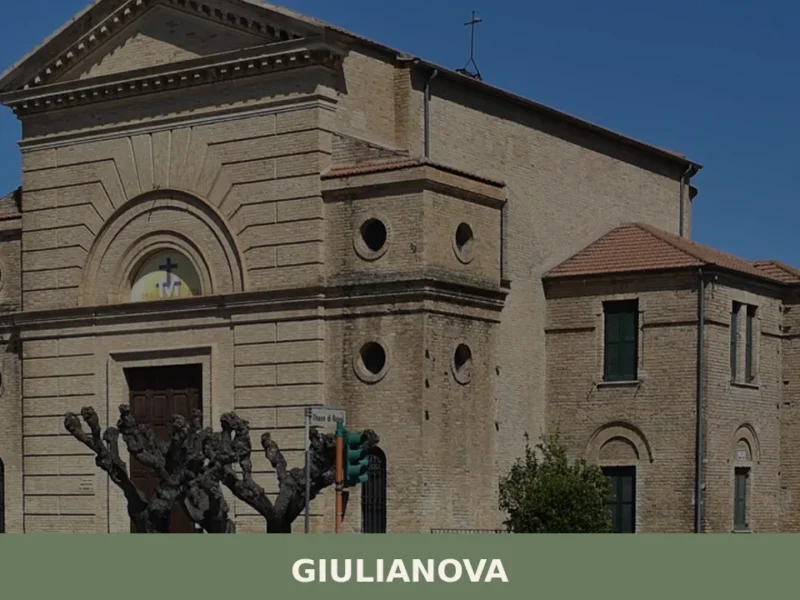
In 1470, Duke Giuliantonio Acquaviva refounded the ancient settlement of Castel San Flaviano on a hill 68 metres above sea level, giving it his own name: Giulianova. The urban layout he commissioned — a regular grid with a central square and symmetrical blocks — is one of the earliest documented examples of an ideal Renaissance […]
Liscia
Mountain
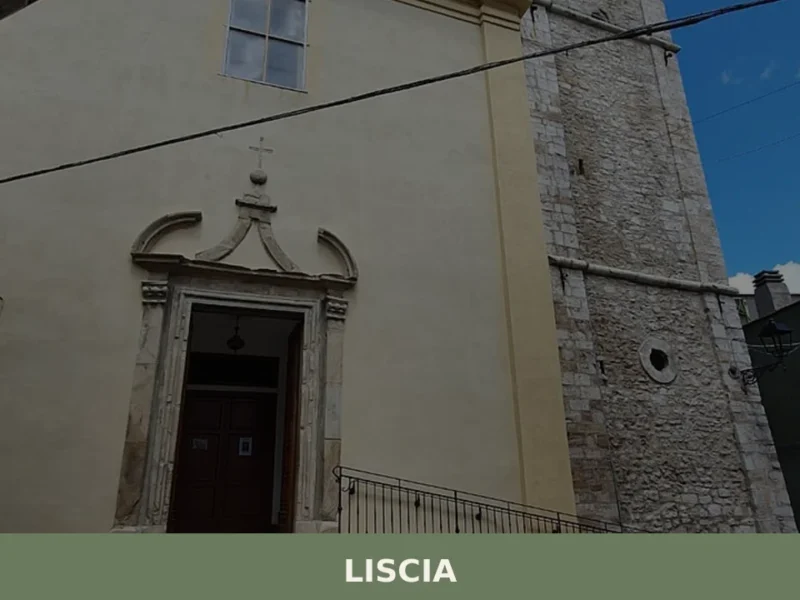
What to see in Liscia: 642 residents, alt. 740 m. Discover Saint Michael's Church and arrosticini! Explore history and cuisine.
Ocre
Mountain
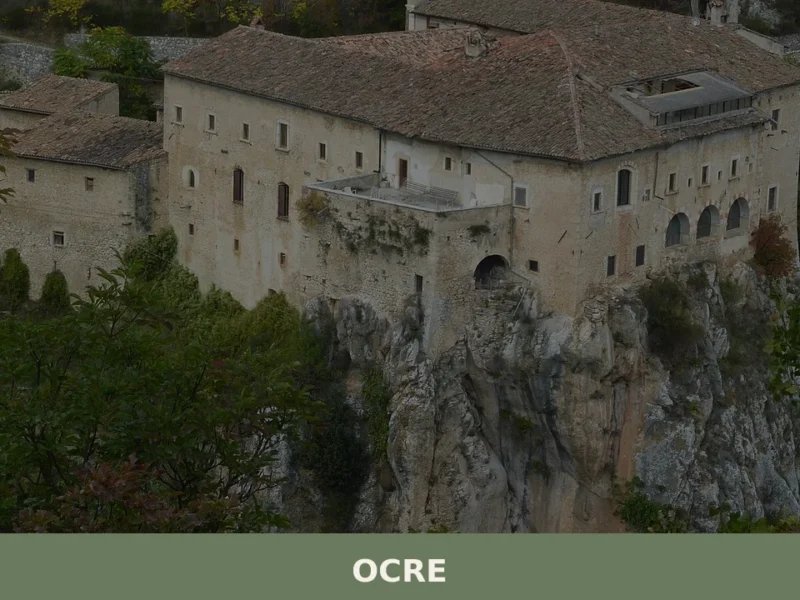
What to see in Ocre, Italy: discover historical landmarks and local festivals in this Abruzzo village of 1,133 inhabitants. Explore the castle ruins and traditional events.
Celano
Mountain
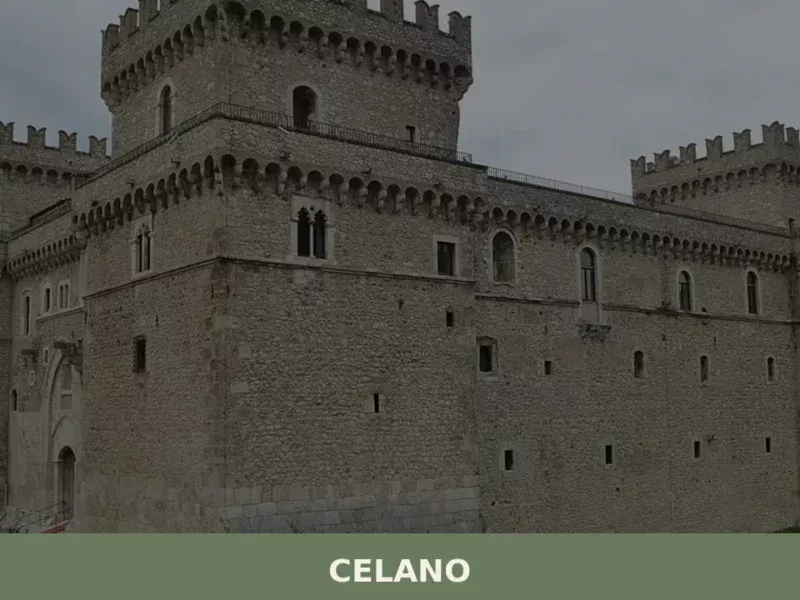
The Castello Piccolomini in Celano, with its four corner towers and curtain wall enclosing a perimeter of over one hundred metres, commands the Fucino plain from an altitude of 840 metres. Anyone wondering what to see in Celano will find an unequivocal starting point here: a fortress that has endured six centuries of history, earthquakes […]

Villa Sant’Angelo
Mountain
What to see in Villa Santu2019Angelo? Discover 5 must-see attractions and the history of the ancient village. Plan your guided visit now!
Montazzoli
Mountain
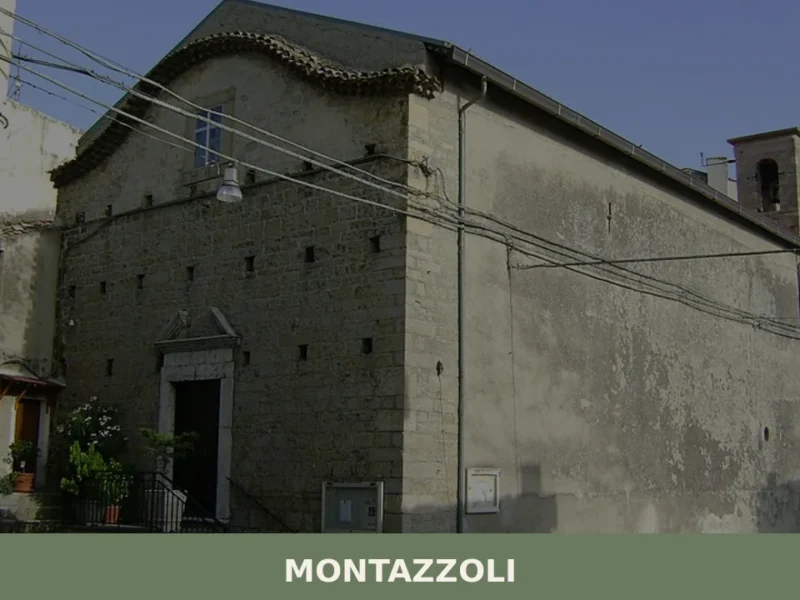
From the heights of the Chieti area, at 850 meters above sea level, the panorama of Montazzoli unfolds, an Abruzzese village with 836 inhabitants in the province of Chieti. Its stone houses cluster around an ancient fortress, bearing witness to centuries of history and mountain life. In this article History and origins of Montazzoli What […]

🏡 Know Pettorano sul Gizio better than we do?
If you’re a local or have been there, your knowledge matters: add what’s missing or fix a detail on this page.