
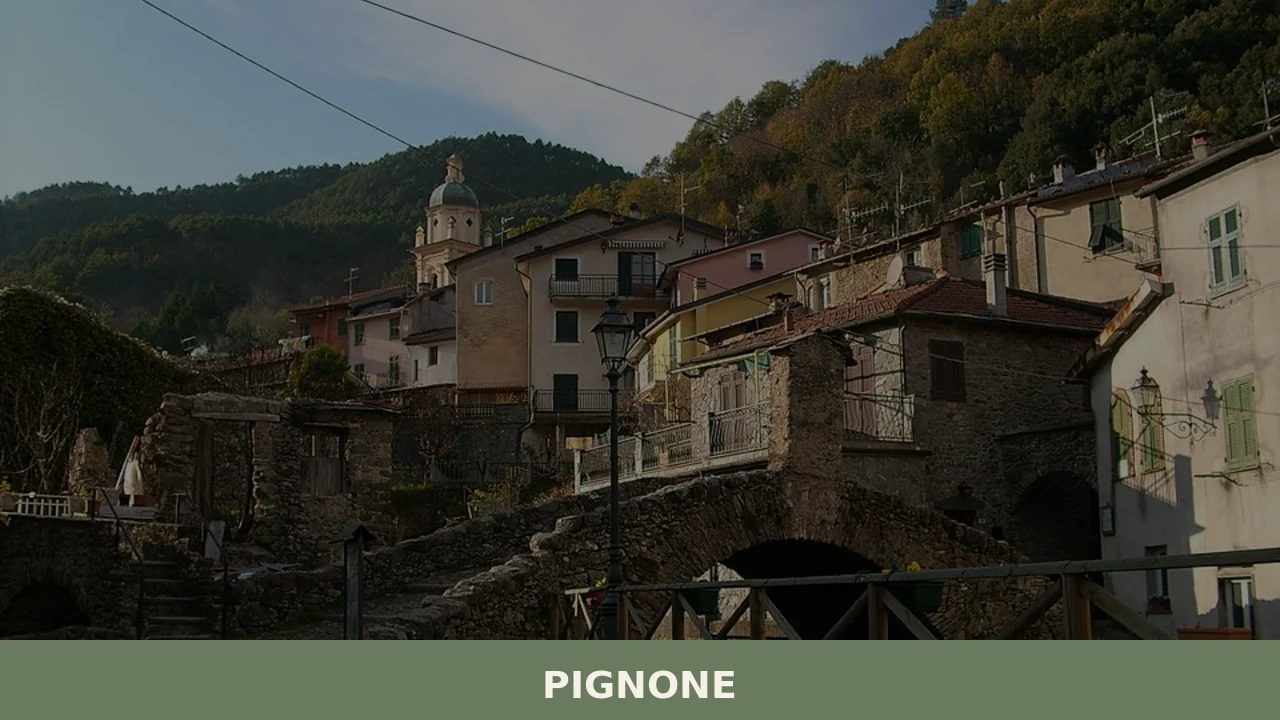
 Collina
what to see in pignone provides a glimpse into Ligurian life. With a population of 654, discover its location near La Spezia, Italy and its administrative divisions. Explore its quiet charm.
The village of Pignone, located in the Italian region of Liguria, covers an area of 16.2 square kilometres (6.3 mi²). This administrative unit, known as a comune, is situated in the Province of La Spezia. Its geographical position places it approximately 70 kilometres (43 mi) southeast of Genoa and about 11 kilometres (7 mi) northwest of the city of La Spezia itself, indicating its inland setting relative to the Ligurian coast.
For those wondering what to see in Pignone, this Ligurian village provides insights into local life and its unique administrative divisions.
With a documented population of 654 as of 2004, visitors can explore its single frazione, Casale, and understand its proximity to the broader Ligurian territory. The Pignone highlights include its role as a quiet base for exploring the surrounding Province of La Spezia, Italy, and its position bordering several other municipalities.
Pignone is officially recognized as a comune within the Province of La Spezia, part of the Liguria region of Italy. Its administrative boundaries encompass an area of 16.2 square kilometres (6.3 mi²), as recorded in official data. For visitors researching what to see in Pignone, understanding its administrative structure and geographical context is a starting point, revealing the village as a defined entity within the regional framework.
The municipality also includes the frazione, or subdivision, named Casale, indicating a historical pattern of smaller settlements grouped under a central administrative body.
This characteristic is seen in many Ligurian communes, including Fascia, where smaller hamlets contribute to the overall population and governance of a wider area. Such organizational structures often have roots in medieval land divisions and community formations.
Demographically, Pignone recorded a population of 654 residents as of December 31, 2004. This figure provides a specific snapshot of the village’s size at that point in time, reflecting the scale of life in this part of Liguria. The village’s existence as an established comune suggests a long-standing administrative and community structure within the region, even if detailed historical narratives are not readily available in the provided sources.
The geographical context of Pignone links it to several other municipalities, including Beverino, Borghetto di Vara, Levanto, Monterosso al Mare, and Vernazza.
These neighboring comuni, particularly Levanto, Monterosso al Mare, and Vernazza, are known for their proximity to the Ligurian coast and the Cinque Terre. While specific historical events for Pignone are not detailed in the available sources, its location within this historically significant region implies a shared past with the broader Ligurian territory, characterized by interactions between coastal and inland communities over centuries.
While specific historical monuments or widely recognized tourist attractions for Pignone are not detailed in the available verifiable sources, the village itself offers a quiet experience of Ligurian inland life. Visitors interested in what to see in Pignone typically appreciate its setting within the Province of La Spezia and its administrative structure.
Exploring the village involves observing its residential areas and understanding its local context rather than visiting named landmarks.
The available information focuses on Pignone’s geographical and demographic attributes. As such, the following points describe aspects of the village that can be observed or understood through its documented characteristics, rather than traditional tourist attractions with specific names or historical narratives. This approach allows for an appreciation of the village’s fundamental identity as a small Italian commune.
Observing the layout of Pignone provides insight into its development as a Ligurian village, where buildings often adapt to the local terrain. The structures typically feature materials common to the region, reflecting traditional construction methods and local resources. Walking through the pathways allows visitors to see how a community of 654 inhabitants, as recorded in 2004, organizes itself within its 16.2 square kilometres (6.3 mi²) area.
This exploration offers a glimpse into everyday life in a small Italian comune, distinct from larger urban centers.
A notable administrative feature of Pignone is its inclusion of the frazione, or subdivision, known as Casale. This smaller settlement, part of the Pignone municipality, can be visited to understand the local administrative structure and the distribution of population within the comune. Exploring Casale provides a tangible example of how smaller communities are organized under a central village in rural Italy, offering a different perspective on the region’s geography and demography, away from the coastal renown.
Pignone’s geographic position, bordering municipalities such as Levanto and Monterosso al Mare, allows visitors to consider its role as a gateway to the broader Ligurian landscape. While specific sites within Pignone itself are not documented, its location facilitates understanding the transition from the coastal areas, known for their dramatic cliffs, to the more inland terrain. This perspective highlights the village’s strategic placement, approximately 11 kilometres (7 mi) northwest of La Spezia and 70 kilometres (43 mi) southeast of Genoa, for exploring regional contrasts.
The entire comune of Pignone is situated within the Province of La Spezia, a region characterized by a diverse natural environment.
Although specific natural landmarks within Pignone are not detailed, the surrounding landscape offers opportunities for observing Ligurian flora and fauna. The area’s topography, common in this part of Italy, often features hilly terrain and valleys, providing a backdrop for the village. Exploring the general surroundings helps visitors appreciate the natural context in which Pignone is located.
One of the primary aspects of what to see in Pignone is the opportunity to observe the rhythms of daily life in a small Italian village. With its population of 654 (2004 data), Pignone represents a quieter facet of Liguria, away from the more frequented tourist paths. This experience involves appreciating the local pace, the interactions within the community, and the general atmosphere of a village that functions as an administrative center for its 16.2 square kilometres (6.3 mi²) area, offering a contrast to larger, more urbanized destinations.
The available sources do not provide specific details regarding the local gastronomic traditions or typical products directly associated with Pignone itself.
Therefore, it is not possible to describe historical-geographical culinary influences or specific dishes that originate exclusively from this village based on the provided information. The broader Ligurian culinary heritage, however, is well-documented and forms the general context for the region.
Without documented local dishes or traditional techniques confirmed for Pignone, specific recommendations for village-specific food cannot be made. The Ligurian region is widely recognized for its diverse cuisine, which often features fresh seafood from the coast, high-quality olive oil, aromatic basil used in pesto, and various pasta dishes such as trofie al pesto.
These are regional staples, but their direct association with Pignone is not confirmed by the given sources.
Information on certified products, such as those with DOP (Denominazione di Origine Protetta) or IGP (Indicazione Geografica Protetta) status, specific to Pignone is not present in the provided data. Consequently, a list of specific certified products with their associated municipalities cannot be generated for the village itself. Any products found in the area would likely be part of broader provincial or regional certifications, rather than unique to Pignone.
Details regarding specific food fairs, local markets, or designated places to purchase typical products within Pignone are not available in the provided sources. Visitors interested in experiencing regional gastronomy would generally need to explore the wider Province of La Spezia for such events and purchasing opportunities. Local shops within the village may offer general Italian provisions, but specialized local products are not confirmed by the data.
The provided sources do not contain specific information about festivals, public events, or established traditions held within Pignone.
Details regarding a patron saint festival, including its exact date or how it might unfold with processions, religious rituals, music, or fireworks, are not documented for the village. This absence of specific event data means a description of a unique cultural calendar for Pignone cannot be formed from the available information.
Similarly, there is no verifiable data on documented food fairs, their specific months of occurrence, or any other traditional events unique to Pignone. Without this information, it is not possible to describe the distinct cultural practices or community gatherings that might define the village’s annual cycle. Visitors seeking such experiences in the broader Ligurian region should consult wider tourism guides for the Province of La Spezia, which may offer details on events in nearby municipalities.
When planning a trip and considering what to see in Pignone, understanding the seasonal climate is crucial for an enjoyable visit to this part of Liguria, Italy.
Generally, the spring months (April to June) and early autumn (September to October) offer pleasant temperatures and less crowded conditions throughout the Ligurian region. During these periods, the climate is typically mild, making it suitable for exploring the village and its surrounding natural environment, with lush vegetation in spring and comfortable temperatures in autumn.
Pignone’s terrain is typical of many Ligurian inland villages, which often feature some slopes and uneven surfaces. Visitors should be prepared for walking on varied ground, though specific details about accessibility for strollers or wheelchairs within the village are not provided. For those planning a day trip from a nearest major city and considering what to see in Pignone, the village is located approximately 11 kilometres (7 mi) northwest of La Spezia, making it a feasible excursion from this regional hub for a quiet afternoon.
Accessing Pignone primarily involves road travel. From the A12 motorway, visitors would typically exit at Carrodano-Levanto, which is then followed by a drive through local roads.
The nearest major train station is La Spezia Centrale, approximately 11 kilometres (7 mi) away, offering connections to regional and national rail networks via Trenitalia. The closest international airport is Genoa Cristoforo Colombo Airport (GOA), located about 70 kilometres (43 mi) northwest of Pignone, with a typical driving time of around 1 hour and 15 minutes to 1 hour and 30 minutes, depending on traffic conditions. For international visitors, it is advisable to carry some Euros cash, as English may be limited in smaller local establishments.
 Sea
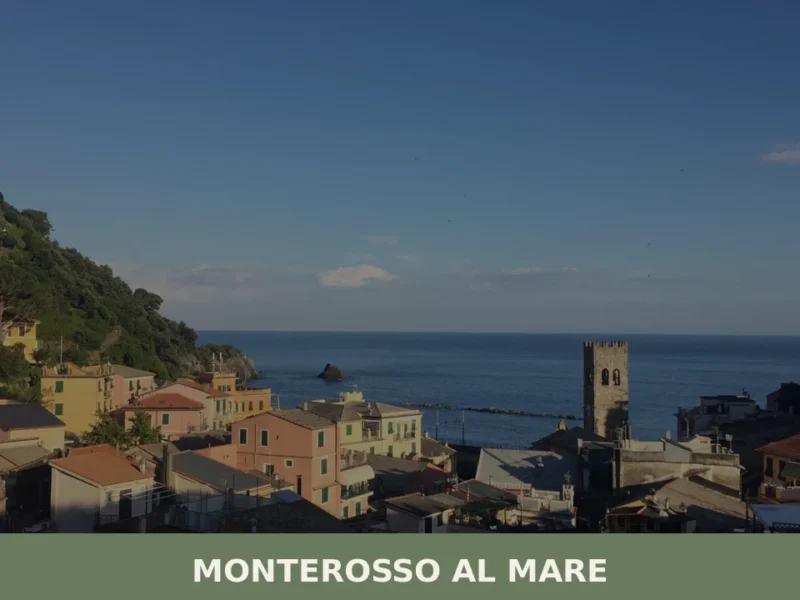
Sea
What to see in Monterosso al Mare, Italy: explore a 14-metre Neptune statue, a church built in 1282, and Cinque Terre's only sand beach. Discover the complete guide.
 Hills
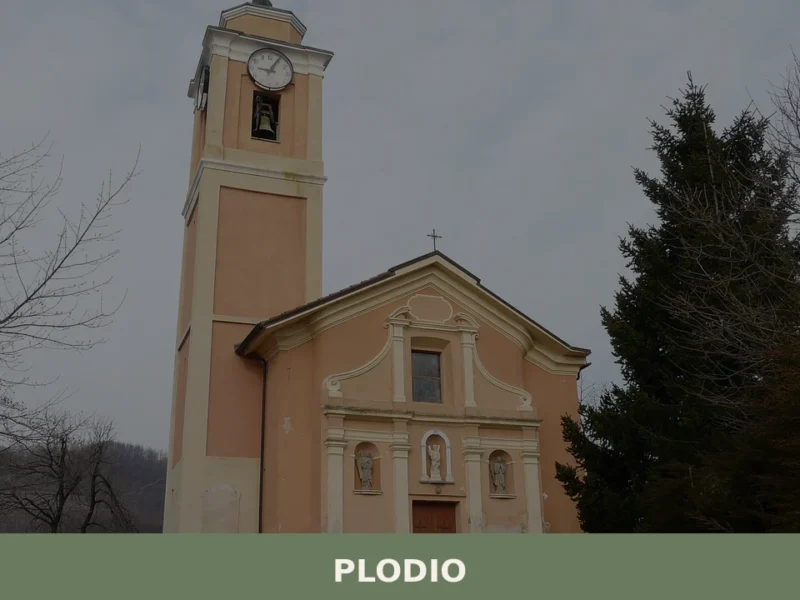
Hills
What to see in Plodio, Liguria, Italy: explore Val Bormida, Col di Cadibona and local traditions in a village of 640 inhabitants. Discover the full travel guide.
 Plains
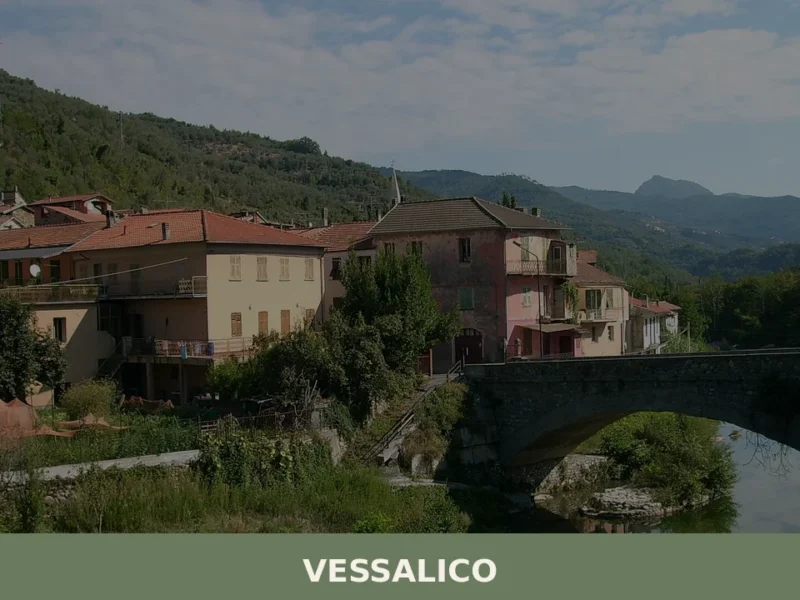
what to see in vessalico, Italy: Explore this Ligurian village at 197m. Discover its history and the patron saint festival on July 22. Read more.
📝 Incorrect information or updates?
Help us keep the Pignone page accurate and up to date.