


Vasia
 Hills
Hills
What to see in Vasia, Liguria, Italy: explore a village of 418 inhabitants 9 km from Imperia. Discover top attractions, local food, and how to get there.
Discover Vasia
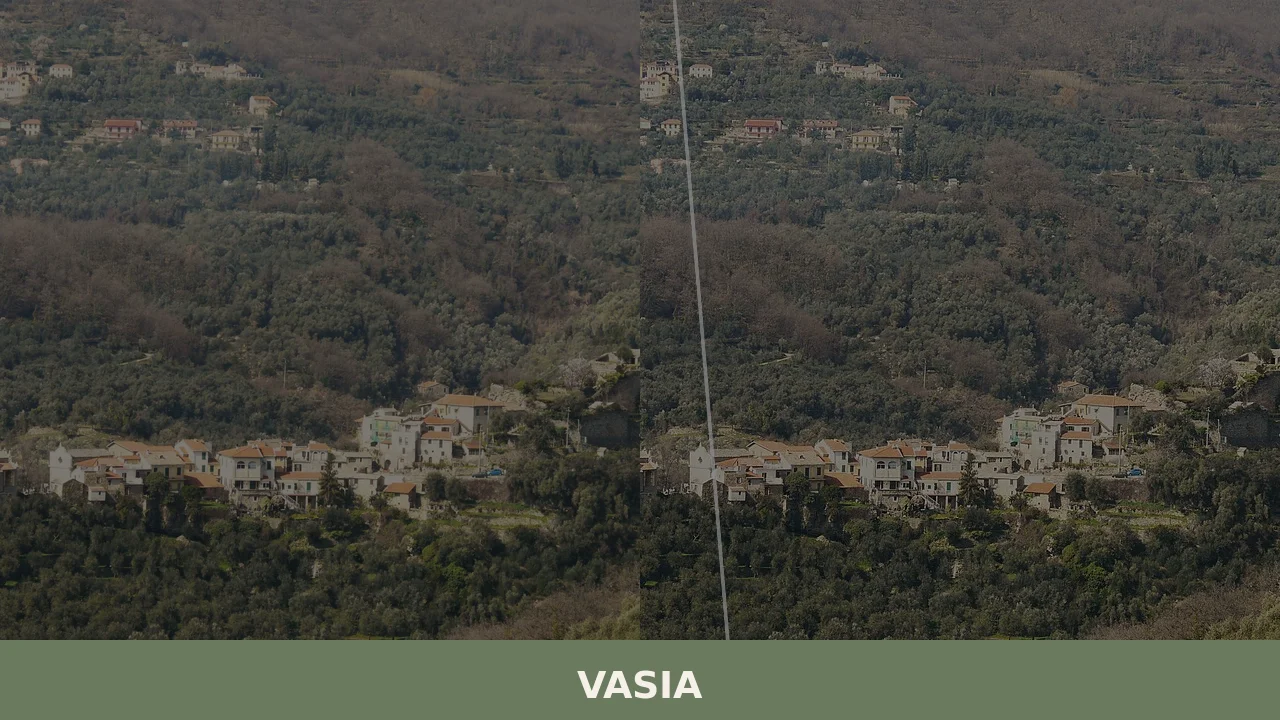
The hills above Imperia fold into one another at angles that defy easy mapping. Roads narrow to single lanes as they climb from the coast, passing stone walls built against slopes where olive groves hold the terraces in place.
At around 9 kilometres (5.6 mi) northwest of Imperia, the municipality of Vasia sits among the inland ridges of western Liguria, its 418 inhabitants distributed across a territory that borders six other communes: Borgomaro, Dolcedo, Imperia, Lucinasco, Pontedassio, and Prelà.
For anyone researching what to see in Vasia, the answer begins with the landscape itself — a municipality set roughly 100 kilometres (62 mi) southwest of Genoa, within the Province of Imperia in the Italian region of Liguria.
Visitors to Vasia find a compact inland settlement where the surrounding olive-terraced countryside and the network of neighbouring historic villages define the experience as much as any single monument. The population of 418 makes daily life visible and immediate: the village is small enough that its lanes, its church, and its relationship to the land around it are all legible within a single afternoon.
History of Vasia
The Province of Imperia, within which Vasia sits, was shaped by centuries of Ligurian settlement patterns that favoured elevated inland positions over exposed coastal sites.
Communities like Vasia developed on higher ground as a practical response to coastal vulnerability, particularly during the medieval period when raiding from the sea made low-lying positions dangerous. This inland positioning, shared by most villages in the hinterland of what is now the Province of Imperia, created a distinct settlement geography that still defines the area today.
The territory around Vasia was part of the broader zone influenced by Genoese commercial and administrative power, which extended deep into the Ligurian interior throughout the medieval and early modern periods.
The six municipalities that border Vasia — Borgomaro, Dolcedo, Imperia, Lucinasco, Pontedassio, and Prelà — each carry their own documented histories, and the relationships between these communities were shaped by shared agricultural systems, ecclesiastical networks, and the administrative boundaries that changed repeatedly from the medieval era through to Italian unification in 1861.
Vasia itself, as a comune (an autonomous municipal unit, the basic administrative division in Italy), has maintained its independent status through the reorganisations of provincial governance that followed unification. The Province of Imperia, of which Vasia is a part, was formally constituted in 1923, consolidating several smaller administrative units into the current provincial framework.
Throughout the nineteenth and twentieth centuries, the inland villages of this part of Liguria experienced the demographic pressures that affected rural Italy broadly: emigration toward the coastal towns and toward industrial centres further north. Imperia, just 9 kilometres (5.6 mi) to the southeast, grew as a commercial and port hub, drawing population from the surrounding hinterland. Vasia’s current population of 418 reflects this long-term demographic pattern.
The olive-growing economy, however, gave these inland communes a degree of continuity that purely agricultural villages elsewhere in Italy did not always sustain, and the terraced landscapes around Vasia remain in productive use today.
What to see in Vasia, Liguria: top attractions
The Parish Church of Vasia
The parish church forms the civic and architectural focal point of the village, as it does in virtually every comune of this region.
Stone construction dominates, consistent with the building materials available in the Ligurian inland hills, where local limestone and slate have been used for centuries. The church’s position within the village layout reflects the planning logic of inland Ligurian settlements, where the religious building anchors the main gathering space. Visiting in the morning, when the light falls directly on the façade, gives the clearest view of the stonework and the proportions of the entrance portal.
The church is the most straightforward point of orientation for anyone arriving in Vasia for the first time.
The Terraced Olive Groves Surrounding the Village
The terraced hillsides that extend outward from Vasia in every direction are not incidental scenery — they are an agricultural system built over many generations, using dry-stone retaining walls to create cultivable surfaces on slopes that would otherwise be unusable. The olive trees growing on these terraces produce fruit that feeds into the broader Ligurian olive oil tradition, one of the most documented in Italian agriculture. Walking the paths between terraces, visitors cover significant changes in elevation within short horizontal distances; gradients of 20 to 30 percent are common on the steeper sections.
The best time to observe the harvest activity is between October and December, when the nets are spread and families work the trees by hand.
The Road Network and Viewpoints Toward Imperia and the Coast
From the elevated position of Vasia’s territory, the road toward Imperia descends through a series of bends that open up views toward the Ligurian coast and, on clear days, toward the sea itself.
The distance of approximately 9 kilometres (5.6 mi) between Vasia and Imperia translates into a meaningful change in altitude, placing Vasia significantly above sea level and giving its outward-facing slopes an unobstructed orientation toward the south and southwest. Stopping at the natural viewpoints along the provincial road costs nothing and requires no special access. The clearest atmospheric conditions occur in late autumn and early spring, when coastal haze is minimal and the line between the Ligurian hills and the Mediterranean is sharply defined.
The Historic Village Core and Its Stone Lane Network
Vasia’s built core follows the compact, vertical logic common to inland Ligurian villages: narrow lanes between stone buildings, covered passages where the upper floors of houses meet overhead, and staircases built into slopes that make wheeled access impossible in several sections. The stone used throughout is local, giving the walls a consistent grey-green palette that changes tone depending on the direction of the light. This type of settlement fabric, developed over centuries in response to terrain and climate, is what distinguishes Vasia, Liguria, Italy from coastal resort towns built for tourism.
Walking the full extent of the historic core takes less than an hour at a slow pace, but the density of spatial variation within that compact area rewards careful attention to detail.
The Surrounding Municipalities and Connecting Paths
Vasia borders six municipalities, and the paths connecting them predate the current road network by centuries.
The commune of Dolcedo, to the southeast, is one of the documented centres of olive oil production in the Province of Imperia, and the path connections between Vasia and its neighbours follow the ridgelines and valley edges that defined movement through this landscape before motorised transport. For those interested in what to see in Vasia and its wider territory, walking one of the connecting routes toward Pontedassio or Prelà adds a geographical dimension that no single monument can provide.
Distances between village centres range from approximately 3 to 8 kilometres (1.9 to 5 mi) depending on the route taken.
Local food and typical products of Vasia
The food culture of Vasia belongs to the inland Ligurian tradition, which diverges noticeably from the coastal cuisine that most international visitors associate with the region. While the coast focuses on fish and seafood, the inland communes of the Province of Imperia have historically relied on what the terraced hillsides produce: olives, aromatic herbs, pulses, and vegetables grown in kitchen gardens. The proximity of Vasia to Imperia — a provincial capital with its own well-documented culinary identity — means that the products and techniques of the wider Ligurian interior are readily accessible to visitors using Vasia as a base.
Among the dishes rooted in this inland tradition, pasta al pesto appears throughout Liguria but takes on a particular character in the interior, where the basil is grown at higher elevations and develops a more concentrated flavour profile than coastal varieties.
Farinata, a flatbread made from chickpea flour, water, olive oil, and salt, baked in a wood-fired oven in a large copper or iron pan, is one of the most fundamental preparations of Ligurian food culture and is found in every village of the province.
Coniglio alla ligure — rabbit braised with olives, pine nuts, white wine, and rosemary — represents the meat-based cooking of the inland hills, where rabbit has been raised domestically for centuries. The technique involves slow cooking in a covered pot, which allows the fat from the olives to penetrate the meat over a period of at least ninety minutes.
The most significant certified product connected to the territory around Vasia is the Riviera Ligure DOP olive oil, which carries a Protected Designation of Origin status covering the entire Ligurian Riviera and its inland zones.
This certification applies to oil produced from specific cultivars — primarily Taggiasca in the western part of the region — grown and pressed within the designated geographic area.
The Taggiasca olive, small and with a high oil content, produces an oil with low acidity and a delicate flavour profile, documented and regulated under European Union certification standards. The municipalities surrounding Vasia, including Dolcedo and Imperia, fall within this production zone, and locally produced oil can be purchased directly from producers in the area.
Markets and local food purchasing opportunities are tied to the rhythm of the agricultural calendar. The olive harvest period between October and December is the most active season for direct sales from producers. The town of Imperia, 9 kilometres (5.6 mi) from Vasia, hosts regular markets and specialist food shops where products from the inland communes are available throughout the year.
Carrying cash in euros is practical for direct farm purchases, as smaller producers in the inland villages do not always accept card payments.
Festivals, events and traditions of Vasia
The liturgical calendar structures the public life of Vasia as it does in every comune of Catholic Italy.
The patron saint’s feast day is the central annual event, observed with a Mass, a procession through the village lanes, and communal gathering. The precise date of the patron saint’s feast follows the saint’s calendar day and represents the moment when the village population — including those who have moved away to the coast or to larger cities — returns in the largest numbers. This pattern of return migration for the feast day is documented across the inland Ligurian communes and gives the event a social function that extends beyond the strictly religious.
The agricultural traditions of the area are marked by the olive harvest, which in the Province of Imperia typically runs from October through to January depending on the altitude of the groves and the specific cultivar.
In villages like Vasia, the harvest has historically been a collective activity involving extended family networks working across multiple terraced parcels. The pressing of the olives at the local frantoio (oil mill) is an event in itself, and the first oil of the season — consumed fresh on bread, with no other addition — functions as an informal celebration of the agricultural year’s completion. Some mills in the area allow visits during the pressing season, though advance contact is advisable.
When to visit Vasia, Italy and how to get there
The best time to visit Vasia and the surrounding inland Ligurian territory depends on what a visitor is prioritising.
Late spring — April through June — offers mild temperatures, green terraces, and the full flowering of the herb-covered slopes, with relatively few other visitors. Early autumn, from September through October, combines stable weather with the beginning of the olive harvest cycle, making it the most active agricultural period.
Summer months bring higher temperatures and the domestic Italian holiday peak, particularly in the coastal towns; the inland villages are noticeably quieter during this period. Winter visits between November and February are possible but require attention to road conditions on the higher routes, as frost and occasional snow affect the mountain approaches to the Province of Imperia.
Getting to Vasia by car is the most practical option for international visitors. From the A10 motorway — the Autostrada dei Fiori connecting Genoa to the French border — the exit at Imperia Ovest or Imperia Est places the driver within approximately 9 kilometres (5.6 mi) of Vasia, following the provincial road northward into the hills. Genoa, the regional capital of Liguria, lies approximately 100 kilometres (62 mi) to the northeast, making Vasia accessible as a day trip from Genoa with comfortable travel times. From Milan, the distance is approximately 230 kilometres (143 mi) via the A26 and A10 motorways.
The nearest major railway station is in Imperia Porto Maurizio, on the coastal line connecting Genoa to Ventimiglia and the French border, from which Vasia is reached by road.
The nearest international airport is Nice Côte d’Azur in France, approximately 80 kilometres (50 mi) to the west, which serves a wide range of European and intercontinental routes. Genoa Cristoforo Colombo Airport is an alternative for those arriving from Italian domestic routes, at roughly 120 kilometres (75 mi) to the east. International visitors should be aware that English may be limited in smaller village shops and at local producers; carrying euros in cash avoids complications with card payments at rural businesses.
For those who prefer to explore the wider area, Vasia makes a practical base for reaching several neighbouring communes within a short drive.
The village of Apricale, one of the most intact medieval village cores in western Liguria, is located further west in the Province of Imperia and reachable within roughly an hour’s drive, making it a logical pairing for a longer day in the Ligurian interior.
Further east along the Ligurian coast and hills, Maissana represents the eastern variation of the same inland Ligurian settlement pattern, with its own documented landscape and agricultural context.
Visitors extending their time in Liguria beyond the immediate area of Vasia may also find value in exploring the broader regional context.
The village of Isola del Cantone, located in the Genoese hinterland to the northeast, sits within the same regional framework and illustrates how inland Ligurian settlement patterns vary across the length of the region.
Anyone spending several days in Liguria and interested in what to see in Vasia as part of a broader itinerary will find that the Province of Imperia’s inland communes reward a methodical approach, moving between valley floors and ridge-top villages at a pace that allows the landscape to become legible rather than remaining a blur of switchback roads.
Frequently asked questions about Vasia
What is the best time to visit Vasia?
Late autumn and early spring offer the clearest atmospheric conditions, with minimal coastal haze and sharp views toward the Ligurian sea from the village's elevated position at 385 metres. October to December is ideal for witnessing the olive harvest on the terraced hillsides, when families spread nets and work the Taggiasca trees by hand. On 17 January the village celebrates its patron saint, Sant'Antonio Abate, making mid-January a good opportunity to experience local tradition. Summer is warm and quiet, suitable for walking the historic lanes and connecting paths to neighbouring villages.
What are the historical origins of Vasia?
Vasia developed as part of the inland settlement pattern typical of the Province of Imperia, where medieval communities chose elevated positions to avoid coastal raiding. The territory fell within the sphere of Genoese commercial and administrative influence throughout the medieval and early modern periods. After Italian unification in 1861, Vasia maintained its status as an autonomous comune. The Province of Imperia, to which Vasia belongs, was formally constituted in 1923. Like many inland Ligurian villages, Vasia experienced emigration toward coastal and industrial centres during the nineteenth and twentieth centuries, shaping its current population of 418.
What to see in Vasia? Main monuments and landmarks
The parish church is the principal architectural landmark and the natural starting point for any visit, anchoring the main gathering space of the village in the tradition of inland Ligurian settlements. Its stone façade is best viewed in the morning light. The compact historic core rewards slow exploration: narrow lanes, covered passages where upper floors meet overhead, and stairways built into the slope create a dense spatial experience within an area walkable in under an hour. The terraced olive groves extending outward from the village constitute an essential part of the visit, representing centuries of agricultural engineering.
What are the main natural or scenic attractions of Vasia?
The terraced hillsides surrounding Vasia, held in place by dry-stone retaining walls built over generations, are the defining natural feature of the territory. Gradients of 20 to 30 percent are common on steeper sections, and the paths between terraces cover significant elevation changes within short distances. Vasia borders six municipalities — including Dolcedo, Pontedassio, and Prelà — connected by routes that predate the road network; walking these ridgeline and valley-edge paths adds a broader geographical dimension to the visit. The elevated position at 385 metres provides open southward and southwestward orientations toward the coast.
Where to take the best photos in Vasia?
The natural viewpoints along the provincial road descending toward Imperia are the most rewarding spots for photography, offering unobstructed views over the Ligurian hills and, on clear days, toward the Mediterranean. Late autumn and early spring provide the sharpest light and least haze. Within the village, the stone lanes and covered passages of the historic core offer strong architectural compositions, particularly in morning and late-afternoon light when shadows define the texture of the local grey-green stone. The terraced olive groves, especially during the October-to-December harvest season, provide compelling agricultural landscape imagery.
Are there churches or historic buildings to visit in Vasia?
The parish church is the primary historic building in Vasia, serving as both the civic and architectural focal point of the village. Built in local limestone and slate consistent with the Ligurian inland building tradition, it occupies a central position within the village layout that reflects centuries of planning logic. The entrance portal and stonework are best appreciated in morning light. The church is dedicated to Sant'Antonio Abate, whose feast day on 17 January is the main religious event in the village calendar. Specific opening hours are not centrally published; visiting during morning hours or around the feast day is advisable.
What can you do in Vasia? Activities and experiences
Walking is the principal activity, both within the historic core — fully explorable on foot in under an hour — and along the pre-modern paths connecting Vasia to neighbouring communes such as Pontedassio, Prelà, and Dolcedo, with inter-village distances ranging from 3 to 8 kilometres. The olive harvest season between October and December offers the opportunity to observe or participate in traditional hand-harvesting on the terraced groves. Visiting the nearby olive oil producers in the Riviera Ligure DOP production zone — which includes Dolcedo and Imperia — allows direct purchase of Taggiasca oil. The 17 January feast of Sant'Antonio Abate is the main annual local event.
Who is Vasia suitable for? Families, couples, hikers, solo travelers?
Vasia suits visitors who seek authentic inland Ligurian atmosphere over coastal resort infrastructure. Hikers and walkers will find rewarding terrain in the terraced hillsides and the historic inter-village paths connecting to Dolcedo, Pontedassio, and Prelà. Couples and slow-travel enthusiasts will appreciate the compact historic core, the olive-grove landscapes, and the proximity to Imperia for dining and services. Food and olive oil enthusiasts benefit from the village's position within the Riviera Ligure DOP production zone. With a population of 418, Vasia offers a genuinely quiet, non-touristic experience; visitors expecting resort amenities should base themselves in Imperia, 9 kilometres away.
What to eat in Vasia and the surrounding area? Local products and specialties
The food culture is rooted in the inland Ligurian tradition. The most significant certified product is Riviera Ligure DOP olive oil, produced from Taggiasca olives — small, high oil-content cultivars yielding a low-acidity, delicate oil — grown and pressed within the designated geographic area that includes Vasia's territory. Pasta al pesto, made with basil grown at higher elevations, takes on a more concentrated flavour inland than on the coast. Farinata, a chickpea flour flatbread baked in copper or iron pans, is a regional staple found throughout the province. Coniglio alla ligure — rabbit slow-braised with olives, pine nuts, white wine, and rosemary — represents the traditional meat cooking of the inland hills.
📷 Photo Gallery — Vasia
Getting there
Via Giovanni Battista Ansaldo, 18020 Vasia (IM)
Nearby Villages near Vasia
In Liguria More villages to discover
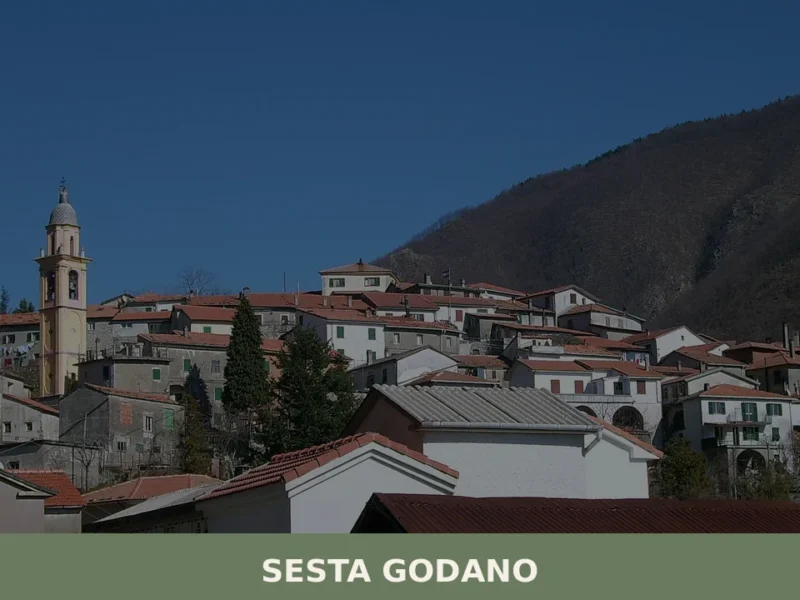
Sesta Godano
 Mountain
What to see in Sesta Godano, Italy? Explore this Ligurian village at 242 m (794 ft) altitude. Discover its mountain setting and local festivals. Read our guide.
Montebruno
Mountain
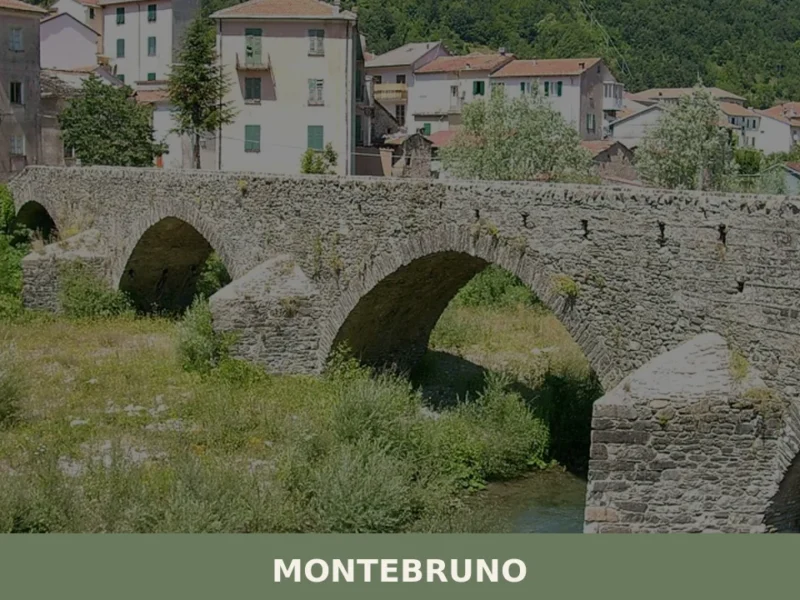
What to see in Montebruno, Italy: a mountain village at 655 m (2,149 ft) near Genoa. Discover the Marian sanctuary, Antola park trails and the 8 September feast.

Arenzano
 Sea
Sea
What to see in Arenzano, Liguria, Italy: explore a 16th-century patrician villa, a Saracens' Tower, and a coastal sanctuary. Population 11,445. Discover it all.
Tiglieto
Mountain
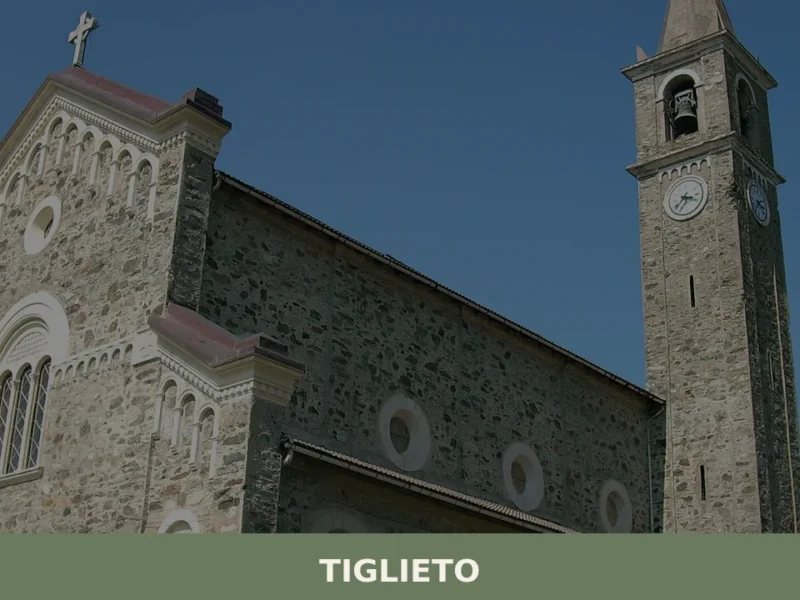
what to see in tiglieto: Explore Tiglieto, Italy, located 52 km (32 mi) from Genoa. Discover the historic Abbey and the Beigua Regional Park.
Genova
Sea
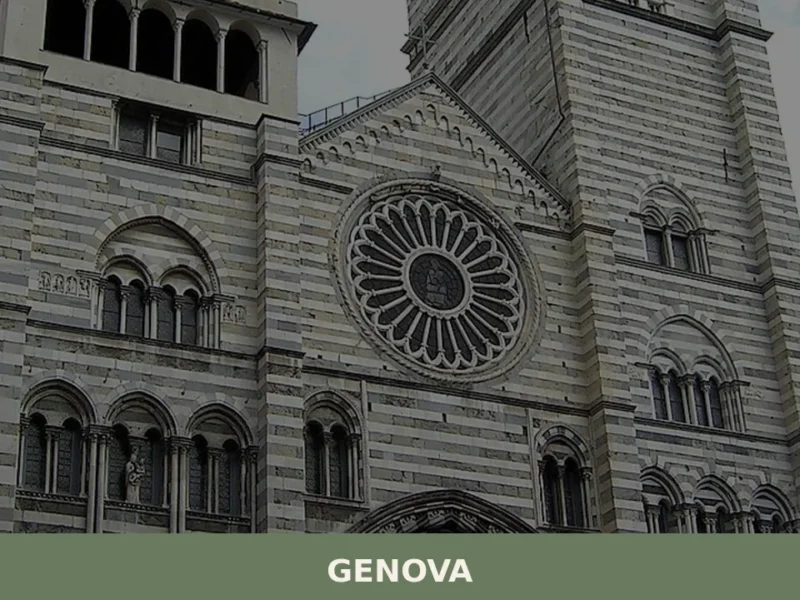
What to see in Genova: city at 18 m above sea level with UNESCO Rolli palaces and Europe's largest aquarium. Plan your visit with our full guide.
Olivetta San Michele
Mountain
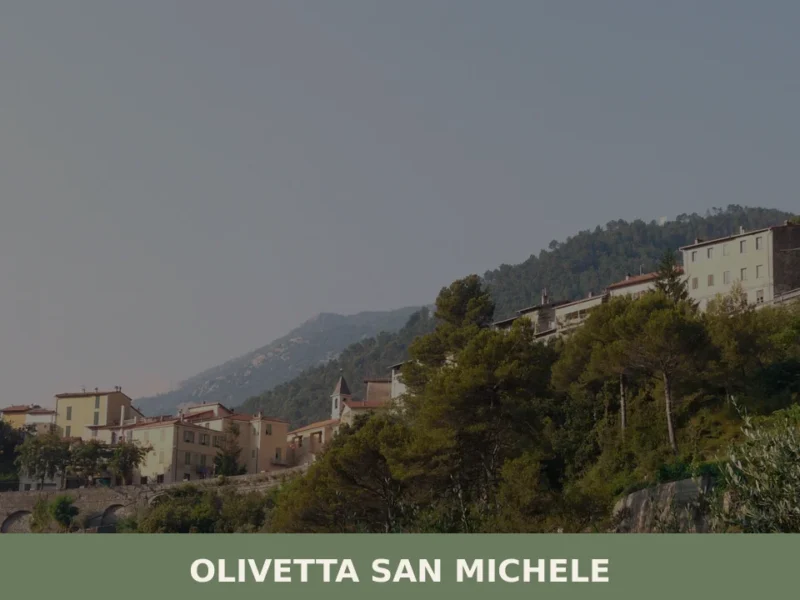
What to see in Olivetta San Michele? Discover 5 unique aspects of this Ligurian village, between history and nature. Read the full guide and plan your visit!
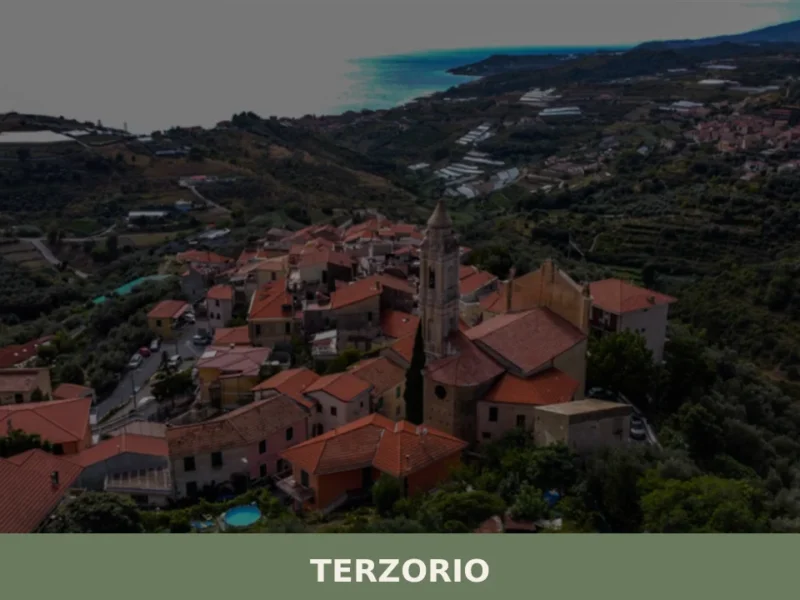
Terzorio
Sea
What to see in Terzorio, Italy: Explore a Ligurian village with 231 inhabitants, known for panoramic views and olive oil. Discover its quiet charm.
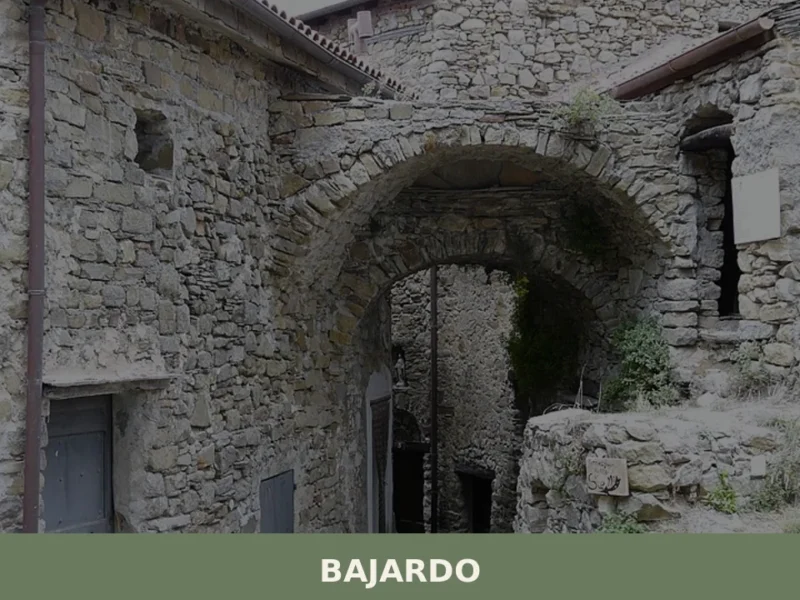
Bajardo
Mountain
What to see in Bajardo? Discover top 5 attractions at 910m, with historic ruins, stunning views, and trails. Plan your visit!
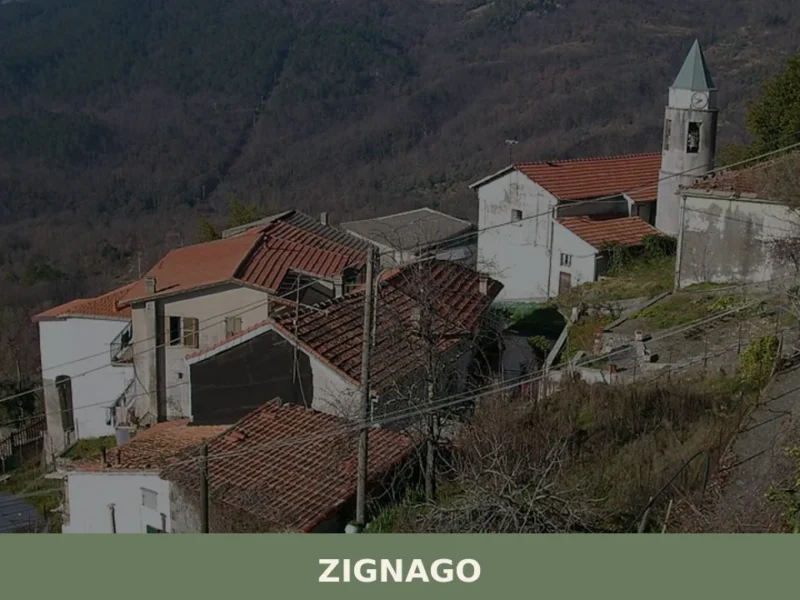
Zignago
Mountain
what to see in zignago in Italy. Explore this Ligurian comune of 542 residents, located 20 km (12 mi) from La Spezia, and discover its administrative heart and surrounding valleys.
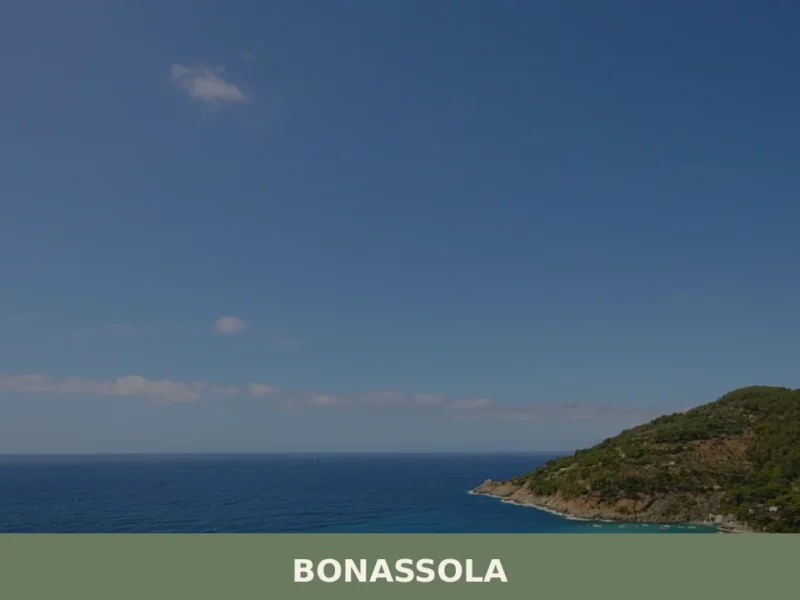
Bonassola
Sea
Bonassola’s single-track railway station, opened in 1874 as part of the Genoa–La Spezia line, brought the first outsiders to a coastal settlement that had survived for centuries on olive oil, wine, and anchovies. Today this compact village of 794 inhabitants sits at six metres above sea level along the Riviera di Levante, its beach one […]

🏡 Know Vasia better than we do?
If you’re a local or have been there, your knowledge matters: add what’s missing or fix a detail on this page.