


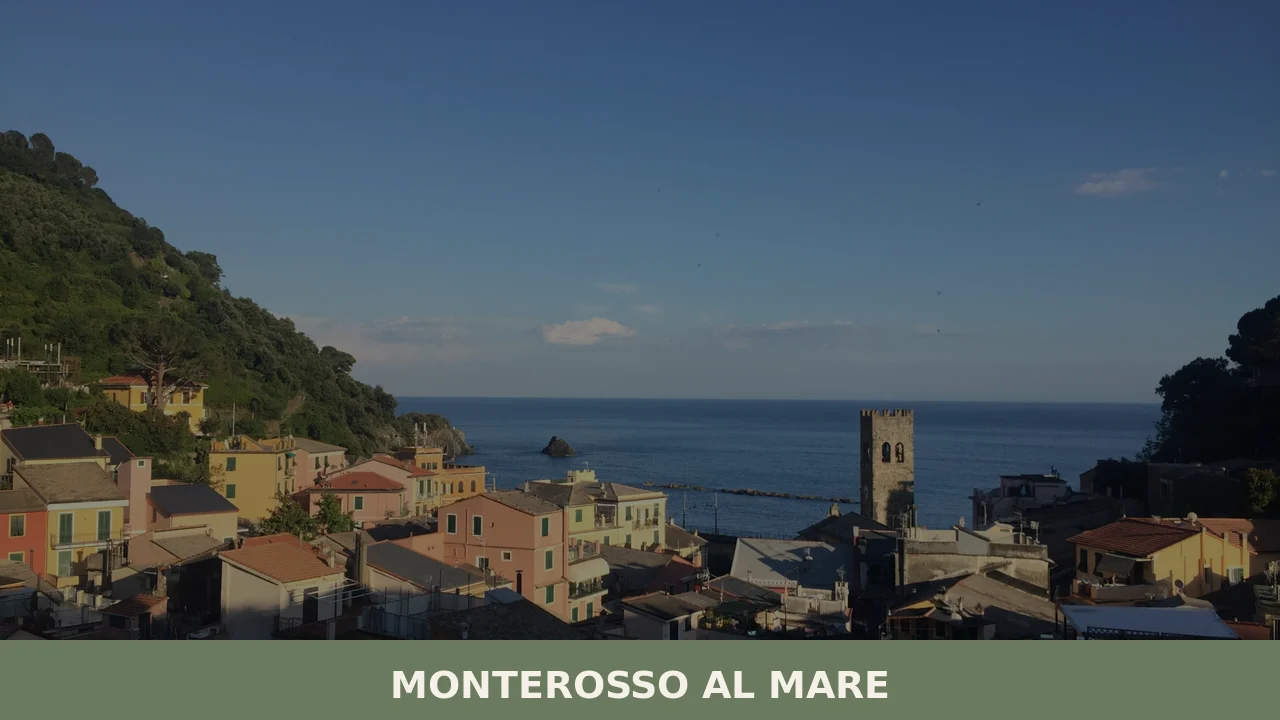
Monterosso al Mare
 Sea
Sea
What to see in Monterosso al Mare, Italy: explore a 14-metre Neptune statue, a church built in 1282, and Cinque Terre’s only sand beach. Discover the complete guide.
Discover Monterosso al Mare
The tunnel is only a few tens of metres long, yet it divides two entirely different worlds. On one side sits the old town, its walled lanes rising toward a Genoese castle that has been partially in ruin for centuries.
On the other side, the district of Fegina opens onto the widest stretch of sand in the entire Cinque Terre — a beach that draws a long arc along the gulf, sheltered by a small artificial reef.
At the western end of Fegina, a 14-metre (46-foot) concrete colossus missing both its trident and its shell-shaped terrace still stands close to the shoreline, a remnant of a villa bombed in the Second World War.
Deciding what to see in Monterosso al Mare is a structured exercise rather than a casual wander, because the town’s 1,473 inhabitants share their streets with a concentration of documented monuments that is disproportionate to the village’s size. The Monterosso al Mare highlights include a parish church consecrated between 1282 and 1307, a Capuchin convent with attributed works by Van Dyck and Luca Cambiaso, and a sanctuary sitting 465 metres (1,526 feet) above the town. Visitors to Monterosso al Mare find the two districts — old town and Fegina — connected by that single pedestrian tunnel, with the train station placed conveniently in Fegina.
History of Monterosso al Mare
Monterosso al Mare sits at the western end of the Cinque Terre, in the province of La Spezia, Liguria, Northern Italy.
Like every other coastal settlement along this stretch of the Ligurian coast, the village was built with defence as its primary logic. Walls enclosed the original town to resist attacks from the sea, which came frequently enough to shape the architecture and the layout of every street leading away from the waterfront. Pirates were the documented threat, and the presence of the Genoese-built castle on the headland reflects how seriously that threat was taken over several centuries of the medieval and early modern period.
The town’s connection to the wider Italian territory changed decisively in 1870, when the Italian government constructed a railroad line into the village.
Before that date, Monterosso was reachable only by sea or along the mule paths that linked the five Cinque Terre villages to one another and to Via Roma, the main arterial road.
Those mule paths, maintained continuously over the centuries, form the hiking trail network that now falls under the jurisdiction of the national park. During the Second World War, the village was bombed by Allied forces, and many young men from the Cinque Terre joined the resistance against the fascist regime of Benito Mussolini and the subsequent Nazi German occupation of Italy. The bombing caused severe damage to the Neptune statue and the Villa Pastine that surrounded it.
In the immediate postwar period, Monterosso found itself briefly removed from the official Cinque Terre trail in 1948, on the grounds that Italian authorities considered it too large to qualify as one of the five historic villages. It was reintegrated into the trail in mid-1949. That administrative episode reflects a tension that has not entirely disappeared: Monterosso is, by the standards of the Cinque Terre, a relatively large settlement, with a modern tourist district in Fegina that contrasts with the compact medieval layout of the old town.
The village maintains a formal twin-town relationship with Saint-Genès-Champanelle in France, a connection that places it within a broader European network of municipal partnerships.
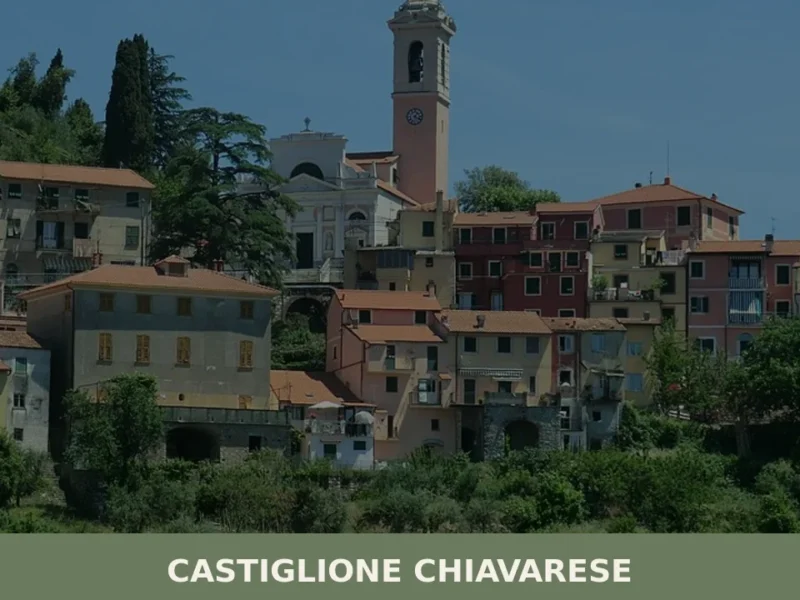
The area around Castiglione Chiavarese, further along the Ligurian coast, shares a comparable history of coastal defence infrastructure and rural mule-path networks that predate modern road access by several centuries.
What to see in Monterosso al Mare, Liguria: top attractions
Parish Church of Saint John the Baptist
The façade of this church presents four small marble columns and a main portal topped by a fresco depicting the baptism of Christ — details that have been in place since construction ran from 1282 to 1307. The building follows a basilica-type plan, with a central nave and two flanking aisles. The square medieval bell tower, crowned by merlons, is visible from the beach and from the tunnel approach to the old town. Standing inside, the proportions are austere rather than decorative, consistent with the building period.
The church remains an active place of worship, which limits interior access during services; early morning visits before the summer crowds arrive allow for a clearer view of the structure.
Capuchin Convent of Monterosso al Mare
The convent dates to the 1600s and is visible from every point in the Cinque Terre, positioned on the hill of the Capuchins between the old town and Fegina.
Its interior preserves a wooden altar and choir consistent with Capuchin architectural convention of the period. Two works here carry attributions to significant figures: a Crocifissione (Crucifixion) attributed to Anthony van Dyck, and a San Girolamo penitente (Saint Jerome the Penitent) by Luca Cambiaso. The refectory, with its vaulted ceiling, contains Bernardo Strozzi’s depiction of Veronica. The convent has preserved the spatial character of its founding period, including the angle of light through the nave.
Visitors approaching from the old town follow a short uphill path through the historic district.
The Monterosso Giant (Neptune Statue)
Close to the beach of Fegina stands a concrete figure 14 metres (46 feet) tall, created by sculptor Arrigo Minerbi — identified as the preferred artist of writer Gabriele D’Annunzio — and architect Francesco Levacher. The statue originally formed part of the decoration of the Villa Pastine, built in the early 1900s, and Neptune once held a trident and supported a shell-shaped terrace on his head that served as an actual terrace for the villa. Allied bombing during the Second World War damaged both the statue and the villa, and heavy seas in 1966 caused additional structural deterioration. What remains is the torso and lower body of the figure, embedded in the rock near the waterline, stripped of its original appendages.
The best viewing position is from the beach level at low tide.
Santuario Nostra Signora di Saviore
The sanctuary sits 465 metres (1,526 feet) above the town on a hill that overlooks both Monterosso and the sea. A church has occupied this site since 740 CE, making it one of the oldest documented religious locations in the Cinque Terre area.
The most significant object inside is a 14th-century wooden statue depicting the Virgin Mary holding the dead Christ — a Pietà type in carved wood. The sanctuary operates a guest house with six en-suite rooms and 30 additional rooms sharing bathrooms, as well as a refectory offering bed-and-breakfast and half-board arrangements. Two routes lead up: a foot path requiring approximately 1.5 hours from the village, or a local bus departing from Piazza Garibaldi in Monterosso, with the option to walk back down through wooded paths.
The Genoese Castle
The castle was built by the Genoese during the period when the Republic of Genoa controlled much of the Ligurian coast, and its partial ruin today reflects both military obsolescence and the structural damage accumulated over several centuries. It occupies a commanding position over the old town, with sightlines extending along the coastline toward Punta Mesco to the west.
The walls that remain standing are substantial enough to convey the original defensive scale of the structure.
Unlike the convent or the church, the castle does not contain preserved interior decoration — its interest is primarily structural and positional. It is reachable on foot from the old town, with the approach rising steeply through the historic street grid. The coastal view from the castle’s remaining ramparts covers the full arc of the gulf below.
Local food and typical products of Monterosso al Mare
The agricultural landscape around Monterosso al Mare, Liguria, Italy is defined by three crops that recur consistently in the documented record: lemons, olives, and wine grapes. The terrain between the coast and the hillside terraces concentrates these three products within a very short vertical distance, from the seafront gardens where lemon trees grow in visible numbers to the higher slopes where vines and olive trees occupy the narrow terraced strips cut into the rock.
This concentration has shaped local cooking in practical terms: the same hillside that provides the olive oil also provides the white wine that appears in both the kitchen and on the table.
The white wines produced around Monterosso are dry and grown on steep coastal terraces, where the proximity of the sea and the angle of the hillside create conditions that concentrate flavour in the grape.
Cinque Terre DOC white wine, produced from Bosco, Albarola, and Vermentino grapes, is the documented local wine type associated with this stretch of coast. The lemon production is notable enough that lemon trees are described as a defining visual feature of the village, appearing throughout the settlement in gardens and in the spaces between buildings.
Olive oil from the Ligurian coastal terraces has a documented tradition of small-scale production for local use, with the olives harvested by hand from the narrow terrace strips.
The culinary tradition of the Cinque Terre coast draws from both the sea and the hillside. Fish caught locally — including anchovies, which are salted and preserved along the Ligurian coast as a regional technique — appear in pasta dishes alongside the local olive oil and herbs. Focaccia, the flat olive-oil bread that is the foundational baked good of Ligurian cuisine, is present in Monterosso as throughout the region, baked in trays and sold by weight.
The combination of olive oil, white wine, and fresh herbs in fish preparations reflects the practical logic of using what the immediate territory produces.
For visitors looking to buy local products, the old town’s small shops stock bottled Cinque Terre DOC wine, preserved anchovies, and locally pressed olive oil. The summer months bring the highest concentration of food vendors, but the early autumn period — after the main tourist season and during the grape and olive harvest — offers the opportunity to find freshly pressed oil and newly bottled wine directly from producers.
Carrying cash in euros is advisable for smaller shops and market vendors, as card acceptance is not universal in the village’s older commercial district.
Festivals, events and traditions of Monterosso al Mare
The religious and civic calendar of Monterosso al Mare centres on the parish church of Saint John the Baptist, whose dedication gives the village its primary liturgical feast. The feast of Saint John the Baptist falls on 24 June and is observed with processions and religious functions in the old town. The proximity of the Santuario Nostra Signora di Saviore, with its 14th-century wooden statue, provides a second point of religious observance that draws locals up the hill on specific feast days associated with the sanctuary’s dedication to Our Lady of Saviore. The bus service from Piazza Garibaldi operates for these occasions, connecting the village centre to the sanctuary at 465 metres (1,526 feet) above.
The area is also connected to the broader Ligurian tradition of the sagra, a local food festival tied to a specific agricultural product.
Given Monterosso’s documented production of lemons, olives, and white wine grapes, seasonal events around the harvest periods — grape harvest in September and olive harvest in late autumn — are part of the local agricultural rhythm. The Cinque Terre national park designation has shaped how these traditions are observed, with the park authority regulating access to the terraced farmland and the trail network.
Visitors present in late June for the feast of Saint John the Baptist will find the old town at its most ceremonially active, with the church as the focal point of the day’s events.
When to visit Monterosso al Mare, Italy and how to get there
The summer months bring the highest visitor numbers to Monterosso, to the point where the village is, by its own documented account, heavily congested from June through August. For those whose primary interest lies in the monuments — the convent, the church, the castle, and the sanctuary — May and September offer the same mild Ligurian climate with substantially fewer people on the streets and along the trails. May is particularly well-suited for hiking, since the trail network through the Cinque Terre is at its most accessible before the summer heat intensifies on the exposed cliff sections.
October works well for visitors focused on food and wine, as the grape harvest runs through September into early October and olive picking follows in November. The inland Ligurian village of Lumarzo, set in the hills above Genoa, experiences a similar seasonal rhythm and can complement a Ligurian itinerary for those travelling in the cooler months.
Getting to Monterosso al Mare by train is the most practical option for the majority of visitors.
The village’s station is located in the Fegina district and is served by local Trenitalia services running from La Spezia and from Genoa. Intercity trains connect from Milan, Rome, Turin, and Tuscany. From La Spezia, the train journey takes approximately 20 minutes; from Genoa, the journey runs around one hour depending on the service. For a day trip from a major Italian city, Monterosso is most logistically straightforward from Milan or Florence, both of which have direct or one-change rail connections to La Spezia.
Visitors arriving by car face a 20-kilometre (12-mile) road connecting the village to the E80 motorway — described as narrow, steep, and winding — with very limited parking in the town itself. The rail option eliminates this entirely. For international visitors arriving by air, the closest airports are Genoa Cristoforo Colombo Airport (approximately 90 km / 56 mi to the northwest) and Pisa Galileo Galilei Airport (approximately 100 km / 62 mi to the south), both of which connect to the rail network for onward travel to La Spezia. English is spoken in the main tourist-facing businesses, but smaller shops and local services in the old town may have limited English-language capacity; carrying euros in cash is practical for these situations.
Where to stay near Monterosso al Mare
The Santuario Nostra Signora di Saviore, at 465 metres (1,526 feet) above the town, operates a documented guest house offering both bed-and-breakfast and half-board accommodation.
It provides six en-suite rooms and 30 additional rooms that share bathrooms between pairs of rooms, making it a functional base for visitors who want to avoid the summer congestion of the village below while remaining within walking distance of the trail network. The sanctuary accommodation is reached either by the 1.5-hour foot path from the village or by the local bus from Piazza Garibaldi. Within the village itself, the Fegina district, as the modern expansion area, holds the main concentration of tourist accommodation facilities.
Visitors extending their stay in the wider La Spezia province can consider basing themselves in La Spezia, the provincial capital roughly 20 minutes by train from Monterosso, where accommodation options are broader and prices generally lower than in the Cinque Terre villages during the peak season.
From La Spezia, all five Cinque Terre villages are reachable by train, making it a practical hub for those planning to visit more than one village.
Travellers interested in exploring the broader Ligurian hinterland might also consider the village of Diano San Pietro, in the western Ligurian hills, which represents a different register of the region — quieter, without coastal tourist infrastructure, and oriented toward the olive-growing landscape of the interior.
Frequently asked questions about Monterosso al Mare
What is the best time to visit Monterosso al Mare?
The best time to visit Monterosso al Mare is generally from late spring to early autumn (April to October) for pleasant weather ideal for exploring and enjoying the sea. Early mornings in summer allow for clearer views of attractions like the Parish Church of Saint John the Baptist before crowds. The village celebrates its patron, San Giovanni Battista, on June 24th with local festivities, offering a cultural experience. Spring and autumn also provide ideal conditions for hiking the scenic trails of the Cinque Terre National Park without the peak summer heat.
What to see in Monterosso al Mare? Main monuments and landmarks
Monterosso al Mare offers a rich array of monuments. Highlights include the Parish Church of Saint John the Baptist, consecrated between 1282 and 1307, visible from the beach with its medieval bell tower. The Capuchin Convent, dating to the 1600s, sits on a hill between the old town and Fegina, housing attributed works by Van Dyck and Luca Cambiaso; access is via an uphill path from the old town. Don't miss the imposing Monterosso Giant (Neptune Statue) near Fegina beach, best viewed at low tide, a remnant of a bombed villa. Further up, the Santuario Nostra Signora di Saviore, one of the oldest religious sites in Cinque Terre, offers stunning views and a 14th-century Pietà, accessible by bus or a 1.5-hour hike.
What are the main natural or scenic attractions of Monterosso al Mare?
Monterosso al Mare is renowned for its natural beauty, most notably the wide Fegina beach, the largest sandy stretch in the Cinque Terre, perfect for sea activities. The village is also the starting point for numerous hiking trails belonging to the Cinque Terre National Park, offering breathtaking coastal and hillside panoramas. For exceptional scenic views, ascend to the Santuario Nostra Signora di Saviore, perched 465 meters above town, or explore the ruins of the Genoese Castle, which provides commanding sightlines over the old town and the full arc of the gulf below.
Where to take the best photos in Monterosso al Mare?
For iconic photos in Monterosso al Mare, start with the panoramic views from the Capuchin Convent, visible from across the Cinque Terre, offering stunning perspectives of the village and sea. The Genoese Castle ramparts provide commanding shots of the old town and the entire gulf. Capture the unique Monterosso Giant (Neptune Statue) from Fegina beach level, especially at low tide. The bell tower of the Parish Church of Saint John the Baptist makes for a picturesque subject from the beach or the tunnel approach. Don't miss the elevated vistas from the Santuario Nostra Signora di Saviore, overlooking both the village and the sparkling Ligurian sea.
What can you do in Monterosso al Mare? Activities and experiences
In Monterosso al Mare, visitors can enjoy a variety of activities. Relax and swim on Fegina beach, the widest sandy stretch in the Cinque Terre. Explore the extensive hiking trail network of the Cinque Terre National Park, offering breathtaking coastal walks. Indulge in local food and wine experiences, sampling the renowned Cinque Terre DOC white wines, Ligurian olive oil, and dishes featuring local lemons. For a unique experience, consider staying at the guest house of the Santuario Nostra Signora di Saviore, a historic religious site offering peaceful retreat and stunning views. Attend the patron saint's feast on June 24th for local traditions.
Who is Monterosso al Mare suitable for? Families, couples, hikers, solo travelers?
Monterosso al Mare caters to a diverse range of visitors. Its wide Fegina beach makes it ideal for families and couples seeking a seaside holiday. The extensive network of mule paths, now part of the Cinque Terre National Park, attracts hikers and nature lovers eager to explore scenic trails. History and culture enthusiasts will appreciate the village's disproportionate concentration of documented monuments, including medieval churches and a Genoese castle. Solo travelers can find both vibrant tourist areas and peaceful retreats, such as the Santuario Nostra Signora di Saviore.
What to eat in Monterosso al Mare? Local products and specialties
In Monterosso al Mare, the local cuisine is deeply rooted in three key agricultural products: lemons, olives, and wine grapes. You must try the renowned Cinque Terre DOC white wine, a dry wine produced from Bosco, Albarola, and Vermentino grapes grown on steep coastal terraces. Local Ligurian olive oil, derived from small-scale production, is a staple. Given the abundance of lemon trees, local specialties often feature lemons prominently, from refreshing drinks to desserts. These ingredients define the authentic flavors of the region.
📷 Photo Gallery — Monterosso al Mare
Getting there
Piazza Giuseppe Garibaldi, 19016 Monterosso al Mare (SP)
Nearby Villages near Monterosso al Mare
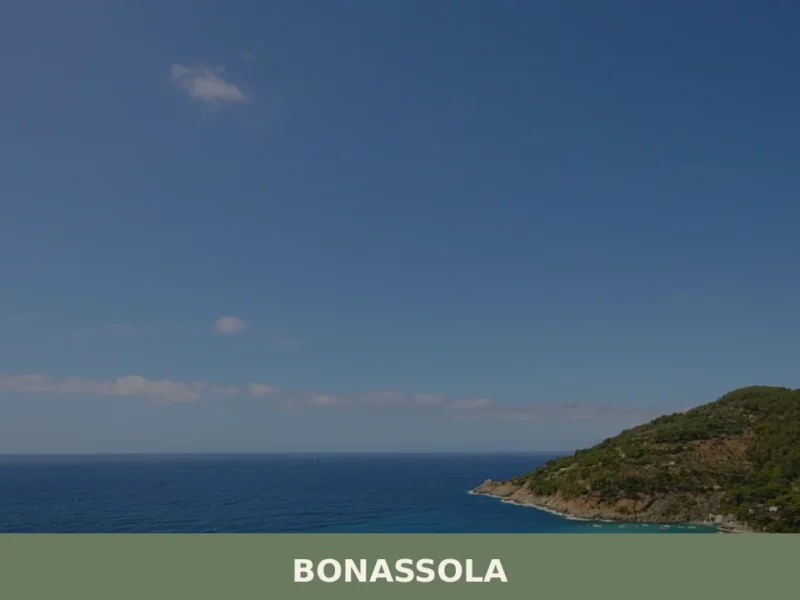
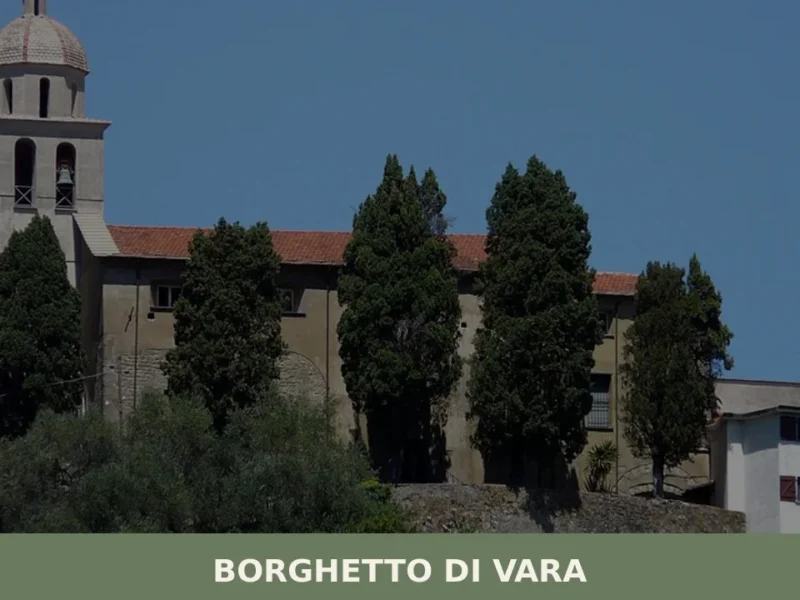
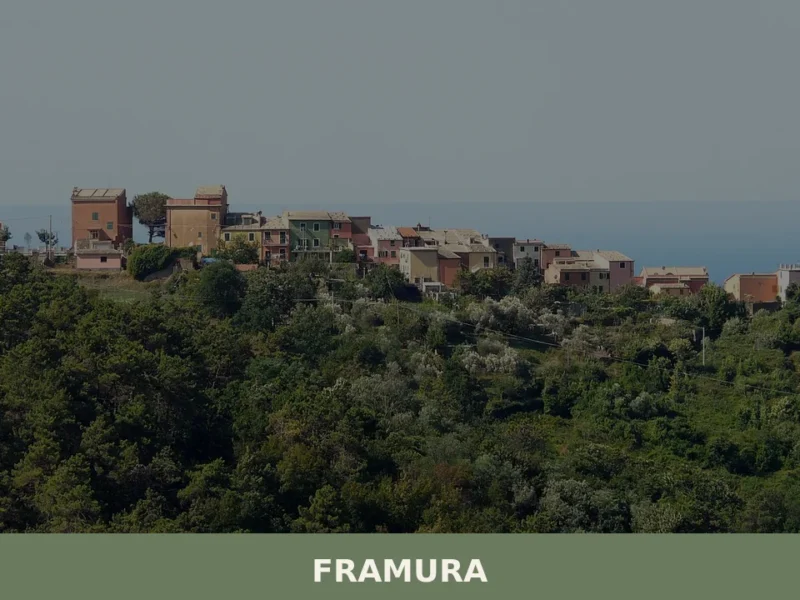
In Liguria More villages to discover
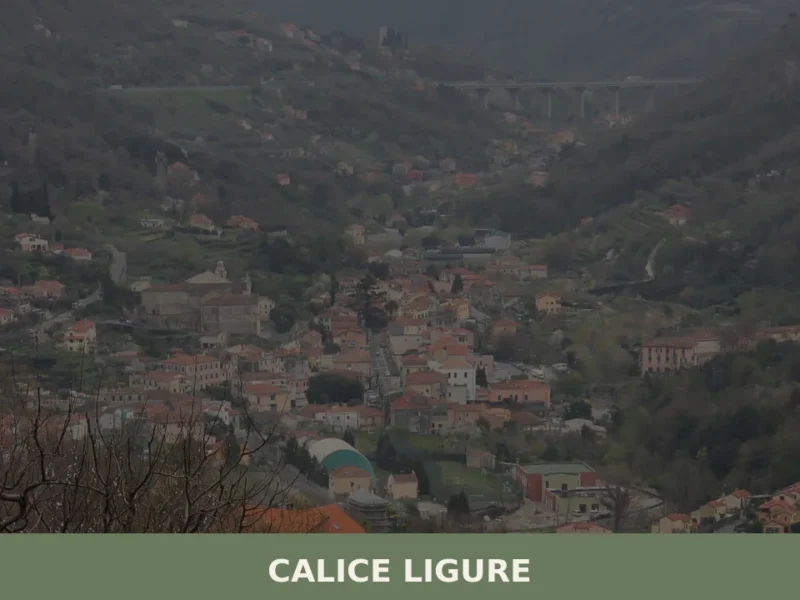
Calice Ligure
 Plains
What to see in Calice Ligure, Italy: explore top attractions, local food and how to reach this Savona village of 1,727 people. Discover Liguria's inland.
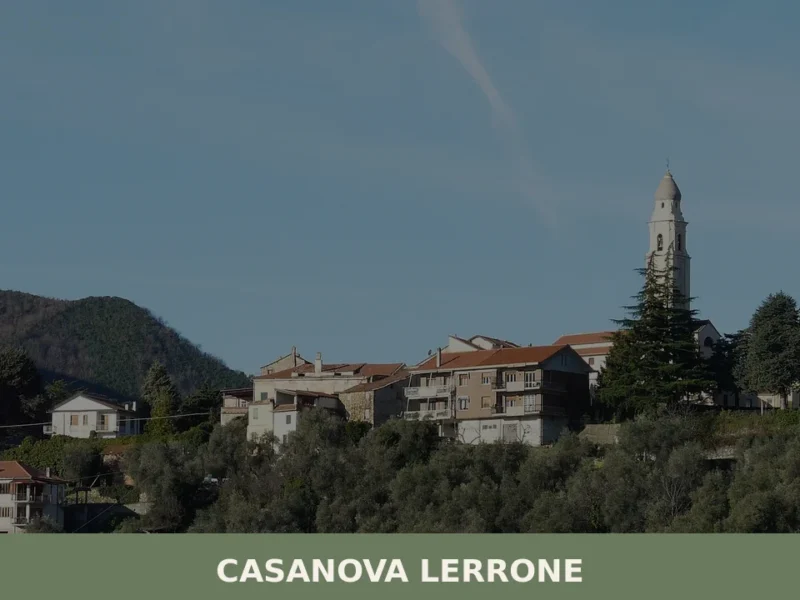
Casanova Lerrone
 Hills
Hills
What to see in Casanova Lerrone, Italy: 752 inhabitants, 10 bordering municipalities. Discover top attractions, local food and how to get there. Explore now.
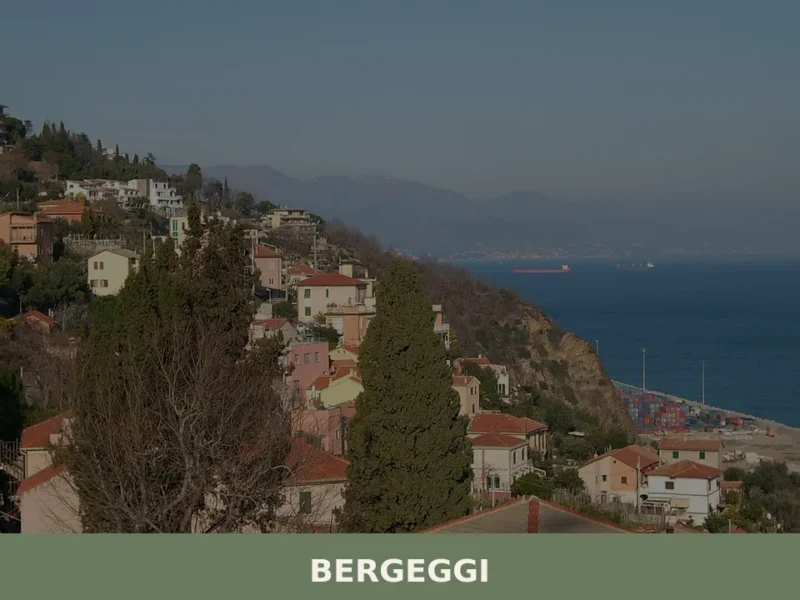
Bergeggi
Sea
The limestone bluffs that drop into the Ligurian Sea west of Savona do not ease the traveller in gently. The coastline here is direct: rock, water, and the smell of salt on warm stone. Bergeggi sits at roughly 10 km (6.2 mi) from Savona, at a point where the Via Aurelia, the ancient Roman road […]
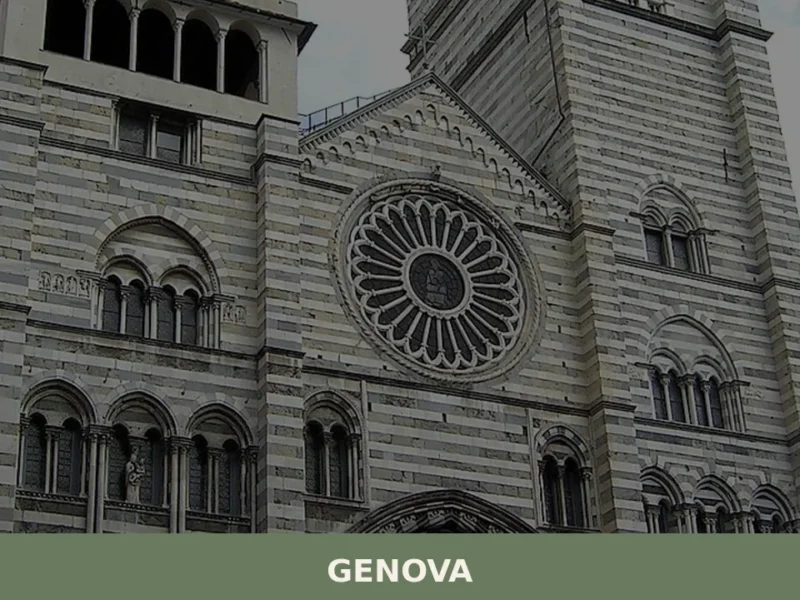
Genova
Sea
What to see in Genova: city at 18 m above sea level with UNESCO Rolli palaces and Europe's largest aquarium. Plan your visit with our full guide.
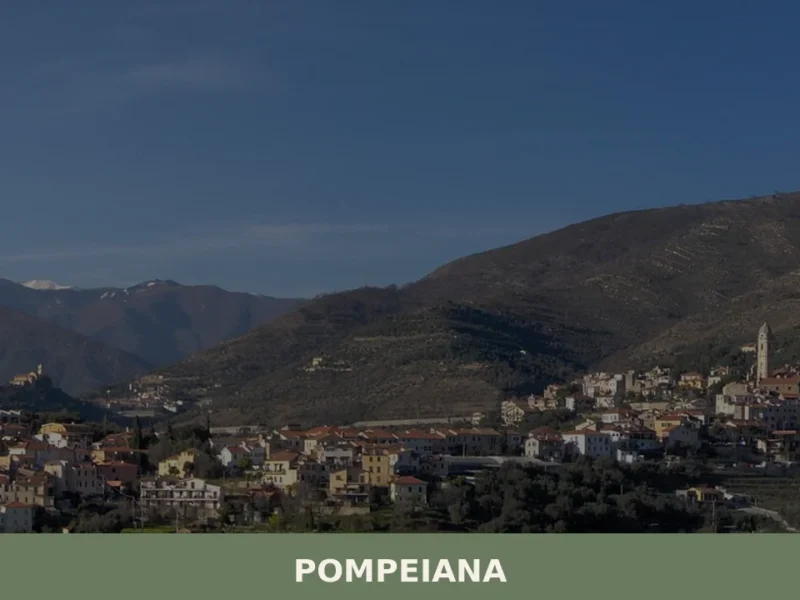
Pompeiana
Sea
what to see in pompeiana, Italy. Discover this Imperia village of 837 residents, explore its historic center and surrounding olive terraces. Read our guide to Liguria.
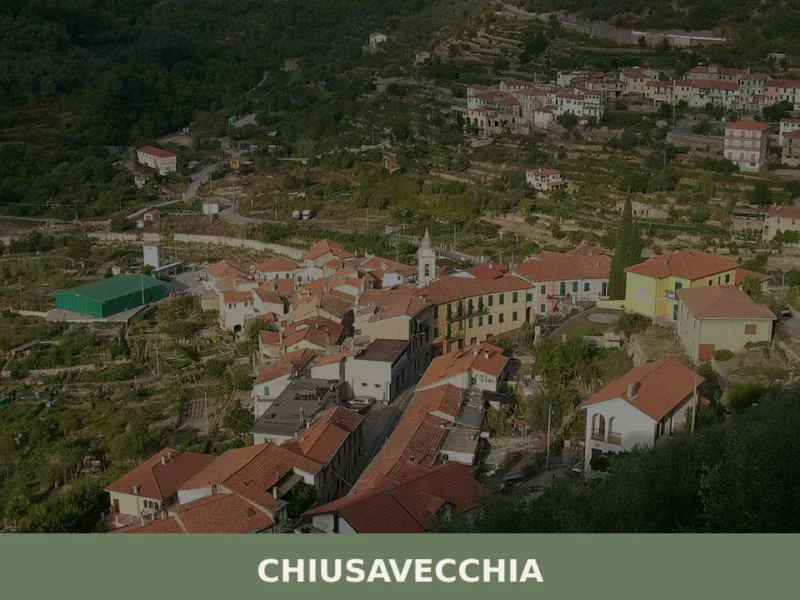
Chiusavecchia, Liguria: An Ancient Italian Village Guide
Plains
What to see in Chiusavecchia, Italy: Explore this Ligurian village at 140m altitude. Discover its historic core and the feast of San Biagio.
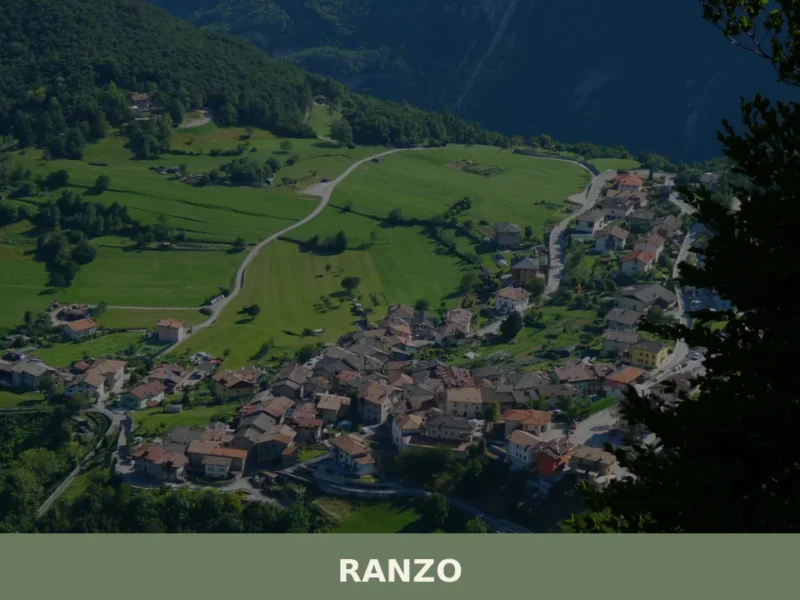
Ranzo
 Mountain
What to see in Ranzo, Liguria, Italy: explore a village of 550 inhabitants, 80 km from Genoa. Discover top attractions, local food, and how to get there.
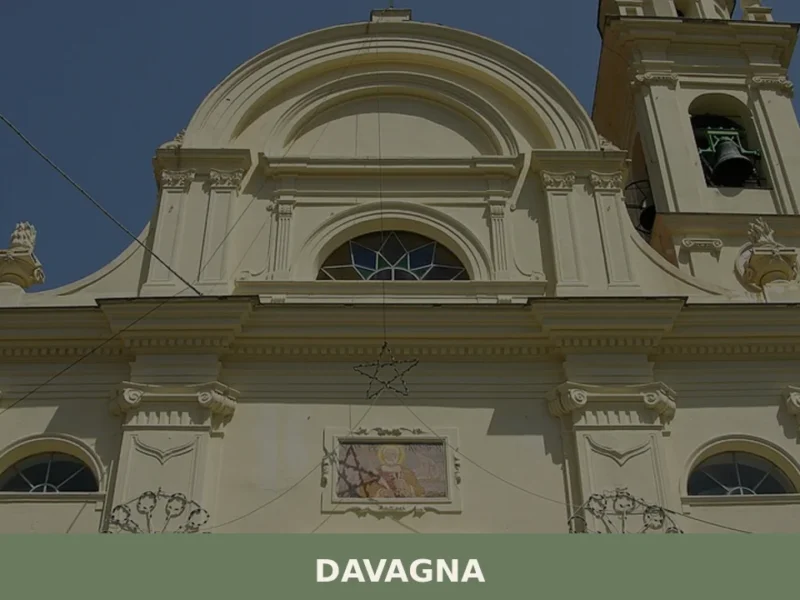
Davagna
Hills
At 552 meters above sea level, Davagna is a scattered municipality in the Genoese hinterland, comprising a main town and numerous hamlets spread across the slopes of the Bisagno Valley. Its geographical location, a short distance from the Ligurian capital, has historically influenced the economic and social dynamics of the area. For those wishing to […]
Onzo
Hills
What to see in Onzo, Liguria, Italy: explore a village of 224 inhabitants 80 km from Genoa. Discover top attractions, local food, and how to get there.
Calice al Cornoviglio
Hills
Discover Calice al Cornoviglio: medieval castle, baroque church, and historic village. Explore Ligurian hinterland's history and nature.

🏡 Know Monterosso al Mare better than we do?
If you’re a local or have been there, your knowledge matters: add what’s missing or fix a detail on this page.