


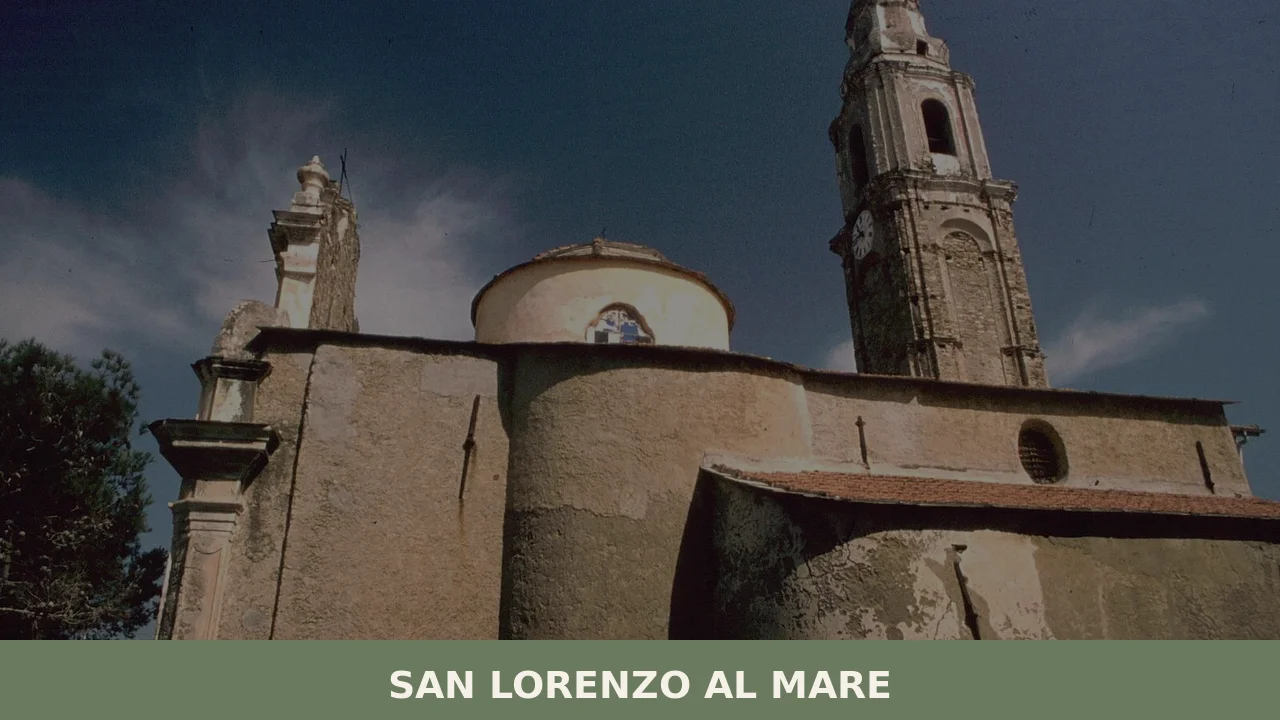
San Lorenzo al Mare
 Sea
Sea
What to see in San Lorenzo al Mare, Italy: Discover its 1,380 inhabitants and coastal charm. Explore historic sites and the scenic Riviera dei Fiori. Plan your Ligurian trip.
Discover San Lorenzo al Mare
The Ligurian village of San Lorenzo al Mare, a comune in the Province of Imperia, spans a modest area of 1.3 square kilometers (0.5 sq mi).
Situated along the western Ligurian coast, it lies approximately 100 kilometers (62 mi) southwest of the regional capital Genova and just 10 kilometers (6 mi) west of the city of Imperia.
This coastal position defines much of its character, with the Ligurian Sea shaping its landscape and daily life, offering both natural beauty and a connection to maritime traditions.
For those wondering what to see in San Lorenzo al Mare, this guide highlights the village’s unique appeal within the Italian Riviera. With a population recorded at 1,409 residents in 2004, and currently around 1,204, visitors find a blend of maritime tradition and historical points of interest.
The San Lorenzo al Mare highlights include exploring its coastal pathways and discovering the architectural remnants that speak to its past as a Ligurian settlement, providing a glimpse into the authentic rhythm of Italian village life.
History of San Lorenzo al Mare
San Lorenzo al Mare, known in Ligurian as San Loénso, functions as a comune, or municipality, within the Province of Imperia in the Italian region of Liguria. Its designation as a comune indicates a long-standing administrative identity, a structure common throughout Italy that often traces its roots back centuries, signifying a local governance and a distinct community that has evolved over time.
The village’s name itself, San Lorenzo al Mare, suggests a historical dedication to Saint Lawrence and its prominent coastal location, factors that likely played a role in its early development and naming conventions.
The precise founding period of San Lorenzo al Mare is not detailed in available records, but its existence as a recognized settlement dates back considerably, as evidenced by its established municipal status.
Geographically, it has always been defined by its proximity to the Ligurian Sea, a factor that historically influenced trade, defense, and local livelihoods, connecting it to other coastal communities. Its position, approximately 100 kilometers (62 mi) southwest of , placed it along historical coastal routes, which were vital for communication and commerce in the region, fostering interaction with larger urban centers.
The demographic evolution of San Lorenzo al Mare offers some insight into its recent past, with a recorded population of 1,409 inhabitants as of December 31, 2004. More recently, the population stood at 1,380 inhabitants, reflecting the common demographic shifts observed in smaller Italian communities over time.
The village’s borders with neighboring municipalities like Cipressa, Civezza, Costarainera, and Imperia highlight its integration into the wider regional fabric of the Ligurian coast, suggesting a shared history and interconnected development with these local communities.
This network of adjacent comuni, much like Cosseria in the inland Savona province, forms a mosaic of distinct yet historically linked settlements across Liguria.
What to see in San Lorenzo al Mare, Liguria: top attractions
The Ligurian Coastline
The primary draw for visitors wondering what to see in San Lorenzo al Mare is undoubtedly its extensive Ligurian coastline. The village’s position directly on the sea means that panoramic views and direct access to the water are fundamental aspects of its appeal, defining much of its character. This stretch of coast, part of the wider Riviera dei Fiori, extends for many kilometers, offering varied landscapes from small coves to rocky outcrops.
The clear waters invite contemplation and provide a natural boundary to the village, shaping its daily rhythm and visual identity throughout the year.
The Historic Village Core
The compact historic center of San Lorenzo al Mare reflects the typical layout of a Ligurian coastal village, characterized by narrow alleys and traditional stone buildings.
The village structure has evolved over centuries, often providing protection from the sea and creating a communal living space for its inhabitants. Walking through these pathways reveals the architectural simplicity and resilience common to the region, where homes are built close together to maximize space and offer shelter.
The central core maintains a distinct character, embodying the community’s past and present, with many structures dating back several generations.
The Riviera dei Fiori Pathways
Given its coastal location, San Lorenzo al Mare is a key point along the well-known Riviera dei Fiori, which features various pathways and promenades that allow visitors to experience the seaside environment up close. Such routes are characteristic of the Ligurian coast, often following ancient tracks or converted railway lines, providing opportunities for leisurely walks or cycling.
These paths connect different parts of the village and extend to neighboring communities like Magliolo, offering expansive views of the Mediterranean Sea. The elevation changes along the Ligurian coastline mean that many of these routes offer diverse perspectives, from sea-level strolls to viewpoints slightly higher up, often with a gentle gradient for easy access.
Views of the Surrounding Hills and Towns
From various points within San Lorenzo al Mare, particularly those with slight elevation, visitors can appreciate the surrounding Ligurian landscape, including views towards its neighboring municipalities.
To the east, the city of Imperia is visible, approximately 10 kilometers (6 mi) away, while to the west, the villages of Cipressa, Civezza, and Costarainera dot the hillsides, creating a picturesque backdrop. These vistas provide a sense of the village’s geographical context within the Province of Imperia.
Observing the distant towns helps to illustrate the interconnectedness of these communities along the western Ligurian coast, each with its own unique silhouette against the horizon.
The Local Maritime Character
Beyond specific structures or viewpoints, a key aspect of what to see in San Lorenzo al Mare is its pervasive maritime atmosphere, which permeates the entire village.
The daily life of the community is intrinsically linked to the sea, influencing its sounds, scents, and visual character. From the presence of fishing boats in a small harbor to the subtle salty breeze carried inland, the essence of a traditional Ligurian coastal settlement is palpable. This deep connection to the sea has shaped the local culture and economy for generations, creating an environment where the rhythm of the waves is a constant backdrop to village life and its traditions.
Local food and typical products of San Lorenzo al Mare
The gastronomic tradition of San Lorenzo al Mare, like much of the Ligurian coast, is deeply rooted in local ingredients and historical influences. The proximity to the sea naturally features seafood, while the hilly hinterland provides olives, herbs, and vegetables, all cultivated in the Mediterranean climate. This culinary heritage has been shaped by centuries of trade and agricultural practices, resulting in a cuisine that prioritizes freshness and simplicity, emphasizing the natural flavors of high-quality produce.
The Ligurian diet often relies heavily on locally produced extra virgin olive oil, aromatic herbs like basil and rosemary, and seasonal ingredients, reflecting a balanced and healthy Mediterranean approach to cooking.
While specific dishes unique to San Lorenzo al Mare are not explicitly documented in the provided sources, the broader Ligurian culinary landscape offers insights into the likely local fare.
Common preparations often include various fish and seafood, simply grilled or baked with local olive oil and herbs, showcasing the bounty of the nearby sea. Pasta dishes frequently feature pesto genovese, a renowned Ligurian sauce made from fresh basil, pine nuts, garlic, Parmigiano Reggiano, Pecorino Sardo, and olive oil, which is a staple throughout the region. Vegetables such as artichokes, zucchini, and tomatoes are also prominent, often incorporated into savory pies or light stews, reflecting the agricultural richness of the surrounding countryside.
No specific certified products (DOP, IGP, STG) directly attributable to San Lorenzo al Mare are detailed in the provided authoritative sources.
However, the wider Ligurian region is renowned for its high-quality extra virgin olive oil, particularly that derived from the Taggiasca olive variety. This golden oil is a cornerstone of local cooking, used in almost every dish, from dressings to frying, and is a key export. The cultivation of olive trees has been a defining agricultural practice in the hillsides surrounding coastal villages like San Lorenzo al Mare for centuries, contributing significantly to the regional economy and culinary identity, and shaping the landscape itself.
Festivals, events and traditions of San Lorenzo al Mare
The provided authoritative sources do not detail specific festivals, events, or traditions unique to San Lorenzo al Mare.
Many Italian villages, particularly those with a long history and strong community ties, typically observe various annual celebrations, often centered around religious holidays, such as a patron saint festival, or agricultural cycles.
These can include processions through the historic streets, local markets showcasing regional produce, or gastronomic fairs (sagre) dedicated to specific foods, bringing the community together and attracting visitors.
While the general framework of Italian village traditions is well-established across the country, specific dates and detailed descriptions for San Lorenzo al Mare’s observances are not available in the given information. Visitors interested in participating in local life are advised to consult municipal tourism resources or community announcements upon arrival for any spontaneous or scheduled events. This ensures access to the most accurate and current calendar of activities within the village and its immediate surroundings, allowing for a deeper engagement with the local culture during their visit.
When to visit San Lorenzo al Mare, Italy and how to get there
The best time to visit Liguria, and San Lorenzo al Mare specifically, generally spans from late spring (April-May) to early autumn (September-October).
During these months, the Mediterranean climate provides pleasant temperatures, ideal for exploring the coastline and village without the intense heat or larger crowds of peak summer.
Spring brings blooming flowers and mild weather, perfect for outdoor activities, while autumn offers comfortable conditions and often calmer seas, making it suitable for leisurely strolls. Even in winter, the Ligurian coast benefits from milder temperatures compared to inland areas, making it suitable for those who prefer quieter visits focused on cultural exploration rather than beach activities.
For those planning a trip and wondering how to get to San Lorenzo al Mare, the village is accessible via several routes, making it a convenient destination. By car, it is located approximately 100 kilometers (62 mi) southwest of and about 10 kilometers (6 mi) west of Imperia, both significant regional hubs.
The A10 motorway, known as the “Autostrada dei Fiori,” runs along the Ligurian coast; travelers would typically exit at Imperia Ovest or Imperia Est, depending on their direction, and then proceed via local roads for a short drive of just a few kilometers to reach the village center.
The nearest major train station is in Imperia, offering connections along the Ligurian railway line, which is part of Italy’s national rail network.
From Imperia, local bus services or taxis can complete the journey to San Lorenzo al Mare, providing a direct link for those traveling without a car. For international visitors, the nearest major airport is Genoa Cristoforo Colombo Airport (GOA), located approximately 100 kilometers (62 mi) to the northeast. From the airport, travelers can rent a car or take a train connection to Imperia. It is advisable for international visitors to carry some Euros cash, as smaller establishments in villages like San Lorenzo al Mare may have limited card payment options, and English proficiency might vary.
Frequently asked questions about San Lorenzo al Mare
What is the best time to visit San Lorenzo al Mare?
The best time to visit San Lorenzo al Mare is between May and September, when the Mediterranean climate offers warm temperatures and ideal conditions for enjoying the Ligurian coastline. July is particularly vibrant, with the feast of the patron saint Santa Maria Maddalena celebrated on 22 July, offering a glimpse into local traditions. August brings peak summer tourism along the Riviera dei Fiori. Spring (April–May) and early autumn (September–October) are excellent for quieter visits, mild weather, and coastal walks without summer crowds.
What to see in San Lorenzo al Mare? Main monuments and landmarks
San Lorenzo al Mare's main attractions include its compact historic village core, with narrow Ligurian alleys and traditional stone architecture typical of the western Riviera. The seafront promenade and the converted coastal railway path — part of the Riviera dei Fiori cycling and walking route — are central features. The village's direct access to the Ligurian Sea, small harbor area with its maritime character, and panoramic views towards Imperia to the east and the hillside villages of Cipressa and Civezza to the west are all worth exploring on foot.
What are the main natural or scenic attractions of San Lorenzo al Mare?
The most significant natural attraction is San Lorenzo al Mare's direct position on the Ligurian Sea, part of the Riviera dei Fiori coastline. The village is a key point on the famous coastal greenway (pista ciclabile), a converted former railway line running along the sea between Ospedaletti and San Lorenzo al Mare, offering flat, scenic cycling and walking with uninterrupted Mediterranean views. The surrounding hillsides planted with centuries-old Taggiasca olive trees add to the characteristic Ligurian landscape visible from the village.
Where to take the best photos in San Lorenzo al Mare?
The coastal greenway (pista ciclabile) along the seafront offers excellent photography opportunities with wide Mediterranean panoramas. The historic village core, with its colourful Ligurian facades and narrow caruggi (alleys), provides authentic architectural shots. Elevated points on the outskirts offer views combining the sea, the village rooftops, and the hillside communes of Cipressa and Civezza in the background. The small harbour area, particularly at sunrise or sunset, captures the village's maritime character at its most atmospheric.
What can you do in San Lorenzo al Mare? Activities and experiences
San Lorenzo al Mare is primarily known for coastal and outdoor activities. The Riviera dei Fiori pista ciclabile — one of Liguria's most popular flat cycling routes — passes through the village, ideal for cycling and walking along the sea. Swimming and beach activities are central to a summer visit. The village also serves as a base for exploring neighbouring hillside comuni such as Cipressa and Civezza. The feast of Santa Maria Maddalena on 22 July offers a local cultural experience rooted in the village's religious traditions.
Who is San Lorenzo al Mare suitable for? Families, couples, hikers, solo travelers?
San Lorenzo al Mare is well suited to families thanks to its flat coastal greenway and safe seaside environment. Couples will appreciate the relaxed maritime atmosphere, scenic promenades, and proximity to the wider Riviera dei Fiori. Cyclists of all levels benefit from the renowned flat pista ciclabile along the sea. Those seeking authentic, small-scale Ligurian village life rather than mass tourism will find the village's modest size and genuine character appealing. It is less suited to visitors seeking a wide nightlife or large-resort experience.
What to eat in San Lorenzo al Mare? Local products and specialties
San Lorenzo al Mare shares the culinary traditions of the western Ligurian coast. Key local products include extra virgin olive oil from the Taggiasca olive variety, cultivated on surrounding hillsides and recognised for its delicate flavour. Seafood features prominently — typically grilled or prepared simply with local olive oil and herbs. Pesto genovese, made with Ligurian basil, pine nuts, garlic, and olive oil, is a regional staple served with pasta. Visitors can find these products at local markets and in restaurants throughout the village and nearby Imperia.
📷 Photo Gallery — San Lorenzo al Mare
Getting there
Via Aurelia, 18017 San Lorenzo al Mare (IM)
Nearby Villages near San Lorenzo al Mare
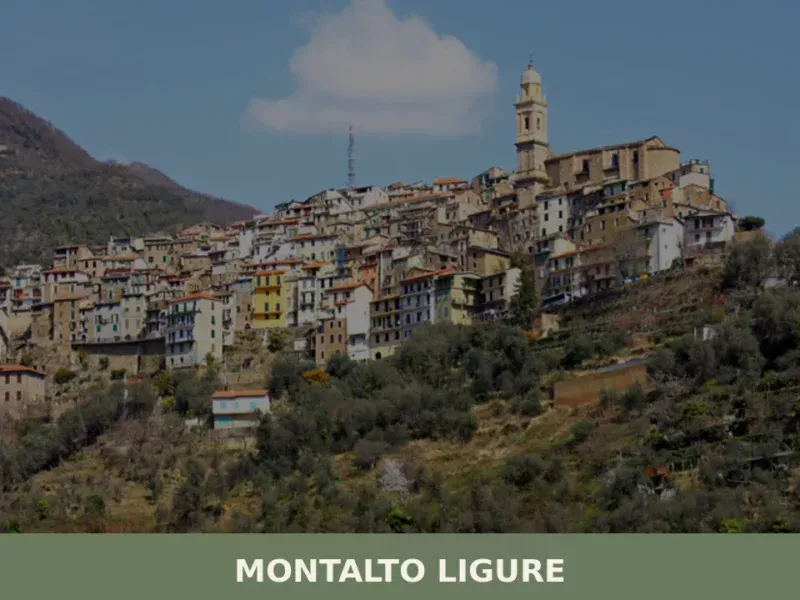
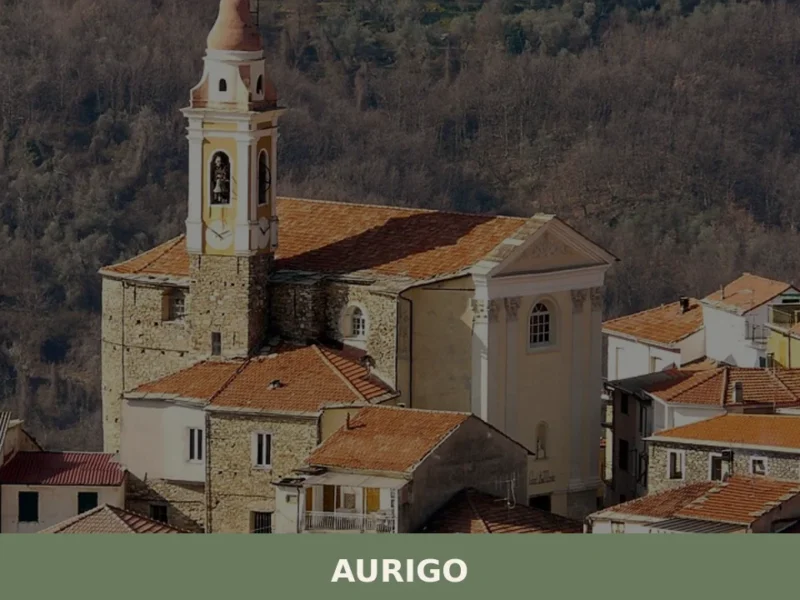
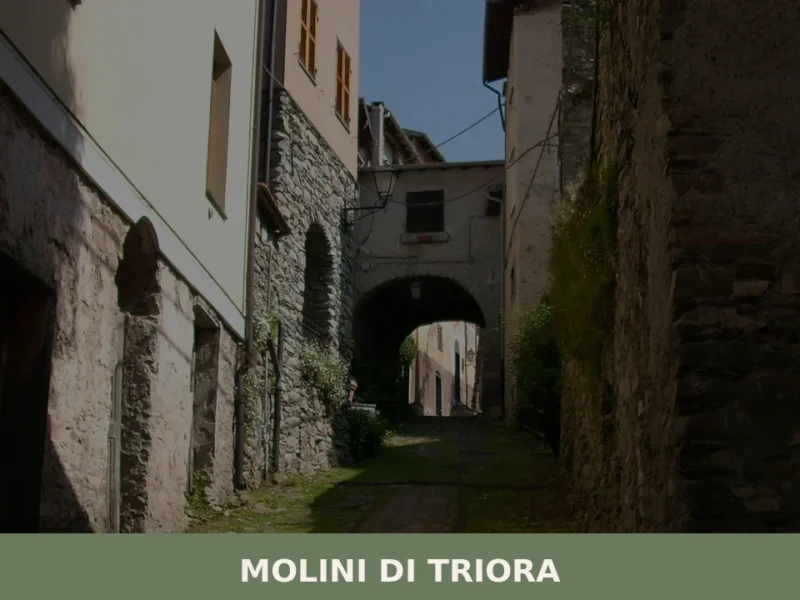
In Liguria More villages to discover
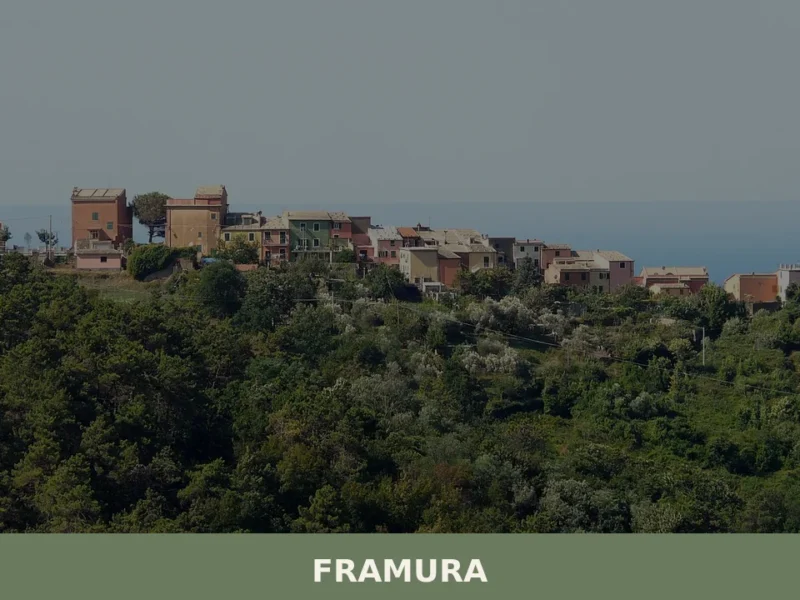
Framura
Sea
What to see in Framura, Liguria, Italy: explore 5 top attractions, WWII history, coastal trails, and local food in a village of 677 inhabitants. Discover it now.
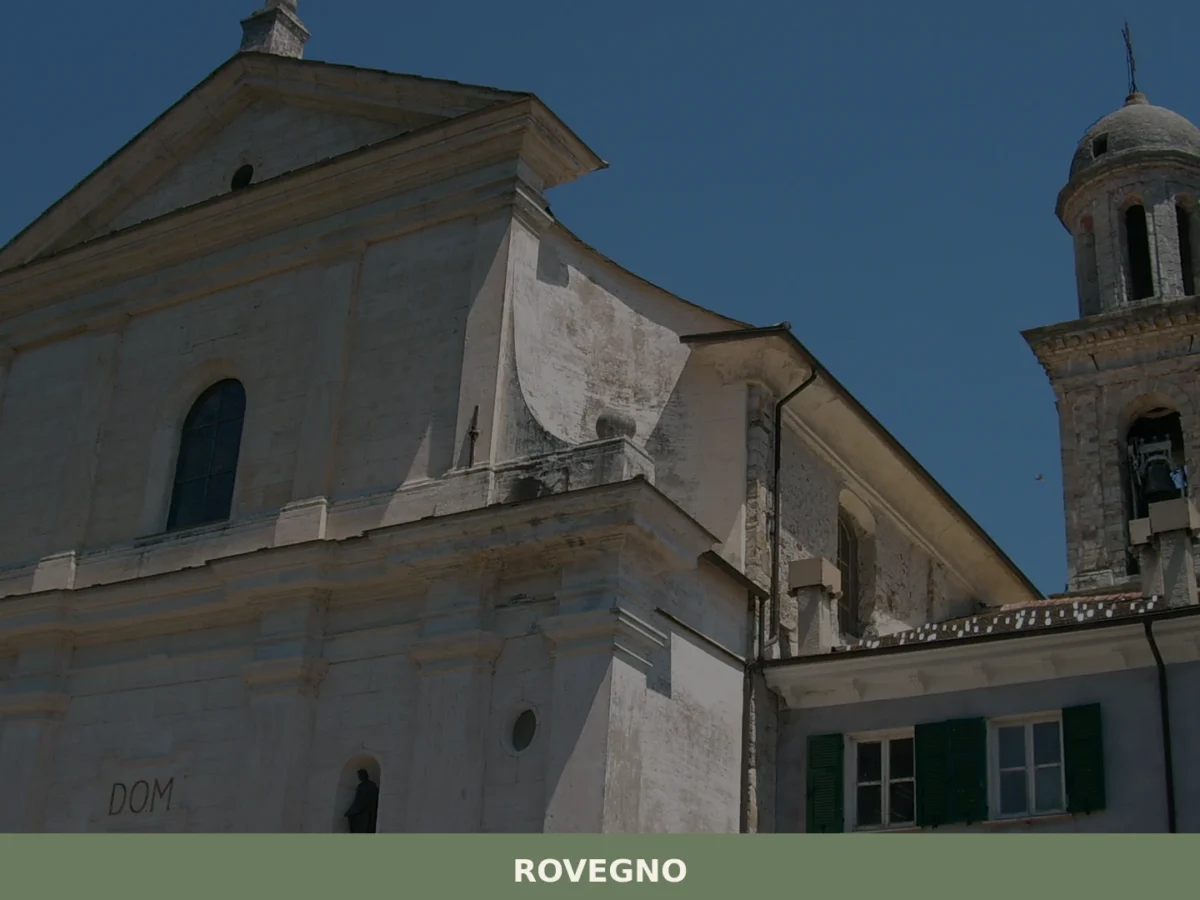
Rovegno
 Mountain
What to see in Rovegno, Italy: Explore the Val Trebbia, 35 km (22 mi) from Genoa. Discover its valley landscape and the surrounding municipalities. Read our guide.
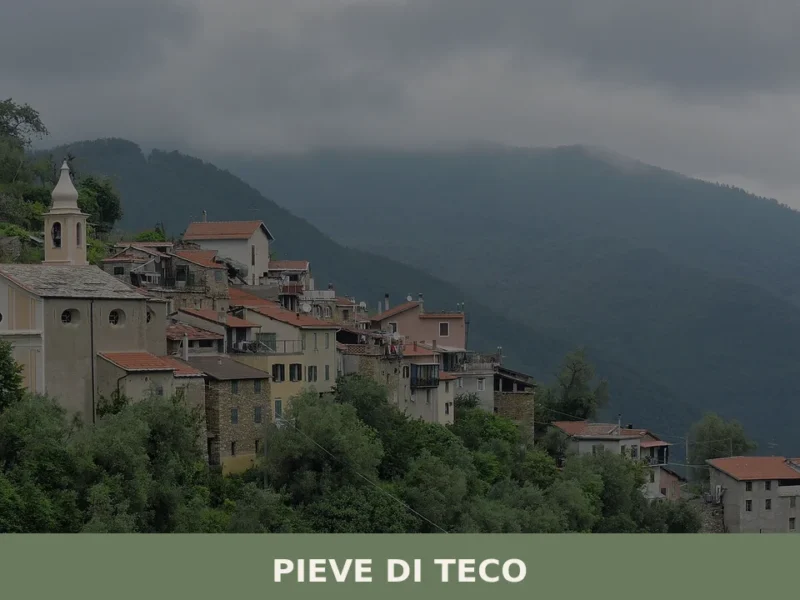
Pieve di Teco
Mountain
What to see in Pieve di Teco, Liguria, Italy: explore 5 top attractions, local food, and how to get there. Population 1,411. Discover this Ligurian village.
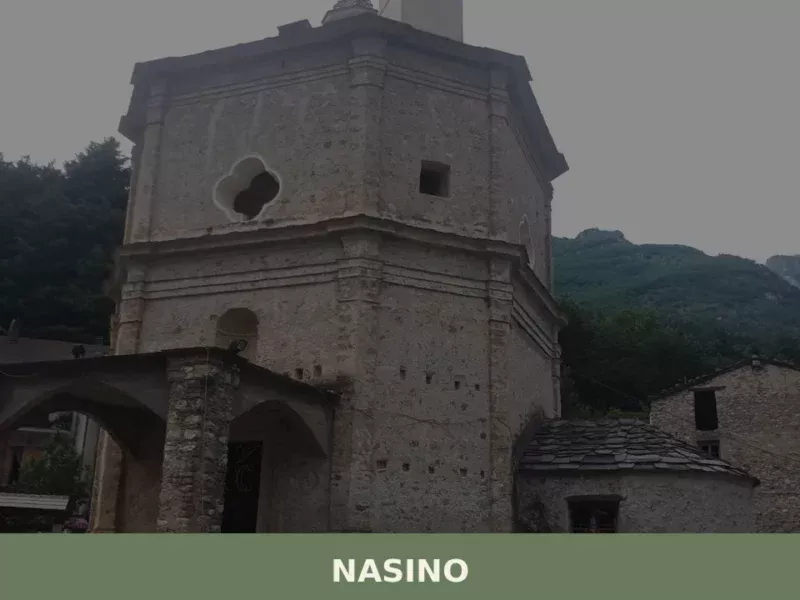
Nasino
Mountain
What to see in Nasino, Italy: a village of 212 inhabitants southwest of Savona. Explore its Ligurian character and scenic surroundings. Discover its unique charm.
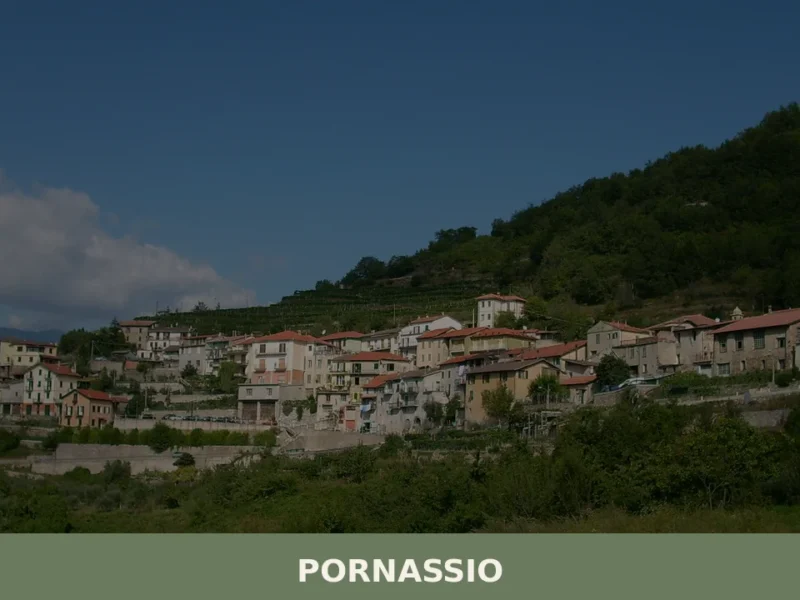
Pornassio
Mountain
What to see in Pornassio, Liguria, Italy: 5 top attractions, local food, and how to get to this 629-inhabitant village 90 km from Genoa. Discover it now.
Pigna
Mountain
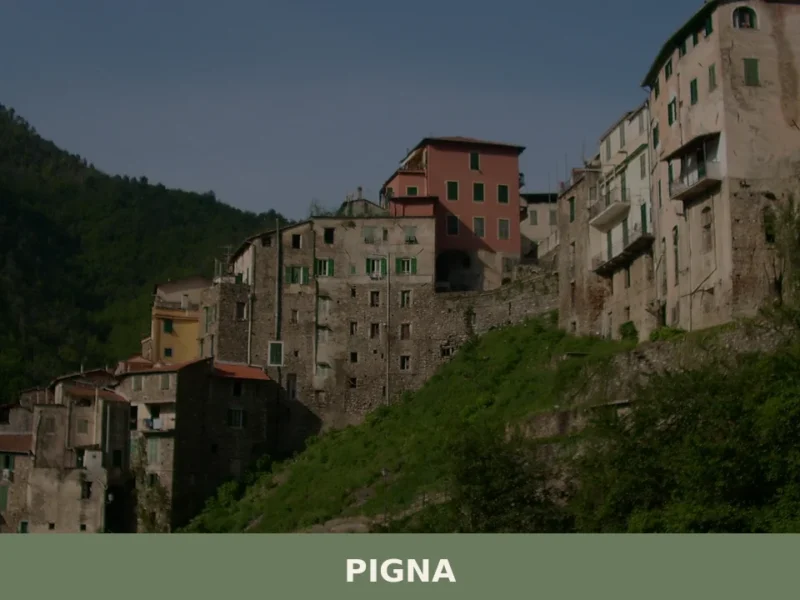
What to see in Pigna: Explore this Ligurian village, home to 741 inhabitants, its historic tower, and ancient bridge. Discover Italy's rich past.
Fontanigorda
Mountain
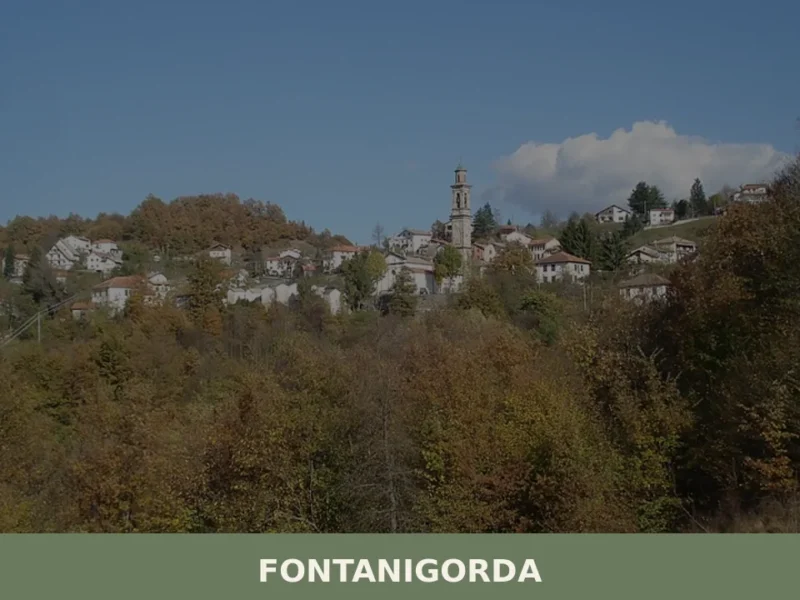
At 819 meters above sea level, in the heart of the upper Trebbia Valley, Fontanigorda appears as an alpine settlement in the province of Genoa. Its documented origin dates back to 1153, when it appears in annals as “Fontana Gordana,” a reference to the abundance of water in its territory. This village, with a population […]
Davagna
 Hills
Hills
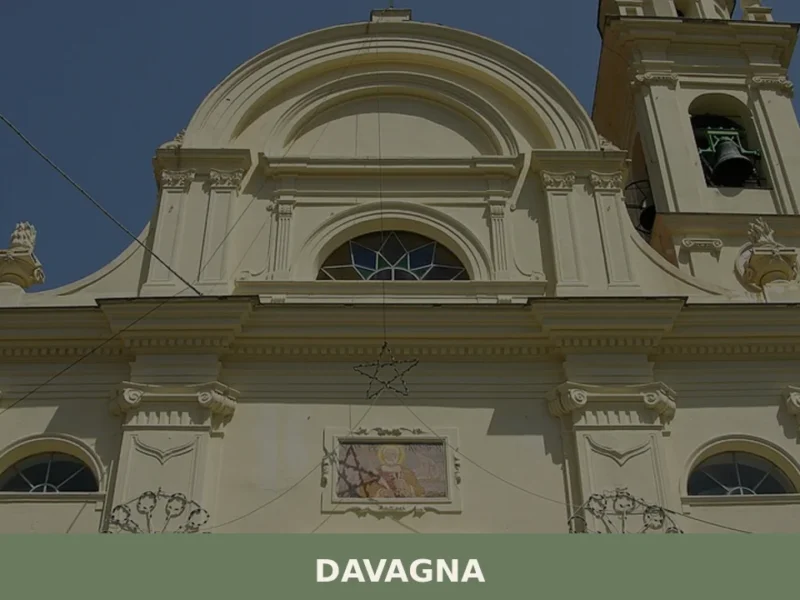
At 552 meters above sea level, Davagna is a scattered municipality in the Genoese hinterland, comprising a main town and numerous hamlets spread across the slopes of the Bisagno Valley. Its geographical location, a short distance from the Ligurian capital, has historically influenced the economic and social dynamics of the area. For those wishing to […]
Cosseria
Mountain
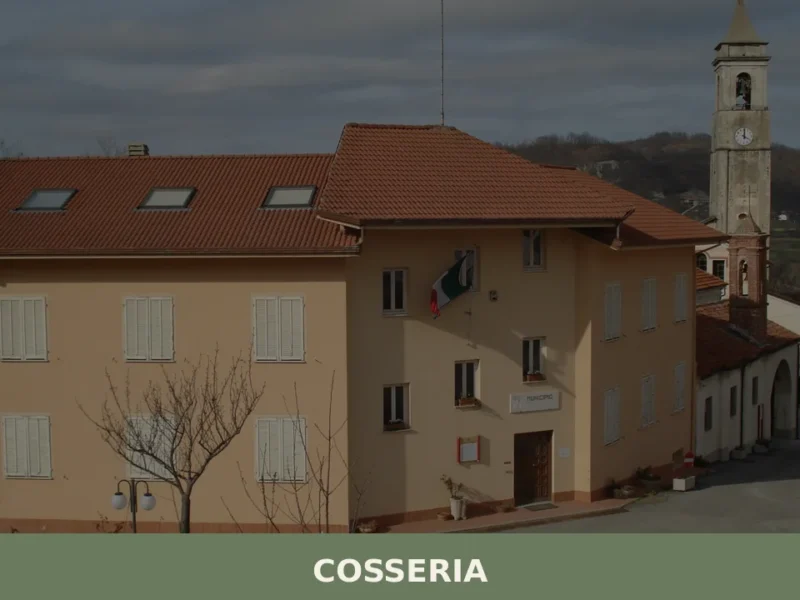
What to see in Cosseria, Liguria, Italy: explore a comune of 1,095 inhabitants near Savona. Discover the 5th Infantry Division history, local food and how to get there.
Pallare
Mountain
what to see in pallare: Explore this Ligurian comune, 15 km from Savona, Italy. Discover its geographical context and accessibility. Read our guide.

🏡 Know San Lorenzo al Mare better than we do?
If you’re a local or have been there, your knowledge matters: add what’s missing or fix a detail on this page.