


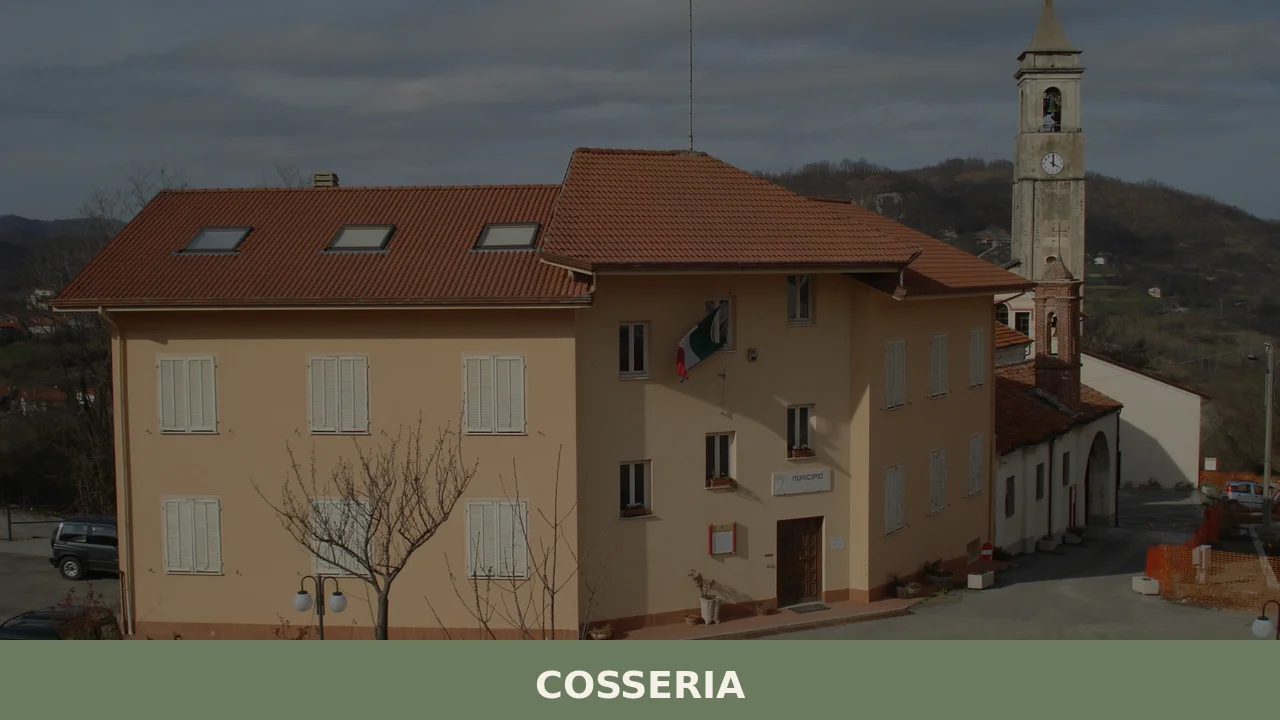
Cosseria
 Mountain
What to see in Cosseria, Liguria, Italy: explore a comune of 1,095 inhabitants near Savona. Discover the 5th Infantry Division history, local food and how to get there.
Discover Cosseria
The valley floor between Cairo Montenotte and Millesimo carries the sound of the Bormida river across flat agricultural land before the terrain rises abruptly toward the communes that line the Ligurian-Piedmontese border. Cosseria stands in that transition zone, in the Province of Savona, where the road network converges and the hills push the villages upward above the plain. The comune counts 1,095 inhabitants and borders five municipalities: Cairo Montenotte, Carcare, Cengio, Millesimo, and Plodio.
For travellers planning what to see in Cosseria, the answer begins with geography and extends into military history.
Located about 60 km (37 mi) west of Genoa and approximately 20 km (12 mi) northwest of Savona, the village occupies a position that made it strategically significant during the Italian Risorgimento campaigns. Visitors to Cosseria find a compact commune whose name was carried across the peninsula by the 5a Divisione di Fanteria Cosseria, the 5th Infantry Division that bore the town’s name, and whose surrounding countryside rewards those who arrive on foot or by car along the Bormida valley routes.
History of Cosseria
The name Cosseria carries variants across the languages spoken in this corner of northwestern Italy. In Ligurian the town is known as Cosceria, while the Piedmontese form is Cusseria. These dialectal forms reflect the commune’s position on a cultural and linguistic boundary where Ligurian coastal traditions met the agricultural and administrative structures of Piedmont. The valley of the Bormida di Millesimo has been a transit corridor for centuries, and small settlements along its margins developed as service and defence points for traffic moving between the coast and the inland plains.
The military significance of Cosseria came into sharp focus during the Napoleonic campaigns of the late eighteenth century. The Battle of Cosseria took place in April 1796 as French forces under Napoleon Bonaparte engaged Piedmontese and Austrian troops in the wider series of engagements that collectively constitute the Battle of Montenotte campaign.
The castle of Cosseria, positioned on elevated ground above the valley, served as a defensive position for Piedmontese forces under Colonel Vittorio Amedeo Busa. The French assault on 13 and 14 April 1796 was repelled initially, but Piedmontese resistance collapsed within days as the broader campaign shifted decisively in France’s favour. The engagement at Cosseria is documented as one of the early tests of Napoleon’s aggressive tactical approach in Italy. Travellers interested in Napoleonic history can approach the site from the same valley floor that the opposing armies crossed more than two centuries ago. The nearby town of Cosio d’Arroscia, another Ligurian comune with documented roots in medieval and early modern frontier history, offers a point of comparison for visitors exploring this part of the region.
The twentieth century gave Cosseria a different kind of historical visibility. The 5a Divisione di Fanteria Cosseria, the 5th Infantry Division, took its name from the town and served in the Second World War. The division was deployed in North Africa and took part in the Western Desert Campaign, where it suffered severe losses during the First Battle of El Alamein in July 1942.
The naming of a full infantry division after a village of roughly one thousand inhabitants placed Cosseria into the official military record of the Italian armed forces, a distinction few communes of comparable size carry. After the war, the commune developed within the broader administrative and economic framework of the Province of Savona, maintaining its agricultural character while remaining connected to the industrial centres of Carcare and Cairo Montenotte in the valley.
What to see in Cosseria, Liguria: top attractions
The Castle of Cosseria
Stone walls rise from a rocky promontory above the valley floor, the remains of a fortification that commanded the Bormida di Millesimo corridor for several centuries. The castle is directly associated with the Battle of April 1796, when Piedmontese forces held the position against the initial French assault before being overwhelmed by the broader Napoleonic advance.
Standing at the base of the surviving masonry, visitors can read the terrain and understand immediately why this elevation was chosen: the view across the valley extends for several kilometres in both directions, making any movement on the road below visible from the ramparts. The site is accessible on foot from the village centre, and the ascent takes approximately 15 to 20 minutes along a path that gains modest elevation. Visiting in the spring months, when the surrounding hillside vegetation is lower, gives the clearest view of the defensive position.
The Bormida di Millesimo Valley Landscape
The valley that runs through the commune of Cosseria is formed by the Bormida di Millesimo river, one of the two main tributaries that join to form the Bormida proper further downstream. The terrain here drops from the Ligurian Apennines toward the Piedmontese plain, creating a gradient that has shaped both agriculture and movement through the area for centuries. The valley floor sits at an elevation of roughly 350 m (1,148 ft) near the village, while the surrounding ridgelines reach considerably higher.
Walking the riverside tracks in the cooler months of October and November reveals the full width of the agricultural basin and the geometry of the terraced hillsides above. For those arriving from Savona, the approach along the SP29 road provides a continuous reading of how the valley narrows and then opens as it passes through Millesimo and Cosseria in sequence.
The Village Centre and Parish Church
The built fabric of Cosseria concentrates along a ridge line above the valley floor, with the parish church serving as the architectural anchor of the settlement. The church, dedicated to the local patron saint, displays the compact form typical of Ligurian-Piedmontese border ecclesiastical architecture: a single nave, a modest bell tower, and an exterior rendered in a pale plaster that reflects the afternoon light in the summer months.
The interior holds painted and carved elements accumulated over several generations of local patronage. The village street running past the church connects the older residential core to the newer developments below on the valley edge, and the distance between the two is short enough to cover on foot in under ten minutes. Visiting on a weekday morning gives access to the church without the crowds that gather for Sunday mass and patron saint celebrations.
The Napoleonic Battlefield Perimeter
The area around Cosseria forms part of a broader historical landscape associated with Napoleon’s first Italian campaign of April 1796. The engagements fought between 11 and 22 April 1796 in this section of the Ligurian Apennines — including the Battle of Montenotte, the Battle of Millesimo, and the action at Cosseria — are collectively recognised as the opening sequence of a campaign that reshaped European geopolitics.
Walking the perimeter of the 1796 battlefield around Cosseria covers distances of 3 to 5 km (1.9 to 3.1 mi) along unpaved tracks and field margins. The terrain has changed little in its basic structure since the eighteenth century: the same ridges, the same valley crossings, the same asymmetry between the elevated castle position and the exposed valley floor below. Autumn is a practical season for this kind of exploratory walk, with temperatures below 20°C (68°F) and reduced vegetation on the slopes.
The Municipal Area and Bordering Communes
Cosseria’s administrative boundary touches five distinct communes: Cairo Montenotte to the north, Carcare to the east, Cengio to the south, Millesimo to the west, and Plodio to the southeast. This geographic positioning makes the commune a natural point of connection for visitors exploring the middle Bormida valley as a continuous itinerary rather than as isolated stops. Cairo Montenotte, the largest of the bordering towns, functions as the commercial and service hub for the area and is reachable from Cosseria in under 10 km (6.2 mi) by road.
Millesimo, to the west, is documented as the site of one of the April 1796 battles and shares the Napoleonic heritage that defines what to see in Cosseria and its immediate surroundings. Carcare and Cengio add industrial and residential layers to the valley’s economic geography. Visitors making this circuit in a single day can cover all five boundary communes and return to Savona within a full afternoon’s drive.
Local food and typical products of Cosseria
The food traditions of the Bormida valley reflect the dual inheritance of Liguria and Piedmont that defines this inland zone of the Province of Savona. Unlike the coastal Ligurian towns where fish and olive oil dominate, the inland communes around Cosseria developed a kitchen built around preserved meats, dried legumes, and field vegetables suited to the colder and more variable climate of the Apennine foothills. The position of the valley as a transit route also meant that products from both the coastal lowlands and the Piedmontese plain passed through, leaving culinary traces in the local repertoire.
Among the dishes associated with this part of the Ligurian interior, farinata di mais — a polenta-based preparation made from coarsely ground maize flour, cooked slowly with water and salt until it achieves a firm, sliceable consistency — appears regularly on tables in the cooler months.
The technique differs from the Genoese coastal version of farinata, which uses chickpea flour and a thin, oven-baked format. Inland, trofie al pesto can also be found, though the pesto here is often made with a higher proportion of garlic and less pine nut than the strictly coastal variant. Cured pork products, including locally produced salame and coppa — the coppa being a cured neck and shoulder cut pressed into a cylindrical form — feature in antipasto preparations across the valley’s restaurants and family tables.
No certified designation of origin products specific to Cosseria alone are recorded in the available sources. The broader Province of Savona is associated with the production of Ligurian olive oil under the DOP Riviera Ligure designation, though this certification applies primarily to coastal production zones rather than the inland Bormida valley communes.
Visitors seeking certified products should look for the Riviera Ligure DOP label when purchasing olive oil in Savona or in the coastal towns to the south. For those exploring the related village of Davagna, in the hills above Genoa, the contrast between the eastern Ligurian food traditions and those of the Savona interior becomes evident in the variation of local pesto recipes and preserved vegetables.
Local markets in the Bormida valley area typically operate on weekend mornings between spring and autumn, with the larger weekly market in Cairo Montenotte drawing producers from the surrounding communes including Cosseria. October and November bring seasonal products including fresh chestnuts from the hillside groves, which are sold by weight or used in preparations such as castagnaccio, a flat cake made from chestnut flour, rosemary, pine nuts, and olive oil, baked until the surface cracks in a characteristic pattern.
Festivals, events and traditions of Cosseria
The ecclesiastical calendar organises the main public celebrations in Cosseria, as in most small Ligurian communes.
The feast of the patron saint draws the village together for a processione, a formal procession through the village streets carrying the saint’s image, accompanied by the local band if one is active in the area and followed by a communal gathering in the square. The precise date follows the liturgical calendar of the dedicated patron. Local administrations in the Bormida valley area also mark the April anniversary of the 1796 Napoleonic campaign with periodic commemorative events, though the regularity and format of these vary by year and by the initiative of local historical associations.
The broader Province of Savona hosts a number of sagre — traditional food and harvest festivals — in the inland communes during late summer and autumn. Communities in the Bormida valley area, including those neighbouring Cosseria, organise local editions of these events focused on seasonal agricultural products: chestnuts in October, truffles in November, and cured meats across the autumn and early winter period. The format typically involves outdoor stalls, communal tables, local music, and direct sale of produce by the farming families who grow or rear it. For visitors timing a trip around local events, the September to November window in the Province of Savona offers the highest concentration of these gatherings within a short radius of Cosseria.
When to visit Cosseria, Italy and how to get there
The best time to visit the Bormida valley area, including Cosseria, falls between April and June and again in September and October.
Spring brings moderate temperatures — typically between 12°C and 22°C (54°F and 72°F) — and the valley is fully accessible without the heat that can make July and August uncomfortable for walking the hillside paths. Autumn offers the added interest of harvest activity, chestnut season, and lower visitor numbers across the Ligurian interior. Winter visits are possible but some of the unpaved tracks around the castle site and the battlefield perimeter become muddy and less navigable after November rainfall. International visitors who want to understand what to see in Cosseria in a single focused day should plan for late April or early October, when daylight hours are sufficient and the terrain is at its most accessible.
Cosseria sits approximately 60 km (37 mi) west of Genoa and 20 km (12 mi) northwest of Savona. By car, the most direct route from Savona follows the A6 motorway northward, exiting at Cairo Montenotte and continuing along the SP29 provincial road toward Millesimo, reaching Cosseria in under 30 minutes from the Savona coast. From Genoa, the A26 motorway connects to the A6 at the Predosa junction, making the total driving time approximately 50 to 60 minutes depending on traffic. From Milan, the distance is approximately 170 km (106 mi) via the A7 and A26 motorways, a journey of roughly 2 hours by car, making Cosseria a feasible day trip from the Lombard capital.
The nearest train station with regular service is at Cairo Montenotte, served by regional trains on the Savona–Torino line operated by Trenitalia; from Cairo Montenotte, Cosseria is reachable by local bus or taxi in under 15 minutes. The nearest airport is Genoa Cristoforo Colombo Airport, approximately 75 km (47 mi) to the east, from which a hire car provides the most practical onward connection. For international visitors, English is not widely spoken in smaller shops and bars in the Bormida valley; carrying cash in euros is advisable, as card payment acceptance in smaller establishments is not guaranteed.
Travellers already in Liguria and looking to extend their itinerary westward may find value in combining a visit to Cosseria with a stop at Mezzanego in the eastern Ligurian Apennines, or at Borghetto di Vara in the Val di Vara, both of which sit within the same inland hill-village typology and offer points of comparison for those building a broader picture of what to see in Cosseria and the surrounding Ligurian interior.
Frequently asked questions about Cosseria
What is the best time to visit Cosseria?
Spring (April–May) is ideal for exploring the Napoleonic battlefield landscape, when hillside vegetation is lower and the castle ruins offer clearer valley views. Autumn (October–November) suits walking the Bormida di Millesimo valley tracks, with temperatures below 20°C and pleasant light on the terraced slopes. The patron saint feast of San Bartolomeo on 24 August draws the local community together and offers a glimpse of village traditions. Summer weekday mornings are the quietest time to visit the parish church.
What are the historical origins of Cosseria?
Cosseria developed along the Bormida di Millesimo valley, a centuries-old transit corridor connecting the Ligurian coast to the Piedmontese plain. Its cultural position on the Ligurian-Piedmontese border is reflected in its dialectal variants: Cosceria in Ligurian and Cusseria in Piedmontese. The village gained wider historical recognition during Napoleon's first Italian campaign when, in April 1796, French forces besieged the castle held by Piedmontese troops under Colonel Vittorio Amedeo Busa. In the twentieth century, the 5th Infantry Division took Cosseria's name, carrying it into the records of the Second World War's Western Desert Campaign.
What to see in Cosseria? Main monuments and landmarks
The Castle of Cosseria, perched on a rocky promontory above the valley, is the principal landmark — directly linked to the April 1796 Napoleonic battle. It is accessible on foot from the village centre in 15–20 minutes. The parish church, dedicated to San Bartolomeo, anchors the historic village ridge with its single-nave Ligurian-Piedmontese architecture and interior accumulated over generations. The surrounding Napoleonic battlefield perimeter can be walked along unpaved tracks covering 3–5 km, reading the same ridgelines and valley crossings that shaped the 1796 campaign.
What are the main natural or scenic attractions of Cosseria?
The Bormida di Millesimo valley running through the commune offers a layered landscape of river-bottom agricultural land, terraced hillsides, and Apennine ridgelines. The valley floor sits around 350 m elevation near the village, while surrounding ridges rise considerably higher. Riverside tracks, best walked in October and November, reveal the full agricultural basin and the geometry of the terracing above. The approach along the SP29 road from Savona provides a continuous scenic reading of how the valley narrows and opens through Millesimo and Cosseria.
Where to take the best photos in Cosseria?
The rocky promontory of the Castle of Cosseria offers the most commanding photographic vantage point, with views extending several kilometres along the Bormida di Millesimo valley in both directions. Spring visits, when hillside vegetation is at its lowest, give the clearest sight lines across the valley floor. The pale-plastered exterior of the parish church reflects the afternoon summer light particularly well. The ridge-top village street, connecting the older residential core to the valley below, frames the relationship between the elevated settlement and the agricultural plain beneath.
Are there museums, churches or historic buildings to visit in Cosseria?
The parish church of San Bartolomeo forms the architectural heart of the village, displaying the compact single-nave form characteristic of Ligurian-Piedmontese border ecclesiastical buildings, with a modest bell tower and interior painted and carved elements accumulated through generations of local patronage. Weekday mornings offer quieter access compared to Sunday mass and patron saint celebrations. The Castle of Cosseria, though in ruins, stands as the principal historic structure and is directly documented in connection with the Battle of April 1796 during Napoleon's first Italian campaign.
What can you do in Cosseria? Activities and experiences
Cosseria suits visitors combining Napoleonic military history with countryside walking. The battlefield perimeter walk covers 3–5 km on unpaved tracks and is best tackled in spring or autumn. The 15–20 minute ascent to the castle ruins rewards with wide valley panoramas. The commune also serves as a practical base for a day circuit through all five bordering municipalities — Cairo Montenotte, Carcare, Cengio, Millesimo and Plodio — each adding a different layer of valley history, commerce, and landscape, all reachable within a single afternoon's drive from the village.
Who is Cosseria suitable for? Families, couples, hikers, solo travelers?
Cosseria suits history-focused travellers, particularly those with an interest in Napoleonic campaigns or Italian Second World War military history. The short, manageable ascent to the castle makes it accessible for families with older children and for visitors of moderate fitness. Couples and solo travellers drawn to quiet Apennine valley landscapes and slow itineraries will find the valley walks and village atmosphere rewarding. It is less suited to those seeking resort amenities or beach access, being a compact inland comune at 516 m elevation with a resident population of around 1,036.
What to eat in Cosseria? Local products and specialties
The food traditions around Cosseria reflect the inland Ligurian-Piedmontese kitchen rather than the coastal repertoire. Preserved meats, dried legumes, and field vegetables suited to the Apennine foothills climate form the base of local cooking. Farinata di mais — a polenta made from coarsely ground maize flour, cooked slowly until firm and sliceable — appears on tables in the cooler months and is a characteristic preparation of this part of the Bormida valley interior, distinct from the chickpea-based farinata of the Ligurian coast.
Nearby Villages near Cosseria
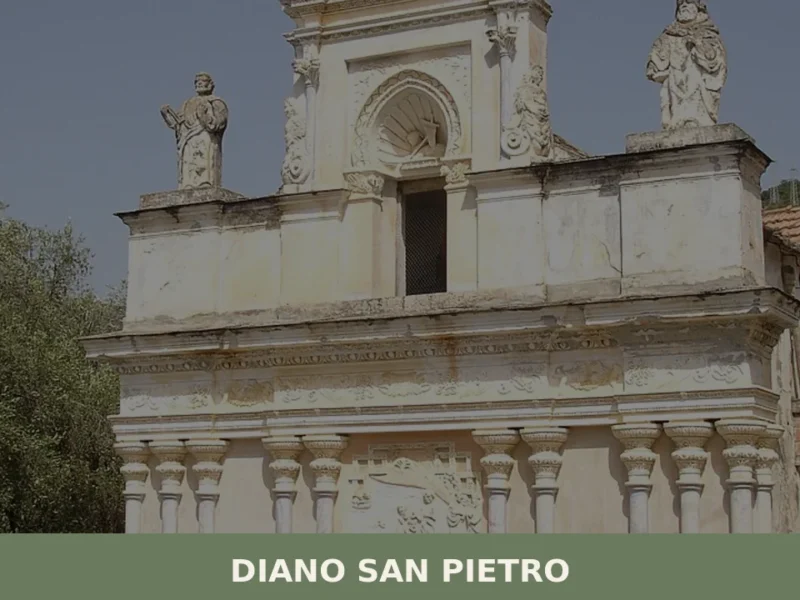
In Liguria More villages to discover
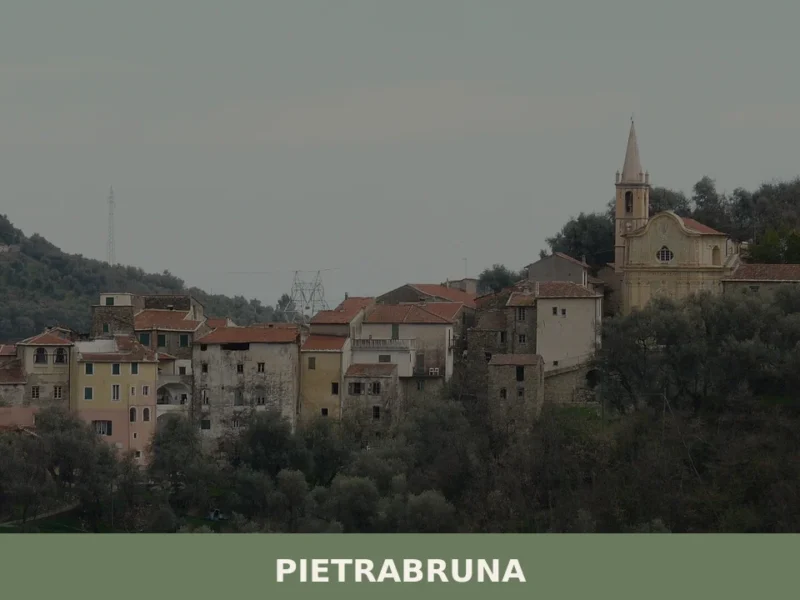
Pietrabruna
 Sea
Sea
What to see in Pietrabruna, Italy: 546 inhabitants, 100 km from Genoa. Discover medieval architecture, Ligurian olive oil and local festivals. Full travel guide.
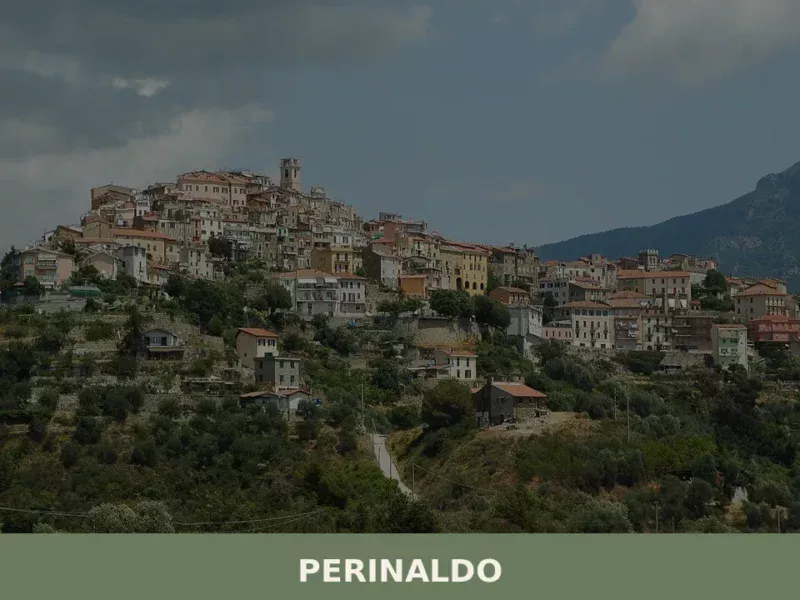
Perinaldo
Mountain
what to see in perinaldo, Italy: Discover the 15th-century church and Cassini Observatory in this Ligurian village of 913 inhabitants. Explore Perinaldo now.
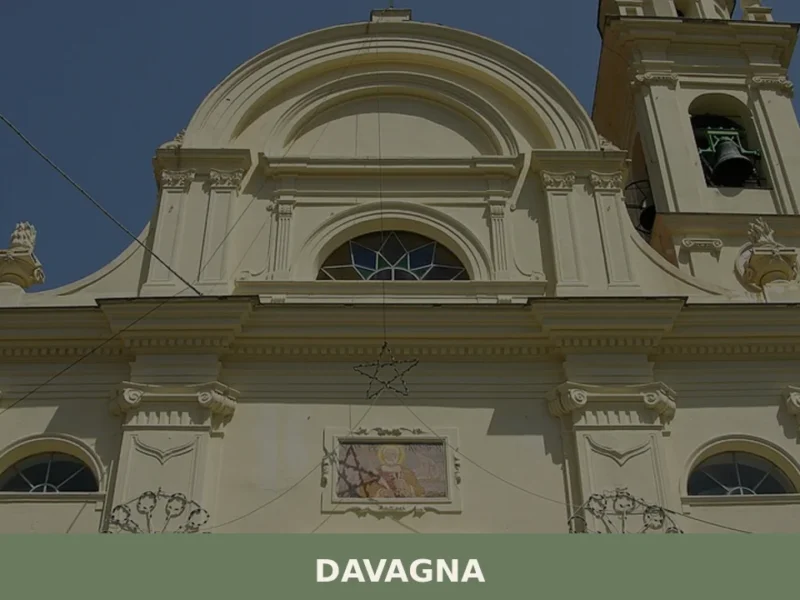
Davagna
 Hills
Hills
At 552 meters above sea level, Davagna is a scattered municipality in the Genoese hinterland, comprising a main town and numerous hamlets spread across the slopes of the Bisagno Valley. Its geographical location, a short distance from the Ligurian capital, has historically influenced the economic and social dynamics of the area. For those wishing to […]
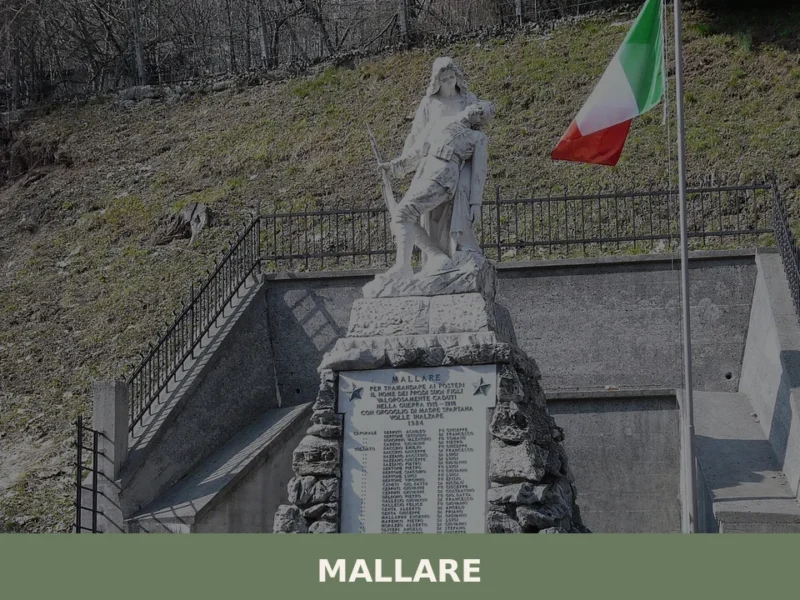
Mallare
Mountain
What to see in Mallare, Liguria, Italy: explore 5 attractions, local food traditions, and festivals in this 1,193-inhabitant village near Savona. Discover it now.
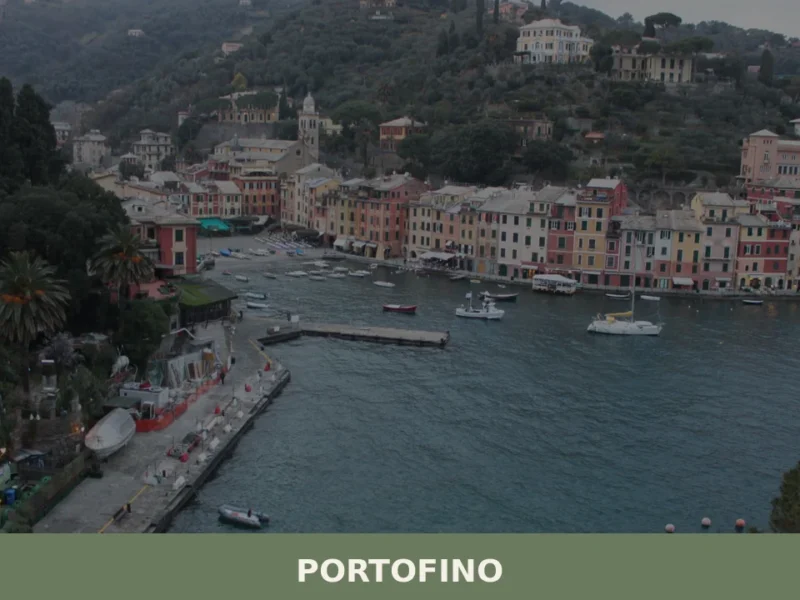
Portofino
Sea
Portofino has a population of 355 residents spread across a headland that descends to sea level. It is one of the smallest municipalities in Italy by population, yet its natural harbour appears in almost every historical guide to the Ligurian Riviera. Anyone looking into what to see in Portofino will find a compact collection of […]
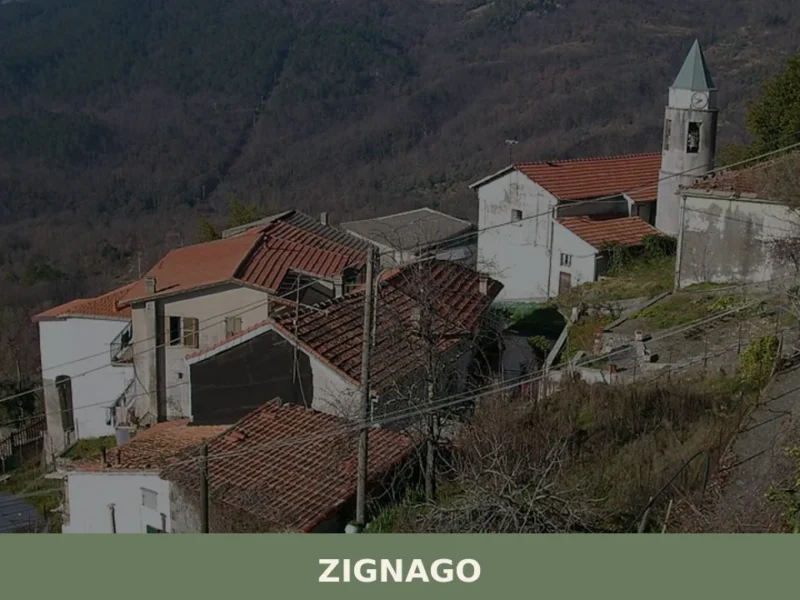
Zignago
Mountain
what to see in zignago in Italy. Explore this Ligurian comune of 542 residents, located 20 km (12 mi) from La Spezia, and discover its administrative heart and surrounding valleys.
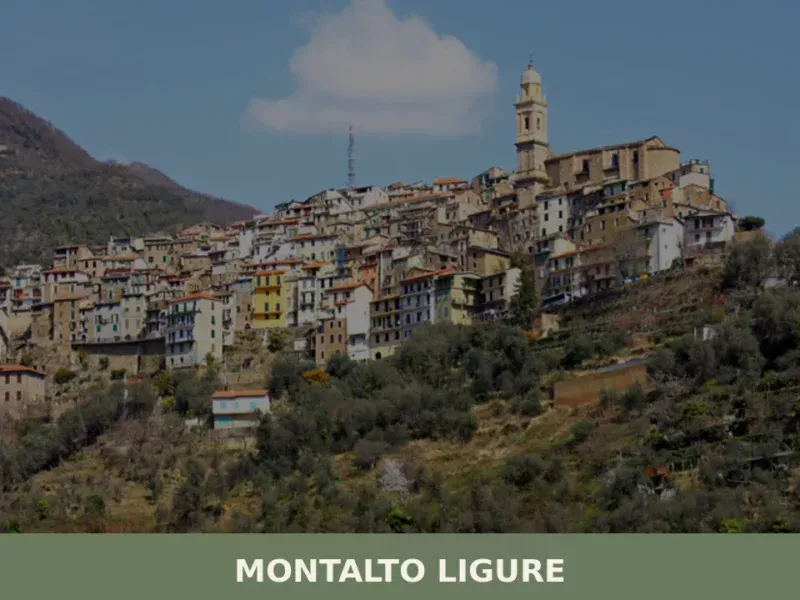
Montalto Ligure
Hills
What to see in Montalto Ligure, Italy: Explore its 13.9 km² former territory and administrative history. Discover its unification in 2018.
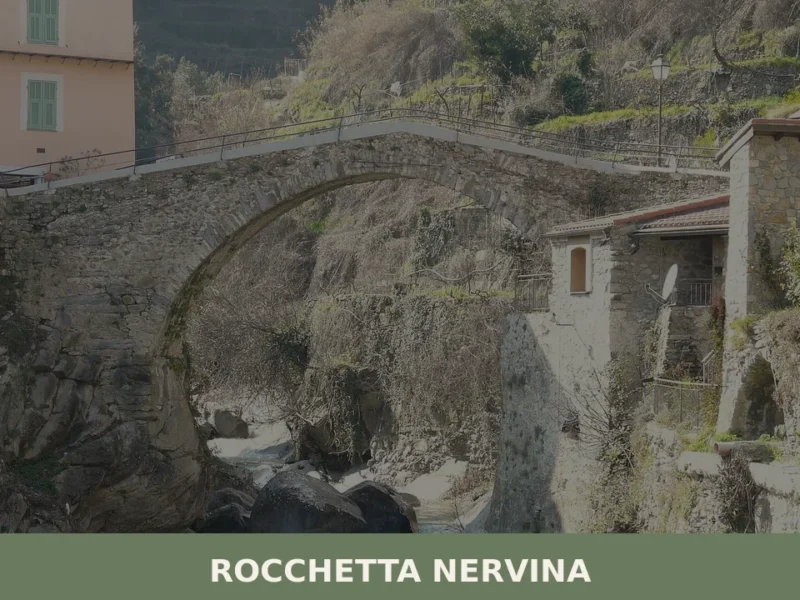
Rocchetta Nervina
Mountain
What to see in Rocchetta Nervina, Italy: discover the village (population 275) near the Ligurian Alps Regional Park. Explore its unique location bordering France and the Barbaira stream.
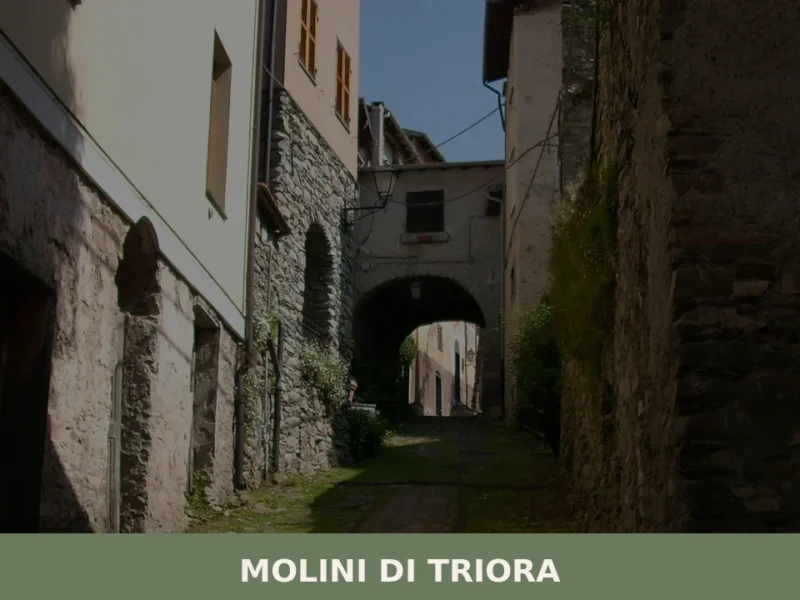
Molini di Triora
Hills
What to see in Molini di Triora, Italy: a village at 460 m in Liguria. Discover top attractions, local food, festivals and how to get there. Read the guide.
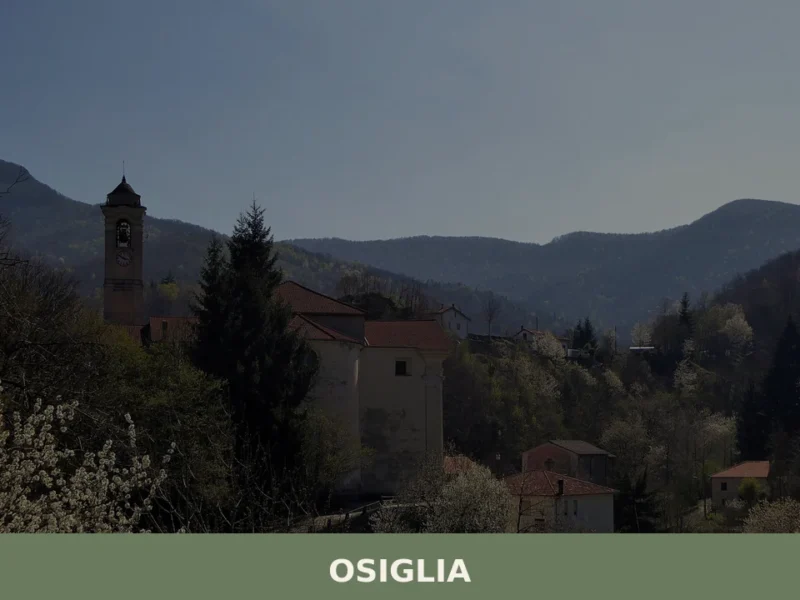
Osiglia
Mountain
What to see in Osiglia, Italy? Explore this Ligurian comune of 458 inhabitants, 25 km (16 mi) from Savona. Discover its mountainous surroundings and tranquil environment.




🏡 Know Cosseria better than we do?
If you’re a local or have been there, your knowledge matters: add what’s missing or fix a detail on this page.