


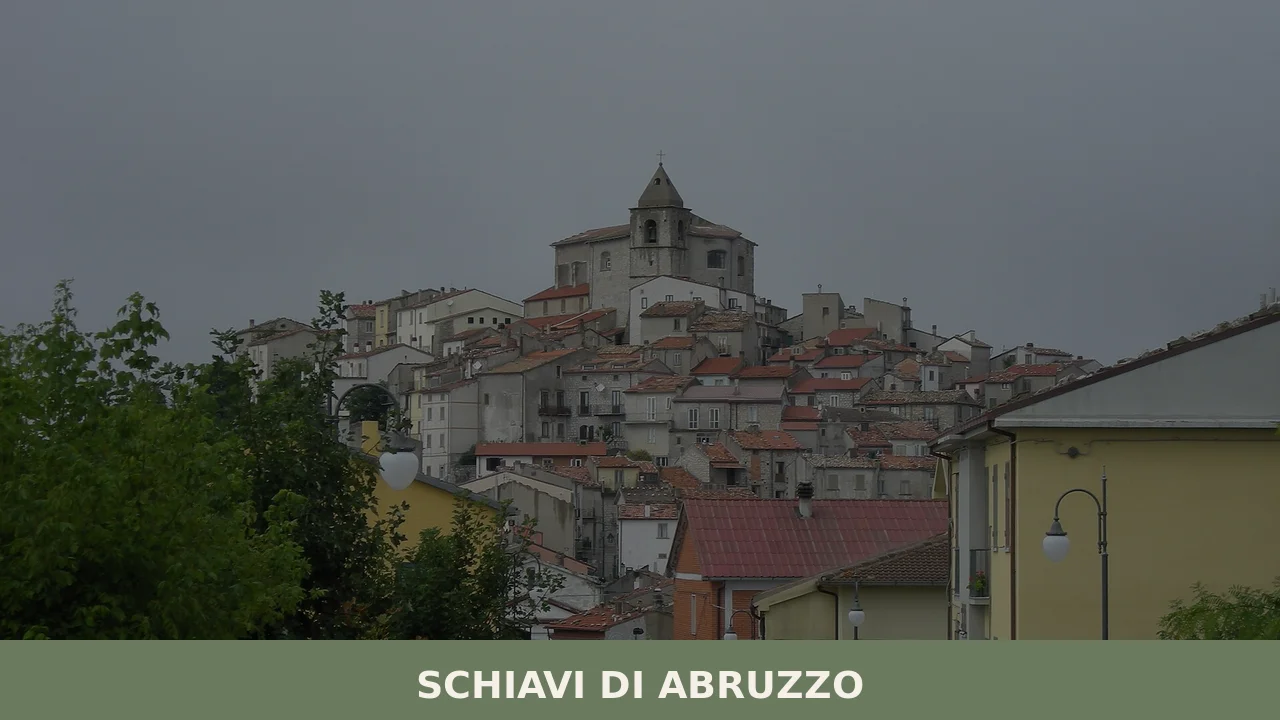
Schiavi di Abruzzo
 Mountain
What to see in Schiavi di Abruzzo, Italy: Italic temples from 3 BC, a hilltop at 1,170 m, and a local dialect. Discover the complete travel guide for Abruzzo.
Discover Schiavi di Abruzzo
At 1,170 metres (3,840 ft) above sea level, the historical centre of this hill town in the province of Chieti occupies the highest point of a mountain peak in the southern Apennines, on the boundary between Abruzzo and Molise.
Three valleys drop away from its base, and three quarters of the town’s 904 inhabitants live down in those lower settlements, leaving the upper centre quiet and exposed to the sky.
Heavy snowfall closes in during winter months, and the mountain ridge blocks views toward the Adriatic, which lies 56 kilometres (35 mi) to the east.
Deciding what to see in Schiavi di Abruzzo becomes clearer once you understand the town’s two distinct layers: the medieval hilltop with its dialect, its history, and its street plan, and the valley floor where Samnite temple ruins have survived since roughly 3 BC. Visitors to Schiavi di Abruzzo find a site of genuine archaeological weight alongside walking paths through pine woodland, all within a compact area that rewards a full day rather than a quick stop.
The town sits 225 kilometres (140 mi) from Rome, making it accessible as a longer day trip from the capital for those willing to commit to the drive.
History of Schiavi di Abruzzo
The first written record of the settlement dates to the first half of the eleventh century, placing its documented origins firmly in the Middle Ages. The names Schavis and Sclavi appear in the Libro delle decime, the tithe register compiled for ecclesiastical taxation, in both 1309 and 1328. The etymology points toward a colony of Slavs who settled in the area, with the town eventually becoming a fief of a lord known as Roberto da Sclavo, from whose name the current toponym is understood to derive.
From 1130 the territory formed part of the Kingdom of Sicily, later passing into the Kingdom of Naples.
The most sustained period of feudal administration came between 1626 and 1806, when the town fell under the control of the Caracciolo di SantoBuono, a branch of the powerful Caracciolo clan of Naples.
Governance was exercised from the surrounding Chieti province villages, with the seat of administration located at San Buono, a town 34 kilometres (21 mi) away. This arrangement lasted 180 years and left its mark on the local administrative culture. Between 1816 and 1861 Schiavi formed part of the Kingdom of Two Sicilies before joining the newly unified Kingdom of Italy, a status it held until the establishment of the Italian Republic in 1946.
The population trajectory of Schiavi di Abruzzo tells a story common to the rural south. In 1861 the town counted 3,657 residents, but the following decades brought mass emigration to North and South America, a movement that sharply reduced agricultural labour and undercut the local economy. The population nonetheless peaked at 4,526 in 1961, after which steady outmigration toward Rome and other Italian cities — as well as destinations across Europe — brought numbers down to the current figure of 904.
Two notable individuals with roots here include Almerindo Portfolio, who served as treasurer of New York City, and Auro D’Alba, a poet who wrote about the town.
What to see in Schiavi di Abruzzo, Abruzzo: top attractions
Templi Italici Archaeological Site
The ruins sit in the valley 200 metres (660 ft) below the town centre, at a noticeably lower elevation than the medieval settlement above.
Two temple structures survive from the period of Classical Antiquity, dating from around the third century BC, and their construction is attributed to the Italic peoples of the area — specifically the Samnites, who inhabited this part of the Apennines before the Roman conquest. The regional cultural heritage authority has documented the site in detail, and the surviving stonework gives a clear picture of pre-Roman religious architecture in this part of central Italy. Access is from the valley road, and the site is most easily visited in spring or early autumn when light conditions and temperatures make the surrounding terrain comfortable to walk.
The Historical Centre at 1,170 Metres
The upper town occupies the peak of the mountain at exactly 1,170 metres (3,840 ft), and its street layout reflects the constraints of a confined summit.
Walking up from the valley settlements means gaining several hundred metres of elevation, and the approach reveals how the built fabric has been compressed by the available ground. The historical centre carries evidence of its medieval origins in the road plan and building fabric, and the views across the Apennine ridges toward Molise are unobstructed on clear days. Winter visits require preparation for snow and closed roads; the period from late April through October gives the most reliable access to the upper town on foot.
Schiavese Dialect and Local Language Heritage
The town preserves a historically documented Italian dialect known as Schiavese, which developed independently over many centuries and differs from the dialects of even the closest neighbouring towns.
This linguistic distinctiveness is a direct product of the isolation that mountain geography imposed on communities throughout the southern Apennines. The dialect has become less prevalent since the mid-twentieth century, a process accelerated by the spread of television and the departure of younger residents toward urban centres.
For those with an interest in Italian linguistic geography, Schiavi di Abruzzo offers a concrete case study in the survival and gradual erosion of a very localised speech form. The village of Ari, also in the Chieti province, shares a similar pattern of dialectal heritage tied to its specific location in the Abruzzo hills.
Purgatorio Park and Pine Forest Walks
The Purgatorio Park occupies a stretch of the valley terrain and includes a series of walking paths through pine woodland. The pines create a distinct microenvironment compared with the open ridge above, and the paths are manageable on foot without technical equipment. The park provides shade and a defined trail network for visitors who want to move through the landscape at a measured pace rather than staying only on the road. Spring brings the most growth in the understorey vegetation; autumn colour in the surrounding mixed woodland adds contrast to the pine sections.
The park sits within the same valley area as the Italic temples, making it straightforward to combine both in a single half-day itinerary.
Replica Grotto of the Madonna of Lourdes
A replica of the Grotto of the Madonna of Lourdes is under construction in the valley directly below the town, in the same area as the Italic temples.
This kind of devotional replica — modelled on the original grotto at Lourdes, France, where Marian apparitions were reported in 1858 — appears in numerous Italian communities as a focus for local religious observance. The Schiavi di Abruzzo version places this devotional structure in an unusual proximity to the pre-Roman archaeological site, creating a landscape where two very different historical layers occupy the same valley floor.
Visitors should check current progress with the municipal website of Schiavi di Abruzzo before visiting, as construction timelines may affect access to the surrounding area.
Local food and typical products of Schiavi di Abruzzo
The food culture of Schiavi di Abruzzo, Abruzzo, Italy belongs to the mountain tradition of the southern Apennines, shaped by the same conditions that defined the settlement’s history: altitude, isolation, a pastoral economy, and limited access to coastal markets. The Chieti province sits within a zone where Abruzzo’s inland cooking draws on sheep farming, preserved meats, legumes, and the grain crops that terraced slopes could support. The Adriatic coast lies 56 kilometres (35 mi) away, far enough that fresh fish was historically rare in these villages, and the cuisine developed around what could be stored, dried, or cured through winter.
Among the dishes typical of this mountain zone, pasta e fagioli — pasta with borlotti beans cooked down into a thick, starchy broth — remains a staple prepared in farmhouse kitchens throughout the area.
Agnello alla brace, lamb grilled over charcoal, reflects the sheep farming that was the principal agricultural activity in the upper valleys.
Ventricina, a coarse-cut cured pork salume seasoned with dried sweet and hot peppers and fennel, is produced across the Chieti interior and appears on tables throughout the province. The fat is not emulsified but left in visible pieces, giving the salume a rougher texture than the smoother varieties found further north. Pallotte cace e ove, small fried balls made from pecorino cheese and egg bound together without meat, represent the resourceful cooking that came out of periods when protein from livestock was too valuable to consume directly.
The agricultural territory around Schiavi di Abruzzo does not currently carry any certified products specific to the municipality itself in the available records. The broader Chieti province, however, falls within the production zones of several Abruzzo-wide designations, including extra-virgin olive oil from lower-altitude terroirs in the province and the saffron cultivation centred further north near Navelli.
For locally produced goods, the small-scale farms and family producers in the valley settlements below the town are the most direct source, and cash payment in euros is standard at these rural points of sale.
Local markets and food events in the Chieti interior tend to concentrate in late summer and early autumn, when harvest produce is available and temperatures on the mountain make outdoor gatherings practical.
Visitors in August and September have the best chance of encountering informal local markets in the valley communities around Schiavi di Abruzzo. English is rarely spoken in smaller shops and at rural producers, so carrying euros in cash and a basic working knowledge of Italian food vocabulary makes purchases considerably easier.
Festivals, events and traditions of Schiavi di Abruzzo
The sources available for Schiavi di Abruzzo do not provide confirmed details about the patron saint festival date or the specific structure of its celebration. What the historical record does confirm is that the town has maintained its own distinct cultural identity over many centuries, including the Schiavese dialect, which represents one of the most tangible surviving markers of local tradition.
The gradual decline of the dialect — accelerated from the mid-twentieth century onward by television and urban migration — has reduced but not eliminated the intergenerational transmission of local speech patterns and the cultural references embedded in them.
Religious observance in the valley below the town has found a new focal point in the replica Grotto of the Madonna of Lourdes, currently under construction.
Marian devotional practices of this kind typically anchor a calendar of local gatherings, though specific dates and formats for Schiavi di Abruzzo are not confirmed in the available records. The coexistence of this Christian devotional site with the much older Samnite temple ruins in the same valley underlines how layers of ritual use have accumulated in this particular stretch of Apennine terrain over more than two thousand years.
When to visit Schiavi di Abruzzo, Italy and how to get there
The best time to visit Schiavi di Abruzzo in terms of weather and access runs from late April through to the end of October.
Heavy snowfall is documented in the winter months, and at 1,170 metres (3,840 ft) the upper town can become difficult to reach by road in December, January, and February. Spring brings clear air and manageable temperatures for walking the valley paths and the pine forest; late September and October offer stable conditions and reduced summer heat. Those visiting specifically for the archaeological site should avoid periods of heavy rain, when the valley terrain below the town can become waterlogged.
Getting to Schiavi di Abruzzo requires a car. The town lies 225 kilometres (140 mi) from Rome, and the drive via the A25 motorway toward Pescara, followed by provincial roads into the Chieti interior, is the standard route. From Rome the journey takes approximately three hours depending on traffic and the specific provincial road conditions near the final approach.
There is no train station in the immediate vicinity of the village; the nearest rail connections are at Lanciano or Vasto on the Adriatic side of the province, both of which still require a significant drive into the mountains.
The nearest airports serving the region are Pescara Airport (Aeroporto Internazionale d’Abruzzo), located roughly 80 kilometres (50 mi) from Schiavi di Abruzzo, and Rome’s airports for those travelling from further afield. International visitors should note that English signage is limited on the provincial roads and essentially absent in the village itself; a GPS device or downloaded offline map is practical rather than optional. Carrying euros in cash covers fuel, parking, and any local purchases, as card payment is not guaranteed at smaller establishments.
For travellers combining Schiavi di Abruzzo with other stops in the Abruzzo interior, the village of Cansano, further north in the L’Aquila province, shares the same Apennine character and mountain-valley geography, making it a logical companion on a multi-day itinerary through inland Abruzzo.
Those arriving from the Pescara or Chieti coast can also consider Civitella Roveto in the Liri valley as a stop on the return route northwest, a town that sits within the broader arc of Abruzzo’s interior hill settlements and offers a different landscape perspective compared with the high southern ridge where Schiavi di Abruzzo stands.
Frequently asked questions about Schiavi di Abruzzo
What is the best time to visit Schiavi di Abruzzo?
The best time to visit Schiavi di Abruzzo is from late April to October, when the weather is mild and the mountain roads are accessible. This period also includes the town's patron saint festival on September 22, honoring San Maurizio, which offers visitors a glimpse into local traditions and celebrations.
What to see in Schiavi di Abruzzo? Main monuments and landmarks
Visitors should explore the Templi Italici Archaeological Site, located in the valley below the medieval settlement. These temples dating back to the 3rd century BC are a testament to the area's ancient history. The Historical Centre at 1,170 meters offers panoramic views of the Apennines and a glimpse into medieval architecture.
Who is Schiavi di Abruzzo suitable for?
Schiavi di Abruzzo is ideal for history enthusiasts intrigued by ancient ruins and medieval architecture, nature lovers drawn to mountain scenery, and travelers looking for off-the-beaten-path destinations. It's suitable for couples and solo travelers who appreciate a peaceful, reflective environment.
Getting there
Via Municipio, 66045 Schiavi di Abruzzo (CH)
Nearby Villages near Schiavi di Abruzzo
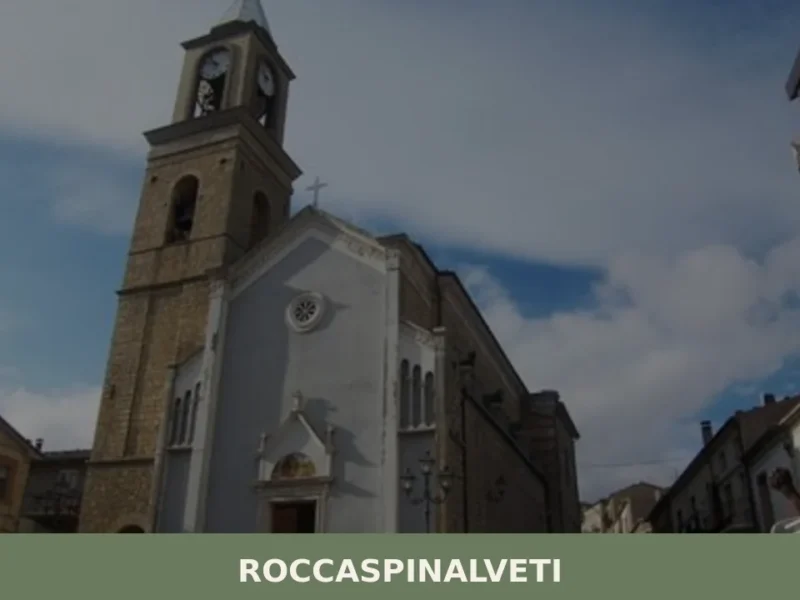
In Abruzzo More villages to discover
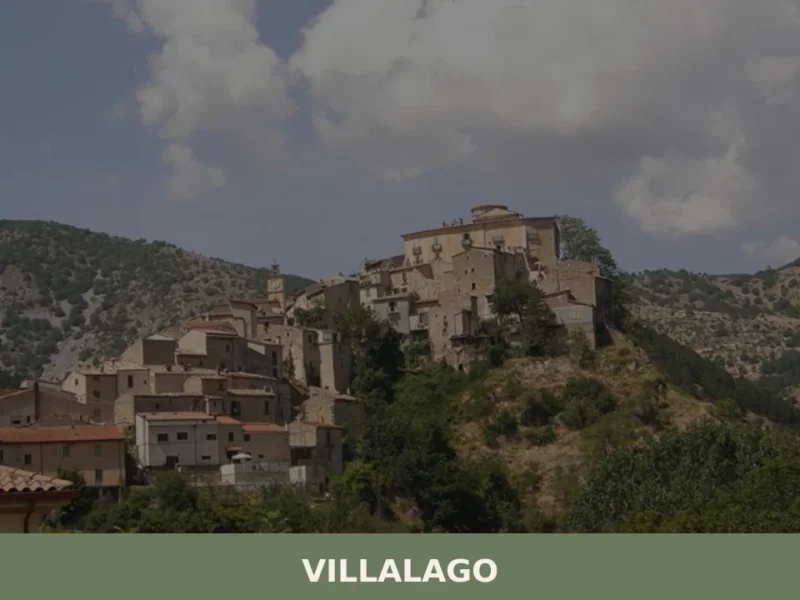
Villalago
 Lake
Mountain
Lake
Mountain
What to see in Villalago, Italy: Discover this Abruzzo village of 579 inhabitants. Explore the Rocca and Hermitage of San Domenico. Read our guide for your trip to Abruzzo.
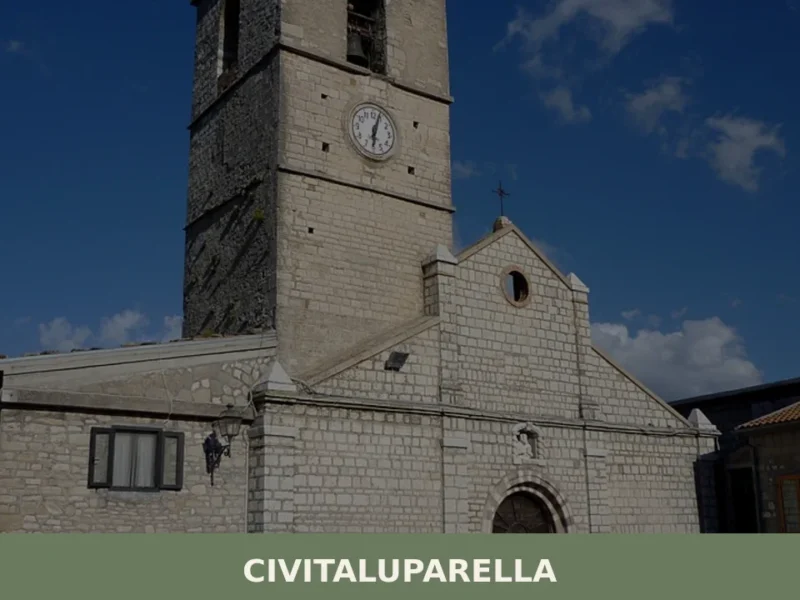
Civitaluparella
Mountain
At 903 metres above sea level, on the eastern slope of the Majella descending towards the Aventino river, Civitaluparella has 281 inhabitants spread across a compact urban core of medieval origin. The place name most likely derives from “Civitas Luparella”, a direct reference to the historical presence of wolves in the dense surrounding woodlands. Anyone […]
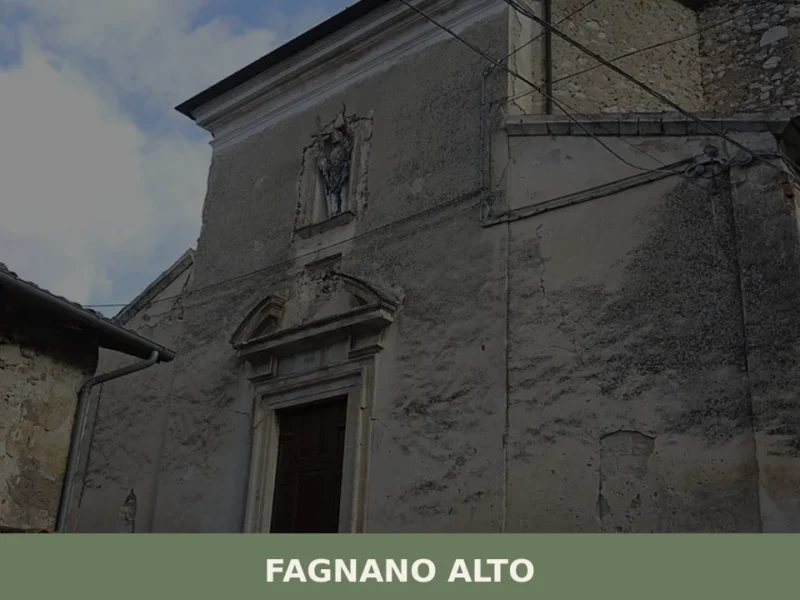
Fagnano Alto
Mountain
Fagnano Alto is not a single village but a scattered municipality: 363 inhabitants spread across twelve hamlets between 560 and 900 metres above sea level, on the eastern slope of the middle Aterno valley, in the province of L’Aquila. The administrative centre is Vallecupa, dedicated to San Donato, but each hamlet has its own patron […]
Fontecchio
Mountain
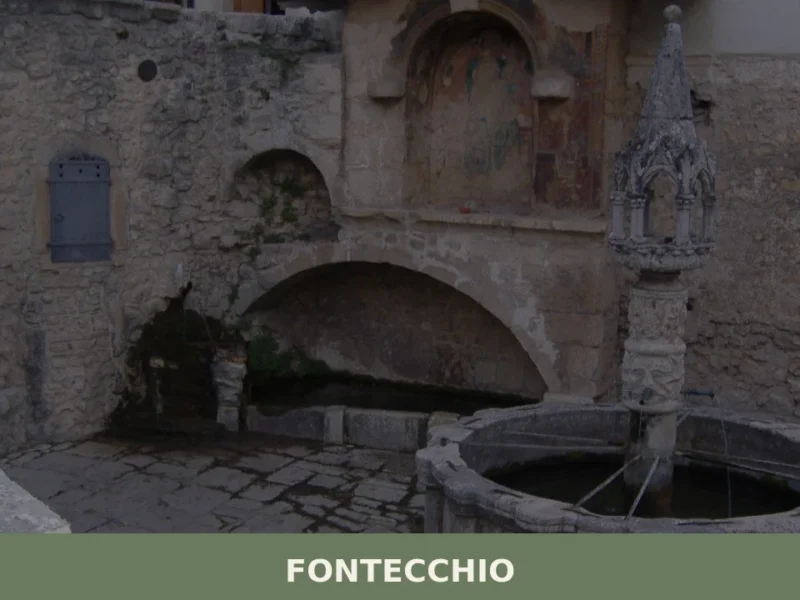
The fourteenth-century fountain with a fourteen-spouted stone basin, dated 1355, still marks the centre of Fontecchio’s main square — a village of 291 inhabitants at 668 metres above sea level in the middle Aterno Valley, province of L’Aquila. Anyone wondering what to see in Fontecchio should start right here, at this hydraulic structure that has […]
Palombaro
 Hills
Hills
What to see in Palombaro: 5 attractions in this village at 536 m above sea level in the province of Chieti. Discover the historic centre, the medieval tower and the Madonna della Libera festival.
Torano Nuovo
 Sea
Sea
What to see in Torano Nuovo: 5 attractions including historic village, churches and Abruzzo vineyards. Discover the complete guide to visit in one day.
Fossa
Mountain
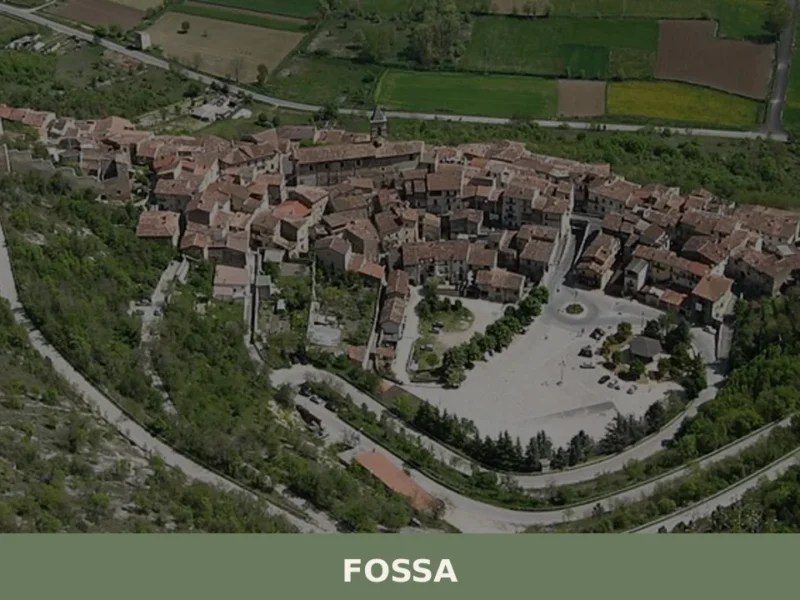
The Vestine necropolis of Fossa, unearthed in 1992 along the state road 17, revealed over six hundred tombs dating from the 9th to the 1st century BC — a discovery that rewrote our understanding of pre-Roman central Italy. Anyone wondering what to see in Fossa will find a solid starting point here: a village of […]
Giulianova
Sea
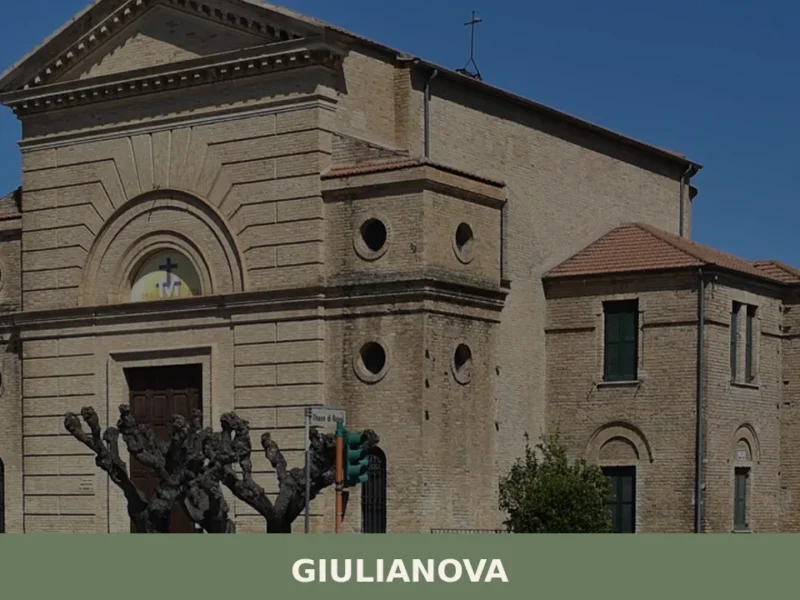
In 1470, Duke Giuliantonio Acquaviva refounded the ancient settlement of Castel San Flaviano on a hill 68 metres above sea level, giving it his own name: Giulianova. The urban layout he commissioned — a regular grid with a central square and symmetrical blocks — is one of the earliest documented examples of an ideal Renaissance […]
Lettopalena
Mountain
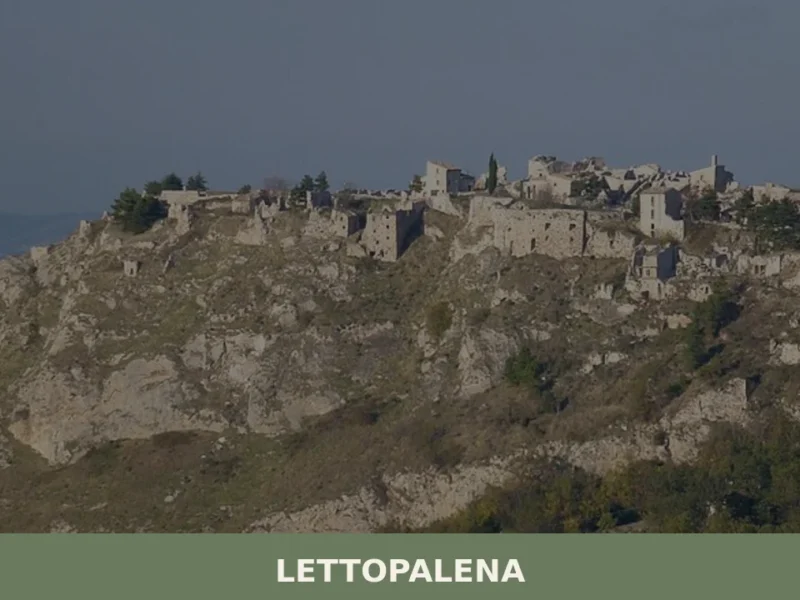
Discover the charm of Lettopalena Village in Abruzzo, Italy. Explore its rich history, culture, and scenic beauty. Plan your visit to this hidden Italian gem today!
Frisa
Hills
At 237 metres above sea level, on the plain that connects the Chieti hills to the Adriatic coast, Frisa has a current population of 1,620 and a territory dominated by olive groves and arable land. The municipality, in the province of Chieti, retains in its urban layout the marks of an almost total reconstruction following […]




🏡 Know Schiavi di Abruzzo better than we do?
If you’re a local or have been there, your knowledge matters: add what’s missing or fix a detail on this page.