


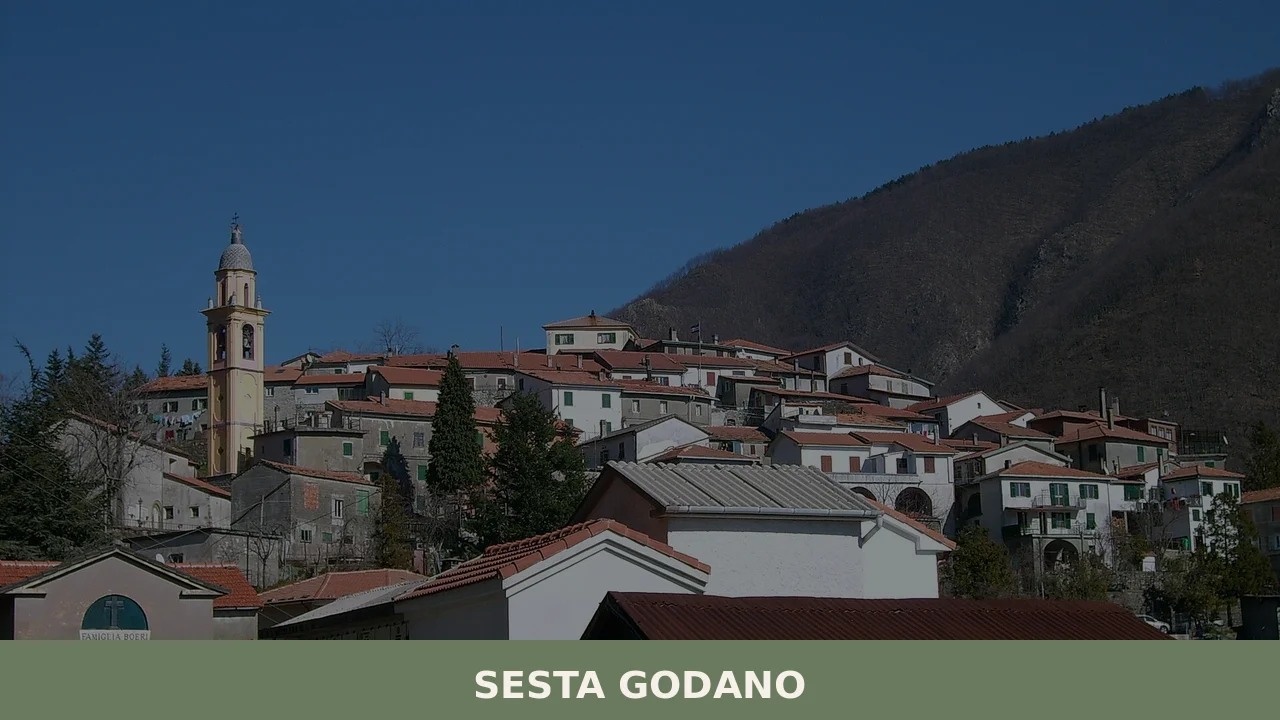
Sesta Godano
 Mountain
What to see in Sesta Godano, Italy? Explore this Ligurian village at 242 m (794 ft) altitude. Discover its mountain setting and local festivals. Read our guide.
Discover Sesta Godano
At an altitude of 242 m (794 ft) above sea level, Sesta Godano exists as a municipality within the Province of La Spezia, Liguria, Italy.
The village, home to 1,275 inhabitants, occupies a position approximately 60 km (37 mi) east of Genoa and 25 km (16 mi) northwest of La Spezia, serving as a gateway to the region’s mountainous interior.
Its location suggests a history intertwined with the natural contours of the Ligurian Apennines.
To discover what to see in Sesta Godano, visitors can explore a community defined by its mountain setting and traditional Ligurian life.
With its population of 1,275, Sesta Godano offers an experience focused on its administrative core and surrounding natural landscapes. Key aspects of Sesta Godano include its role as a local hub and the opportunity to appreciate the distinct character of the Vara Valley.
This guide will help you understand what to see in Sesta Godano, Liguria, Italy.
History of Sesta Godano
The administrative identity of Sesta Godano as a comune (municipality) places it firmly within the historical framework of the Liguria region of Italy. Its establishment as a distinct local government entity reflects a long process of territorial organization common throughout the Italian peninsula, where communities formed around central hubs to manage local affairs and resources.
This structure, vital for regional governance, has shaped the village’s development over centuries, defining its role within the wider Province of La Spezia and influencing what to see in Sesta Godano today.
Geographically, Sesta Godano’s position about 60 km (37 mi) east of Genoa and 25 km (16 mi) northwest of La Spezia suggests a historical significance tied to its intermediate location.
Such settlements often served as transit points or agricultural centers, connecting the coastal areas with the more rugged inland territories.
The village’s mountainous character, a defining theme, would have dictated its economy and lifestyle, focusing on pastoralism, forestry, and subsistence farming, which are typical of the Ligurian interior.
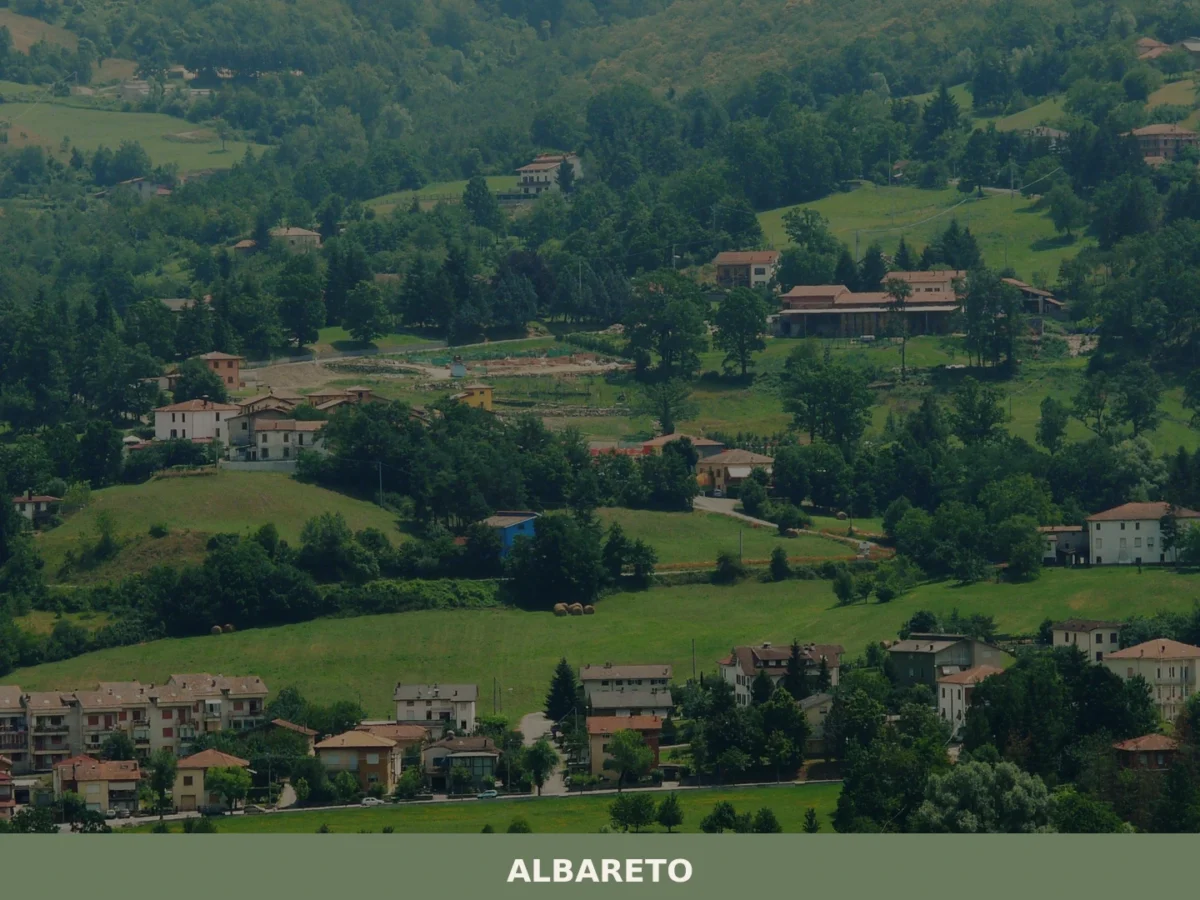
The list of bordering municipalities—Albareto, Borghetto di Vara, Brugnato, Carro, Carrodano, Varese Ligure, Zeri, and Zignago—illustrates Sesta Godano’s place within a network of communities in the Vara Valley and its surrounding uplands.
This intricate web of neighboring villages implies shared histories, cultural exchanges, and common challenges related to the mountain environment.
This regional interconnectedness is similar to other Ligurian mountain communities like Gorreto, which also experiences a strong bond with its local territory.
While specific historical events for Sesta Godano are not detailed in the available records, its regional context in Liguria points to an evolution typical of a self-sustaining mountain community, adapting to its terrain and resources over time.
What to see in Sesta Godano, Liguria: top attractions
The Parish Church of San Pietro
As the village’s primary patron saint, San Pietro is central to the spiritual life of Sesta Godano. While architectural details are not specified, the presence of a patron saint invariably signifies a church dedicated in his honor, serving as a focal point for the community.
This sacred building would typically host religious services and local gatherings, reflecting centuries of devotion.
Visitors can observe the church as a key landmark within the village, especially during the annual feast day on June 29, which commemorates the saint.
The Shrine of Madonna Assunta
Another significant religious landmark in Sesta Godano is the shrine or church dedicated to Madonna Assunta, the village’s co-patron saint.
Such a devotion highlights a deep-rooted faith and often involves specific local traditions and pilgrimages. The structure, while undescribed in detail, reflects the community’s deep veneration. Its importance culminates on August 15 each year, when the feast of Madonna Assunta is celebrated, drawing residents and visitors to participate in solemn observances.
The Historic Village Center
At an elevation of 242 m (794 ft), the central area of Sesta Godano serves as the administrative and social core of the comune.
This hub, typical of Ligurian mountain villages, consists of tightly clustered buildings, narrow streets, and public spaces where daily life unfolds. It is here that local services are concentrated, and residents gather. Exploring the village center offers insights into the community’s architectural traditions and its functional layout, shaped by centuries of communal living in the mountainous terrain.
The Mountainous Landscape of the Vara Valley
The mountainous environment surrounding Sesta Godano defines its character as a ‘Montagna’ themed area, offering varied elevations and natural vistas.
This landscape, a significant part of what to see in Sesta Godano, features rolling hills and dense woodlands typical of the Ligurian interior.
The village’s position within the Vara Valley, roughly 25 km (16 mi) northwest of La Spezia, provides extensive views.
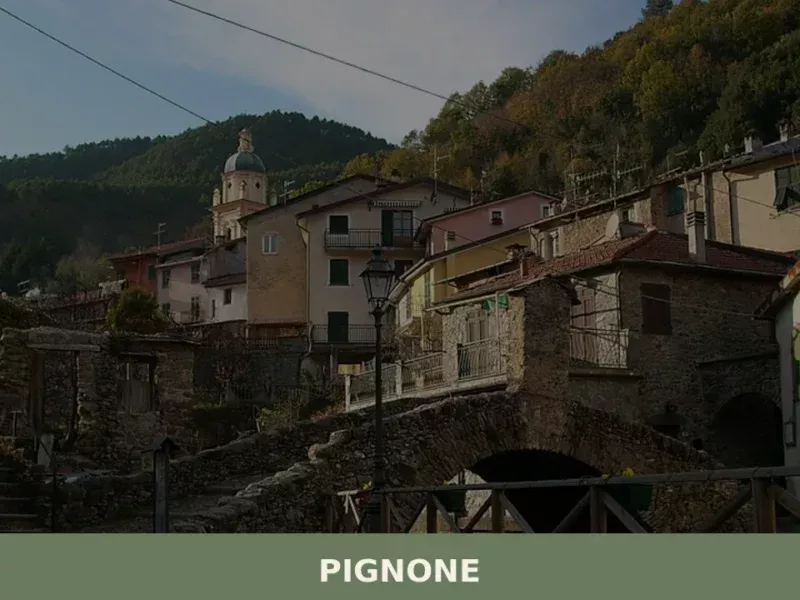
Visitors can appreciate this natural setting by exploring local paths that connect Sesta Godano with its bordering municipalities, an experience shared with nearby Pignone.
Local Municipalities and the Vara Valley
Sesta Godano’s location among municipalities like Albareto, Borghetto di Vara, and Brugnato, highlights its role as a regional hub within the Vara Valley. This cluster, extending approximately 60 km (37 mi) east of Genoa, suggests a network of shared local traditions and a common geographical identity. Exploring the roads and trails that link Sesta Godano to these neighboring villages provides a broader understanding of the Ligurian interior.
The collective character of these communities offers a glimpse into local life beyond the main village, showcasing the interconnectedness of this part of Liguria.
Local food and typical products of Sesta Godano
The culinary traditions of Sesta Godano are deeply rooted in the broader gastronomic landscape of Liguria, a region celebrated for its reliance on fresh, local ingredients from both its mountainous interior and Mediterranean coast.
While specific dishes unique to Sesta Godano are not detailed in the available sources, the village’s mountain setting suggests a diet historically rich in produce from the land, such as chestnuts, mushrooms, and wild herbs, alongside products derived from pastoral activities like sheep and goat farming, all contributing to the local experience of what to see in Sesta Godano.
Ligurian mountain cuisine typically features simple, hearty preparations that make the most of seasonal availability. Dishes often incorporate olive oil, a staple of the region, along with vegetables like potatoes, cabbage, and beans.
Pasta, particularly fresh varieties, forms a base for many meals, often served with light sauces or pesto, a renowned Ligurian specialty made from basil, pine nuts, garlic, Parmesan cheese, and olive oil.
Strong local cheeses, often made from sheep’s milk, would also be a common element in the diet.
Regarding certified products, the provided information does not specify any particular designations of origin (DOP, IGP) or traditional agricultural products (PAT) directly associated with Sesta Godano itself.
However, the wider Ligurian region boasts several recognized products, from its renowned extra virgin olive oils to specific types of focaccia and wines. Without explicit data for Sesta Godano, visitors can anticipate a culinary experience aligned with the traditional, resource-conscious cooking methods prevalent in the Ligurian mountains, an approach that has sustained communities for centuries.
Festivals, events and traditions of Sesta Godano
The community of Sesta Godano observes two significant annual festivals dedicated to its patron saints, which are central to the village’s cultural and religious calendar.
The first, on June 29, honors San Pietro, celebrating the saint with traditional observances that typically include religious ceremonies, processions through the village streets, and communal gatherings.
These events provide a clear expression of local faith and offer an opportunity for residents to come together.
The second major celebration takes place on August 15, marking the feast of Madonna Assunta.
This summer festival is often characterized by a festive atmosphere, with special masses and possibly evening entertainment, reflecting the joyous spirit of the Assumption.
Both dates are important markers in the year for Sesta Godano, Liguria, drawing both locals and those returning to their ancestral village to partake in long-standing traditions and reinforce community bonds, offering another insight into what to see in Sesta Godano.
When to visit Sesta Godano, Italy and how to get there
The best time to visit Sesta Godano and the Ligurian interior depends on the desired activity. Spring (April-May) and early autumn (September-October) offer pleasant temperatures and lush landscapes, ideal for exploring the mountainous terrain and local paths. These periods are particularly suitable for those interested in what to see in Sesta Godano’s natural environment. Summers can be warm, but the altitude of 242 m (794 ft) often provides a slight respite compared to the coastal areas, making it suitable for those who enjoy outdoor activities in a quieter setting.
Winters are generally mild but can bring rain or occasional snow, limiting some outdoor pursuits.
For those considering a day trip from nearest major city, Sesta Godano is conveniently located.
It is approximately 60 km (37 mi) east of Genoa and about 25 km (16 mi) northwest of La Spezia, making it accessible for a visit from either urban center.
Arriving by car is the most practical option, as the village is connected by regional roads. The A12 motorway, a primary route through Liguria, facilitates travel to the area, though specific exits near Sesta Godano will require local navigation. The nearest major train station is La Spezia Centrale, from which onward travel would typically involve local bus services or a rental car. The closest airport is Genoa Cristoforo Colombo Airport (GOA), located approximately 75 km (47 mi) away.
International visitors planning a trip to Sesta Godano, Liguria, Italy, should note that English may be limited in smaller shops and local establishments, so carrying a phrasebook or translation app can be helpful. It is also advisable to have some Euros cash on hand for smaller purchases, as not all places may accept credit cards. This ensures a smoother experience while exploring the village and its surroundings. For more information regarding local services, visitors can consult the official municipality website of Sesta Godano.
Frequently asked questions about Sesta Godano
What is the best time to visit Sesta Godano?
The best time to visit Sesta Godano is during spring (April-May) or early autumn (September-October) for ideal hiking temperatures and lush landscapes. Summers are warm but offer a cooler escape than the coast, suitable for outdoor pursuits. Consider visiting on June 29 for the Feast of San Pietro, the village's patron saint, featuring traditional ceremonies and processions. Alternatively, the Feast of Madonna Assunta on August 15 provides a vibrant summer celebration with special masses and a festive atmosphere, offering a unique insight into local traditions.
What to see in Sesta Godano? Main monuments and landmarks
Sesta Godano offers several points of interest rooted in its community life. Visitors can explore the Parish Church of San Pietro, dedicated to the village's primary patron saint, which serves as a spiritual and communal focal point, especially during its feast day on June 29. The Shrine of Madonna Assunta, honoring the co-patron saint, is another significant religious landmark reflecting deep local devotion, with celebrations on August 15. Additionally, the Historic Village Center, with its tightly clustered buildings and narrow streets, provides insight into traditional Ligurian mountain architecture and daily life.
What can you do in Sesta Godano? Activities and experiences
Sesta Godano offers opportunities to immerse yourself in its mountain setting. Visitors can enjoy exploring local paths that connect the village to neighboring municipalities, ideal for hiking and appreciating the Vara Valley's natural beauty. Participating in the annual festivals on June 29 (San Pietro) and August 15 (Madonna Assunta) provides a unique cultural experience with religious ceremonies and communal gatherings. Additionally, the village allows for an authentic culinary journey, sampling traditional Ligurian mountain cuisine, which emphasizes local produce, olive oil, and hearty preparations.
Who is Sesta Godano suitable for? Families, couples, hikers, solo travelers?
Sesta Godano is ideal for travelers seeking an authentic Ligurian mountain experience away from the bustling coast. It appeals particularly to hikers and nature lovers eager to explore the Vara Valley's trails and natural landscapes. Those interested in traditional Italian village life, local culture, and religious festivals will find the community engaging. Its quiet setting makes it suitable for couples or solo travelers looking for relaxation and an immersion in a less touristy environment, appreciating local food and history. Families can also enjoy the tranquil setting and outdoor activities.
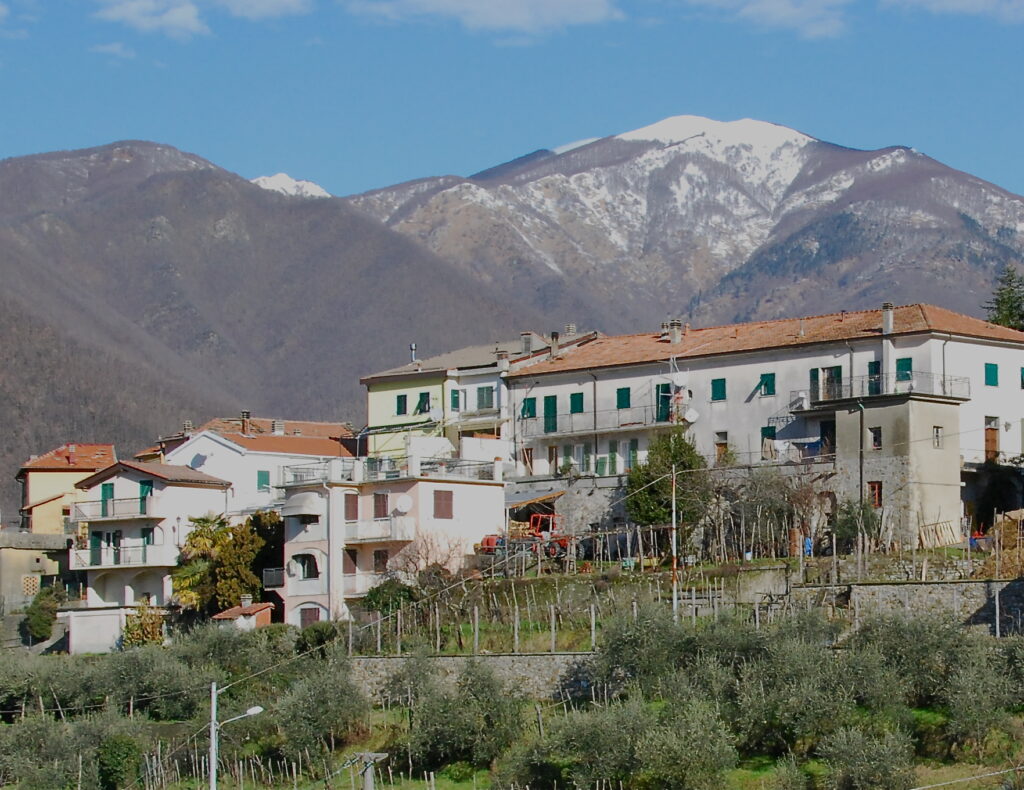
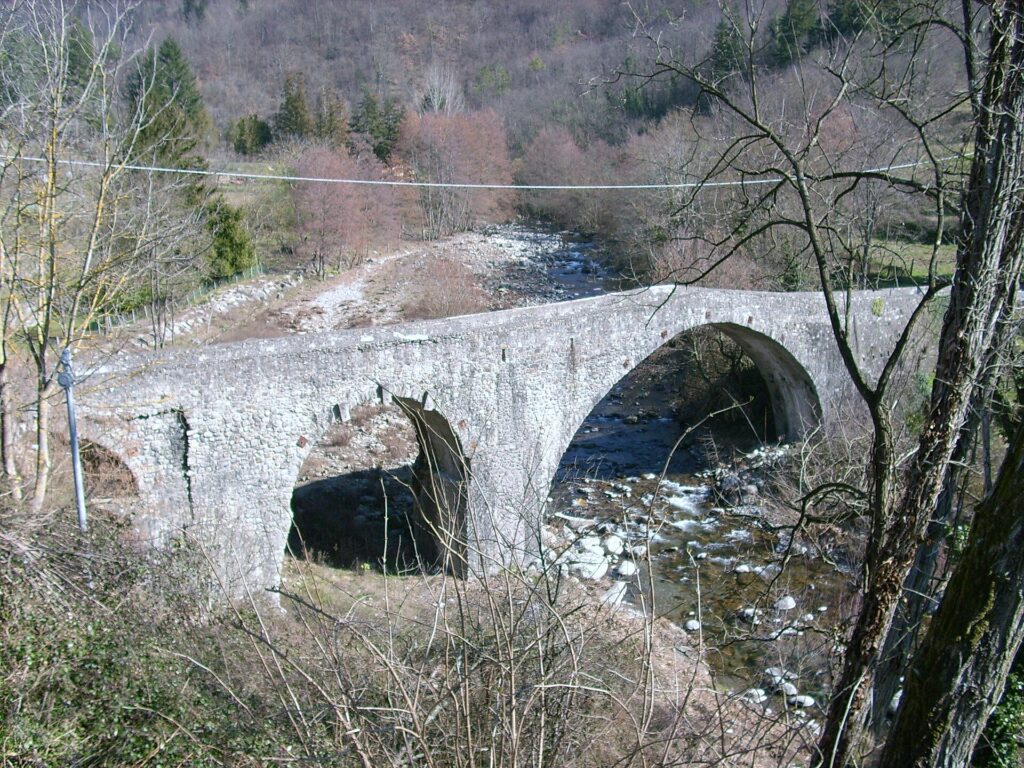
📷 Photo Gallery — Sesta Godano
Getting there
Piazza Guglielmo Marconi, 19020 Sesta Godano (SP)
Nearby Villages near Sesta Godano
In Liguria More villages to discover
Fascia
Mountain
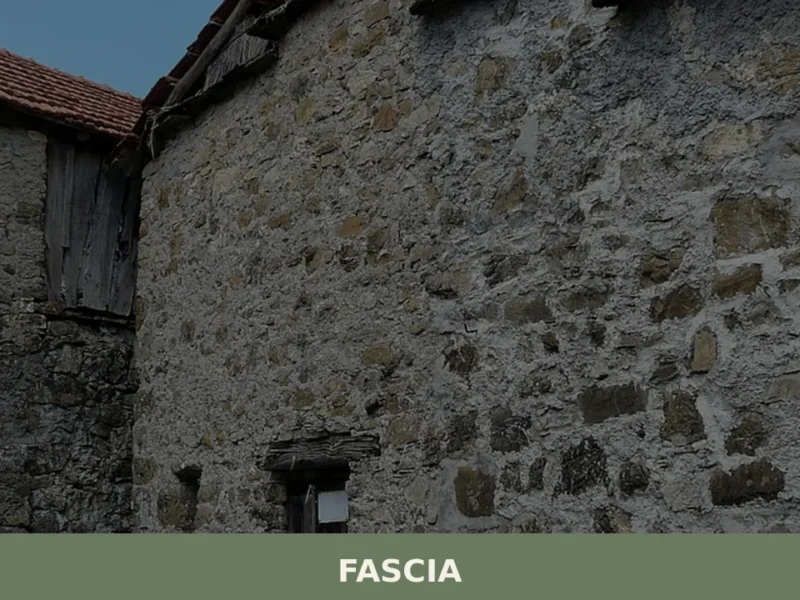
At 1118 meters above sea level, Fascia, in the province of Genoa, stands out as one of Liguria’s highest municipalities, with a population of just 70 inhabitants. This demographic data, recorded in the last census, defines a setting of rare tranquility and a distinct mountain identity. For those wondering what to see in Fascia, it […]
Carpasio
Mountain
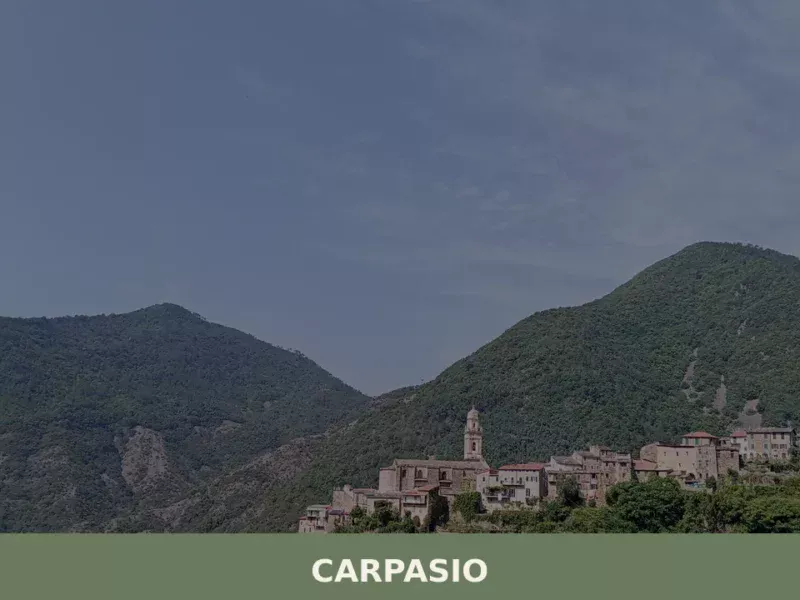
A faint scent of wild thyme drifts on the crisp mountain air as the morning light, still soft and golden, spills over the terracotta rooftops of Carpasio. Here, at 720 meters above sea level, life unfolds at a rhythm dictated by the sun and the seasons, far removed from the coastal bustle of Imperia. This […]
Prelà
 Hills
Hills
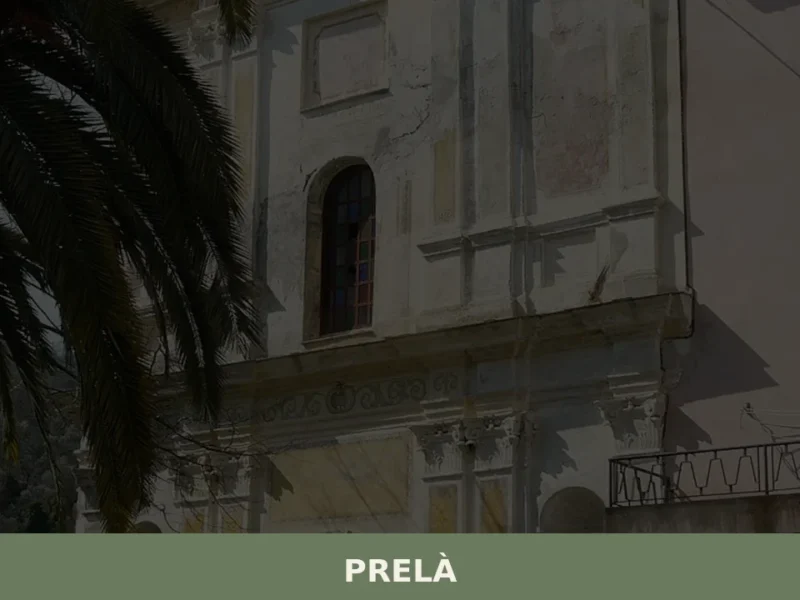
What to see in Prelu00e0, Liguria, Italy: explore 5 top attractions, local olive oil traditions, and practical travel tips. Population 485. Discover it now.
Osiglia
Mountain
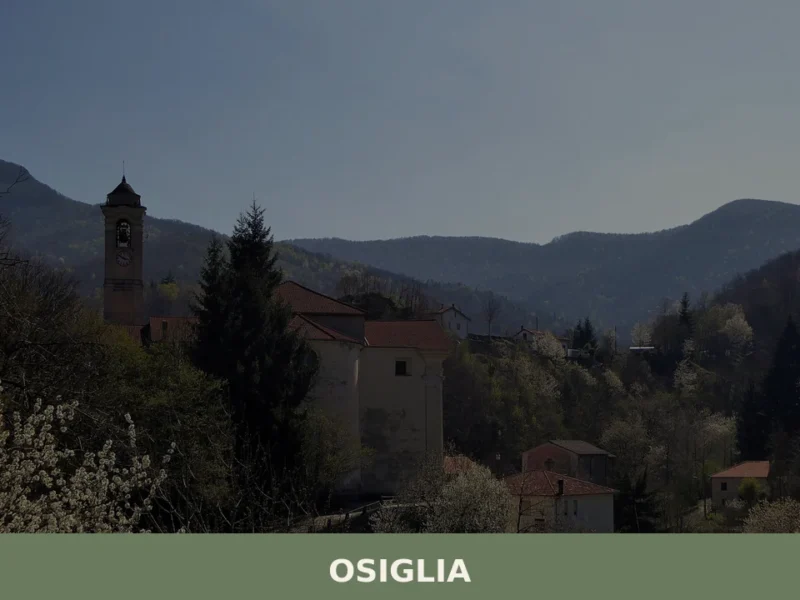
What to see in Osiglia, Italy? Explore this Ligurian comune of 458 inhabitants, 25 km (16 mi) from Savona. Discover its mountainous surroundings and tranquil environment.
Pieve di Teco
Mountain
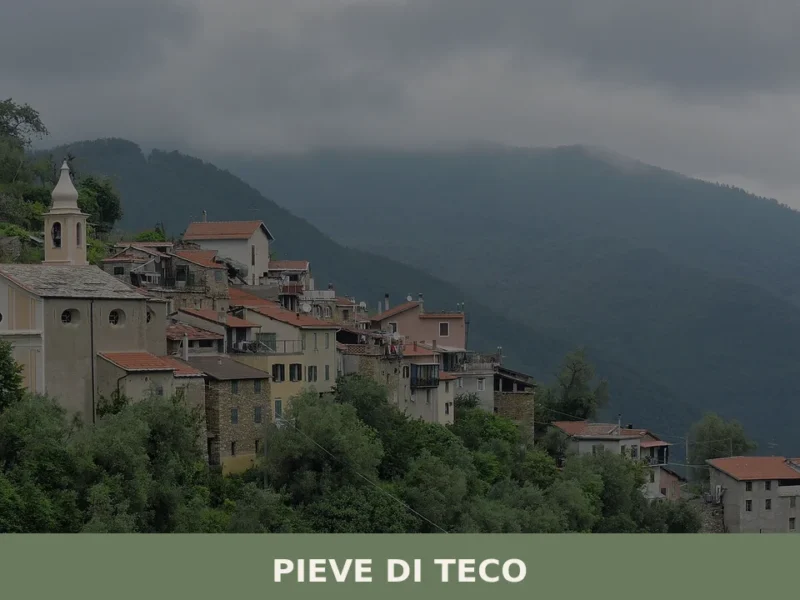
What to see in Pieve di Teco, Liguria, Italy: explore 5 top attractions, local food, and how to get there. Population 1,411. Discover this Ligurian village.
Aurigo
Hills
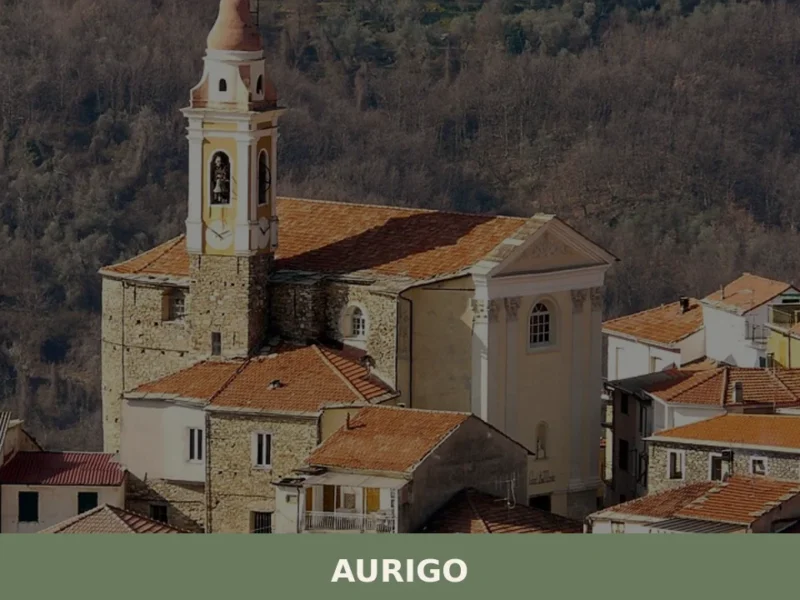
A 331-inhabitant village above the Impero Valley. Discover what to see in Aurigo: centuries-old sanctuaries, stone lanes, and olive terraces across the Ligurian hinterland.
Molini di Triora
Hills
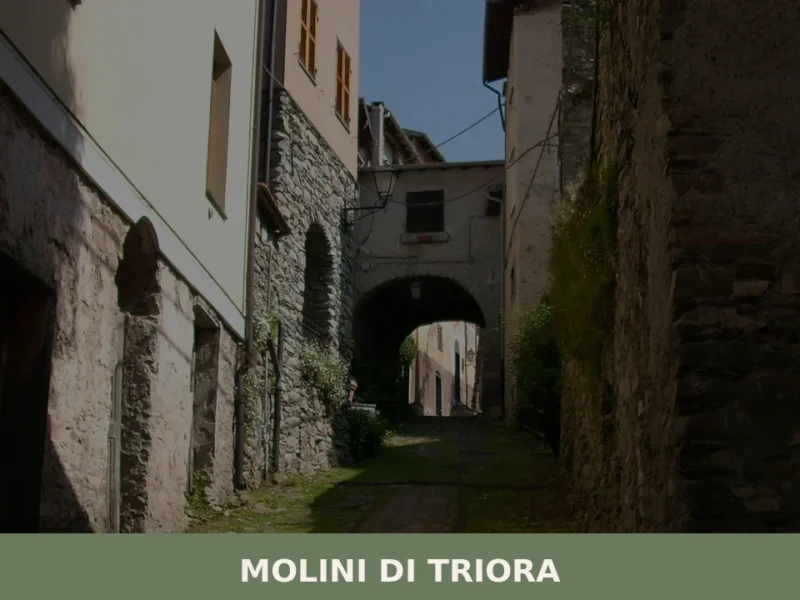
What to see in Molini di Triora, Italy: a village at 460 m in Liguria. Discover top attractions, local food, festivals and how to get there. Read the guide.
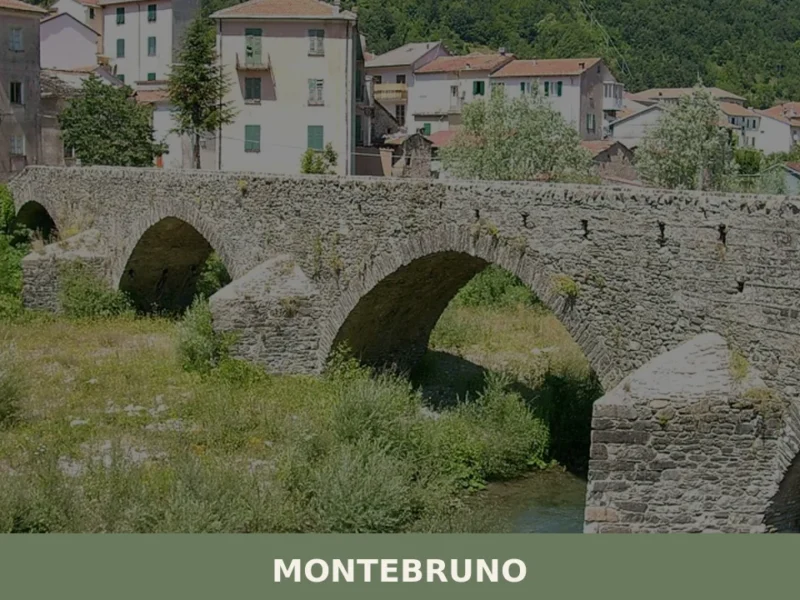
Montebruno
Mountain
What to see in Montebruno, Italy: a mountain village at 655 m (2,149 ft) near Genoa. Discover the Marian sanctuary, Antola park trails and the 8 September feast.
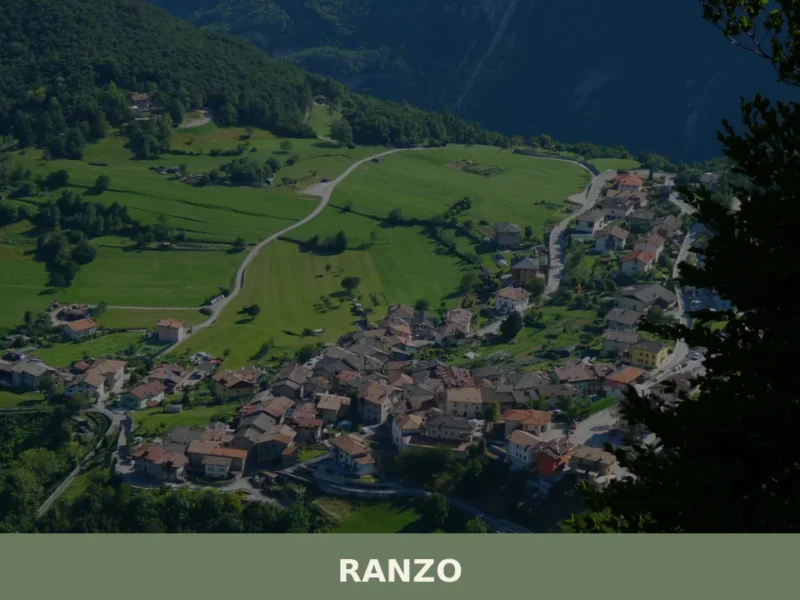
Ranzo
Mountain
What to see in Ranzo, Liguria, Italy: explore a village of 550 inhabitants, 80 km from Genoa. Discover top attractions, local food, and how to get there.
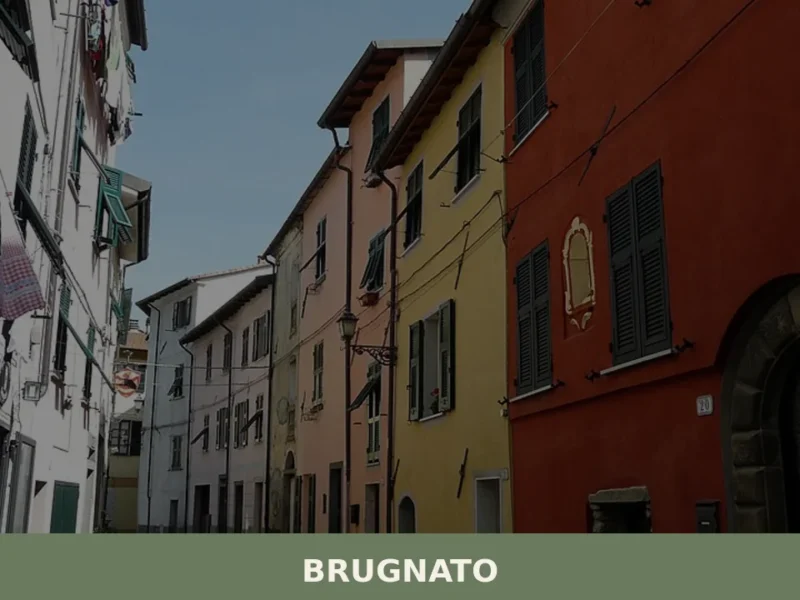
Brugnato
 Plains
What to see in Brugnato, a Ligurian village 115m above sea level? Explore the Co-Cathedral of San Pietro Apostolo and taste typical Val di Vara products. Discover its rich history!
🧀 Italian traditional products



🏡 Know Sesta Godano better than we do?
If you’re a local or have been there, your knowledge matters: add what’s missing or fix a detail on this page.