


Castelbianco
 Hills
Hills
What to see in Castelbianco, Italy: a village of 326 people, 80 km from Genoa. Discover top attractions, local food, and how to get there. Explore now.
Discover Castelbianco
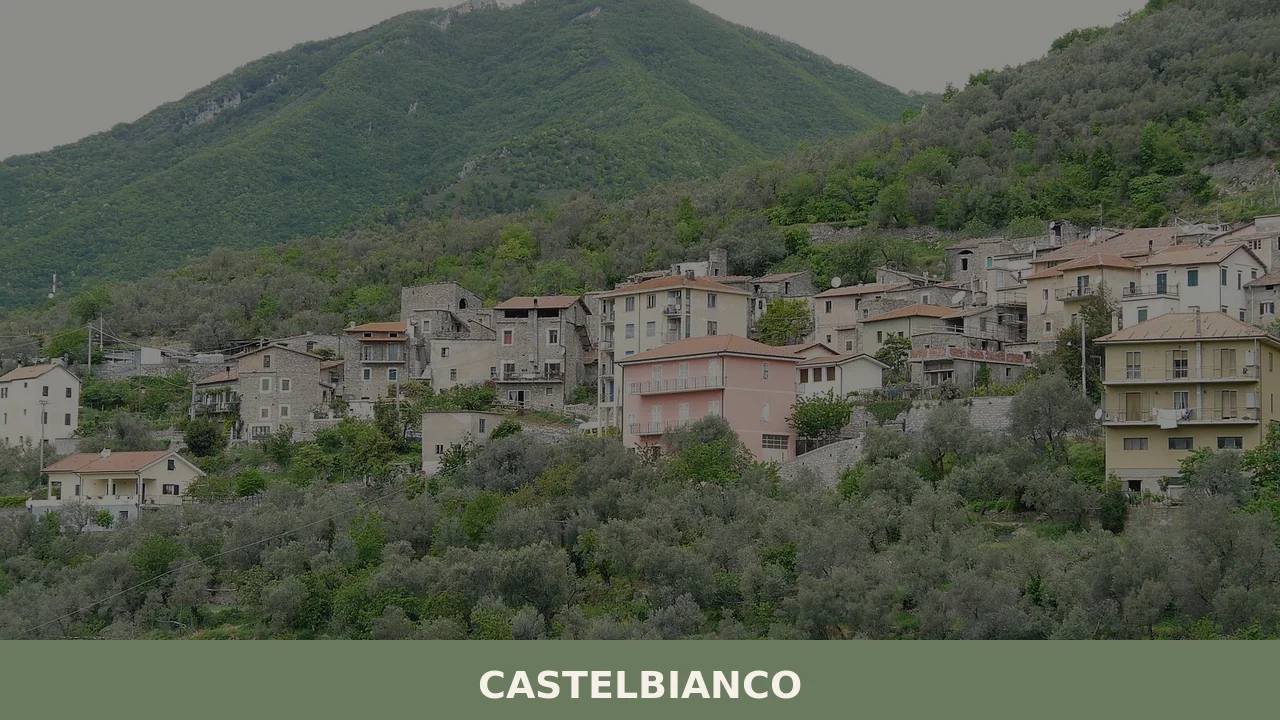
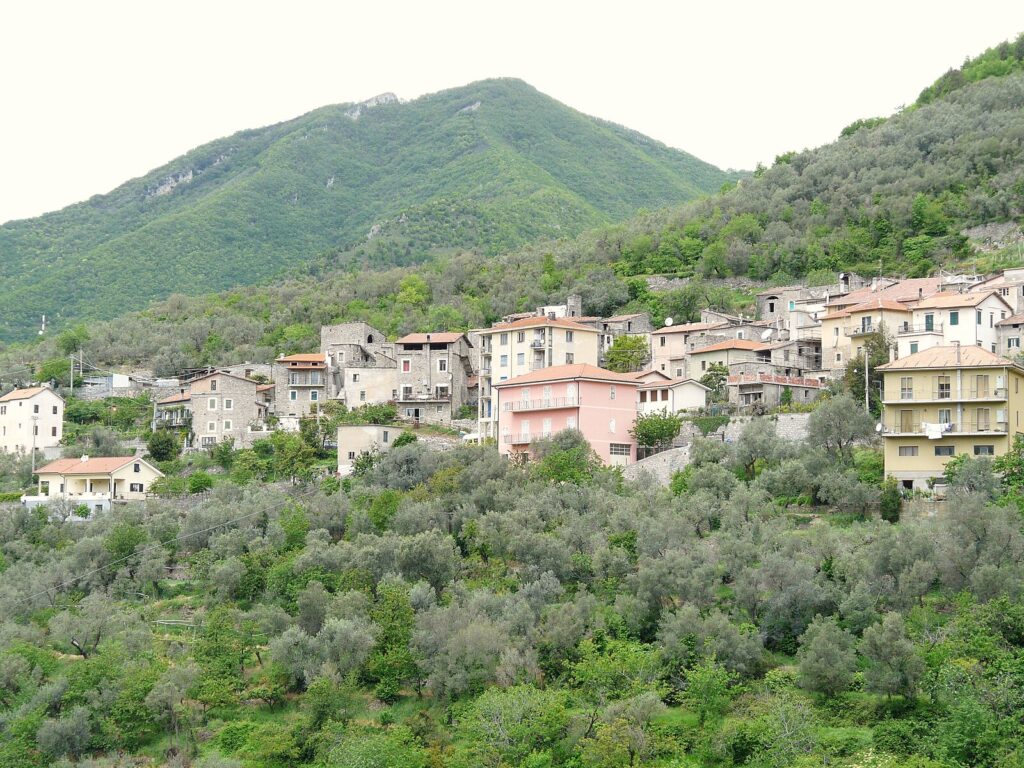
The valley narrows here. Stone walls follow the contours of terraced hillsides that step down toward the Neva river, and the village sits compact above them — a cluster of pale facades and slate roofs that catch the late-afternoon light filtering through the Ligurian Apennines.
At 326 inhabitants, Castelbianco is one of the smaller comuni in the Province of Savona, positioned where the inland valleys of western Liguria grow quieter and the road traffic thins to almost nothing.
For travellers planning a visit, knowing what to see in Castelbianco means understanding what this inland Ligurian village actually offers: a documented medieval settlement, a network of border municipalities that shaped its territorial history, and a surrounding landscape suited to slow exploration on foot or by car. Castelbianco, Liguria, Italy sits approximately 80 km (50 mi) southwest of Genoa and 40 km (25 mi) southwest of Savona, placing it within reach of both cities for a full-day excursion.
History of Castelbianco
The name Castelbianco translates directly from Italian as “white castle,” and its Ligurian form, Castregianco, preserves the same meaning in the regional dialect. This kind of toponym — built around the word for castle and a descriptive colour — was common in medieval Ligurian settlements, typically indicating either the pale stone used in a fortification or the visual appearance of a defensive structure set against the hillside. The name itself is therefore a document: it tells us that a fortified element existed here before the village took its current administrative form.
History of Castelbianco
The name Castelbianco translates directly from Italian as “white castle,” and its Ligurian form, Castregianco, preserves the same meaning in the regional dialect. This kind of toponym — built around the word for castle and a descriptive colour — was common in medieval Ligurian settlements, typically indicating either the pale stone used in a fortification or the visual appearance of a defensive structure set against the hillside. The name itself is therefore a document: it tells us that a fortified element existed here before the village took its current administrative form.
The commune occupies a position that made it strategically relevant during the centuries when the inland valleys of the Province of Savona were contested between local feudal powers and the maritime republic of Genoa.
Its borders touch those of six neighbouring municipalities: Arnasco, Erli, Nasino, Onzo, Vendone, and Zuccarello. This ring of municipalities reflects the dense feudal subdivision that characterised the Ligurian hinterland, where control over individual ridges and river crossings determined local power. Zuccarello in particular, the nearest of these neighbours with its own documented castle history, formed part of the same territorial network. Villages like Borghetto di Vara, further east along the Ligurian Apennines, went through comparable processes of feudal consolidation during the same medieval centuries.
By the modern period, Castelbianco had settled into its role as a small agricultural commune within the Province of Savona. The administrative structures of unified Italy came into effect during the late 19th and early 20th centuries, formally establishing Castelbianco as a modern comune within the province.
What to see in Castelbianco, Liguria: top attractions
Castelbianco, with its tranquil hamlets and stunning natural surroundings, offers visitors a glimpse into authentic Ligurian rural life. Explore its charming alleys, historic churches, and breathtaking views of the Neva valley.
y brought it into the system of comuni that still defines its governance today. Its population, recorded at 326 inhabitants in the most recent figures, represents the demographic contraction that affected most inland Ligurian villages during the twentieth century, as residents moved toward coastal towns and larger urban centres.That contraction shaped the physical village visitors see today: a built fabric largely intact from earlier periods, with the daily rhythms of a working rural community rather than the infrastructure of a tourist destination.
What to see in Castelbianco, Liguria: top attractions
The Historic Village Core
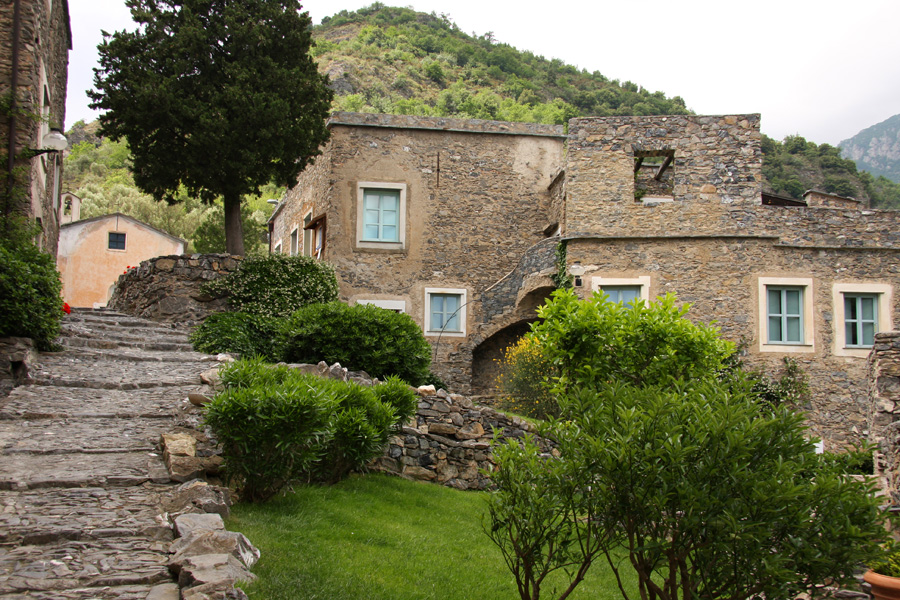
The compact nucleus of Castelbianco is built in the vernacular style of the Ligurian inland valleys, where pale render and exposed stone alternate across façades that follow the contours of the hillside. The street layout reflects a pre-modern logic of defence and water management rather than any planned grid. Walking the narrow lanes, visitors notice how buildings share walls and how covered passages — sottani, the ground-floor storage spaces typical of Ligurian hill villages — open at intervals. The best time to explore the historic core is in the morning before midday heat builds in summer, or in autumn when the light is lower and the terraced vegetation has turned.
The Parish Church
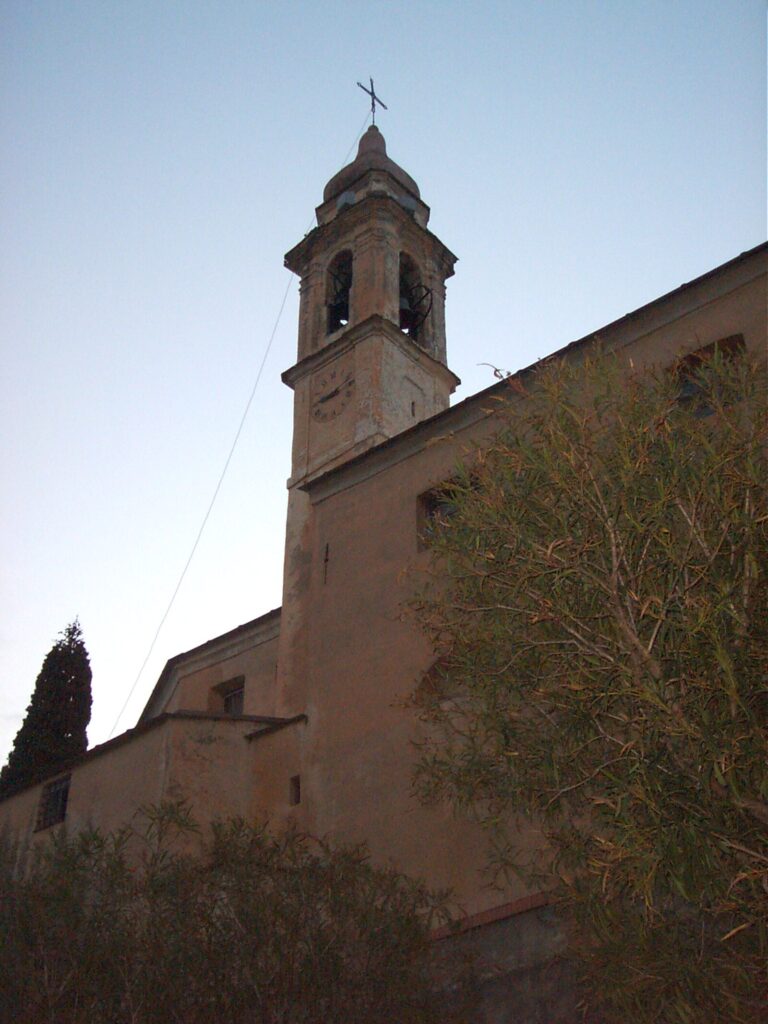
The parish church anchors the ecclesiastical life of the village and provides its most prominent vertical element when approaching from the valley road. Like most Ligurian hill churches of its category, the structure underwent modifications across several centuries, layering Baroque interior furnishings over a more austere earlier shell. The painted plasterwork and side altars follow conventions established in the Ligurian diocese during the seventeenth and eighteenth centuries. Visitors should note the proportions of the bell tower, which is consistent with construction techniques used in the Province of Savona during the late medieval and early modern period.
Access is generally possible during morning hours.
The Surrounding Terraced Landscape
The terraced hillsides extending outward from the village represent centuries of agricultural modification to steep terrain. The retaining walls — built dry, without mortar, from local stone — climb the slopes above and below the village and support olive groves and mixed cultivation. These fasce, the Ligurian term for the narrow terraced strips, are themselves a structural record of how many generations worked this land before mechanisation made inland farming economically marginal. The landscape is accessible on foot via unpaved tracks, and the elevation changes provide clear views down toward the Neva valley. Walking shoes with grip are necessary on the steeper sections.
The Neva Valley Views from the Village Perimeter
From the outer edge of the village, the Neva valley opens to the south, with the river visible at valley floor level approximately 200 m (656 ft) below the main settlement. This drop in elevation defines the relationship between village and valley that has shaped movement and trade in the area for centuries. The view encompasses the agricultural floor of the valley and the forested ridgelines on the opposite slope. Early morning and late afternoon provide the clearest atmospheric conditions for reading the landscape. The perimeter can be walked in under thirty minutes at a measured pace, following the path that traces the outer edge of the historic built area.
The Border Zone with Neighbouring Municipalities
Castelbianco’s administrative boundaries touch six distinct comuni: Arnasco, Erli, Nasino, Onzo, Vendone, and Zuccarello.
For visitors interested in territorial history, walking or driving across these borders reveals the micro-variations in architecture, land use, and topography that distinguish one Ligurian inland commune from the next. The route toward Zuccarello, approximately 6 km (3.7 mi) along the valley, passes through landscape that has changed relatively little in its basic structure since the medieval period. Travellers who want to extend their day and explore this cluster of inland Savona villages will find the road network manageable by car and, in part, accessible by gravel track for mountain bikers.
Local food and typical products of Castelbianco
The culinary tradition of the inland Province of Savona belongs to the broader Ligurian gastronomic system, but it diverges from the coastal version in its reliance on preserved and dried products, wild herbs gathered from the hillsides, and pulses that sustained communities through winters when road access was limited. The Neva valley and the surrounding terrain produce olives, chestnuts, and a range of foraged ingredients — including mushrooms and aromatic herbs — that appear in the cooking of the area without the seafood emphasis that dominates Ligurian cuisine closer to the Riviera. The altitude and inland position of Castelbianco mean that recipes here are historically calorie-dense and built around ingredients available within a short radius of the village.
Pasta remains central to the local table, with preparations that use chickpea flour or chestnut flour in addition to wheat — a reflection of what grew or could be milled locally before the twentieth century.
Trofie al pesto, the twisted short pasta dressed with basil pesto made from fresh leaves, olive oil, pine nuts, garlic, Parmigiano, and Pecorino, is the most recognised regional preparation and appears on tables across inland Liguria. Farinata, a thin flatbread baked in a wood or gas oven from chickpea flour, water, olive oil, and salt, is another preparation embedded in the local food culture: the batter is poured into a wide, shallow copper pan and baked at very high temperature until the surface blisters and the interior remains slightly yielding. Both dishes depend on good olive oil as a structural ingredient rather than a finishing touch.
The olive oil produced in western Liguria carries significant quality recognition. The Riviera Ligure DOP extra virgin olive oil, produced across the Ligurian coastal and inland zone including areas within the Province of Savona, is one of the documented certified products of the region.
The Taggiasca olive variety — small, with a low acidity and a mild, slightly fruity flavour profile — dominates production in this part of Liguria and gives the oil its characteristic pale yellow-green colour and gentle bitterness. Other villages in the Savona hinterland, including those in the Arroscia and Neva valleys, contribute to the same production zone. The oil is used cold on raw vegetables, cooked into focaccia dough, and as the cooking medium for vegetable-based dishes that form the backbone of the inland diet.
Local sagre — traditional food festivals tied to a specific product or harvest — are the main seasonal occasion for buying directly from producers. Autumn is the most active period, when chestnut and mushroom festivals are organised across the inland Province of Savona. Visitors who arrive in October or November will find the best opportunity to purchase oil from the current harvest and to encounter food producers directly, without the intermediary of a shop or market stall. Carrying cash is practical in smaller inland villages, as card payment infrastructure can be limited in the most rural settings.
Festivals, events and traditions of Castelbianco
Like most comuni in the Province of Savona, Castelbianco marks its liturgical calendar with a celebration of its patron saint, a date that structures the summer or autumn social calendar of the village.
These observances typically involve a morning Mass, a procession through the main streets of the historic centre, and an outdoor gathering in the afternoon or evening with music and food prepared by local associations. The specific date of the patron feast for Castelbianco follows the Roman Catholic liturgical calendar and brings back former residents who have moved to the coast or to larger cities — making it one of the few occasions when the village population temporarily exceeds its recorded figure of 326 inhabitants.
The broader festival calendar of the inland Savona municipalities includes documented food fairs dedicated to the olive harvest and to the chestnut, both concentrated between October and December. These events are organised at the municipal or inter-municipal level and rotate between villages in the valley network. For visitors planning their trip around local events, checking the calendar of the Comune di Castelbianco directly before arrival is the most reliable method, as dates shift year to year. The village’s position within a cluster of six bordering municipalities — Arnasco, Erli, Nasino, Onzo, Vendone, and Zuccarello — means that a festival taking place in a neighbouring commune is rarely more than a twenty-minute drive away.
When to visit Castelbianco, Italy and how to get there
The best time to visit Castelbianco and the surrounding inland Ligurian valleys is between late April and early June, and again from mid-September through November.
Spring brings the terraced vegetation into full growth, the temperatures remain moderate at inland altitude, and the roads are free of the summer traffic that affects the Ligurian Riviera coast. Autumn combines mild temperatures with the olive and chestnut harvests, which add activity and colour to an otherwise quiet agricultural landscape. July and August are the warmest months — manageable at inland altitude compared to the coast — but the village sees occasional short-stay visitors from the coastal resorts during this period. Winter closes some roads and reduces services, making it a period better suited to visitors who are already familiar with the area.
Arriving by car is the most practical option for most international visitors. From Genoa, the journey covers approximately 80 km (50 mi) and takes around one hour via the A10 motorway toward Imperia, exiting at Albenga and then following the inland road toward the Neva valley. From Savona, the distance is approximately 40 km (25 mi) with a travel time of around forty-five minutes on the same route. The nearest train station with regular connections is Albenga, on the coastal rail line served by Trenitalia; from Albenga station, Castelbianco is reachable by car or local bus in approximately thirty minutes.
The nearest international airport is Genoa Cristoforo Colombo Airport, approximately 95 km (59 mi) from the village; car hire at the airport is the recommended option for reaching inland destinations in the Province of Savona. For those travelling from the east, the city of Imperia, roughly 35 km (22 mi) to the southwest along the coast, serves as a useful orientation point and transport hub for the western Ligurian interior. International visitors should be aware that English is not widely spoken in smaller inland villages; carrying euro cash is advisable for markets, small bars, and direct purchases from producers.
Castelbianco works well as a day trip from both Genoa and Savona, given the distances involved. Travellers based on the Riviera di Ponente coast — at Albenga, Alassio, or Loano — can reach the village in under an hour, making it a viable half-day excursion combined with a stop in one of the neighbouring communes. Those with more time can combine the visit with the nearby village network along the Neva and Arroscia valleys, where the landscape and built fabric are closely related.
Visitors who wish to extend their exploration of Ligurian inland villages will find useful comparisons further along the Ligurian Apennines.
The village of Lorsica, located in the eastern part of the region near the Fontanabuona valley, shares the same pattern of terraced hillside agriculture and compact medieval urban form, offering a point of comparison for understanding how this settlement type repeats across Liguria’s inland topography. Further east, Coreglia Ligure represents another example of the small Ligurian hill commune with documented medieval origins, and the two villages together illustrate the geographic spread of this settlement model from the western to the eastern Ligurian interior.
Frequently asked questions about Castelbianco
What is the best time to visit Castelbianco?
Autumn (October–November) is ideal for experiencing the Neva valley landscape at its most atmospheric, with lower light, turning vegetation on the terraced hillsides, and local sagre dedicated to chestnuts and mushrooms — the best occasion to buy freshly pressed Taggiasca olive oil directly from producers. Spring offers mild temperatures for walking the fasce trails. The most significant local event is the feast of the patron saint Maria SS. Assunta on 15 August, when the village marks its most important religious celebration of the year. Summer mornings are recommended for exploring the historic core before midday heat builds.
What are the historical origins of Castelbianco?
The name Castelbianco — 'white castle' in Italian, Castregianco in the Ligurian dialect — indicates a medieval fortified origin, with the colour likely referring to the pale local stone of a defensive structure. The village developed within the feudal network of the inland Province of Savona, where control over ridges and river crossings was contested between local lords and the Republic of Genoa. Its six bordering municipalities — Arnasco, Erli, Nasino, Onzo, Vendone, and Zuccarello — reflect the dense feudal subdivision typical of the Ligurian hinterland during the medieval period.
What to see in Castelbianco? Main monuments and landmarks
The compact historic village core is the primary attraction: narrow lanes, shared-wall buildings, and covered sottani passages built in the vernacular Ligurian hill style. The parish church, dedicated to Maria SS. Assunta, anchors the village with a bell tower consistent with late medieval and early modern construction in the Province of Savona; Baroque interior furnishings layer over an older structure. Access to the church is generally possible during morning hours. The outer perimeter path, walkable in under thirty minutes, offers direct views down to the Neva valley floor some 200 metres below the settlement.
What are the main natural or scenic attractions of Castelbianco?
The terraced hillsides surrounding the village — locally called fasce — form a centuries-old agricultural landscape of dry-stone retaining walls supporting olive groves and mixed cultivation. Unpaved tracks give foot access to the slopes, with clear views down toward the Neva valley. The route toward Zuccarello, approximately 6 km along the valley, passes through landscape largely unchanged in basic structure since the medieval period and is accessible by car or, in part, by gravel track for mountain bikers. Early morning and late afternoon provide the clearest atmospheric conditions for reading the valley landscape.
Where to take the best photos in Castelbianco?
The outer perimeter of the historic village offers the most rewarding vantage points: from here, the Neva valley opens to the south, with the river visible at the valley floor roughly 200 metres below and forested ridgelines on the opposite slope. Late afternoon is optimal when the low Ligurian Apennine light catches the pale façades and slate roofs of the village. The terraced fasce above and below the settlement, particularly in autumn when the vegetation turns, provide strong foreground detail for landscape photography against the broader valley backdrop.
Are there churches or historic buildings to visit in Castelbianco?
The parish church dedicated to Maria SS. Assunta is the village's principal ecclesiastical building and its main vertical landmark when approaching from the valley road. The interior follows conventions established in the Ligurian diocese during the seventeenth and eighteenth centuries, with painted plasterwork and side altars layered over an earlier structure. The bell tower's proportions are consistent with construction techniques used across the Province of Savona in the late medieval and early modern period. The church is generally accessible during morning hours; no admission fee applies for a place of worship of this category.
What can you do in Castelbianco? Activities and experiences
Castelbianco suits slow, self-directed exploration. The perimeter path around the village takes under thirty minutes and delivers views of the Neva valley. Unpaved tracks through the terraced fasce are accessible on foot with grip-soled shoes. Driving or cycling the 6 km toward Zuccarello allows comparison of neighbouring inland comuni with distinct micro-variations in architecture and land use. In autumn, local sagre across the inland Province of Savona — dedicated to chestnuts and mushrooms — provide the main opportunity to engage with producers and buy Taggiasca olive oil from the current harvest directly at the source.
Who is Castelbianco suitable for? Families, couples, hikers, solo travelers?
Castelbianco is best suited to travellers who actively prefer the absence of tourist infrastructure: couples seeking a quiet inland Ligurian base, slow travellers exploring the village-to-village network of the Province of Savona, and hikers or mountain bikers with an interest in terraced agricultural landscapes and the Neva valley. It is less suitable for families seeking structured children's activities or visitors who require restaurant and accommodation density. The village rewards those who use it as a starting point for the surrounding territory rather than expecting concentrated attractions within its 326-inhabitant boundaries.
What to eat in Castelbianco? Local products and specialties
The inland table here draws on Ligurian hill traditions rather than coastal ones: no seafood emphasis, but strong reliance on olive oil, chestnuts, wild mushrooms, and aromatic herbs gathered from the surrounding slopes. Trofie al pesto and farinata — the chickpea-flour flatbread baked at high heat in a wide copper pan — are staple preparations of the area. The dominant certified product is Riviera Ligure DOP extra virgin olive oil, produced from the Taggiasca variety: small olives yielding a pale yellow-green oil with low acidity and mild, slightly fruity flavour. Autumn sagre are the best occasion for direct purchases.
📷 Photo Gallery — Castelbianco
Nearby Villages near Castelbianco
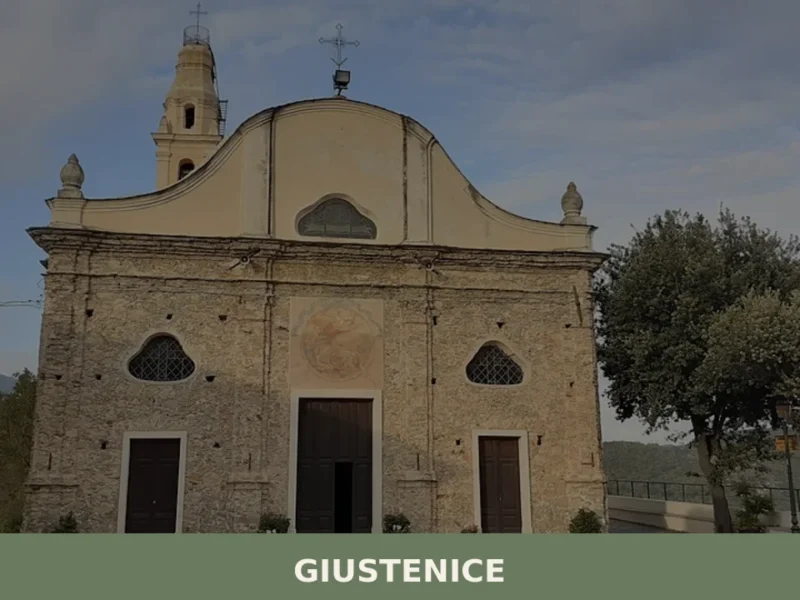
In Liguria More villages to discover
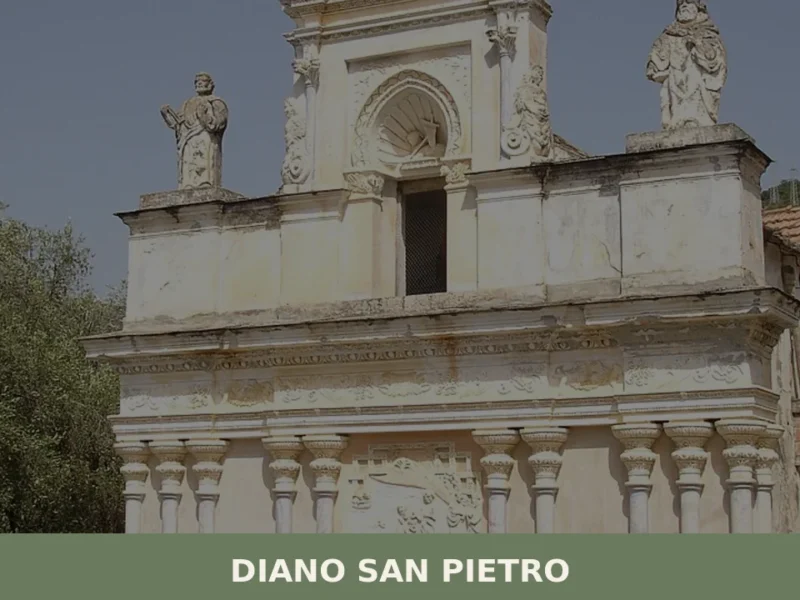
Diano San Pietro
 Plains
What to see in Diano San Pietro: a village of 1,081 at 83m in the Diano Valley. Discover the Church of San Pietro, olive terraces and nearby villages. Plan your visit.
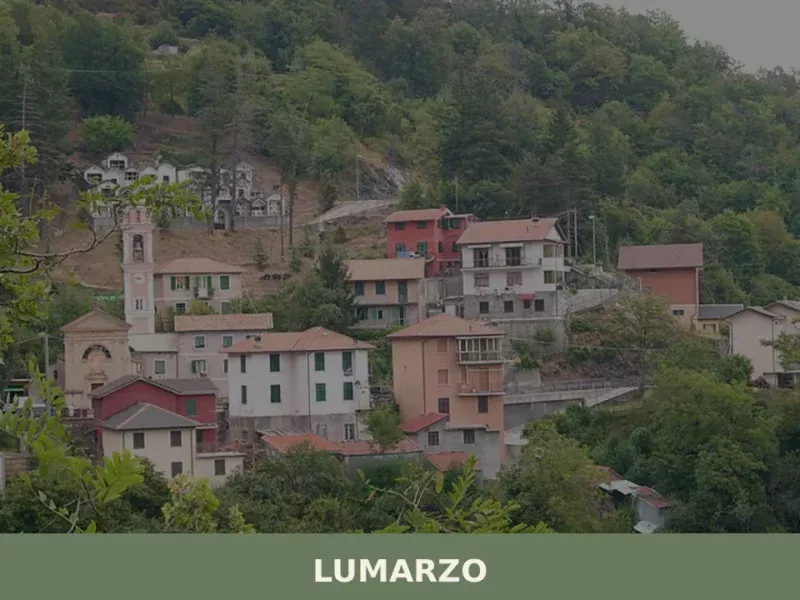
Lumarzo
Hills
What to see in Lumarzo: a Ligurian village at 228m with 1,419 residents, historic oratories, Fontanabuona valley trails and the Saint Camillus feast. Plan your visit now.
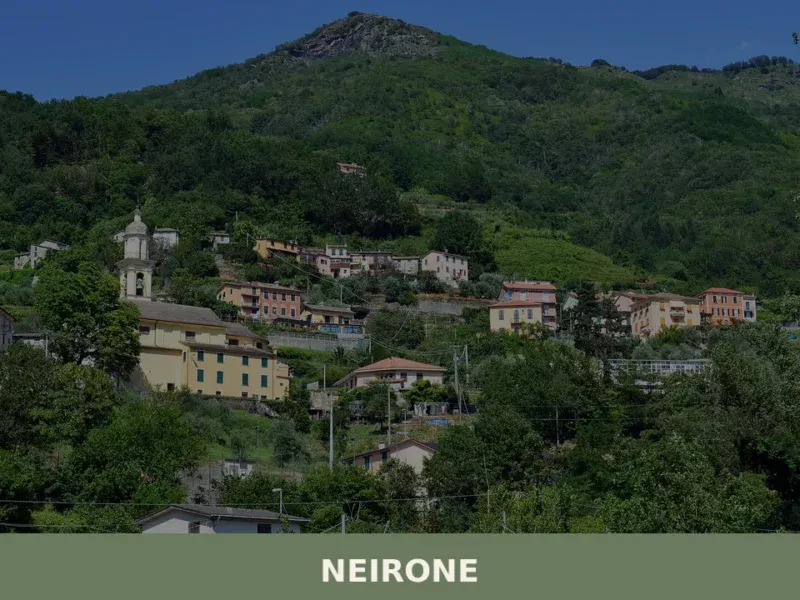
Neirone
 Mountain
what to see in neirone explores this Ligurian village of 954 inhabitants in Italy. Discover local landscapes and general Ligurian cuisine.
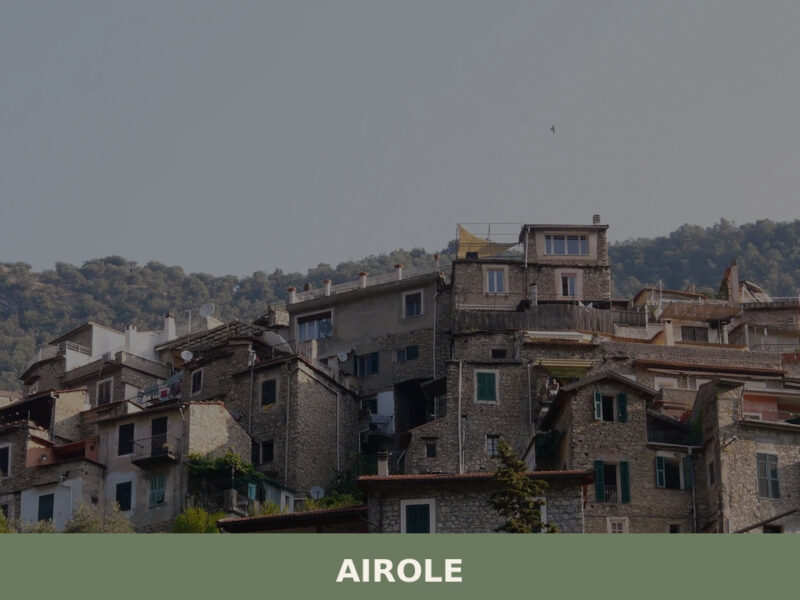
Airole
Plains
A compact Ligurian hill village of 365 inhabitants in the Roia valley. Discover what to see in Airole, from medieval stone alleys to terraced olive groves.
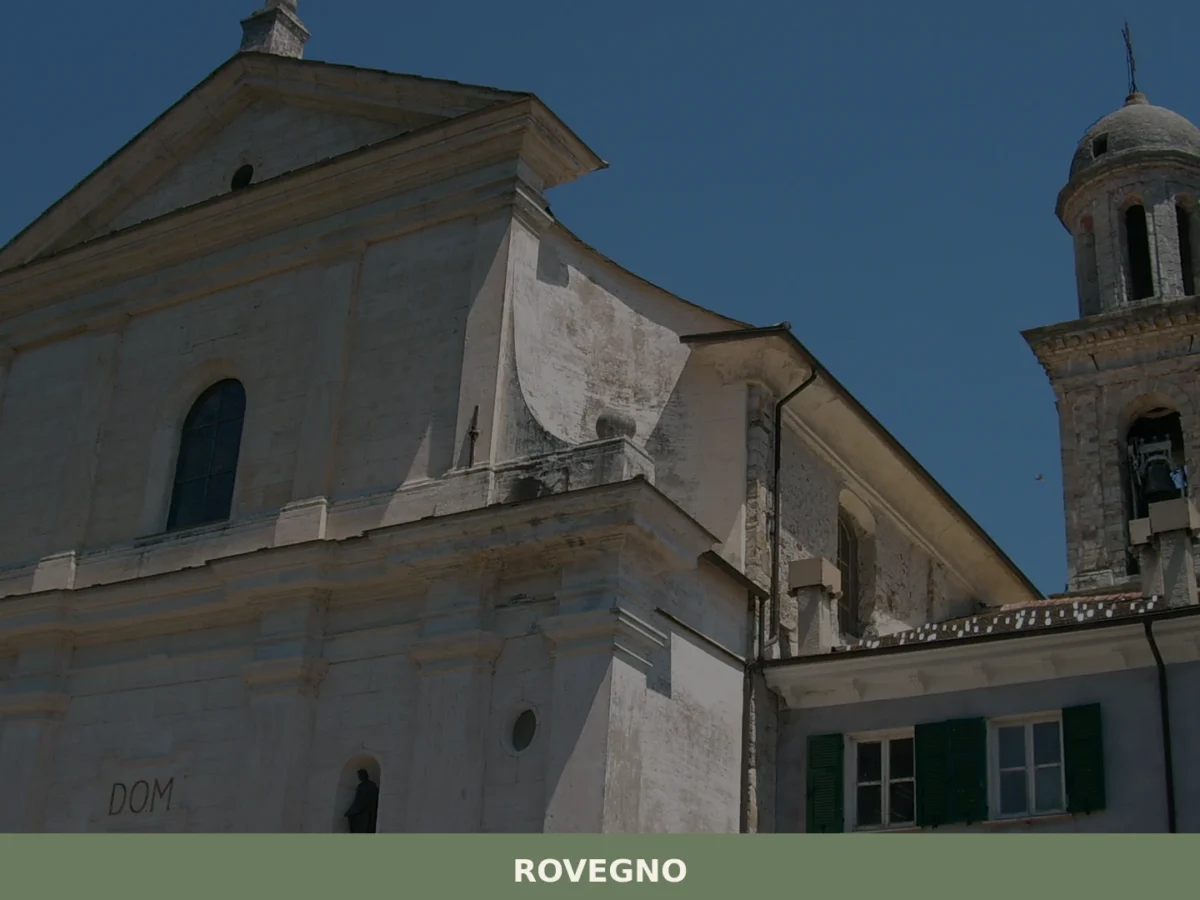
Rovegno
Mountain
What to see in Rovegno, Italy: Explore the Val Trebbia, 35 km (22 mi) from Genoa. Discover its valley landscape and the surrounding municipalities. Read our guide.
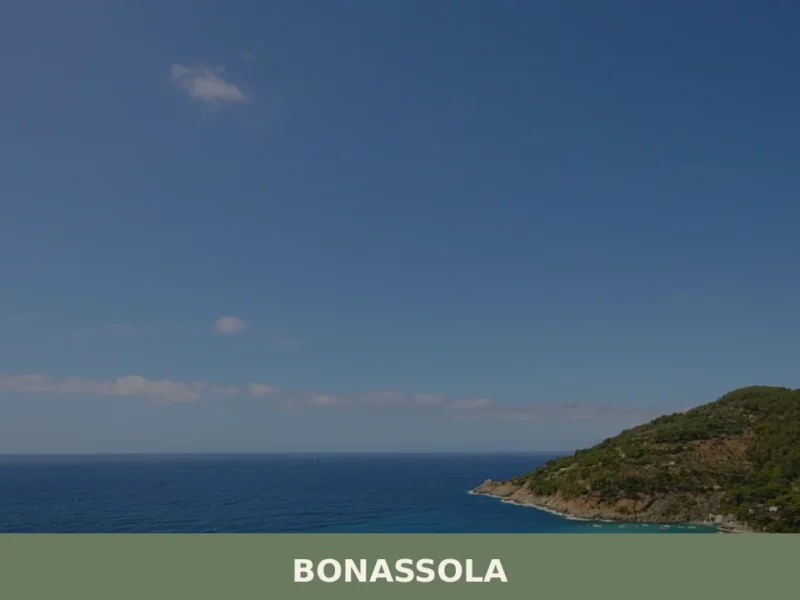
Bonassola
 Sea
Sea
Bonassola’s single-track railway station, opened in 1874 as part of the Genoa–La Spezia line, brought the first outsiders to a coastal settlement that had survived for centuries on olive oil, wine, and anchovies. Today this compact village of 794 inhabitants sits at six metres above sea level along the Riviera di Levante, its beach one […]

Arenzano
Sea
What to see in Arenzano, Liguria, Italy: explore a 16th-century patrician villa, a Saracens' Tower, and a coastal sanctuary. Population 11,445. Discover it all.
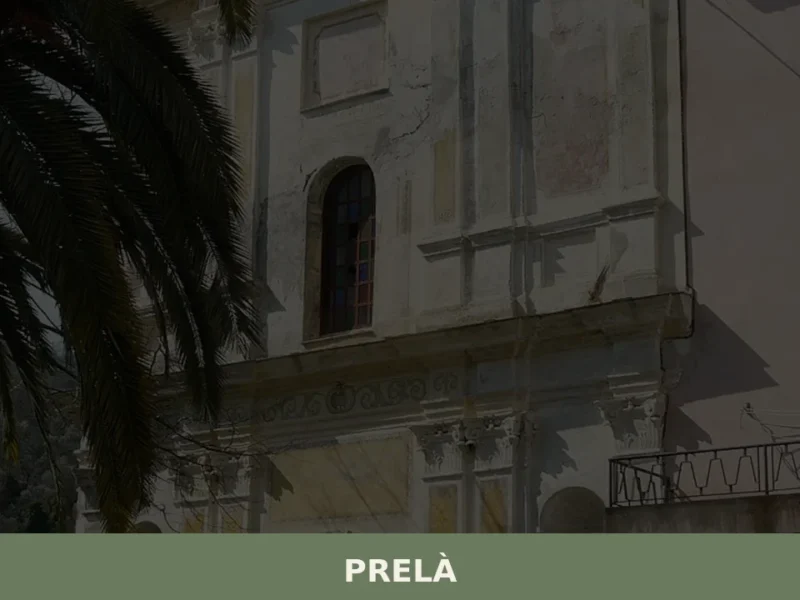
Prelà
Hills
What to see in Prelu00e0, Liguria, Italy: explore 5 top attractions, local olive oil traditions, and practical travel tips. Population 485. Discover it now.
Portofino
Sea
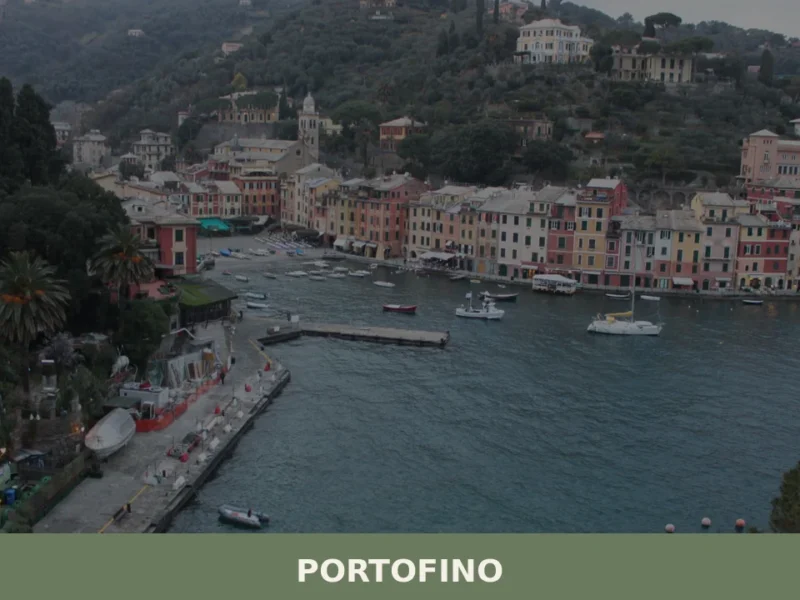
Portofino has a population of 355 residents spread across a headland that descends to sea level. It is one of the smallest municipalities in Italy by population, yet its natural harbour appears in almost every historical guide to the Ligurian Riviera. Anyone looking into what to see in Portofino will find a compact collection of […]
Vendone
Hills
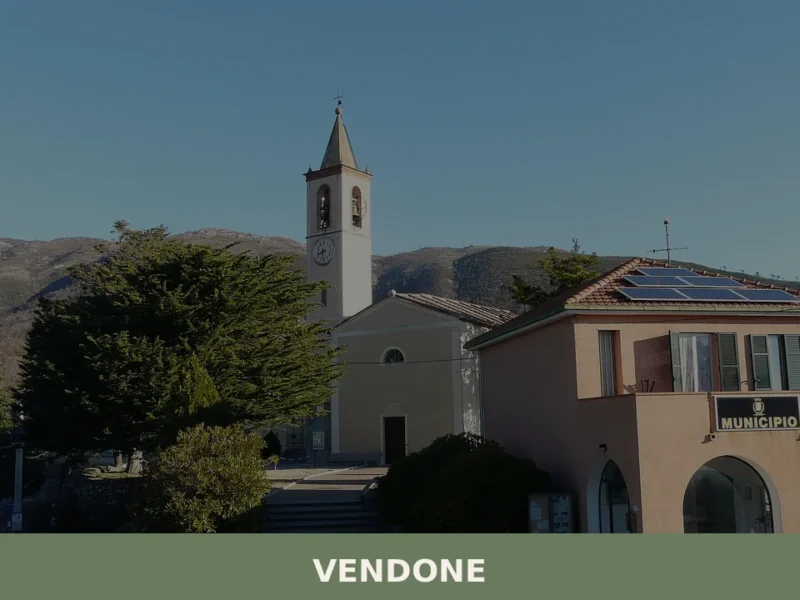
What to see in Vendone, Liguria, Italy: 5 attractions, local food, festivals and how to get there. 401 inhabitants, 80 km from Genoa. Discover it now.
🏡 Know Castelbianco better than we do?
If you’re a local or have been there, your knowledge matters: add what’s missing or fix a detail on this page.