


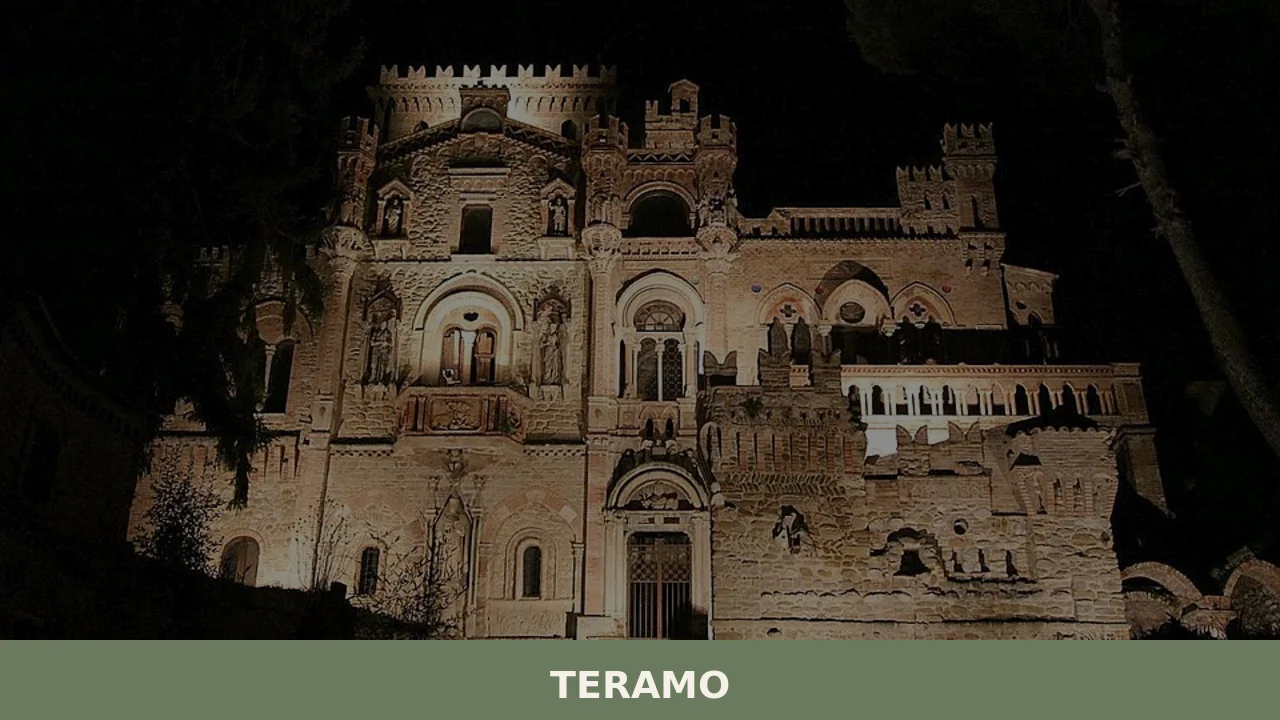
Teramo
 Hills
Hills
What to see in Teramo, Abruzzo, Italy: discover a Roman theatre from 30 BC, a 1158 cathedral, the Interamnia World Cup and 54,377-strong city. Complete guide.
Discover Teramo
Two rivers, the Vezzola and the Tordino, meet at the foot of a hillside where Roman mosaic floors still surface beneath medieval courtyards.
A burnt tower rises above Piazza Sant’Anna, its scorched stonework in opus quadratum — the dry-stacked Roman masonry — carrying visible evidence of a Norman siege in 1156.
At 265 m (869 ft) above sea level, the city sits at a precise geographic crossroads: the Gran Sasso massif to the west and the Adriatic coastline to the east, with olive groves and vineyards filling the slopes between.
Knowing what to see in Teramo means engaging with a layered urban record that stretches from pre-Roman tribal settlements to a functioning 1993 university campus.
The city, capital of the Province of Teramo in Abruzzo, Italy, holds a population of 54,377 and stands 150 km (93 mi) from Rome. Visitors find a Roman theatre dating to around 30 BC, a cathedral begun in 1158, a 50-metre (164-ft) bell tower, and an international handball tournament that has run since 1972.
History of Teramo
The city’s name carries its own origin story.
Ancient writers including Varro and Festus noted that the Latin form Interamna — meaning a settlement between two streams — described its position at the confluence of the Vezzola and Tordino rivers. The full Latin designation was Interamnia Praetuttiorum, referencing the Praetutii, the Italic tribe who controlled the territory before Roman expansion. Over the Middle Ages the name contracted first into Teramne, as recorded in the Liber Coloniarum, and eventually into the modern Teramo.
The same process gave the wider region its name: the Latin Aprutium, a toponym derived from the Praetutii, evolved into Abruzzo.
Settlement here predates Roman rule by centuries.
Archaeological excavations in the Madonna delle Grazie neighbourhood on the city’s outskirts uncovered burial sites containing a dagger and a halberd, placing organised habitation in the first millennium BC.
The Praetutii developed the site into a significant regional capital, and Roman expansion formalised its status: after the consul Manius Curius Dentatus led legions into the Sabine and Praetutii territory in 290 BC, the city became a Roman municipium. Under Emperor Hadrian it reached its greatest development, with temples dedicated to Mars and Apollo, thermal baths, a theatre, and an amphitheatre — structures whose remains are still partially visible today. The geographer Ptolemy, the historian Livy, and Pliny all documented the city during this period.
The medieval centuries brought repeated destruction and reconstruction. Visigoths under Alaric I sacked the city in 410 AD; Ostrogoths ruled from 552 to 554 AD; Byzantine authority followed, incorporating Teramo into the Exarchate of Ravenna. Norman forces conquered it in 1129 as part of the County of Apulia, and in 1140 it passed to Roger II of Sicily. A subsequent Norman assault under Robert II of Loritello burned most of the city — only the tower on Piazza Sant’Anna survived, earning the name Torre Bruciata, the burnt tower.
The city then passed through Hohenstaufen and Angevin hands before becoming part of the Kingdom of Naples.
By the 15th century, factional violence between the De Valle and Melatino families left physical marks still visible in the city centre: a stone shield commemorating the exemplary hanging of 13 Melatino followers, carved with the inscription A lo parlare agi mesura — mind what you say.
Artists Jacobello del Fiore and Nicola da Guardiagrele worked in the city during this same period, drawn by its commercial ties to Tuscany and Venice. An earthquake struck in 1626, followed four years later by plague. French troops entered in 1798 and sacked the city. Napoleon’s forces held it from 1806 to 1815. In 1890, the astronomer Vincenzo Cerulli founded the Observatory of Collurania, and in 1925 Teramo hosted the founding of the first Italian Psychoanalytic Society.
What to see in Teramo, Abruzzo: top attractions
Cathedral of Saint Berardo
The cathedral’s sandstone facade opens through a Gothic portal completed in 1332 by the Roman master Deodato di Cosma — an elaborate carved frame that contrasts with the building’s overall Romanesque structure, begun in 1158 under Bishop Guido II. Inside, two works repay close attention: a silver antependium by Nicola da Guardiagrele featuring 35 individual scenes from the life of Jesus, each panel worked in fine relief, and a polyptych painted by the Venetian artist Jacobello del Fiore depicting the Coronation of the Virgin.
The bell tower annexed to the cathedral reaches 50 m (164 ft).
The cathedral is dedicated to Saint Berardo da Pagliara, the city’s patron saint, whose feast falls on 19 December.
Torre Bruciata
The Torre Bruciata stands on Piazza Sant’Anna in opus quadratum, the Roman dry-stone technique using large rectangular blocks, and dates to the 2nd century BC.
Its name records a specific event: the siege of 1156 led by Robert III of Loritello left burn marks across the stonework that remain visible. When Norman forces destroyed most of Teramo, this tower was the sole structure to survive. Standing at its base, the layering of Roman construction methods beneath centuries of subsequent urban fabric gives a direct physical sense of how the city rebuilt itself repeatedly around a single surviving anchor point.
The square it faces has been a central civic reference point since the medieval period.
Roman Theatre and Amphitheatre Remains
The Roman theatre was built around 30 BC, placing its construction in the late Republican or early Augustan period — a time when the city was prospering under proximity to Rome. Sections of its structure remain in situ in the city centre. The amphitheatre dates to the 3rd or 4th century AD and represents a later phase of Roman public building in the city. Beneath Palazzo Savini, excavations revealed the remains of a Roman domus, including a 1st-century BC opus tessellatum pavement — a fine mosaic floor depicting a fighting lion alongside decorative borders.
These three elements together document over four centuries of continuous Roman investment in the city’s public and private architecture.
Sanctuary of the Madonna delle Grazie
Also known as the Chiesa di Santa Maria delle Grazie, this sanctuary holds a Romanesque cloister and a 15th-century carved wooden statue of the Virgin, attributed to Silvestro dell’Aquila.
The statue has been classified as miracolosa — a term indicating official recognition of reported miracles — within the local devotional tradition.
The Madonna delle Grazie neighbourhood that surrounds the sanctuary is also the site where pre-Roman burial finds, including the dagger and halberd that link the city to its first-millennium BC past, came to light during archaeological excavations. The combination of archaeological significance and continued religious use makes this a location that compresses multiple historical layers into a single city quarter.
It is worth visiting early in the day, when the cloister receives direct morning light.
Church of Sant’Antonio and Church of San Domenico
The church of Sant’Antonio dates to 1127, predating the cathedral by three decades, and retains a decorated Romanesque portal on its exterior despite an interior later renovated in Baroque style with a single nave. The contrast between the original carved entrance and the interior transformation documents the stylistic shifts that reshaped Teramo’s ecclesiastical architecture between the 12th and 17th centuries.
The church of San Domenico, built in the 14th century, holds a notable Virgin with Child sculpture.
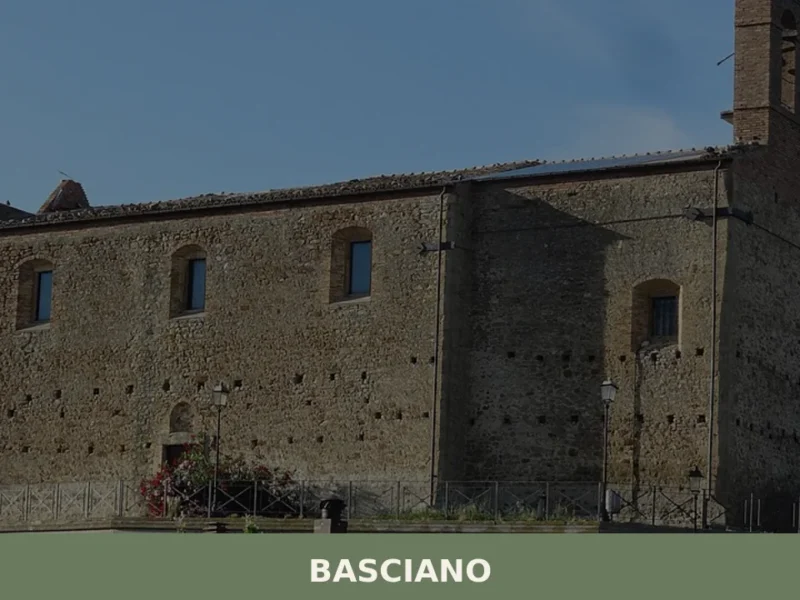
For visitors focusing on what to see in Teramo across a single day, these two churches sit close to the cathedral and can be visited in sequence, giving a grounded comparison of Romanesque, Baroque, and Gothic approaches in a compact urban circuit. Nearby, the village of Basciano, in the Tordino river valley, shares a similar Romanesque ecclesiastical heritage and can be reached within a short drive from the city centre.
Local food and typical products of Teramo
Teramo sits at a point where mountain agriculture and the commercial routes of the Adriatic coast have historically intersected.
The territory’s vineyards and olive groves, sustained by Mediterranean climate conditions on hillside terrain, have shaped a cooking tradition built around locally produced ingredients. The province’s position between the Gran Sasso massif and the coast means that both highland pastoral products and valley cereal farming feed into the local kitchen.
The city’s documented commercial relationships with Tuscany and Venice during the Renaissance period also introduced external culinary influences that layered onto the existing Praetutii and Roman food culture.
The most representative dish of the Teramo culinary tradition is virtù, a thick soup prepared on the first of May combining dried legumes — chickpeas, lentils, beans, and dried peas — with fresh spring vegetables, pork cuts, and pasta.
The preparation historically required using up the remaining winter stores alongside the first spring produce, making it a dish of precise seasonal transition rather than general abundance.
Maccheroni alla chitarra, pasta cut with a wire-strung frame called a chitarra (literally, guitar), is standard across the Teramo territory and is typically served with lamb ragù or a sauce built on tomato and local pork sausage.
Arrosticini, small skewers of castrated sheep meat grilled over a long, narrow charcoal brazier called a furnacella, are produced throughout the Abruzzo highlands and are a common fixture at outdoor events and local markets in the Teramo area. The texture relies on alternating pieces of lean meat and fat, grilled quickly over high heat.
The territory around Teramo also produces olive oil from groves established on the hillside terrain between 200 m and 400 m (656 ft and 1,312 ft) elevation.
Local wine production draws on grape varieties cultivated in the same hillside conditions, with the territory forming part of the broader Abruzzo DOC wine zone recognised for Montepulciano d’Abruzzo and Trebbiano d’Abruzzo.
For visitors wanting to connect food and landscape, the village of Elice, in the Pescara province of Abruzzo, is known for its olive oil production and sits within the same regional culinary frame as Teramo, making it a relevant stop for those tracing the agricultural geography of the region.
Local markets in Teramo operate on a regular weekly cycle in the city centre.
The cultural calendar includes the Maggio Festeggiante art exhibition held each May, and a dedicated week in October for an international photography and film event, both of which attract food and craft stalls alongside the main programming.
For speciality products including local pasta, cured meats, and olive oil, the city’s central market remains the most direct point of purchase for visitors.
Festivals, events and traditions of Teramo
The city’s patron saint is Berardo da Pagliara, who died in 1123 and whose feast day falls on 19 December.
As bishop of Teramo, Berardo holds both civic and ecclesiastical significance: he is honoured in the cathedral named after him and commemorated in the city’s central devotional calendar. The December feast involves religious ceremonies in the Cathedral of Saint Berardo, including processions through the historic centre. The winter date places the celebration within the Advent period, giving it a specific liturgical frame that distinguishes it from the summer festival cycle common to many Abruzzo towns.
The secular calendar runs alongside these religious observances.
The Maggio Festeggiante art exhibition takes place each May.
The Interamnia World Cup, an international handball tournament that has been held since its founding edition in 1972, takes place in summer and draws teams from multiple countries to the city. The Teramo Literary Prize also runs in summer. A week in October is assigned to an international photography and film event.
Together these four recurring fixtures give Teramo a cultural programme distributed across spring, summer, and autumn, meaning that visitors planning around events have multiple windows throughout the year rather than a single concentrated festival period.
When to visit Teramo, Italy and how to get there
The climate in the Teramo area is described as fresh-temperate. January averages around 5.5 °C (41.9 °F) and July averages around 24 °C (75 °F). Winter brings significant snowfall, as recorded notably in 2005, which affects road access to higher elevations.
Precipitation concentrates mainly in late spring.
For most international visitors, the best time to visit Abruzzo and specifically Teramo is between late April and June, when temperatures are moderate, the late-spring precipitation has largely cleared, and the Maggio Festeggiante exhibition is running. September and early October offer similar conditions with the added draw of the literary prize and the photography week. Summer visits in July and August are workable given the 24 °C average, though this is also the busiest period for Italian domestic tourism in the region.
Teramo is reachable by car from two major motorways.
The A24 (Rome–L’Aquila–Teramo) provides direct access from Rome, covering the 150 km (93 mi) distance in approximately 1 hour 45 minutes depending on traffic. The A14 Adriatic motorway connects from the coast, with the Teramo–Giulianova exit serving the city from the east. For those travelling by rail, the nearest major rail hub is Pescara, approximately 60 km (37 mi) from Teramo, with connections to the national network via Trenitalia.
Regional bus services connect Pescara railway station to Teramo city centre.
The nearest airport with regular scheduled flights is Pescara Abruzzo Airport, roughly 60 km (37 mi) from the city centre. For visitors arriving from Rome, a day trip from the capital is feasible given the motorway distance, though an overnight stay allows time for the Roman remains, the cathedral, and a walk through the medieval centre without rushing. International visitors should note that English is not widely spoken in smaller shops and market stalls; carrying some euro cash is practical, as card payment is not universal at local markets and smaller establishments.
The official municipality website provides updated information on civic services and local events.
Visitors extending their time in the province can reach the village of Castiglione Messer Marino, in the southern part of the Teramo province bordering Molise, which shares the same mountain agricultural economy and pre-Roman settlement history that characterises the broader Abruzzo interior.
Those with a specific interest in medieval defensive architecture may also find the village of Carunchio relevant — it preserves a compact historic centre on an elevated ridge in the Sangro valley, representing the kind of small-scale fortified settlement that once dotted the same provincial network as Teramo before the city grew into a regional capital.
Frequently asked questions about Teramo
What is the best time to visit Teramo?
Spring (April–June) and early autumn (September–October) offer the most pleasant conditions: mild temperatures, olive groves and vineyards in full colour, and fewer crowds than the Adriatic coast nearby. The first of May is locally significant as the traditional date for preparing virtù, the city's iconic seasonal soup. The most important civic and religious event is the feast of the patron saint Berardo da Teramo, celebrated on 19 December, with ceremonies centred on the Cathedral of Saint Berardo. Summer brings the international handball tournament, active since 1972.
What are the historical origins of Teramo?
Teramo's name derives from the Latin Interamnia Praetuttiorum, meaning 'settlement between two streams', a reference to its position at the confluence of the Vezzola and Tordino rivers. The Praetutii, an Italic tribe, established a significant regional capital here before Roman expansion. In 290 BC the consul Manius Curius Dentatus incorporated the territory into Rome; under Emperor Hadrian the city reached its peak with temples, thermal baths, a theatre, and an amphitheatre. Ancient writers Varro, Festus, Ptolemy, Livy, and Pliny all documented it. The name contracted from Interamna through Teramne to modern Teramo during the Middle Ages.
What to see in Teramo? Main monuments and landmarks
The Cathedral of Saint Berardo (begun 1158) houses a 35-panel silver antependium by Nicola da Guardiagrele and a polyptych by Jacobello del Fiore, with a 50-metre bell tower alongside. The Torre Bruciata on Piazza Sant'Anna is a 2nd-century BC Roman tower in opus quadratum, its scorched stonework a direct record of the 1156 Norman siege. The Roman theatre (c. 30 BC) and amphitheatre (3rd–4th century AD) remain partially in situ in the city centre. The Sanctuary of the Madonna delle Grazie holds a Romanesque cloister and a 15th-century carved wooden statue attributed to Silvestro dell'Aquila.
What are the main natural or scenic attractions of Teramo?
Teramo sits at 265 m above sea level at a precise geographic crossroads: the Gran Sasso massif rises to the west and the Adriatic coastline lies to the east, with olive groves and vineyards covering the intervening slopes. The Gran Sasso e Monti della Laga National Park, one of the largest protected areas in the Apennines, is directly accessible from the city and offers documented CAI trails across high-altitude terrain. The confluence of the Vezzola and Tordino rivers at the foot of the city centre is a natural landmark that shaped both the settlement's name and its urban layout.
Where to take the best photos in Teramo?
The base of the Torre Bruciata on Piazza Sant'Anna gives a direct view of the Roman opus quadratum stonework and its visible burn marks — best photographed in morning or late afternoon light when shadows define the stone texture. The Gothic portal of the Cathedral of Saint Berardo, completed in 1332 by Deodato di Cosma, rewards close-up detail shots. For wider urban views, the hillside position of the city centre offers sightlines toward the Gran Sasso massif to the west. The Romanesque cloister at the Sanctuary of the Madonna delle Grazie is best visited early, when it receives direct morning light.
Are there museums, churches or historic buildings to visit in Teramo?
In addition to the cathedral and Torre Bruciata, the Church of Sant'Antonio (1127) retains a decorated Romanesque portal contrasting with its later Baroque interior. The Church of San Domenico (14th century) holds a Virgin with Child sculpture. Beneath Palazzo Savini, excavations exposed a 1st-century BC opus tessellatum mosaic pavement depicting a fighting lion. The Observatory of Collurania, founded in 1890 by astronomer Vincenzo Cerulli, is a documented scientific institution. The University of Teramo, established in 1993, operates a functioning campus in the city. Verify current opening hours and admission fees directly with each site before visiting.
What can you do in Teramo? Activities and experiences
The city serves as a practical base for Gran Sasso e Monti della Laga National Park, with CAI-marked trails accessible from the surrounding territory. An international handball tournament has been held in Teramo since 1972, drawing sporting visitors each year. Food-focused visits can coincide with the 1 May virtù preparation tradition or local markets featuring arrosticini, maccheroni alla chitarra, and provincial olive oil and wine. The compact historic centre — cathedral, Torre Bruciata, Roman remains, and two Romanesque churches — can be covered on foot in a single day, making the city well suited to short cultural itineraries.
Who is Teramo suitable for? Families, couples, hikers, solo travelers?
Teramo suits a broad range of visitors. History enthusiasts and architecture lovers will find a layered urban record spanning pre-Roman burial sites, a 2nd-century BC Roman tower, a medieval cathedral, and Baroque churches in a walkable city centre. Hikers and outdoor travellers use it as a gateway to Gran Sasso e Monti della Laga National Park. Food-focused travellers come for virtù, arrosticini, and maccheroni alla chitarra. The 19 December feast of Saint Berardo and the 1 May virtù tradition attract those interested in living local customs. Families benefit from the city's full services, university-town atmosphere, and proximity to both mountains and the Adriatic coast.
What to eat in Teramo? Local products and specialties
Virtù is the most representative dish: a thick soup of dried legumes, fresh spring vegetables, pork, and pasta, prepared on 1 May to mark the seasonal transition from winter stores to spring produce. Maccheroni alla chitarra — pasta cut on a wire-strung frame — is served with lamb ragù or tomato and local pork sausage. Arrosticini are small skewers of castrated sheep meat grilled on a furnacella charcoal brazier, common at outdoor events throughout the Abruzzo highlands. The provincial territory produces olive oil and wine from hillside groves and vineyards sustained by the Mediterranean climate between Gran Sasso and the Adriatic coast.
📷 Photo Gallery — Teramo
Nearby Villages near Teramo
In Abruzzo More villages to discover
Ocre
 Mountain
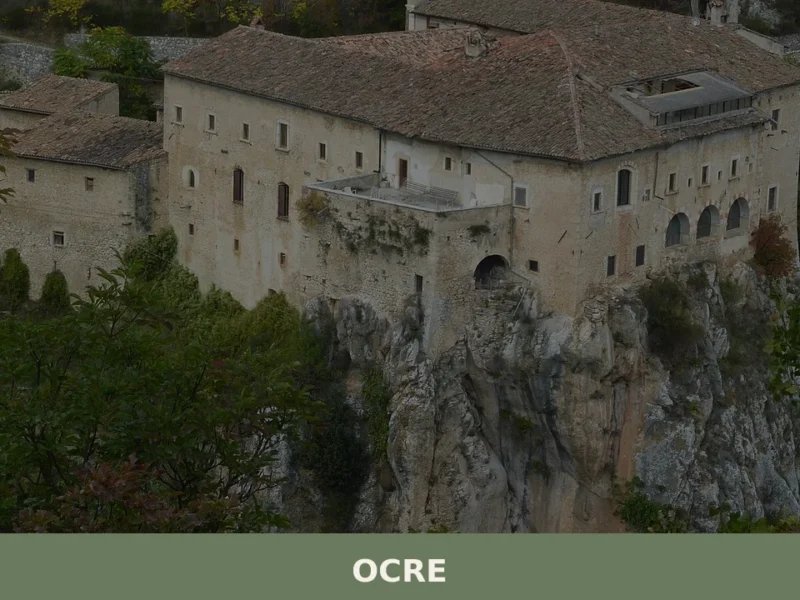
What to see in Ocre, Italy: discover historical landmarks and local festivals in this Abruzzo village of 1,133 inhabitants. Explore the castle ruins and traditional events.
Vacri
 Sea
Sea
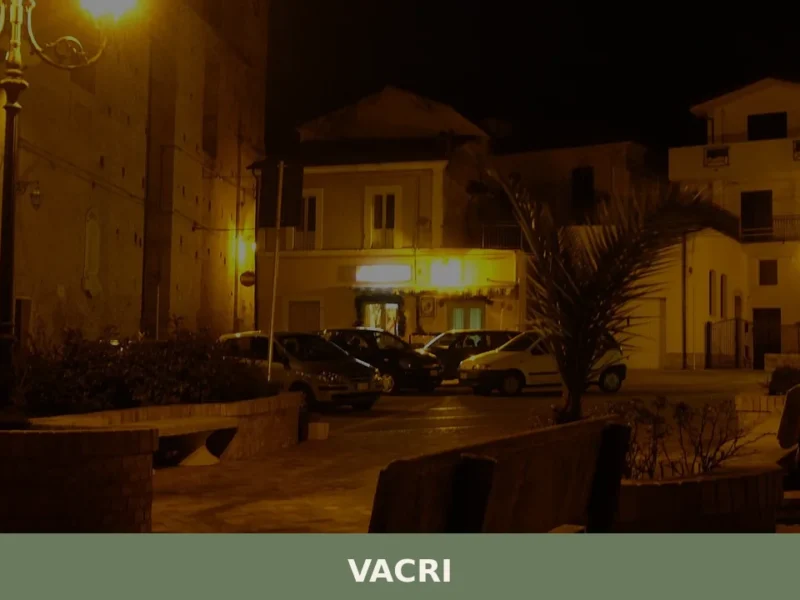
What to see in Vacri? Explore the 5 must-see attractions of this Abruzzese village. Discover history and breathtaking views. Read on and plan your itinerary!
Sant’Eufemia a Maiella
Mountain
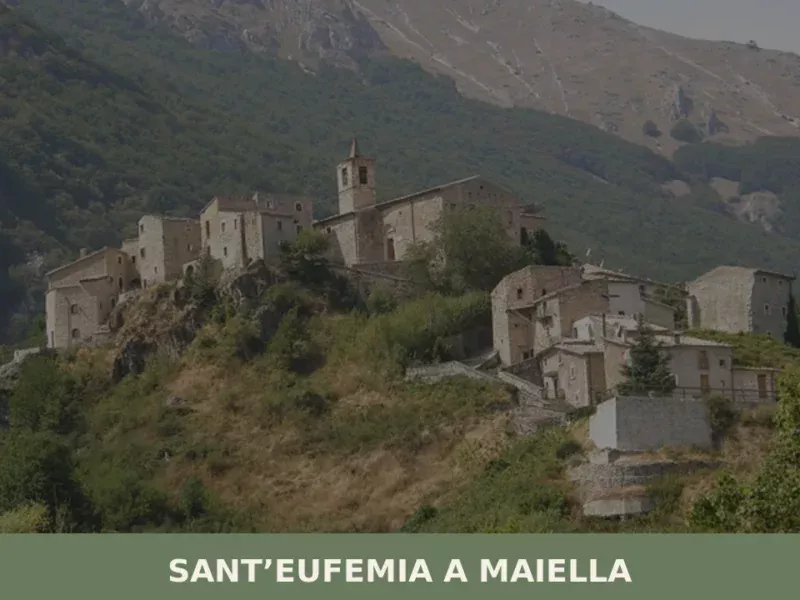
Scopri le 5 attrazioni imperdibili di Sant'Eufemia a Maiella, un pittoresco borgo dell'Abruzzo tra natura, storia e tradizioni montane.
Santa Maria Imbaro
Sea
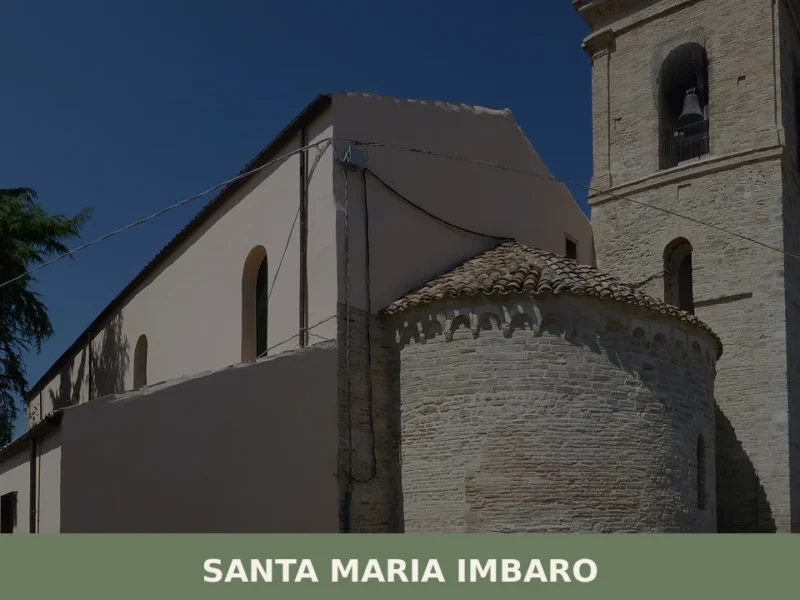
The hill that supports Santa Maria Imbaro stands out sharply against the outline of the Chieti countryside: the low rooftops, the local stone façades and the bell tower of the parish church form a compact silhouette that can be read from the provincial road, even before turning into the village. The local dialect calls it […]
Picciano
Hills
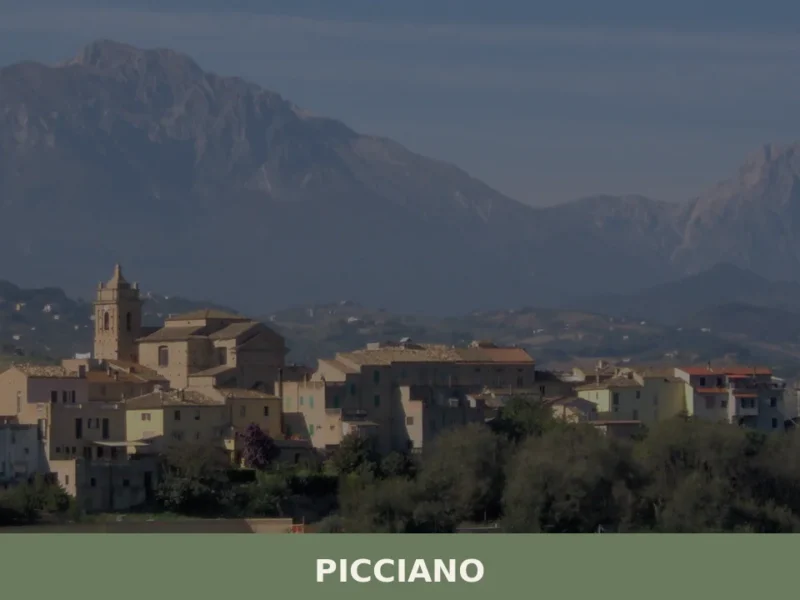
What to see in Picciano, Italy: Discover the historical village of Picciano (population 1,398). Explore its early medieval origins and panoramic Abruzzo views.
Arsita
Hills
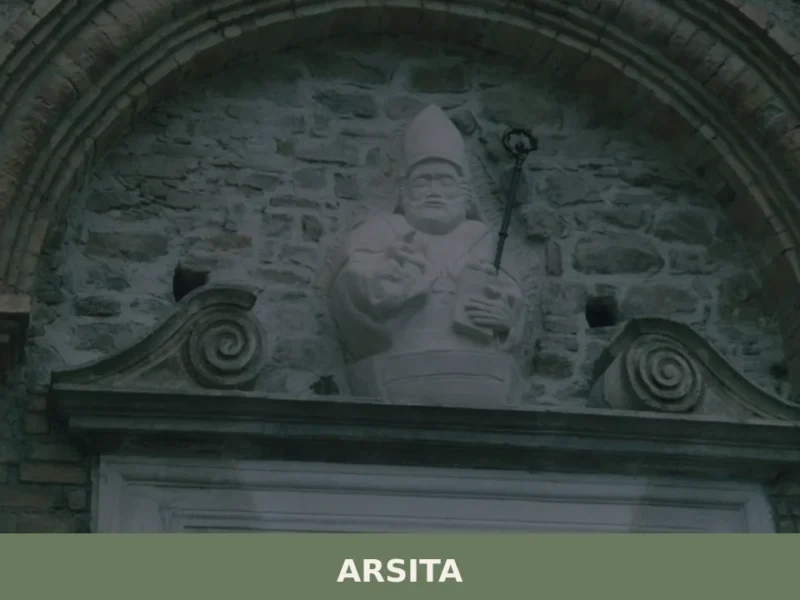
Until 1905, this village was called Bacucco, a name likely derived from the Latin bacuca, which referred to olives that had fallen to the ground — a direct reference to the agricultural character of the area. Situated at 470 metres above sea level on the hills of the Teramo province, Arsita and its 733 inhabitants […]
Villa Sant’Angelo
Mountain
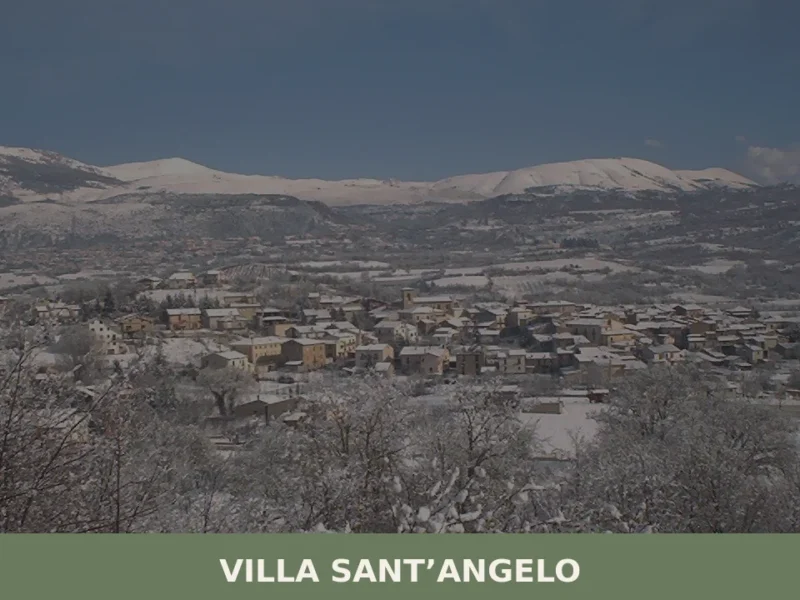
What to see in Villa Santu2019Angelo? Discover 5 must-see attractions and the history of the ancient village. Plan your guided visit now!
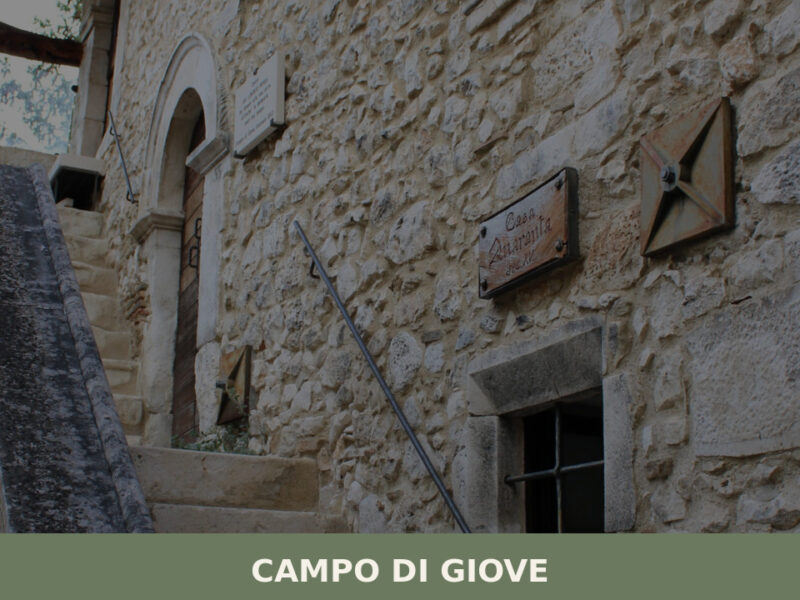
Campo di Giove
Mountain
A mountain village at 1,064 metres beneath the Majella massif. Discover what to see in Campo di Giove — medieval stone houses, highland pastures, and quiet trails.
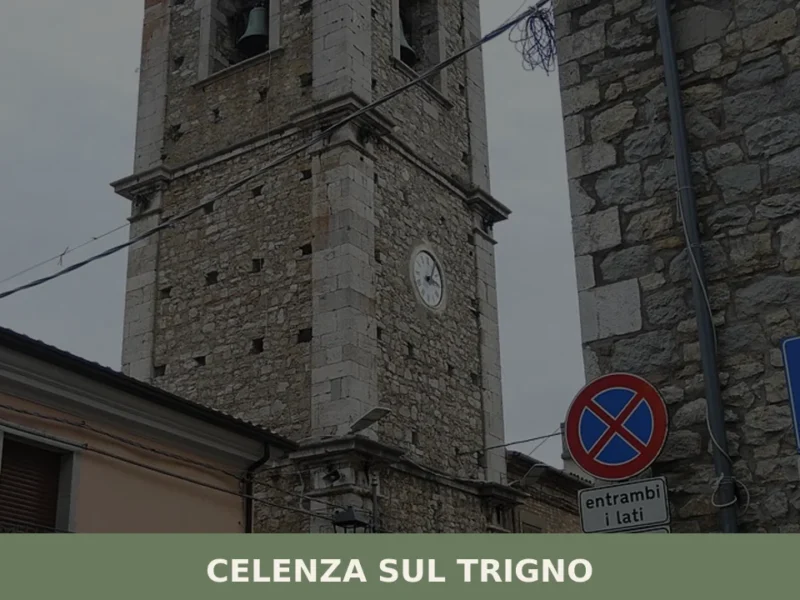
Celenza sul Trigno
Mountain
At 646 metres above sea level, with 781 registered residents, Celenza sul Trigno occupies a ridge separating the Trigno river valley from the Treste stream, in the province of Chieti. The village appears in medieval documents as a Norman possession, and its urban layout preserves the concentric plan typical of 12th-century fortified settlements. Anyone wondering […]
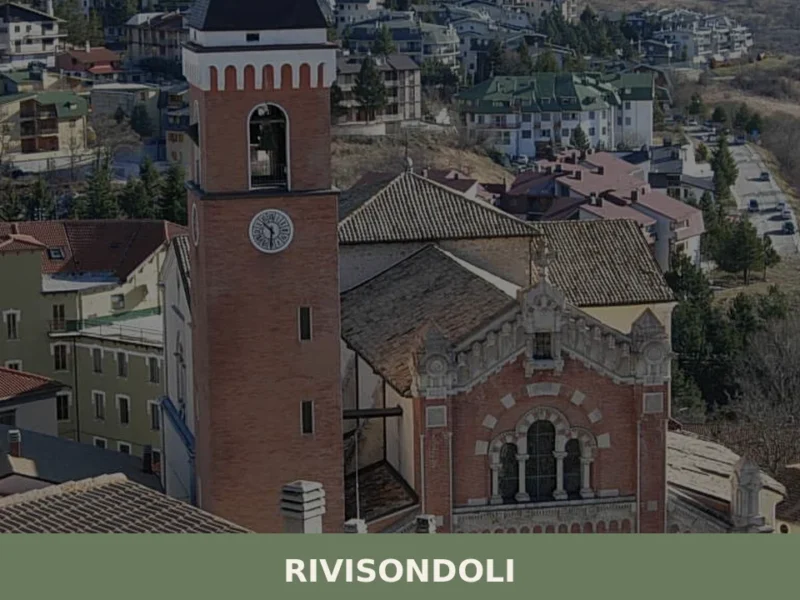
Rivisondoli
Mountain
What to see in Rivisondoli, Italy: ski slopes, medieval history since 724 AD, and mountain cuisine. Explore this 684-resident Abruzzo village. Discover it now.

🏡 Know Teramo better than we do?
If you’re a local or have been there, your knowledge matters: add what’s missing or fix a detail on this page.