


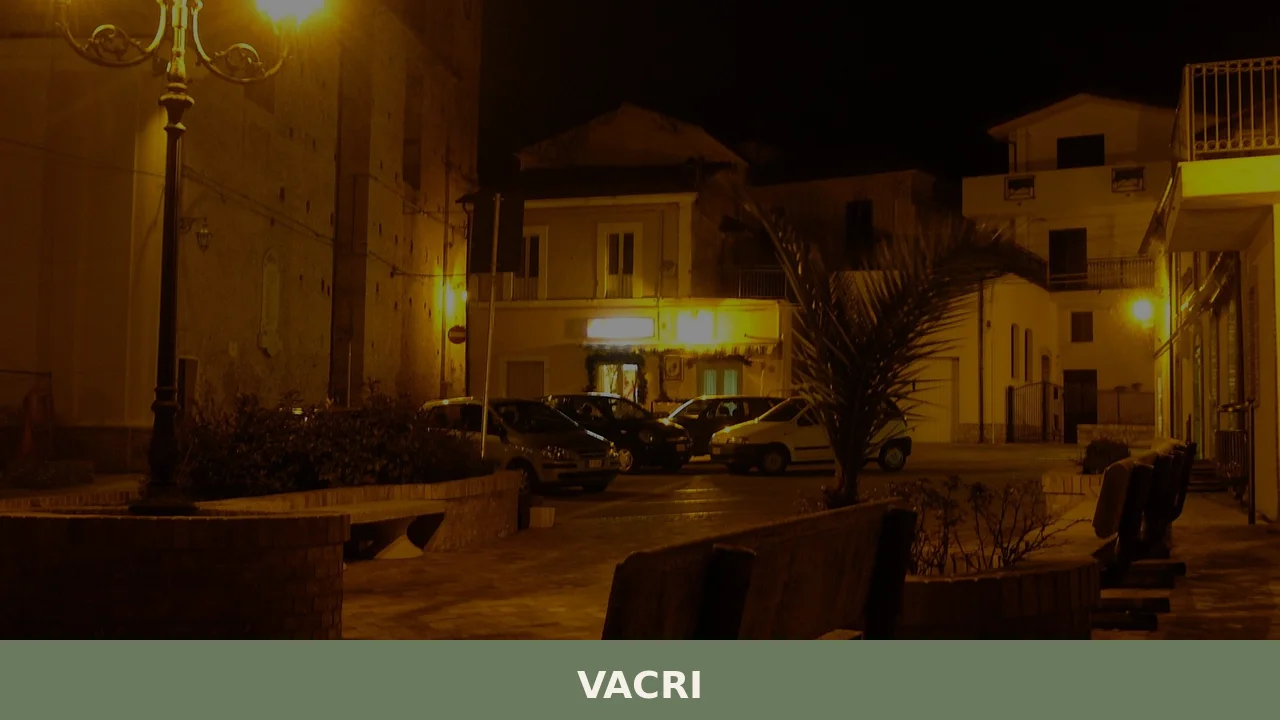
Vacri
 Sea
Sea
What to see in Vacri? Explore the 5 must-see attractions of this Abruzzese village. Discover history and breathtaking views. Read on and plan your itinerary!
Discover Vacri
One thousand four hundred and sixty-six souls recorded in the latest official data, a hilltop ridge looking out over the Foro Valley, and a historic centre where local sandstone colours the facades a warm yellow that shifts to grey in the rainy hours.
Vacri belongs to the province of Chieti, in the central-western sector of coastal Abruzzo, a short distance from the Foro river that gave its name to the entire union of municipalities of which the village is part.
The compact urban fabric, the streets that rise and fall following the natural contour of the hill, the church that closes the perspective of every main alleyway: these are the details that visitors notice first.
What to see in Vacri is a question that finds a concrete answer within the very first hours of exploration: the village offers historic places of worship, views over the Chieti hilly landscape, a gastronomic context rooted in Abruzzo tradition, and the opportunity to travel to the municipalities of the Foro Valley within just a few kilometres.
Those who come here find a village of approximately 1,681 inhabitants belonging to the Union of Municipalities of the Foro Valley, an administrative body that coordinates services and territorial promotion for the entire area.
The main attractions include the parish churches, the surrounding agricultural landscape, and the local cuisine that reflects the farming tradition of the Chieti hinterland.
History and origins of Vacri
The origins of Vacri lie within the context of medieval settlement of the Chieti hills, a process common to many settlements in inland Abruzzo that developed on defensible heights to control communication routes and the watercourses below.
The territory of the Foro river, which flows through the valley immediately to the north of the built-up area, represented for centuries a water resource and a transit route, shaping the distribution of rural settlements along the hillsides.
The position of Vacri responds to this logic: an elevated point that guarantees visual control over the plain below without exposing its inhabitants to the river’s flooding.
Throughout the Middle Ages the village followed the political and feudal events that characterised the entire Abruzzo region under Norman rule first and Angevin rule later.
The province of Chieti, of which Vacri is part, was the scene of continuous redefinitions of feudal boundaries between the 12th and 14th centuries, and small hilltop municipalities such as Vacri were often subject to the authority of local noble families who controlled surrounding castles and lands.
The current urban structure, with the historic core concentrated around the main church, reflects this type of medieval organisation in which the place of worship served as the gathering point for the entire community.
A useful comparison for those studying these settlements is that with Colledimacine, another municipality in Chieti that preserves similar traces of medieval hilltop settlement in the Abruzzo hinterland.
Between the 19th and 20th centuries Vacri underwent the demographic and social transformations that marked all rural municipalities in Abruzzo: emigration towards the coastal cities and northern Italy, the progressive mechanisation of agriculture, and the reduction of the population working in the fields.
The municipality nonetheless maintained its administrative autonomy and today forms part of the Union of Municipalities of the Foro Valley, an association that includes the riverside and hilltop municipalities of the eponymous river basin in the province of Chieti.
This associative choice reflects a widespread trend among small Abruzzo municipalities to share services and resources in order to guarantee efficient administration despite their limited size.
What to See in Vacri: Main Attractions
Parish Church of San Nicola di Bari
The parish church dedicated to San Nicola di Bari is the main architectural and spiritual landmark of the village. Its façade, built in local masonry, overlooks the central square, while the stone bell tower punctuates the skyline of the historic centre, visible from a distance.
The building preserves interior decorative elements dating from the 17th and 18th centuries, a period during which many rural Abruzzese churches were enlarged and enriched with side altars and devotional paintings.
The structure reflects the typical model of hillside churches in the province of Chieti: a single nave, side chapels, and a raised presbytery. Those who enter during the morning hours find the light filtering through the side windows in a way that highlights the details of the carved stone altars.
The square in front of the church is the most frequented public space in the village, particularly lively during the patron saint festivities in December.
Panorama over the Foro Valley
From the highest point of the historic centre, set at an elevation above the valley floor average, the gaze takes in the entire Foro Valley to the east and, on days with optimal visibility, reaches the Adriatic coast some 25–30 km away as the crow flies.
The Foro River, which gives its name to the union of municipalities of which Vacri is a part, flows across the plain below, tracing a winding course between cultivated fields and riparian vegetation.
This natural viewpoint is not equipped with permanent structures, but it is one of the main reasons why visitors who come to Vacri make their way up to the historic core rather than stopping in the lower part of the village. The autumn period, between October and November, offers the clearest view of the agricultural landscape, when the fields display the colours of the harvest and the air is cleaner than in summer.
Historic Centre and Rural Architecture
The building fabric of Vacri’s historic centre consists predominantly of homes in local stone and brick, constructed between the 18th and 19th centuries using traditional building techniques from the Chieti hinterland.
The carved stone doorways, some of which preserve simple decorative elements such as mouldings and rectangular-profile frames, bear witness to the artisanal care that local families devoted to the entrances of their homes even in modest economic circumstances.
The internal streets, narrow and laid out according to the natural slope of the hill, follow a layout that in many places dates back to the medieval plan of the village.
Those who walk through the historic centre on foot can observe how the houses lean against one another to save on materials and retain warmth — a rational building solution as much as an aesthetic one.
The oldest part of the urban core can be reached on foot in approximately 10–15 minutes of walking from the main car park.
Agricultural Land and Hilly Landscape
The municipal territory of Vacri extends across a hilly agricultural landscape typical of the pre-Apennine belt of the Chieti area, with cereal crops, vineyards, and olive groves occupying the south- and east-facing slopes.
Viticulture and olive farming have deep roots in this part of the province of Chieti, where the pedoclimatic conditions — clay-calcareous soils and significant temperature fluctuations between summer and winter — favour quality production.
Travelling along the municipal roads that connect Vacri to the neighbouring villages means crossing an agricultural landscape where rows of vines alternate with wheat fields and olive plots. In spring, between April and May, the slopes display spontaneous vegetation along the edges of cultivated fields, with poppies and daisies blooming along the margins of ploughed land.
Those who visit Vacri during this period find the surrounding landscape at its most visually varied.
Union of Municipalities of the Foro Valley and Local Itineraries
Vacri is part of the Union of Municipalities of the Foro Valley, a supra-municipal body comprising several centres in the province of Chieti that share membership in the Foro river basin.
For the visitor, this affiliation translates into the opportunity to build an itinerary spanning multiple municipalities in a single day, travelling along provincial roads that connect the hillside villages to one another and to the valley floor.
The distances between the municipalities of the Union are short — in the range of 5–15 km — and allow for travel by car or bicycle on low-traffic roads. Those wishing to deepen their knowledge of inland Abruzzo can continue towards Corfinio, a municipality in the province of L’Aquila of great historical significance that preserves the cathedral of San Pelino and remains of the ancient Italic city of Corfinium, reachable in approximately one hour by car along the Peligna Valley.
Local cuisine and products of Vacri
The cuisine of the Vacri area belongs to the gastronomic tradition of the inland Chieti territory, a peasant cuisine built around the products of local agriculture — cereals, pulses, garden vegetables — and the meats from sheep and pig farming that for centuries defined the rural economy of this hilly strip of land.
The geographical influence is twofold: on one hand, the proximity to the Adriatic coast, which brings preserved fish and salt cod preparations into the local diet; on the other, the mountain tradition of the inland areas, with its cuts of sheep meat processed using dry-curing or oil-preserving techniques.
This dual heritage is common throughout the province of Chieti and can still be found in domestic preparations used by local families today.
Among the dishes of local tradition, sagne ‘ncannulate represent a fresh pasta format typical of southern Abruzzo, made with durum wheat flour and water, rolled out by hand and cut into wide strips that are then coiled around themselves before cooking.
The traditional condiment calls for a sauce of lamb or pork, slow-cooked with tomato and local aromatics.
Pecora alla callara, a preparation of boiled mutton with seasonal vegetables and spices in a large copper pot, is another dish deeply rooted in the pastoral culture of this part of Abruzzo. Baccalà alla chietina, cooked with tomatoes, black olives and dried peppers, instead reflects the ties to the Adriatic tradition and the historic trade routes that brought Nordic fish into the peninsular hinterland.
As regards certified products, the available database does not record any PDO, PGI or PAT certifications specifically attributed to the municipal territory of Vacri.
The province of Chieti is, however, a recognised production area for denomination-of-origin wines — in particular Montepulciano d’Abruzzo DOC and Trebbiano d’Abruzzo DOC — which are produced across vineyards spread throughout the entire hilly Chieti strip.
Similarly, the extra virgin olive oil produced in the hills around Vacri falls within the production area of the Aprutino Pescarese PDO and the Chieti olive-growing productions, although specific certification for the municipality of Vacri is not documented in the available sources.
Those looking for local products can turn to the weekly markets of neighbouring municipalities and to the farms of the Foro valley floor.
The summer and autumn food festivals held in the municipalities of the Vallata del Foro represent the best opportunity to taste these preparations in a festive setting.
The months of August and September concentrate the majority of gastronomic events in the Chieti area, with evenings dedicated to fresh pasta, grilled mutton and local wines.
For up-to-date information on specific events in the area, the reference point is the official website of the Municipality of Vacri, where initiatives by the local administration and the Union of Municipalities are published.
Festivals, events and traditions of Vacri
The patron saint’s feast of San Nicola di Bari, celebrated on 6 December, is the principal religious event in the Vacri calendar.
The occasion includes a solemn service in the parish church followed by a procession through the streets of the historic centre, with the statue of the saint carried on the shoulders of the faithful. Devotion to San Nicola is widespread throughout the Adriatic and Apennine areas of Abruzzo, where the Bishop of Myra is venerated as the protector of travellers and sailors — a dual significance that in local tradition reflects the historic ties between the hilly hinterland and the Adriatic coast.
The December celebration brings together residents and the many emigrants who return to the village for the winter festivities, making this occasion also a moment of reunion for the diaspora community.
In the summer calendar, the months of July and August bring to Vacri and the neighbouring municipalities of the Unione della Vallata del Foro a series of initiatives linked to the tourist season, including musical evenings in the main square and convivial gatherings organised by local associations.
The tradition of the living nativity scene, present in many hilly municipalities of the Chieti area during the Christmas period, is documented in several villages in the area. For precise details on the annual programme of events, it is advisable to check directly with the Municipality or the local pro loco, as dates and formats may vary from one year to the next.
When to Visit Vacri and How to Get There
The best time to visit Vacri depends on the visitor’s main interests. Those who favour the agricultural landscape will find spring — from April to June — to be the most favourable season, with fields in full vegetative activity and mild temperatures that make walking through the historic centre and surrounding area a pleasure.
Summer concentrates most local events, but July and August temperatures in the Chieti hinterland can be high during the central hours of the day.
Autumn, between September and November, is the season of the grape harvest and olive picking: the agricultural landscape shows its most dynamic configuration and local markets offer fresh seasonal produce.
The patron saint’s feast on 6 December provides a specific reason for a winter visit, when the historic centre comes to life in an unusual way compared to the quietness of the other cold months.
To reach Vacri by car, the most direct connection from the A14 Bologna-Taranto motorway requires exiting at the Lanciano or Pescara Sud – Francavilla al Mare toll gates, both approximately 20-25 km from the village centre, reachable in 25-35 minutes by following the SS81 and SP provincial roads.
Those arriving from the inland side can use the SS5 Tiburtina Valeria and then the provincial roads that climb towards the Foro Valley.
The nearest railway station is Lanciano, on the Pescara-Castel di Sangro line operated by Trenitalia, approximately 20 km from Vacri; from there it is necessary to continue by private transport or local bus connections, whose frequency is limited and subject to seasonal variations: check updated timetables before departure.
The nearest airport is the Abruzzo International Airport in Pescara, approximately 35 km away, connected to the main Italian and European cities with direct flights.
| Departure point | Distance | Estimated time |
|---|---|---|
| Pescara (airport) | approximately 35 km | 40-50 minutes by car |
| Lanciano (railway station) | approximately 20 km | 25-30 minutes by car |
| A14 Pescara Sud toll gate | approximately 25 km | 30-35 minutes by car |
| Chieti city | approximately 22 km | 25-30 minutes by car |
Those planning a broader itinerary through northern Abruzzo can include Vacri in a route that takes in other villages in the province.
To the north, in the L’Aquila area, Cagnano Amiterno represents a point of interest for those studying Apennine medieval settlement, with its historic structures set within the Piana di Amiterno.
To the east, in the Teramo mountain belt, Fano Adriano offers a completely different landscape profile, with the Gran Sasso as an immediate backdrop and a mountain economy based on livestock farming and mountain-related activities.
Both destinations can be reached from Vacri in approximately an hour and a half of driving, making a two-day itinerary possible that crosses three different altitudinal zones of inland Abruzzo.
Frequently asked questions about Vacri
What is the best time to visit Vacri?
The best times to visit Vacri are spring (April-May) for its vibrant agricultural landscape, when wildflowers like poppies and daisies bloom across the hillsides, and autumn (October-November) for exceptionally clear views over the Foro Valley and the Adriatic coast, with fields displaying harvest colours. Winter offers specific local charm during the patron saint festivities: San Nicola di Bari in December, and San Biagio Vescovo e Martire on February 3rd, which is the village's official patron saint's day. These periods highlight Vacri's natural beauty and authentic traditions.
What to see in Vacri? Main monuments and landmarks
Vacri offers a glimpse into authentic Abruzzese village life. The main landmark is the Parish Church of San Nicola di Bari, dominating the central square with its stone bell tower and preserving 17th-18th century interior details. From the highest point of the historic centre, visitors can enjoy a Panorama over the Foro Valley, extending on clear days to the Adriatic coast. Exploring the Historic Centre itself is an attraction, with its narrow medieval streets and traditional 18th-19th century homes built from local stone, reachable within a 10-15 minute walk from the main car park. The surrounding Agricultural Landscape also provides scenic routes.
What are the main natural or scenic attractions of Vacri?
Vacri's primary natural attraction is the breathtaking Panorama over the Foro Valley, accessible from the historic centre's highest point. This viewpoint offers expansive vistas across the cultivated valley, with the winding Foro River below, and on clear days, the distant Adriatic coast (approximately 25-30 km away). The surrounding Hilly Agricultural Landscape is also a significant scenic draw, characterized by a mosaic of vineyards, olive groves, and cereal fields. Visitors can explore this picturesque environment by traveling along the municipal roads connecting Vacri to neighboring villages, particularly vibrant with wildflowers in spring.
Where to take the best photos in Vacri?
For stunning photographs, head to the highest point of Vacri's historic centre to capture the panoramic view over the Foro Valley, stretching towards the Adriatic coast on clear days. The narrow, winding streets and traditional stone houses of the historic core offer charming architectural details and picturesque alleys. Additionally, the surrounding agricultural landscape, with its rows of vineyards, olive groves, and cereal fields, provides beautiful photo opportunities, especially in spring (April-May) when wildflowers like poppies and daisies bloom along the field margins, creating vibrant colours.
Are there museums, churches or historic buildings to visit in Vacri?
Yes, Vacri features the Parish Church of San Nicola di Bari, the village's main place of worship. It showcases 17th and 18th-century interior decorative elements typical of rural Abruzzese churches, with a single nave, side chapels, and a raised presbytery. While specific visiting hours are not provided, it's generally accessible during religious services. The historic centre itself is a living museum of rural architecture, with homes built from local stone and brick between the 18th and 19th centuries, featuring carved stone doorways and streets that follow a medieval layout.
What can you do in Vacri? Activities and experiences
In Vacri, visitors can explore the charming historic centre on foot, discovering its traditional stone architecture and medieval street plan. Enjoy the panoramic views over the Foro Valley and towards the Adriatic coast from the village's highest points. The area is ideal for scenic drives or cycling tours along low-traffic provincial roads, connecting Vacri to other municipalities within the Union of Municipalities of the Foro Valley, such as Ari, Filetto, and Villamagna, all within short distances (5-15 km). This allows for easy day trips to discover more of the Chieti hinterland and its agricultural landscapes. Don't forget to savour the local Abruzzese cuisine.
Who is Vacri suitable for? Families, couples, hikers, solo travelers?
Vacri is ideal for travelers seeking an authentic Abruzzese village experience, particularly those interested in history, local culture, and scenic landscapes. It appeals to couples and solo travelers looking for peaceful exploration, charming architecture, and genuine gastronomy. Families can enjoy gentle strolls through the historic centre and scenic drives through the agricultural hills. Its location within the Foro Valley Union makes it perfect for slow tourism enthusiasts and cyclists who wish to discover multiple small villages and the rich agricultural hinterland at a relaxed pace.
What to eat in Vacri? Local products and specialties
Vacri's cuisine reflects the rich gastronomic traditions of the inland Chieti area, blending peasant ingredients with influences from both the Adriatic coast and mountain regions. Specialties include fresh pasta dishes like sagne 'ncannulate. Expect dishes featuring local agricultural products such as cereals, pulses, and garden vegetables, alongside sheep and pork meats, often prepared using traditional dry-curing or oil-preserving techniques. Given its coastal proximity, preserved fish and salt cod preparations also feature in the local diet. Don't miss the excellent local wines and olive oil, products of the area's deep-rooted viticulture and olive farming.
📷 Photo Gallery — Vacri
Nearby Villages near Vacri
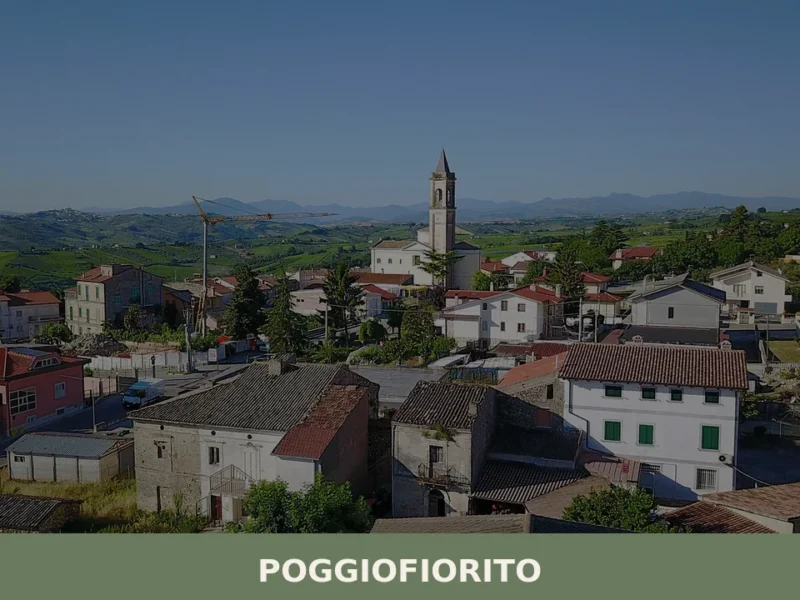
In Abruzzo More villages to discover
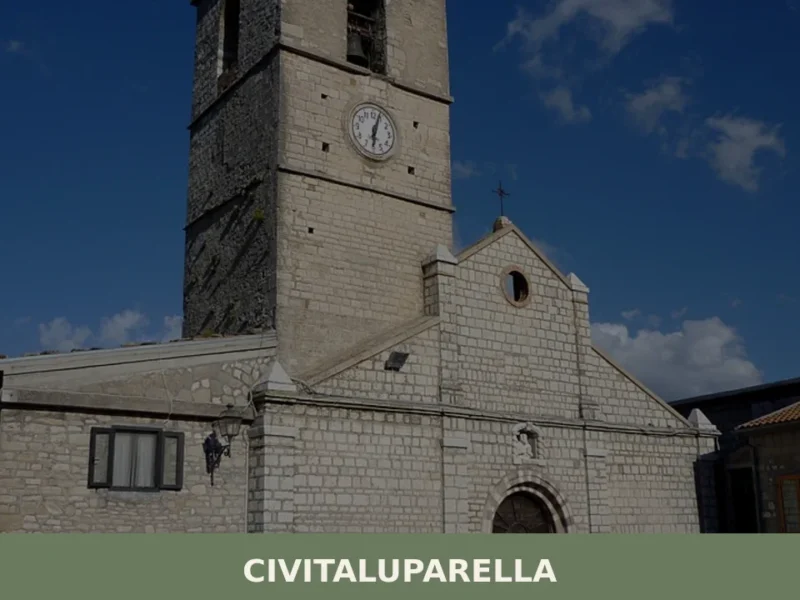
Civitaluparella
 Mountain
At 903 metres above sea level, on the eastern slope of the Majella descending towards the Aventino river, Civitaluparella has 281 inhabitants spread across a compact urban core of medieval origin. The place name most likely derives from “Civitas Luparella”, a direct reference to the historical presence of wolves in the dense surrounding woodlands. Anyone […]
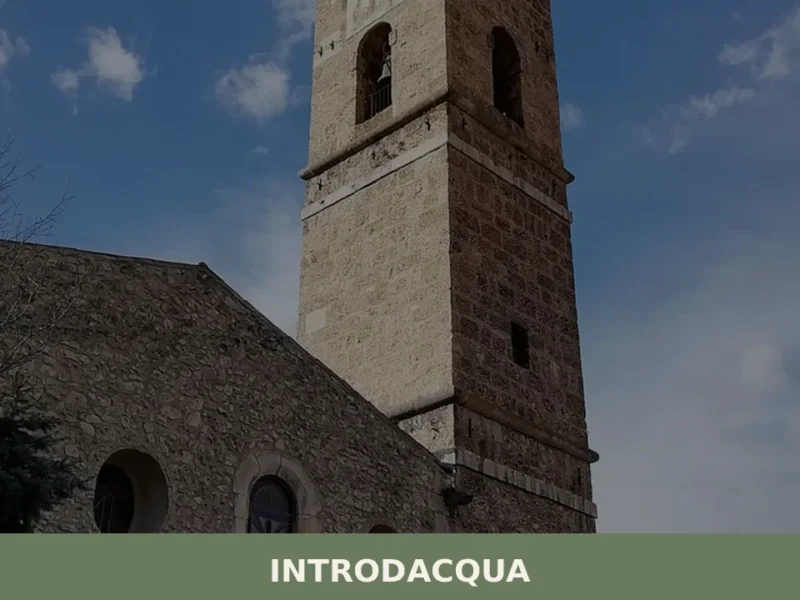
Introdacqua
Mountain
At 642 metres above sea level, at the exact point where three watercourses — the Gizio, the Nera and the San Callisto — converge in the Peligna valley, stands Introdacqua, whose Latin name Intro Acquas records this confluence of waters. The village has a current population of 2,117 and retains an urban layout reflecting at […]
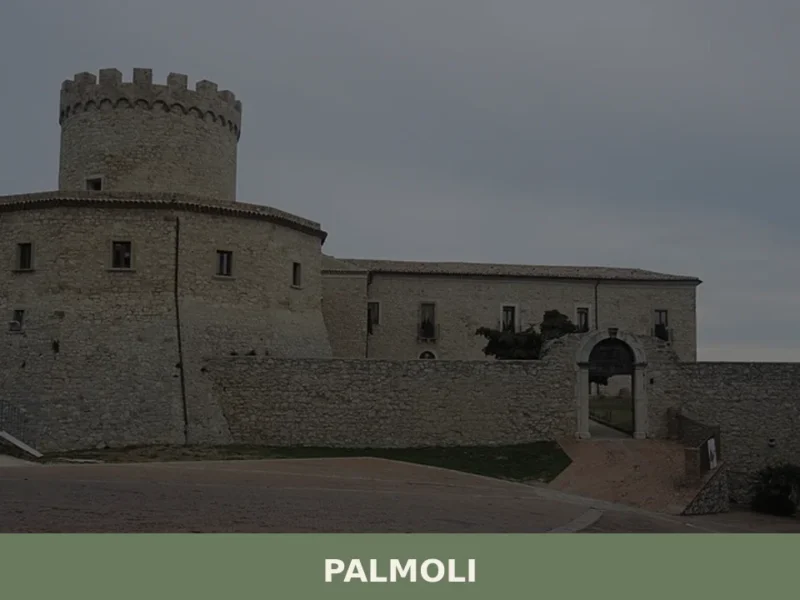
Palmoli
Mountain
What to see in Palmoli: explore the village at 727 meters above sea level. Discover the Marchesale Castle and the Church of San Valentino. Plan your visit today!
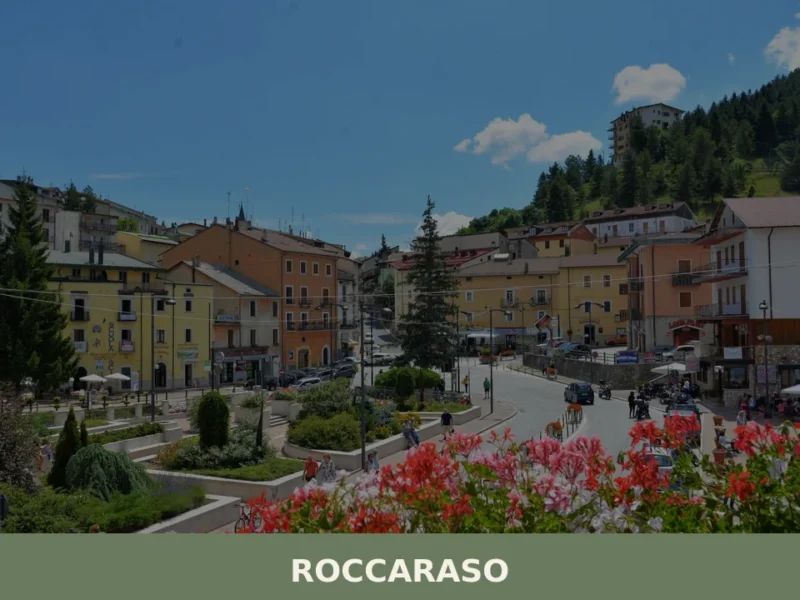
Roccaraso
Mountain
What to see in Roccaraso, Abruzzo, Italy: ski slopes at 1,236 m, the Church of Santa Maria Assunta, and the Alto Sangro ski area. Discover top attractions now.
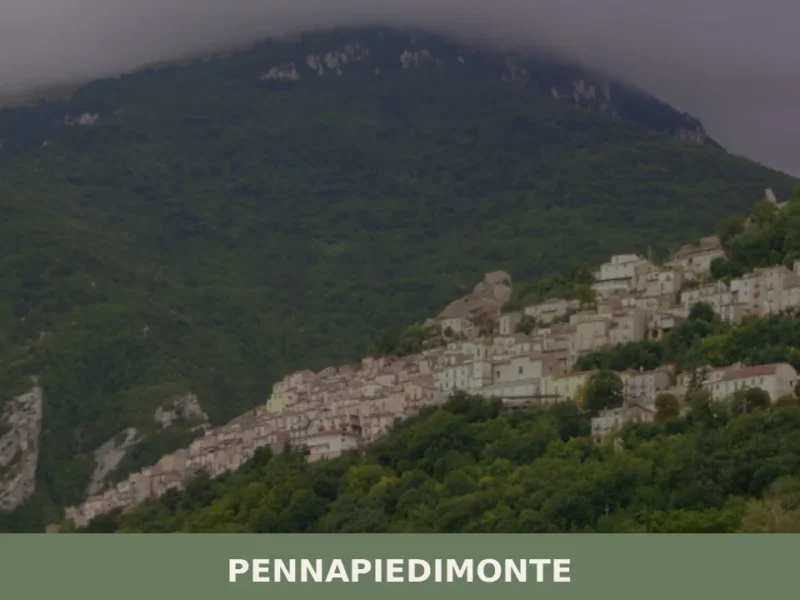
Pennapiedimonte
Mountain
what to see a Pennapiedimonte: 5 attractions nel village a 669 m s.l.m. in Abruzzo. Scopri il centro storico, la Majella, le festivals di agosto e i prodotti PAT.
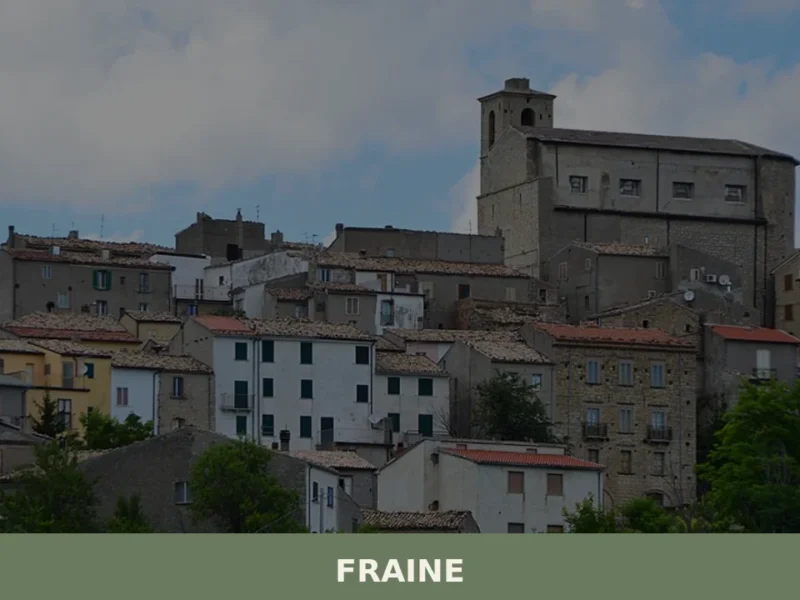
Fraine
Mountain
At 751 meters above sea level, in the Chieti area, lies Fraine, a municipality with a population of 261 inhabitants. This village, whose history dates back to the 10th-11th century, serves as an observation point over the Alto Vastese territory. For those wondering what to see in fraine, the town offers a journey through the […]
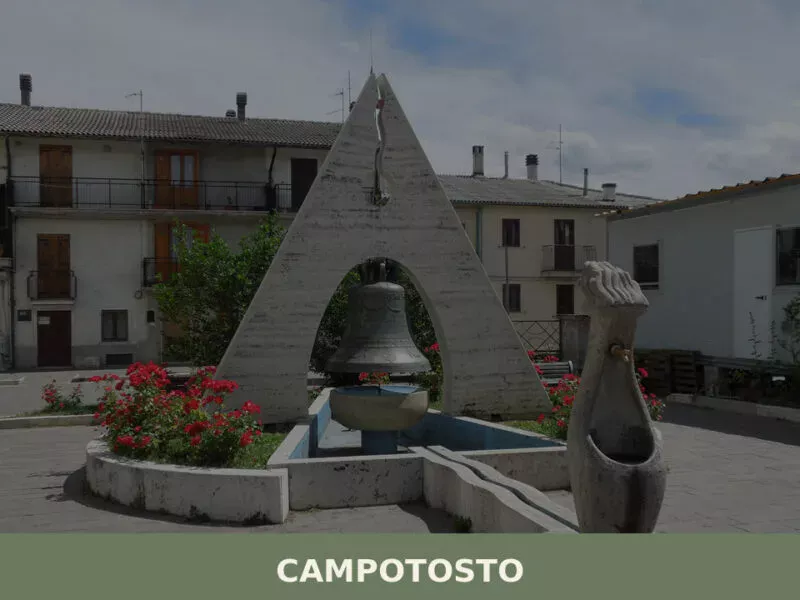
Campotosto
 Lake
Mountain
Lake
Mountain
At 1,420 metres beside one of Europe's largest artificial lakes, Campotosto offers wild Apennine landscapes, cured mortadella, and trails into the Gran Sasso National Park.
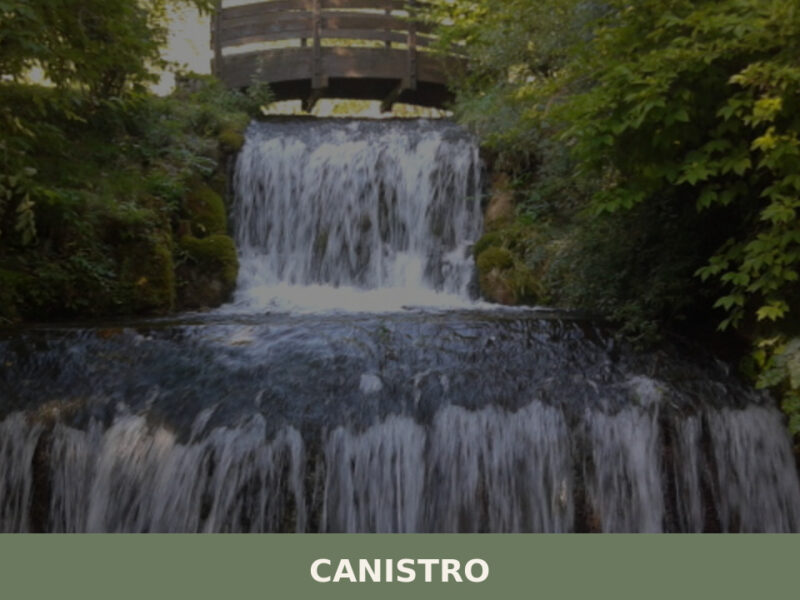
Canistro
Mountain
A village of mineral springs and stone alleys split between two elevations in the Valle Roveto. Here is what to see in Canistro, Abruzzo.

Cappelle sul Tavo
 Hills
Hills
What to see in Cappelle sul Tavo, Abruzzo, Italy: discover 5 top attractions, local food traditions and how to get there. Explore this Pescara province comune.
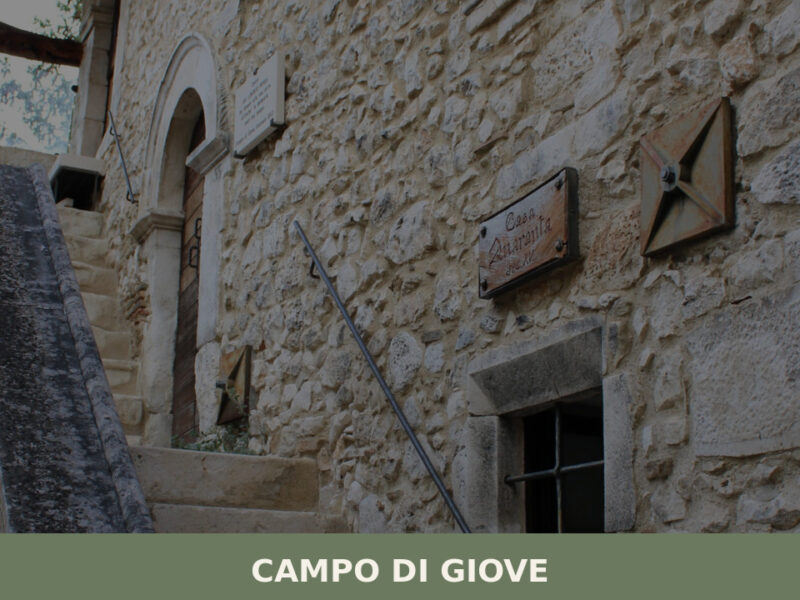
Campo di Giove
Mountain
A mountain village at 1,064 metres beneath the Majella massif. Discover what to see in Campo di Giove — medieval stone houses, highland pastures, and quiet trails.

🏡 Know Vacri better than we do?
If you’re a local or have been there, your knowledge matters: add what’s missing or fix a detail on this page.