


Carovigno
 Sea
Sea
Discover what to see in Carovigno, Puglia: medieval castle, rupestrian churches, Torre Guaceto nature reserve, olive oil traditions and practical travel tips.
Discover Carovigno
Carovigno is a town of around 17,000 inhabitants in the province of Brindisi, positioned at the northern edge of the Salento peninsula in Puglia. Olive oil production has defined its economy for centuries, and that agricultural identity is visible in the groves that press close to the town’s perimeter roads. For travellers asking what to see in Carovigno, the answer begins not with a single monument but with a layered settlement where a Norman castle, a Messapian past, and an active farming economy coexist in a compact historic centre.
History of Carovigno
The territory around Carovigno was inhabited well before Roman dominion reached this part of the Adriatic coast. Archaeological evidence points to a Messapian settlement in the area, part of the wider pre-Roman civilisation that occupied the heel of the Italian peninsula. The Messapians left traces across this portion of Puglia in the form of dry-stone boundary works and burial sites, establishing patterns of land use that subsequent populations would inherit and adapt rather than erase.
In the medieval period, Carovigno passed through the hands of a succession of feudal lords whose control over the settlement shaped its built fabric. The Norman presence in southern Italy following the eleventh century reorganised local power structures across the region, and Carovigno acquired the fortified character that still marks its old town. The castle that dominates the historic centre was consolidated and expanded during this era of feudal governance, serving as the administrative and military anchor of the settlement. Later, during the Aragonese period, the town was held by noble families who left their mark on its civic and religious architecture.
Carovigno’s inclusion in the province of Brindisi places it within one of the most historically contested administrative zones in southern Italy, a territory that passed from Byzantine to Norman to Swabian to Angevin and finally to Spanish Aragonese control between the ninth and sixteenth centuries. The local dialect, classified as northern Salentine, retains phonetic characteristics that linguists trace to this long layering of influences. Economically, the town’s trajectory from the early modern period onward was anchored in olive cultivation, a monoculture that made it productive but also vulnerable to the price fluctuations and plant diseases — most recently the Xylella fastidiosa outbreak — that have periodically disrupted Puglian agriculture.
What to see in Carovigno: 5 must-visit attractions
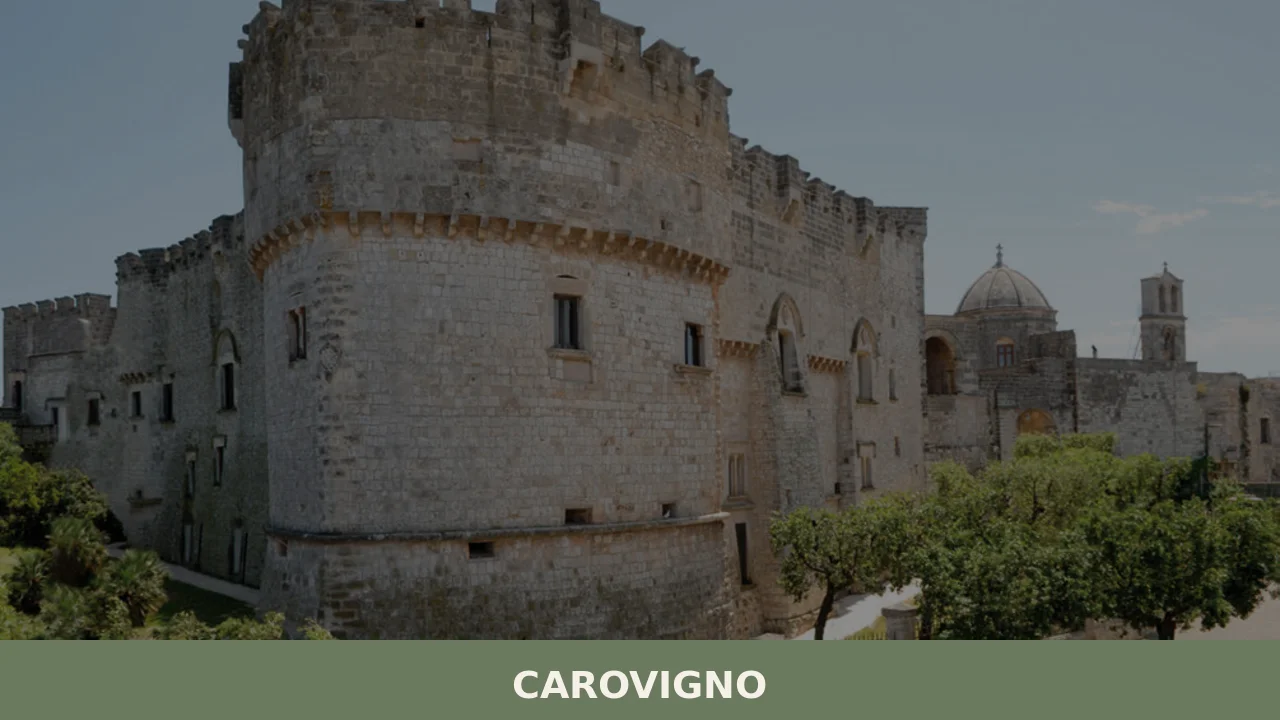
The Castle of Carovigno
The castello at the centre of the old town is a medieval fortification with a square tower structure reinforced during the Aragonese period of the fifteenth century. It stands on an elevated point within the historic core and has at various times served as a feudal residence, a military post, and, in its most recent incarnation, a civic venue used for cultural events and exhibitions.
The Church of Santa Maria della Grotta
This rupestrian church, carved directly into the rock face rather than constructed above ground, represents one of the most physically distinctive religious sites in the area. Rock-cut churches of this type are associated with Byzantine monastic traditions that spread through Puglia and Basilicata between the eighth and twelfth centuries, and the site at Carovigno preserves faint traces of fresco decoration on its interior walls.
The Historic Centre and the Spiral Layout
Carovigno’s old town follows a concentric plan organised around the castle, with narrow limestone-paved lanes radiating inward. The pale local stone used in the buildings — the same calcarenite found throughout the Brindisi province — gives the streets a consistent tonal quality that changes markedly between midday and late afternoon as the angle of light shifts across the façades.
The Olive Groves and the Countryside
The agricultural landscape immediately outside the town contains centuries-old olive trees, some with trunk girths that indicate specimens well over a hundred years old. This working landscape is not incidental to understanding Carovigno: the municipality has historically oriented its economic identity around olive oil production, and the groves remain actively farmed rather than ornamental.
The Tower of Guaceto and the Guaceto Nature Reserve
A few kilometres from Carovigno lies the Riserva Naturale Statale di Torre Guaceto, a protected coastal wetland and marine reserve co-managed by WWF Italy and the local consortium. The sixteenth-century coastal watchtower for which the reserve is named stands at the edge of a lagoon system, and the reserve’s beach remains one of the few stretches of Adriatic coastline in this section of Puglia that has not been developed for mass tourism. The official reserve website carries current access and guided tour information.
Local food and typical products
Carovigno sits in olive oil country, and that fact shapes everything on the local table. The extra-virgin olive oil produced in this area falls within the Puglia DOP designation, pressed predominantly from Ogliarola and Cellina di Nardò cultivars grown in the surrounding groves. Local producers sell oil directly from farm gates and at the weekly market, and the product varies noticeably in character from one grove to the next depending on elevation, soil and harvest timing. Alongside the oil, the town’s kitchens draw on the standard Puglian larder: dried broad beans cooked down to a dense purée and served with bitter chicory, orecchiette with turnip tops, and the preserved meats and cheeses that reflect a pastoral economy running parallel to the olive harvest.
For visitors interested in where to eat, the old town and the roads leading toward the coast both support a number of local restaurants and trattorias that source ingredients from the surrounding farmland. The proximity to the Adriatic means fresh fish appears regularly on menus alongside the inland staples, and the combination of sea urchin, raw shellfish and good local oil on grilled bread is a reliable indicator that a kitchen is working with current local produce rather than a fixed tourist menu. The regional tourism platform maintains a directory of locally verified producers and eating establishments across the Brindisi province.
Best time to visit Carovigno
The Puglia coast gets hot and busy in July and August, and Carovigno is no exception: the Torre Guaceto reserve and its beach attract significant visitor numbers during the peak summer weeks, and accommodation books out well in advance. May, June, and September offer a more practical combination — temperatures are high enough for the coast, the town is not at maximum capacity, and the agricultural landscape is either in full leaf or beginning to shift toward the olive harvest. The harvest itself, which typically runs from October into November depending on the season, gives the countryside an active, working quality that is worth experiencing directly.
Winter in this part of Puglia is mild by northern European standards but quiet in terms of tourism infrastructure: some coastal-facing businesses close entirely from November to March. The historic centre, however, functions year-round as a residential town, and visiting outside the summer season gives a clearer sense of daily life in a working agricultural community. Local feast days and civic events are listed through the municipality’s official calendar, which is periodically updated on the town’s institutional website.
How to get to Carovigno
Carovigno is straightforward to reach by road and reasonably well connected to the main rail network of northern Puglia. The following reference points are useful for planning:
- By air: Brindisi Papola Casale Airport is the nearest airport, approximately 20 kilometres from Carovigno. Car rental is available at the airport; the drive takes roughly 25 minutes on the SS379 coastal road.
- By train: The nearest mainline railway station is Brindisi, served by Trenitalia intercity and regional services from Bari (approximately 1 hour) and Lecce (approximately 30 minutes). From Brindisi station, Carovigno is around 20 kilometres by road; local buses connect the two, though services are infrequent and a hire car gives considerably more flexibility.
- By car from Bari: The A14 motorway runs south from Bari to Taranto; from Taranto the SS7 and connecting roads lead toward Brindisi and Carovigno. Alternatively, the SS16 Adriatica follows the coast from Bari to Brindisi, passing through Ostuni — approximately 75 kilometres from Bari, with Carovigno a further 15 kilometres south of Ostuni.
- By car from Lecce: Approximately 40 kilometres north on the SS613 toward Brindisi, then northwest on local roads to Carovigno.
- Motorway exit: The SS379 (the so-called “Autostrada del Mare”) connects Bari with Brindisi along the Adriatic coast and has an exit serving the Ostuni–Carovigno area.
Where to stay in Carovigno
Accommodation in and around Carovigno divides broadly into three zones: the historic centre, the countryside, and the coast toward Torre Guaceto. The old town offers B&Bs and small guesthouses in converted historic buildings — generally the right choice for visitors who want to walk to restaurants and the castle without using a car. The countryside surrounding the town supports a number of agriturismos, working farm stays where breakfast typically includes produce from the property itself, including oil pressed from estate olives. These are better suited to travellers with a hire car, as distances from the town centre and the coast require daily driving.
The coastal strip near Torre Guaceto attracts summer holiday rentals and a small number of larger hotels oriented toward beach access. This zone fills quickly in July and August, and booking three to four months ahead for peak summer dates is a practical minimum. Outside the summer season, the agriturismo options in the olive-growing hinterland remain open longer and often offer better value than the coastal properties, which tend to close after September.
More villages to discover in Puglia
The province of Brindisi and the wider Salento region contain a range of settlements that complement a visit to Carovigno without duplicating it. To the south, Specchia offers a compact hill settlement with a well-preserved medieval structure and a notably intact historic core, useful for comparison with Carovigno’s more commercially active centre. Further north in Puglia, Andria sits in the Murge plateau country above the coastal plain — a different Puglian register entirely, with the Castel del Monte nearby as its principal landmark and a broader urban scale than the smaller Salentine settlements.
For visitors interested in the pre-Christian and Messapian heritage that underlies much of this part of the peninsula, Giurdignano in the Lecce province is one of the most concentrated sites for megalithic monuments in southern Italy, with dolmens and menhirs distributed across its agricultural territory. On the Adriatic side of the region, Cellamare, in the metropolitan area south of Bari, provides a point of reference for how smaller Puglian settlements function in proximity to a major city — a useful contrast to the more rural dynamic that defines Carovigno and its neighbours.
Frequently asked questions about Carovigno
What is the best time to visit Carovigno?
The ideal time to visit Carovigno varies by interest. For pleasant coastal temperatures and fewer crowds, May, June, and September are highly recommended, perfect for enjoying the beaches and exploring the town. July and August are peak summer months, making Carovigno and the Torre Guaceto reserve very busy. For a unique cultural experience, consider October and November during the olive harvest, which offers a vibrant, active countryside. Carovigno also celebrates its patron saints, Maria Ss. di Belvedere and Giacomo il Minore, with main festivals on Easter Monday and August 17th, providing a glimpse into local traditions.
What are the historical origins of Carovigno?
Carovigno boasts a rich and layered history, with archaeological findings indicating a Messapian settlement predating Roman dominion. Throughout the medieval period, the town evolved under various feudal lords, acquiring its fortified character from Norman influences, particularly evident in the castle. Its strategic position in Puglia led to it being controlled by successive powers including Byzantine, Norman, Swabian, Angevin, and Spanish Aragonese rulers. This long history of diverse influences has shaped Carovigno's built environment, local dialect, and enduring agricultural identity, deeply rooted in olive cultivation.
What to see in Carovigno? Main monuments and landmarks
Carovigno offers several compelling sights. The impressive **Castle of Carovigno**, a medieval fortification with Aragonese additions, dominates the historic centre and often hosts cultural events. Explore the unique **Church of Santa Maria della Grotta**, a rupestrian church carved into the rock, reflecting Byzantine monastic traditions. Wander through the **Historic Centre**, with its spiral layout of narrow limestone lanes radiating from the castle. Don't miss the centuries-old **Olive Groves** surrounding the town, integral to Carovigno's identity. A few kilometers away, the **Torre Guaceto Nature Reserve** provides a protected coastal landscape, featuring a 16th-century watchtower and pristine beaches; check the official reserve website for access and tour information.
What are the main natural or scenic attractions of Carovigno?
Carovigno's natural beauty is best experienced through its iconic **Olive Groves**, an actively farmed landscape featuring centuries-old trees that are fundamental to the local economy and identity. The most significant natural attraction is the **Torre Guaceto State Nature Reserve**, a few kilometers from town. This protected coastal wetland and marine reserve boasts a 16th-century watchtower, a pristine lagoon system, and one of Puglia's few undeveloped Adriatic beaches, ideal for nature walks, birdwatching, and enjoying unspoiled coastal scenery. Access and guided tour information for the reserve are available on its official website.
Where to take the best photos in Carovigno?
For captivating photos in Carovigno, start with the **Castle of Carovigno**, especially from viewpoints within the historic centre, capturing its dominant position and medieval architecture. The **Historic Centre** itself, with its spiral layout and narrow limestone lanes, offers picturesque street photography, particularly in the late afternoon when the light enhances the pale stone façades. Don't miss the ancient **Olive Groves** surrounding the town, providing timeless rural landscapes. Finally, the **Torre Guaceto Nature Reserve** is perfect for coastal shots, featuring the historic watchtower against the lagoon and the untouched Adriatic beach, offering stunning natural vistas.
Are there museums, churches or historic buildings to visit in Carovigno?
Yes, Carovigno offers notable historic buildings and churches. The primary historic building is the **Castle of Carovigno**, a medieval fortress that once served as a feudal residence and military post, now often functioning as a civic venue for cultural events and exhibitions. You can also visit the unique **Church of Santa Maria della Grotta**, a rupestrian church carved into the rock, showcasing ancient Byzantine monastic traditions with faint fresco traces on its interior walls. Exploring the entire **Historic Centre** itself is an experience, with its ancient layout and characteristic limestone architecture providing a glimpse into the town's rich past.
What can you do in Carovigno? Activities and experiences
In Carovigno, you can immerse yourself in history by exploring the **Norman castle** and the ancient **Church of Santa Maria della Grotta**. Wander through the charming **historic centre**, discovering its unique spiral layout. Nature lovers can hike or cycle through the centuries-old **olive groves** or spend time at the **Torre Guaceto Nature Reserve**, enjoying its pristine beaches, birdwatching, and guided tours (check the official website for details). Culinary experiences are a must, tasting local olive oil, fresh fish, and traditional Puglian dishes in local trattorias. If visiting in October/November, you can experience the **olive harvest**, and throughout the year, check the municipality's calendar for local **feast days and civic events**.
Who is Carovigno suitable for? Families, couples, hikers, solo travelers?
Carovigno is ideal for a diverse range of travelers. It appeals to **history and culture enthusiasts** drawn to its Messapian past, Norman castle, and unique historic centre. **Nature lovers and beachgoers** will appreciate the proximity to the pristine Torre Guaceto Nature Reserve and its undeveloped coastline. **Food and wine tourists** will find delight in its renowned olive oil and authentic Puglian cuisine. The mix of historic town, serene countryside with agriturismos, and coastal access makes it suitable for **families, couples** seeking a relaxed escape, and **solo travelers** interested in an authentic Puglian experience away from mass tourism.
What to eat in Carovigno? Local products and specialties
Carovigno's culinary scene is deeply rooted in its olive oil heritage. The local **extra-virgin olive oil**, often from Ogliarola and Cellina di Nardò cultivars, holds a Puglia DOP designation and is a must-try. Traditional dishes include **fave e cicorie** (dried broad beans purée with bitter chicory) and **orecchiette con le cime di rapa** (orecchiette pasta with turnip tops). You'll also find **preserved meats and cheeses** reflecting the pastoral economy. Given its coastal proximity, fresh seafood is abundant, with specialties like **sea urchin, raw shellfish**, and various **fresh fish** dishes regularly featured on local menus, often served simply with the excellent local olive oil.
Nearby Villages near Carovigno
In Apulia More villages to discover
Bitonto
 Plains
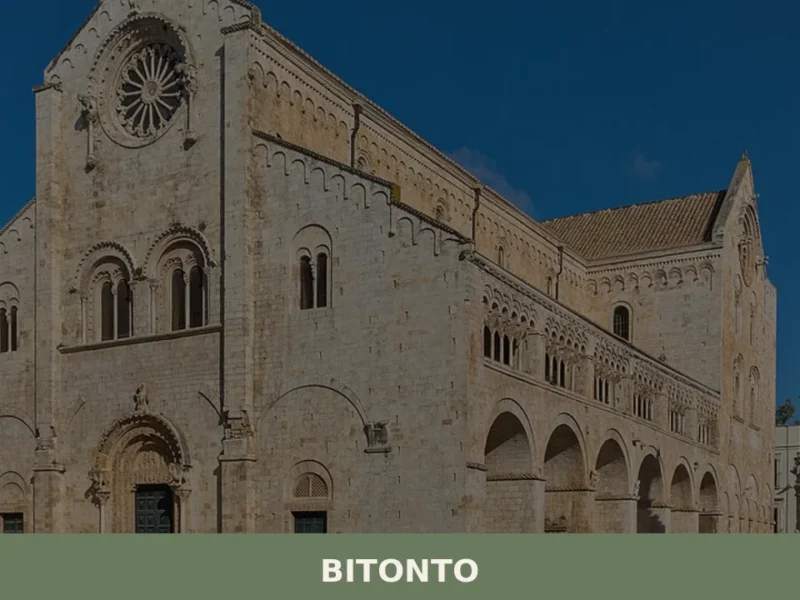
In 1089, Pope Urban II consecrated the cathedral of Bitonto, a building in local limestone that still dominates Piazza Cattedrale today with its sixteen-spoke rose window and its sculpted portal. That ceremony marked the city’s definitive entry into the network of major Apulian episcopal seats, confirming a political and religious role that Bitonto had maintained […]
Patù
Sea
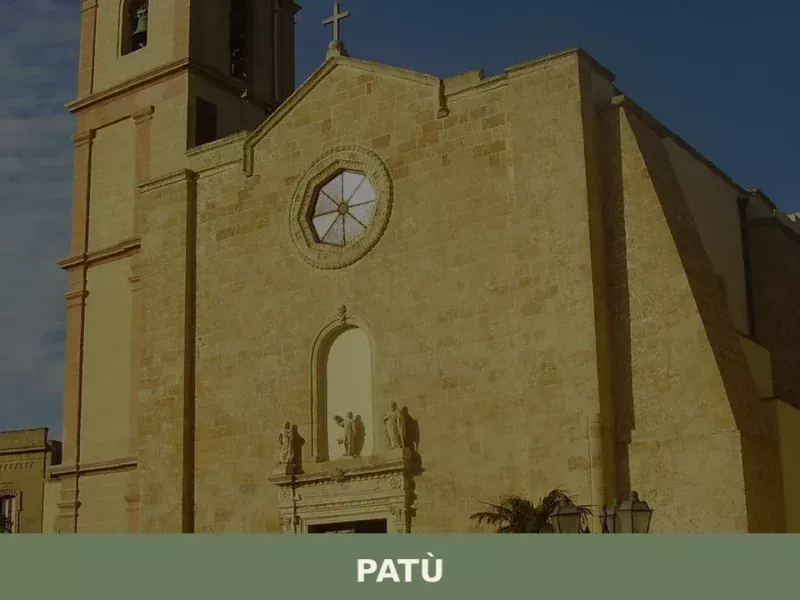
What to see in Patu00f9, Puglia, Italy: explore the Centopietre mausoleum, Byzantine crypts and a 1564 Renaissance church in a village of 1,699 inhabitants. Discover it now.
Francavilla Fontana
Plains
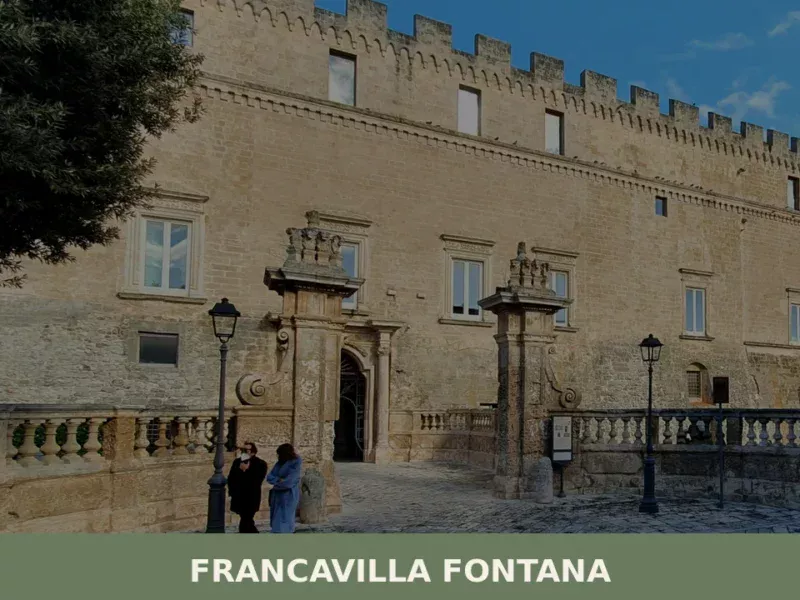
Discover what to see in Francavilla Fontana, Puglia: Baroque palaces, the medieval basilica, local food, travel tips and how to get there.
Avetrana
Plains
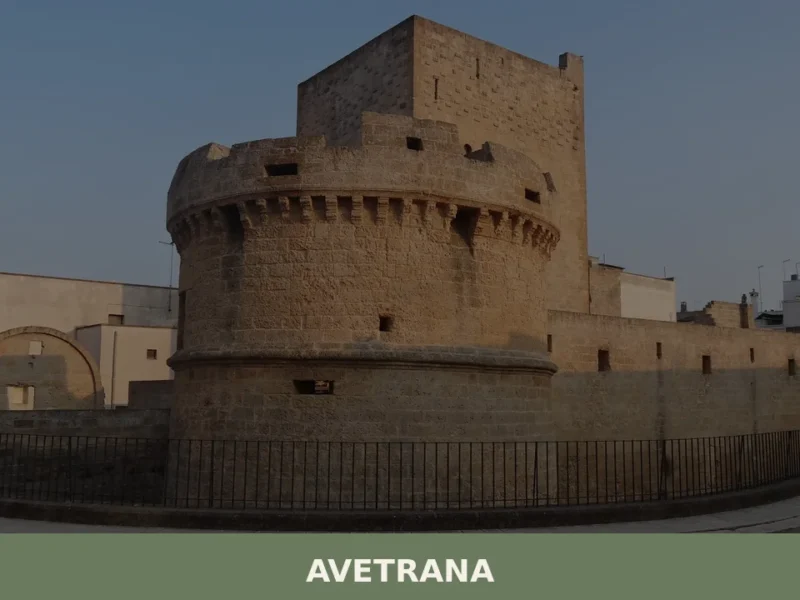
What to see in Avetrana, Italy: explore a 13th-century castle, the Chiesa Madre and Palazzo Imperiali. Population 6,277. Discover festivals, food and how to get there.
Ruvo di Puglia
 Hills
Hills
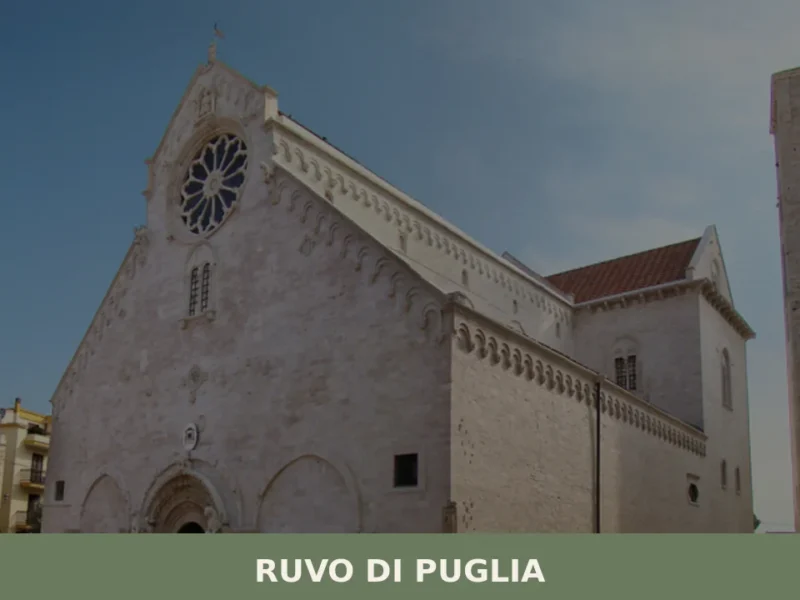
Discover 5 unique attractions in Ruvo di Puglia. Explore the Cathedral and Jatta Museum. Plan your visit now!
Carmiano
Plains
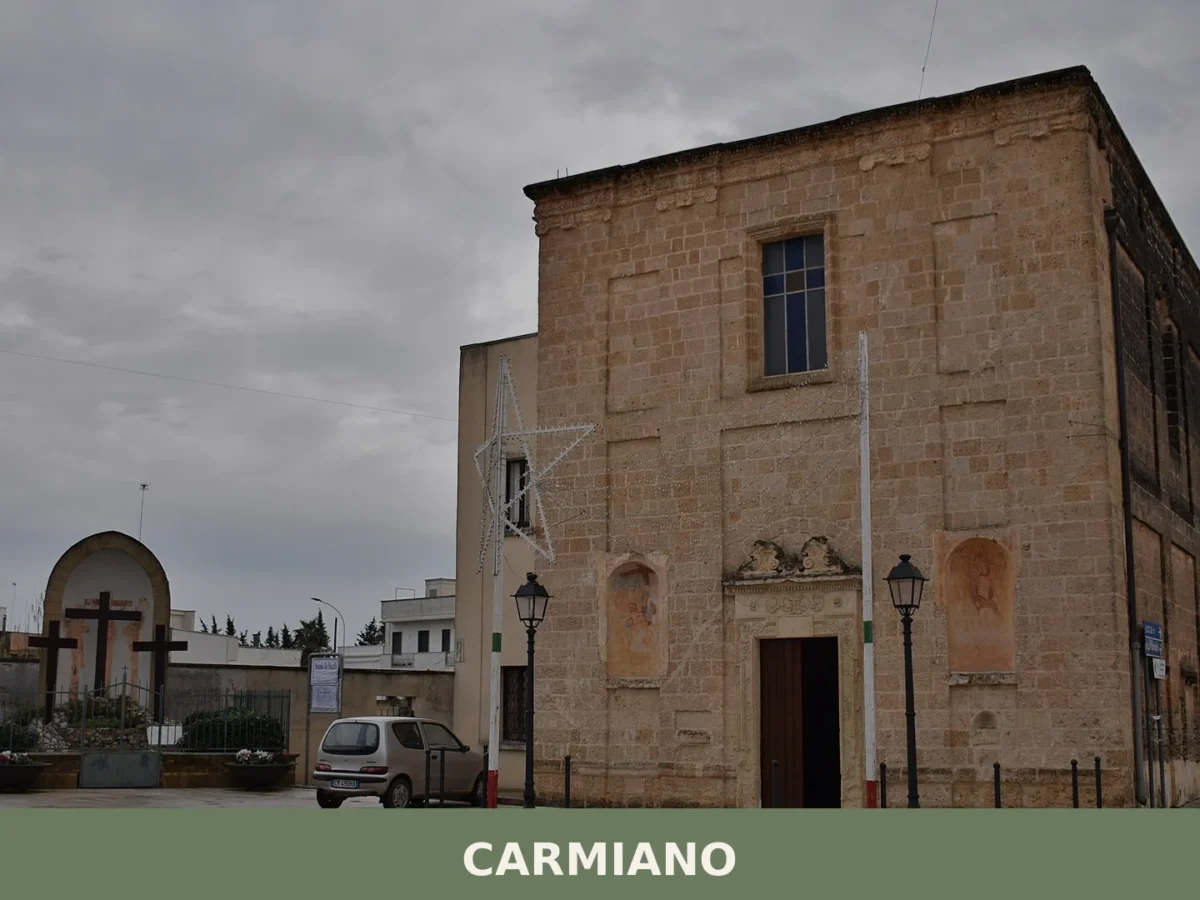
A comune of 11,660 souls in the northern Lecce province, Carmiano anchors its identity in medieval palaces, baroque altars, and the veneration of Maria Immacolata.
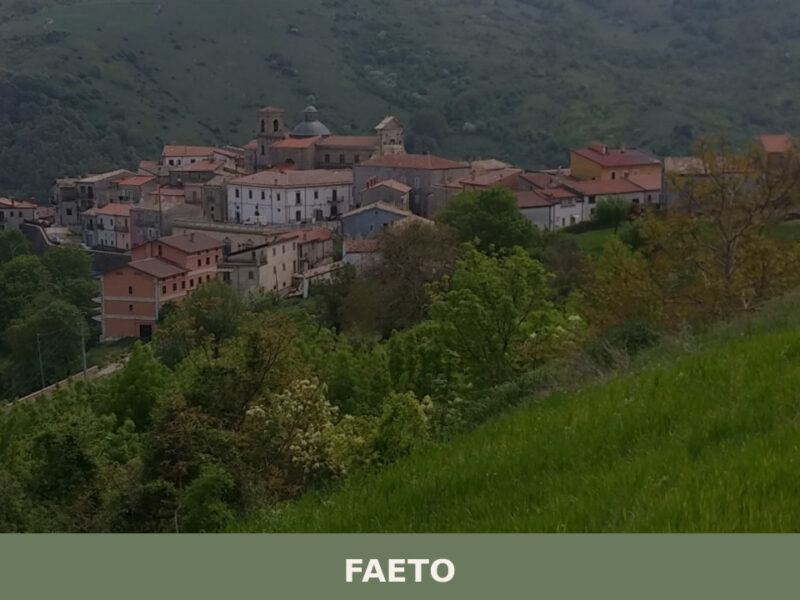
Faeto
 Mountain
A Franco-Provençal-speaking village of 616 inhabitants high in the Daunia mountains. Discover what to see in Faeto: ancient dialect, beech forests, and Puglia's highest peak.
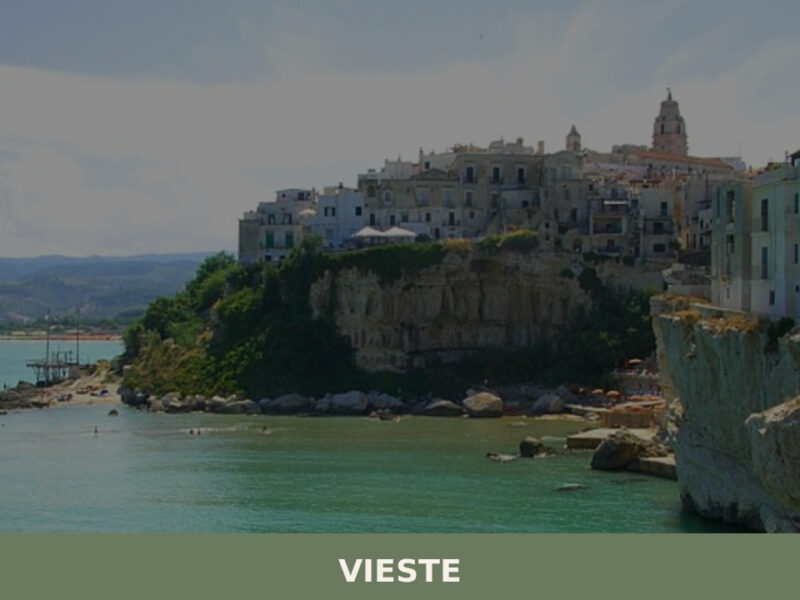
Vieste
Sea
Vieste occupies a position in Puglia that matters more than many tourist labels. It is not only a seaside resort, and not only a famous summer destination. It is an Adriatic village built on a Gargano promontory, with a white historic centre above the cliffs, a clearly legible maritime memory and a constant relationship between […]
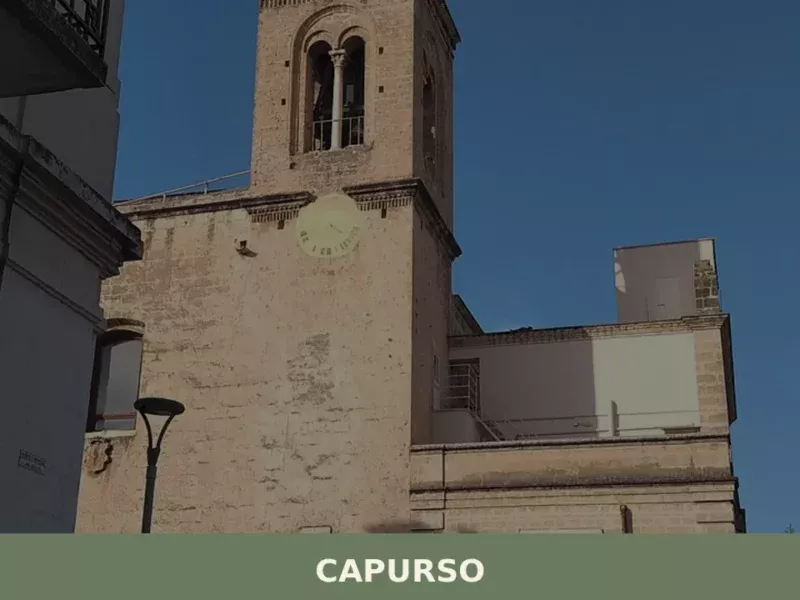
Capurso
Plains
Every last Sunday of August, the streets of Capurso light up with illuminations reaching twenty metres in height, and the sheer weight of the crowd forces traffic to be diverted onto the provincial road to Cellamare. This is the climax of the feast of the Madonna del Pozzo, a devotional event that since 1705 has […]
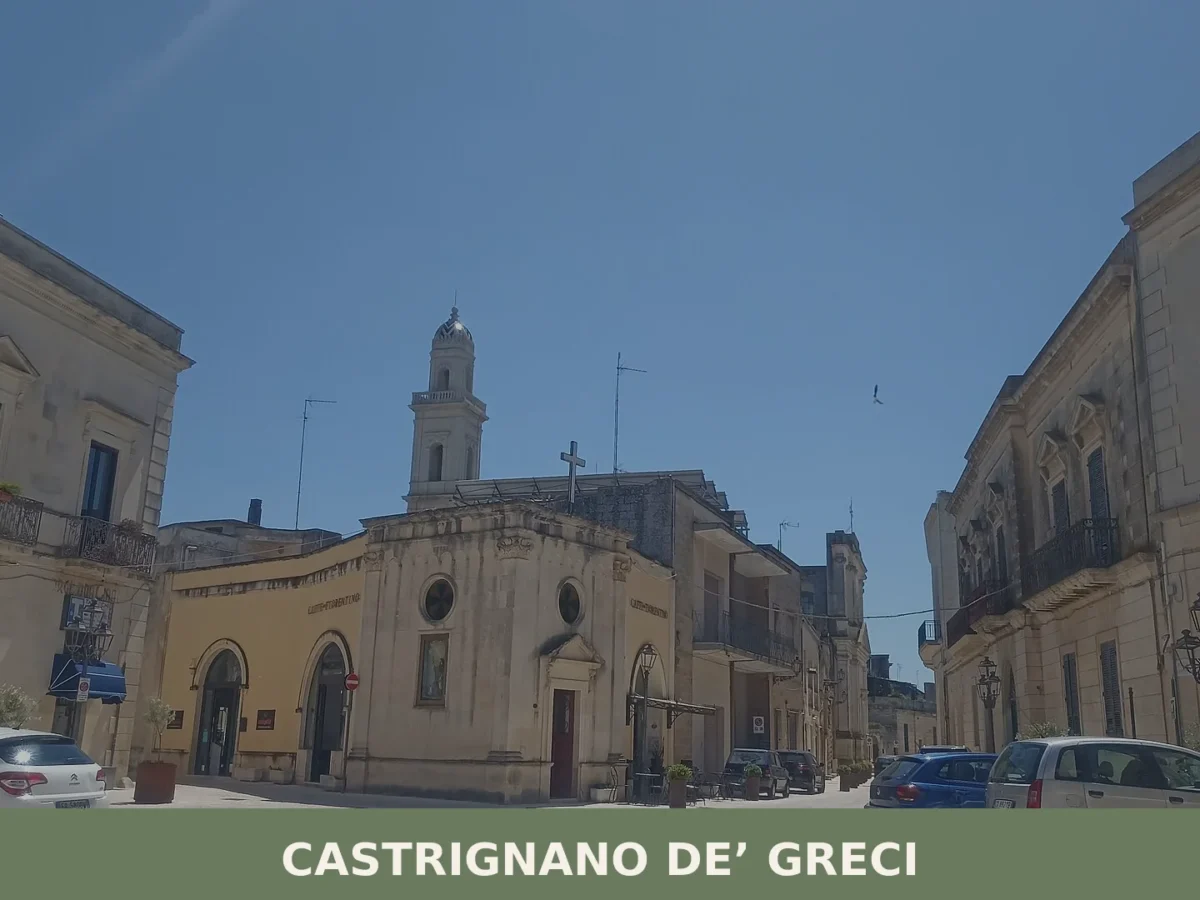
Castrignano de’ Greci
Plains
A village of 3,631 people where ancient Greek language persists and Byzantine crypts breathe beneath baroque facades. Medieval roots and baroque innovation define its character.



🏡 Know Carovigno better than we do?
If you’re a local or have been there, your knowledge matters: add what’s missing or fix a detail on this page.