


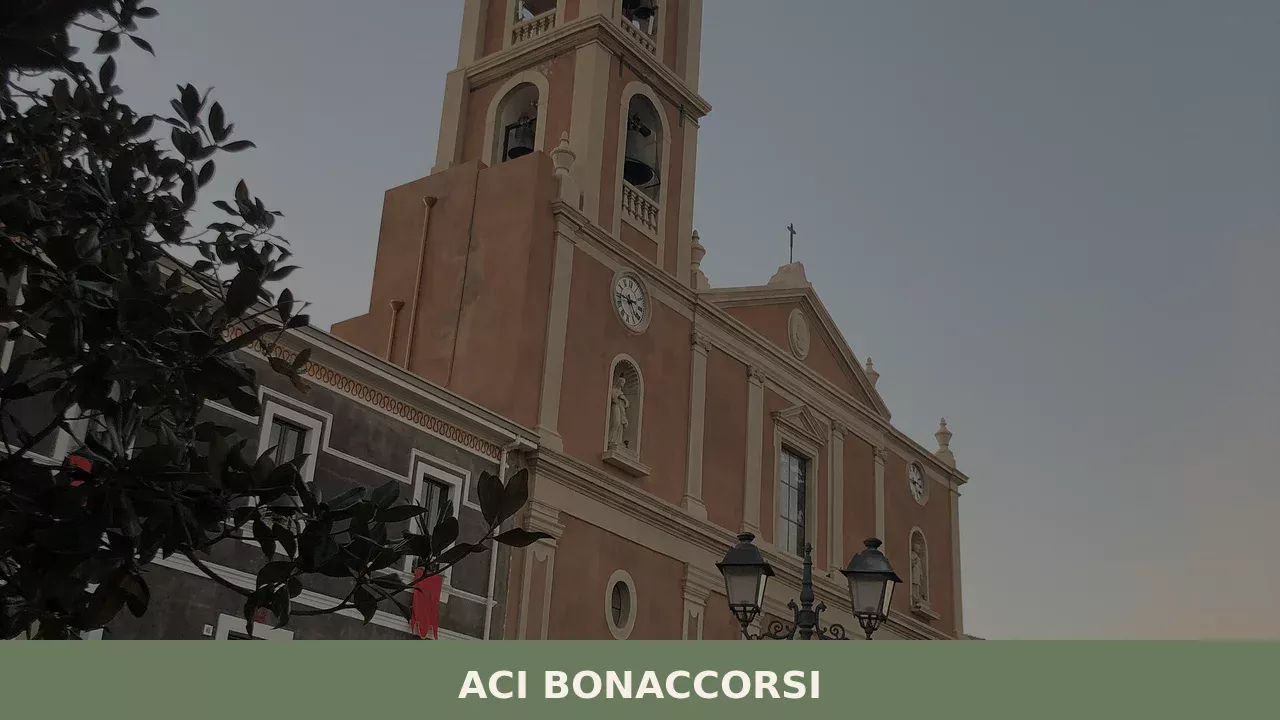
Aci Bonaccorsi
 Sea
Sea
Discover what to see in Aci Bonaccorsi: Etna views, volcanic architecture, IGP citrus groves and Italy’s 2022 most virtuous municipality on the Ionian slope.
Discover Aci Bonaccorsi
In December 2022, Aci Bonaccorsi was officially recognised as the most virtuous municipality in Italy — a designation that says something concrete about how a small community of roughly 3,500 people governs itself. The village sits on the south-eastern slopes of Etna, within the historic territory known as the Terra d’Aci, and faces east toward the Ionian Sea. For those researching what to see in Aci Bonaccorsi, this dual identity — volcanic highland at the back, maritime horizon at the front — defines everything from the architecture to the seasonal rhythms of daily life.
History of Aci Bonaccorsi
The name Aci Bonaccorsi belongs to a cluster of municipalities that all carry the Aci prefix, derived from the ancient river Akis — a watercourse of local mythological significance referenced by classical authors in connection with the Cyclops Polyphemus and the shepherd Acis. The Terra d’Aci was a distinct administrative and feudal territory in medieval Sicily, and the individual settlements within it — including Aci Bonaccorsi — took on secondary surnames to distinguish themselves from one another. The Bonaccorsi suffix refers to a noble family that held feudal rights over this particular portion of the territory, a common practice under the Norman and Swabian administrations that reorganised Sicilian land tenure from the eleventh century onward.
Sicily’s south-eastern Etna flank was subject to the shifting feudal grants typical of the island under Aragonese and Spanish rule from the thirteenth to the eighteenth centuries. Small hilltop settlements like Aci Bonaccorsi consolidated their population partly as a defensive response — elevation offered visibility — and partly because the volcanic soil at these altitudes proved fertile for cultivation, particularly citrus and vine. The village was formally constituted as a separate municipality within what was then the Province of Catania, a status it retains today within the Metropolitan City of Catania.
The twentieth century brought administrative consolidation across the Aci cluster without eliminating the distinct municipal identities. Aci Bonaccorsi remained among the smaller units, never industrialising in the way that coastal Catania did, which preserved its compact historic fabric. The December 2022 recognition as Italy’s most virtuous municipality — assessed across criteria including environmental management, administrative transparency and civic services — marked a modern chapter in a history otherwise defined by agricultural continuity and feudal-era urban form. The official municipality of Aci Bonaccorsi publishes documentation on civic governance and local administration for those interested in the specifics of that recognition.
What to see in Aci Bonaccorsi: 5 must-visit attractions
The Natural Terrace Overlooking the Ionian Sea
The eastern edge of the village offers an unobstructed view across the Ionian coastline, with the arc of the bay below and, on clear days, the outline of the Calabrian coast beyond the strait. The elevation of the village on Etna’s south-eastern slope creates a natural vantage point that functions as an informal public belvedere, oriented precisely east.
The Parish Church
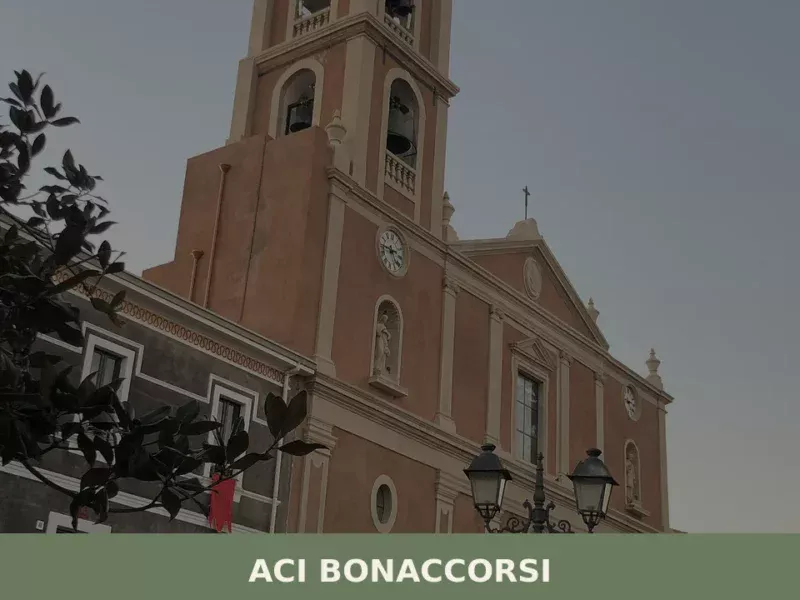
Like most settlements in the Terra d’Aci, Aci Bonaccorsi’s religious centre is its parish church, which occupies a focal position within the village layout. Churches in this area typically incorporate lava stone — the dark basalt quarried from Etna — in their construction, giving the facades a visually distinctive texture that contrasts with the limestone decorative elements common to Sicilian baroque ecclesiastical architecture of the seventeenth and eighteenth centuries.
The Historic Village Core
The compact historic centre retains the street pattern of its medieval and early modern development, with narrow carriageways suited to the hillside topography. Residential buildings here are predominantly constructed from locally quarried volcanic stone, and the scale remains low — two to three storeys — consistent with the building traditions of small Etnean agricultural settlements.
The Etna Volcanic Landscape
Aci Bonaccorsi sits within the south-eastern perimeter of the Etna volcanic system, and the surrounding territory shows clear evidence of successive lava flows in the form of rocky outcrops and terraced agricultural plots built on hardened basalt. The Etna Park authority administers the broader volcanic territory, and approaching the village from the Catania plain gives a clear visual sequence of the geological layers.
The Agricultural Terraces and Citrus Groves
The slopes below and around the village are worked as terraced cultivation land, historically planted with citrus — particularly the blood oranges for which the Etna foothills are documented producers — alongside olives and vines. The dry-stone retaining walls of these terraces are built from lava blocks and represent a centuries-old land management technique still visible and largely intact in the area.
Local food and typical products
The agricultural territory of Aci Bonaccorsi and the wider Etna south-eastern slope falls within a zone with a well-documented food identity. Blood oranges from the area around Catania — marketed under the Arancia Rossa di Sicilia IGP designation — are among the most commercially significant products of this volcanic terroir. The iron-rich, well-drained basalt soils produce fruit with a notably deep pigmentation and a sugar-acid balance that distinguishes them from oranges grown on flatter, sedimentary ground. Alongside citrus, local olive oil production and wine from Etna-zone grapes (the Etna DOC appellation covers territories on the volcano’s slopes) form part of the agricultural economy.
For eating, the village’s size means that restaurant options are limited and oriented toward local clientele rather than tourist infrastructure. The surrounding municipalities of the Terra d’Aci — including Aci Castello, Acireale and Aci Sant’Antonio — offer a wider range of trattorias and restaurants serving the Catanese culinary tradition: pasta alla Norma (rigatoni with fried aubergine, salted ricotta and tomato, named after Bellini’s opera and associated with Catania), fresh fish from the nearby Ionian coast, and arancini in their various local forms. Street food traditions in this part of Sicily are strong, and markets in Acireale or Catania proper provide access to the raw produce of the zone.
Best time to visit Aci Bonaccorsi
The climate of Aci Bonaccorsi benefits from its hillside position on Etna’s south-eastern face: the elevation moderates summer heat, while the eastern exposure keeps winters mild by comparison with inland Sicilian towns at similar altitudes. Spring — April through June — is the period when the agricultural landscape is most active, with citrus harvest having concluded and the hillside vegetation fully green before the dry summer sets in. Autumn, from September through November, brings lower temperatures, occasional rain and the olive harvest season, which gives the countryside around the village its most visibly working character.
July and August see the highest visitor concentration along the nearby Ionian coast, which can make accommodation in the broader area harder to find. For the village itself, the quieter shoulder seasons are more representative of local life. The December recognition as Italy’s most virtuous municipality has not yet generated significant tourism infrastructure around a specific event calendar, so visits are best planned around the natural landscape and food season rather than a fixed festival programme. The official Sicily tourism portal maintains updated information on regional events and seasonal conditions.
How to get to Aci Bonaccorsi
Aci Bonaccorsi is reached most practically by road from Catania, which lies approximately 15 kilometres to the south-west. The village sits above the Ionian coastal plain on the lower Etna slope, accessible via provincial roads that climb from the SS114 coastal artery or from the A18 Messina–Catania motorway.
- By air: Catania Fontanarossa Airport (CTA) is the nearest international airport, approximately 20–25 kilometres from the village depending on the route taken. Car hire is available at the airport and is the most practical option for visiting the Etna foothills.
- By train: The Circumetnea railway, a narrow-gauge line that circles the base of Etna, has stations in the Aci area. Catania’s main railway station (Catania Centrale) connects to the national network. From either point, a car or local bus service is needed to reach Aci Bonaccorsi itself.
- By car from Catania: Approximately 20–30 minutes via the SP25 or connecting provincial roads through the Aci municipalities. The A18 motorway exit at Acireale provides an alternative approach from the north.
- From Messina: Approximately 90 kilometres via the A18 motorway south, exiting toward the Aci zone.
Where to stay in Aci Bonaccorsi
Given its population of around 3,500, Aci Bonaccorsi does not support a significant commercial accommodation sector within the village boundary itself. Visitors typically base themselves in the wider Terra d’Aci zone — particularly in Acireale, which has a fuller range of hotels and B&Bs, or along the Ionian coastal strip where holiday apartments and small hotels are more numerous. The hillside villages of the Etna south-eastern flank do have a growing number of agriturismi and rural holiday houses, which suit visitors who want proximity to the volcanic landscape and agricultural territory rather than coastal access.
For stays in the immediate area, searching accommodation platforms under the filter for the Metropolitan City of Catania and specifying the Aci or lower Etna zone will return the most relevant results. Booking in advance is advisable from late June through August when coastal demand in the Catania-Messina corridor is high. Staying on the hillside rather than on the coast provides cooler sleeping temperatures in summer and a quieter environment overall.
More villages to discover in Sicilia
Sicily’s interior and northern ranges hold settlements with a character quite different from the volcanic Etna foothills. In the Madonie mountains of the northern interior, Isnello is a small mountain community that sits within a protected natural park area and represents the older agricultural traditions of highland Sicily. On the western tip of the island, Erice occupies a limestone peak above Trapani, with a documented medieval and pre-Roman urban history and a distinct architectural fabric built largely in local stone.
Those moving along Sicily’s northern coast will find the regional context shifts considerably as the island’s diverse geological and cultural layers become visible from one territory to the next. The city of Messina anchors the north-eastern corner of the island and serves as a natural transit point for the broader region, while the agricultural lowland settlement of Roccamena, in the Palermo hinterland, illustrates the quieter, inland face of western Sicily — a useful counterpoint to the coastal dynamism of the Ionian arc where Aci Bonaccorsi stands.
Frequently asked questions about Aci Bonaccorsi
What is the best time to visit Aci Bonaccorsi?
The best times to visit Aci Bonaccorsi are spring (April-June) when the agricultural landscape is vibrant with greenery and after the citrus harvest, or autumn (September-November) for cooler temperatures and the olive harvest season. These shoulder seasons offer a more authentic experience of local life. While the village itself remains quieter, the patron saint's feast day for Stefano protomartire is celebrated on August 3rd, offering a glimpse into local traditions. It's advisable to avoid late June through August if you prefer to avoid the higher visitor concentration along the nearby Ionian coast.
What to see in Aci Bonaccorsi? Main monuments and landmarks
Aci Bonaccorsi offers several key sights. Don't miss the Natural Terrace Overlooking the Ionian Sea, an informal public belvedere providing panoramic views across the coastline, and on clear days, even the Calabrian coast. Explore the Parish Church, a focal point in the village, notable for its distinctive use of dark lava stone in contrast with baroque elements. Wander through the Historic Village Core, with its narrow medieval-era streets and traditional two-to-three-storey volcanic stone buildings. The surrounding Etna Volcanic Landscape and Agricultural Terraces, with their citrus groves and ancient dry-stone walls, also offer scenic beauty and insight into local life.
What are the main natural or scenic attractions of Aci Bonaccorsi?
Aci Bonaccorsi's natural beauty stems from its unique position. The Natural Terrace Overlooking the Ionian Sea provides stunning panoramic views of the Ionian coastline. The village is nestled within the Etna Volcanic Landscape, offering sights of ancient lava flows and terraced agricultural plots managed by the Etna Park authority. Visitors can explore the Agricultural Terraces and Citrus Groves surrounding the village, characterized by dry-stone retaining walls built from lava blocks and cultivations of blood oranges, olives, and vines, showcasing centuries-old land management techniques.
Where to take the best photos in Aci Bonaccorsi?
For memorable photos in Aci Bonaccorsi, head to the Natural Terrace Overlooking the Ionian Sea, especially at sunrise, for breathtaking panoramic views of the coast. The Historic Village Core, with its charming narrow streets and distinctive volcanic stone architecture, offers picturesque street photography opportunities. Capture the unique texture of the Parish Church's lava stone facade, a striking contrast with traditional baroque elements. Additionally, the surrounding Agricultural Terraces and Citrus Groves, with their ancient dry-stone walls and vibrant greenery, provide excellent landscape shots, particularly during spring or autumn.
Are there museums, churches or historic buildings to visit in Aci Bonaccorsi?
Yes, Aci Bonaccorsi offers its Parish Church, a central religious landmark incorporating distinctive lava stone in its construction, which provides a unique visual experience contrasting with typical Sicilian baroque architecture. Visitors can also explore the Historic Village Core, which preserves a medieval and early modern street pattern and features residential buildings built from locally quarried volcanic stone. There are no specific museums or other named historic palaces mentioned within the village itself, beyond the general historic fabric.
What can you do in Aci Bonaccorsi? Activities and experiences
In Aci Bonaccorsi, visitors can immerse themselves in the local landscape by exploring the Natural Terrace with its Ionian Sea views and walking through the Agricultural Terraces and Citrus Groves. Engage with the local food identity by tasting products like Arancia Rossa di Sicilia IGP, local olive oil, and Etna DOC wines. While the village has limited dining, nearby Aci Castello, Acireale, and Aci Sant'Antonio offer a wider array of Catanese culinary experiences. Consider visiting on August 3rd to experience the Festa Patronale of Stefano protomartire, a local tradition.
Who is Aci Bonaccorsi suitable for? Families, couples, hikers, solo travelers?
Aci Bonaccorsi is ideal for travelers seeking an authentic Sicilian experience away from mass tourism. It appeals to those interested in local culture, agricultural landscapes, and the unique geology of Mount Etna. It's particularly suitable for couples and solo travelers looking for tranquility, scenic walks, and a base to explore both the volcanic foothills and the nearby Ionian coast. Food enthusiasts will appreciate the local produce. While not specifically geared for children, its quiet charm and natural surroundings can be enjoyed by families seeking a peaceful retreat.
What to eat in Aci Bonaccorsi? Local products and specialties
Aci Bonaccorsi is renowned for its agricultural products, particularly the Arancia Rossa di Sicilia IGP (blood oranges), which thrive in the rich volcanic soil. Visitors should also sample local olive oil and Etna DOC wines, produced from grapes grown on the volcano's slopes. While dining options within the village are limited, the wider Terra d'Aci area, including nearby Acireale, offers a broader selection of trattorias serving classic Catanese cuisine such as pasta alla Norma, fresh Ionian fish, and various forms of arancini, reflecting the strong regional street food traditions.
Getting there
Piazza della Regione, 95020 Aci Bonaccorsi
Nearby Villages near Aci Bonaccorsi
In Sicily More villages to discover

San Cataldo
 Hills
Hills
With over 400 years of documented history and a remarkable archaeological zone, San Cataldo offers cultural depth that rewards curious visitors.
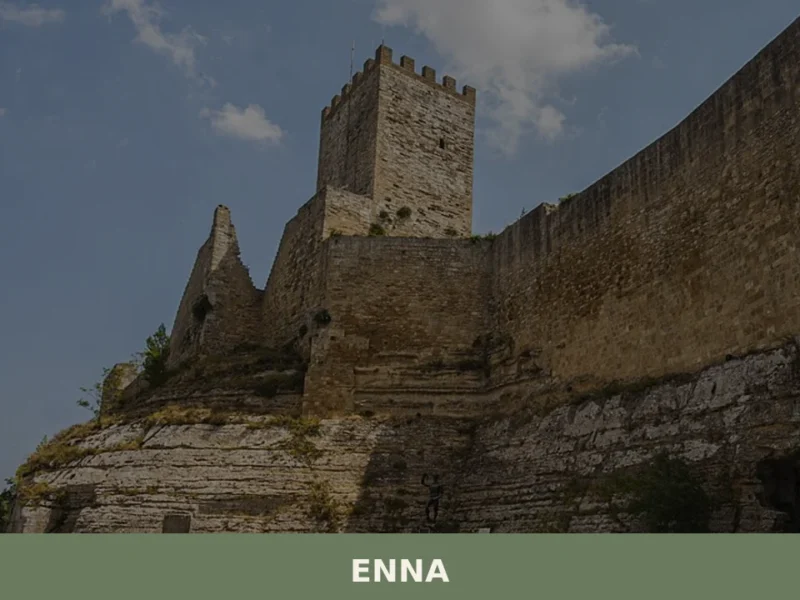
Enna
 Mountain
Discover Enna, a breathtaking village perched in the heart of Sicily, Italy. Explore its rich history, stunning landscapes, and timeless charm.
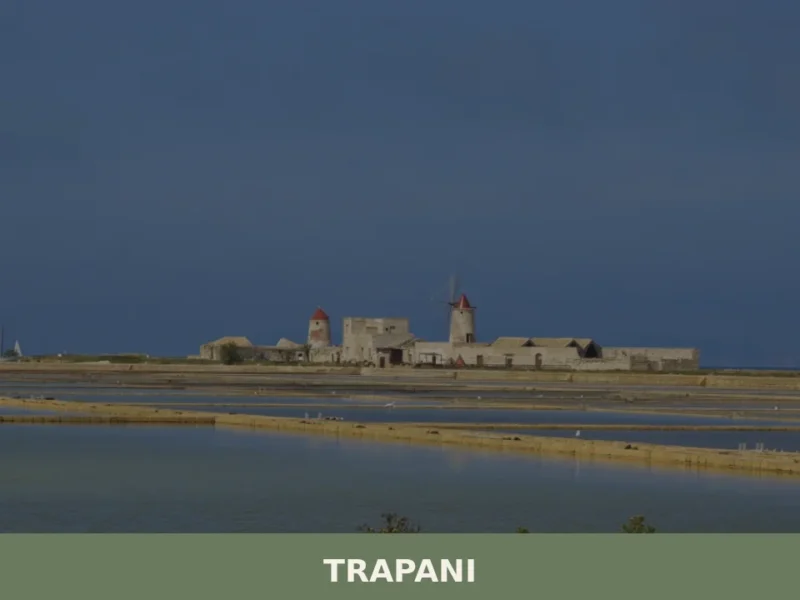
Trapani
Sea
What to see in Trapani: salt pans, Pepoli Museum, Procession of the Misteri and Trapanese pesto. City of 68,967 inhabitants. Plan your visit now.
Bompietro
Mountain
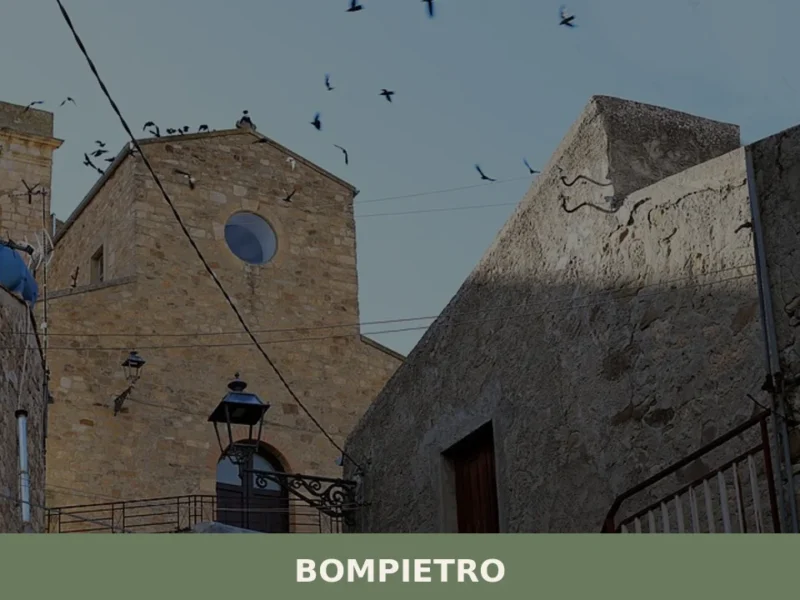
Morning light reaches Bompietro slowly, climbing over the Madonie range before it pours across the rooftops and into the narrow streets where older residents already occupy doorstep chairs. At 685 metres above sea level, the air carries a sharpness absent from the coast — part wild oregano, part cold stone. Fewer than 1,200 people live […]
Isnello
Hills
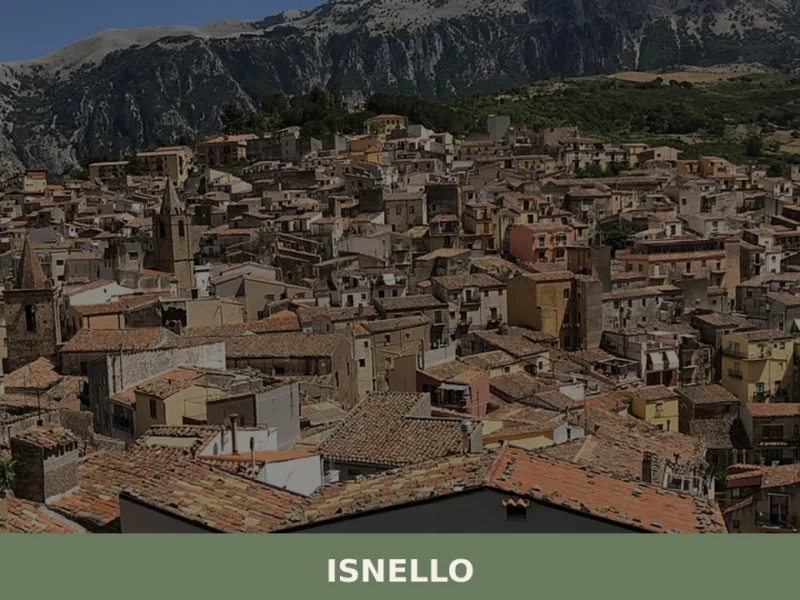
What to see in Isnello, Italy: Explore this 583 m (1,913 ft) altitude village near Palermo. Discover its historic center and panoramic views. Read our guide.
Cefalà Diana
Hills
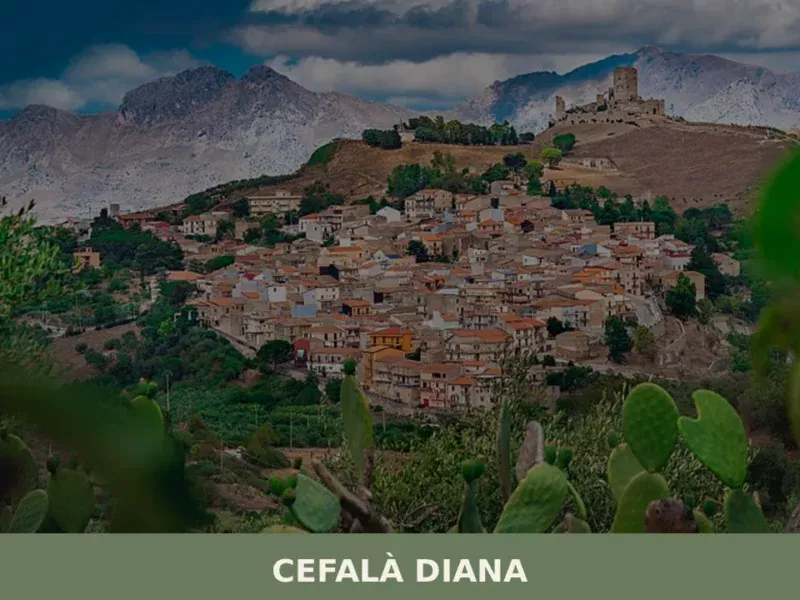
Discover what to see in Cefalà Diana, Sicily: Arab-Norman baths, castle ruins, local food, best season to visit, and how to get there from Palermo.
Aci Castello
Sea
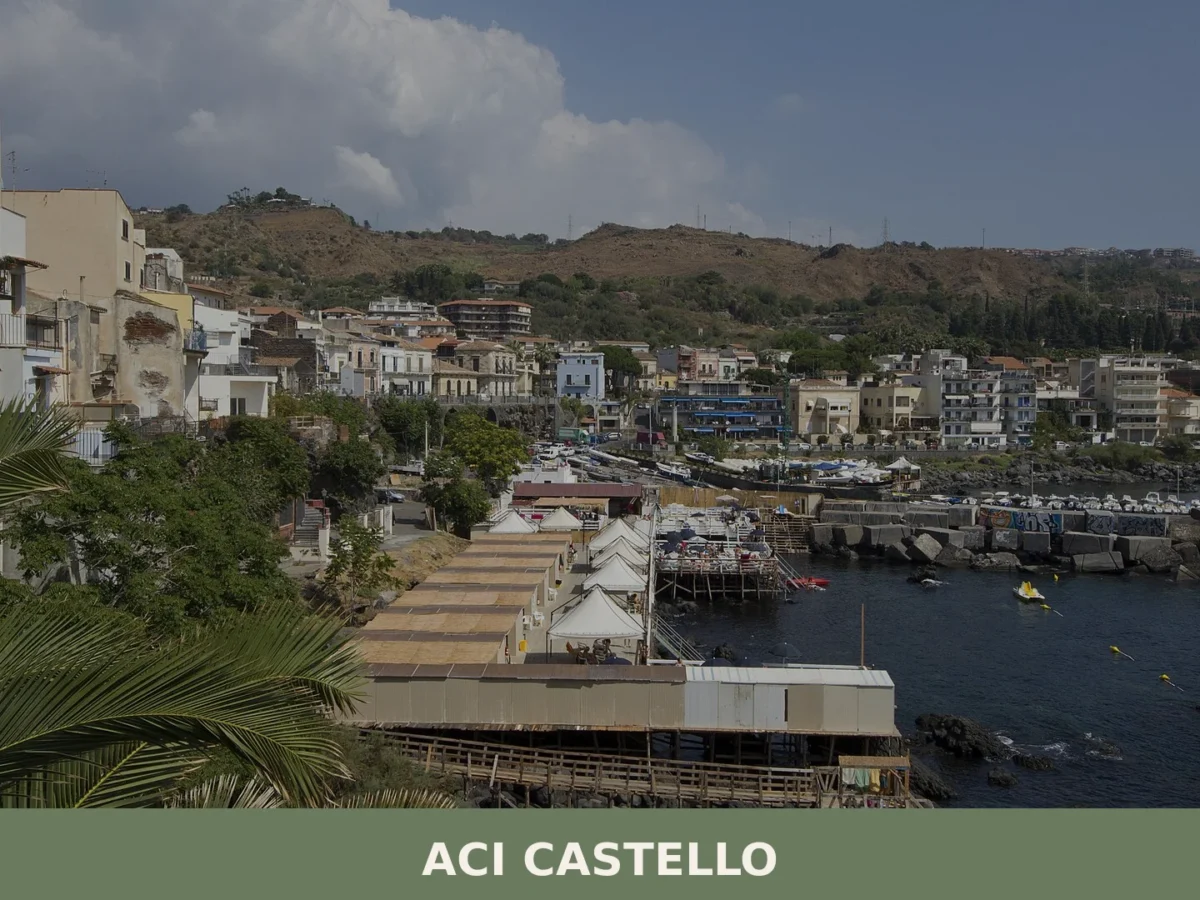
A clifftop village on the Ionian coast with a 12th-century castle and layers of Greek, Roman and medieval settlement. Where coastal life meets archaeological depth.
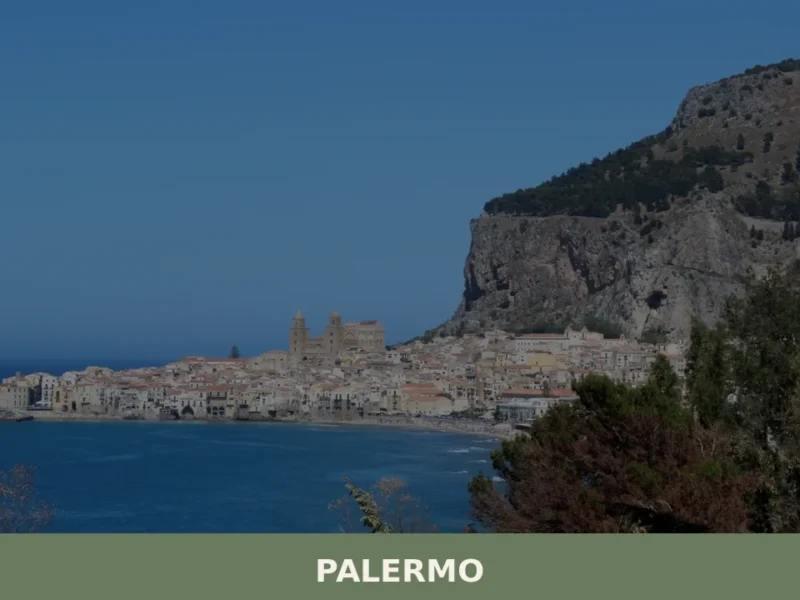
Palermo
Sea
What to see in Palermo: from the Palatine Chapel mosaics to Ballaru00f2 Market. Home to 654,987 people and 2 PAT-certified products. Plan your visit with this complete guide.

Licata
Mountain
34,000 residents, Greek foundations and a coastline of alternating cliffs and sandy coves make Licata one of the most layered towns on Sicily's southern shore.
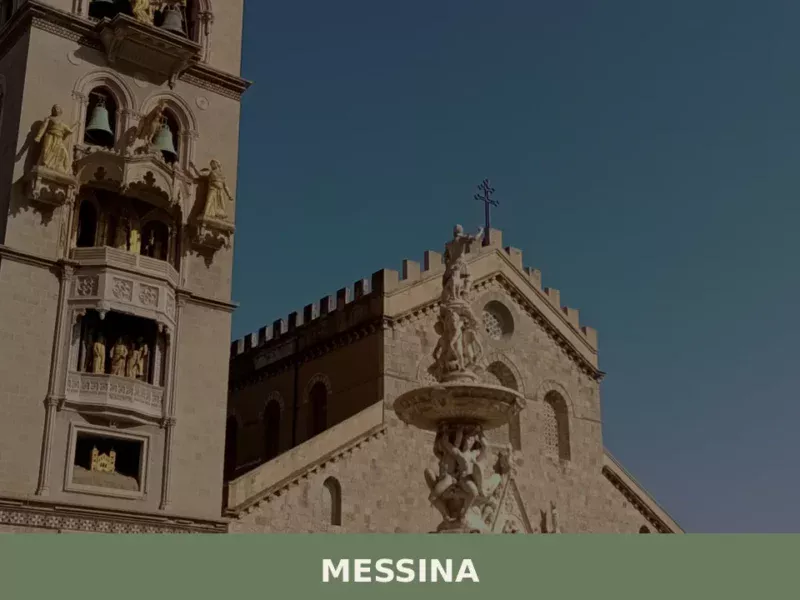
Messina
Sea
What to see in Messina: 242,267 inhabitants, the astronomical clock tower, two Caravaggios and the Norman Cathedral. Plan your visit and discover how to get there.



🏡 Know Aci Bonaccorsi better than we do?
If you’re a local or have been there, your knowledge matters: add what’s missing or fix a detail on this page.