


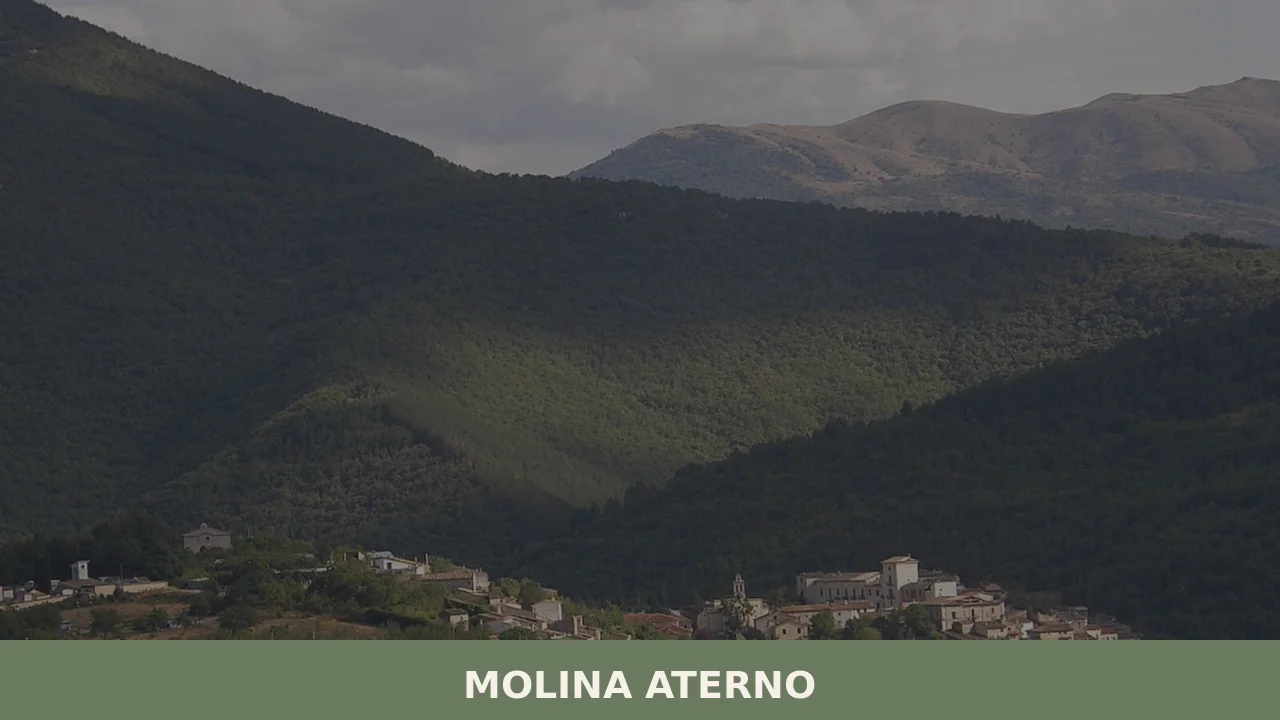
Molina Aterno
 Mountain
What to see in Molina Aterno, Italy: 3 historic monuments, a 12th-century church and a baronial palace. Discover how to get there and when to visit Abruzzo.
Discover Molina Aterno
The Aterno river gives the second half of this village’s name, and it has done so officially since 1889, when the suffix was appended to distinguish the settlement from other places bearing the Latin root molina, meaning mill.
Water, in other words, came before the place: the Aterno carved its valley through the limestone ridges of the province of L’Aquila long before any bell tower rose above the rooftops.
Today, 415 inhabitants share a historic centre where a 12th-century church, a baroque bell tower dated 1632, and a baronial palace occupy the same compact ridge.
For anyone researching what to see in Molina Aterno, the answer is focused and concrete: three documented monuments within walking distance of one another, a railway station that connects the village directly to both L’Aquila and Sulmona, and a landscape shaped by the Aterno valley at roughly 400 m (1,312 ft) above sea level. Visitors to Molina Aterno find a settlement where medieval ecclesiastical architecture and post-medieval civic buildings coexist inside a village of just over four hundred people, situated in the Abruzzo region of central Italy.
History of Molina Aterno
The name Molina derives from the Latin molina, the plural of molinum, meaning mill.
The presence of water mills along the Aterno river defined the economic identity of the settlement from its earliest documented period, when grain processing along fast-running Apennine watercourses was among the primary industries of interior Abruzzo. The Latin term passed directly into the local toponym, and the village was known simply as Molina for several centuries before administrative distinctions became necessary.
In 1889, the Italian state formally added the suffix “Aterno” to the name, creating the current designation Molina Aterno.
The addition was a bureaucratic measure to prevent confusion with other localities sharing the same root name across the Italian peninsula. The Aterno river, which flows through the province of L’Aquila and eventually joins the Pescara river near the Adriatic coast, provided the most logical geographical qualifier.
That administrative decision, recorded in the late nineteenth century, remains the formal origin of the village’s double-barrelled identity.
The ecclesiastical history of the settlement reaches back at least to the twelfth century, as confirmed by the founding of the church of Santa Maria del Colle. The presence of a baronial palace points to a feudal structure of land ownership that was common throughout the interior territories of Abruzzo during the medieval and early modern periods. The bell tower of the church of San Nicola, dated 1632, places one documented construction event firmly in the seventeenth century, a period when many Abruzzese villages consolidated or rebuilt their religious infrastructure.
The village sits within the broader historical territory of the province of L’Aquila, a province whose urban capital, the city of L’Aquila, was itself founded in the mid-thirteenth century and served as the administrative and commercial reference point for the surrounding villages. The nearby village of Cocullo, which also lies in the province of L’Aquila and shares the same medieval settlement pattern, offers comparative evidence of how small Abruzzese communities developed around both ecclesiastical and feudal structures during the same historical period.
What to see in Molina Aterno, Abruzzo: top attractions
Church of Santa Maria del Colle
The church of Santa Maria del Colle stands as the oldest documented religious structure in Molina Aterno, with its foundation traced to the twelfth century.
Its elevated position on the ridge above the valley is characteristic of Marian churches in Abruzzo, where hilltop siting served both devotional and defensive purposes during the medieval period. The exterior stonework, typical of central Italian Romanesque construction, presents the muted limestone palette common to the L’Aquila province. Visitors who climb to the church gain a direct view over the Aterno valley below. The interior preserves the spatial proportions of its original layout, and arriving in the morning, when the light enters from the east, gives the best conditions for observing the masonry detail.
Church of San Nicola
The bell tower of the church of San Nicola carries a recorded construction date of 1632, making it a dateable piece of seventeenth-century Abruzzese architecture within an otherwise medieval village fabric.
The tower rises above the roofline of the historic centre and is visible from the lower approaches to the village.
Baroque bell towers of this period in the province of L’Aquila were typically built in local limestone with minimal carved ornament, and San Nicola follows that regional pattern. The church body itself predates the tower, though the precise founding date of the nave is not documented in available sources. It is worth approaching from the main village lane to appreciate how the 1632 tower was integrated into the older structure without altering the church’s basic orientation.
The Baronial Palace
The baronial palace occupies a position within the historic centre of Molina Aterno consistent with feudal residential architecture in the Abruzzese interior: set back from the main religious spaces but within the same enclosed urban perimeter. Palaces of this type in the province of L’Aquila generally date their current form to the late medieval or early modern period, when local feudal families consolidated power over small river-valley settlements.
The building’s massing, with its thick perimeter walls and courtyard logic, reflects construction priorities more concerned with security than display.
From the outside, the stone facades show the weathering typical of Apennine limestone exposed to altitude winters. For those visiting what to see in Molina Aterno, the palace provides the clearest evidence of the social hierarchy that organised the village’s land and labour from the medieval period onward.
The Aterno River Valley
The Aterno river valley runs below the historic centre and gives the village its defining geographical context. The Aterno itself is a significant watercourse of the Abruzzo region, originating in the Apennine highlands north of L’Aquila and flowing southeast before joining the Pescara river system near the Adriatic. At the point where Molina Aterno sits, the valley floor is broad enough to have supported the water mills that gave the settlement its original name.
The riverbanks offer direct access to the valley on foot from the village, covering a relatively flat terrain close to the water. The surrounding ridges rise steeply on both sides, and the landscape in this stretch of the Aterno valley has changed little in its basic topography since the settlement was first established.
The Historic Village Centre
The compact historic centre of Molina Aterno concentrates all three major monuments within a walkable perimeter.
The street plan follows the ridge contour, with the main lane running roughly parallel to the valley below and secondary alleys dropping sharply toward the lower slopes. The building stock is predominantly residential, constructed in local limestone, with ground floors that in several cases preserve the low vaulted forms associated with storage or workshop use.
The village’s population of 415 inhabitants means the centre is quiet on most days, which allows visitors to examine the exterior stonework and architectural transitions between buildings of different periods without obstruction. The relationship between the two churches and the baronial palace, all visible within a few hundred metres of one another, makes the historic centre the primary reason to visit what to see in Molina Aterno on any day trip in the L’Aquila province.
Local food and typical products of Molina Aterno
The gastronomy of the L’Aquila province, in which Molina Aterno sits, is built around the ingredients that the Apennine interior produces and preserves through long winters. At this altitude, food culture has historically been shaped by the need to store calories across cold months: dried legumes, cured meats, hard cheeses aged in mountain air, and pasta made without egg using only durum wheat flour and water.
The Aterno valley, with its combination of river-fed pasture and highland grazing, supported both sheep farming and small-scale cereal cultivation, and both of those agricultural traditions feed directly into the local table.
Among the dishes consistently associated with the villages of the upper and middle Aterno valley, pasta e fagioli — a dense soup of tubular pasta cooked with dried borlotti beans, garlic, rosemary, and a finishing thread of local olive oil — represents the most direct expression of the stored-larder tradition.
Agnello alla brace, lamb grilled over wood embers with wild herbs gathered from the surrounding hillsides, is the standard festive preparation. Farro, the ancient emmer wheat that has been cultivated in Abruzzese valleys since the Roman period, appears in soups and as a whole-grain side dish, often cooked with local pulses.
Pecorino cheese, produced from the milk of sheep pastured on the highland meadows above the valley, is eaten at various stages of ageing: fresh and soft after a few weeks, or hard and sharp after several months in cool stone cellars.
The province of L’Aquila falls within the production zones of several certified Italian food products. Zafferano dell’Aquila DOP — saffron cultivated in the plain around L’Aquila — is the most internationally recognised, though its cultivation zone does not extend directly to the Aterno valley villages.
Lentils from Santo Stefano di Sessanio, a village in the same province, carry a Slow Food Presidium designation and appear in the markets and restaurants of the broader L’Aquila territory. No certified product with a production zone explicitly covering Molina Aterno itself is documented in the available sources, but the village’s position within the province means its restaurants and local producers draw on the same certified raw materials available across the surrounding area.
Local food shopping in small villages of this size typically operates through a single general store or a weekly market in the nearest larger town.
For visitors travelling through the Aterno valley, the market at Sulmona — held regularly and well documented as a commercial centre for the surrounding comuni — offers the most accessible point of purchase for local cheeses, cured meats, and dried pasta typical of the province. Sulmona is also the origin of confetti, the sugar-coated almond sweets that have been produced there since the fifteenth century and are sold throughout the region.
Festivals, events and traditions of Molina Aterno
The two churches documented in Molina Aterno — Santa Maria del Colle and San Nicola — would both have their own liturgical calendars, with feast days tied to their respective dedications.
The feast of San Nicola di Bari falls on 6 December, a date observed across many Abruzzese villages that have adopted San Nicola as patron.
Marian feast days associated with churches dedicated to Santa Maria include 15 August (Ferragosto, the Assumption of Mary), one of the most widely celebrated religious dates in Abruzzo, typically marked with an evening procession and a communal meal in the village square. No additional documented festivals or specific event dates for Molina Aterno are confirmed in the available sources beyond what the church dedications imply.
The broader Abruzzo region has a well-documented calendar of religious and food-related events. The village of , in the same province of L’Aquila, holds the Processione dei Serpari on the first Thursday of May, one of the most documented ritual events in central Italy, where the statue of San Domenico is carried through the village draped in live snakes.
For visitors planning a trip to the L’Aquila province and looking to combine Molina Aterno with an established annual event, timing travel to coincide with regional festivals in the surrounding comuni provides the most reliable programme.
When to visit Molina Aterno, Italy and how to get there
The best period to visit Molina Aterno falls between late April and early October.
Spring, from late April through June, offers moderate temperatures, the Aterno valley in full vegetation, and the quietest roads in the interior of Abruzzo. July and August bring warmer conditions and slightly more movement through the region, as Italian domestic tourism increases in mountain villages during the summer school holidays. September is particularly practical: the heat drops, the light is low and clear in the mornings, and the harvest season introduces fresh produce into local markets.
Winter visits are possible — the village is accessible year-round by rail — but temperatures at this Apennine altitude are cold, and several smaller businesses operate reduced hours between November and March. For those asking about the best time to visit Abruzzo more broadly, the spring-to-autumn window applies across most of the province of L’Aquila.
Molina Aterno has a railway station on the Terni–Sulmona line, served by Trenitalia regional trains running to both L’Aquila to the north and Sulmona to the southeast. From Rome, the most practical approach is to take a direct train to L’Aquila — a journey of approximately 1 hour 30 minutes from Roma Tiburtina — and then continue on the regional service toward Sulmona, stopping at Molina Aterno. The total journey from Rome to Molina Aterno by rail covers roughly 120 km (74.6 mi).
By car from Rome, the A24 motorway (Roma–L’Aquila–Teramo) serves the journey as far as L’Aquila, from which the SS17 state road follows the Aterno valley southeast; Molina Aterno lies approximately 30 km (18.6 mi) from L’Aquila along this route.
The nearest commercial airport is L’Aquila’s Aeroporto dei Parchi, though most international visitors arrive via Rome Fiumicino, at approximately 135 km (83.9 mi) from the village. For a day trip from L’Aquila, Molina Aterno is straightforwardly reachable by both train and car without an overnight stay. International visitors should carry euro cash, as card payment is not guaranteed in smaller village establishments, and English is not widely spoken in shops of this size.
Visitors driving through the valley can combine Molina Aterno with other villages along the Aterno corridor. The village of Lucoli, situated northwest of L’Aquila, represents a comparable example of a small L’Aquila-province village with a documented historic centre and easy road access from the provincial capital. To the south of the province, Roccaraso sits on the Abruzzese highlands at a higher elevation and is known primarily as a winter sports destination, offering a different character if the trip extends over multiple days.
📷 Photo Gallery — Molina Aterno
Nearby Villages near Molina Aterno
In Abruzzo More villages to discover
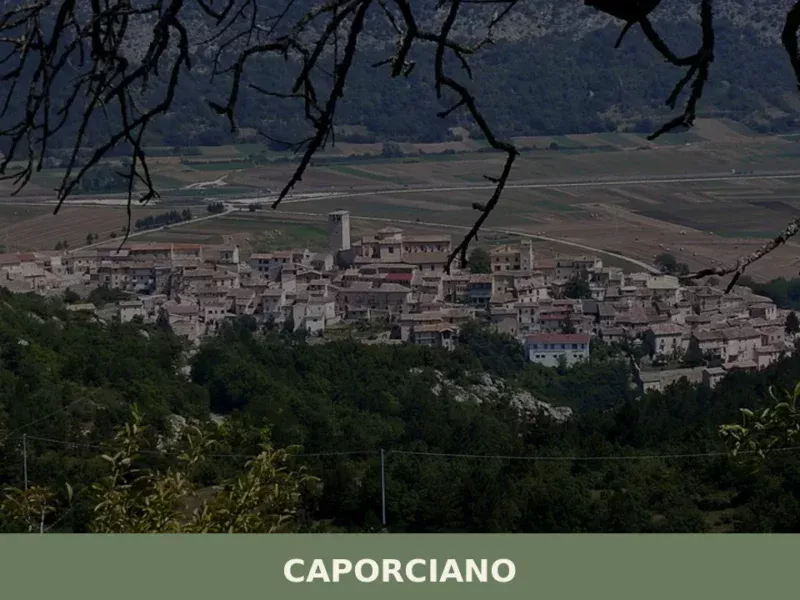
Caporciano
Mountain
Caporciano, a small village near L'Aquila between history and nature: discover what to see, how to get there and the top places to visit. Plan your trip.
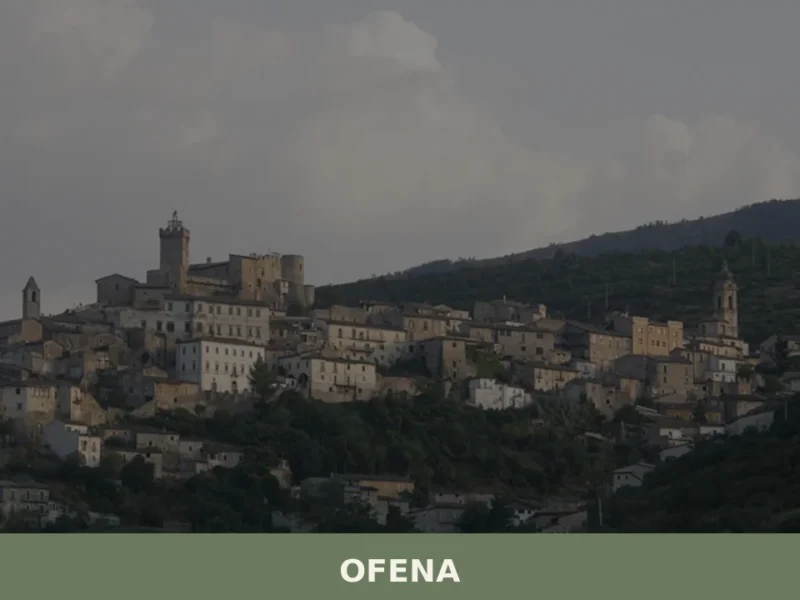
Ofena
Mountain
What to see in Ofena, Italy: Explore its historical significance as Aufinium and the Gran Sasso e Monti della Laga National Park. This village of 517 inhabitants offers a journey into Abruzzo's past. Read our guide.
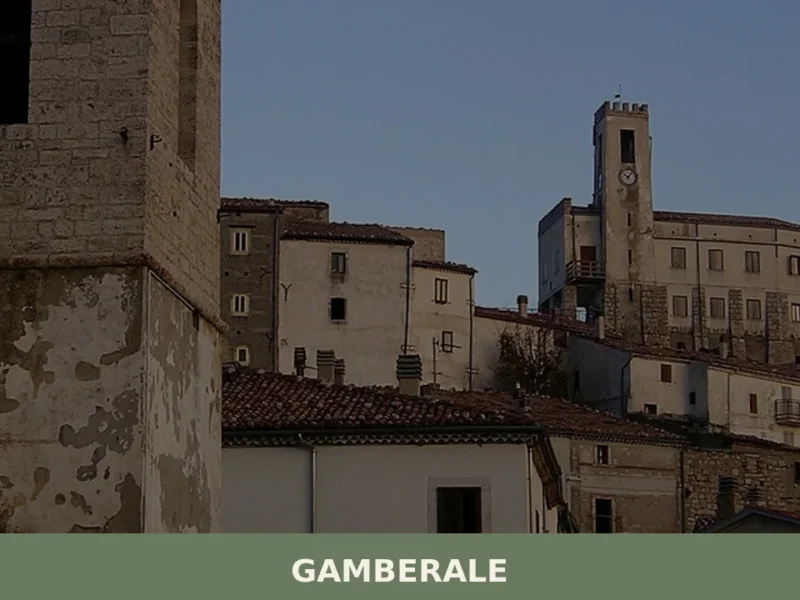
Gamberale
Mountain
At 1,343 metres above sea level, along the eastern ridge of the Majella mountains where the slopes descend towards the Sangro valleys, 277 residents keep alive a settlement that the catasto onciario of the Kingdom of Naples already recorded in the eighteenth century as a community of shepherds and charcoal burners. Visitors arriving in Gamberale […]
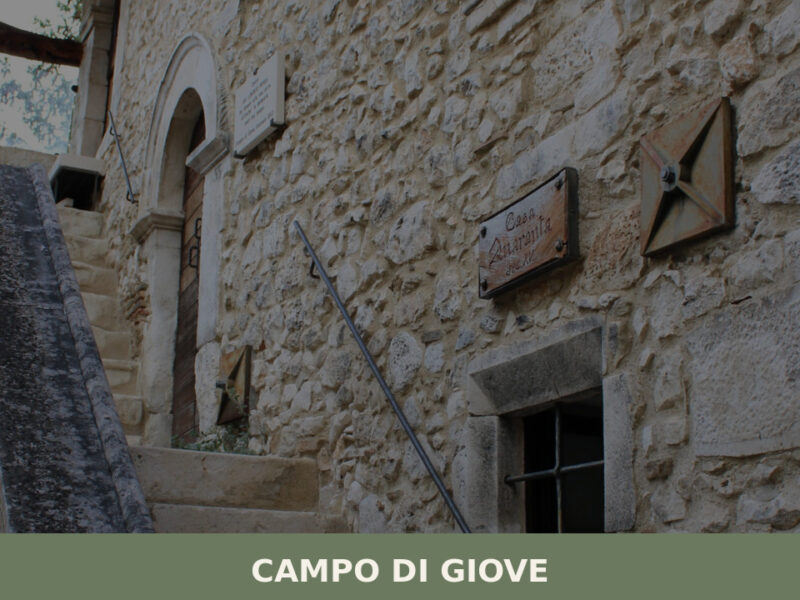
Campo di Giove
Mountain
A mountain village at 1,064 metres beneath the Majella massif. Discover what to see in Campo di Giove — medieval stone houses, highland pastures, and quiet trails.
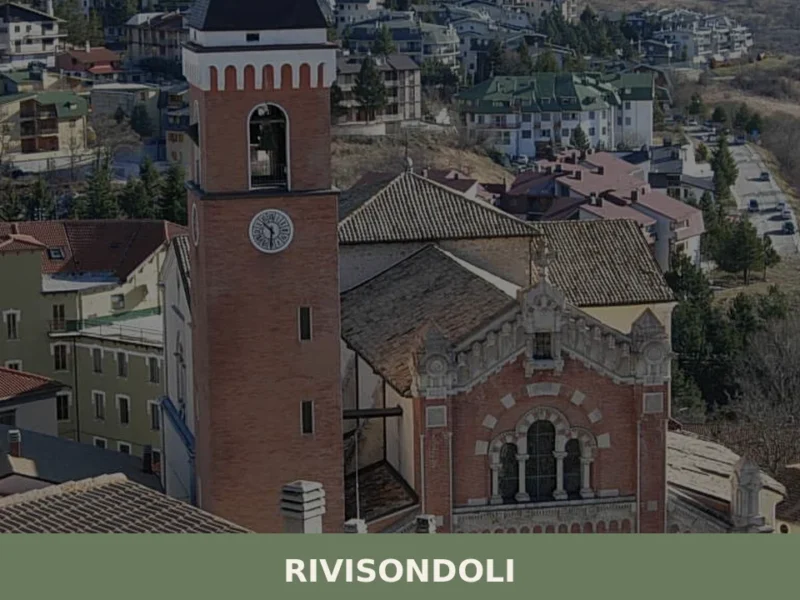
Rivisondoli
Mountain
What to see in Rivisondoli, Italy: ski slopes, medieval history since 724 AD, and mountain cuisine. Explore this 684-resident Abruzzo village. Discover it now.
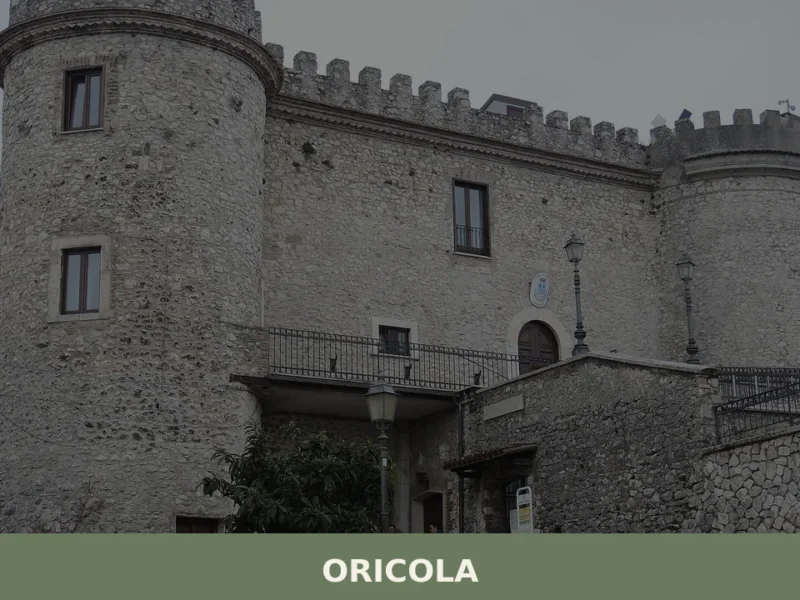
Oricola
Mountain
What to see in Oricola, Italy? Explore its 1,182 inhabitants, ancient Italic settlements, and a mid-15th century fortress. Discover this Abruzzo village.
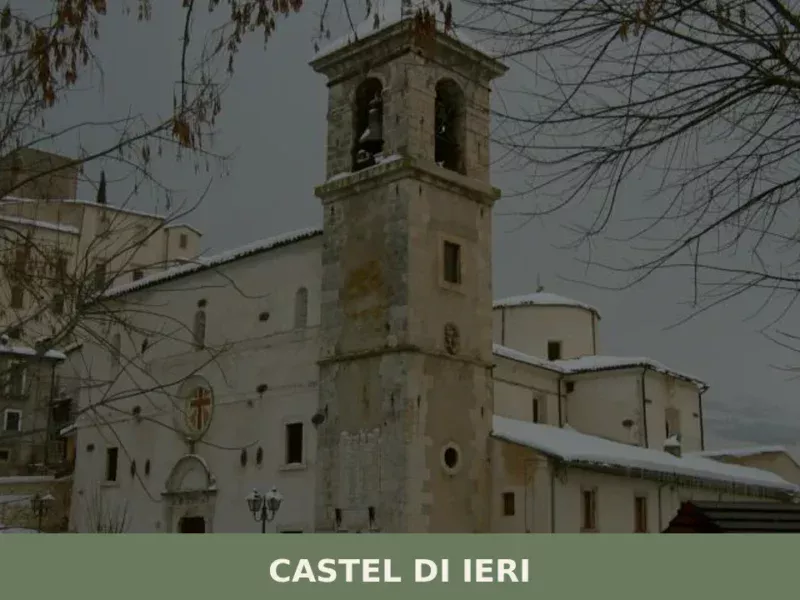
Castel di Ieri
 Hills
Hills
In Castel di Ieri, a village of 289 registered inhabitants at 519 metres above sea level in the Valle Subequana, the most significant feature lies underground: an Italic temple from the 1st century BC, unearthed during the 1980s, which redrew the archaeological map of inland Abruzzo. Anyone looking into what to see in Castel di […]
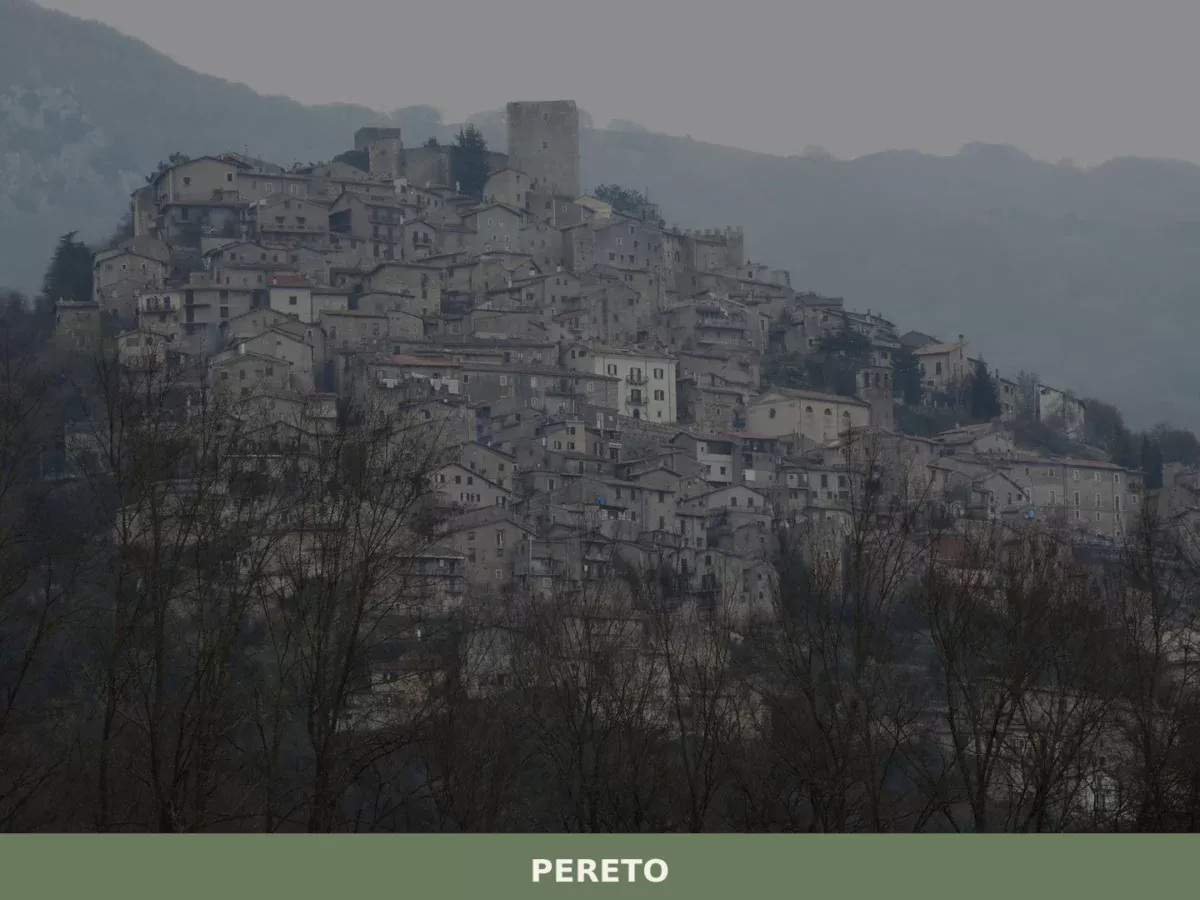
Pereto
Mountain
Discover Pereto's 5 must-see attractions in Abruzzo. From Rocca Orsini to historic churches, read our guide and plan your trip!
Picciano
Hills
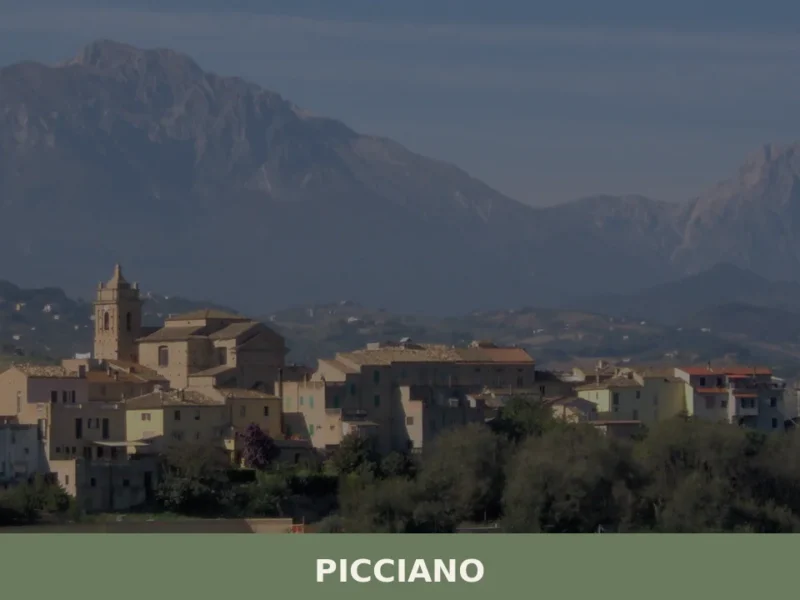
What to see in Picciano, Italy: Discover the historical village of Picciano (population 1,398). Explore its early medieval origins and panoramic Abruzzo views.
Martinsicuro
 Sea
Sea
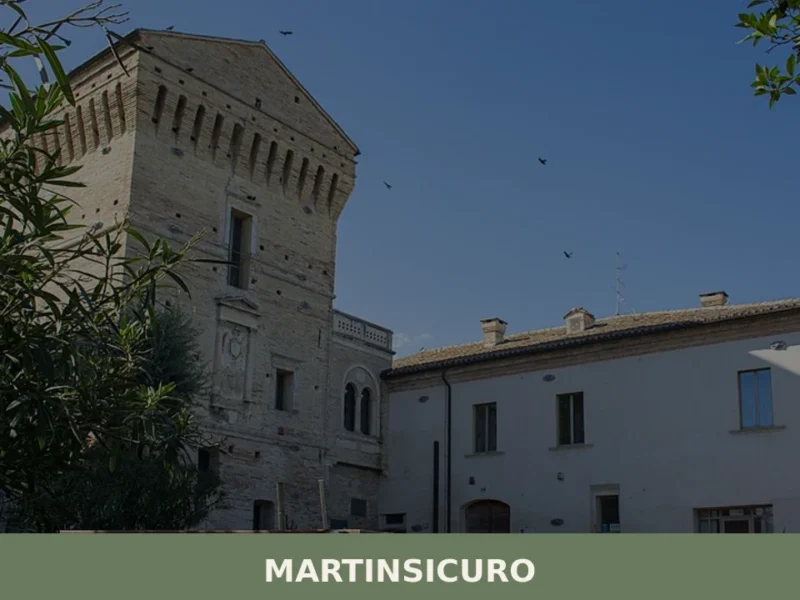
Martinsicuro, located 2 meters above sea level in the province of Teramo, has a population of 16,270 inhabitants. Its development is directly linked to the Adriatic coast and the presence of the Tronto river mouth. For those wondering what to see in Martinsicuro, the core interest lies in its identity as a seaside town that […]




🏡 Know Molina Aterno better than we do?
If you’re a local or have been there, your knowledge matters: add what’s missing or fix a detail on this page.