


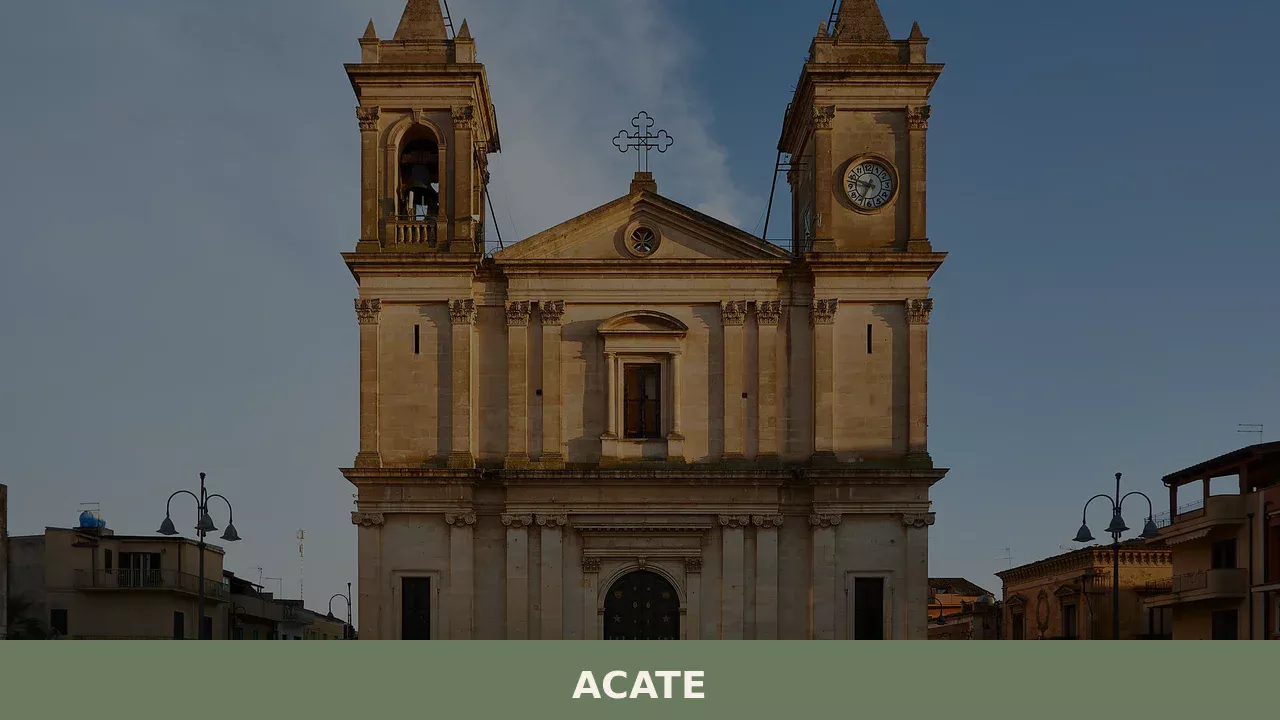
Acate
 Sea
Sea
Discover what to see in Acate, the former Biscari in Ragusa province: Baroque history, Cerasuolo di Vittoria vineyards, castle and Iblean landscapes.
Discover Acate
Until 1938, the town now known as Acate appeared on every official map under a different name: Biscari. That administrative rename, imposed during the Fascist-era campaign to Italianise place names, erased a toponym that had identified this settlement in the Ragusa province of southeastern Sicily for centuries. Today, with a population of around 10,678, Acate sits in the lower Iblean plateau, embedded in a landscape of wheat fields, carob groves and vineyards. Knowing what to see in Acate means understanding this layered past — a town that carries two names and several centuries of Norman, Spanish and Bourbon ambition within its streets.
History of Acate
The original name Biscari derives from the Arab toponym Biqsir, a linguistic trace of the period of Arab settlement and agricultural reorganisation that transformed much of southeastern Sicily between the 9th and 11th centuries. When the Normans consolidated their grip on the island following the conquest of 1072, the territory around Biscari was absorbed into the feudal grid that Roger I and his successors imposed across Sicily. The town’s position on the edge of the Iblean plateau, close to the Dirillo River, made it a strategically useful settlement for controlling routes between the interior and the southern coastline.
The Branciforte family, one of the most powerful aristocratic dynasties in early modern Sicily, held the fief of Biscari for an extended period before the title passed to the Paternò Castello family, who became Princes of Biscari. It was under this lineage that the town saw significant architectural and cultural investment during the 17th and 18th centuries. The Princes of Biscari were notable patrons — Ignazio Paternò Castello, the 5th Prince of Biscari, built a celebrated private museum in Catania that assembled Greek, Roman and Sicilian antiquities and became a reference point for Enlightenment-era scholarship across Europe.
The catastrophic earthquake of 1693, which devastated much of southeastern Sicily and levelled cities such as Noto and Ragusa, struck Biscari as well. The reconstruction that followed gave the town much of its current Baroque architectural character — the same wave of rebuilding that reshaped the entire Val di Noto. In 1938, the Fascist government renamed the municipality Acate, adopting the name of the Acate River (the ancient Greek Akagas in its minor course). This change severed the town’s official identity from its Arab-Norman heritage, though local memory preserved the older name well into the postwar decades.
What to see in Acate: 5 must-visit attractions
Castello dei Principi di Biscari
The feudal castle associated with the Princes of Biscari stands as the most architecturally significant structure in the town centre. Built and modified over several centuries, its current form reflects late medieval and early modern interventions. The structure served as the administrative and residential seat of the Paternò Castello family during their long tenure as feudal lords of the territory.
Chiesa Madre di San Nicola di Bari
The main parish church, dedicated to Saint Nicholas of Bari, was rebuilt following the 1693 earthquake in the Baroque style that defines religious architecture across the Val di Noto. Its façade and interior organisation follow the post-earthquake reconstruction typology common to this corner of Sicily, with a nave layout typical of 18th-century Sicilian ecclesiastical building.
The Historic Town Centre
The grid of streets around the central piazza preserves the urban layout established during the post-1693 reconstruction. Low-rise stone buildings in local limestone line the main corso, and the proportions of the squares reflect the planned character of 18th-century Sicilian town design — rational, measured, and oriented around the church and municipal palazzo.
The Dirillo River Valley
The Dirillo River, which marks part of the territorial boundary of the municipality, runs through a valley of agricultural and ecological interest. The river corridor supports a mosaic of riparian vegetation, citrus cultivation and cereal farming. The landscape here gives a direct reading of the productive geography that made the Biscari fief economically viable under feudal administration.
The Agricultural Landscape and Carob Groves
The countryside around Acate contains some of the most intact examples of traditional Iblean agricultural landscape in the Ragusa province. Carob trees — a crop with documented commercial importance in Sicily since at least the medieval period — alternate with vineyards producing grapes destined for the Cerasuolo di Vittoria DOCG, the only DOCG designation in Sicily.
Local food and typical products
The Ragusa province is one of the most productive agricultural zones in Sicily, and Acate sits within this broader food geography. The vineyards surrounding the town contribute to the Cerasuolo di Vittoria DOCG, a red wine produced from a blend of Nero d’Avola and Frappato grapes — two varieties indigenous to southeastern Sicily. The wine carries a designation of controlled and guaranteed origin, making it the benchmark product of this territory. Local trattorias and agriturismi in the area typically serve it alongside dishes built on the same agricultural logic: pasta with ragù of local pork, grilled lamb from the Iblean uplands, and ricotta made from sheep’s milk grazed on the plateau.
Alongside wine, the area produces Ragusano DOP cheese — a stretched-curd cheese made exclusively from the milk of the Modicana cattle breed, aged in forms that are traditionally tied with rope and hung to mature. Its flavour shifts from mild and milky when young to sharp and granular after extended ageing. Carob flour, olive oil from the low-altitude groves, and wild fennel feature consistently in local cooking. For those looking to eat well in or near Acate, the network of agriturismi in the surrounding countryside offers the most direct access to this produce, often serving food grown or raised on the same property. The official municipal website of Acate provides updated listings of local businesses and producers.
Best time to visit Acate
Southeastern Sicily operates on a climate pattern of hot, dry summers and mild, wet winters. July and August bring temperatures that regularly exceed 35°C in the interior, making long walks through the town or the countryside uncomfortable during midday hours. The better windows for a visit are late spring — particularly May and early June, when the wheat is still green and the carob trees are in leaf — and autumn, from late September through November, when the grape harvest is underway and the light over the Iblean plateau is direct and clear. The Cerasuolo di Vittoria harvest period in September and October gives visitors the chance to observe the agricultural cycle that drives the local economy at its most active point.
Easter week in this part of Sicily carries significant religious observance, with processions and liturgical ceremonies that draw participants from across the province. For those interested in the Baroque architectural heritage of the Val di Noto more broadly, coordinating a visit to Acate with explorations of the nearby UNESCO-listed towns — Ragusa, Modica, Scicli — makes practical sense, as the distances between them are short and the road network is good. Winters are quiet and some businesses operate reduced hours, but the town functions normally and accommodation is easier to find without advance booking.
How to get to Acate
Acate is located in the Ragusa province of southeastern Sicily. The nearest major airport is Catania-Fontanarossa (Vincenzo Bellini International Airport), approximately 90 kilometres to the northeast, making it the primary point of entry for most visitors travelling from outside Sicily. From Catania, the most direct road route follows the SS514 and SP connections towards the Ragusa province, with a driving time of roughly 75 to 90 minutes depending on traffic through the Iblean hills. Palermo Airport is a secondary option, approximately 250 kilometres away via the A19 motorway.
- By car: From Catania, take the SS514 direction Comiso/Ragusa; Acate is signposted along provincial roads from the Comiso area. A car is effectively essential for exploring the surrounding countryside.
- By train: The nearest functioning railway stations are at Vittoria and Comiso, both within approximately 15–20 kilometres. Regional rail services connect these towns to Ragusa and Catania, though frequency is limited and onward travel by bus or taxi is required.
- By bus: SAIS Autolinee and AST (Azienda Siciliana Trasporti) operate regional bus services connecting the main towns of the Ragusa province. Journey times from Ragusa city centre to Acate are in the range of 30–45 minutes.
- From Ragusa city: Approximately 30 kilometres northwest via provincial roads; around 35 minutes by car.
Where to stay in Acate
Acate is a working agricultural town rather than a tourism hub, which means accommodation within the town centre itself is limited — expect a small number of B&Bs and guesthouses rather than hotels. The most practical and characteristic lodging option in this territory is the agriturismo: farm-stay properties scattered across the surrounding countryside that offer rooms and often meals prepared from their own produce. These range from simple working farms with basic rooms to more carefully restored masserie — the large stone farmhouses typical of the Ragusa plateau — with higher levels of comfort. Booking directly with the property is common practice in this area, and many agriturismi maintain their own websites or profiles on standard booking platforms.
For visitors who want a broader base from which to explore the Val di Noto, the city of Ragusa — the provincial capital, roughly 30 kilometres away — offers a wider selection of hotels, B&Bs and apartment rentals across its two distinct urban levels of Ragusa Superiore and Ragusa Ibla. This can be a practical choice for those combining Acate with visits to Modica, Scicli or Vittoria. The Sicilian Regional Tourism portal maintains searchable accommodation listings by municipality and territory.
More villages to discover in Sicilia
The Ragusa province is one of several distinct regional pockets in Sicily where history, landscape and food converge in ways that reward careful, slow exploration. Visitors extending their journey westward might consider Salaparuta, a village in the Belice Valley that carries its own layered history of reconstruction following the 1968 earthquake — a different chapter in Sicily’s long relationship with seismic rupture and urban reinvention. To the northeast, the provincial city of Catania offers the volcanic drama of Etna as a backdrop and the full architectural register of Baroque urban planning at a larger scale, with the added interest of the 5th Prince of Biscari’s celebrated antiquities museum.
Moving into the interior highlands, Godrano, in the Palermo hinterland, represents a quieter face of inland Sicily — a small community embedded in a forested landscape that contrasts sharply with the open cereal plains of the Ragusa province. Further north, Caltanissetta serves as the administrative centre of the island’s geographical core, with a Baroque cathedral and a mining heritage rooted in the sulphur extraction industry that defined this part of Sicily’s economy for much of the 19th and early 20th centuries. Together, these destinations map a cross-section of Sicilian territory that no single town can represent alone. For a comprehensive regional overview, the Visit Sicily official tourism portal offers itinerary planning tools and event calendars across all nine provinces.
Frequently asked questions about Acate
What is the best time to visit Acate?
The ideal times to visit Acate are late spring (May and early June) and autumn (late September through November). During these periods, temperatures are pleasant for exploring the town and countryside, and the light over the Iblean plateau is clear. Autumn coincides with the Cerasuolo di Vittoria grape harvest, offering a chance to observe the local agricultural cycle. Visitors interested in local traditions might also consider February 3rd for the patron saint's feast of Biagio di Sebaste, or Easter week for its significant religious observances and processions. Summers can be very hot, exceeding 35°C.
What to see in Acate? Main monuments and landmarks
Acate offers a glimpse into its layered past through several key sites. The Castello dei Principi di Biscari is the town's most significant architectural landmark, showcasing centuries of modifications. The Chiesa Madre di San Nicola di Bari, rebuilt in Baroque style after the 1693 earthquake, is central to the historic town centre, which itself preserves an 18th-century urban layout. Beyond the architecture, the Dirillo River Valley and the surrounding agricultural landscape, rich with carob groves and vineyards for Cerasuolo di Vittoria, provide scenic beauty and insight into the region's productive geography.
Where to take the best photos in Acate?
For memorable photos in Acate, focus on the architectural highlights and the distinctive Iblean landscape. The impressive facade of the Castello dei Principi di Biscari and the Baroque Chiesa Madre di San Nicola di Bari offer excellent shots, especially in the clear light of late morning or late afternoon. Wander through the Historic Town Centre to capture its planned 18th-century streets and stone buildings. For natural scenery, the rolling agricultural landscape dotted with carob groves and vineyards, particularly along the Dirillo River Valley, provides picturesque views that reflect the authentic character of southeastern Sicily.
Are there museums, churches or historic buildings to visit in Acate?
Yes, Acate features significant historic buildings and a prominent church that reflect its rich heritage. The Castello dei Principi di Biscari stands as the town's most important feudal structure, showcasing centuries of architectural evolution. The Chiesa Madre di San Nicola di Bari, a beautiful Baroque church, is the main parish and a key example of post-1693 earthquake reconstruction in the Val di Noto. While specific opening hours for interior visits are not detailed, their exteriors and the surrounding historic centre provide ample opportunity to appreciate Acate's architectural legacy.
What can you do in Acate? Activities and experiences
In Acate, visitors can immerse themselves in authentic Sicilian rural life and culture. A primary activity is exploring the rich food and wine scene; this includes tasting the renowned Cerasuolo di Vittoria DOCG wine and Ragusano DOP cheese. Many local agriturismi offer farm-to-table dining experiences. You can drive through the picturesque agricultural landscape, observing carob groves and vineyards, especially during the grape harvest in autumn. Acate also serves as an excellent, less-touristy base for day trips to the nearby UNESCO-listed Baroque towns of Ragusa, Modica, and Scicli, all within short driving distance.
Who is Acate suitable for? Families, couples, hikers, solo travelers?
Acate is ideal for travelers seeking an authentic, non-mass-tourism experience focused on Sicilian history, culture, and gastronomy. It appeals to food and wine enthusiasts eager to explore the Cerasuolo di Vittoria DOCG wine region and taste local products like Ragusano DOP cheese. History buffs will appreciate its unique past as Biscari and its Baroque architecture. It's also suitable for those who enjoy rural landscapes, perhaps exploring by car, and for travelers looking for a quiet base to discover the broader Val di Noto UNESCO sites. A car is highly recommended for full exploration.
What to eat in Acate? Local products and specialties
Acate and its surrounding area offer a rich culinary experience rooted in Iblean agriculture. The standout product is Cerasuolo di Vittoria DOCG, Sicily's only DOCG wine, a red blend of Nero d'Avola and Frappato grapes. Another must-try is Ragusano DOP cheese, a stretched-curd cheese made from Modicana cattle milk, varying in flavour with age. Local cuisine also features carob flour, high-quality olive oil, and wild fennel. Typical dishes include pasta with local pork ragù, grilled Iblean lamb, and fresh sheep's milk ricotta, best sampled at the area's agriturismi.
Nearby Villages near Acate
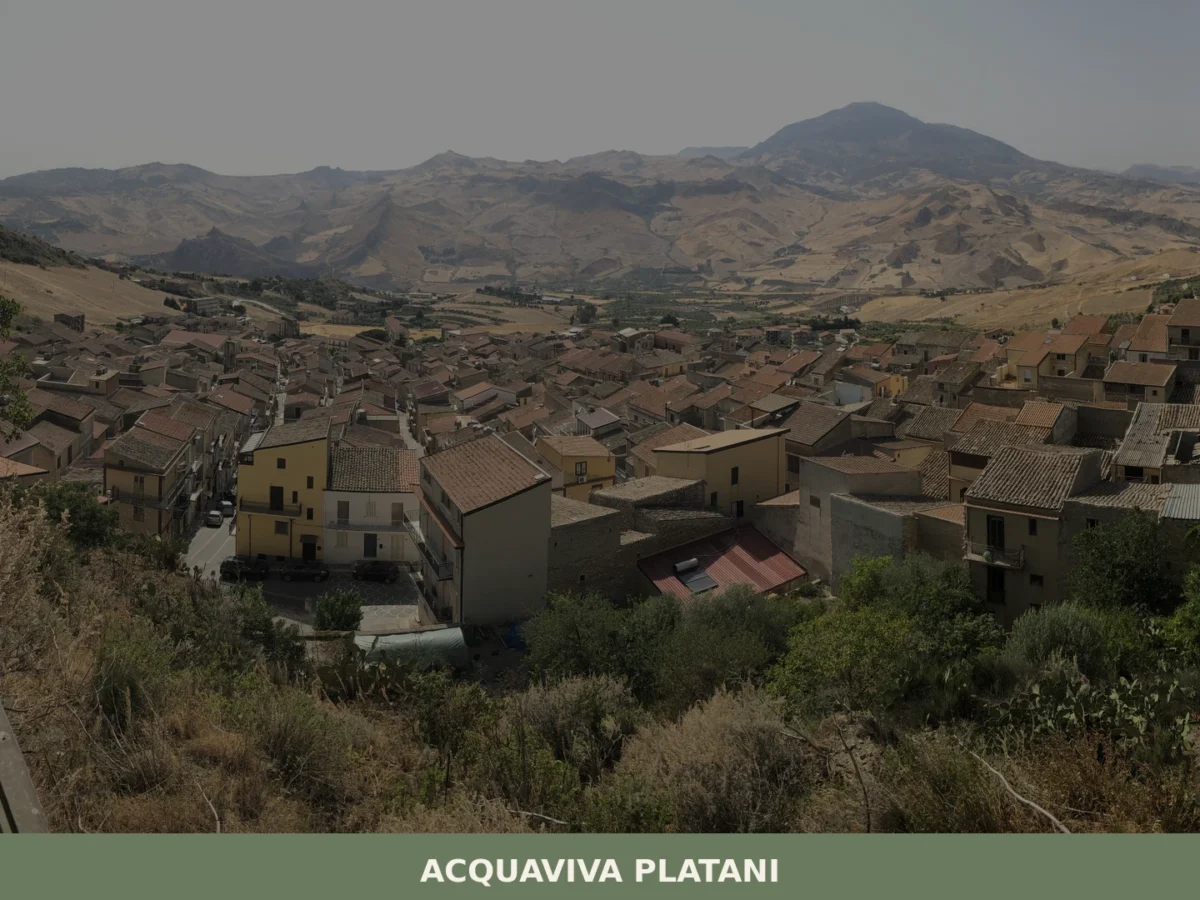
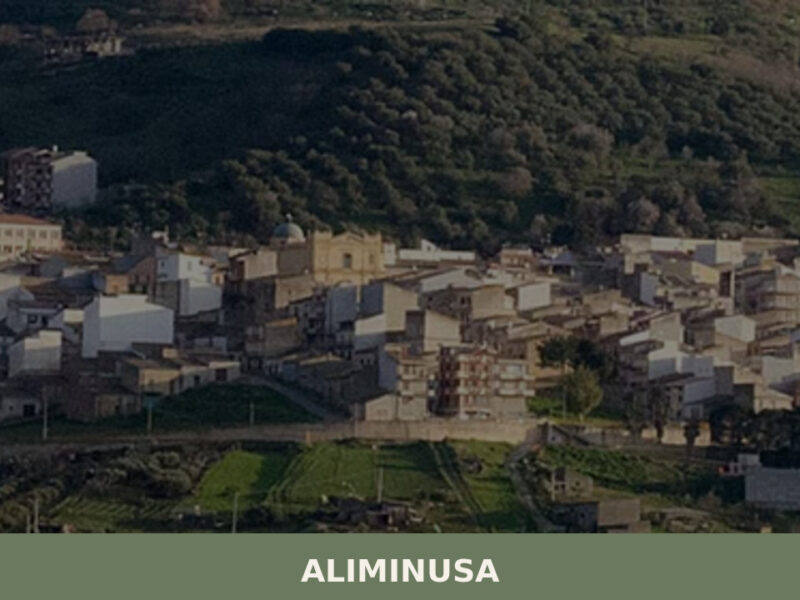
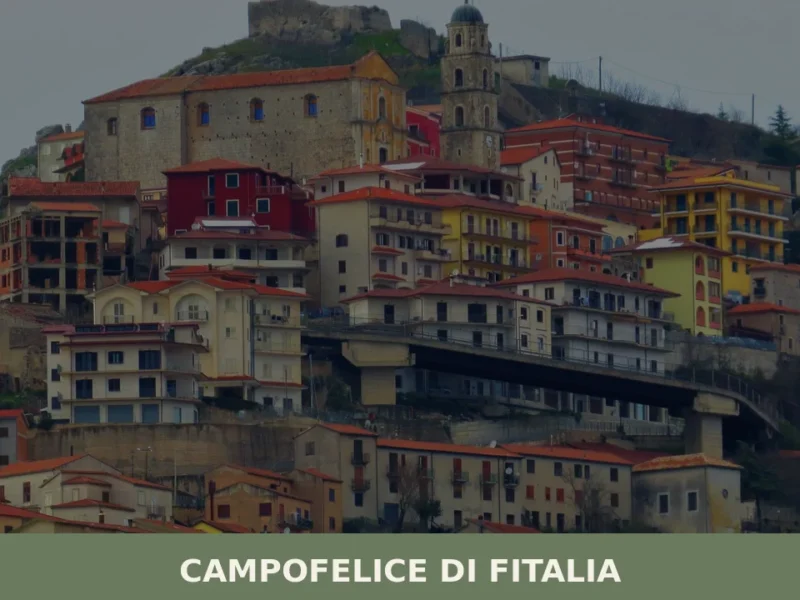
In Sicily More villages to discover
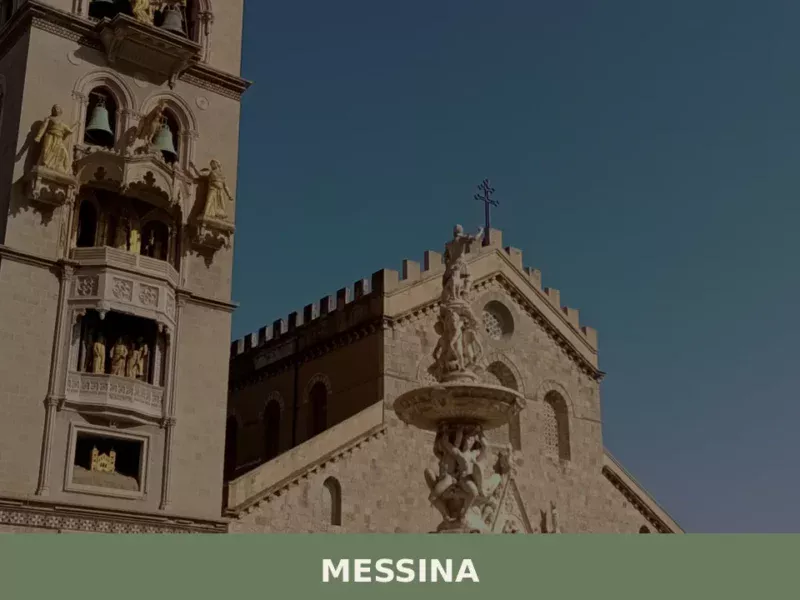
Messina
Sea
What to see in Messina: 242,267 inhabitants, the astronomical clock tower, two Caravaggios and the Norman Cathedral. Plan your visit and discover how to get there.

Rodì Milici
 Hills
Hills
Two urban nuclei, one Knights of Malta palazzo and the ruins of ancient Longane: Rodì Milici rewards visitors who look beyond the Sicilian coast.
Godrano
 Mountain
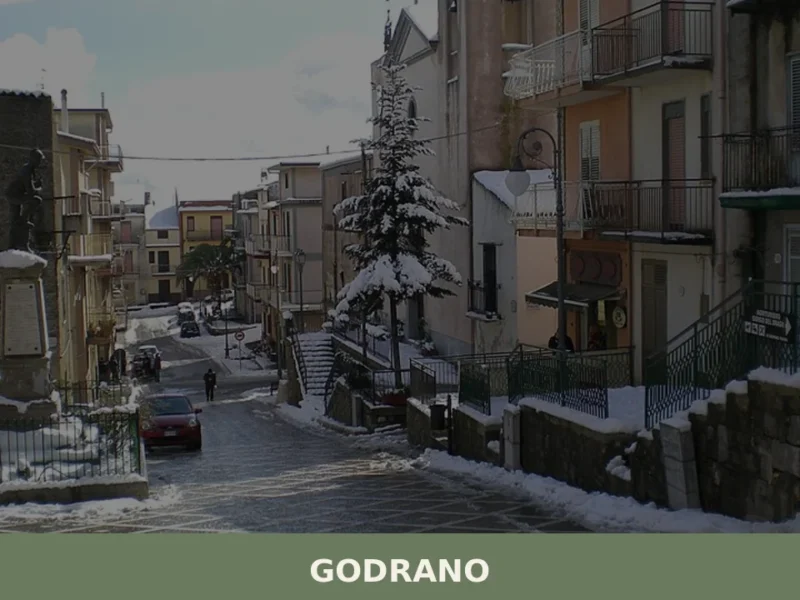
What to see in Godrano: from the Bosco della Ficuzza Reserve to the Palazzina Reale, churches and cuisine of the Sicani hinterland at 693 m above sea level.
Alcamo
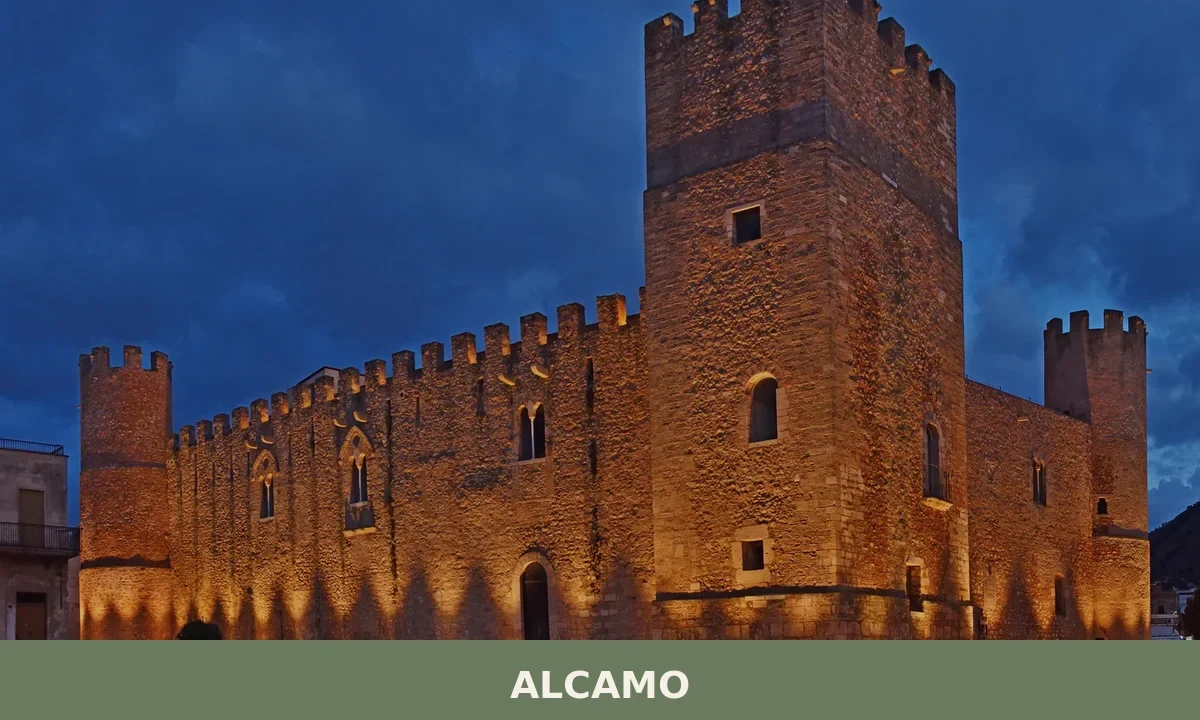
Alcamo sits where Arab merchants once haggled at fiorenti markets and Norman barons held court. Discover how a Mesolithic settlement became Sicily's most layered trading town.
Salaparuta
 Plains
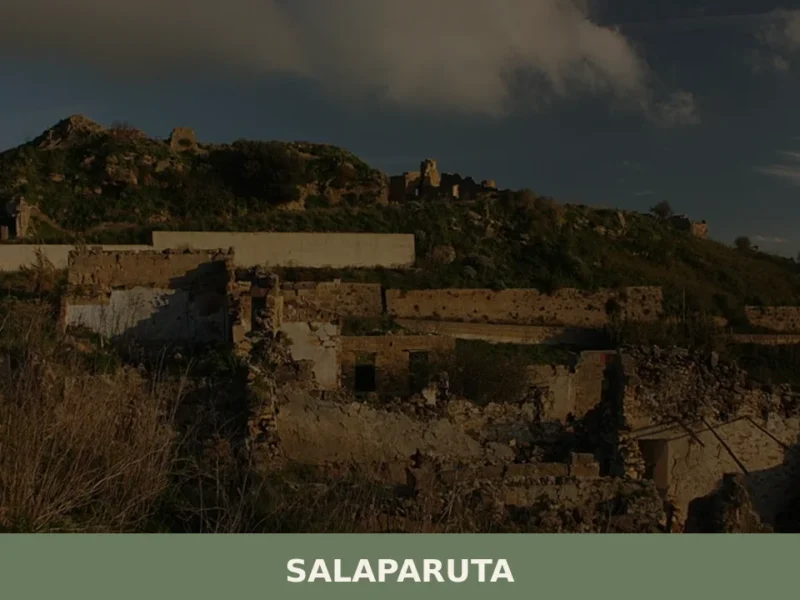
what to see in salaparuta, Italy: Explore this Belice Valley village, 171 meters above sea level, known for its DOC wine and the San Giuseppe feast on March 19. Discover local history and attractions.
Gangi
Mountain
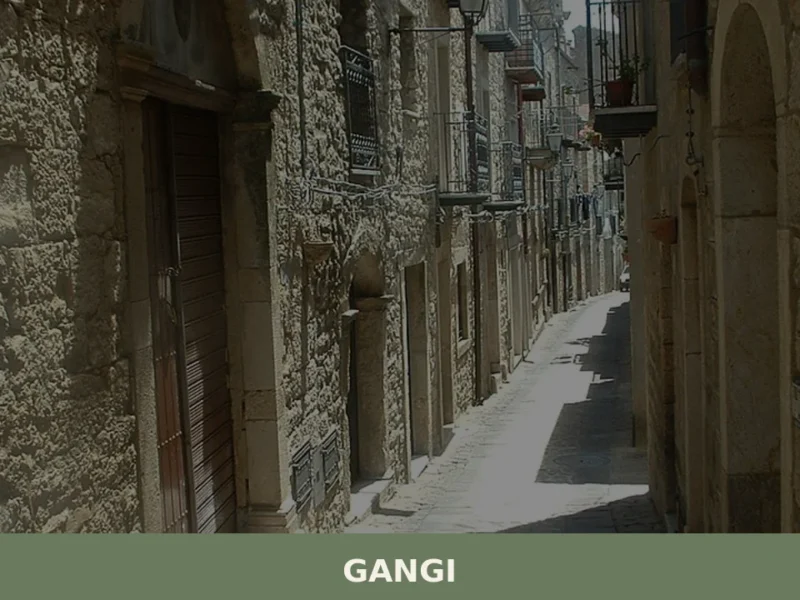
What to see in Gangi: Explore this Sicilian village at 1011m. Discover its rich history, typical cuisine, and the vibrant Sagra della Spiga. Plan your visit today!
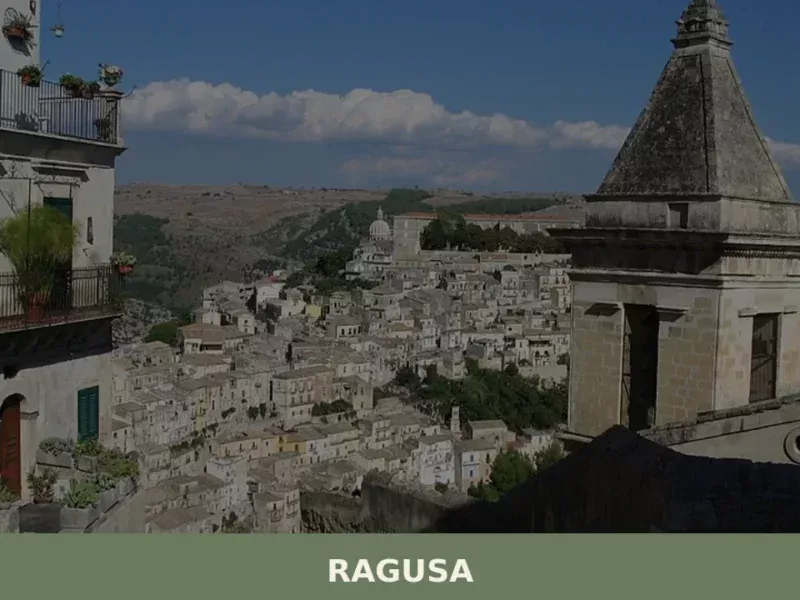
Ragusa
Sea
What to see in Ragusa, a UNESCO city at 520m with 70,000 residents: explore Ibla, San Giorgio, Giardino Ibleo and Cotognata PAT. Plan your visit now.

Belpasso
Hills
A town rebuilt three times from volcanic catastrophe. Belpasso village in Sicily embodies resilience through its geometric urban grid and living festival traditions.
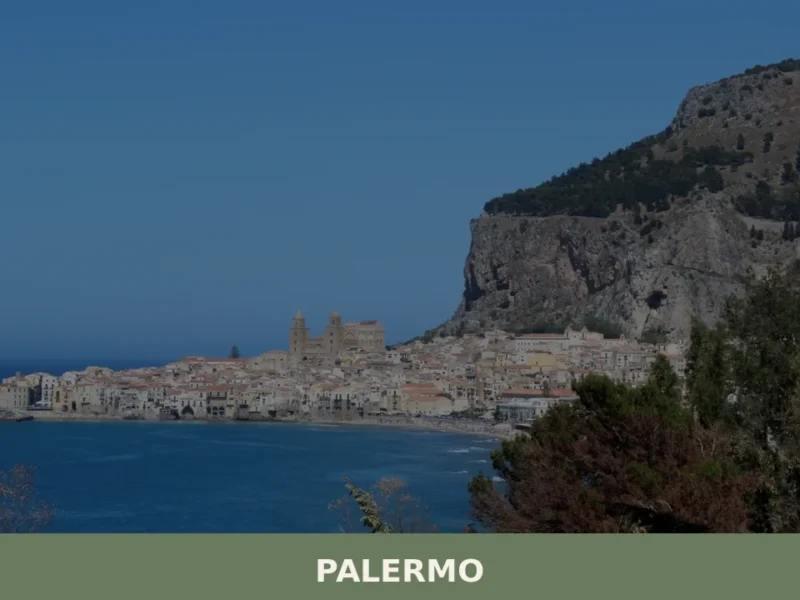
Palermo
Sea
What to see in Palermo: from the Palatine Chapel mosaics to Ballaru00f2 Market. Home to 654,987 people and 2 PAT-certified products. Plan your visit with this complete guide.
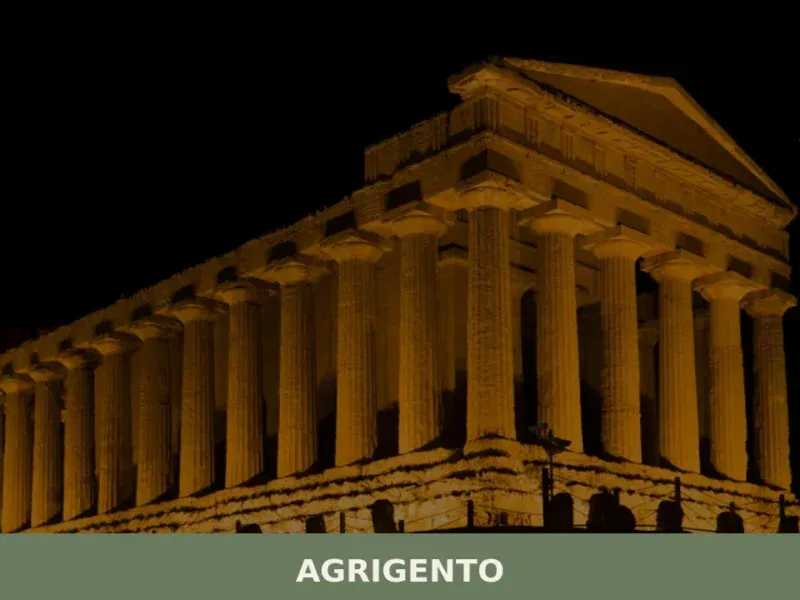
Agrigento
Sea
What to see in Agrigento, a city of 58,063 at 230m: UNESCO Valley of the Temples, Norman Cathedral, certified Cotognata. Plan your visit with our complete guide.



🏡 Know Acate better than we do?
If you’re a local or have been there, your knowledge matters: add what’s missing or fix a detail on this page.