


Alessandria del Carretto
 Mountain
At 1,000 metres above sea level, on the eastern slope of the Calabrian Pollino, Alessandria del Carretto has just 357 inhabitants today — making it one of the least populated municipalities in the entire province of Cosenza. Its territory falls within the Pollino National Park, and anyone wondering what to see in Alessandria del Carretto […]
Discover Alessandria del Carretto
At 1,000 metres above sea level, on the eastern slope of the Calabrian Pollino, Alessandria del Carretto has just 357 inhabitants today — making it one of the least populated municipalities in the entire province of Cosenza. Its territory falls within the Pollino National Park, and anyone wondering what to see in Alessandria del Carretto should be prepared for a vertical landscape: dense beech forests, rocky outcrops, and a settlement where houses built from local stone line steep slopes, connected by narrow, uneven staircases. The very name of the village carries the trace of two stories: that of a saint who was pope, and that of an ancient craft tied to wood.
History and origins of Alessandria del Carretto
Local tradition traces the founding of the village to a medieval settlement, which likely developed around the 10th–11th century in the mountainous area of the upper Ionian coast of Cosenza. The name “Alessandria” derives from the patron saint, Pope Alexander I, a 2nd-century AD pontiff whose veneration took root in the area during the Norman-Swabian period. The specification “del Carretto” — officially added to distinguish it from other towns of the same name — refers to the activity of the carrettieri, woodworking craftsmen who built carts and wheels using beech and Turkey oak from the surrounding forests. This woodworking tradition represented the backbone of the local economy for centuries, alongside high-altitude pastoralism.
The village followed the feudal trajectory common to much of northern Calabria: it passed through the hands of various lords, from the Sanseverino family to the Princes of Bisignano, always remaining a marginal centre that was difficult to reach due to its mountain location. In the 18th-century catasto onciario (land registry), Alessandria appeared as a small cluster of shepherds and woodcutters. Geographic isolation, while contributing to a progressive depopulation — the municipality had over 2,000 inhabitants in the early 1900s — also preserved rituals, structures, and communal practices that have disappeared elsewhere decades ago. For further information on the administrative history of the municipality, you can consult the official municipal page.
What to see in Alessandria del Carretto: 5 main attractions
1. Chiesa Madre di San Papa Alessandro I (Mother Church of Saint Pope Alexander I)
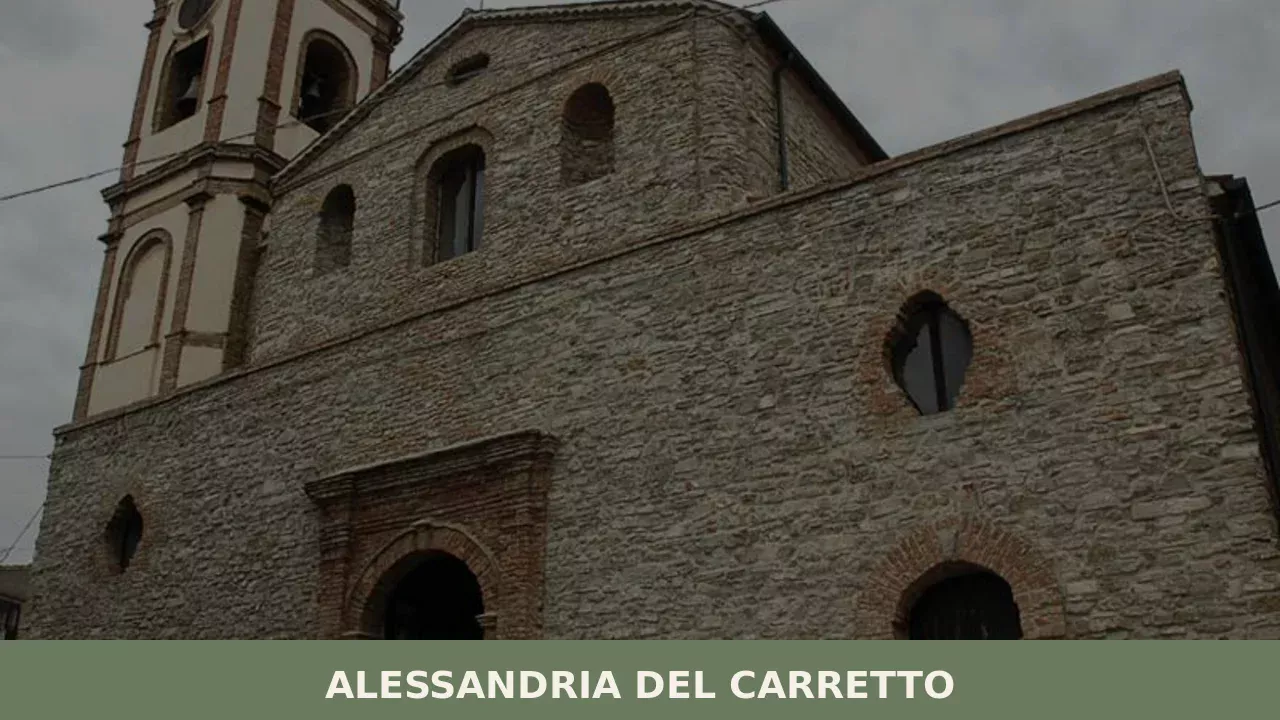
Dedicated to the patron saint, the mother church stands at the highest point of the settlement. The layout is simple, with a single nave and a high altar in late-Baroque style. Inside, it houses a wooden statue of the saint, carried in procession during the patron saint’s feast, held from the last Sunday of April to 3 May. The sober façade is built from unplastered local stone.
2. The Pita ritual (Festival of the Fir Tree)
The Pita ritual is one of the most studied ethno-anthropological events in inland Calabria. A fir tree is felled in the forests of the Pollino, carried on shoulders to the village, and raised in the main square, crowned with a branch of holly. The ceremony, linked to seasonal cycles and the patron saint’s feast, has been documented by the University of Calabria and attracts researchers of folk traditions from across Europe.
3. The beech forests of the Pollino
The municipal territory is crossed by trails that lead deep into the beech forests of the Pollino National Park. At altitudes above 1,200 metres, specimens of Bosnian pine (Pinus heldreichii) can be found — a relict species from the Tertiary era and the symbol of the Park. The paths are not signposted everywhere: it is advisable to contact the official guides of the Park Authority. More information can be found on the Wikipedia page dedicated to the Park.
4. The stone-built old town
The dwellings of the old core are built entirely from local sandstone, with doorways often carved with simple geometric motifs. The external stone staircases — a recurring feature in Calabrian mountain architecture — served as access to the upper floors, reserved for living quarters, while the ground floor housed animals and tools. Several buildings still display the iron hooks where provisions were hung for the winter.
5. Public fountains and springs
The territory of Alessandria del Carretto is rich in natural springs, some of which feed public stone fountains distributed both within the settlement and along the mule tracks connecting the village to the high-altitude pastures. The Fontana Vecchia (Old Fountain), in the lower part of the village, has served as a topographical reference point for generations and retains a monolithic basin carved from rough stone.
Traditional cuisine and local products
The cuisine of Alessandria del Carretto is that of a Calabrian mountain village at 1,000 metres: few ingredients, long preparation methods, and a heavy reliance on winter preserves. The most distinctive dish is lagane e ceci, wide, irregular fresh pasta served with boiled chickpeas, garlic, and extra virgin olive oil. Also prepared are rascatielli, small flour-and-water gnocchi dressed with goat or pork ragù. During the winter months, licurdia is common — a thick soup of stale bread, onions, potatoes, and chilli pepper. Bread was traditionally made with durum wheat flour in the communal wood-fired oven, and in some households this practice still continues. Calabrian chilli pepper, present in almost every preparation, has been recognised as a PAT product (Traditional Agri-Food Product) by the Calabria Region.
Pork has historically been the main source of protein: the winter slaughter yields soppressata di Calabria DOP, capocollo di Calabria DOP, salsiccia di Calabria DOP, and ‘nduja, a spicy spreadable cured meat. The cheeses produced in the area include caciocavallo silano DOP, made from cow’s milk, and various forms of fresh and aged pecorino linked to local shepherding. Among woodland products, porcini mushrooms gathered in the Pollino beech forests are dried and preserved in oil. Patata della Sila IGP, also cultivated in the neighbouring mountainous areas, frequently appears in soups and roasts. There is no real structured restaurant network in the village: visitors to Alessandria del Carretto can find hospitality at farmhouses in the area or in private homes that, during festivals, open their doors according to local custom. For details on Calabrian DOP and IGP products, you can consult the relevant section of the Touring Club Italiano.
When to visit Alessandria del Carretto: the best time
The patron saint’s feast of Saint Pope Alexander I, held from the last Sunday of April to 3 May, is when the village comes back to life. Emigrants return, shuttered houses reopen, and the Pita ritual transforms the square into a collective work site. It is the time of year when Alessandria del Carretto reveals its communal structure still in working order. Summer, from June to September, offers favourable conditions for hikes in the Pollino Park: temperatures remain moderate — rarely exceeding 28°C — and the beech forests provide cover even on the hottest days.
Winter is harsh. Snow blankets the village from December to March, and access roads can become impassable for days. Those who are equipped and seeking a mountain experience without any tourist mediation may find in the winter village a place where daily life still follows the rhythm of provisioning and firewood. Spring, between April and May, is the best compromise: residual snow on the peaks, wildflowers in the meadows below, and the patron saint’s feast as a concrete reason to plan the trip.
How to reach Alessandria del Carretto
Alessandria del Carretto can only be reached by road. From the A2 Autostrada del Mediterraneo (formerly the A3 Salerno–Reggio Calabria), the nearest exit is Frascineto-Castrovillari. From there, you continue for approximately 50 km on mountain provincial roads, with road surfaces that require caution, especially during the winter months. From Cosenza, the distance is approximately 130 km, with a travel time of around two and a half hours.
The nearest railway station is Sibari, on the Ionian line, approximately 70 km from the village. The main airport of reference is Lamezia Terme (approximately 200 km), while Bari Karol Wojtyła airport, at roughly 220 km, can be an alternative for those coming from the north. There are no frequent public transport services: a private or rental car is essentially indispensable. It is advisable to check road conditions with the Municipality before departing during the months between November and March.
Other villages to discover in Calabria
Anyone who reaches Alessandria del Carretto finds themselves in the upper Ionian area of Cosenza, a zone where several small centres share similar conditions of altitude, isolation, and demographic structure. To the north-east, towards the Ionian coast, Albidona sits at around 800 metres above sea level, overlooking the valley of the Saraceno torrent. The village retains a compact medieval layout and a position that allows, on clear days, a view of the Ionian Sea. Like Alessandria, Albidona experienced severe depopulation in the second half of the 20th century, but it maintains a network of trails connecting the two villages across the ridges of the eastern Pollino.
On the Tyrrhenian side of Calabria, at a considerable distance but within the same province of Cosenza, Belmonte Calabro offers an entirely different context: an old town arranged on a hill facing the Tyrrhenian Sea, with an architectural heritage that includes noble palaces and conventual churches. The comparison between the two villages — one an inland mountain settlement, the other a coastal hilltop town — conveys the extreme variety of the Calabrian landscape within a single province. Visiting both means crossing Calabria along its shortest and most geographically contrasting axis.
Frequently asked questions about Alessandria del Carretto
What is the best time to visit Alessandria del Carretto?
The ideal time is late April to early May, when the patron saint's feast of Pope Alexander I runs from the last Sunday of April to 3 May. This is when the Pita ritual takes place — a fir tree is raised in the main square — and the village is at its most alive, with returning emigrants and open houses. Summer (June–September) suits hikers: temperatures rarely exceed 28°C and the Pollino forests provide shade. Spring offers wildflowers and residual snow on the peaks. Avoid winter unless equipped for snow and possible road closures.
What are the historical origins of Alessandria del Carretto?
The village is believed to have originated as a medieval settlement around the 10th–11th century. Its name combines two elements: 'Alessandria' from its patron, Pope Alexander I, a 2nd-century pontiff venerated since the Norman-Swabian period, and 'del Carretto' referring to the carrettieri — craftsmen who built carts and wheels from local beech and Turkey oak. For centuries the village economy rested on this woodworking tradition and high-altitude pastoralism. It passed through feudal hands including the Sanseverino family and the Princes of Bisignano, and once had over 2,000 inhabitants in the early 1900s.
What to see in Alessandria del Carretto? Main monuments and landmarks
The Chiesa Madre di San Papa Alessandro I, at the highest point of the village, is the main landmark: a single-nave church with a late-Baroque high altar and a wooden statue of the patron saint carried in procession during the May feast. The stone-built old town features sandstone doorways with carved geometric motifs and external stone staircases typical of Calabrian mountain architecture. The Fontana Vecchia, in the lower village, retains a monolithic rough-stone basin. No documented admission fees or formal opening hours apply to the outdoor areas.
What are the main natural or scenic attractions of Alessandria del Carretto?
The entire municipal territory falls within the Pollino National Park. Trails from the village lead into dense beech forests; above 1,200 metres, specimens of Bosnian pine (Pinus heldreichii) — a Tertiary relict species and the Park's symbol — can be found. Paths are not uniformly signposted, so contacting the official guides of the Park Authority is strongly advised before heading out. The Park's official website provides updated trail and access information.
Where to take the best photos in Alessandria del Carretto?
The upper part of the village, near the Chiesa Madre, offers views over the stone rooftops and the wooded ridges of the eastern Pollino. The Fontana Vecchia and the narrow external staircases of the old town are the most visually distinctive architectural elements. During the patron saint's feast, the raising of the Pita fir tree in the main square provides a rare and well-documented ethnographic subject. The beech forest trails above the village yield shots of old-growth woodland framed against rocky outcrops.
Are there museums, churches or historic buildings to visit in Alessandria del Carretto?
The main religious building is the Chiesa Madre di San Papa Alessandro I, housing a late-Baroque altar and a processional wooden statue of the patron. The old town core preserves vernacular stone architecture with carved doorways and external staircases of documented historical interest. No public museum is recorded for the village. The Pita ritual has been documented and studied by the University of Calabria, making it a subject of ethnographic record, though no dedicated permanent exhibition exists on site.
What can you do in Alessandria del Carretto? Activities and experiences
Hiking in the Pollino National Park is the primary activity: trails from the village reach beech forests and high-altitude zones where Bosnian pine grows. The patron saint's feast (last Sunday of April to 3 May) offers direct participation in the Pita ritual, one of inland Calabria's most documented folk events. During festival periods, local families open their homes and farmhouses provide hospitality and traditional food. Winter visitors with appropriate equipment can experience an isolated mountain village following its historical provisioning rhythms, though road access must be verified in advance.
Who is Alessandria del Carretto suitable for? Families, couples, hikers, solo travelers?
Alessandria del Carretto is best suited to experienced hikers seeking trails within the Pollino National Park without tourist infrastructure, and to travellers interested in ethnographic traditions and authentic inland Calabrian culture. The patron saint's feast is a concrete draw for anyone curious about living folk ritual. It is not suited to families expecting standard tourist amenities, beach visitors, or travellers without a private car. Couples and solo travellers with an appetite for remote mountain villages and minimal services will find the experience genuinely rewarding, particularly in late April or summer.
What to eat in Alessandria del Carretto? Local products and specialties
The local table centres on lagane e ceci (wide fresh pasta with chickpeas, garlic, and olive oil), rascatielli (flour-and-water gnocchi with goat or pork ragù), and licurdia (a winter soup of bread, onions, potatoes, and chilli). Pork curing yields Soppressata di Calabria DOP, Capocollo di Calabria DOP, Salsiccia di Calabria DOP, and 'nduja. Cheeses include Caciocavallo Silano DOP and local pecorino. Porcini from the Pollino forests are dried and preserved in oil. Calabrian chilli pepper is a recognised PAT product. Restaurant options are minimal; agritourism and private hospitality during festivals are the main access points.
Getting there
Piazza Municipio, 87070 Alessandria del Carretto (CS)
Nearby Villages near Alessandria del Carretto
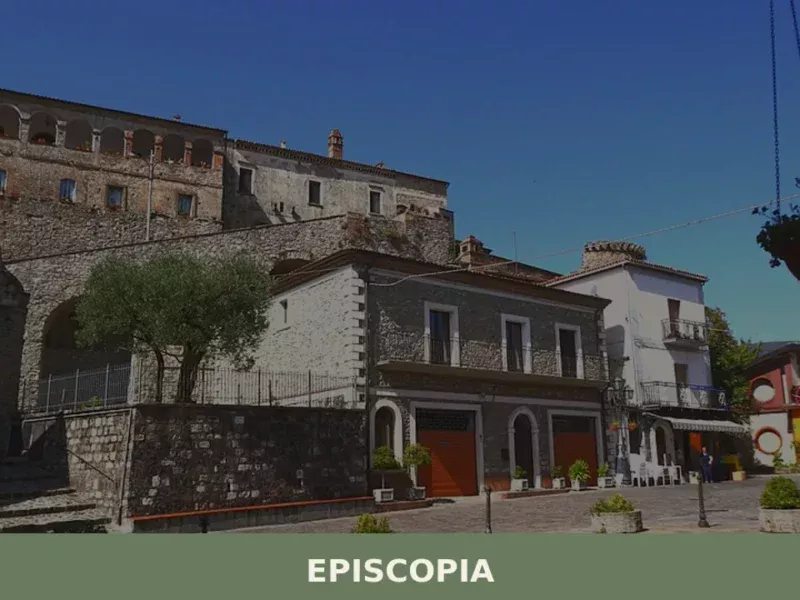
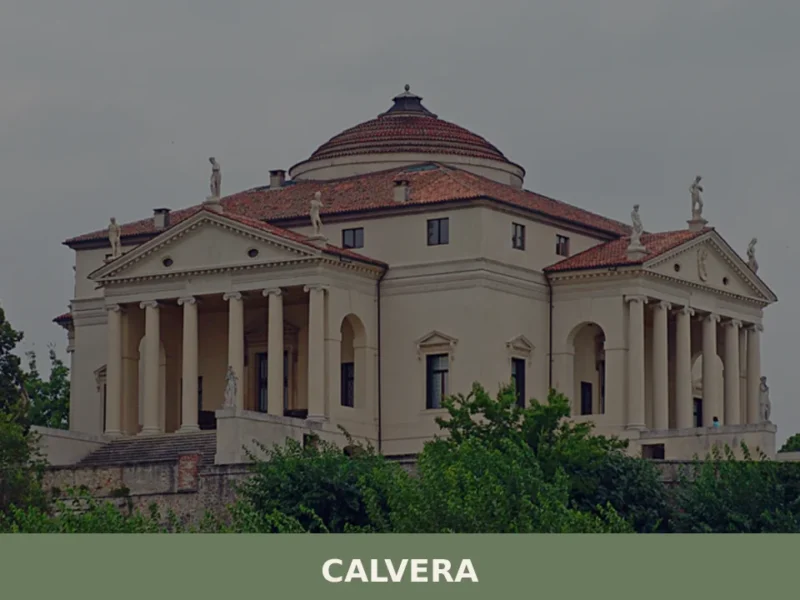
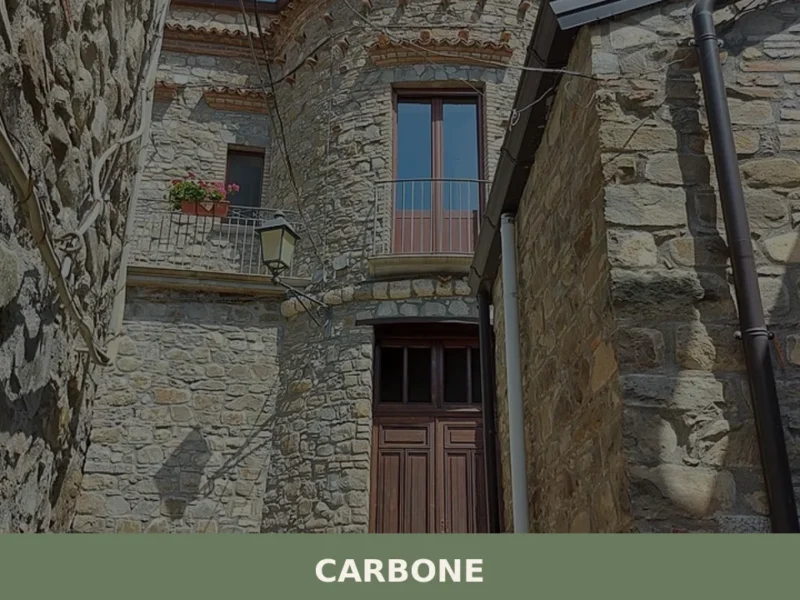
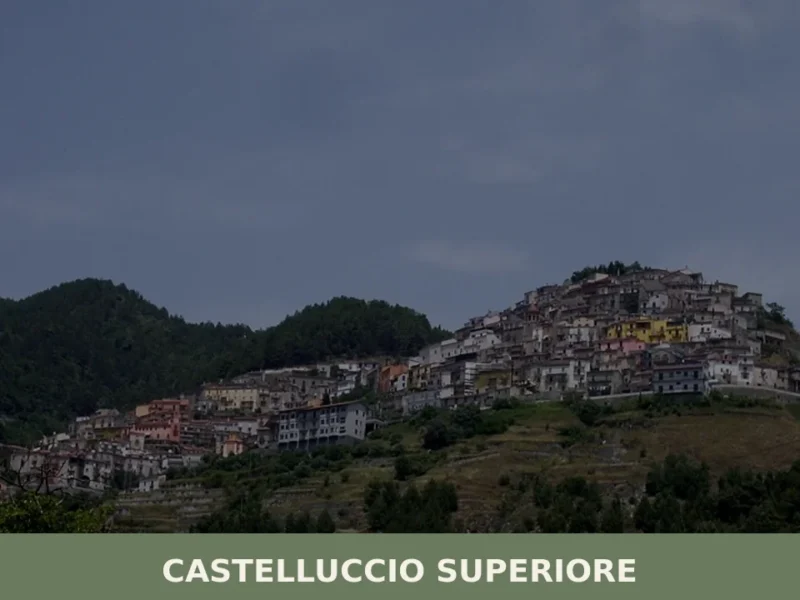
In Calabria More villages to discover
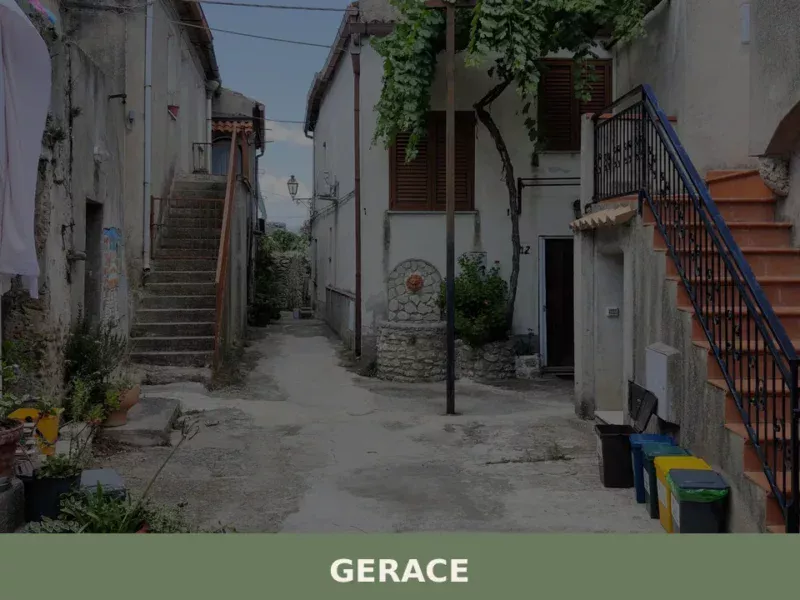
Gerace
 Hills
Hills
A rock formed from sea fossils laid down 60 million years ago rises 500 metres (1,640 ft) above the Ionian plain. From its summit, on a clear day, the coastal town of Locri and the sea beyond it are visible as distinct horizontal bands of terracotta, grey, and blue. The hill is composed of marine […]
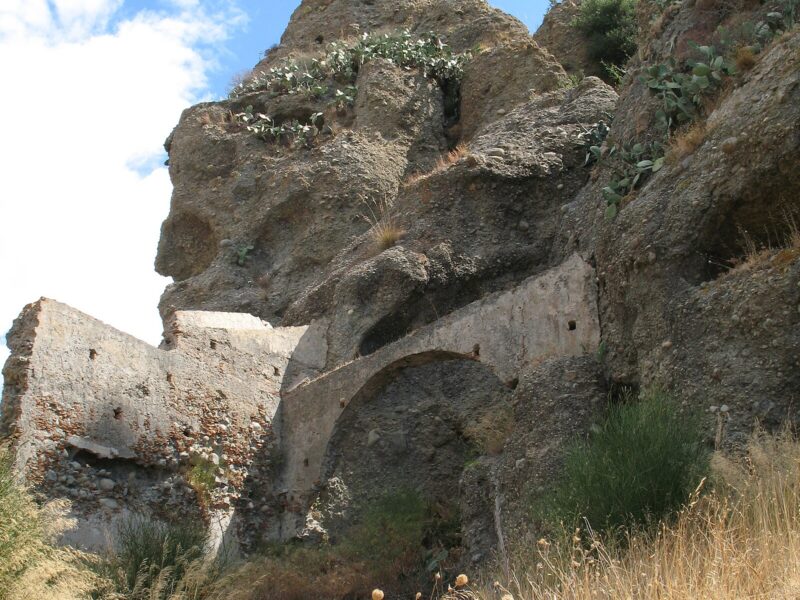
Pentedattilo
Hills
What to see in Pentedattilo, Calabria, Italy: a ghost town founded in 640 BC at 250 m altitude. Discover top attractions, history, and how to get there.
Anoia
 Plains
What to see in Anoia? Explore the 5 main attractions of this Calabrian village. The complete guide awaits to help plan your visit. Learn more!
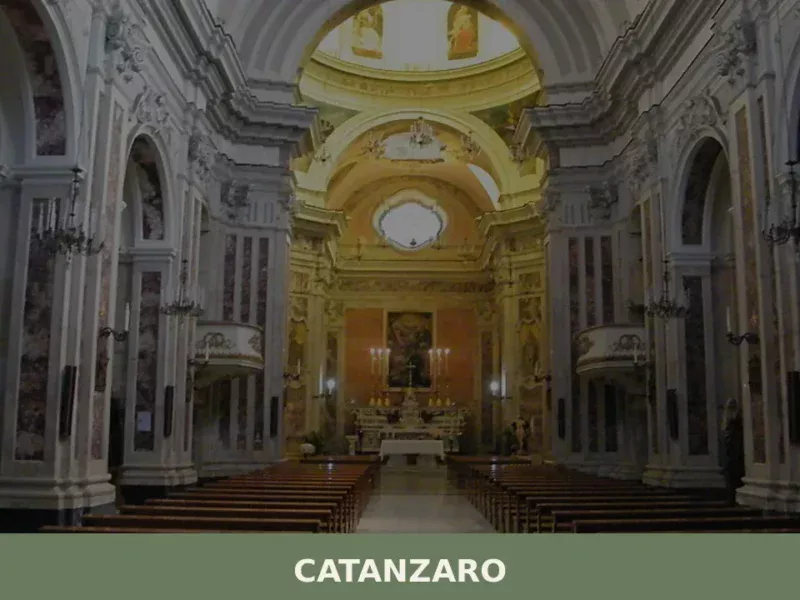
Catanzaro
 Sea
Sea
What to see in Catanzaro: from historic churches to the Morandi Bridge, discover the 5 top attractions. A complete guide to visiting the Calabrian capital.
Ardore
Sea
what to see in ardore: Discover Italy with Ardore’s altitude at 250 m, explore scenic landscapes and local festivals in Calabria.
Albidona
Sea
Albidona has 1,142 inhabitants and sits at 810 metres above sea level on the eastern slope of the Pollino massif, in the province of Cosenza. The old town preserves an urban layout arranged in parallel bands, developed along the ridge that separates the Saraceno stream valley from the Caldanello valley. Asking what to see in […]
Altomonte
Hills
What to see in Altomonte: a hill village at 455m in Calabria with a 14th-century Gothic church, Civic Museum and medieval castle. Plan your visit today.
Belvedere Marittimo
Sea
Belvedere Marittimo, a village in the province of Cosenza, stands at 150 meters above sea level and has a population of 9,292 inhabitants. This Calabrian location, classified among the lowland villages, offers a view of the Cosenza Tyrrhenian coast, combining historical elements with its proximity to the coast. Its geographical position has shaped its identity […]
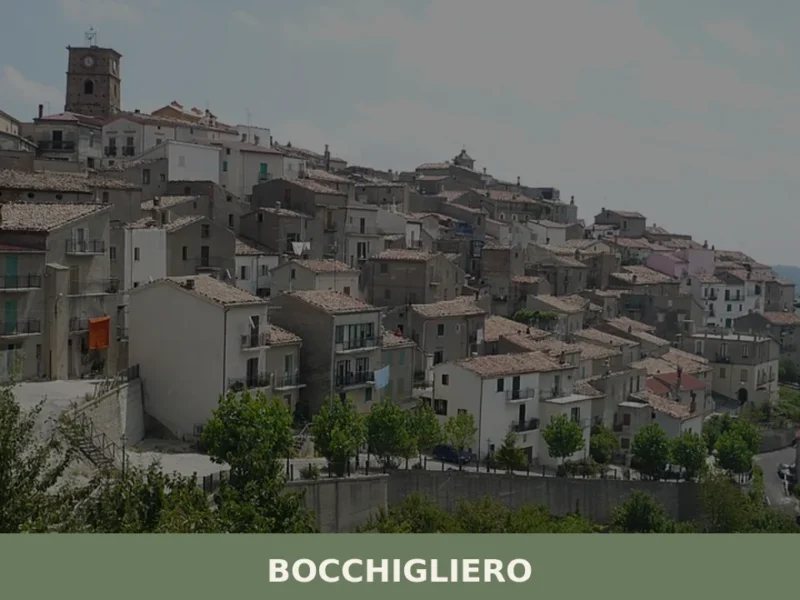
Bocchigliero
Mountain
What to see in Bocchigliero: a mountain village at 870m in Cosenza. Discover the Mother Church and the Baronial Palace ruins.
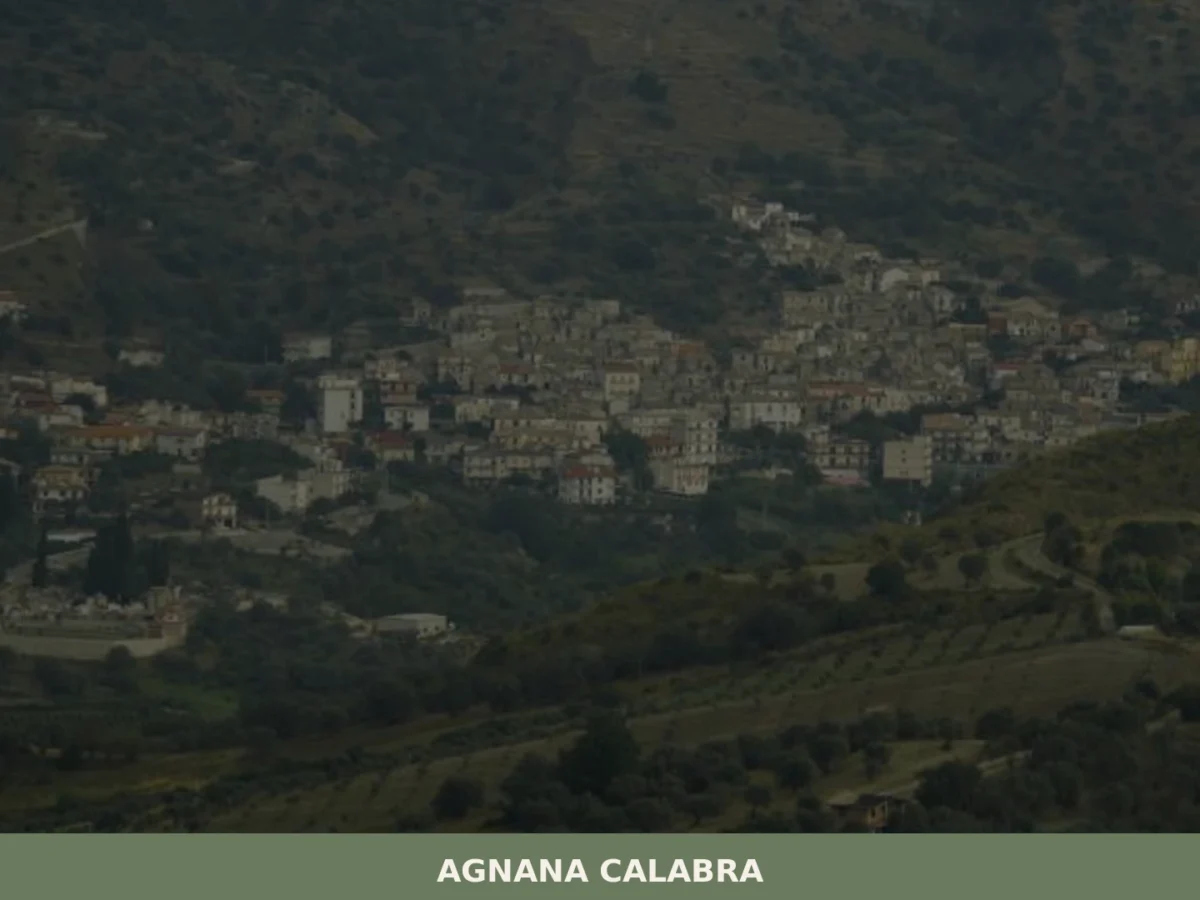
Agnana Calabra
Mountain
Planning a visit? Discover what to see in Agnana Calabra u2014 history, local food, best time to visit and how to reach this Reggio Calabria village.
🏡 Know Alessandria del Carretto better than we do?
If you’re a local or have been there, your knowledge matters: add what’s missing or fix a detail on this page.