


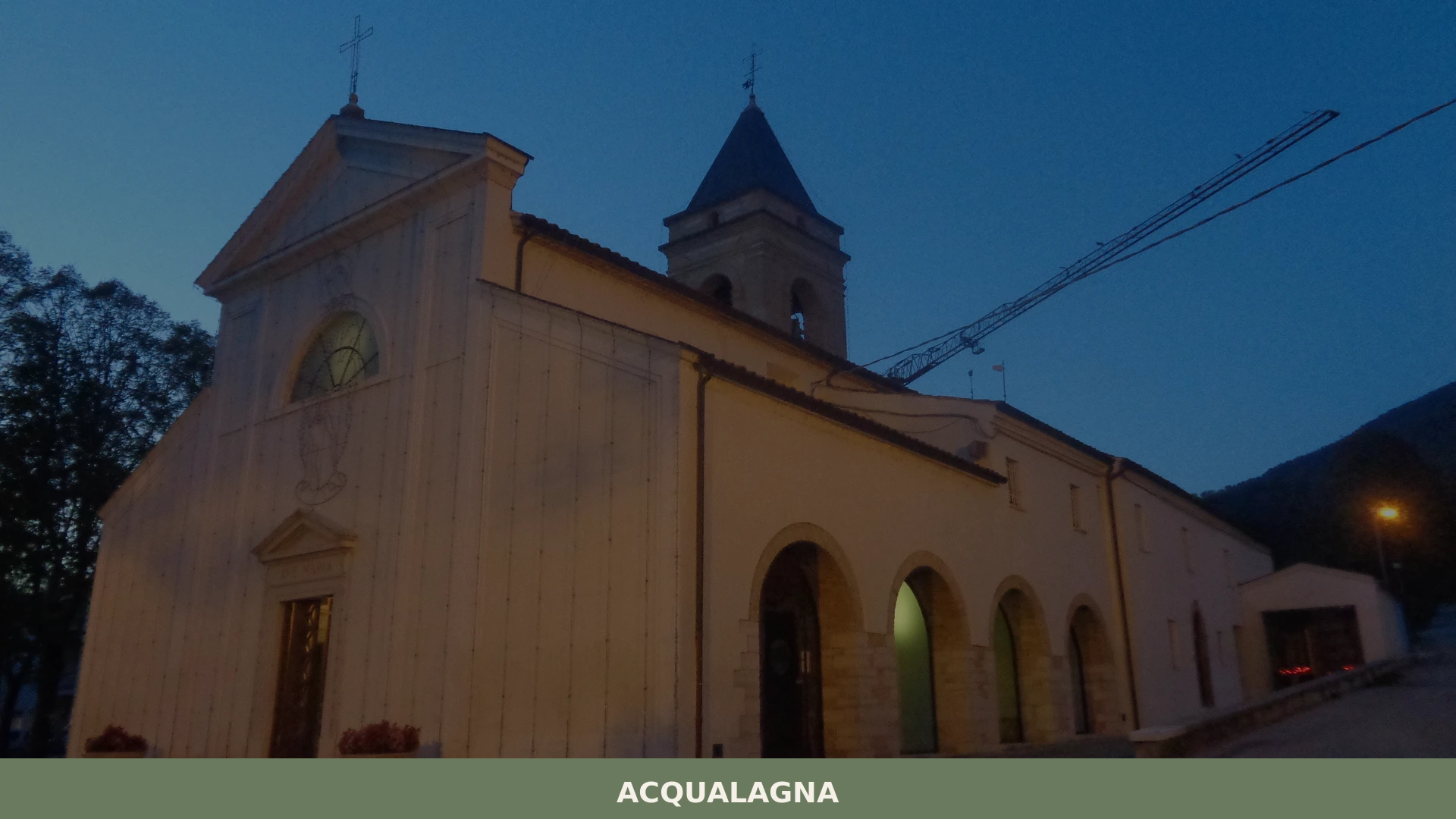
Acqualagna
 Plains
Discover what to see in Acqualagna, Marche: the Furlo Gorge, Via Flaminia, white truffle fairs and Apennine woodlands. Practical travel guide to Pesaro e Urbino.
Discover Acqualagna
Acqualagna, a comune of around 4,140 inhabitants in the province of Pesaro e Urbino in Marche, sits along the Candigliano River valley at a geographic crossroads that has defined its economy and character for centuries. The town is Italy’s undisputed capital of the white truffle — Tuber magnatum Pico — hosting one of the country’s largest and most commercially significant truffle fairs each autumn.
Knowing what to see in Acqualagna means understanding a place where geology, gastronomy and medieval history converge in a compact, navigable territory.
History of Acqualagna
The name Acqualagna derives from the Latin aqua (water) and the pre-Roman term lagna, pointing to the town’s close relationship with water sources and the river courses that cut through the surrounding limestone landscape of the Apennines. The area’s strategic position along the Via Flaminia — the ancient Roman consular road connecting Rome to Rimini — gave it consistent importance throughout the Roman and post-Roman periods. Archaeological evidence in the broader Candigliano valley confirms human settlement and transit activity long before any formal medieval documentation of the settlement itself.
During the medieval period, Acqualagna and the surrounding territory fell under the feudal influence of the powerful Montefeltro family, the same dynastic force that shaped much of what is now the province of Pesaro e Urbino. The Montefeltro lords controlled a network of fortified positions across the Apennine ridges, and Acqualagna’s valley position made it a logistically important node for movement between the Adriatic coast and the interior. Later, the territory passed under papal jurisdiction as part of the broader consolidation of the Papal States in central Italy, a political reality that persisted until Italian unification in the nineteenth century.
The economic transformation of modern Acqualagna is inseparable from the institutionalisation of its truffle trade.
While the collection of wild truffles in the Apennine forests had been a local practice for generations, the founding of organised fairs and the establishment of professional truffle dealerships turned the town into a genuine market hub. Today, Acqualagna accounts for a substantial portion of Italy’s white truffle commerce, with buyers and dealers arriving from across Europe during the autumn season. This economic identity — rooted in a fungus that grows wild in the oak and poplar woods of the Candigliano valley — is the single most documented and defining feature of contemporary Acqualagna.
What to see in Acqualagna: 5 must-visit attractions
The Church of Sant’Angelo in Vado (district area)
While the commune of Sant’Angelo in Vado is a separate municipality, the architectural and artistic fabric of the Acqualagna area connects closely to the Romanesque and Baroque ecclesiastical heritage of the upper Metauro valley. The parish churches within Acqualagna’s territory retain stone facades and interior decorations characteristic of the Marche hill-town tradition, with carved capitals and votive frescoes typical of thirteenth- to fifteenth-century craftsmanship in the Montefeltro sphere.
The Via Flaminia corridor
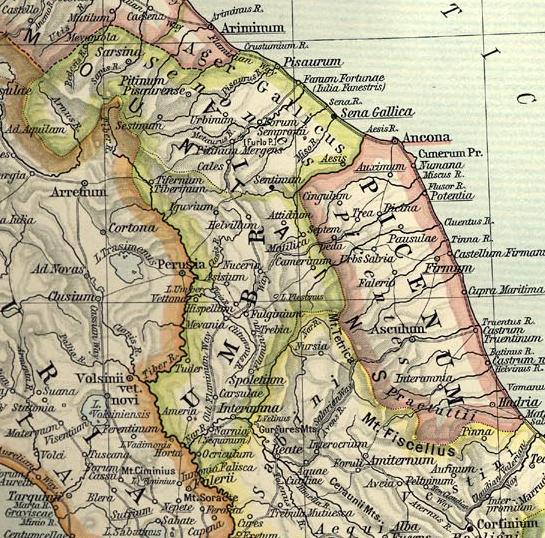
The ancient Via Flaminia, built by the Roman censor Gaius Flaminius in 220 BC, passes through the Furlo Gorge immediately south of Acqualagna.
The road still follows its original Roman alignment in sections, and the gorge itself — a dramatic limestone cut through which both the ancient road and the Candigliano River pass — is one of the most physically impressive Roman engineering landscapes surviving in central Italy.
Gola del Furlo (Furlo Gorge)
The Furlo Gorge is protected as a nature reserve (Riserva Naturale Statale Gola del Furlo) and represents one of the most geologically significant limestone gorges in the Apennines.
The gorge walls rise steeply above the river, and the Roman tunnel — the Grotta di Ottaviano Augusto — cut directly through rock under the Emperor Augustus, remains walkable today, a rare intact example of Roman road infrastructure.
The Truffle Market and Fiera Nazionale del Tartufo Bianco
Each October and November, Acqualagna’s central piazza and surrounding streets host the Fiera Nazionale del Tartufo Bianco, a national truffle fair with documented commercial importance dating to the post-war decades. Licensed dealers display Tuber magnatum Pico specimens on market stalls, and the fair functions simultaneously as a retail market, a professional trading floor, and a public event drawing buyers from across Italy and abroad.
The surrounding Apennine truffle woodlands
The oak, poplar and willow woods of the Candigliano and Burano river valleys form the ecological basis of Acqualagna’s identity. Guided truffle-hunting excursions with trained lagotto romagnolo dogs operate from the town, allowing visitors to observe the foraging process first-hand in the same limestone-soil forests that have supplied the local trade for generations. Contact the official municipality of Acqualagna for registered guide contacts.
Local food and typical products
The white truffle, Tuber magnatum Pico, is the axis around which Acqualagna’s food culture rotates.
In local restaurants and agriturismo dining rooms, it appears shaved raw over fresh egg pasta — typically tagliatelle or strangozzi — dressed with nothing more than good local olive oil or melted butter, a preparation that deliberately keeps competing flavours to a minimum to let the truffle’s volatile aromatic compounds dominate. The black truffle, Tuber melanosporum, is also harvested locally and appears in cooked preparations: scrambled eggs, bruschetta, and in local variations of stuffed pasta. Both species are sold fresh during the fair season and preserved in oil year-round by local producers.
Beyond truffles, the broader Pesaro e Urbino table draws on Marche’s agricultural tradition: cured meats from the Apennine hill farms, pecorino cheese aged in local cellars, and the region’s characteristic crescia flatbread, cooked on a griddle and eaten with cold cuts. The area sits within reach of Marche’s olive oil production zones, and locally pressed oils from the Raggiolo and Frantoio varieties appear on most tables. For those wanting to understand the full range of the territory’s food production, the official Marche regional tourism portal maintains current listings of producers and agriturismo restaurants in the Pesaro e Urbino province.
Best time to visit Acqualagna
The concentrated reason to visit Acqualagna is the white truffle season, which runs from late September through December, with October and November representing peak harvest and fair activity.
The Fiera Nazionale del Tartufo Bianco is held on multiple weekends across October and November, drawing the largest crowds and offering the widest selection of fresh truffles at market prices. During these weeks, accommodation in and around Acqualagna fills quickly, and advance booking is strongly advisable. The autumn climate in the Candigliano valley is cool and frequently overcast, with morning fog in the lower river sections — conditions that suit the woodland walks and market atmosphere rather than outdoor recreation.
Outside truffle season, spring (April through June) offers the most practical conditions for exploring the Furlo Gorge nature reserve and the surrounding hills. The limestone gorge is accessible year-round, but spring brings lower river levels, clearer paths, and the reopening of most local restaurants after the winter closure period. Summer brings warmth and occasional heat to the valley floor, making early morning or late afternoon the better time for the gorge walk.
December and January are quiet, and most visitor-facing businesses operate on reduced hours.
How to get to Acqualagna
Acqualagna lies along the SS3 Via Flaminia, which connects Fano on the Adriatic coast with Rome via the Apennine interior. This remains the most direct road approach from either direction.
- By car from the north: Exit the A14 Adriatic motorway at Fano, then follow the SS3 Via Flaminia inland for approximately 40 km (around 40 minutes). The road passes directly through the Furlo Gorge before reaching Acqualagna.
- By car from Rome: The SS3 runs the full length from Rome northward; from the GRA ring road to Acqualagna is approximately 270 km (roughly 3 hours depending on traffic in the Tiber and Flaminia corridor).
- By train: The nearest mainline railway station is Fano, served by regional trains on the Bologna–Ancona Adriatic line. From Fano, Acqualagna is reachable by local bus connections or taxi; there is no direct train service to the village itself.
- Nearest airport: Aeroporto Internazionale delle Marche (Ancona-Falconara) is the closest regional airport, approximately 75 km to the south of Acqualagna via the A14 and SS3. Rimini’s Federico Fellini International Airport is a comparable distance to the north.
- From Pesaro/Urbino: Pesaro is around 50 km north-east; Urbino, the provincial capital, is approximately 35 km to the east via the SP3, making it a practical same-day combination for visitors based in either city.
Where to stay in Acqualagna
Acqualagna’s accommodation offer is modest in scale but varied in type. The town centre has small hotels and guesthouses oriented primarily toward the truffle fair season, when occupancy reaches its annual peak. For those wanting more space and direct contact with the agricultural landscape, agriturismo properties in the surrounding hills and river valley offer rooms or self-catering apartments, often with farm-sourced meals available on request. These rural properties tend to offer better value outside the October–November peak, and several operate year-round.
Holiday apartment rentals in the village itself are a practical option for self-sufficient travellers who want to use Acqualagna as a base for the Furlo Gorge and the broader Pesaro e Urbino interior.
A practical note: during the major fair weekends in October and November, accommodation within a 20–30 km radius of Acqualagna — including Urbino, Cagli, and the Adriatic coast towns — fills at accelerated rates. Booking three to four weeks in advance for fair-weekend stays is a reasonable minimum; for the final weekend of the fair in November, even earlier. Outside the fair season, last-minute availability is generally not a problem, and rates across all property types are noticeably lower.
More villages to discover in Marche
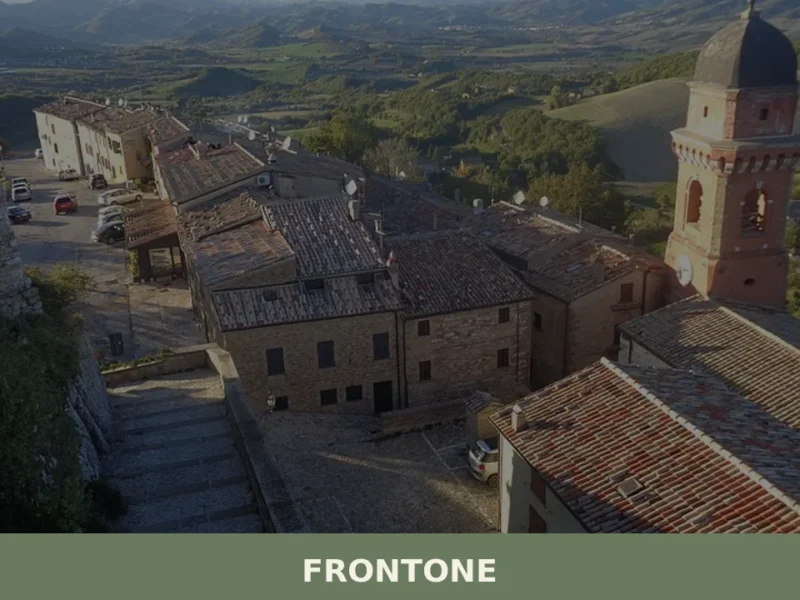
The province of Pesaro e Urbino contains a concentration of medieval and Renaissance hill settlements that reward the traveller willing to follow the secondary roads east and north of Acqualagna. Frontone, positioned in the upper Cesano valley beneath Monte Catria, preserves a fourteenth-century castle that served the Brancaleoni lords and offers one of the more intact examples of fortified village architecture in the southern part of the province.
Equally worth the detour is Lunano, a small comune in the Metauro valley that gives a ground-level sense of rural Marche life far from the better-known tourist circuits.
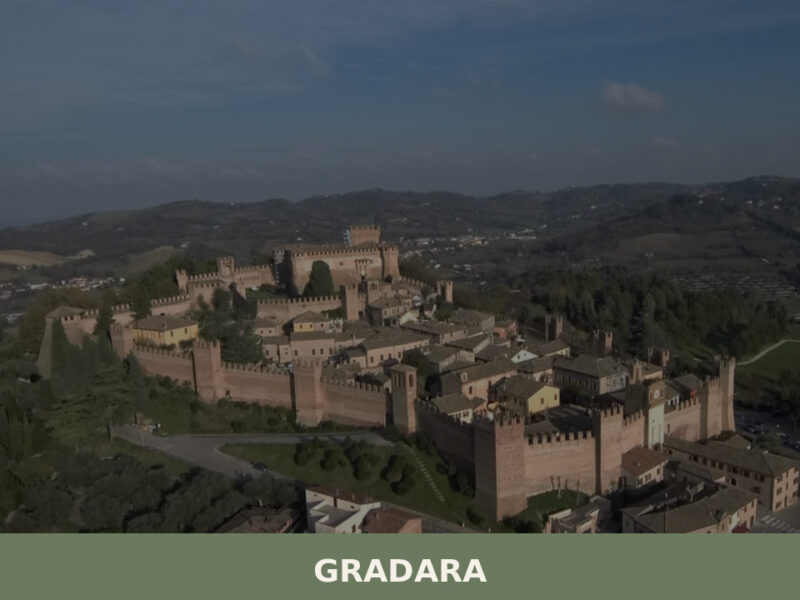
Heading toward the Adriatic and northward along the coastal hills, Gradara presents one of the best-preserved medieval walled towns in northern Marche, its fourteenth-century rocca intact above a landscape of vineyards and olive groves. For something more contemplative, Isola del Piano in the Metauro valley is a small comune associated with the organic and biodynamic farming movement in Marche, a counterpoint to Acqualagna’s market-driven truffle economy that speaks to a different but equally rooted relationship between this landscape and its people.
Frequently asked questions about Acqualagna
What is the best time to visit Acqualagna?
The prime time to visit Acqualagna is during the white truffle season, from late September through December, with October and November being peak months. This period hosts the renowned Fiera Nazionale del Tartufo Bianco, held on multiple weekends, offering the widest selection of fresh truffles and drawing significant crowds. Be sure to book accommodation well in advance. Additionally, the town celebrates its patron, Santa Lucia da Siracusa, on December 13th. For nature enthusiasts, spring (April to June) provides ideal conditions to explore the Furlo Gorge nature reserve, with lower river levels and clearer paths.
What to see in Acqualagna? Main monuments and landmarks
Acqualagna's main attractions revolve around its unique natural and gastronomic heritage. The dramatic Gola del Furlo (Furlo Gorge), a State Natural Reserve just south of town, is a must-see. Here, you can walk through the ancient Roman tunnel, the Grotta di Ottaviano Augusto, an impressive engineering feat still intact. During autumn (October and November), the central piazza transforms for the Fiera Nazionale del Tartufo Bianco, a vibrant market and trading floor for the prized white truffle. The surrounding Apennine truffle woodlands also offer unique guided truffle-hunting excursions.
What are the main natural or scenic attractions of Acqualagna?
The most significant natural attraction near Acqualagna is the Gola del Furlo (Furlo Gorge), designated as a State Natural Reserve. This dramatic limestone gorge, carved by the Candigliano River, offers stunning scenery and the unique experience of walking through the ancient Roman tunnel, the Grotta di Ottaviano Augusto. The gorge walls rise steeply, providing a picturesque backdrop for walks. Additionally, the oak, poplar, and willow woodlands of the Candigliano and Burano river valleys, which form the ecological basis for Acqualagna's truffle industry, offer beautiful landscapes and opportunities for guided truffle-hunting excursions.
Where to take the best photos in Acqualagna?
For breathtaking natural scenery, the Gola del Furlo offers spectacular photo opportunities, especially around the dramatic limestone cliffs and the ancient Roman tunnel, the Grotta di Ottaviano Augusto, which frames unique perspectives. During the Fiera Nazionale del Tartufo Bianco in October and November, Acqualagna's central piazza becomes a lively hub, perfect for capturing the vibrant atmosphere, the array of fresh truffles, and the local traditions. The surrounding Apennine truffle woodlands also provide picturesque, serene landscapes, particularly during guided truffle hunts, showcasing the region's rustic charm.
What can you do in Acqualagna? Activities and experiences
Acqualagna offers unique activities centered around its truffle heritage and natural beauty. A top experience is participating in a guided truffle-hunting excursion with a trained dog in the Apennine woodlands; contact the municipality for registered guides. During autumn, immerse yourself in the Fiera Nazionale del Tartufo Bianco, exploring market stalls and sampling truffle delicacies. You can also hike or stroll through the stunning Gola del Furlo nature reserve, walking the ancient Roman tunnel. Beyond truffles, enjoy the local gastronomy at restaurants and agriturismo, tasting regional cured meats, cheeses, and olive oil.
Who is Acqualagna suitable for? Families, couples, hikers, solo travelers?
Acqualagna is ideal for gastronomes, foodies, and culinary adventurers, especially those with a passion for truffles, who will relish the Fiera Nazionale del Tartufo Bianco and truffle-hunting experiences. Nature lovers and hikers will appreciate the Gola del Furlo nature reserve and its Roman tunnel. History enthusiasts will find interest in the ancient Via Flaminia. Couples seeking a unique, authentic Italian experience, and solo travelers exploring the Marche region, will find Acqualagna a charming base. Its compact size and focus on specific, high-quality experiences make it suitable for those seeking a distinct cultural and natural immersion.
What to eat in Acqualagna? Local products and specialties
Acqualagna's culinary heart beats with truffles. The undisputed king is the white truffle (Tuber magnatum Pico), typically shaved raw over fresh egg pasta like tagliatelle, dressed simply with olive oil or butter. The local black truffle (Tuber melanosporum) is also prominent, used in cooked dishes such as scrambled eggs, bruschetta, and stuffed pasta. Both are available fresh during season and preserved year-round. Beyond truffles, savor traditional Marche specialties: cured meats from Apennine farms, aged pecorino cheese, and the characteristic crescia flatbread. Locally pressed olive oils, from Raggiolo and Frantoio varieties, complement every meal.
📷 Photo Gallery — Acqualagna
Getting there
Piazza Enrico Mattei, 61041 Acqualagna (PU)
Nearby Villages near Acqualagna
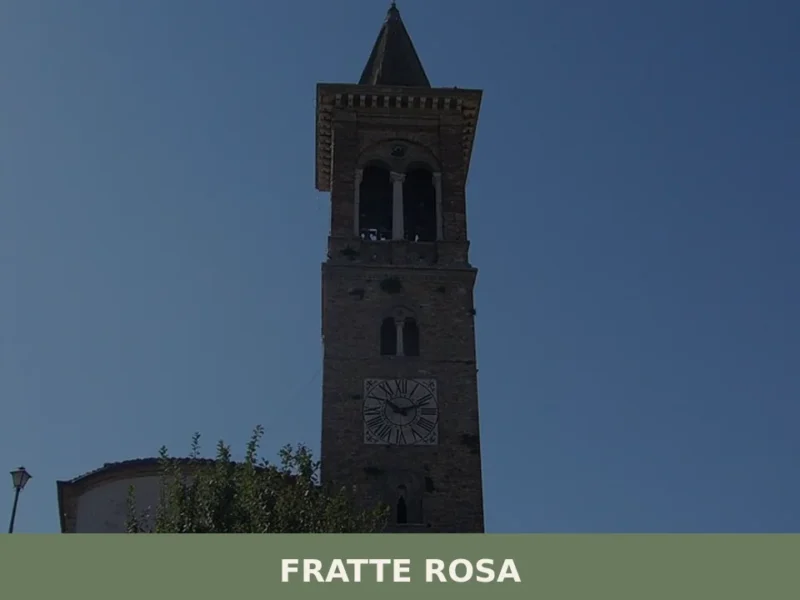
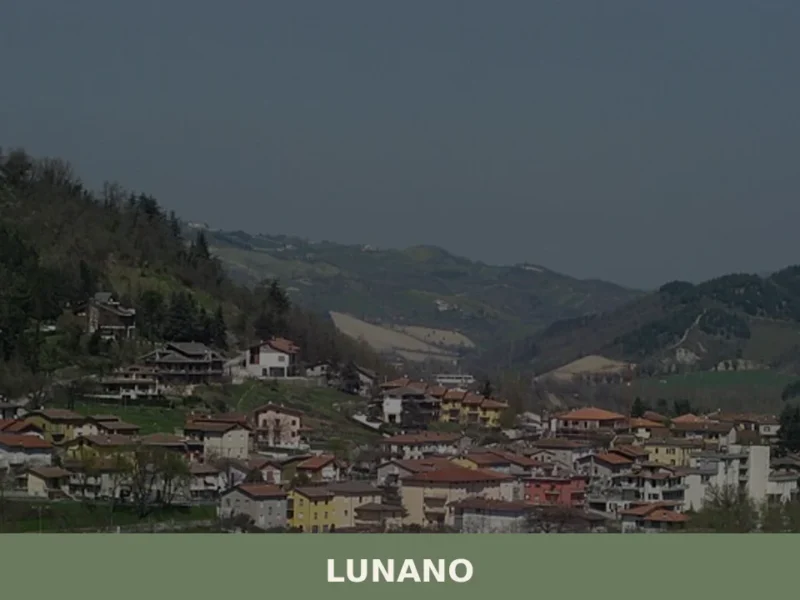
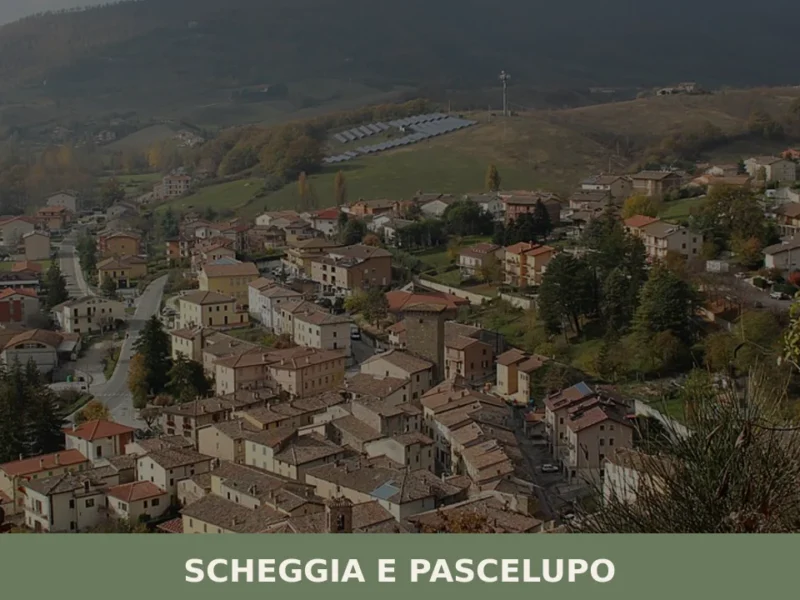
In Marche More villages to discover
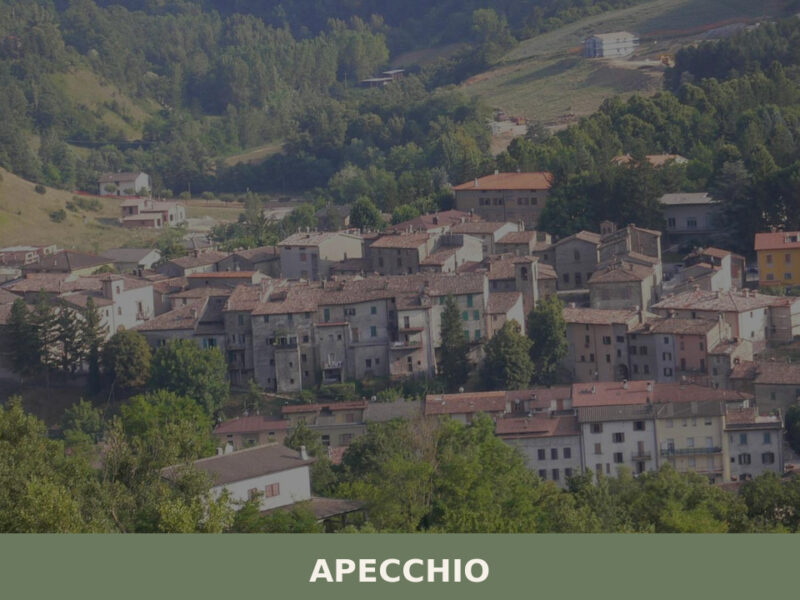
Apecchio
 Hills
Hills
Morning mist lifts off the Biscubio river and the medieval bridge emerges in grey stone, its arches still carrying the weight of six centuries. A bell tower marks the hour above terracotta rooftops, and the smell of woodsmoke mixes with damp earth from the surrounding Apennine slopes. At 493 metres above sea level, this small […]
Borgo Pace
Hills
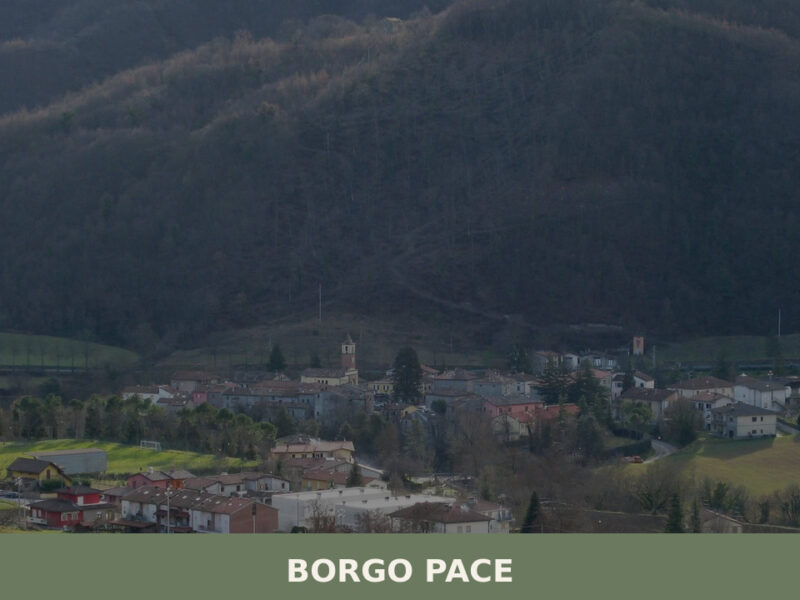
Two rivers converge here — the Meta and the Auro — and their meeting point gives this settlement its ancient rhythm. In the early morning, mist lifts off the water and clings to stone walls darkened by centuries of wood smoke. Borgo Pace sits at the edge of the Apennine watershed in the province of […]
Fermo
 Sea
Sea
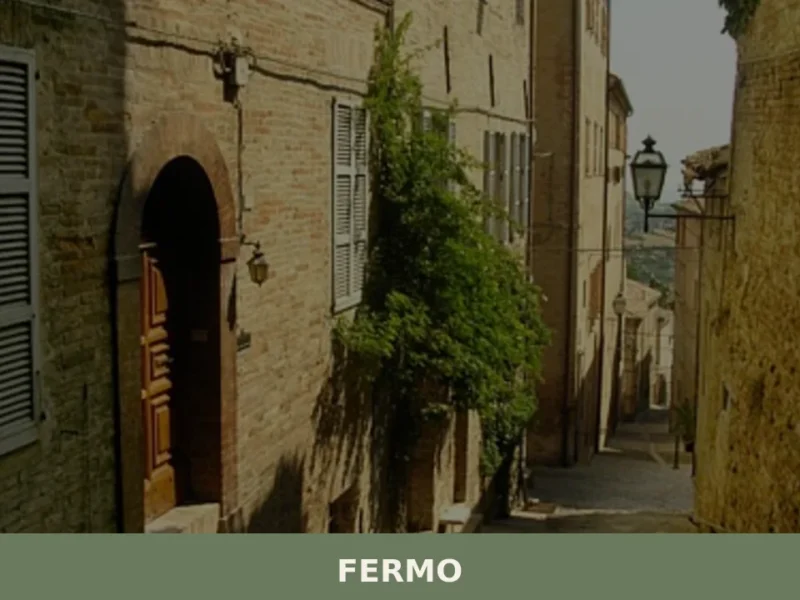
What to see in Fermo? Discover the 5 must-visit attractions of this village in Marche with our complete guide. Plan your perfect visit!
Monte Cerignone
Hills
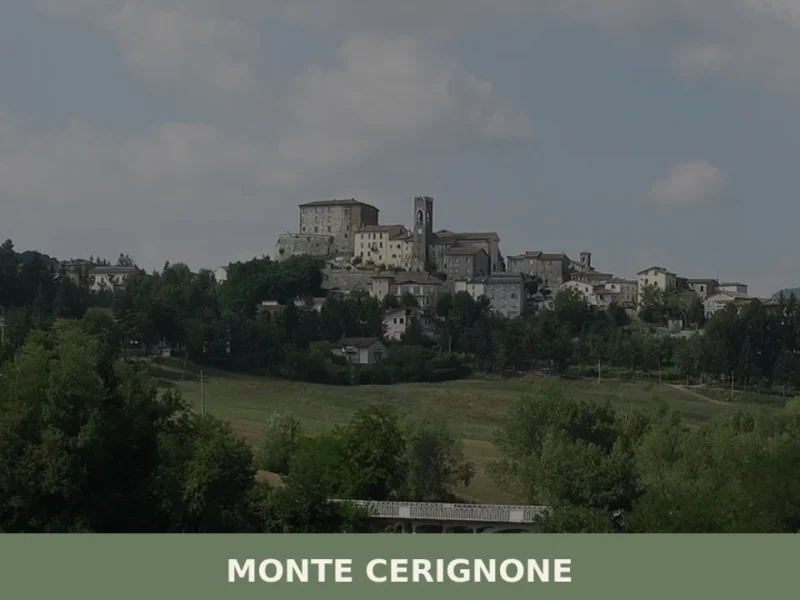
What to see in Monte Cerignone: discover 5 must-see attractions, from Malatesta Fortress to St. Blaise Church. Plan your trip to this Marche village.
Monteciccardo
Hills
Monteciccardo first appears in a document from 1233 under the name Mons Sicardi, referring to a Lombard lord of whom no other trace survives. Standing at 384 metres above sea level, with its 1,643 inhabitants spread between the historic centre and scattered hamlets, the village commands a stretch of the Pesaro hills sloping down towards […]
Auditore
Hills
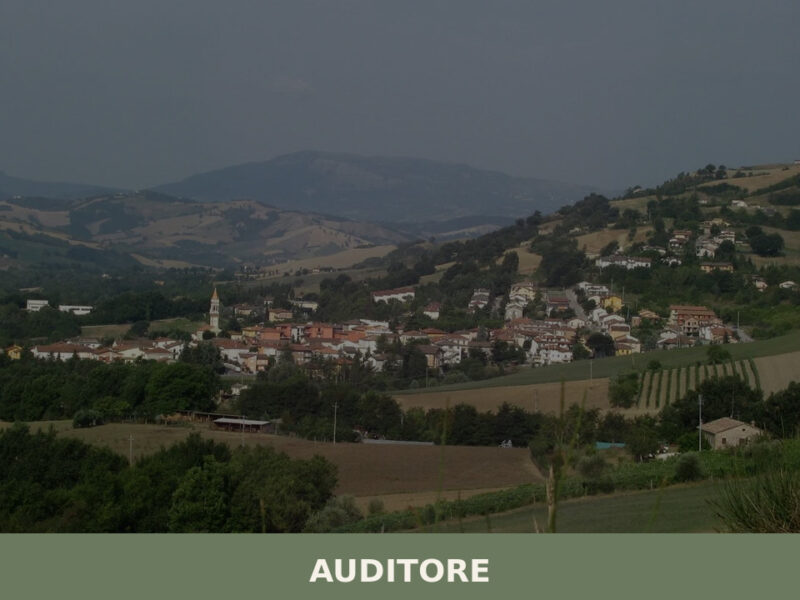
Morning light falls across a line of stone houses the colour of dry wheat, and somewhere below the rooftops a church bell marks the hour with a single, unhurried stroke. Auditore sits in the hill country of the province of Pesaro e Urbino, a settlement of 1,631 people where the Foglia river valley opens toward […]
Gradara
Plains
What to See in Gradara: discover Malatesta Castle and 4 other must-see attractions. Plan your trip to this Marche village of 4,889 inhabitants.
Frontino
Hills
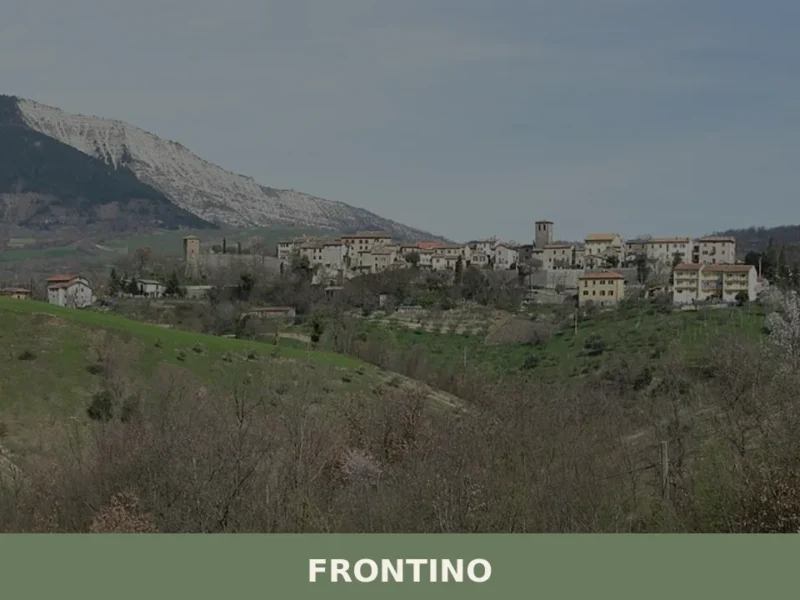
Frontino has around 300 inhabitants today, spread across a hilly area in the province of Pesaro and Urbino at 519 metres above sea level, along the eastern slope of the Apennines separating the Marche from Tuscany and Romagna. The municipality, one of the least populated in the entire region, retains a compact and legible urban […]

Barbara
Hills
What to see in Barbara, Marche, Italy: 5 top attractions, local food, festivals and how to get there. Population 1,484. Discover this Ancona province comune.
Appignano
Plains
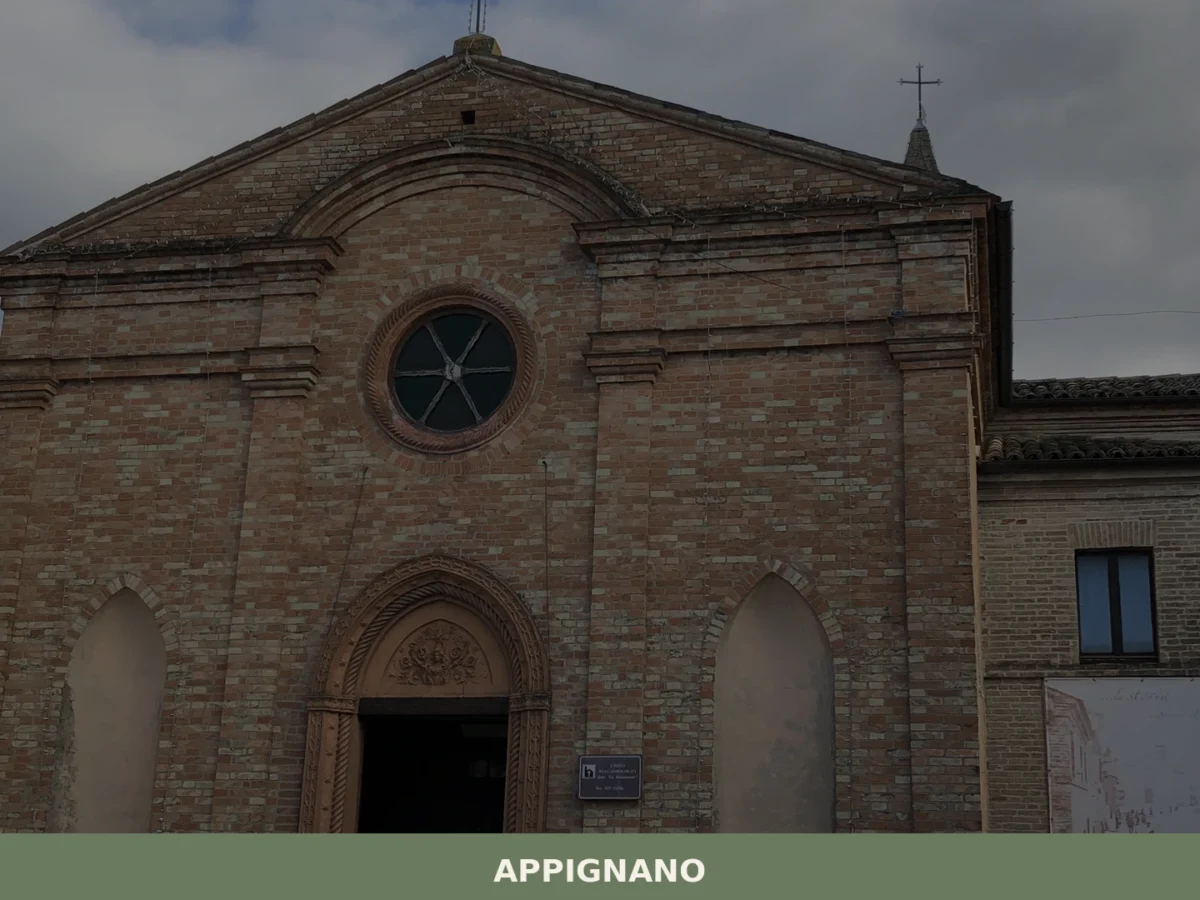
What to see in Appignano, Marche, Italy: discover the church of San Giovanni, local food traditions, and a village 35 km from Ancona. Explore the full guide.





🏡 Know Acqualagna better than we do?
If you’re a local or have been there, your knowledge matters: add what’s missing or fix a detail on this page.