


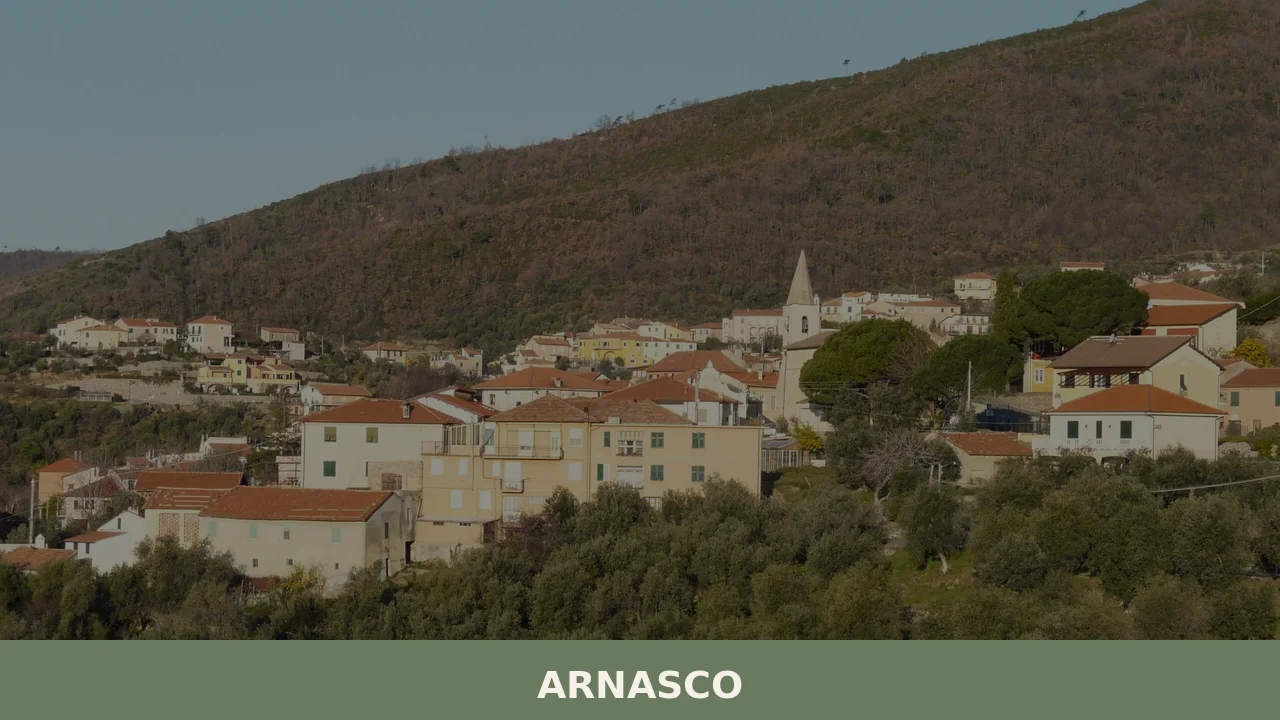
Arnasco
 Hills
Hills
What to see in Arnasco, Liguria, Italy: discover this 552-inhabitant village 80 km from Genoa. Explore its historic centre, local festivals and Ligurian cuisine.
Discover Arnasco
The valley floor between Albenga and the Neva river sits at the edge of the Ligurian inland, where the coast’s salt air gives way to the drier smell of oak and stone. At 250 m (820 ft) above sea level, Arnasco occupies a position that separates the maritime plain from the first folds of the Ligurian Apennines.
The village counts 552 inhabitants and borders six municipalities: Albenga, Castelbianco, Cisano sul Neva, Ortovero, Vendone, and Zuccarello — a ring of small communities that together define the inner Savona hinterland.
For those deciding what to see in Arnasco, the starting point is the historic core of the village, its parish church dedicated to the Assumption of Mary, and the surrounding network of narrow lanes that reveal the domestic architecture of the Ligurian interior.
Visitors to Arnasco find a settlement shaped by its position in the Province of Savona, roughly 80 km (50 mi) southwest of Genoa and 40 km (25 mi) southwest of Savona itself. The village also maintains active international ties, being officially twinned with Brading in the United Kingdom and Río Cauto in Cuba — an unusual pairing for a community of this size.
History of Arnasco
The name Arnasco, rendered in the Ligurian language as Arnascho, follows the pattern common to many settlements in the inner Savona territory: a root name — likely of medieval Latin or Lombard origin — combined with the suffix -asco, which in Ligurian place-name formation typically indicates ownership or habitation associated with a founding individual or family group.
This naming convention appears repeatedly across the Province of Savona and the broader Ligurian inland, pointing to a period of settlement consolidation that historians generally associate with the early medieval centuries following the collapse of Roman administrative control in the region.
The village’s position within the Neva valley corridor made it part of a wider network of inland routes connecting the Ligurian coast at Albenga with the higher Apennine passes leading toward Piedmont.
Control of such routes was commercially and militarily significant throughout the medieval and early modern periods.
The surrounding municipalities — Zuccarello in particular — were centres of feudal authority in this part of Liguria, and Arnasco’s history must be read within that context of overlapping jurisdictions, ecclesiastical influence, and the slow absorption of smaller communities into larger administrative units. The village’s borders with Albenga reflect the continued gravitational pull of that coastal city as the dominant urban centre of the area.
By the nineteenth and twentieth centuries, Arnasco followed the demographic and economic trajectory shared by much of the Ligurian hinterland: a largely agricultural base, gradual depopulation as younger residents moved toward the coast and the cities, and a preservation of the built fabric precisely because large-scale development never arrived.
Today the municipality of Arnasco administers a community of 552 residents.
The village’s two international twin-town relationships — with Brading on the Isle of Wight in the United Kingdom, and with Río Cauto in the Granma Province of Cuba — were established as formal expressions of civic solidarity and cultural exchange, a practice that brought Arnasco into a transoceanic network rarely associated with villages of comparable size in the Italian interior. Visitors exploring Diano Arentino, another small inland community of the Ligurian hinterland, will recognise the same pattern of medieval consolidation and subsequent rural continuity.
What to see in Arnasco, Liguria: top attractions
Parish Church of the Assumption of Mary
The parish church dedicated to the Assumption of Mary stands as the civic and spiritual reference point of the village, oriented in the manner typical of Ligurian inland churches toward the central gathering space of the community.
Its dedication to the Assunzione di Maria — the Assumption of the Virgin — connects the building directly to the patron feast celebrated on 15 August each year, a date that has structured the village’s religious calendar for generations.
The interior retains the proportions of a rural parish church designed to accommodate a congregation drawn from a compact settlement, with walls that reflect the local use of stone and lime render. For visitors, the church is the most immediate point of orientation within the historic centre, and it is worth arriving in the morning when the light entering from the east-facing windows is at its clearest.
Historic Village Centre and Medieval Street Layout
The street plan of Arnasco preserves the compact, irregular geometry that characterises medieval settlement in the Ligurian hills, where lanes were laid out to follow land contours rather than any orthogonal grid. Stone-built residential structures stand in close succession, their façades separated by narrow passages — called caruggi in Ligurian — that limit direct sunlight but also reduce wind and retain heat in winter.
The village sits at 250 m (820 ft), a modest elevation that nonetheless places it clearly above the coastal plain and gives views toward the Neva valley and the agricultural terraces below.
Walking the perimeter of the historic centre takes approximately twenty to thirty minutes and reveals the building materials — local limestone and rendered brick — used consistently across different construction periods.
Views over the Neva Valley and the Albenga Plain
From the upper margins of the village, the terrain drops toward the Neva river and, further south, opens onto the Albenga coastal plain, one of the widest alluvial extensions along the Ligurian Riviera. This viewpoint — accessible on foot from the centre of Arnasco — places the observer roughly 40 km (25 mi) inland from the Ligurian Sea, a distance that is enough to make the coastal light visible as a distinct luminous band on clear days between October and March. The agricultural patchwork of the plain below, cultivated for vegetables, flowers and olives, contrasts with the denser woodland of the hillsides immediately surrounding the village.
Early morning visits offer the sharpest visibility before coastal haze builds up.
Territorial Borders and Neighbouring Municipality Circuit
Arnasco borders six distinct municipalities — Albenga, Castelbianco, Cisano sul Neva, Ortovero, Vendone, and Zuccarello — a density of administrative boundaries unusual for a village of 552 inhabitants and reflecting the fragmented medieval land division of the inner Savona territory.
Touring this circuit on minor roads gives access to variations in landscape, from the flat riverine land near Cisano sul Neva to the higher forested terrain toward Castelbianco and Zuccarello. The roads connecting these villages are generally narrow and require careful driving, but the distances are short: Zuccarello, the most historically notable of the neighbouring centres, is reachable within a few kilometres. Visitors with a full day available will find this circuit covers under 30 km (18.6 mi) in total.
Twin-Town Cultural Connection Points
Arnasco’s formal twinning with Brading (Isle of Wight, United Kingdom) and Río Cauto (Granma Province, Cuba) is documented in the municipal records and gives the village an international profile disproportionate to its size. While the physical evidence of these relationships — commemorative plaques, joint cultural initiatives, displayed civic agreements — is typically found in or near the municipal offices, the twinning programme itself is a verifiable institutional reality that the maintains.
For visitors interested in municipal governance and civic exchange programmes, asking at the town hall about the history of these agreements provides a specific local perspective.
Brading, with a population similarly small, sits on the eastern edge of the Isle of Wight, while Río Cauto is a rural municipality in eastern Cuba — two geographically remote communities linked formally to this Ligurian village.
Local food and typical products of Arnasco
The food culture of the inner Savona territory, within which Arnasco sits, is rooted in the agricultural logic of the Ligurian hills: small-scale production, reliance on what can be grown on terraced land, and a cuisine that developed in the absence of abundant coastal resources.
Unlike the Riviera towns where anchovies, sea bass and pesto dominate, the inland villages of this province worked primarily with pulses, vegetables, cured meats, and — above all — olive oil pressed from the cultivars grown on the hillside groves.
At 250 m (820 ft), Arnasco stands within the olive-growing zone of the western Ligurian hinterland, where the Taggiasca olive — the variety historically dominant in this part of Liguria — produces oil with a low acidity and a mild, slightly fruity character.
The village’s proximity to Albenga, the main agricultural and commercial centre of the area, means that the food traditions of the plain — including the cultivation of the Violetto di Albenga artichoke, a variety with a rounded, violet-tinged head grown on the coastal plain — are also referenced in the cooking of the inland villages.
Pasta preparations in this part of Liguria rely on simple doughs, often incorporating local flour, dressed with vegetable-based sauces or with the prescinseua, a fresh curd cheese used widely in Ligurian cooking. Farinata — a flatbread made from chickpea flour, water, olive oil and salt, baked at high temperature in a round copper pan — is the most widely documented street food of the Savona province and is found in the bakeries and small restaurants of towns across the territory.
The olive oil produced in the broader Savona inland, including the municipalities around Arnasco, is part of the Riviera Ligure DOP (Protected Designation of Origin) framework, which covers olive oil from Ligurian cultivars — predominantly Taggiasca — grown and pressed within the region.
This designation requires production, milling and bottling to take place within Liguria, and it applies across a large number of municipalities in the Province of Savona.
Local producers operating in and around Arnasco work within this certification framework, though the specific production volumes of individual small communes are not separately documented. For visitors, the best opportunity to buy oil directly is at the small markets held in the area during the autumn harvest period, typically between October and December.
The broader culinary territory also includes cured products — salumi made from pork, including lard seasoned with rosemary and black pepper — and dried legumes such as borlotti beans, which grow well at the elevations of the inner Savona hills. Visitors interested in local producers will find that the markets of Albenga, just 8 km (5 mi) from Arnasco, offer the widest selection of products from the surrounding inland area.
Small village shops in Arnasco itself carry basic provisions; for a broader selection, Albenga’s covered market operates on set days throughout the week.
Festivals, events and traditions of Arnasco
The central event in Arnasco’s civic and religious calendar is the feast of the Assunzione di Maria — the Assumption of the Virgin Mary — celebrated on 15 August.
This date, observed across Catholic Italy as a national holiday known as Ferragosto, takes on a specifically local significance in Arnasco as the feast of the patron saint. The celebration brings together the religious and community dimensions of village life: a solemn Mass in the parish church is the liturgical core of the day, followed by a procession through the streets of the historic centre. August is also the period when many Italians who have left smaller villages for the cities return for the summer, meaning the feast draws a temporarily enlarged population back into the village for a single concentrated celebration.
Beyond the patron feast, the village participates in the wider calendar of seasonal events common to the Ligurian inland.
The olive harvest in autumn, running roughly from October through December depending on the year’s conditions, brings a period of intense agricultural activity that has its own informal ceremonial character — the first pressing of the oil is a reference point in local life. The twin-town relationships with Brading and Río Cauto have historically generated cultural exchange initiatives, though the specific schedule of events tied to these partnerships varies from year to year and is best confirmed through the before planning a visit around them.
When to visit Arnasco, Italy and how to get there
The best time to visit Arnasco, Italy is between late April and early June or between September and October.
In spring, the hillside vegetation is at its most active, temperatures at 250 m (820 ft) are moderate — typically between 15°C and 22°C (59°F and 72°F) — and the coastal plain below is working through its flower and vegetable growing season. Autumn brings the olive harvest and, on clear days, exceptional visibility across the Albenga plain toward the sea.
The August patron feast on the 15th is a specific reason to visit in summer, though that period coincides with peak Italian domestic tourism along the Ligurian coast, which can make accommodation in the wider area harder to find and more expensive. Winter months are quiet and the village roads can be slippery in cold conditions, but the landscape has a clarity that spring and summer obscure. International visitors who want a quieter experience with full access to the surrounding landscape will find late September to mid-October the most practical window.
Arnasco sits approximately 80 km (50 mi) southwest of Genoa, making a day trip from that city entirely feasible by car. From Genoa, the A10 and A6 motorways connect to the Albenga exit, from which Arnasco is reached by the SP453 provincial road in roughly 8 km (5 mi). The total driving time from Genoa is approximately one hour under normal traffic conditions.
From Savona — located 40 km (25 mi) to the northeast — the journey takes around thirty-five to forty minutes by car on the same route. The nearest train station with regular services is Albenga, served by regional trains on the Genoa–Ventimiglia line operated by Trenitalia; from Albenga station, Arnasco is approximately 8 km (5 mi) by road, requiring a local taxi or a private vehicle for the final leg.
The nearest international airport is Genoa Cristoforo Colombo Airport (GOA), approximately 90 km (56 mi) from Arnasco; Nice Côte d’Azur Airport in France is roughly 120 km (74.5 mi) to the southwest and is used by visitors arriving from northern Europe and the United States. For those travelling from Milan, the journey by car covers approximately 200 km (124 mi) via the A26 and A10 motorways, typically taking between two hours and two hours thirty minutes. Practical note for international visitors: English is not widely spoken in smaller shops and the municipal offices in villages of this size; carrying some euros in cash is advisable, as card payment terminals are not universal in rural Ligurian communities.
Visitors making a circuit of the inner Savona territory can combine Arnasco with the neighbouring villages easily.
The short distances between the six bordering municipalities — none of which is more than a few kilometres away — make a morning circuit by car practical. Those travelling further along the Ligurian coast might also consider a stop at Diano San Pietro, a comparable inland settlement in the Province of Imperia, which shares the same pattern of Ligurian hill village geography and agricultural landscape.
Similarly, Calice al Cornoviglio, further east in the Ligurian hinterland, offers a point of comparison for visitors interested in how different parts of the region’s interior have developed over the same historical period.
Frequently asked questions about Arnasco
What is the best time to visit Arnasco?
The most rewarding period to visit Arnasco runs from late spring through early autumn. May and June offer mild temperatures and green hillsides, while August brings the village's most important event: the Feast of the Assumption of Mary on 15 August, the patron celebration that animates the historic centre with religious and civic traditions. For clear panoramic views over the Neva valley and the Albenga plain, the window between October and March is ideal, as the article notes that coastal light is most visible before morning haze builds up during warmer months.
What are the historical origins of Arnasco?
The name Arnasco derives from a medieval Latin or Lombard root combined with the Ligurian suffix -asco, indicating ownership or habitation tied to a founding family or individual — a pattern common across the Province of Savona. The village developed along the Neva valley corridor, a strategic inland route connecting the coast at Albenga with Apennine passes toward Piedmont. Its history is intertwined with the feudal authority of nearby Zuccarello, and like much of the Ligurian hinterland it experienced gradual depopulation from the nineteenth century onward as residents moved toward the coast.
What to see in Arnasco? Main monuments and landmarks
The primary landmark is the Parish Church of the Assumption of Mary, the spiritual and civic heart of the village, best visited in the morning when eastern light illuminates the interior. The medieval street layout — compact lanes called caruggi in Ligurian — rewards a 20-to-30-minute walking circuit of the historic centre. From the upper margins of the village, an on-foot viewpoint opens over the Neva valley and the Albenga plain. Near the municipal offices, commemorative evidence of Arnasco's twin-town links with Brading (UK) and Río Cauto (Cuba) provides an unusual point of local civic interest.
Where to take the best photos in Arnasco?
The viewpoint at the upper edge of the historic centre offers the most documented panoramic opportunity: on clear days between October and March, the Neva valley, the agricultural terraces below, and the luminous band of the Ligurian coast roughly 40 km to the south are all visible. Early morning is the recommended time before coastal haze develops. Within the village, the narrow caruggi of the medieval street plan and the façade of the Parish Church of the Assumption of Mary provide compelling architectural subjects in the softer light of morning or late afternoon.
Are there churches or historic buildings to visit in Arnasco?
The main religious building is the Parish Church of the Assumption of Mary, which gives the village its patron feast on 15 August and serves as the primary architectural reference point within the historic centre. The church interior retains proportions characteristic of a rural Ligurian parish, with local stone and lime render construction. The surrounding historic core preserves medieval residential structures built in close succession from local limestone and rendered brick, forming a coherent built fabric that survived intact largely because large-scale development never reached the village.
What can you do in Arnasco? Activities and experiences
The most accessible activity is a self-guided walk through the medieval historic centre and along the perimeter of the village, which takes 20 to 30 minutes and connects the main landmarks. A day circuit by car on minor roads links Arnasco to its six neighbouring municipalities — Albenga, Castelbianco, Cisano sul Neva, Ortovero, Vendone, and Zuccarello — covering under 30 km in total and offering varied landscapes from flat riverine land to forested hill terrain. Zuccarello, a few kilometres away, is the most historically notable stop on this route.
Who is Arnasco suitable for? Families, couples, hikers, solo travelers?
Arnasco suits visitors who seek quiet, authentic Ligurian inland villages over coastal resort experiences. Couples and solo travellers interested in rural architecture, local food culture, and unhurried exploration will find the compact historic centre and valley views rewarding. The short municipal circuit connecting six neighbouring villages makes it practical for drivers interested in the broader inner Savona territory. The village's small scale and absence of major commercial infrastructure make it less suited to families requiring organised activities for children, but it pairs naturally with day trips to Albenga, roughly 40 km to the south.
What to eat in Arnasco? Local products and specialties
Arnasco sits within the Taggiasca olive-growing zone of the western Ligurian hinterland; oil from this cultivar is characterised by low acidity and a mild, slightly fruity profile. The cooking of the area relies on pulses, vegetables, and cured meats rather than coastal fish. Farinata — a flatbread of chickpea flour, water, olive oil, and salt baked in a copper pan — is the most documented traditional food of the Savona province and available in local bakeries. The Violetto di Albenga artichoke, grown on the nearby coastal plain, also features in the food culture of surrounding inland villages.
📷 Photo Gallery — Arnasco
Nearby Villages near Arnasco
In Liguria More villages to discover
Portofino
 Sea
Sea
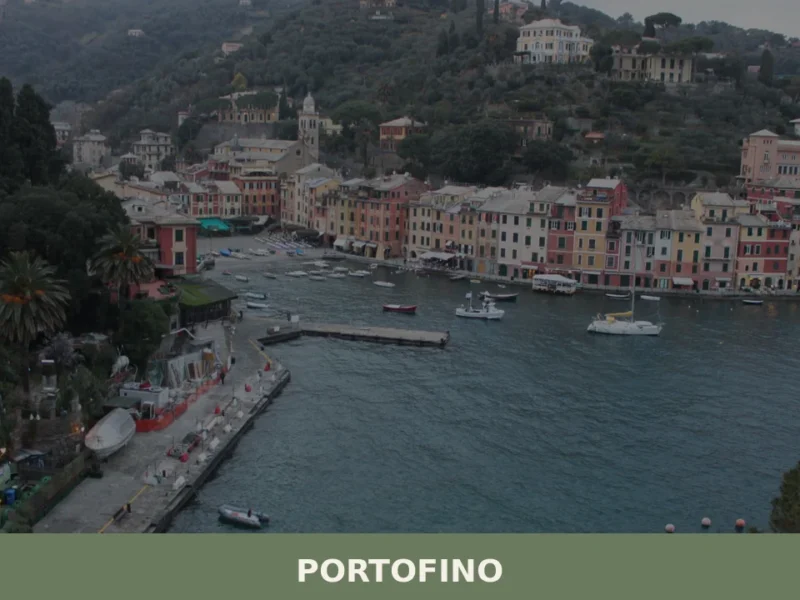
Portofino has a population of 355 residents spread across a headland that descends to sea level. It is one of the smallest municipalities in Italy by population, yet its natural harbour appears in almost every historical guide to the Ligurian Riviera. Anyone looking into what to see in Portofino will find a compact collection of […]

Arenzano
Sea
What to see in Arenzano, Liguria, Italy: explore a 16th-century patrician villa, a Saracens' Tower, and a coastal sanctuary. Population 11,445. Discover it all.
Mendatica
 Mountain
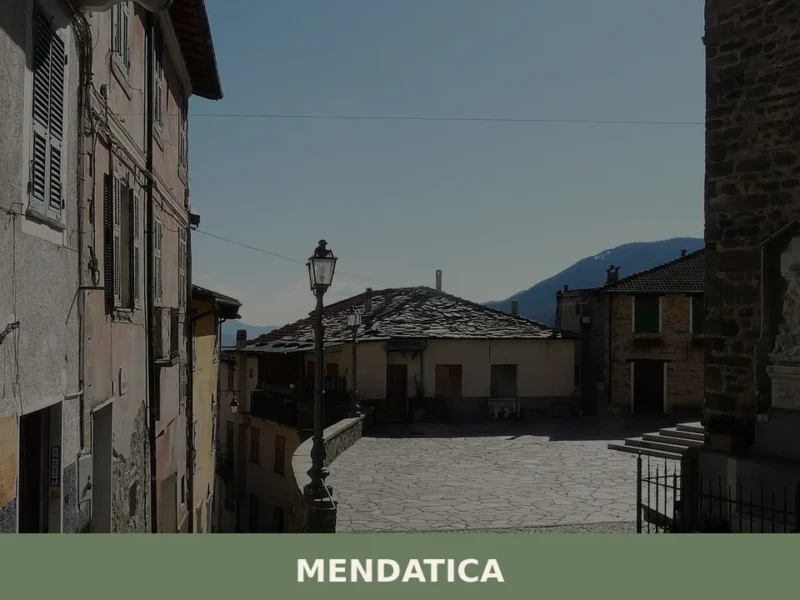
What to see in Mendatica, Liguria, Italy: 190 inhabitants, mountain village 100 km from Genoa. Discover Colle San Bernardo, Alpi Liguri Park and local cuisine.
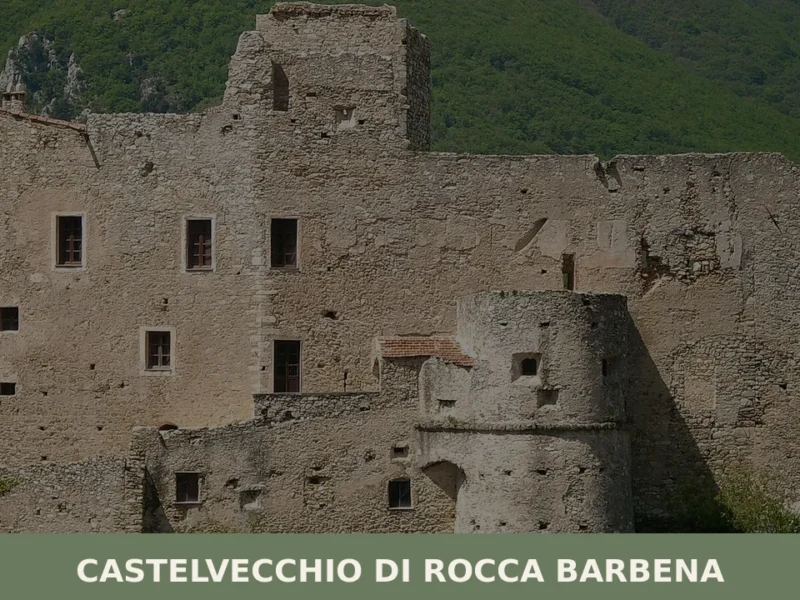
Castelvecchio di Rocca Barbena
Mountain
What to see in Castelvecchio di Rocca Barbena, Liguria, Italy: explore a 9th-century castle, 166 inhabitants, 70 km from Genoa. Discover top attractions and travel tips.
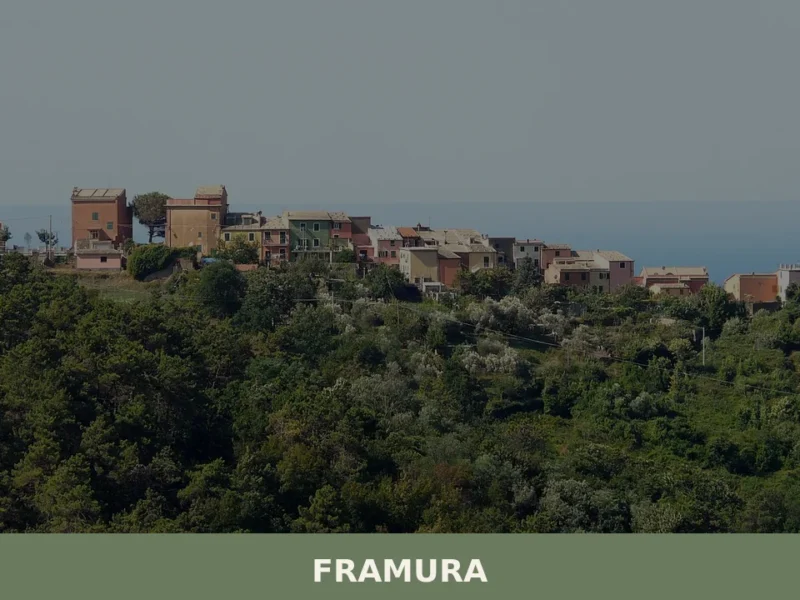
Framura
Sea
What to see in Framura, Liguria, Italy: explore 5 top attractions, WWII history, coastal trails, and local food in a village of 677 inhabitants. Discover it now.
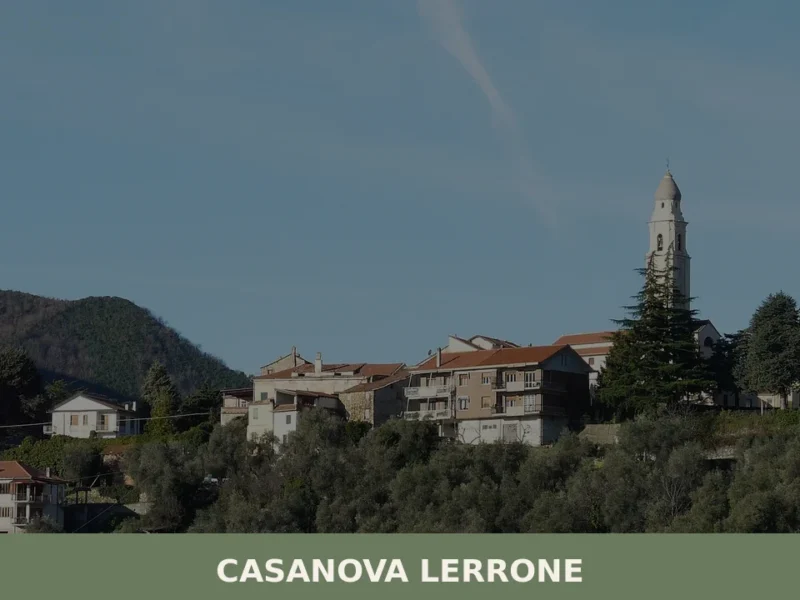
Casanova Lerrone
Hills
What to see in Casanova Lerrone, Italy: 752 inhabitants, 10 bordering municipalities. Discover top attractions, local food and how to get there. Explore now.
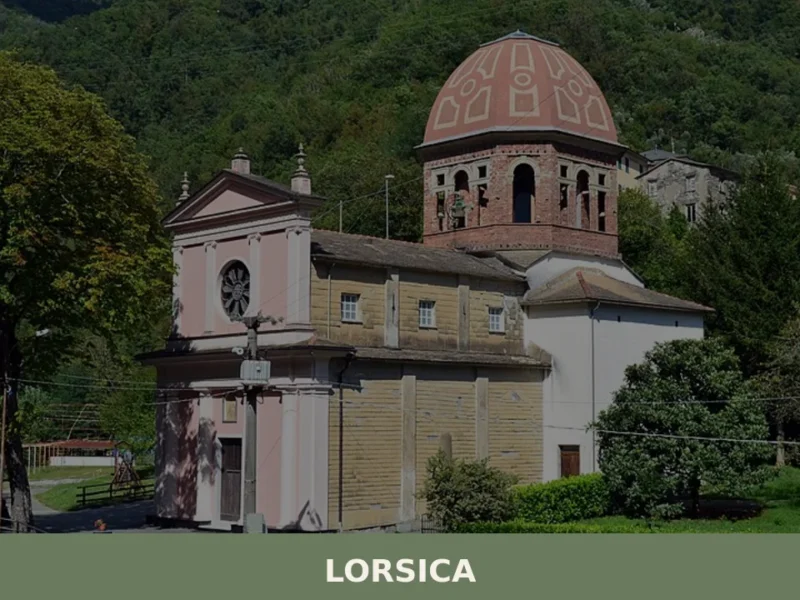
Lorsica
Hills
What to see in Lorsica: a Ligurian village at 343 m with 395 residents. Explore historic churches, Val Sturla trails and local food. Plan your visit today.
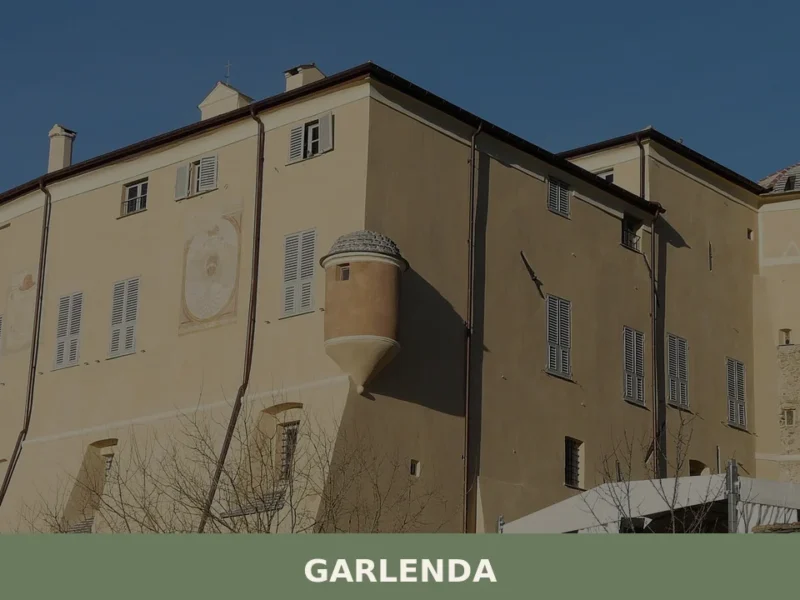
Garlenda
Hills
What to see in Garlenda, Liguria, Italy: explore a village of 1,200 inhabitants 80 km from Genoa. Discover top attractions, local food, and how to get there.
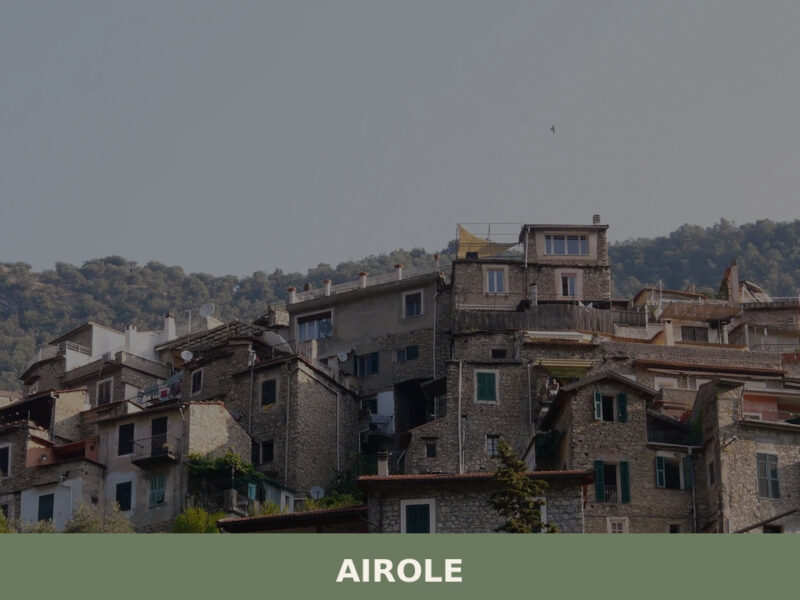
Airole
 Plains
A compact Ligurian hill village of 365 inhabitants in the Roia valley. Discover what to see in Airole, from medieval stone alleys to terraced olive groves.
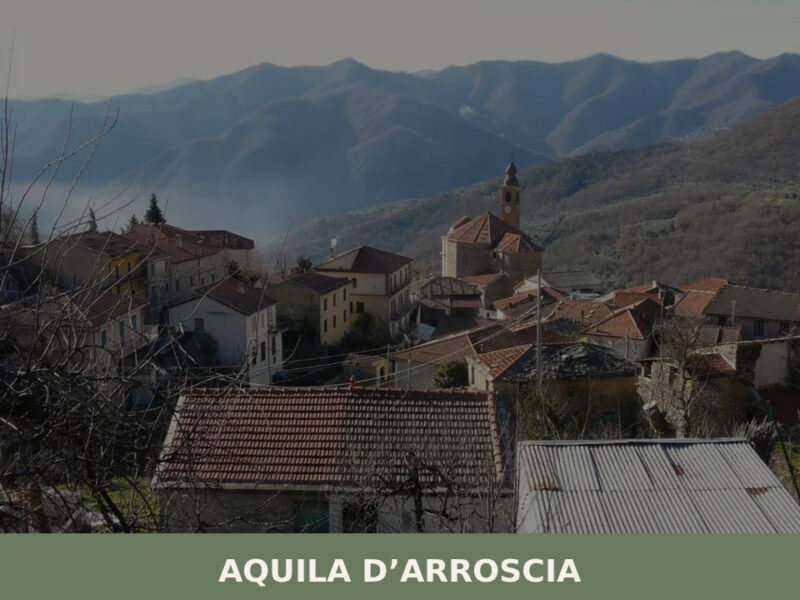
Aquila d’Arroscia
Mountain
From the heights of the Arroscia Valley, the stone facades and light plasterwork of Aquila d’Arroscia stand out against the intense green of the Mediterranean maquis, dotted with olive groves that trace the slopes. The profile of the parish bell tower, with its slender spire, emerges among the slate roofs, marking the highest point of […]
🧀 Italian traditional products



🏡 Know Arnasco better than we do?
If you’re a local or have been there, your knowledge matters: add what’s missing or fix a detail on this page.