


Faggiano
 Plains
Discover what to see in Faggiano, a Taranto province comune in Puglia: history, food, best time to visit, and how to get there.
Discover Faggiano
Faggiano is a comune of around 3,369 inhabitants in the province of Taranto, in the heel of Italy’s Adriatic coast. It belongs to the Unione dei Comuni di Montedoro, a administrative association of municipalities established in September 2002. For anyone researching what to see in Faggiano, the village offers a compact, genuine window into the agricultural and civic life of inland Puglia — a region more often associated with its coastal cities than with its quieter provincial comuni.
History of Faggiano
The name Faggiano derives almost certainly from the Latin fagianus, meaning pheasant, suggesting either an abundance of the bird in the surrounding territory during the medieval period or a landowner’s name rooted in that same Latin root. This kind of toponymy is common across southern Italy, where place names frequently encode the natural or feudal character of a landscape long before systematic record-keeping began. The village sits within the broader historical territory of Taranto, one of the oldest continuously inhabited cities in the Mediterranean world, founded as the Greek colony of Taras in 706 BC — a proximity that defines much of the cultural and administrative gravity pulling at Faggiano throughout its history.
During the medieval and early modern periods, the settlements of this portion of the Taranto hinterland passed through the hands of successive feudal lords under the Norman, Swabian, Angevin, and Aragonese dominations that remade the political map of southern Italy across several centuries. The landscape around Faggiano — characterised by low limestone plateaux, dry-stone walls, and scattered masserie, the fortified farmhouses of Puglia — reflects centuries of agricultural organisation under absentee lords. Wheat cultivation, olive groves, and sheep grazing structured the rural economy well into the nineteenth century, when Italian unification and land redistribution policies began to reshape landownership patterns across the Mezzogiorno.
In the post-unification period, Faggiano was formally constituted as an independent municipality within the province of Taranto, a designation it has maintained through subsequent administrative reorganisations. The creation of the Unione dei Comuni di Montedoro in September 2002 represents the most recent significant administrative development, grouping Faggiano with neighbouring municipalities to pool resources and services — a model increasingly adopted by small comuni across Italy facing demographic and fiscal pressures. The village’s residents carry the demonym faggianotti, with the alternative form faggianesi considered both rare and technically incorrect.
What to see in Faggiano: 5 must-visit attractions
The Parish Church
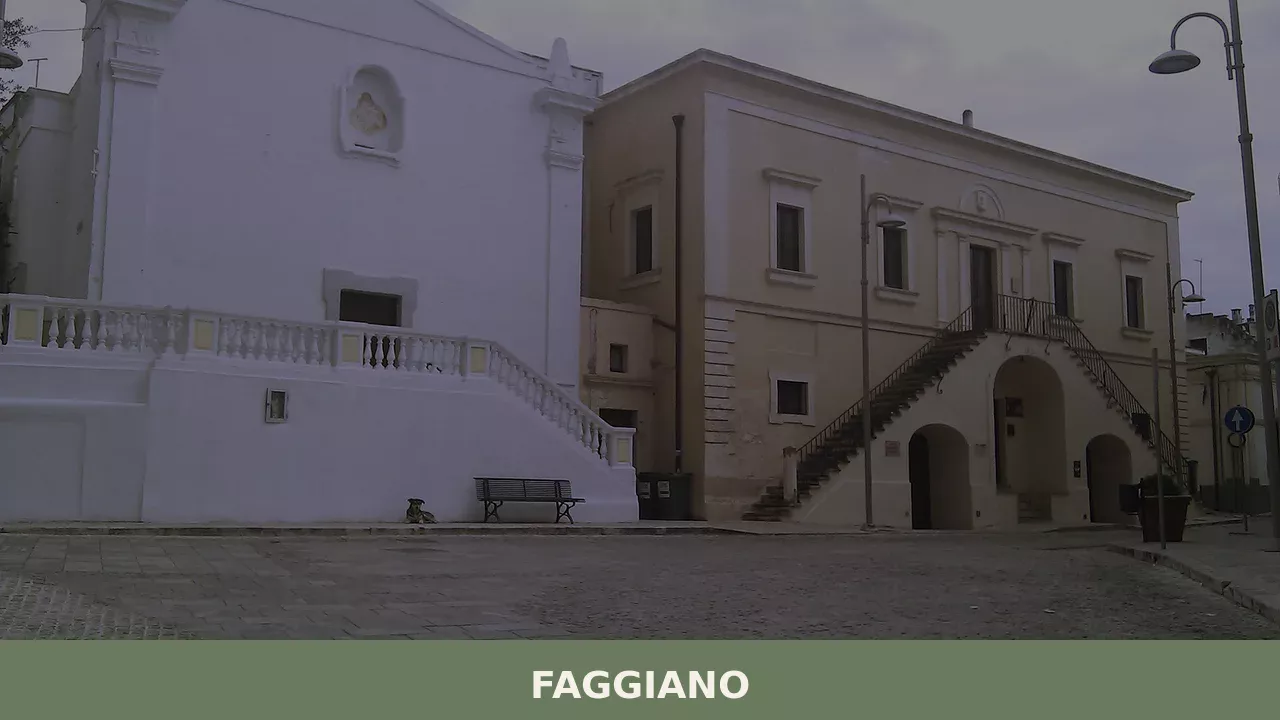
The parish church of Faggiano serves as the civic and religious centre of the village. Like many churches in the smaller comuni of the Taranto province, it reflects the southern Italian Baroque tradition in its facade organisation and interior decorative programme, accumulating additions and restorations across the eighteenth and nineteenth centuries. It remains an active place of worship and the focal point of local religious festivals.
The Historic Village Centre
Faggiano’s centro storico follows the compact, irregular street pattern typical of inland Pugliese settlements — narrow vicoli between limestone buildings, shared courtyards, and elevated lookout points over the surrounding agricultural plain. The building fabric, predominantly in local calcarenite stone, documents the domestic architecture of a working rural community from the eighteenth century onward.
The Surrounding Masseria Landscape
The territory around Faggiano is dotted with masserie — the large, often fortified farmsteads that formed the productive backbone of Pugliese agriculture under the latifondo system. Several examples survive in varying states of conservation within a short radius of the village, offering direct evidence of how the land was organised and worked across several centuries.
The Montedoro Union Territory
As a member of the Unione dei Comuni di Montedoro since 2002, Faggiano sits at the junction of several neighbouring communes whose combined territory forms a coherent geographic and cultural unit. Exploring this network of small municipalities reveals a consistent landscape of olive cultivation, limestone outcrops, and rural chapels that defines this inland strip of the Taranto province.
The Agricultural Plain and Olive Groves
The flat and gently rolling terrain surrounding Faggiano is planted extensively with centuries-old olive trees — some with gnarled trunks measuring several metres in circumference — alongside durum wheat fields. This working agricultural landscape, largely unchanged in its basic structure for centuries, is itself the primary thing to observe when understanding what to see in Faggiano from a territorial perspective.
Local food and typical products
The table in Faggiano and the surrounding Taranto province is anchored in the cucina povera of the Pugliese interior. Orecchiette — the small ear-shaped pasta formed by pressing dough with a knife across a wooden board — appear in multiple guises, most typically with turnip tops (cime di rapa) or a slow-cooked ragù of mixed meats. Fave e cicoria, a purée of dried broad beans served alongside braised wild chicory, is the region’s most elemental dish, eaten in homes and in the few local restaurants as a first course or a meal in itself. Taranto province also produces Olio extravergine di oliva Terra d’Otranto DOP, an extra-virgin olive oil carrying a Protected Designation of Origin that encompasses much of this southeastern corner of Puglia, produced from cultivars including Ogliarola and Leccino.
For dining, visitors to Faggiano are best served by exploring the local agriturismo circuit — working farms that offer meals based on seasonal produce from their own land — as well as the traditional family-run trattorias found in Faggiano and the surrounding towns. The official Puglia tourism portal maintains a regularly updated register of agriturismo operators across the province of Taranto, which provides a reliable starting point for identifying dining options in the area.
Best time to visit Faggiano
The Taranto hinterland has a Mediterranean climate with a pronounced continental influence at inland elevations. Summers are hot and dry, with July and August temperatures regularly exceeding 35°C on the plain — workable for touring if the day is structured around the early morning and the late afternoon, with a proper midday pause. Spring, particularly from late March through May, brings the landscape into its most visually coherent state: the wheat fields are green, the wild flowers are active along the roadsides, and the olive trees carry new growth. September and October offer similar conditions, with the added dimension of the olive harvest, when the groves around Faggiano are worked by hand and machine from first light. Winter is mild by northern European standards but can be damp and grey, and many smaller local businesses operate reduced hours.
The most significant dates in the local calendar are tied to the feast days of the parish church’s patron saints, typically celebrated in late summer with processions, outdoor markets, and communal meals. Exact dates and any associated civic events are best confirmed through the official municipality of Faggiano, which publishes announcements for local events and administrative information.
How to get to Faggiano
Faggiano sits in the province of Taranto in southern Puglia, and is most practically reached by road. The village lies a short distance from the city of Taranto itself, which functions as the main logistical hub for this part of the region.
- By car: From Taranto, Faggiano is approximately 15–20 kilometres southeast, accessible via the provincial road network. From the A14 motorway (Bologna–Taranto), exit at Taranto and follow provincial roads toward the Faggiano direction. Journey time from the motorway exit is under 30 minutes in normal conditions.
- By train: The nearest main railway station is Taranto Centrale, served by Trenitalia with connections to Bari (approximately 1 hour 20 minutes), Lecce, and beyond. From Taranto station, Faggiano is reachable by local bus or taxi.
- By air: The closest commercial airport is Brindisi Airport (Aeroporto del Salento), approximately 70 kilometres from Faggiano. Bari Karol Wojtyła Airport is roughly 110 kilometres to the north and offers a wider range of international connections. Car hire at either airport is the most practical onward option.
- From Bari: Approximately 100 kilometres via the A14 motorway south to Taranto, then provincial roads — roughly 1 hour to 1 hour 15 minutes by car.
Where to stay in Faggiano
Faggiano is a small comune without a large commercial accommodation infrastructure of its own. Visitors who want to use the village as a base — or explore it as part of a broader itinerary through the Taranto province — will find the most practical options either in Taranto city itself, where hotels of various categories are available, or in the surrounding countryside through the agriturismo network. Agriturismi in this part of Puglia typically occupy converted masserie and offer rooms alongside meals based on farm produce; they vary considerably in scale and comfort, from working farms with simple rooms to restored farmhouses with swimming pools and more elaborate facilities.
Holiday apartments and private room rentals in Faggiano and the neighbouring comuni represent a second option, particularly for longer stays, and are increasingly listed on major booking platforms. When choosing accommodation, proximity to Taranto is worth factoring in, as the city offers the widest range of services, restaurants, and transport connections for day excursions into the surrounding territory. Booking in advance during the summer months and around local feast days is advisable, as capacity in smaller comuni fills quickly.
More villages to discover in Puglia
The province of Foggia, in northern Puglia, holds some of the region’s most historically layered smaller settlements. Monteleone di Puglia is one such place, a compact hilltop comune with a distinct identity rooted in the agricultural and pastoral life of the Apennine foothills. Further north along the Adriatic coast, Rodi Garganico offers a contrasting experience — a fishing and citrus-growing town on the Gargano promontory, where the geography shifts dramatically from the flat plains of the Taranto interior to sheer limestone cliffs above a clear sea.
For those interested in the urban fabric of Puglia’s historic towns, Barletta on the northern Adriatic coast presents a substantially different scale — a city defined by its Norman-Swabian castle, its medieval cathedral, and its role in the 1503 Battle of Barletta, one of the more documented episodes of the Italian Wars. Closer to the Faggiano territory in spirit, Sannicandro di Bari in the metropolitan area of Bari offers a useful comparison point for understanding how smaller Pugliese comuni have navigated the pressures of urbanisation while maintaining a distinct local character. Together, these four villages map out the breadth of Puglia’s internal variety — from coast to plain, from Norman fortification to rural masseria.
Frequently asked questions about Faggiano
What is the best time to visit Faggiano?
The best time to visit Faggiano is during spring, from late March through May, when the agricultural landscape is vibrant with green wheat fields and wildflowers. The weather is pleasant for exploring, and the Festa Patronale di San Giuseppe on March 19th offers a unique cultural experience. September and October also provide enjoyable conditions, with the added dimension of the olive harvest. While summers are hot, structuring activities around early mornings and late afternoons allows for comfortable touring. Winters are mild but can be damp, with reduced business hours.
What to see in Faggiano? Main monuments and landmarks
In Faggiano, visitors can explore the Parish Church, an active place of worship reflecting Southern Italian Baroque traditions, serving as the village's civic and religious heart. The Historic Village Centre (centro storico) offers a charming labyrinth of narrow streets (vicoli), traditional limestone buildings, and shared courtyards, showcasing centuries of rural architecture. Beyond the village, the surrounding agricultural plain is notable for its ancient olive groves and scattered masserie, the fortified farmsteads that narrate the region's agricultural history and land organization.
What are the main natural or scenic attractions of Faggiano?
The primary natural and scenic attraction in Faggiano is its agricultural plain, characterized by vast stretches of centuries-old olive groves with impressively gnarled trunks and durum wheat fields. This working landscape, dotted with traditional dry-stone walls and low limestone plateaux, offers a genuine insight into rural Puglia. Exploring the broader Montedoro Union Territory reveals a consistent scenic pattern of olive cultivation, limestone outcrops, and quiet rural chapels, perfect for gentle exploration by car or on foot, especially during spring.
Where to take the best photos in Faggiano?
For memorable photos in Faggiano, focus on the Historic Village Centre, capturing its narrow vicoli, traditional limestone buildings, and charming shared courtyards. Seek out any elevated lookout points within the centro storico for panoramic views over the surrounding agricultural plain. The centuries-old olive groves with their impressively gnarled trunks, especially at sunrise or sunset, offer iconic images of the Pugliese landscape. The dry-stone walls and scattered masserie also provide picturesque backdrops for rural photography.
Are there museums, churches or historic buildings to visit in Faggiano?
Yes, in Faggiano, visitors can explore the Parish Church, an active place of worship that showcases Southern Italian Baroque architectural elements and serves as the village's spiritual focal point. The Historic Village Centre itself is a collection of historic domestic buildings, predominantly in local calcarenite stone, dating from the eighteenth century onwards, offering a glimpse into past rural life. Additionally, the surrounding countryside is home to various masserie, large fortified farmhouses that are significant historical structures reflecting centuries of agricultural organization.
What can you do in Faggiano? Activities and experiences
In Faggiano, visitors can immerse themselves in authentic rural Pugliese life. Activities include exploring the historic village centre on foot, appreciating its traditional architecture. You can take scenic drives or walks through the centuries-old olive groves and wheat fields of the agricultural plain. Discover the local cucina povera by dining at traditional trattorias or agriturismi, savoring dishes like orecchiette and fave e cicoria. Attending the Festa Patronale di San Giuseppe on March 19th offers a glimpse into local traditions and communal celebrations.
Who is Faggiano suitable for? Families, couples, hikers, solo travelers?
Faggiano is ideal for travelers seeking an authentic, tranquil experience of inland Puglia, away from the more crowded coastal areas. It appeals to cultural enthusiasts interested in local history, traditional architecture, and genuine village life. Food lovers will appreciate the cucina povera and local olive oil. It's suitable for couples or solo travelers looking for a peaceful retreat, and for families who want to experience rural Italy. It also serves as a good base for exploring the broader Taranto province and the Montedoro Union territory.
What to eat in Faggiano? Local products and specialties
In Faggiano, the local cuisine is rooted in the cucina povera tradition, emphasizing fresh, seasonal ingredients. Must-try specialties include orecchiette, often served with cime di rapa (turnip tops) or a rich meat ragù. Another elemental dish is fave e cicoria, a comforting purée of dried broad beans paired with braised wild chicory, often enjoyed as a meal in itself. The region is also renowned for its high-quality Olio extravergine di oliva Terra d'Otranto DOP, produced from cultivars like Ogliarola and Leccino, a staple of the local diet.
📷 Photo Gallery — Faggiano
Nearby Villages near Faggiano
In Apulia More villages to discover
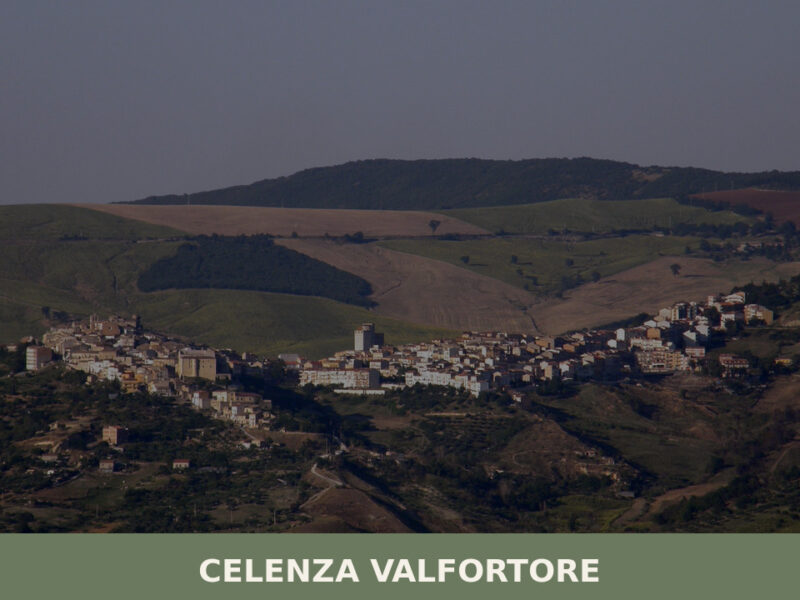
Celenza Valfortore
 Hills
Hills
A hill village of 1,363 people above the Fortore valley in Puglia's Daunia highlands. Castle, churches, stone lanes, and a working landscape far from the tourist coast.
Stornarella
Plains
A working agricultural village on the Tavoliere plain near Foggia, Stornarella offers wheat-field panoramas, rural chapels, and the elemental cuisine of northern Puglia.
Lecce
 Sea
Sea
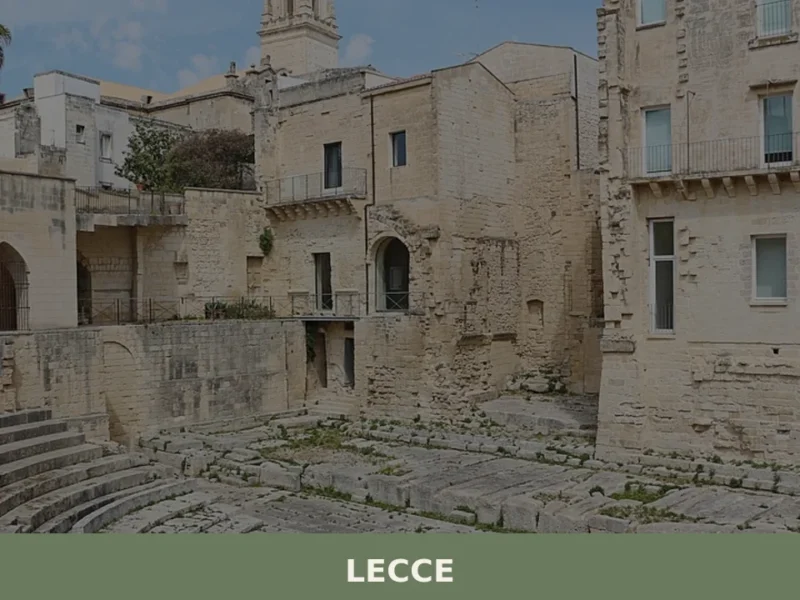
In the centre of Salento, on 26 August, the city of Lecce celebrates its patron saint, Sant’Oronzo, with a solemnity that unfolds among the scrolls and friezes of pale limestone. It is on days like these that the Lecce Baroque, the dominant stylistic hallmark, reveals itself in all its expressiveness, narrating centuries of history and […]
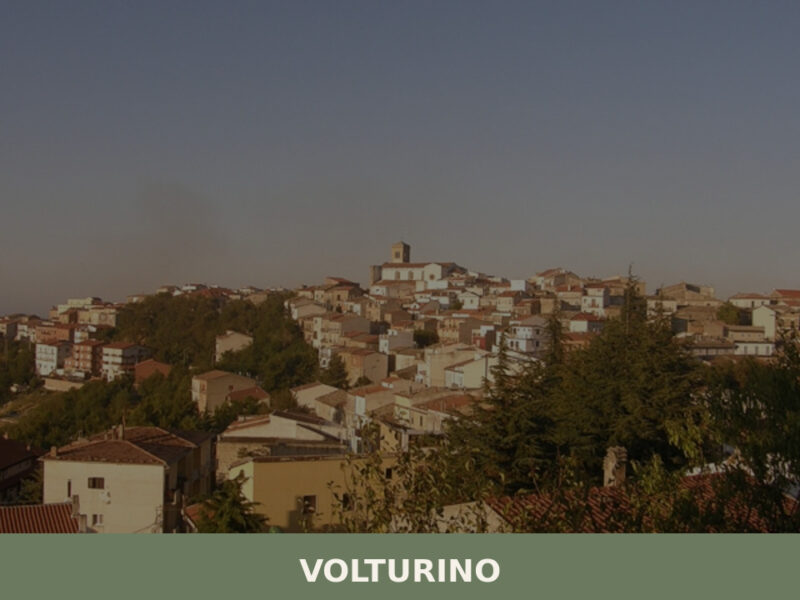
Volturino
 Mountain
A ridgetop village of 1,554 inhabitants in Puglia's Daunia mountains, Volturino overlooks the Tavoliere plain from 735 metres. Medieval lanes, stone churches, and panoramic silence.
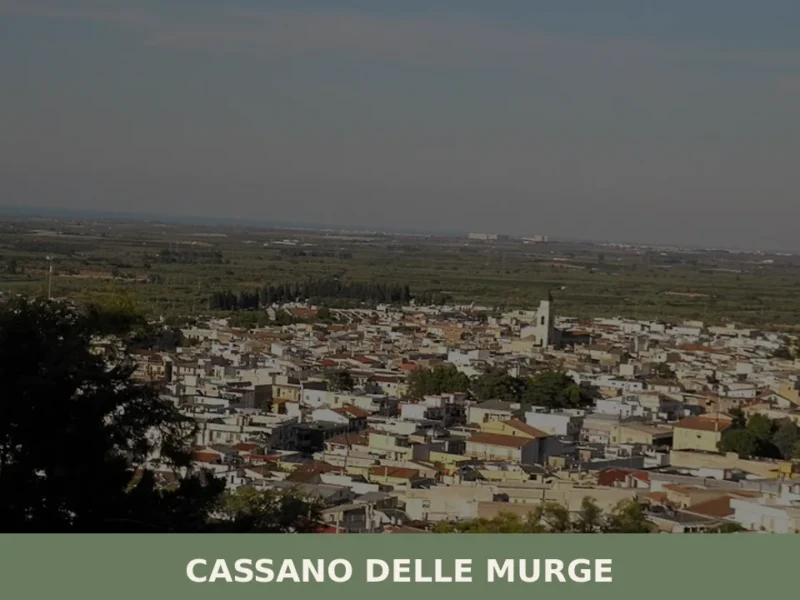
Cassano delle Murge
Hills
Cassano delle Murge, a municipality in Puglia located in the Metropolitan City of Bari, stands at 341 meters above sea level, positioned on the Murge plateau. Its territory, spanning approximately 89 km², includes a significant portion of the Bosco di Mercadante, a forest area important for the local ecosystem. With a population of 14,395 inhabitants, […]
Stornara
Plains
A quiet agricultural town on Puglia's Tavoliere plain, Stornara rewards visitors with honest rural architecture, sweeping wheat-field panoramas, and a food tradition rooted in durum wheat.
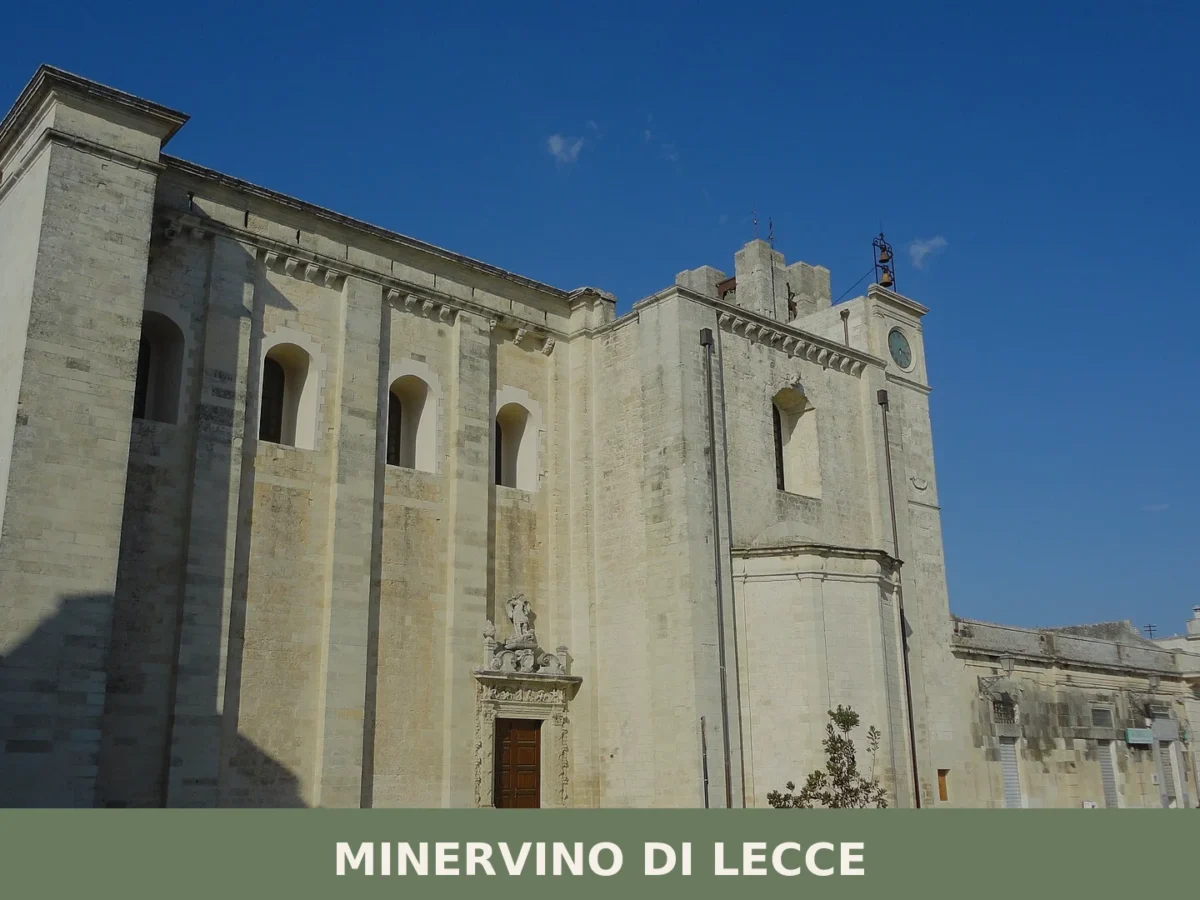
Minervino di Lecce
Plains
3,400 residents and 98 metres of elevation. A village where megalithic stones predate written history, and Renaissance architecture speaks of feudal ambition.
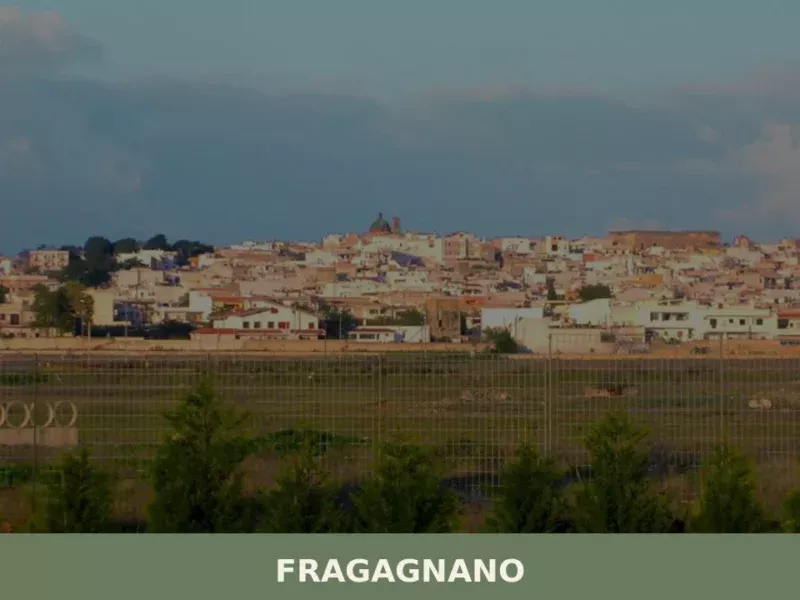
Fragagnano
Plains
Discover what to see in Fragagnano, a village in Taranto province and part of the Terre del Mare e del Sole. History, food, travel tips and nearby villages.
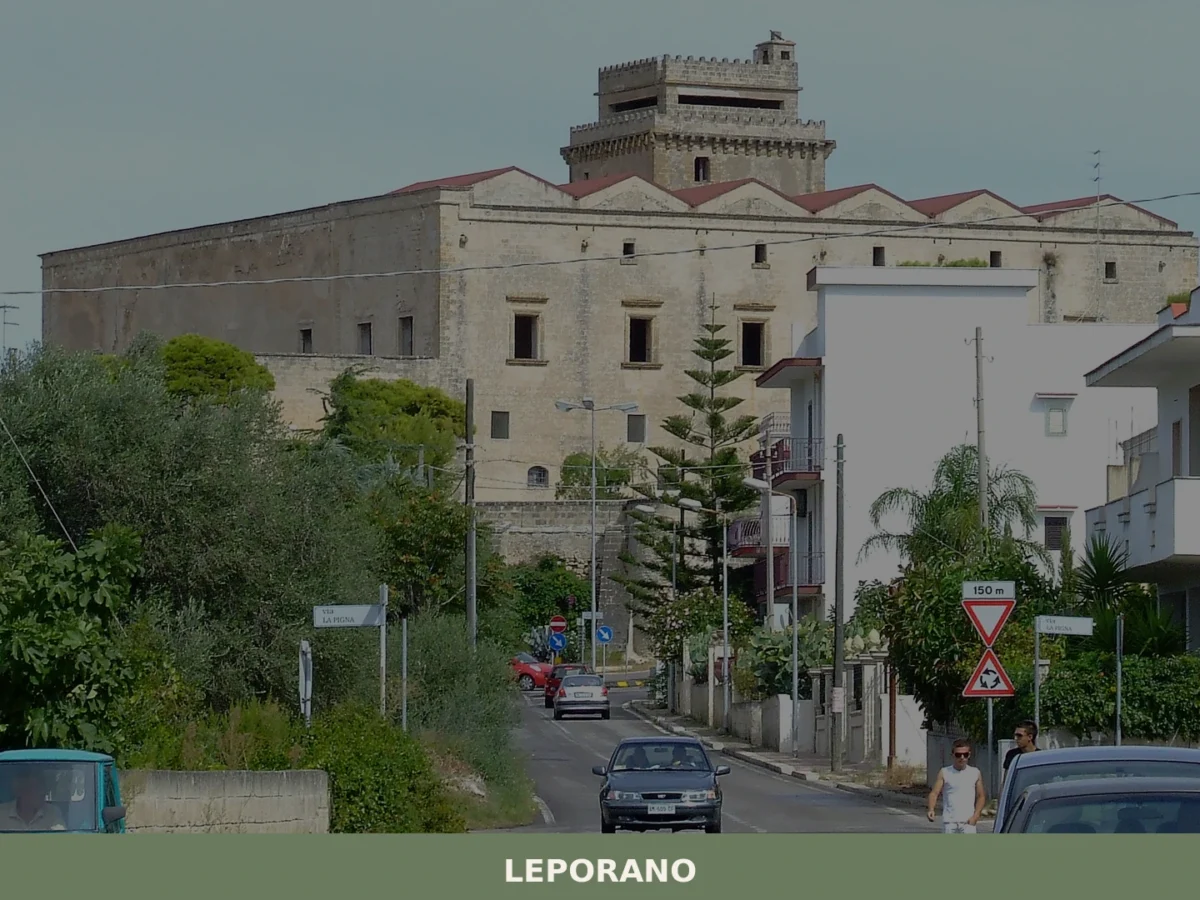
Leporano
Sea
Discover what to see in Leporano, Puglia: Aragonese tower, Ionian coastline, local food and practical tips for visiting this Taranto province municipality.
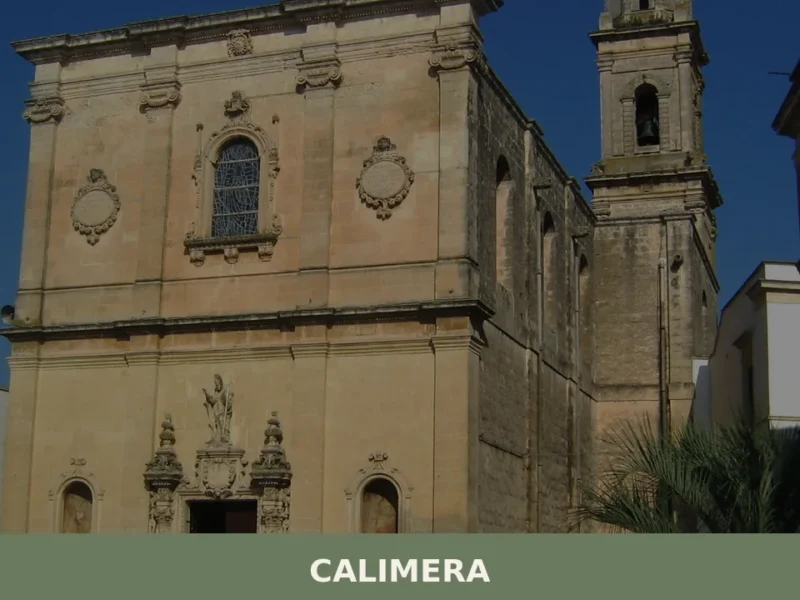
Calimera
Plains
Discover what to see in Calimera, the Puglia village at the heart of the Grecu00eca Salentina u2014 Griko culture, historic architecture, olive oil and local festivals.




🏡 Know Faggiano better than we do?
If you’re a local or have been there, your knowledge matters: add what’s missing or fix a detail on this page.