


Adrara San Martino
 Hills
Hills
What to see in Adrara San Martino? Discover the 5 must-see attractions of this Lombard village. The complete guide for your visit. Plan your trip!
Discover Adrara San Martino
White limestone rises above the roofline of the parish church, and the bell tower’s ogival windows frame the sky at every hour. The coat of arms of this comune, a civic designation for an Italian municipality, shows a brick tower on a blue diagonal cross set against a white background — an image that maps the settlement’s medieval logic more precisely than any modern signpost.
An 11th-century Romanesque complex and the ruins of a castle define the upper ground, while a 17th-century sanctuary anchors the lower reaches of the village.
Deciding what to see in Adrara San Martino begins with five documented monuments that span nine centuries of construction, from pre-Romanesque masonry to baroque ecclesiastical architecture.
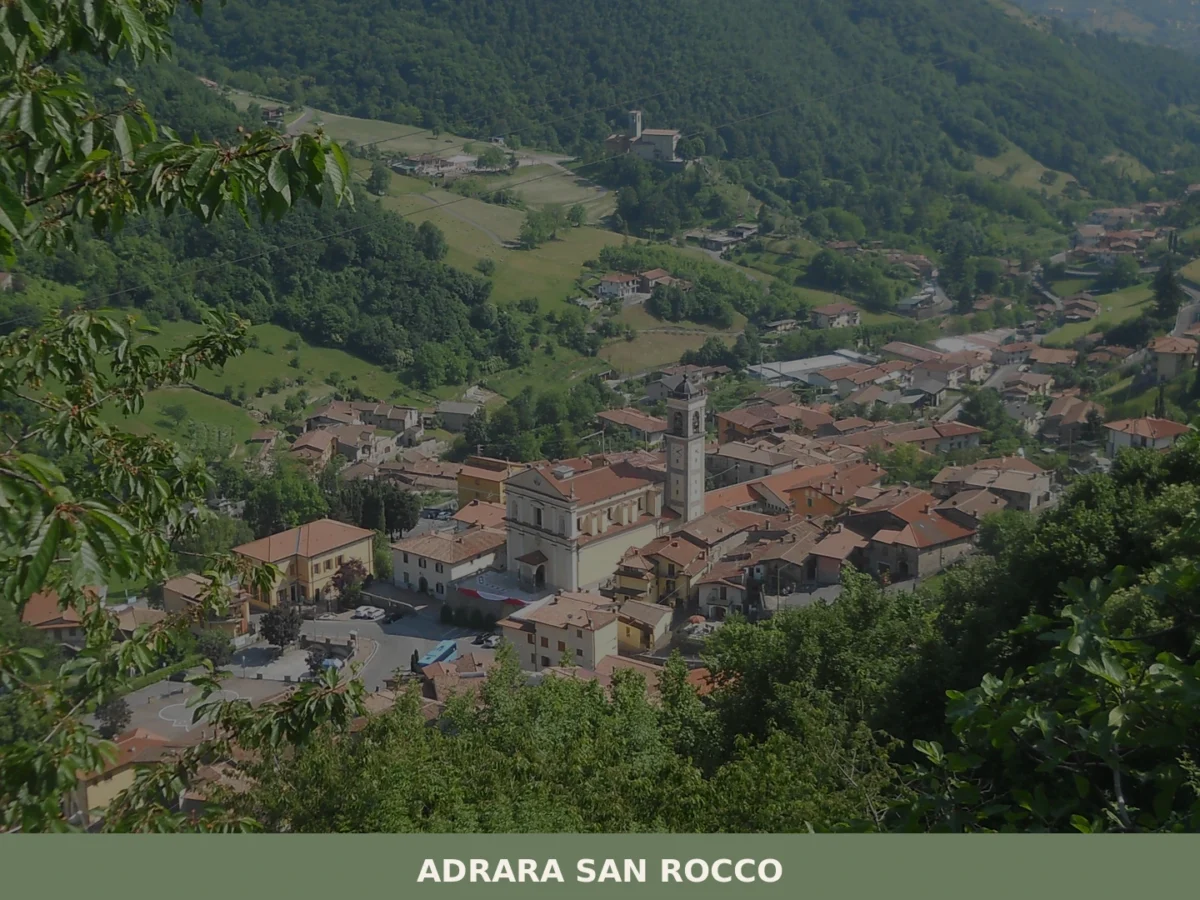
The village sits in the province of Bergamo, in Lombardia, Italy, roughly 25 km (15.5 mi) southeast of Bergamo city. Visitors to Adrara San Martino find a compact cluster of religious and civil heritage: a parish church housing canvases by three named 19th-century painters, a medieval castle in ruin, and two further sanctuaries at different elevations. The surrounding municipality of Adrara San Rocco shares the immediate landscape.
History of Adrara San Martino
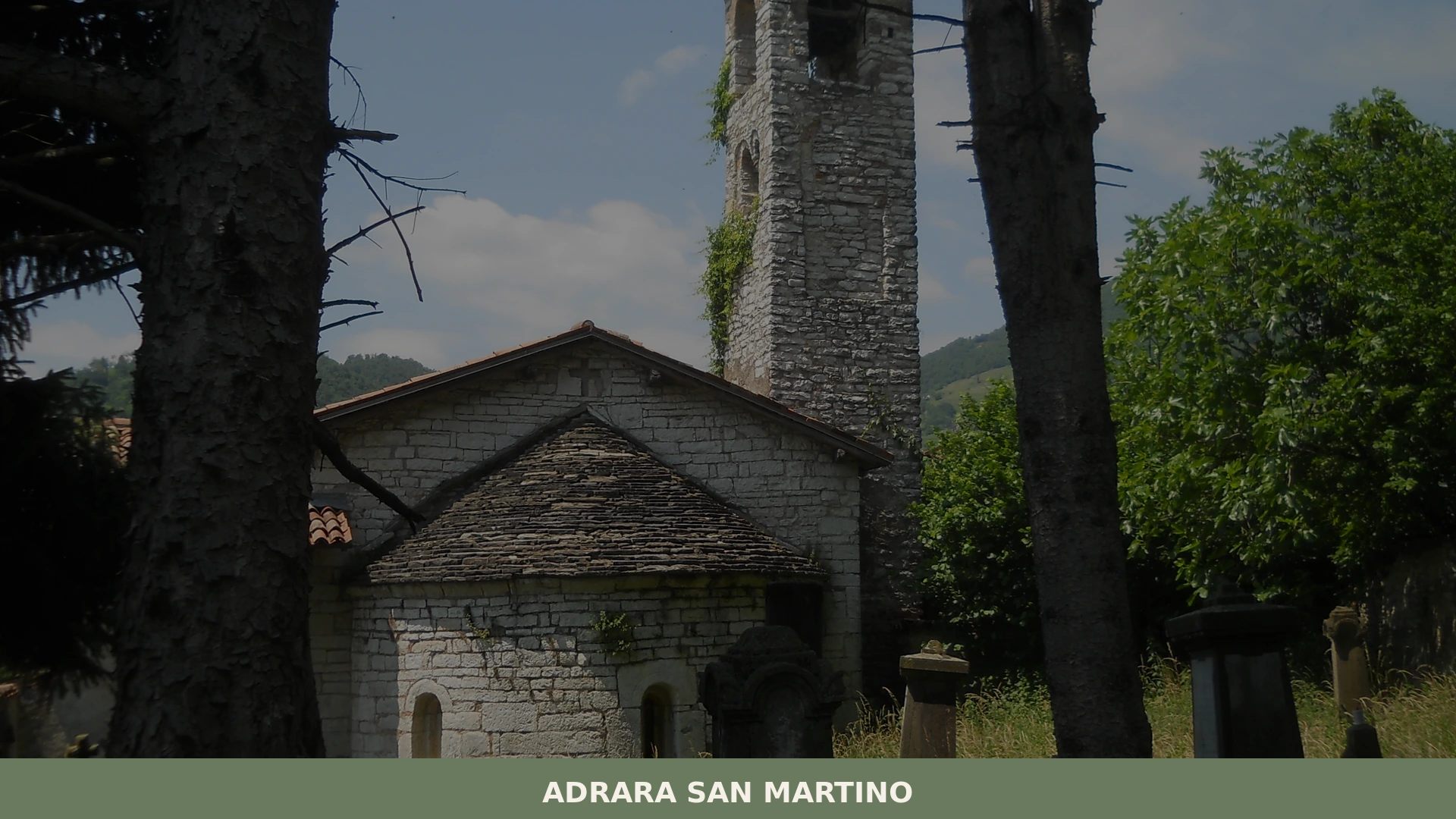
The oldest standing structure within the village boundaries dates to the 11th century: the Romanesque religious complex of Sant’Alessandro, whose construction places the community’s organised presence firmly in the early medieval period.
Lombardy at that time was a region of competing jurisdictions — episcopal, feudal, and communal — and the placement of a Romanesque complex here suggests the site held strategic or devotional significance well before any written municipal record. Fragments of 14th-century frescoes survive inside Sant’Alessandro, indicating continued investment in the site across at least three centuries of its early existence.
The medieval period left a second layer of evidence in the form of castle ruins that still occupy part of the village’s upper ground.
Fortified structures of this type in the Bergamo province typically functioned as administrative and military nodes during the era of the Visconti and later Venetian dominion over the region. By the 15th century, civic and religious energy had shifted toward the construction of the parish church of San Martino, built in white stone with a bell tower featuring ogival windows — a Gothic detail consistent with northern Italian ecclesiastical building of that century.
The church was later restored, though the sources do not specify the precise date or scope of that intervention.
The 17th century brought further expansion of the devotional landscape with the construction of the sanctuary of Santa Maria Annunciata. This period coincides broadly with the Counter-Reformation impulse to build or enlarge Marian shrines across Lombardia, a regional pattern well documented across the province of Bergamo.
In the 19th century, the parish church of San Martino became a site of artistic patronage: works by Giovanni Carnovali, Francesco Coghetti, and Giacomo Trecourt were installed inside, connecting this small Bergamo municipality to three painters who were active in the broader Lombard and Italian artistic circuits of the 1800s. The Bergamasque dialect name for the village — Dréra San Marti — preserves a phonetic compression of the toponym that predates standardised Italian spelling.
What to see in Adrara San Martino, Lombardia: top attractions
Parish Church of San Martino
The exterior of this church is built entirely in white stone, a material that distinguishes it visually from the surrounding domestic architecture of the village.
Construction dates to the 15th century, and the structure was subsequently restored, though the bell tower — also from the same century — retains its original ogival windows, a Gothic formal element common in Bergamo province ecclesiastical buildings of that period. Inside, three canvases by Giovanni Carnovali, Francesco Coghetti, and Giacomo Trecourt constitute the most documented artistic holdings of the entire municipality.
Visiting in morning light, when the white stone facade catches direct illumination, gives the clearest sense of the building’s proportions and material quality.
Bell Tower of San Martino
The bell tower stands as a structurally distinct element of the San Martino complex, dated to the same 15th-century building campaign as the parish church itself.
Its defining architectural feature is a series of ogival windows — pointed arches drawn from the Gothic vocabulary — that punctuate the tower’s upper register and channel light into the belfry. At ground level, the tower base integrates with the surrounding stone fabric of the church precinct. For visitors examining what to see in Adrara San Martino from an architectural perspective, the bell tower offers the clearest single example of late-medieval construction technique in the village, and the window profiles are legible from the piazza without requiring interior access.
Romanesque Complex of Sant’Alessandro
Dating to the 11th century, the Sant’Alessandro complex is the oldest surviving built structure in Adrara San Martino, predating the parish church by at least four hundred years. Its Romanesque character — rounded arches, thick masonry, minimal ornamental elaboration — places it within a regional building tradition that extended across the foothills of the Bergamo Alps during the early medieval period.
The interior retains fragments of 14th-century frescoes, painted approximately three centuries after the complex was first established, which indicates the site remained in active religious use across an extended span.
Visitors should allow time to examine the fresco fragments closely; they are partial but identifiable as figurative compositions consistent with Lombard Gothic devotional painting.
Sanctuary of Santa Maria Annunciata
Built in the 17th century, the sanctuary of Santa Maria Annunciata represents the most recent of the three principal religious buildings in Adrara San Martino and reflects the Marian devotional culture that expanded across northern Italy during and after the Counter-Reformation.
The structure’s 17th-century date places it roughly two centuries after the parish church, and its presence as a separate sanctuary — rather than a chapel integrated into an existing building — suggests it served a distinct community or devotional function within the village.
The sanctuary sits at a different elevation from the parish church, and the walk between the two provides a direct reading of the village’s topographic organisation. Spring visits, when the surrounding landscape is clear of winter haze, make the approach to the sanctuary most legible.
Medieval Castle Ruins
The castle ruins occupy elevated ground within the village, consistent with the defensive logic of medieval fortifications built across the Bergamo foothills between the 12th and 14th centuries. No standing walls of significant height survive, but the site’s position and the outline of its footprint remain traceable. For those exploring what to see in Adrara San Martino, the ruins provide the clearest evidence of the settlement’s pre-ecclesiastical, military phase — a layer of history that the intact religious buildings do not represent.
The approach to the ruins requires attention to uneven terrain.
The site has no formal visitor infrastructure, so sturdy footwear is practical.
Local food and typical products of Adrara San Martino
The culinary tradition of the area around Adrara San Martino belongs firmly to the broader Bergamo province kitchen, one of the most regionally consistent in Lombardia. The province of Bergamo sits at the transition between the Po plain and the foothills of the Alps, a geography that has historically favoured combinations of dairy, polenta, cured meats, and freshwater ingredients. Villages at this elevation in the Bergamo hills have traditionally relied on preserved and slow-cooked preparations suited to agricultural calendars with cold winters and short summers.
The most representative dish of this zone is polenta e osei, a preparation of coarse-ground cornmeal — slow-cooked for a minimum of forty minutes over direct heat and stirred continuously — served alongside small roasted birds seasoned with sage and butter.
The polenta itself is poured onto a wooden board, allowed to set partially, and portioned with a thread rather than a knife, a technique that preserves the texture of the crust.
Another dish consistent with Bergamo hill cuisine is casoncelli alla bergamasca, a filled pasta whose interior typically contains a mixture of minced beef, sausage, breadcrumbs, grana padano, pear, and amaretto biscuit, a combination of savoury and mildly sweet that is specific to this province. The pasta is dressed with melted butter, sage leaves, and pancetta rendered until crisp.
The sources available for Adrara San Martino do not document certified PDO or PGI products specific to this municipality. The surrounding Bergamo province, however, includes several products with European certification that appear on local tables: Grana Padano (PDO) — produced across a large swath of the Po plain including Bergamo province — and Salva Cremasco (PDO), a semi-soft cow’s milk cheese produced in the lowland areas of the province.
Visitors purchasing local cheeses or cured meats at market stalls in the Bergamo area should look for the PDO label, which guarantees production within the designated geographic zone.
The Bergamo province holds a number of food fairs — known as sagre, traditional festivals centred on a single local ingredient or dish — during autumn, when harvests generate seasonal produce including chestnuts, porcini mushrooms, and late-season polenta preparations.
The nearest significant market infrastructure to Adrara San Martino is in Bergamo city, approximately 25 km (15.5 mi) away, where covered food markets operate on a regular weekly schedule. Carrying cash is recommended for village shops and smaller market stalls, where card payment terminals may not be available.
Festivals, events and traditions of Adrara San Martino
The patron saint of the village is San Martino, whose feast day falls on 11 November according to the Catholic liturgical calendar. The feast of San Martino is observed across northern Italy with religious processions and local gatherings, and in villages of the Bergamo province it typically includes a solemn Mass in the parish church, followed by outdoor activities in the village square.
The date also coincides with the traditional northern Italian agricultural marker of San Martino, historically the day when rental contracts expired and farm labourers changed employers — a timing that gave the feast both civic and devotional resonance in rural communities.
No additional festivals or documented annual events specific to Adrara San Martino are confirmed by the available sources.
The sanctuary of Santa Maria Annunciata, dedicated to the Annunciation, would customarily be associated with the feast of the Annunciation on 25 March, though no specific celebration at this site is documented in the sources consulted. Visitors with an interest in local religious observance are advised to check with the municipal office or parish directly before planning a visit around a specific event date.
When to visit Adrara San Martino, Italy and how to get there
The best time to visit Lombardia’s smaller hill municipalities, including Adrara San Martino, falls between late April and early June, and again in September and October.
During these windows, temperatures in the Bergamo foothills are moderate — typically between 14°C and 22°C (57°F and 72°F) — the light is clear, and the village is not subject to the summer heat that can make unshaded stone surfaces difficult to examine comfortably. The feast of San Martino on 11 November is another occasion worth planning around for those interested in local religious practice, though November weather in northern Italy can be overcast. Winter visits are possible but offer limited outdoor comfort given the elevation and the exposed position of the castle ruins.
Adrara San Martino lies approximately 25 km (15.5 mi) southeast of Bergamo city, making it a realistic day trip from Bergamo for travellers already based there.
From Milan, Bergamo is reachable by train in roughly 50 minutes via Trenitalia services from Milano Centrale or Milano Porta Garibaldi, placing Adrara San Martino within a two-hour total transfer from the Lombardia regional capital. The nearest airport is Milan Bergamo Airport (Orio al Serio), located approximately 20 km (12.4 mi) from the village.
If you arrive by car, the most direct route from Bergamo follows the SP469 provincial road southward into the lake and hill zone of the province; the final approach to Adrara San Martino involves narrower roads, and parking is limited to the village perimeter. For those travelling from further afield, Milan’s main rail hub connects to Bergamo with frequent departures, and the overall journey from central Milan to the village by combined rail and road takes approximately 90 minutes. English is not widely spoken in smaller shops and local bars in this area; carrying some euro cash is practical, as card payment infrastructure in villages of this size is not guaranteed.
Travellers extending their stay in the Bergamo foothills may find it useful to consider villages on Lake Maggiore as a complementary itinerary. The area around Brezzo di Bedero, situated on the western shore of Lake Maggiore in Lombardia, shares the same regional transport network and can be reached from Bergamo via Milan in a single day.
Similarly, Cadrezzate, positioned near Lake Monate in Varese province, offers a comparable scale of historic settlement for travellers covering northern Lombardia over several days.
Where to stay near Adrara San Martino
Adrara San Martino does not have documented hotel or agriturismo infrastructure within the village itself according to the sources consulted.
The practical base for most visitors is Bergamo city, approximately 25 km (15.5 mi) away, which offers a full range of accommodation from budget to mid-range hotels concentrated in the lower city near the railway station and in the upper city — the Città Alta — within the Venetian walls. Travellers preferring a rural setting can search for agriturismo listings in the broader Bergamo foothill zone through regional tourism portals, several of which cover farmhouse accommodation in the hill municipalities south and east of the city.
📷 Photo Gallery — Adrara San Martino
Getting there
Piazza Umberto I, 24060 Adrara San Martino (BG)
Nearby Villages near Adrara San Martino
 Mountain
In Lombardy More villages to discover
Varese
Hills
 Lake
Lake
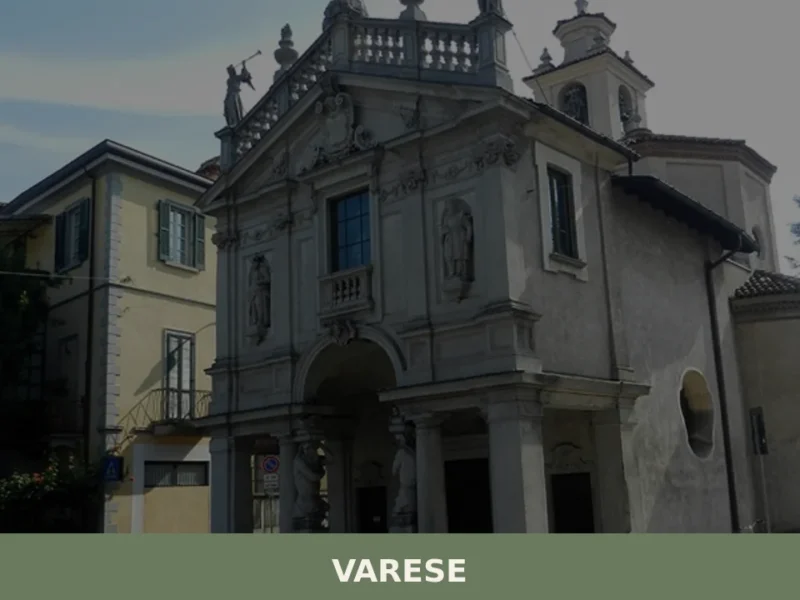
Varese, a Lombard city with a population of 78,409 inhabitants, stands at 382 m above sea level and is distinguished by its strategic position between lakes and pre-Alps. This locality, capital of the eponymous province, offers a rich historical and natural heritage that attracts numerous visitors every year. In this article History and Origins of […]
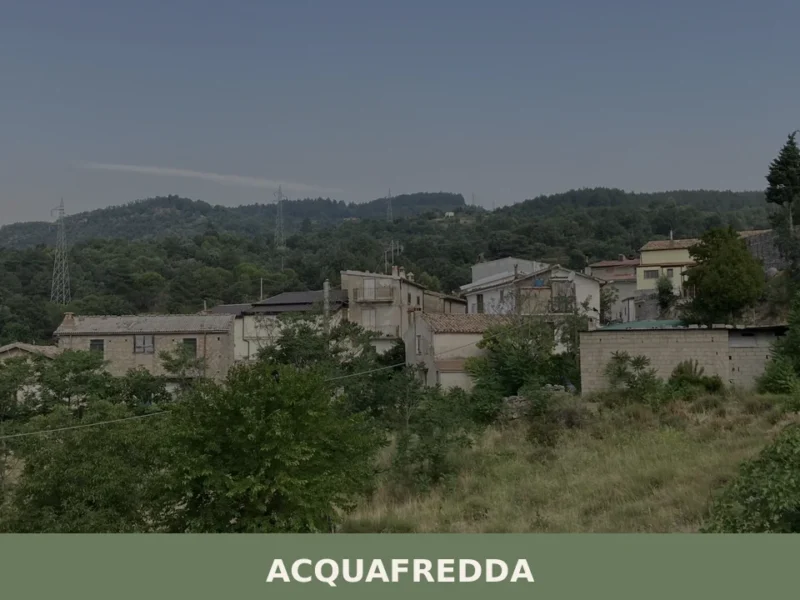
Acquafredda
 Plains
What to see in Acquafredda, a municipality in the lower Brescian area at 55 m above sea level: the Church of San Biagio, historic farmsteads, fontanili and the traditional cuisine of the Po Plain.
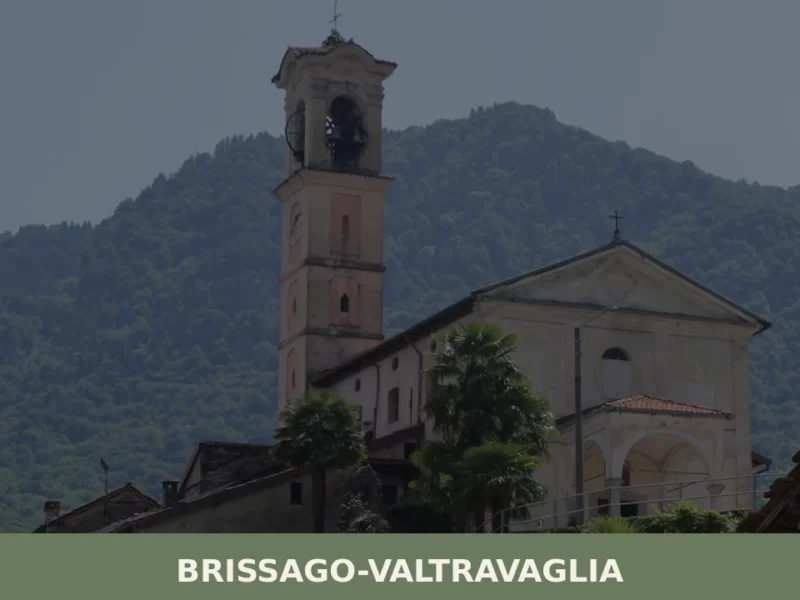
Brissago-Valtravaglia
Hills
What to see in Brissago-Valtravaglia: village at 429m with 5 top attractions, Lombard cuisine and panoramic trails. Explore the complete guide now.
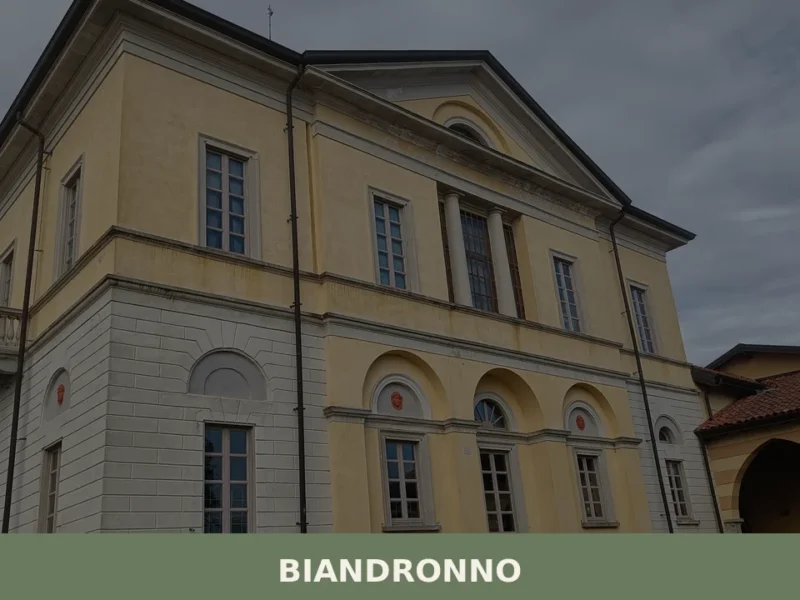
Biandronno
Hills
Lake
At 262 m a.s.l., Biandronno extends across the gentle hills that characterize the province of Varese, offering a panorama that opens onto the surrounding reliefs and the plain. The village, with its population of 3,162 inhabitants, maintains a discreet atmosphere, typical of smaller Lombard centers where life flows at rhythms tied to the territory. In […]
Bisuschio
Hills
In Bisuschio, in the province of Varese, economic activity linked to ceramic production developed starting from the 18th century, with local kilns contributing to the manufacture of tableware and bricks for the area. This hillside village, located 370 meters above sea level, offers a view of the Prealpine landscape and nearby lakes. For those wondering […]
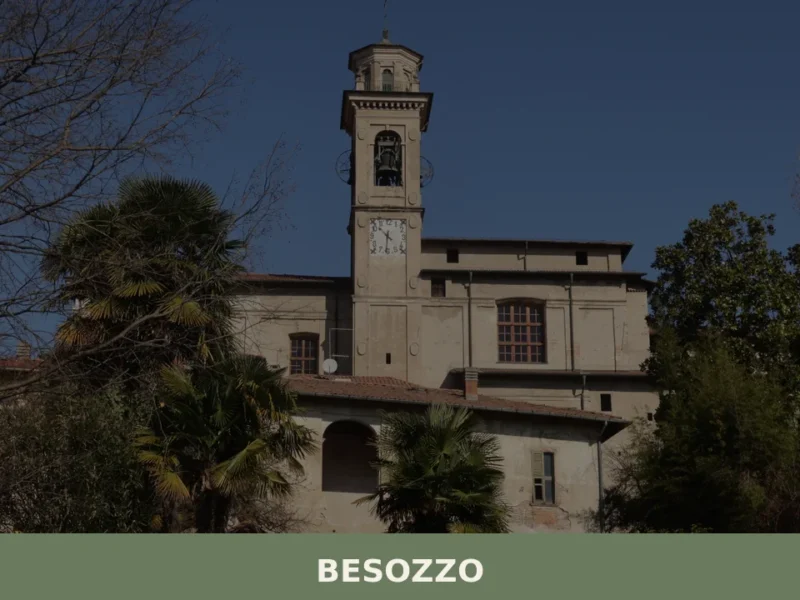
Besozzo
Hills
What to see in Besozzo, Italy: Explore the historic upper village (240 m a.s.l.), its noble Palazzi, and proximity to Lago Maggiore. Discover this Lombardian gem.
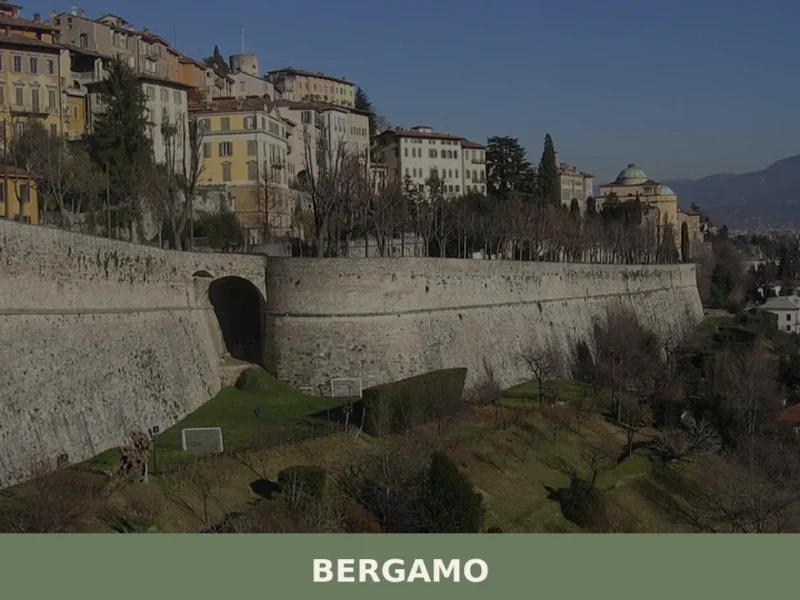
Bergamo
Hills
What to see in Bergamo? With 119,534 inhabitants, the city is famous for its Venetian Walls and Piazza Vecchia. Discover its rich history and typical dishes.

Milano
Plains
Over 1.3 million residents and 2,600 years of history make Milano Lombardia one of Europe's most compelling destinations. Art, opera, fashion and extraordinary food await every visitor.
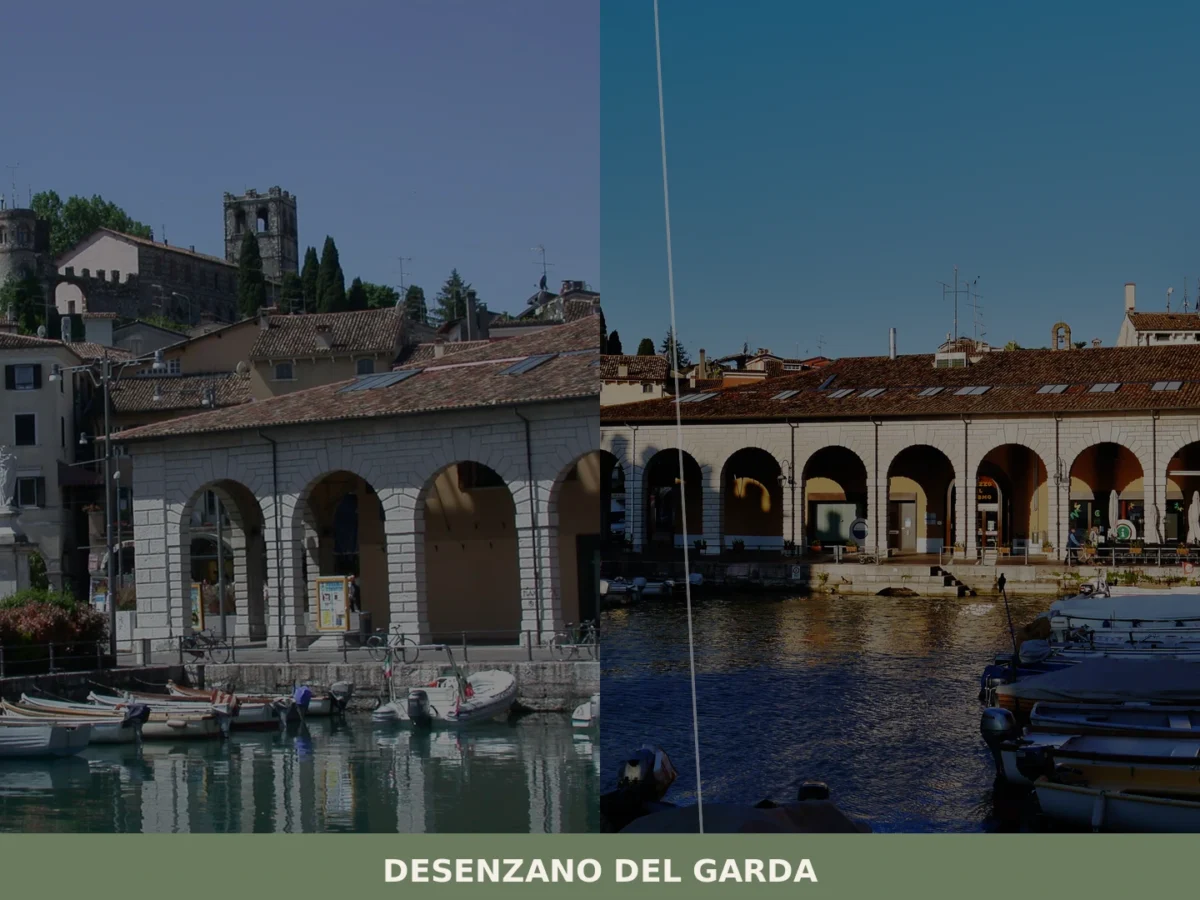
Desenzano del Garda
Lake
Plains
what to see in desenzano del garda in Italy. Explore Desenzano del Garda, Lombardia, Italy, at 67 m a.s.l., from its Roman Villa to the Old Port. Discover its history and attractions.
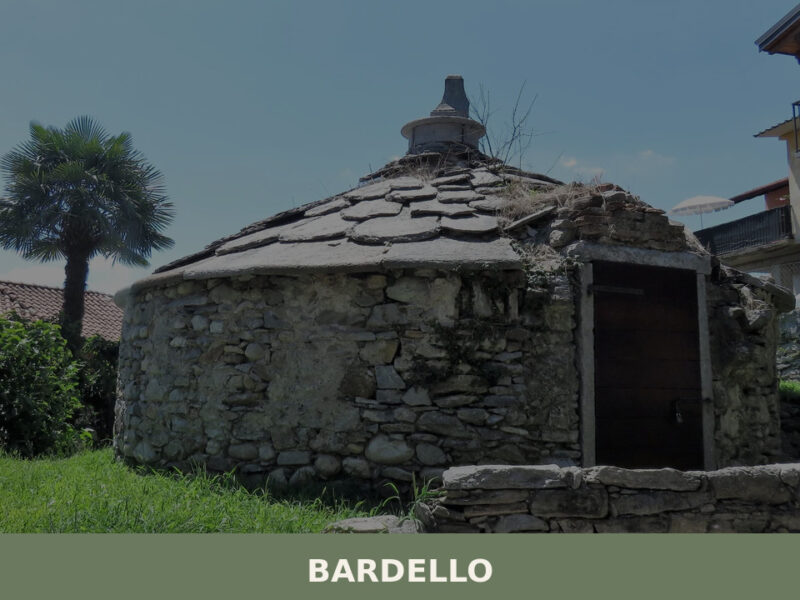
Bardello
Hills
Lake
Morning mist lifts off the Bardello river in thin, slow ribbons, revealing a low-slung village of roughly 1,553 inhabitants pressed against the southern shore of Lake Varese. A church bell counts seven. A heron stands motionless in the reeds along the waterway that gives this settlement its name. If you are wondering what to see […]






🏡 Know Adrara San Martino better than we do?
If you’re a local or have been there, your knowledge matters: add what’s missing or fix a detail on this page.