


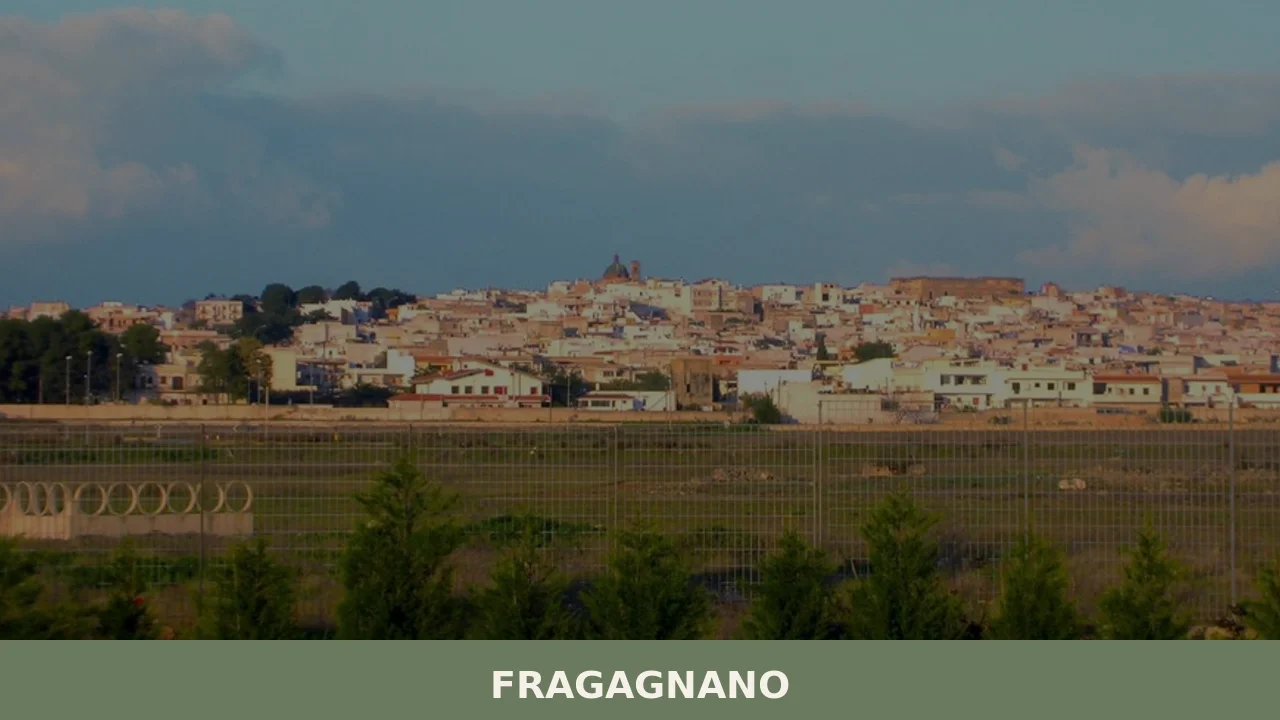
Fragagnano
 Plains
Discover what to see in Fragagnano, a village in Taranto province and part of the Terre del Mare e del Sole. History, food, travel tips and nearby villages.
Discover Fragagnano
One of seven municipalities forming the Terre del Mare e del Sole union, Fragagnano sits in the upper Salento zone of Taranto province, home to just under 5,000 residents. Knowing what to see in Fragagnano requires understanding its position: this is inland Puglia at its most unassuming, a working agricultural settlement in the Ionian arc where olive groves and dry-stone walls define the landscape as clearly as any monument. The village belongs to the broader Area Vasta Tarantina, the administrative grouping that ties its fortunes to the provincial capital some kilometres to the northwest.
History of Fragagnano
The place name itself offers the first documentary thread. Fragagnano derives from the Latin Fraganianus, a form linked to a Roman land-holding system in which rural settlements took the name of the original owner — in this case likely a figure of the gens Fraganiana. This pattern of nomenclature, common across the Tarentine hinterland, places the origins of the settlement within the Roman colonial agricultural framework that reorganised the Salento interior following Rome’s consolidation of Magna Graecia in the third century BCE. The village name, in the local Salentine dialect, is rendered as Fragnànu, a phonetic compression that reflects centuries of linguistic layering between Latin, Greek, and the regional vernacular.
During the medieval period, Fragagnano followed the feudal trajectory typical of settlements in this part of the Tarentine province. The territory passed through the control of successive Norman, Swabian, and Angevin overlords who reorganised the Apulian interior into fiefdoms administered from Taranto. Under the Kingdom of Naples, small agricultural centres like Fragagnano functioned primarily as productive units for grain and olives, their populations bound to the land under feudal tenure. The dissolution of feudalism in the Kingdom of Naples, formally enacted in 1806 under Napoleonic legislation, fundamentally altered the legal status of such communities, allowing them to reorganise as autonomous municipalities under the administrative framework that would eventually become the unified Italian state.
In the modern period, Fragagnano was formally constituted as an independent comune within the province of Taranto, the provincial capital that has long served as the economic and administrative hub of the Ionian coast. The village’s inclusion in the Terre del Mare e del Sole union — a consortium of seven municipalities in the eastern Ionian province — reflects a twentieth and twenty-first century administrative response to the challenges facing small comuni: shared services, coordinated tourism promotion, and collective representation within regional institutions. This inter-municipal structure, recognised by the Regione Puglia, gives Fragagnano an organisational identity beyond its own boundaries.
What to see in Fragagnano: 5 must-visit attractions
The Parish Church
The main parish church stands at the centre of the village’s religious and civic life. Built in the architectural idiom common to Counter-Reformation-era Apulian towns, the structure features a stone façade worked in the local golden-toned calcarenite, the sedimentary limestone that serves as the building material of record across the Salento. The interior follows a single-nave plan with lateral chapels.
The Historic Village Centre
Fragagnano’s older residential fabric is concentrated in a compact core of two- and three-storey buildings constructed from local stone, with ground-floor spaces that historically served as storage for agricultural tools and produce. The street grid reflects the incremental growth of a working agricultural village rather than any formal Renaissance or Baroque planning intervention.
The Countryside and Dry-Stone Walls
The agricultural land surrounding Fragagnano contains some of the most characteristic elements of Salentine rural heritage: dry-stone walls — known locally as muretti a secco — that partition olive groves and former cereal fields without mortar, relying entirely on the precise stacking of local limestone slabs. This technique, recognised by UNESCO, has been practiced here for several centuries.
The Trulli and Rural Structures
Scattered across the farmland around the village are examples of trulli and pagghiare, conical dry-stone field shelters used historically by agricultural labourers. Unlike the more concentrated trulli settlements of the Valle d’Itria further north, those near Fragagnano exist as isolated rural outbuildings, reflecting the dispersed landholding patterns of the Tarentine interior.
The Piazza and Civic Buildings
The central piazza functions as the social hub of daily life in Fragagnano, flanked by the municipal buildings that house the local administration. The municipio — the town hall — occupies a building typical of southern Italian civic architecture from the late nineteenth or early twentieth century, when unified Italy invested in local administrative infrastructure across the Mezzogiorno.
Local food and typical products
The cuisine of Fragagnano belongs to the broader Salentine-Tarentine tradition, in which olive oil is not a condiment but a structural ingredient. The olive groves of this part of Puglia produce oil under the Terre d’Otranto DOP designation, a protected origin status covering extra-virgin olive oil from varieties including Cellina di Nardò and Ogliarola del Salento. Local tables are built around dishes that reflect the agricultural economy: ciceri e tria, the ancient combination of chickpeas and part-fried pasta strips that appears across the Salento; fave e cicoria, a purée of dried broad beans served with wild chicory; and pittule, small fried dough balls eaten as street food, especially during the winter festival season.
Bread baked from durum wheat semolina — the same grain that has been cultivated in the Apulian plains for millennia — is a daily staple rather than a specialty product. Locally produced wine, made from Primitivo and Negroamaro grapes that thrive in the iron-rich soils of the Tarentine interior, accompanies meals in the village’s small family-run trattorias and agriturismi. Visitors looking for a more structured introduction to the food and wine of the Ionian province can consult the resources maintained by the Comune di Fragagnano and regional tourism bodies for local producers and seasonal events.
Best time to visit Fragagnano
The Ionian interior of Taranto province operates on a Mediterranean climate with hot, dry summers and mild, occasionally wet winters. For visitors with a specific interest in what to see in Fragagnano and the surrounding agricultural landscape, the most rewarding seasons are spring — roughly April through early June — when the countryside between the olive groves is covered in wild poppies, fennel, and flowering capers, and autumn — late September through November — when the olive harvest begins and the air carries the sharp, grassy smell of freshly pressed oil. Temperatures in July and August regularly exceed 35°C, and the midday hours become genuinely hostile for walking.
Religious and civic festivals punctuate the village calendar, as they do across every comune in Puglia. The feast days of patron saints, typically held in summer, involve processions through the village streets, temporary market stalls, and brass-band performances — events that provide direct access to local social life. Specific dates vary from year to year and should be confirmed locally before travel.
How to get to Fragagnano
Fragagnano sits in the eastern sector of Taranto province, reachable by road from the main urban centres of Puglia. The nearest significant city is Taranto, approximately 25–30 kilometres to the northwest, which also provides the closest railway connections on the national network. From Taranto, the village is accessible by provincial road. The SS7ter and local provincial roads connect the Tarentine hinterland to Fragagnano without motorway access directly to the village itself.
- By air: Brindisi Airport (Aeroporto del Salento) is the most practical air gateway, at roughly 50–60 kilometres from Fragagnano. Bari Karol Wojtyła Airport is approximately 120 kilometres to the north.
- By train: Taranto railway station is the nearest mainline stop, served by Trenitalia connections from Bari (approximately 1 hour 20 minutes) and from Brindisi. Onward travel to Fragagnano requires a local bus or car.
- By car: From Taranto, take provincial roads eastward toward the Salento interior. Journey time from Taranto is approximately 30–40 minutes depending on the route. From Brindisi, allow around 50–60 minutes by road.
- By local bus: Regional bus services operated by public transport providers connect Taranto with the smaller comuni of the eastern province, though schedules are infrequent and tailored to commuter patterns rather than tourist convenience.
Where to stay in Fragagnano
Fragagnano is a small village of under 5,000 residents, and its accommodation offering reflects that scale. Visitors should not expect a hotel infrastructure comparable to coastal Puglia resorts. The practical options centre on agriturismi — farm-stay establishments in the surrounding countryside — and privately rented holiday homes or rooms within the village itself. The agriturismo model is well established across the Tarentine interior and typically includes meals prepared with produce from the farm, making it a practical choice for visitors who want direct exposure to the olive and wine culture of the area.
For those who prefer a wider range of services, Taranto provides a full spectrum of hotel accommodation and acts as a natural base for day trips into the eastern province, including Fragagnano and the other villages of the Terre del Mare e del Sole consortium. Booking accommodation in the immediate area well in advance is advisable during the summer months, as rural properties across Puglia fill quickly between June and August. Online platforms and the municipal tourism resources are the most reliable channels for identifying current availability in the village and its surroundings.
More villages to discover in Puglia
The eastern province of Taranto and the broader Salento interior contain a concentration of small comuni that share Fragagnano’s agricultural character and Ionian orientation. Travellers exploring the area might follow the provincial roads southeast toward Cannole, a compact Salentine village where the limestone landscape becomes more pronounced and the dry-stone field systems more continuous. Further into the Salento heel, Giuggianello offers a similarly scaled settlement whose rural surroundings reward slow, deliberate exploration on foot or by bicycle.
For visitors interested in extending their itinerary beyond the Ionian province, the Apennine foothills of northern Puglia present a contrasting landscape and a different architectural register. Castelluccio Valmaggiore and Anzano di Puglia sit in the Daunia sub-Apennine zone of Foggia province, where the terrain, the climate, and the building stone shift noticeably from the flat Ionian plain — providing a full geographic cross-section of the region for those with time to move slowly through Puglia from coast to interior to upland.
Frequently asked questions about Fragagnano
What is the best time to visit Fragagnano?
The ideal times to experience Fragagnano are spring (April to early June) and autumn (late September to November). Spring offers a vibrant countryside adorned with wildflowers like poppies and capers, perfect for gentle exploration. Autumn marks the olive harvest, filling the air with the scent of fresh oil and offering opportunities to witness local traditions. Summers (July-August) can be extremely hot, often exceeding 35°C, making midday activities uncomfortable. For a cultural immersion, consider the patron saint festivals: Sant'Antonio di Padova on August 12-13 and San Giuseppe on March 13-14, which feature local processions and festivities.
What to see in Fragagnano? Main monuments and landmarks
Fragagnano offers a glimpse into authentic Apulian rural life. Key sights include the Parish Church, the heart of the village's religious and civic life, notable for its local calcarenite stone façade. Explore the Historic Village Centre, a compact core of traditional two- and three-storey stone buildings reflecting centuries of agricultural heritage. Don't miss the surrounding Countryside, defined by ancient dry-stone walls (muretti a secco) and scattered trulli and pagghiare, unique conical field shelters. The central Piazza, flanked by the Municipio, serves as the social hub, offering a feel for daily village life.
Are there museums, churches or historic buildings to visit in Fragagnano?
Fragagnano features its main Parish Church, a central landmark with an architectural style common to Counter-Reformation-era Apulian towns, built from local golden-toned limestone. While specific museum facilities are not present, visitors can explore the Historic Village Centre, appreciating its traditional stone architecture and the incremental growth of a working agricultural settlement. The Municipio (town hall) in the central Piazza also represents a significant historic civic building. Access to the Parish Church is generally aligned with local service times, offering a chance to observe local religious life.
What can you do in Fragagnano? Activities and experiences
In Fragagnano, you can immerse yourself in authentic rural Puglia. Explore the historic village center and its piazza, soaking in the daily life. Take leisurely walks through the surrounding countryside to admire the ancient olive groves, unique dry-stone walls, and scattered trulli. Engage in local food and wine experiences by visiting family-run trattorias or staying at agriturismi, where you can taste dishes made with Terre d'Otranto DOP olive oil and local Primitivo or Negroamaro wines. Attending one of the patron saint festivals in August or March offers a direct insight into local traditions and community spirit.
Who is Fragagnano suitable for? Families, couples, hikers, solo travelers?
Fragagnano is ideal for travelers seeking an authentic, tranquil immersion into rural Apulian life. It appeals to couples and solo travelers looking for a quiet escape, a deep dive into local culture, and a slow-paced experience. Families who appreciate exploring agricultural landscapes, traditional villages, and local cuisine will also find it rewarding. While not offering strenuous hiking trails, it's perfect for those who enjoy gentle walks through olive groves and historic village streets. It suits visitors keen on food and wine tourism, cultural insights, and avoiding crowded coastal resorts.
What to eat in Fragagnano? Local products and specialties
Fragagnano's cuisine is deeply rooted in the Salentine-Tarentine agricultural tradition. Essential local products include extra-virgin olive oil, often bearing the Terre d'Otranto DOP designation, made from Cellina di Nardò and Ogliarola del Salento olives. Must-try dishes include *ciceri e tria* (chickpeas with fried pasta), *fave e cicoria* (broad bean purée with wild chicory), and *pittule* (fried dough balls). Daily staples feature bread baked from local durum wheat semolina. Meals are typically accompanied by locally produced wines made from Primitivo and Negroamaro grapes, readily available in the village's small trattorias and agriturismi.
Getting there
Via Cesare Battisti, 74022 Fragagnano (TA)
Nearby Villages near Fragagnano
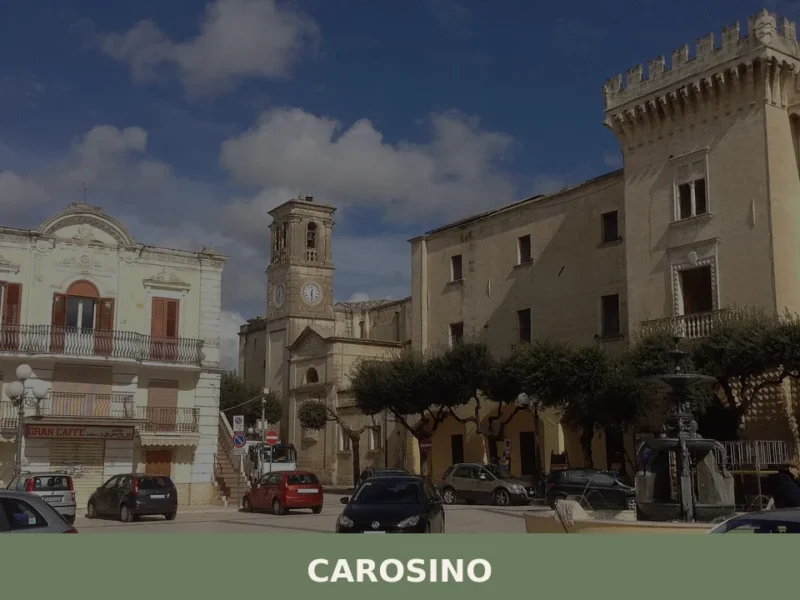
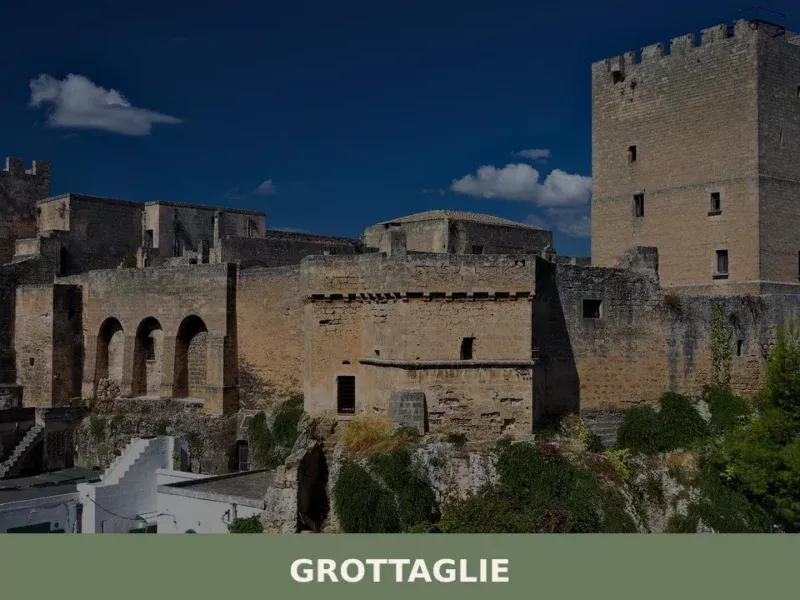
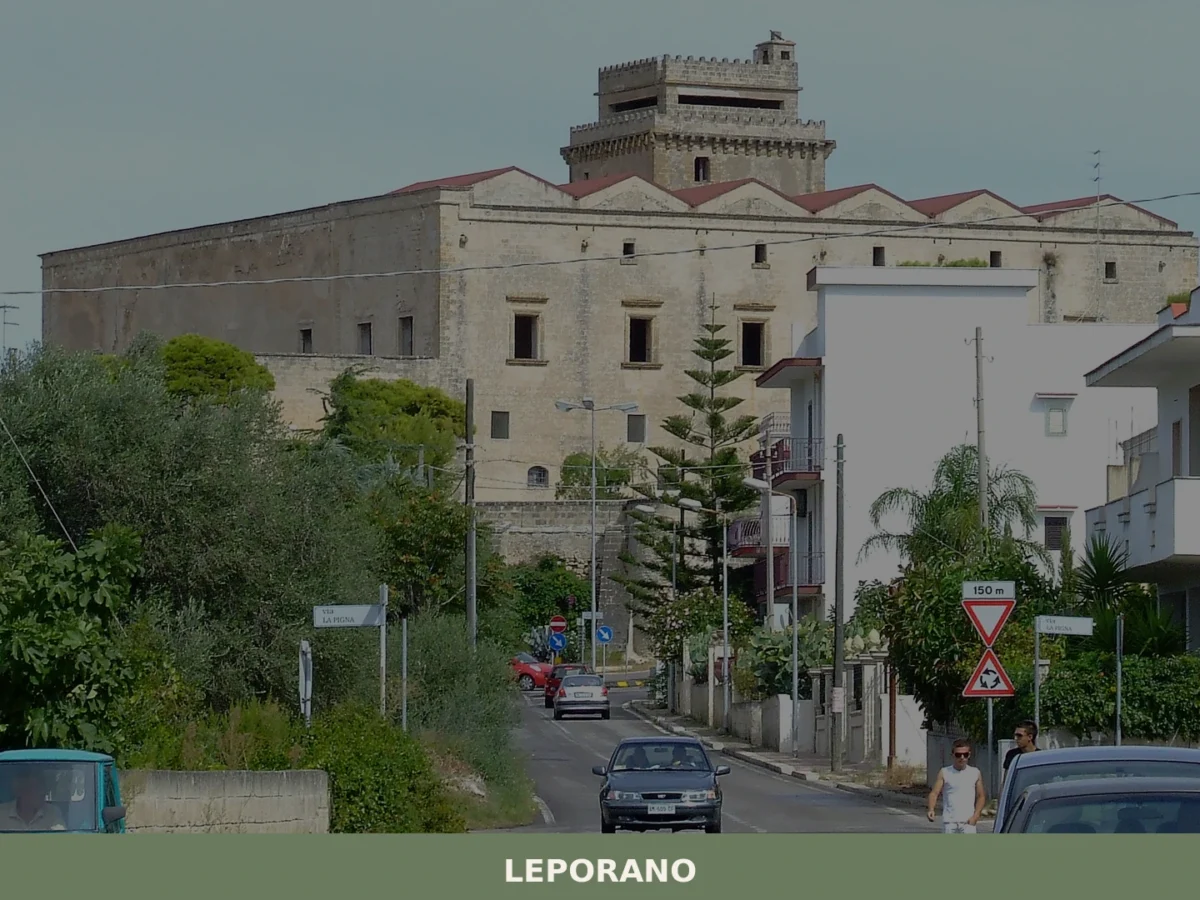
In Apulia More villages to discover
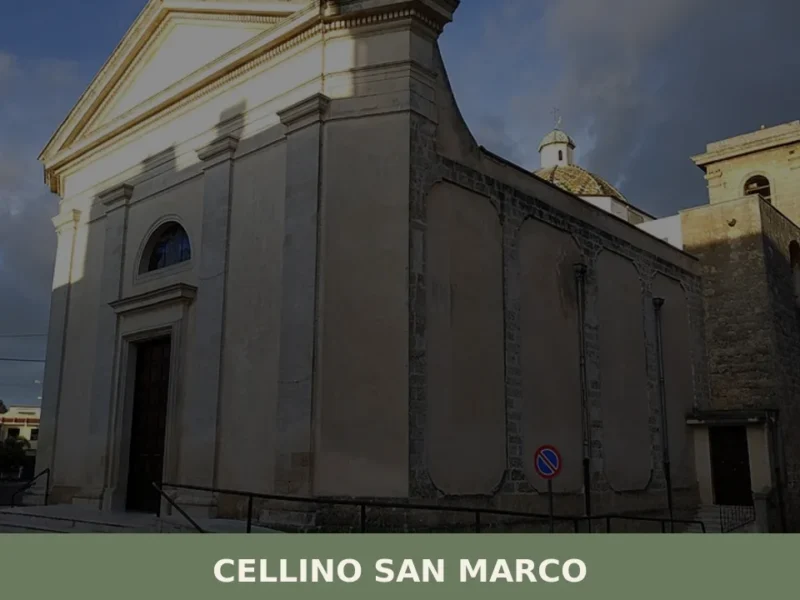
Cellino San Marco
Plains
Scopri Cosa vedere a Cellino San Marco: un borgo agricolo ricco di storia e tradizioni in Puglia. Pianifica la tua visita e assapora l'autenticità del Salento.
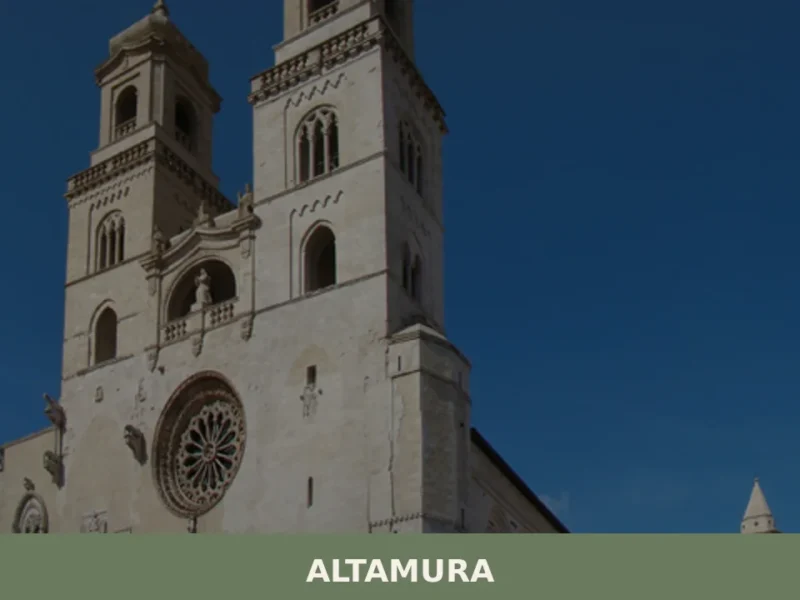
Altamura
 Hills
Hills
In 1993, inside the Lamalunga limestone quarry a few kilometres from the town centre, a skeleton of Homo neanderthalensis dating back approximately 150,000 years was brought to light — one of the most complete ever found in Europe. That discovery changed the perception of Altamura, transforming it from a bread-making town into a site of […]
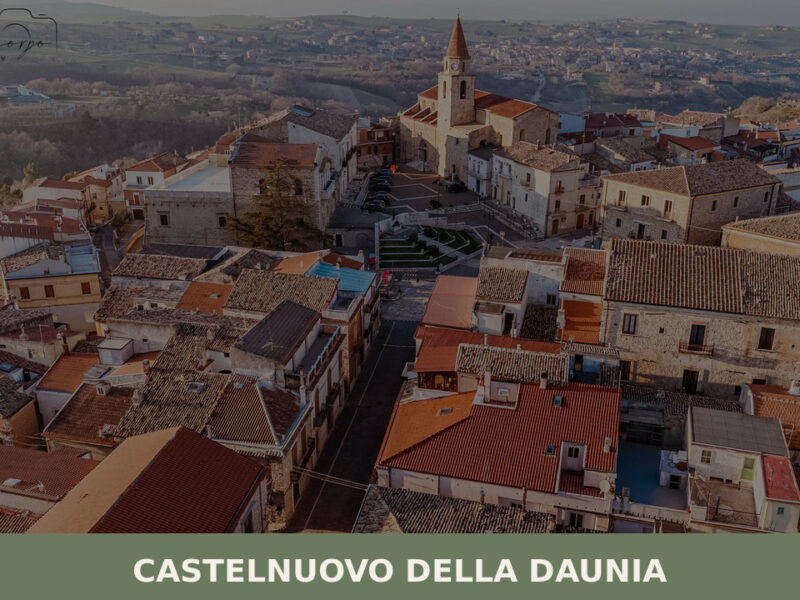
Castelnuovo della Daunia
Hills
A compact hill village at 543 metres in Puglia's Subappennino Dauno, Castelnuovo della Daunia offers medieval lanes, panoramic views over the Tavoliere, and the quiet rhythms of inland southern Italy.
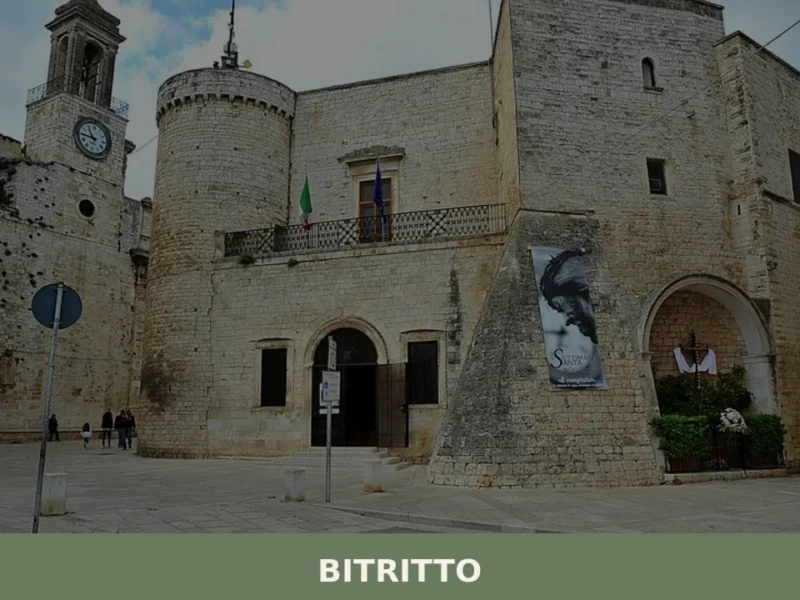
Bitritto
Plains
Approximately 11 kilometers southwest of Bari, in the basin opening towards the hinterland, lies Bitritto, a municipality with 11,046 inhabitants, situated 102 meters above sea level. Its territory, marked by olive groves and almond orchards, is an integral part of the Apulian agricultural landscape and reflects the region’s farming heritage. For those wondering what to […]
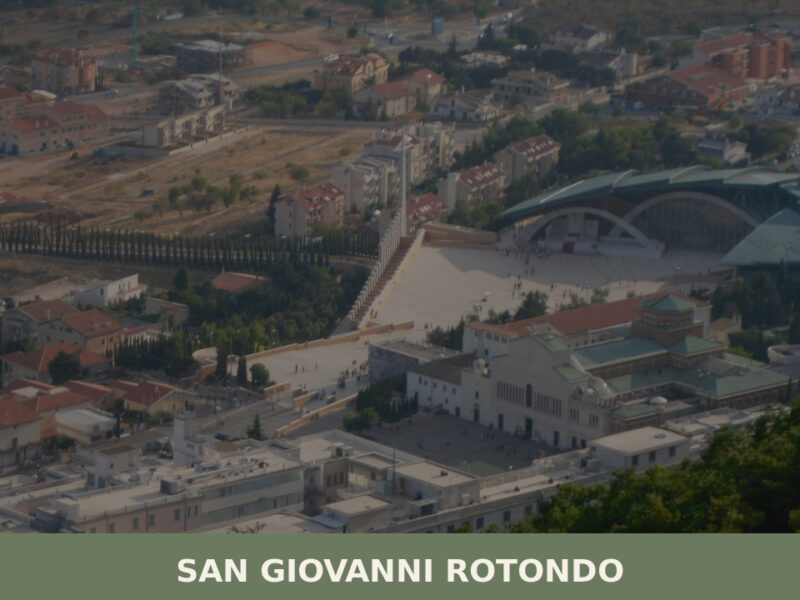
San Giovanni Rotondo
Hills
San Giovanni Rotondo, in the Apulian Gargano, combines faith, medieval history, and nature. Discover the must-see attractions, traditional dishes, and tips for visiting Padre Pio's hometown.
Castrignano del Capo
 Sea
Sea
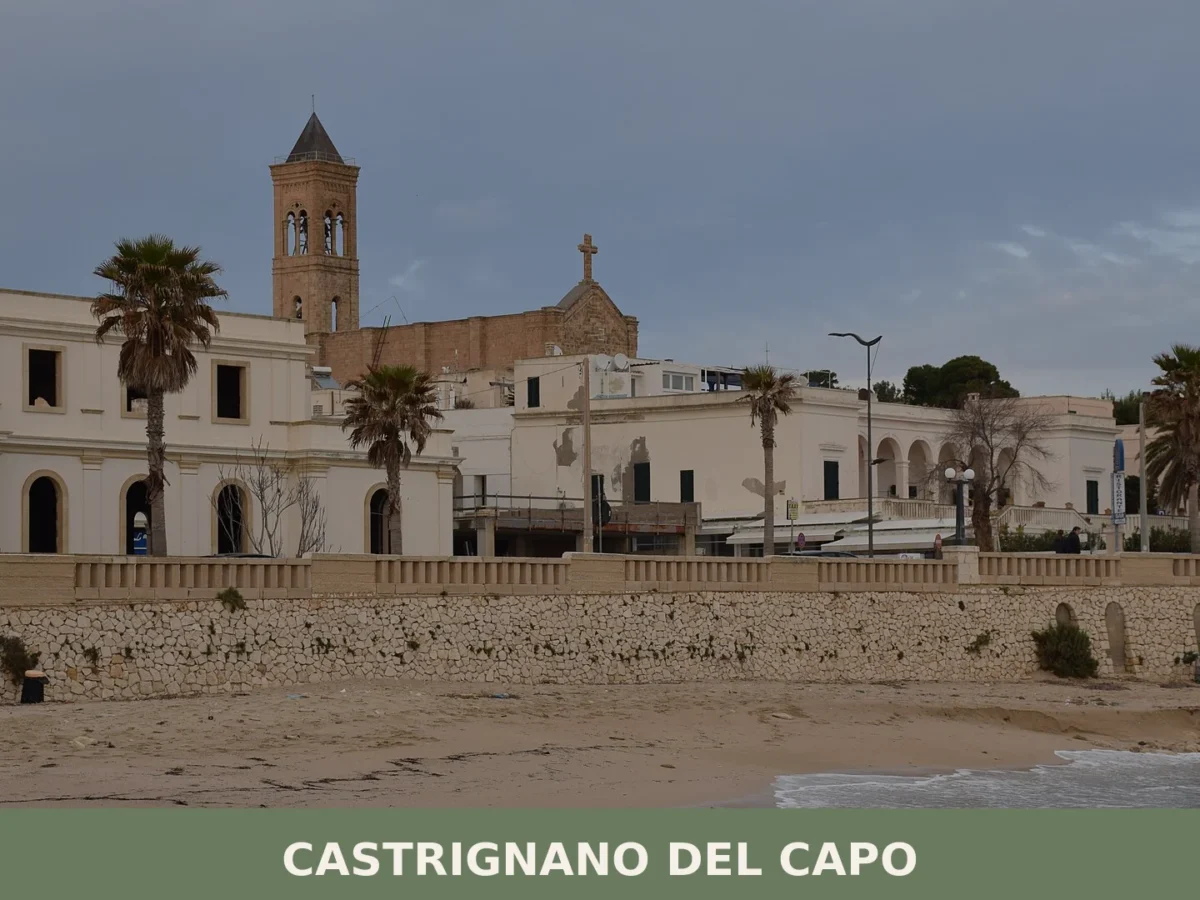
A village of 5,093 inhabitants where baroque architecture meets coastal limestone cliffs. Explore the medieval heart, defensive heritage and the fractions that include the celebrated beach resort of Santa Maria di Leuca.
Torremaggiore
Plains
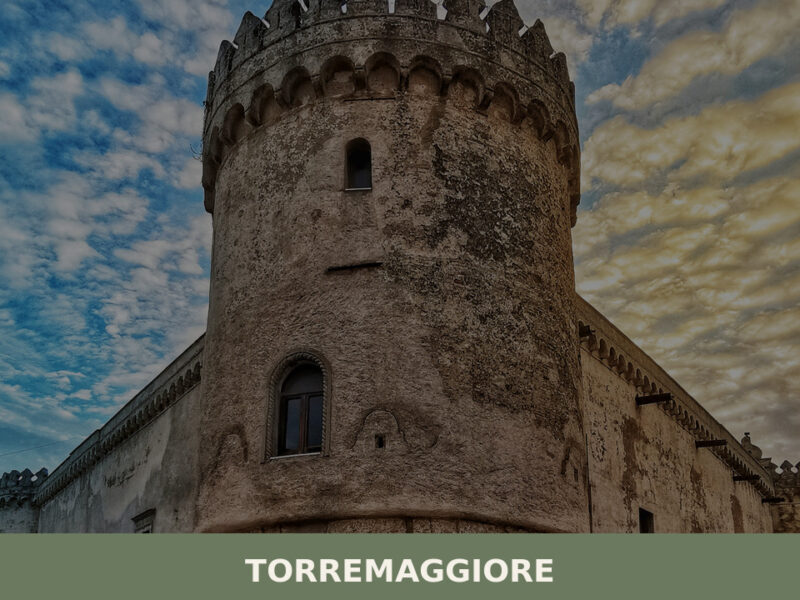
A complete guide to Torremaggiore in northern Puglia — its medieval castle, the ruins of Fiorentino, local food traditions, and practical travel information.
San Nicandro Garganico
Sea
A hilltop settlement on the Gargano promontory with a Norman castle, prehistoric dolmen, and a living agricultural culture shaped by wheat, olives, and limestone.
Bagnolo del Salento
Plains
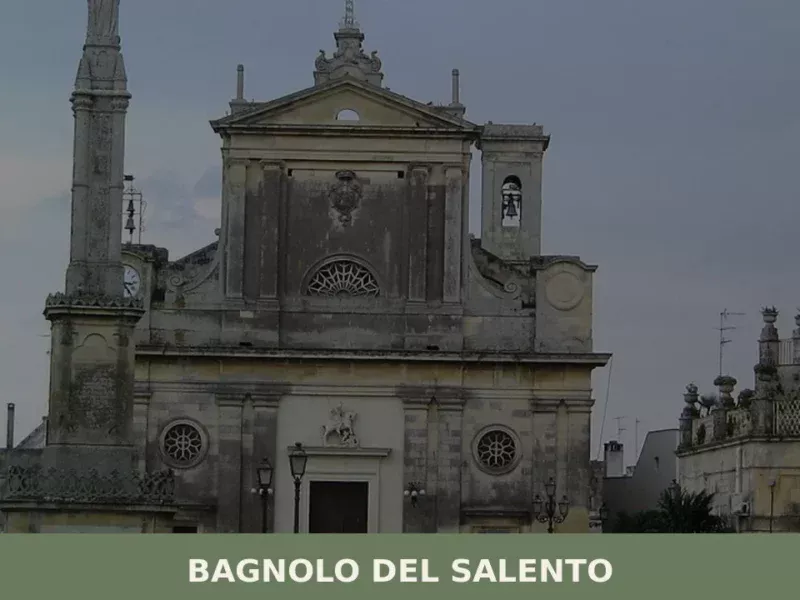
Bagnolo del Salento: discover the village, visit historic churches, and taste traditional cuisine. Plan your trip now!
Lecce
Sea
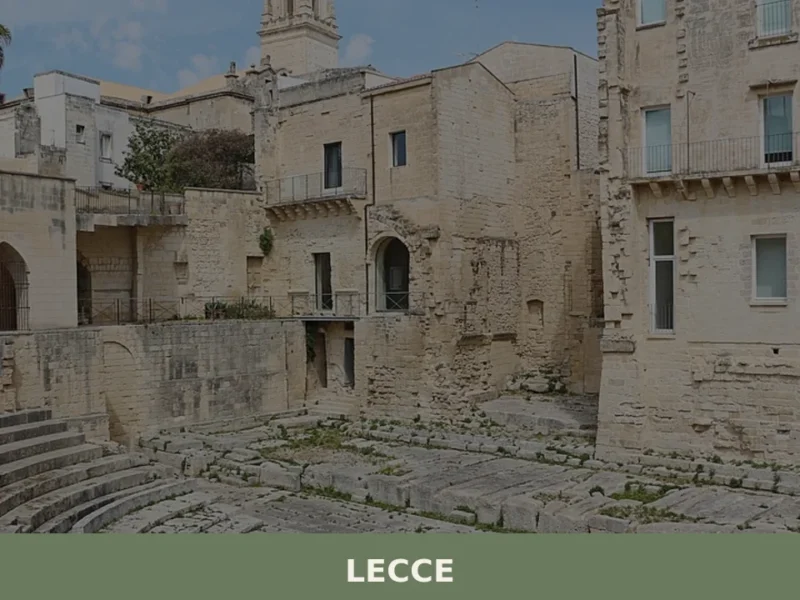
In the centre of Salento, on 26 August, the city of Lecce celebrates its patron saint, Sant’Oronzo, with a solemnity that unfolds among the scrolls and friezes of pale limestone. It is on days like these that the Lecce Baroque, the dominant stylistic hallmark, reveals itself in all its expressiveness, narrating centuries of history and […]


🏡 Know Fragagnano better than we do?
If you’re a local or have been there, your knowledge matters: add what’s missing or fix a detail on this page.