


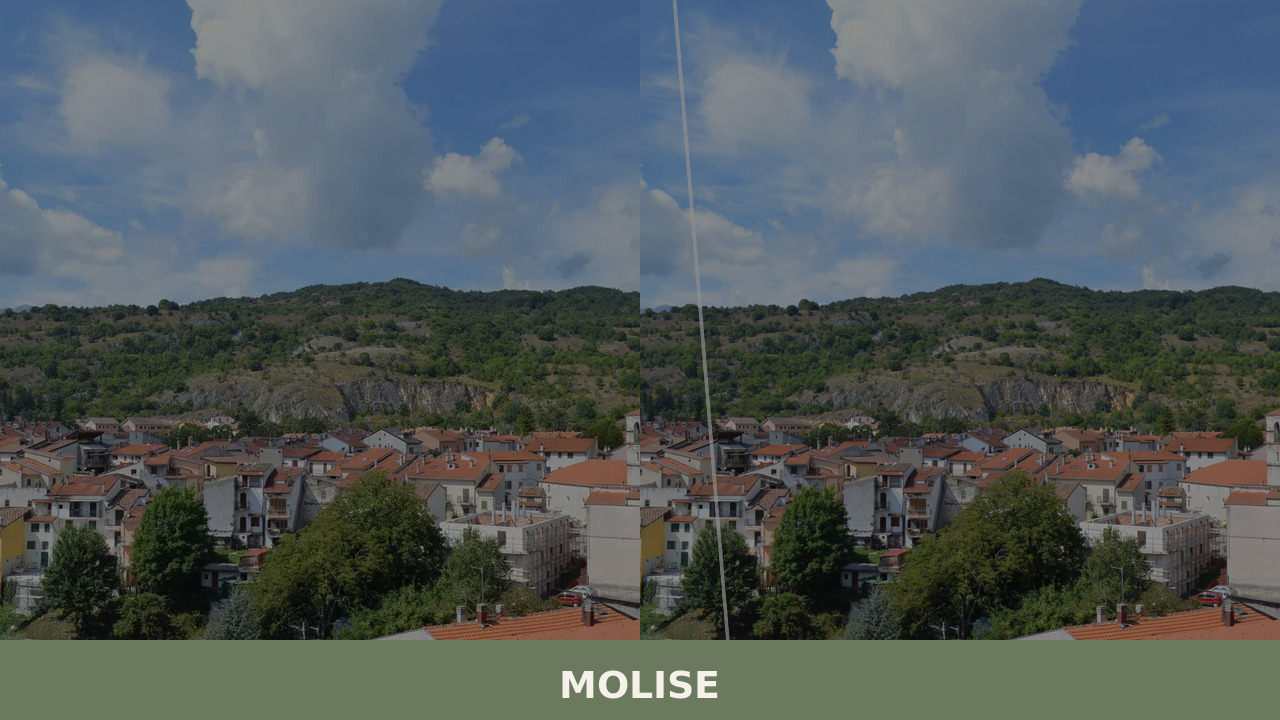
Molise
 Mountain
Molise is Italy’s youngest and least-visited region. From Samnite theatres to Adriatic fishing towns, here is what to see in Molise.
Discover Molise
Morning light falls across the limestone walls of Campobasso’s old town, casting long shadows down stairways that have been worn smooth by centuries of foot traffic. A baker pulls trays of scacce from a wood-fired oven, the smell of lard and flour threading through narrow alleys. This is Molise — Italy’s least-visited region and, for that reason, one of its most honest. Understanding what to see in Molise means abandoning the well-trafficked routes of Tuscany and Campania for something far less rehearsed: a landscape of fortified hilltop towns, transhumance trails, and a coastline that remains remarkably local. With 286,230 inhabitants spread across two provinces and elevations reaching well above 600 metres, the region rewards those willing to slow down.
History of Molise
Molise’s identity as a distinct territory has roots in the Lombard period. The name itself derives from the Counts de Moulins, a Norman family that established the Contado di Molise in the 12th century around the fortress of Molise, a small comune near Campobasso. Before that, the area was inhabited by the Samnites, a fierce Italic people who fought three wars against Rome between 343 and 290 BCE. The ruins of their settlements — at Pietrabbondante, Sepino, and Saepinum — remain among the most significant archaeological sites in southern Italy.
For most of its administrative history, Molise was joined to Abruzzo. The two regions shared a single administrative unit from the Kingdom of Naples through Italian unification and well into the 20th century. It was only in 1963 that Molise became Italy’s youngest region, separating from Abruzzo to form its own autonomous entity with Campobasso as its capital. This late independence partly explains why the region remains unfamiliar even to many Italians.
Centuries of feudal rule, earthquake damage, and emigration have shaped the built landscape. Many of Molise’s villages still carry the imprint of medieval fortification — watchtowers, curtain walls, churches built into rock. The region lost a significant portion of its population to emigration waves in the late 19th and early 20th centuries, particularly to North America. Today, some estimates suggest more people of Molisano descent live abroad than within the region itself.
What to see in Molise: 5 must-visit attractions
1. The Samnite Theatre at Pietrabbondante
Carved into a hillside at over 1,000 metres elevation, this 2nd-century BCE theatre is the most important Samnite religious and political complex ever excavated. The stone seats are contoured to the human body — an engineering detail visible nowhere else in Italic architecture. The site sits in open countryside with no surrounding development, giving it an isolation that amplifies its presence.
2. The Roman ruins of Altilia-Saepinum
Unlike Pompeii or Ostia, Saepinum was never buried. Its Roman walls, gates, forum, and basilica stand exposed in farmland, where sheep still pass through the ancient tratturi — the transhumance routes that connected Apulia to the Apennine highlands. Farmers continue to cultivate fields between the columns. The site is free to enter and rarely crowded, an unmediated encounter with antiquity.
3. Campobasso’s Monforte Castle
Sitting at 790 metres above sea level at the summit of the regional capital, Castello Monforte dates to the 15th century, though fortifications on this site are far older. The walk up from the historic centre passes through layers of medieval construction. From the ramparts, the view extends across the Biferno valley and, on clear days, to the Adriatic.
4. The bell foundries of Agnone
The Marinelli Pontifical Foundry in Agnone has been casting bells since the year 1000, making it one of the oldest family-run businesses on earth. The adjacent museum displays moulds, tools, and finished bells destined for churches worldwide. The town itself, perched at 830 metres in the province of Isernia, retains a medieval core of stone workshops and artisan botteghe.
5. The Trabocchi and coast near Termoli
Molise’s 35-kilometre Adriatic coastline is anchored by the old fishing town of Termoli, whose fortified borgo rises directly above the sea. The Cathedral of Santa Maria della Purificazione houses the relics of Saint Timothy. Wooden trabocchi — traditional fishing platforms on stilts — extend from the rocks south of town, still operational and occasionally serving fresh catch to visitors.
Local food and typical products
Molise’s cuisine is rooted in pastoral and agricultural traditions that have changed little in generations. Cavatelli, small hand-rolled pasta made with semolina and water, are the regional staple, typically served with a slow-cooked pork ragù or with broccoli rabe and crumbled sausage. Pallotte cace e ove — fried balls of aged cheese and egg, simmered in tomato sauce — appear on nearly every trattoria menu. The region produces a notable extra virgin olive oil, particularly from the Gentile di Larino cultivar, and the Tintilia del Molise DOC is an indigenous red grape variety found nowhere else in Italy, producing wines with a dark, mineral character.
In mountain towns like Agnone, dairy traditions dominate: caciocavallo cheese and stracciata, a fresh stretched-curd cheese, are made daily. Pork products — ventricina, soppressata, capocollo — are cured through the winter months using techniques passed down within families. The region has no Michelin-starred restaurants, which is itself a kind of indicator: food here remains domestic, seasonal, and inexpensive. Meals are best found in family-run agriturismi and village trattorias where the menu changes with what is available.
Best time to visit Molise
Late spring — May through mid-June — offers the most favourable conditions: warm days without the humidity of July and August, wildflowers across the Apennine meadows, and archaeological sites at their least crowded. Autumn, particularly October, brings the grape and olive harvests, when the countryside is active and sagre (food festivals) take place in villages across both provinces. The Feast of the Mysteries (Sagra dei Misteri) in Campobasso, held on Corpus Christi in late May or June, is the region’s most distinctive event — children are suspended on iron frameworks above the streets, costumed as saints and angels, carried in procession through the old town.
Winters are cold at elevation — Campobasso sits at 631 metres and routinely records some of the lowest temperatures of any Italian regional capital. Snow is common from December through February, and many rural roads become difficult. The coast around Termoli remains mild, and the summer months draw Italian beachgoers, though the crowds remain modest by Adriatic standards. For those interested in walking the ancient tratturi, spring and early autumn provide the best footing and light.
How to get to Molise
Molise has no commercial airport. The nearest airports are Naples Capodichino (approximately 130 km from Campobasso), Pescara Abruzzo Airport (approximately 160 km), and Rome Fiumicino (approximately 250 km). From Naples, the most direct route by car follows the A1 motorway north to the Caianello exit, then the SS 372 (Telesina) and SS 87 through Benevento to Campobasso — a journey of roughly two hours.
Trenitalia operates rail services to Campobasso, though connections are infrequent and often require changes at Benevento or Termoli. The Termoli station, on the main Adriatic rail line between Bologna and Lecce, is the region’s best-connected rail hub, with direct services from Pescara, Foggia, and Bologna. From Termoli, a regional line runs inland to Campobasso. Driving remains the most practical means of exploring the region’s interior villages and archaeological sites, many of which are not served by public transport.
More villages to discover in Molise
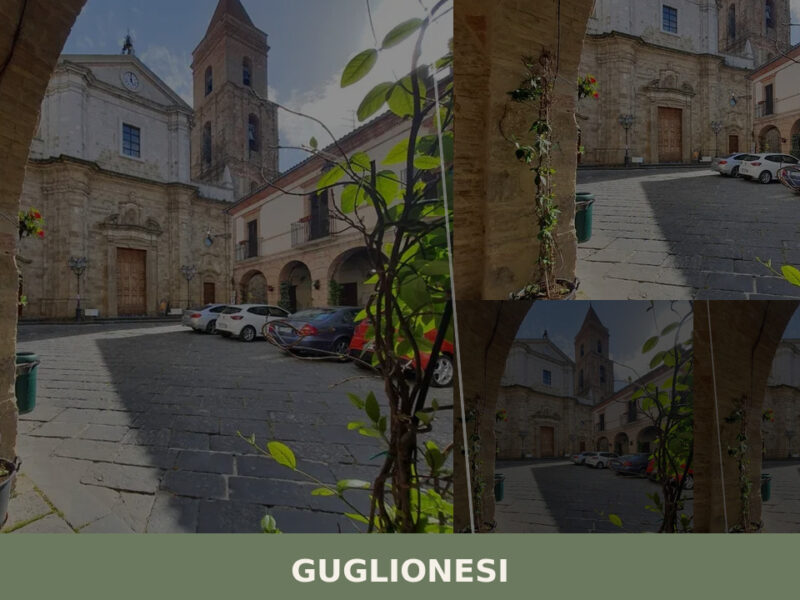
The territory between the Apennine ridges and the Adriatic coast holds dozens of villages that rarely appear in guidebooks. Guglionesi, set among olive groves in the province of Campobasso, is a working agricultural town with a Romanesque church and a main street that looks out over terraced hillsides falling toward the sea. Its annual summer festival draws the surrounding countryside into the piazza for evenings of food and local wine, particularly the Tintilia grape grown on nearby slopes.
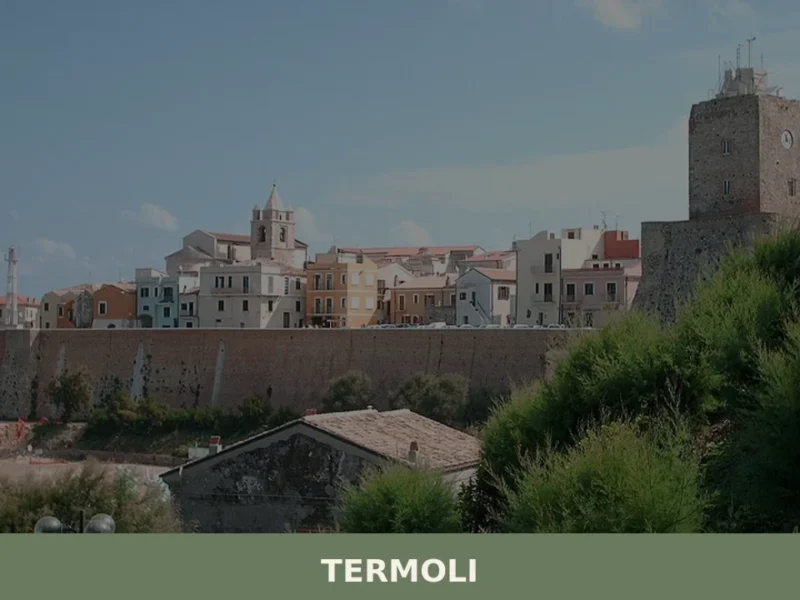
Closer to the coast, Termoli offers a different texture entirely — a compact medieval borgo enclosed by walls, rising directly from the waterline, with a working fishing port and a cathedral that anchors the skyline. It functions as Molise’s gateway to the Tremiti Islands, reachable by ferry in about an hour. Together, these villages illustrate the range of what to see in Molise: from the agricultural interior to the salt air of the Adriatic, compressed into one of Italy’s smallest and most underexplored regions.
Frequently asked questions about Molise
Quando si celebra la festa patronale del comune di Molise?
Il comune di Molise celebra i suoi santi patroni, San Pietro Martire e Santa Maria Salomè, la seconda domenica di luglio. È l'occasione principale dell'anno per il piccolo borgo di 944 abitanti, situato a 914 metri di altitudine nel cuore dell'Appennino molisano, non lontano da Campobasso. Visitare il paese in questo periodo permette di vivere le tradizioni religiose e folkloristiche locali in un contesto montano autentico e lontano dai circuiti turistici di massa.
Come si raggiunge in auto il comune di Molise da Campobasso?
Il comune di Molise si trova nella provincia di Campobasso, a cui è collegato tramite la viabilità provinciale appenninica. Campobasso dista circa 20 chilometri in linea d'aria. Il percorso in auto segue strade secondarie di montagna tipiche dell'entroterra molisano. Non esistono uscite autostradali dirette nelle immediate vicinanze: il punto di accesso più comodo rimane Campobasso, raggiungibile a sua volta da Napoli in circa due ore tramite la SS 87 e la SS 372.
Il borgo di Molise dà il nome all'intera regione?
Sì. Come riportato in fonti storiche consolidate, il nome della regione Molise deriva proprio da questo piccolo comune e dalla sua antica fortezza medievale. Il toponimo risale ai Conti de Moulins, famiglia normanna che nell'XII secolo fondò il Contado di Molise attorno al castello del borgo. È quindi un caso raro in Italia: un comune di meno di mille abitanti che ha dato il nome a un'intera regione, diventata autonoma da Abruzzo solo nel 1963.
Che tipo di paesaggio circonda il comune di Molise?
Il comune di Molise sorge a 914 metri di altitudine nell'Appennino campobassano, in un contesto tipicamente montano. Il territorio è caratterizzato da pascoli d'altura, boschi e creste calcaree proprie dell'Appennino centro-meridionale. Questo paesaggio è strettamente legato alla tradizione della transumanza, pratica secolare di spostamento delle greggi lungo i tratturi che attraversano l'intera regione. La zona offre panorami aperti sulle valli appenniniche circostanti, lontano da insediamenti urbani di grandi dimensioni.
Nearby Villages near Molise
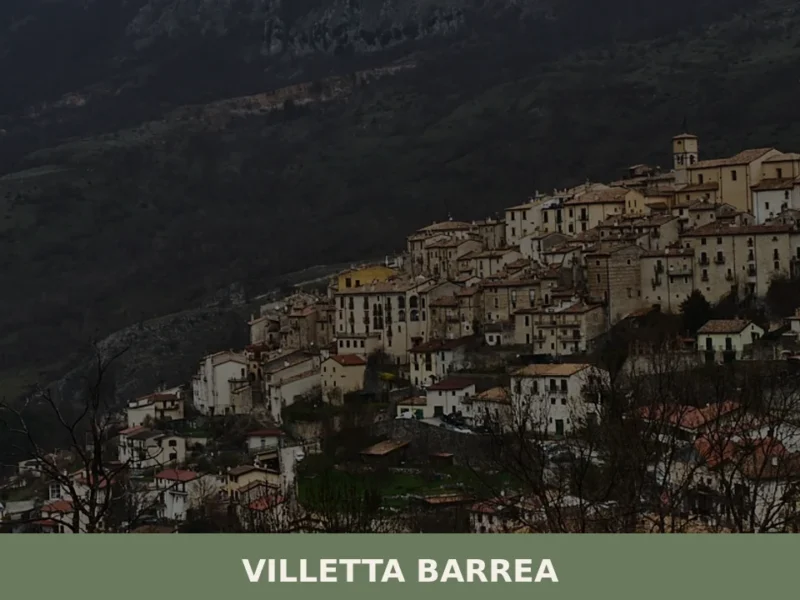
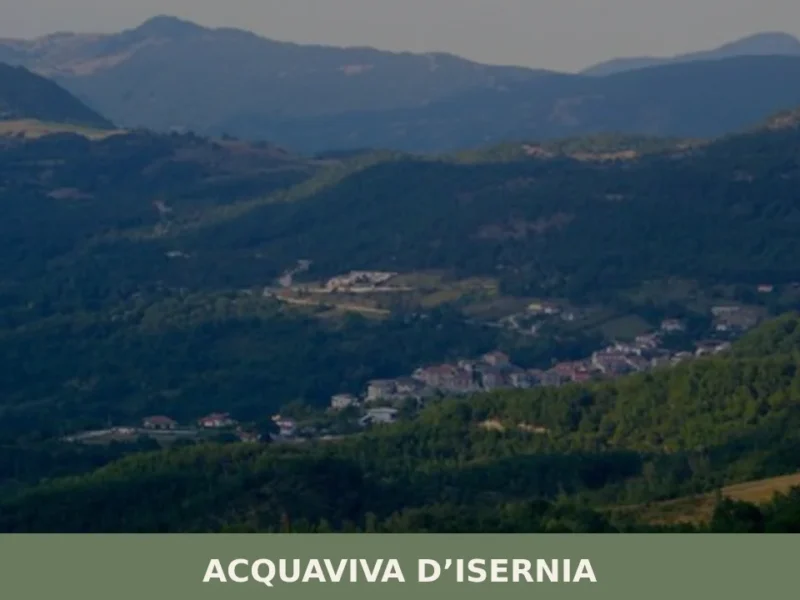
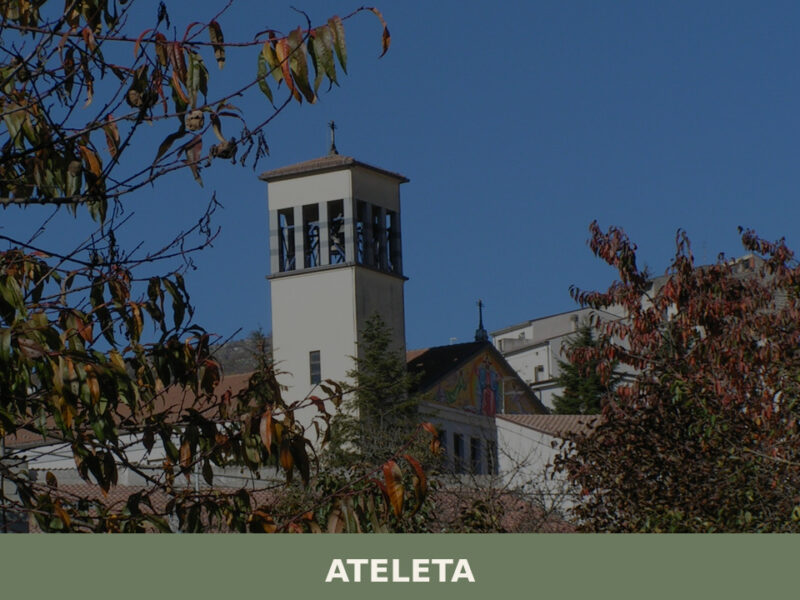
In Molise More villages to discover
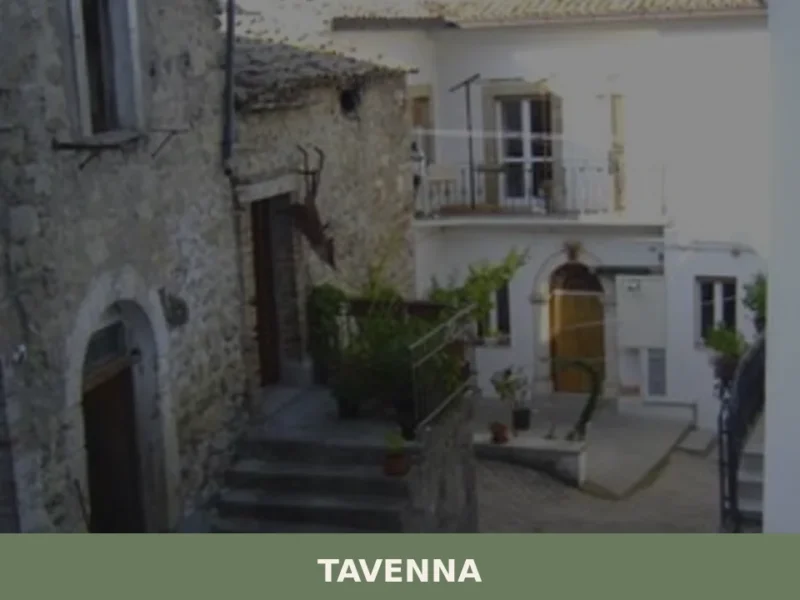
Tavenna
 Hills
Hills
A complete guide to Tavenna in Molise: its medieval stone centre, parish church, panoramic hillside views, and the quiet rhythms of inland southern Italy.
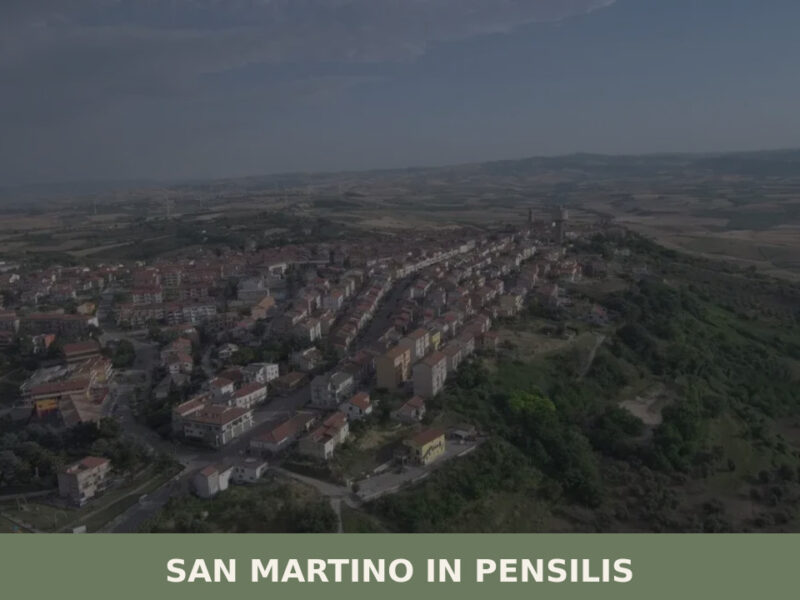
San Martino in Pensilis
Hills
Morning light catches the pale stone of a church bell tower, and below it, the long main street empties into a piazza where a handful of men stand with espresso cups, talking over one another. San Martino in Pensilis sits at 281 metres above sea level in the province of Campobasso, a settlement of roughly […]
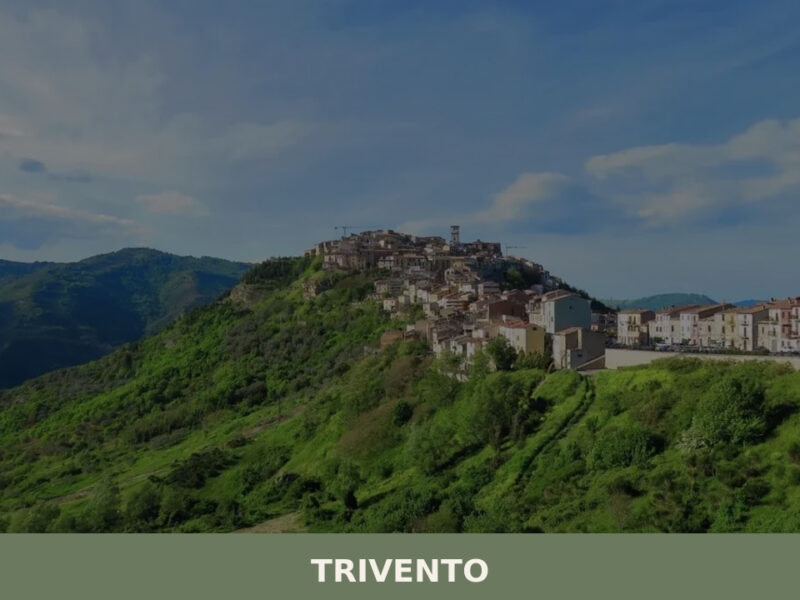
Trivento
Hills
Morning fog lifts off the Trigno valley in slow, pale sheets, and Trivento emerges at 599 metres above sea level — a compact ridgeline of stone and tile roofs, church bells marking the quarter-hour across a town of 4,353 residents. The air carries woodsmoke and the faint resin scent of surrounding oak forest. If you […]
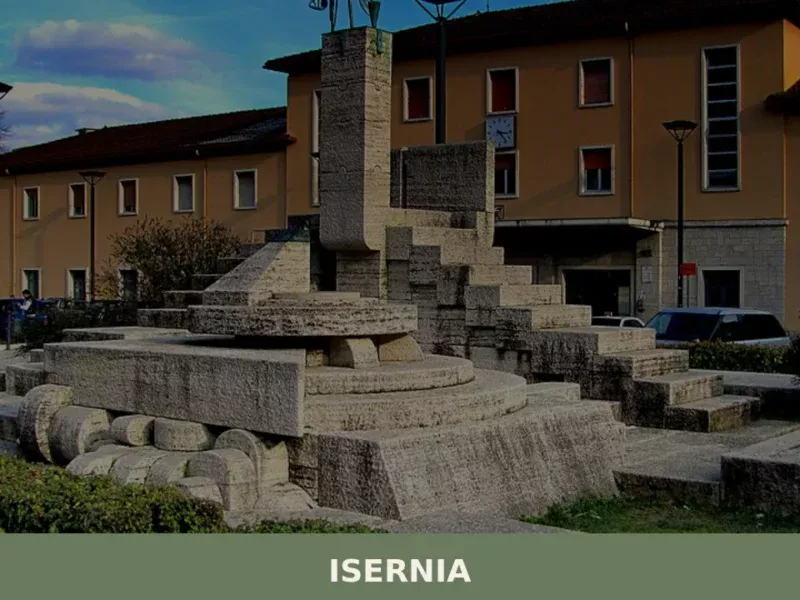
Isernia
Hills
what to see in isernia, Italy, and discover 5 top attractions. Explore its Roman heritage, including the Fraterna Fountain, and find travel tips for this Molise capital.
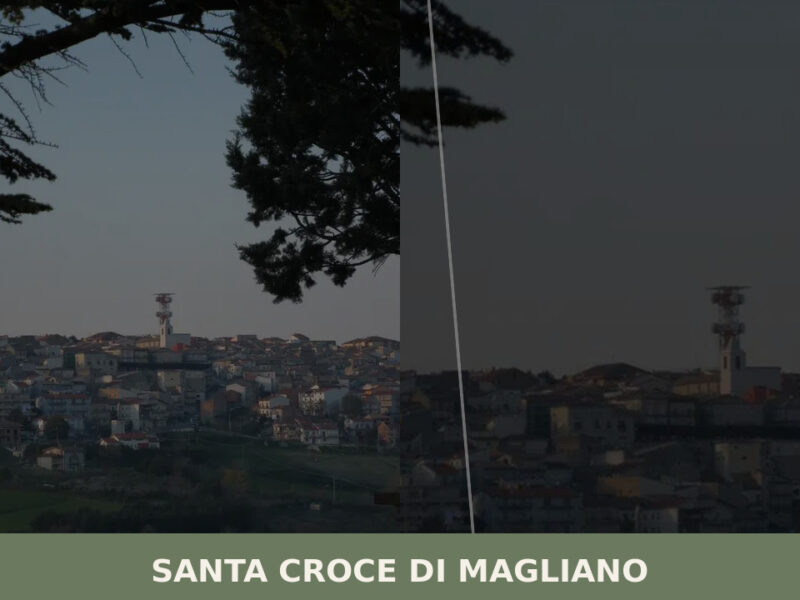
Santa Croce di Magliano
Mountain
Morning light falls across a row of stone facades on Corso Vittorio Emanuele, and an elderly man drags a wooden chair onto the pavement, positioning it with the precision of someone who has done this for sixty years. The air at 608 metres carries a dry, herbal sharpness — rosemary and broom from the surrounding […]
Vinchiaturo
Mountain
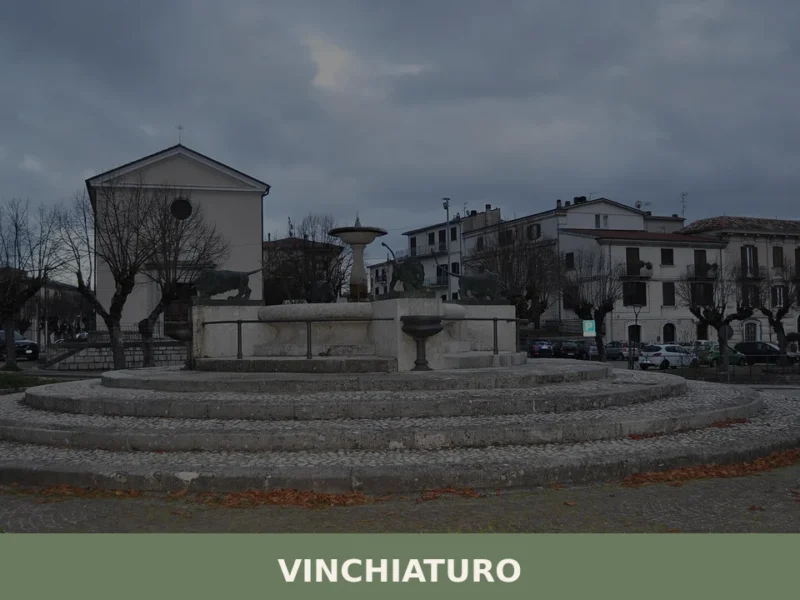
Morning mist settles into the valley below as church bells mark the hour from somewhere above the rooftops. At 620 metres above sea level, the air in Vinchiaturo carries a sharpness that cuts through the warmth of Molise’s interior hills. With just over 3,300 inhabitants, this is a village where the rhythm of daily life […]
Guglionesi
Hills
A hill town of nearly five thousand people in Campobasso province, Guglionesi offers Romanesque churches, Samnite archaeological traces, and wide Adriatic views across the Biferno valley.
Termoli
 Sea
Sea
Salt air sharpens every breath along the stone ramparts at dawn, and the Adriatic below shifts between grey-green and pale blue as fishing boats throttle out from the harbour, trailing diesel and the promise of the day’s catch. Termoli — a working coastal town of roughly 32,000 people in the province of Campobasso — sits […]
Campochiaro
Mountain
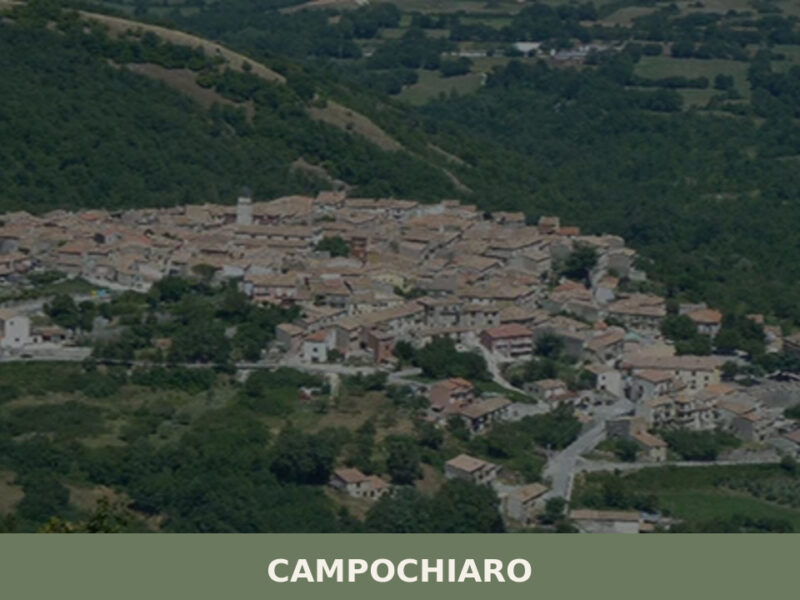
On the eastern slope of the Matese massif, where highland pastures descend toward the Biferno plain, Campochiaro greets visitors with its 594 inhabitants and a compact urban layout, arranged at 750 metres above sea level around the parish church dedicated to Saint Mark. Here, in 1980, archaeologists unearthed an Italic sanctuary from the Samnite period […]
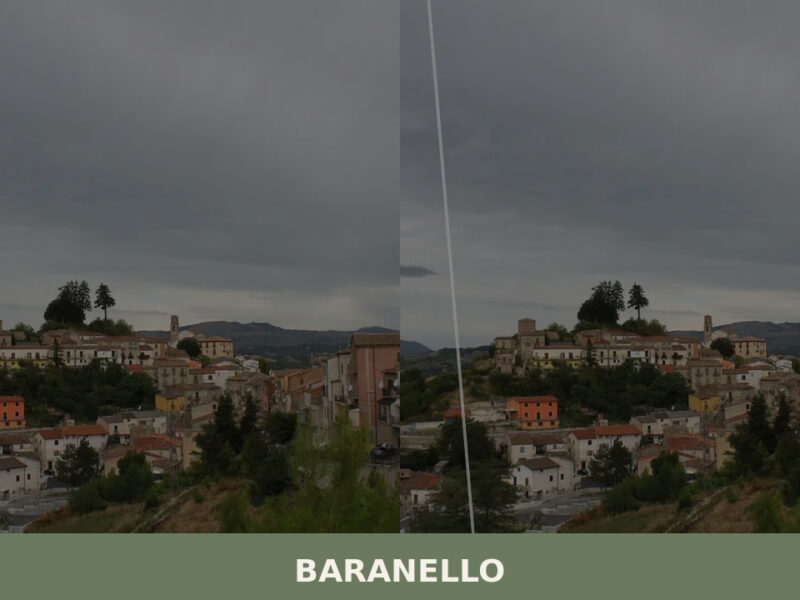
Baranello
Mountain
A documentary guide to Baranello in Molise — its civic museum, medieval churches, castle, and the quiet rhythms of an overlooked Italian hill village.




🏡 Know Molise better than we do?
If you’re a local or have been there, your knowledge matters: add what’s missing or fix a detail on this page.