


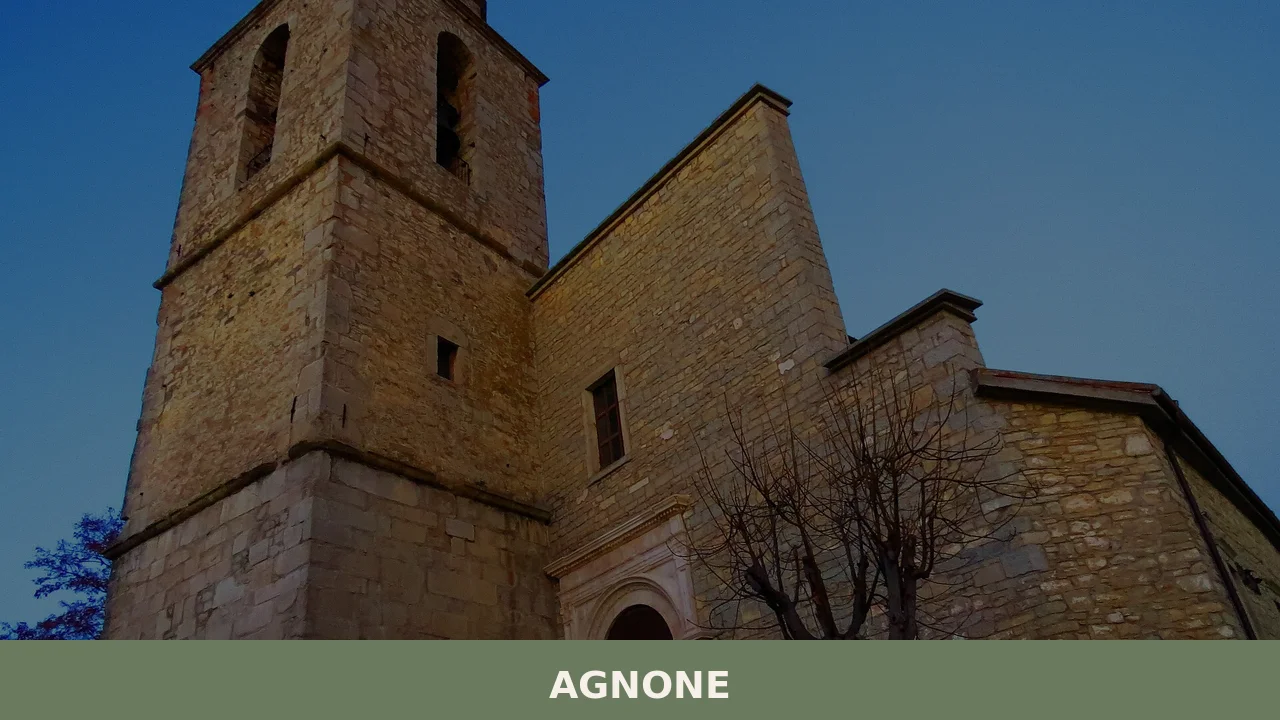
Agnone
 Mountain
Discover what to see in Agnone, Molise: the 1040 Marinelli bell foundry, medieval churches, Samnite museum, local food and practical travel tips.
Discover Agnone
Founded before the year 1000, Agnone is a hill town in the province of Isernia, Molise, sitting at around 800 metres above sea level with a current population of approximately 4,500 residents. It is best known internationally for one institution: the Pontificia Fonderia di Campane Marinelli, a bell foundry established in 1040 that still operates today and holds the rare distinction of bearing the papal coat of arms. Knowing what to see in Agnone means understanding a town where a medieval industrial tradition has continued unbroken for nearly a thousand years, alongside a historic centre that reflects centuries of Apennine craftsmanship and commerce.
History of Agnone
Agnone’s documented history reaches back to the early medieval period. The Marinelli bell foundry, established in 1040, is one of the oldest continuously operating industrial enterprises in the world — a fact that anchors the town firmly in the early Middle Ages and distinguishes it from the many Italian hill towns that can only gesture vaguely toward ancient origins. The foundry’s longevity is not merely symbolic: it represents a specific, sustained economic activity that shaped the town’s identity, its artisan class, and its reputation well beyond the Apennines.
From the thirteenth century through to the nineteenth century, Agnone fell under the administrative jurisdiction of the Giustizierato d’Abruzzo — the medieval judicial and administrative district that governed much of the central Apennine interior under the Kingdom of Naples. More specifically, it belonged to the territory known as Abruzzo Citra, within the district of Lanciano. This administrative alignment with Abruzzo rather than what is now Molise is historically significant: it explains the town’s cultural and commercial ties to the Adriatic side of the Apennines, its architectural affinities with towns further north, and the economic networks it participated in during the late medieval and early modern periods.
By the late medieval period, Agnone had developed into a notable centre of goldsmithing and copper-working, crafts that complemented the bell-founding tradition and gave the town a productive, artisan character unusual in villages of its size. The presence of skilled metalworkers across multiple trades created a degree of economic resilience and civic wealth that left a visible mark on the town’s architecture — particularly in the Romanesque and Gothic churches that survive in the historic centre. The town’s elevation and position along transhumance routes linking the Abruzzo highlands to the Tavoliere plains of Puglia also made it a seasonal commercial hub, integrating it into one of southern Italy’s most important pre-industrial economic systems.
What to see in Agnone: 5 must-visit attractions
Pontificia Fonderia di Campane Marinelli
Established in 1040, this bell foundry is one of the oldest active manufacturing sites in Europe. It holds papal authorisation to display the pontifical coat of arms — a privilege granted by the Vatican — and remains a working foundry. Visitors can observe the casting process firsthand and explore the attached museum documenting nearly a millennium of bell-making technique and iconography.
Museo Sannitico di Agnone
This civic museum houses a collection of artefacts from the Samnite period, the Iron Age culture that dominated the central Apennines before Roman conquest. Among its holdings are inscribed bronze tablets and votive objects recovered from the surrounding territory, offering direct material evidence of pre-Roman religious and civic life in the upper Trigno valley.
The Historic Centre and Medieval Street Grid
Agnone’s old town retains a largely intact medieval layout, with narrow stone streets converging on small piazzas. Several noble palazzi from the fifteenth and sixteenth centuries survive with original facades, and the density of Romanesque church fronts within a compact area reflects the town’s relative prosperity during the late medieval period under the Kingdom of Naples.
Church of Sant’Antonio Abate
One of the more architecturally distinctive churches in the historic centre, Sant’Antonio Abate features a carved stone portal typical of the late Gothic tradition of the central Apennines. Its interior preserves frescoes and carved wooden elements that document the intersection of local craftsmanship with the broader artistic currents of the Mezzogiorno during the fifteenth and sixteenth centuries.
The Upper Trigno Valley Landscape
Agnone sits above the Trigno river valley at approximately 800 metres, and the surrounding terrain — open beech woodland, high pasture, and limestone ridges — forms an integral part of what the town has to offer. The road network radiating from Agnone gives access to several minor medieval settlements and to landscapes that have remained predominantly agricultural and pastoral for centuries.
Local food and typical products
The food culture of Agnone and the surrounding upper Molise is grounded in the pastoral and agricultural economy of the Apennine interior. Lamb is central — roasted, stewed with local herbs, or prepared as agnello alla brace over charcoal — and pork products dominate the cured meat tradition: soppressata, ventricina, and local salumi produced from free-ranging pigs fed on chestnut and acorn. Pasta shapes typical of the area include sagne ‘ntorte, a hand-rolled twisted pasta traditionally served with lamb ragù or legumes. The municipality’s official resources point to a food identity that is firmly tied to altitude, season, and the transhumance tradition that once connected this area to the Adriatic lowlands.
Agnone is also associated with a distinctive tradition of copper and tin confectionery moulds — historically produced by local artisans — and the town has a small but active production of torrone (nougat) and honey-based sweets that appear particularly during autumn and winter festivals. The local restaurants and trattorie in the historic centre tend to follow a seasonal menu logic: dishes shift with altitude and harvest, and the best approach is to eat what is listed on the daily chalkboard rather than a fixed menu. For those interested in the broader Molise food tradition, the regional tourism authority for Molise provides orientation on local producers and seasonal food events across the province.
Best time to visit Agnone
The most practical window for visiting Agnone is late spring — specifically May and June — when the valley roads are clear, the beech forests are in full leaf, and the temperature at 800 metres sits between 15°C and 22°C during the day. Summer (July and August) brings festivals and increased activity to the historic centre, including events tied to the bell foundry and local artisan traditions, but also higher visitor numbers from the Italian interior who use Molise as a cooler alternative to the coastal resorts. The town’s elevation means that even August evenings are cool enough to require a light jacket.
Autumn deserves particular attention: from September through October, the Trigno valley and the surrounding hills take on the colour typical of Apennine beech-oak woodland, and the local food calendar reaches its peak with the chestnut harvest, the new season’s olive oil, and the curing of the autumn pig slaughter. Winter visits are possible but require attention to road conditions, as snowfall at altitude is common from December through February and the mountain roads connecting Agnone to the valley floor can close without warning. The town itself, however, remains inhabited and functional year-round — it is not a seasonal settlement.
How to get to Agnone
Agnone has no direct rail connection. The nearest railway stations are at Isernia (approximately 50 kilometres to the southwest) and Castel di Sangro on the Sangritana line (roughly 45 kilometres to the northeast), both of which require onward travel by car or local bus. The absence of a direct rail link is a practical reality of the town’s mountain geography and should be factored into any visit.
- By car from Rome: approximately 230 kilometres via the A1 motorway to Caianello, then the SS85 and SS650 toward Isernia and north to Agnone — allow around 3 hours.
- By car from Naples: approximately 220 kilometres via the A1 to Caianello, then as above — around 2 hours 45 minutes.
- By car from Pescara: approximately 120 kilometres via the A25 to Castel di Sangro, then the SS86 westward — around 2 hours.
- Nearest airports: Naples Capodichino (approximately 230 km), Rome Fiumicino (approximately 250 km), and Pescara Abruzzo Airport (approximately 130 km) — all require a car rental for the onward journey.
- Local bus services: regional bus connections link Agnone to Isernia and other Molise centres, but schedules are infrequent and oriented toward commuter rather than visitor use.
The SS86 — the Strada Statale delle Mainarde — is the principal road axis for reaching Agnone from both the Adriatic and Tyrrhenian sides of the Apennines. It is a well-maintained mountain road, but the combination of elevation changes and narrow sections means that driving times are consistently longer than straight-line distances suggest.
Where to stay in Agnone
Accommodation in Agnone is modest in scale and largely concentrated in and around the historic centre. The town offers a range of small hotels, B&Bs, and guesthouses — the majority family-run and oriented toward visitors who arrive for the bell foundry or for walking and cycling in the upper Trigno valley. There are no large hotel chains. Staying within the old town itself gives the most direct access to the main sites on foot, which is the only practical way to navigate the medieval street grid. Several agriturismi operate on the surrounding hillsides and offer a more rural alternative, with farm-produced food as a practical advantage.
For those planning a longer visit to the area, the agriturismo option outside the town centre can serve as a base for day trips across upper Molise. Booking in advance is advisable during August and during local festival periods, when accommodation across the province fills quickly. Outside those windows, last-minute availability is generally not a problem. The Marinelli foundry’s official site occasionally lists local hospitality contacts useful for planning a visit around the foundry’s guided tour schedule.
More villages to discover in Molise
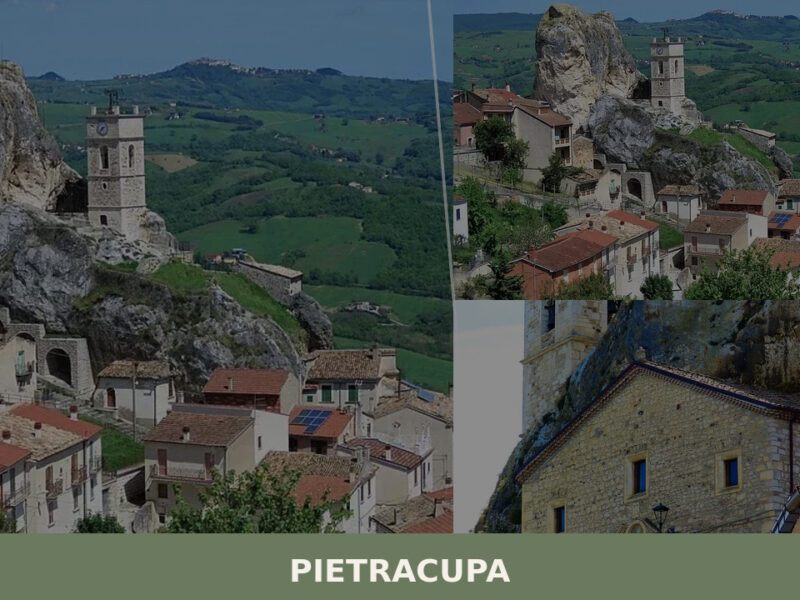
The province of Isernia and the broader Molise interior offer a series of settlements that share Agnone’s character as a functioning hill town with a documented medieval history. Pietracupa, in the Molise highlands, is one of the most structurally coherent examples of a rock-built village in the region, where the building fabric and the natural limestone outcrop are effectively inseparable. Further east, Acquaviva Collecroce carries a distinct identity as one of the surviving Molise-Croatian communities, where a Slavic dialect introduced by fifteenth-century settlers has been maintained alongside Italian for over five centuries.
For those willing to extend their itinerary toward the Adriatic coast, Termoli offers the contrast of a coastal fortified borgo with a Norman castle and a functioning fishing port — a different register entirely from the Apennine interior, but reachable in under two hours from Agnone by car. Inland, Campochiaro sits in the Matese uplands and provides access to one of the most intact highland ecosystems in southern Italy, including a migratory bird spectacle at Lago del Matese that draws naturalists from across Europe each autumn. Together, these four destinations sketch a cross-section of Molise that goes well beyond the single-town visit.
Nearby Villages near Agnone
In Molise More villages to discover
San Martino in Pensilis
 Hills
Hills
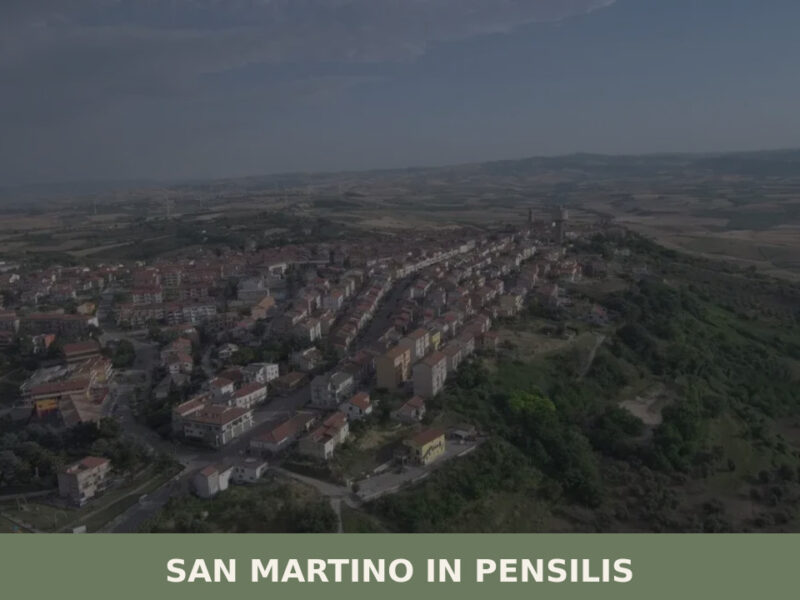
Morning light catches the pale stone of a church bell tower, and below it, the long main street empties into a piazza where a handful of men stand with espresso cups, talking over one another. San Martino in Pensilis sits at 281 metres above sea level in the province of Campobasso, a settlement of roughly […]
Venafro
Hills
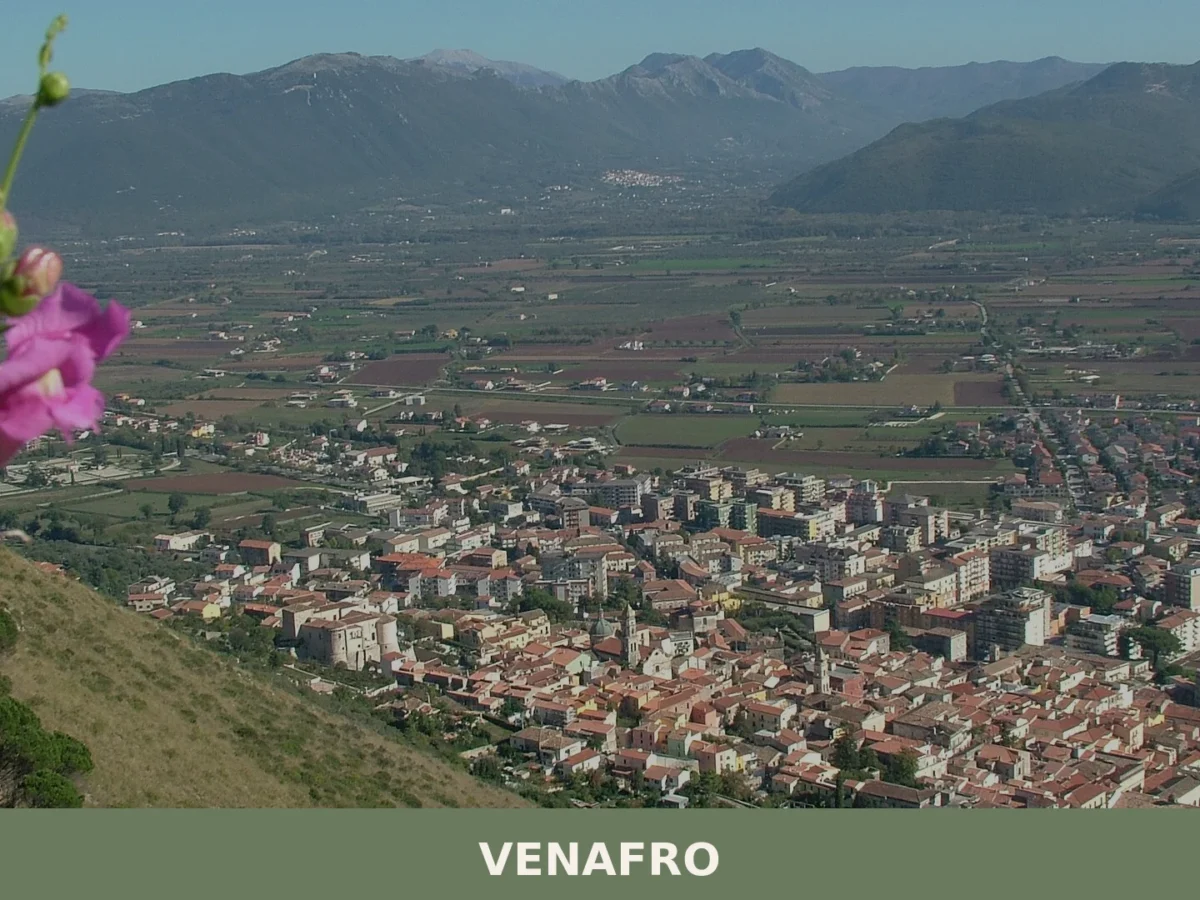
Two thousand years of collision shaped this border town. Ancient warfare, medieval revival, papal visits and modern tragedy carved Venafro into a living archive of southern Italian identity.
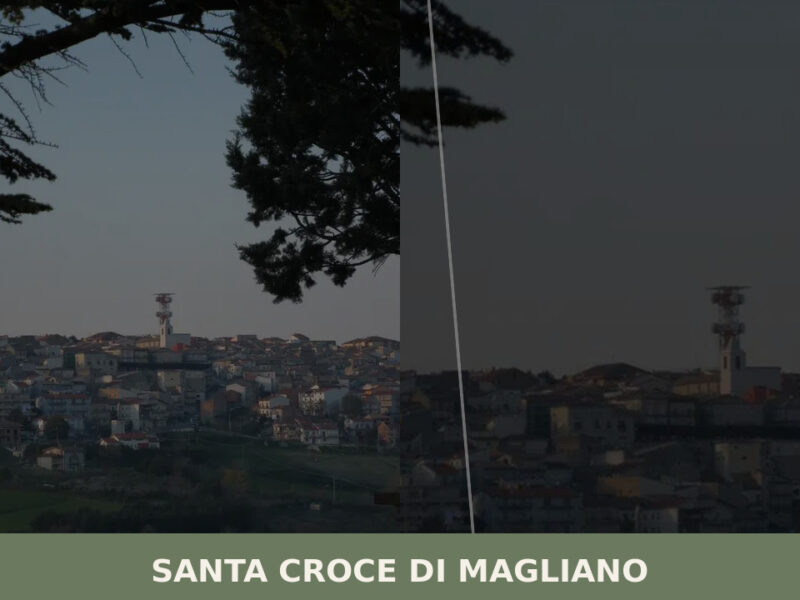
Santa Croce di Magliano
Mountain
Morning light falls across a row of stone facades on Corso Vittorio Emanuele, and an elderly man drags a wooden chair onto the pavement, positioning it with the precision of someone who has done this for sixty years. The air at 608 metres carries a dry, herbal sharpness — rosemary and broom from the surrounding […]
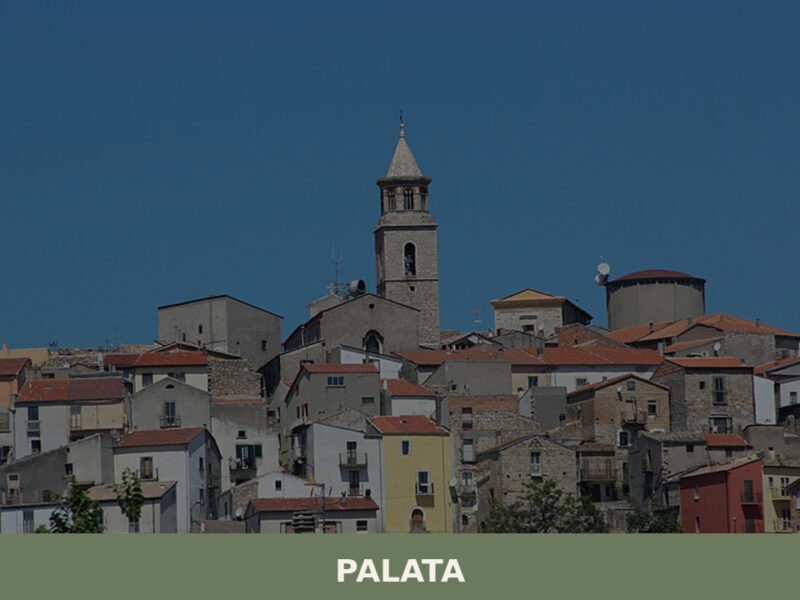
Palata
Hills
what to see in palata, Italy, a village at 520 m. Discover its historic core and the San Rocco festival. Explore Molise's authentic rural heritage.
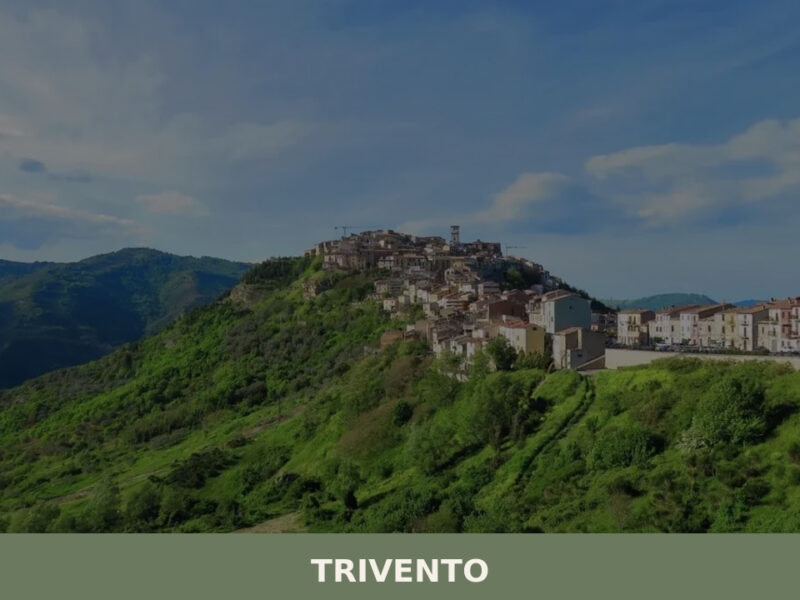
Trivento
Hills
Morning fog lifts off the Trigno valley in slow, pale sheets, and Trivento emerges at 599 metres above sea level — a compact ridgeline of stone and tile roofs, church bells marking the quarter-hour across a town of 4,353 residents. The air carries woodsmoke and the faint resin scent of surrounding oak forest. If you […]
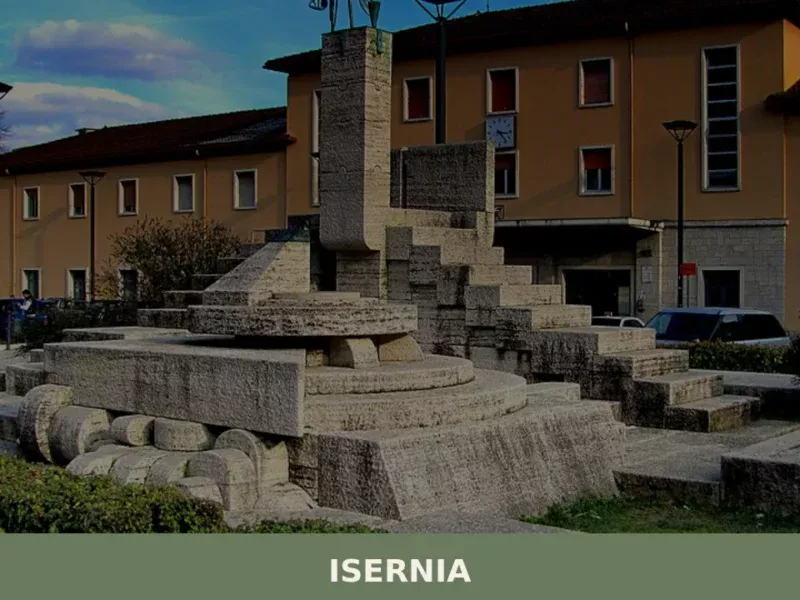
Isernia
Hills
what to see in isernia, Italy, and discover 5 top attractions. Explore its Roman heritage, including the Fraterna Fountain, and find travel tips for this Molise capital.
Montenero di Bisaccia
 Sea
Sea
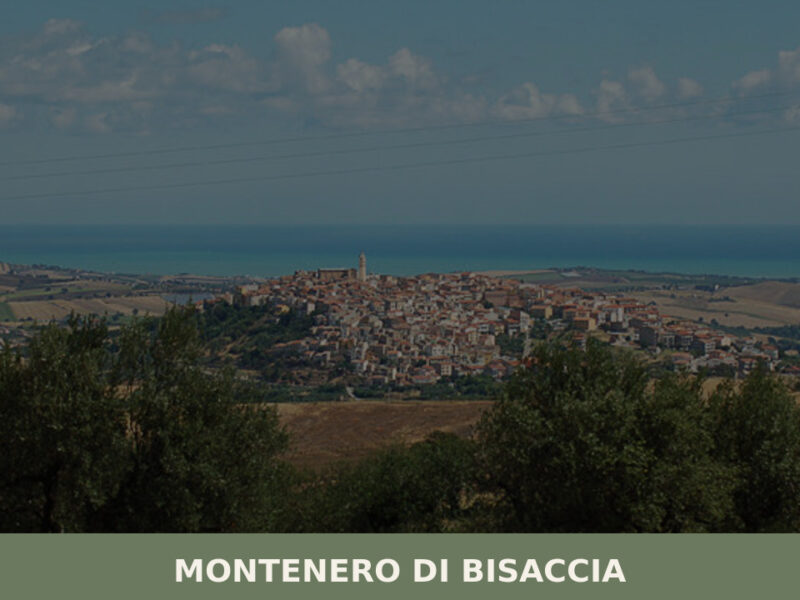
Morning light moves across the rooftops in a slow wave, catching the sandstone walls of old houses before spilling into the main piazza. At 273 metres above sea level, Montenero di Bisaccia sits on a hill that commands views stretching from the Apennine ridgeline to the Adriatic coast — a rare double horizon. With just […]
Petacciato
Sea
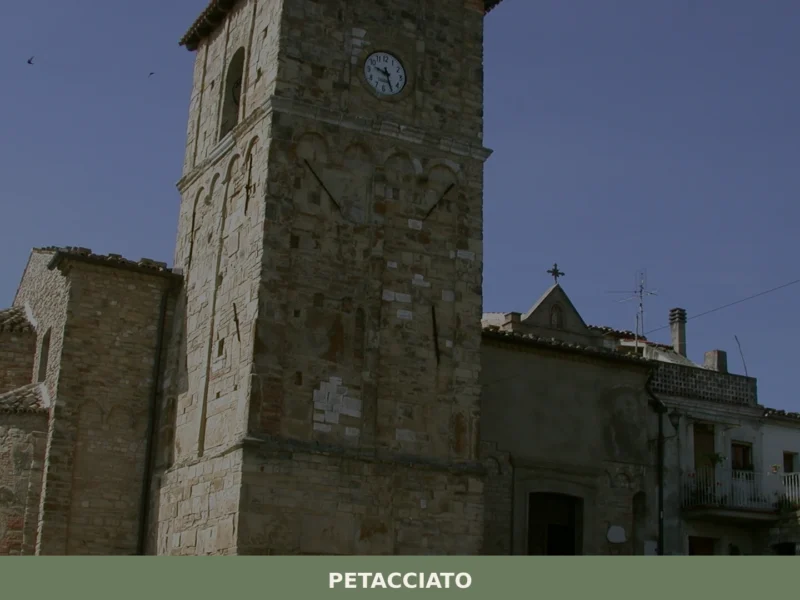
Petacciato overlooks the Adriatic from the hills of Campobasso province. A guide to its historic centre, coastal beach, local food, and Molisan surroundings.
Casacalenda
Mountain
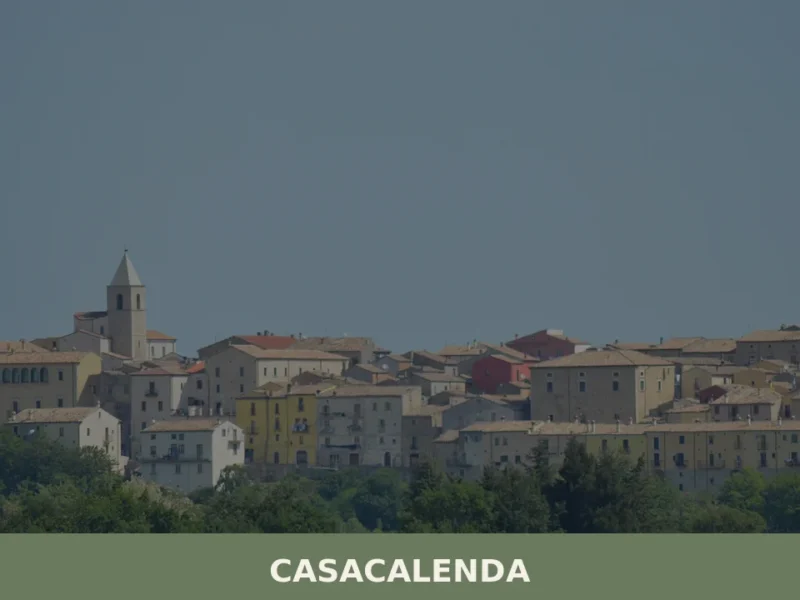
Morning light hits the limestone facades along Corso Roma and the sound is not silence but something close — a dog barking two streets away, the clatter of a shutter being folded back, the low idle of a Fiat Panda parked outside the only bar open before eight. Casacalenda sits at 631 metres above sea […]
Pietracupa
Mountain
A 208-inhabitant village shaped by a massive rock outcrop in Molise's interior. Discover what to see in Pietracupa, from its grotto chapel to its silent panoramic ridgelines.
🏡 Know Agnone better than we do?
If you’re a local or have been there, your knowledge matters: add what’s missing or fix a detail on this page.