


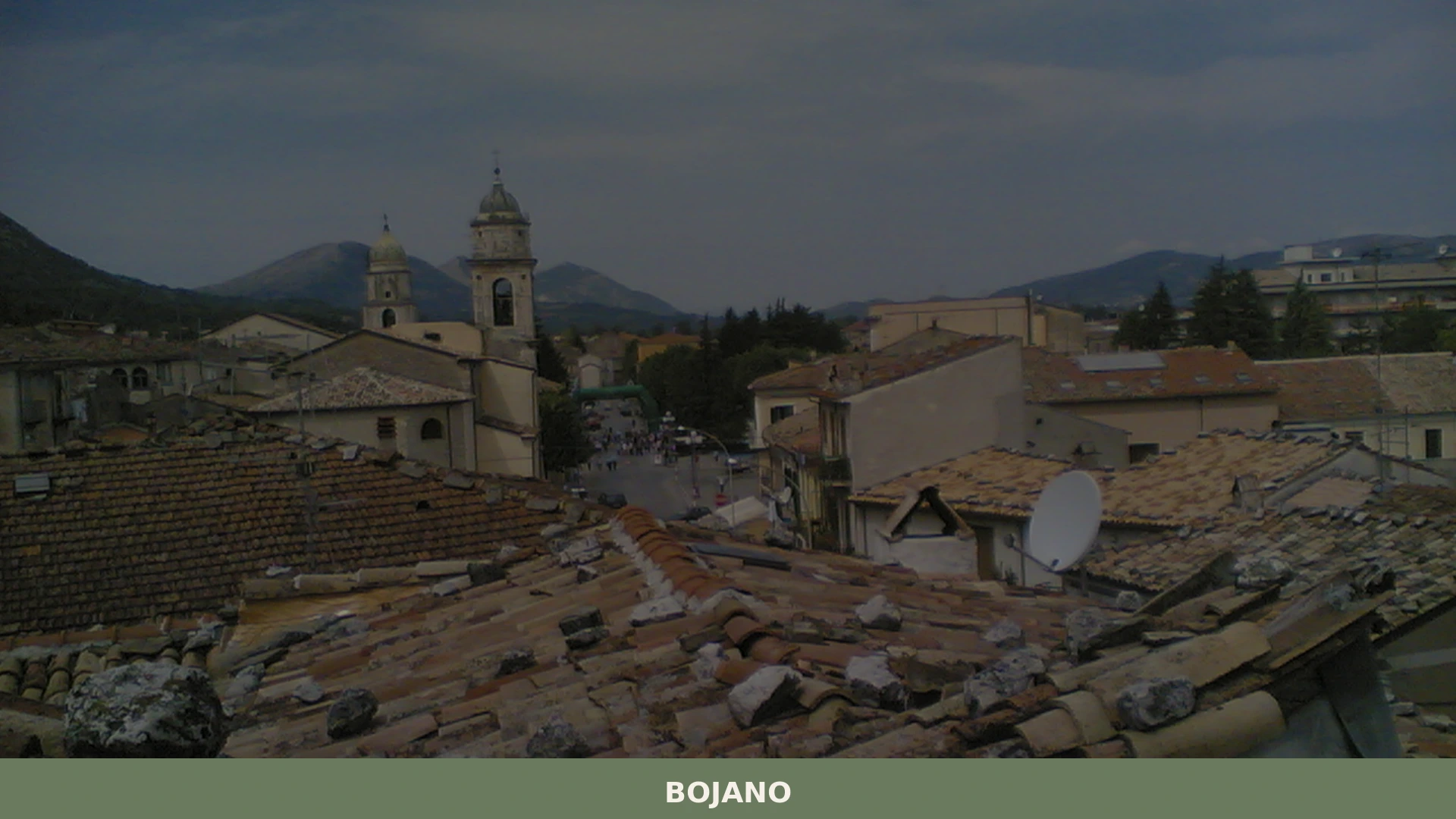

Discover what to see in Bojano, Molise u2014 from Samnite ruins and Norman castle remains to the Biferno valley and Matese mountain park. History, food, and travel tips.
Discover Bojano
The ancient city of Bojano, capital of the Samnite Pentri tribe before Rome conquered it in the third century BC, sits in the province of Campobasso in the Molise region of southern Italy, with a current population of around 7,492 residents. Few towns in Molise carry as dense a layer of recorded occupation — Samnite, Roman, Lombard, Norman — as this one. Knowing what to see in Bojano means reading those layers directly from the streets, the stone, and the cathedral foundations that have accumulated over more than two millennia of continuous habitation.
History of Bojano
Bojano’s earliest documented identity is as Bovianum, the principal settlement of the Pentri, the most powerful of the four Samnite tribes who dominated the central Apennines before Rome’s expansion southward.
The Battle of Bovianum in the third century BC — part of the broader cycle of Samnite Wars — ended with Roman conquest and the subsequent transformation of the city first into a Roman colony and then into a municipium, granting its inhabitants the rights of Roman citizenship. The city’s position in the upper Biferno valley made it a natural administrative and military node for control of the interior Apennine routes between the Adriatic and Tyrrhenian coasts.
By the sixth century AD, Bojano already functioned as a Christian diocese, one of the earliest episcopal seats in what is now Molise. Under Lombard rule it became the seat of a gastaldato — a Lombard administrative district governed by a gastald, a royal official — forming part of the Duchy of Benevento, the great Lombard southern entity that outlasted the fall of the Lombard kingdom in the north. In the eleventh century, Norman lords of the De Moulins family established Bojano as the capital of their county, and it is from this Norman comitatus that the name Molise itself is generally derived: the Comitatus Molisii, the County of Molise, took its designation directly from the Norman family who controlled Bojano and the surrounding territory.
In the feudal period following Norman rule, Bojano passed through the hands of several prominent noble families, including the Pandone, the Carafa, and the De Lannoy, each leaving administrative and architectural traces in the urban fabric.
The earthquake of 1805, one of the most destructive seismic events in southern Italian history, caused significant structural damage to the town and accelerated a demographic and economic decline that persisted well into the nineteenth century. Bojano also experienced considerable hardship during the Second World War, a period that marked the broader civilian population of Molise with lasting consequences. Today, Bojano is part of the Unione dei comuni delle Sorgenti del Biferno, an administrative union that also includes the municipalities of Spinete, San Massimo, Campochiaro, Colle d’Anchise, Guardiaregia, and San Polo Matese.
What to see in Bojano: 5 must-visit attractions
5 must-visit attractionsCathedral of Santa Maria Assunta
Bojano’s cathedral, dedicated to the Assumption of the Virgin, stands on a site with episcopal continuity dating back to at least the sixth century AD. The current structure reflects post-earthquake reconstruction following the 1805 disaster, though elements of the earlier Romanesque and medieval fabric remain incorporated into the masonry.
The cathedral serves as the active seat of the Diocese of Bojano-Campobasso.
Archaeological Area and Samnite Remains
Excavations within and around Bojano have uncovered traces of the Samnite and Roman city of Bovianum, including sections of polygonal walling characteristic of pre-Roman central Italian construction techniques. These remains represent direct physical evidence of the settlement that served as the Pentri capital before the Roman conquest in the third century BC, making them among the most historically significant archaeological traces in the Molise interior.
Norman Castle Ruins
Positioned on elevated ground above the historic centre, the ruins of Bojano’s medieval castle date to the Norman period when the De Moulins family established the Comitatus Molisii here in the eleventh century. The surviving masonry, though fragmentary, retains enough structural mass to convey the defensive logic of the site — a high position commanding the Biferno valley approaches from multiple directions.
Historic Centre and Feudal Urban Fabric
The layout of Bojano’s centro storico preserves the compressed, irregular street pattern typical of Apennine towns that passed through successive feudal administrations.
Several palazzi reflect the presence of the noble families — Pandone, Carafa, De Lannoy — who held the fief across different centuries, with carved portals and cortile entrances marking their former residences within the dense urban grain.
Biferno Valley and Monte Matese Context
Bojano sits at the edge of the Matese massif, where the Biferno river has its sources in the surrounding upland terrain. The Parco Regionale del Matese, which encompasses Monte Miletto and Monte Gallinola, rises directly above the town. The relationship between the settlement and this high limestone landscape — used for transhumance routes for centuries — is a concrete and visible aspect of understanding the territory’s long economic history. The Parco Regionale del Matese provides current access information for visitors intending to explore the upland areas above Bojano.
Local food and typical products
Bojano’s food culture belongs firmly to the Molise interior tradition, where livestock farming and cereal cultivation shaped the local diet over centuries.
Lamb and kid goat, raised on the Matese pastures that have defined the economy of this zone since at least the medieval transhumance era, appear in slow-cooked preparations with local herbs and dried peppers. Pasta formats common to the province of Campobasso — cavatelli, fusilli al ferretto hand-rolled around a thin rod — are served with ragù of pork or lamb, or simply dressed with local pecorino produced in the villages of the Matese foothills. Cured meats, including ventricina and soppressata made from local pig breeds, form part of the standard antipasto spread in restaurants and at local food markets. The Regione Molise maintains records of the region’s registered traditional food products, several of which are produced within Bojano’s immediate territory.
Molise produces a small but increasingly documented range of wines under the Molise DOC designation, and local agriturismo operations in the Biferno valley often serve estate-produced olive oil alongside meals. For visitors seeking a more structured tasting context, Bojano’s position on the main road through the Biferno valley means several agriturismo establishments are accessible within a short drive of the town centre, offering both accommodation and meals based on direct farm production. The town’s weekly market remains a practical and direct source for local cheeses, preserved meats, and seasonal produce.
Best time to visit Bojano
Late spring — May and June — offers the most practical conditions for visiting Bojano and the surrounding Matese territory.
Temperatures in the Biferno valley at this altitude are moderate, wildflowers are present on the upland slopes, and the roads into the Matese park are fully accessible after winter closures. September and early October provide a second viable window: harvest activities are underway in the valley, temperatures have dropped from the August peak, and the light on the limestone ridges above town acquires a directional clarity useful for both photography and walking. Summer in July and August brings heat to the lower valley but relative coolness at altitude, and the Matese uplands see an increase in weekend visitors from Naples and Campobasso. Winter visits are possible but the high mountain roads may be closed by snow from December through March, and several smaller facilities operate on reduced hours.
Bojano celebrates its patron saint’s feast and other civic and religious festivals at various points in the calendar year, with the summer months typically concentrating the majority of local events. Visitors with a specific interest in Samnite and Roman archaeology should check schedules with the Comune di Bojano directly, as temporary exhibitions and site openings around the archaeological areas are occasionally organised in coordination with regional institutions.
How to get to Bojano
Bojano is located in the province of Campobasso in central Molise, roughly 20 kilometres north of the regional capital Campobasso.
The town is accessible by road via the SS17, which runs through the Biferno valley and connects Bojano to Campobasso to the south and to Isernia and the A1 motorway corridor further north. The nearest motorway interchange is at Campobasso on the A14-A16 network, approximately 20 to 25 minutes by car from Bojano along the SS17.
- By car from Campobasso: approximately 25 km north via SS17, around 25–30 minutes
- By car from Naples: approximately 130 km via A1 and SS17, around 1 hour 45 minutes
- By car from Rome: approximately 220 km via A1 and A24/SS17, around 2 hours 30 minutes
- By train: the nearest rail station is Campobasso, served by Trenitalia regional services from Naples (Centrale) and Rome. From Campobasso station, onward travel to Bojano requires a bus or taxi
- Nearest airport: Naples Capodichino (NAP), approximately 150 km, around 2 hours by car. Rome Fiumicino (FCO) is approximately 230 km
Where to stay in Bojano
Accommodation in Bojano itself is limited in volume, as the town functions primarily as a service centre for the surrounding Matese territory rather than a dedicated tourist destination. The available options within the town centre tend toward small hotels and B&B-style guesthouses, suitable for one or two night stays while using Bojano as a base for the surrounding valley and mountain territory. For visitors prioritising direct access to the Matese uplands, agriturismo properties in the rural areas between Bojano and the neighbouring municipalities — particularly toward Campochiaro and Guardiaregia — offer farm-based accommodation with meal service, typically requiring advance booking especially in the summer months.
The regional capital Campobasso, 25 kilometres to the south, carries a broader range of hotels and provides a viable alternative base with reliable services and transport connections.
Visitors planning to spend several days exploring the Biferno valley and Matese area will find the choice between staying in Bojano itself or in Campobasso largely a question of whether proximity to the mountain landscape or access to urban services takes priority. Booking directly with individual properties or through regional tourism platforms is advisable, particularly for summer weekends when demand from domestic visitors increases.
More villages to discover in Molise
Molise is a region where the gaps between one documented medieval settlement and the next can be measured in kilometres rather than days, and the province of Campobasso alone contains several towns that reward the same kind of close, unhurried attention that Bojano requires.
Cercemaggiore, a hilltop community in the central Campobasso province, carries a Norman and feudal history that runs parallel in several respects to Bojano’s own medieval development, while Casacalenda, further east in the Molise interior, offers a well-preserved historic centre and a position above the Fortore valley that makes it a distinct counterpoint to the Biferno zone.
Toward the Adriatic side of the region, the character of the settlements shifts with the landscape. Palata, in the Basso Molise area near the Trigno valley, and Petacciato, which occupies a ridge above the Adriatic coast between Vasto and Termoli, represent the coastal and sub-coastal dimension of Molise that contrasts directly with the upland, Apennine character of Bojano. Together, these four villages sketch a rough cross-section of a region that is geographically compact but internally varied in elevation, history, and material culture.
Frequently asked questions about Bojano
What is the best time to visit Bojano?
The ideal times to visit Bojano are late spring (May and June) for moderate temperatures, vibrant wildflowers, and fully accessible mountain roads. Alternatively, September and early October offer cooler weather, harvest activities, and excellent light for photography. While July and August bring summer heat to the valley, the Matese uplands remain relatively cool. Plan your visit around August 25th to experience the lively patron saint's feast dedicated to San Bartolomeo Apostolo, a significant local event that fills the town with celebrations and civic festivities.
What to see in Bojano? Main monuments and landmarks
Bojano offers a rich tapestry of historical sites reflecting its Samnite, Roman, Lombard, and Norman past. Key attractions include the Cathedral of Santa Maria Assunta, a site of continuous worship since the 6th century, showcasing post-earthquake reconstruction with medieval elements. Explore the Archaeological Area to see remnants of the Samnite city of Bovianum, including ancient polygonal walls. Ascend to the Norman Castle Ruins for a glimpse into the town's medieval defensive history, and wander the Historic Centre to admire the feudal urban fabric and noble palazzi, each telling a story of past administrations.
What are the main natural or scenic attractions of Bojano?
Bojano is nestled at the foot of the magnificent Matese massif, offering superb natural and scenic attractions. The surrounding Biferno Valley provides picturesque landscapes, while the nearby Parco Regionale del Matese, encompassing peaks like Monte Miletto and Monte Gallinola, is a haven for nature lovers. Visitors can explore upland trails, enjoy the tranquility of the mountain environment, and appreciate the historical transhumance routes. Access information for exploring the Matese park areas above Bojano can be found via the regional park authorities, making it ideal for hiking and outdoor activities.
Where to take the best photos in Bojano?
For memorable photographs in Bojano, head to the Norman Castle Ruins, perched on elevated ground, which offer panoramic views of the historic centre and the expansive Biferno Valley. The narrow, winding streets and ancient palazzi within the historic centre provide atmospheric shots of medieval urban life and architectural details. Additionally, the limestone ridges of the Matese massif above town, particularly in early autumn, are renowned for their clear, directional light, perfect for capturing stunning landscape vistas and the dramatic natural beauty of the Molise interior.
Are there museums, churches or historic buildings to visit in Bojano?
Yes, Bojano boasts several significant historical and religious sites. The Cathedral of Santa Maria Assunta is a central landmark, featuring elements from its long history as an episcopal seat. Visitors can explore the Archaeological Area, which preserves remnants of the ancient Samnite city, and the Norman Castle Ruins, offering insights into medieval fortifications. The historic centre itself is an open-air museum, with various palazzi reflecting the town's feudal past. For specific opening hours, especially for the Cathedral or any temporary archaeological exhibitions, it is advisable to consult local information sources.
What can you do in Bojano? Activities and experiences
In Bojano, visitors can immerse themselves in history by exploring Samnite and Roman archaeological sites, the medieval Norman castle ruins, and the historic centre's feudal architecture. Nature enthusiasts can hike and explore the stunning Parco Regionale del Matese, which borders the town, offering scenic trails and mountain vistas. Culinary experiences include tasting traditional Molisan dishes, local cheeses, and cured meats at restaurants or the weekly market, or enjoying estate-produced olive oil and wines at nearby agriturismo establishments. Seasonal civic and religious festivals, including the patron saint's feast on August 25th, offer vibrant cultural insights.
Who is Bojano suitable for? Families, couples, hikers, solo travelers?
Bojano is ideal for history enthusiasts eager to explore its layered Samnite, Roman, Lombard, and Norman past, as well as nature lovers and hikers drawn to the majestic Matese massif and the Parco Regionale del Matese. Foodies will appreciate its authentic Molisan cuisine and local products. It's also an excellent destination for travelers seeking an off-the-beaten-path Italian experience, whether solo or as a couple, looking for cultural immersion and tranquil natural beauty away from mass tourism. Families can enjoy the historical exploration and outdoor activities, making it a versatile destination for various interests.
What to eat in Bojano? Local products and specialties
Bojano's culinary scene reflects the hearty traditions of the Molise interior. Must-try specialties include slow-cooked lamb and kid goat, raised on Matese pastures. Pasta dishes like cavatelli and fusilli al ferretto are typically served with rich ragù of pork or lamb, or simply dressed with local pecorino cheese from the Matese foothills. The area is also known for its cured meats, such as ventricina and soppressata, made from local pig breeds. Visitors can sample Molise DOC wines and estate-produced olive oil at local agriturismo establishments, and find fresh produce, cheeses, and meats at the town's weekly market.
Nearby Villages near Bojano
In Molise More villages to discover
Gambatesa
 Hills
Hills
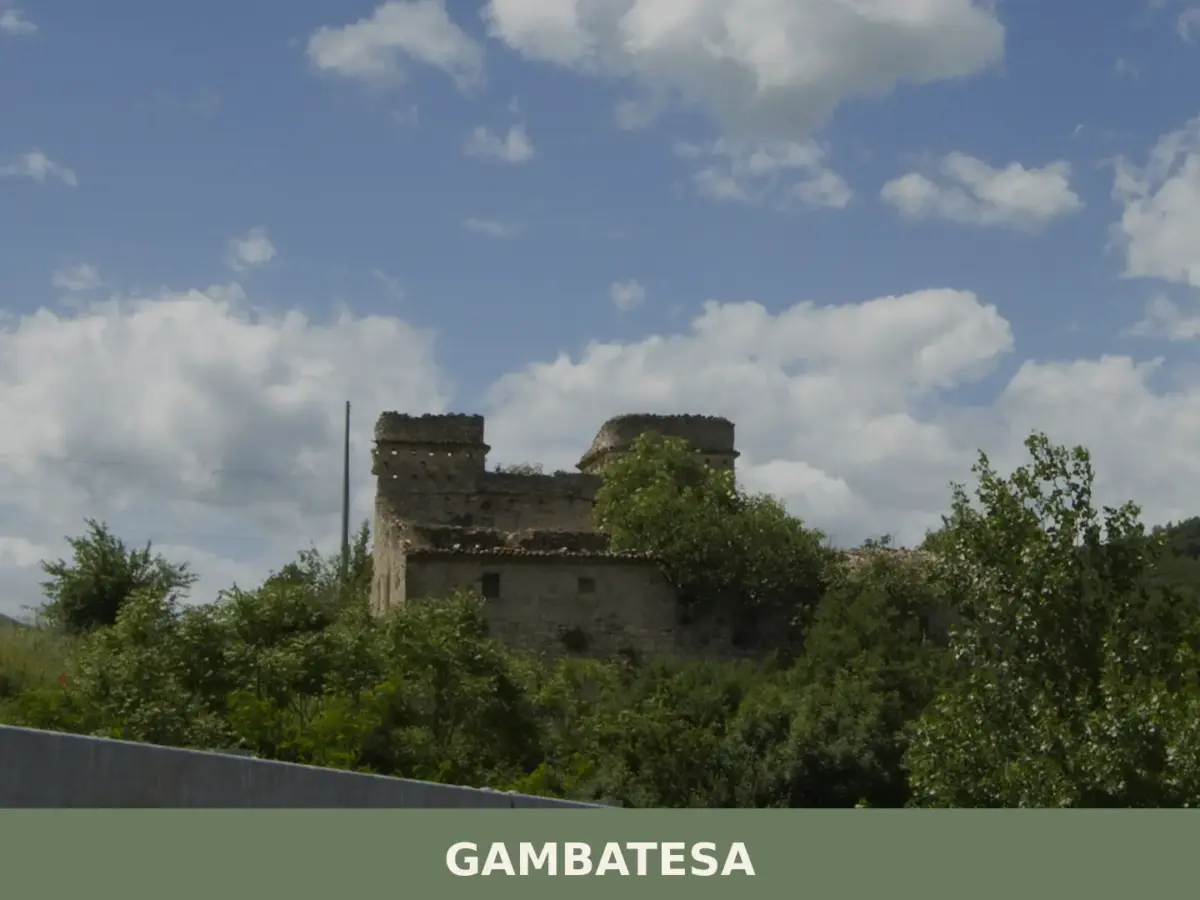
Gambatesa is a hilltop commune in the province of Campobasso, Molise, built around a medieval castle that was transformed into a Renaissance residence by the Di Capua family and remains the centrepiec
Baranello
 Mountain
A documentary guide to Baranello in Molise — its civic museum, medieval churches, castle, and the quiet rhythms of an overlooked Italian hill village.
Palata
Hills
Palata is an inland Molise village at 472 metres in the province of Campobasso, shaped by earthquakes, Ottoman raids and a sixteenth-century Slavic resettlement still visible in its historic church.
Isernia
Hills
what to see in isernia, Italy, and discover 5 top attractions. Explore its Roman heritage, including the Fraterna Fountain, and find travel tips for this Molise capital.
Civitacampomarano
Mountain
Civitacampomarano is a hilltop comune in the province of Campobasso, Molise, whose sandstone ridge, medieval castle and twelve centuries of recorded history make it one of the region's most quietly co
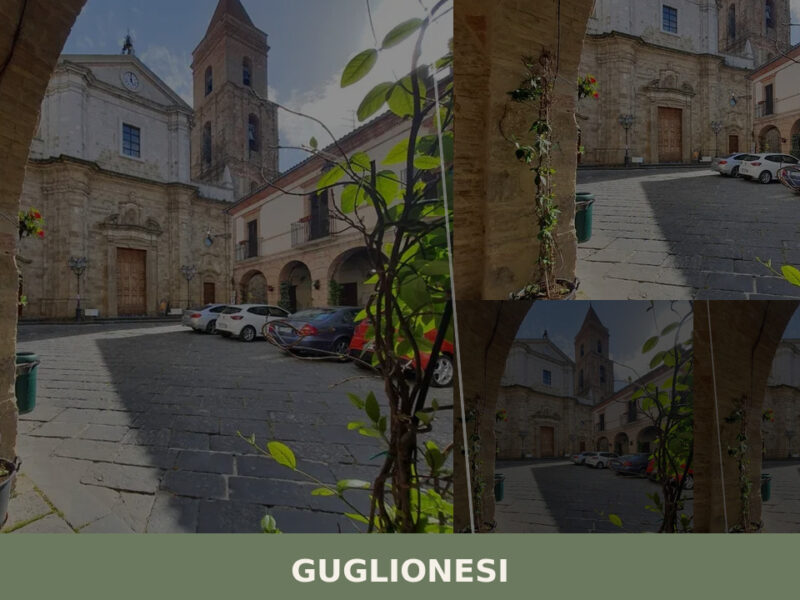
Guglionesi
Hills
A hill town of nearly five thousand people in Campobasso province, Guglionesi offers Romanesque churches, Samnite archaeological traces, and wide Adriatic views across the Biferno valley.
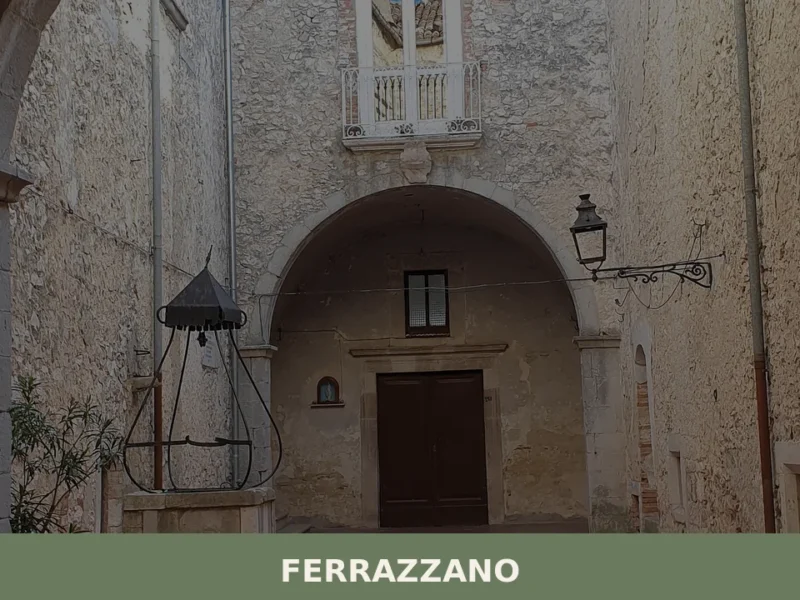
Ferrazzano
Mountain
Morning light hits the limestone walls of Ferrazzano at an angle that turns every alley into a corridor of pale gold. At 872 metres above sea level, the air carries a sharpness that the lower towns of Molise never know — a clarity that makes the distant Adriatic coast visible on days when the haze […]
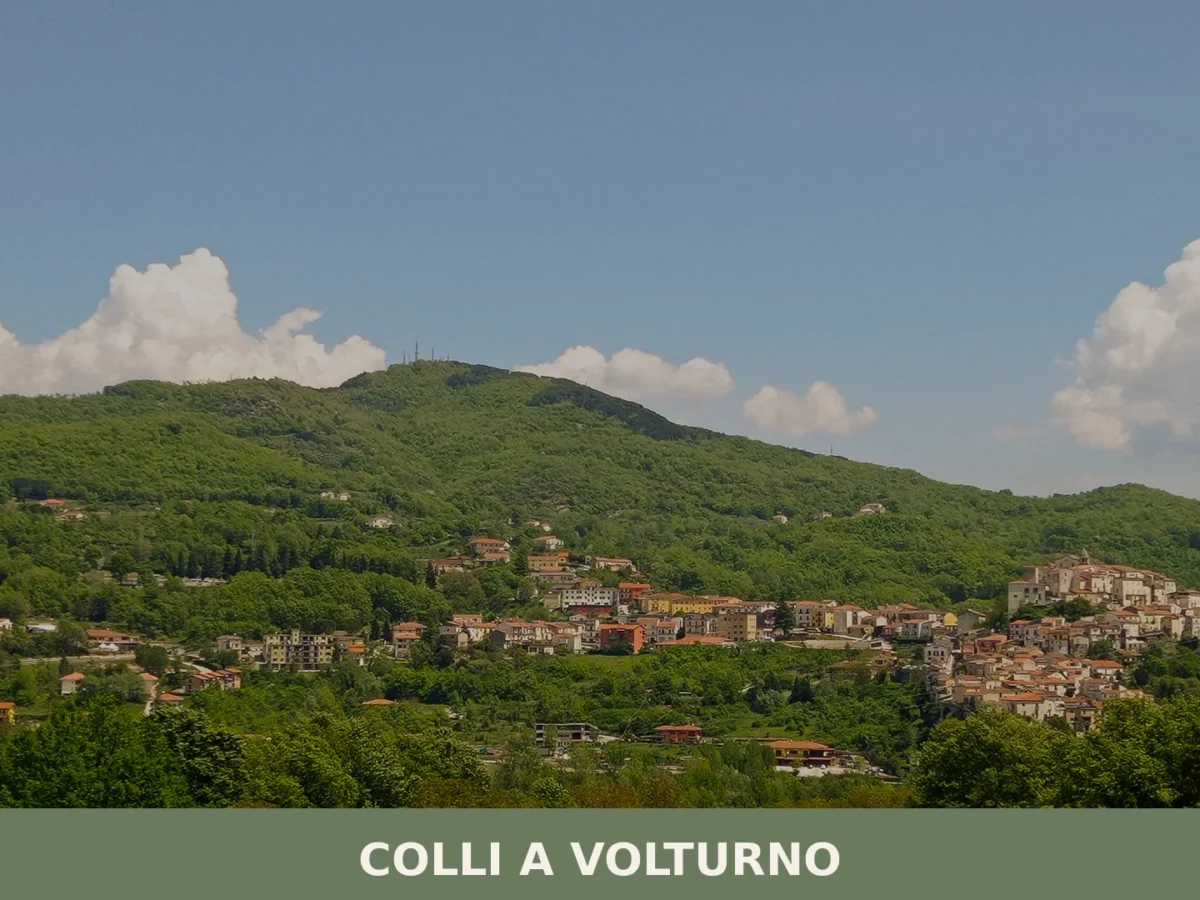
Colli a Volturno
Hills
Colli a Volturno is a hillside comune of around 1,270 people in the province of Isernia, Molise, with Benedictine medieval origins, surviving castrum gates, and a landscape stretching across the Valle
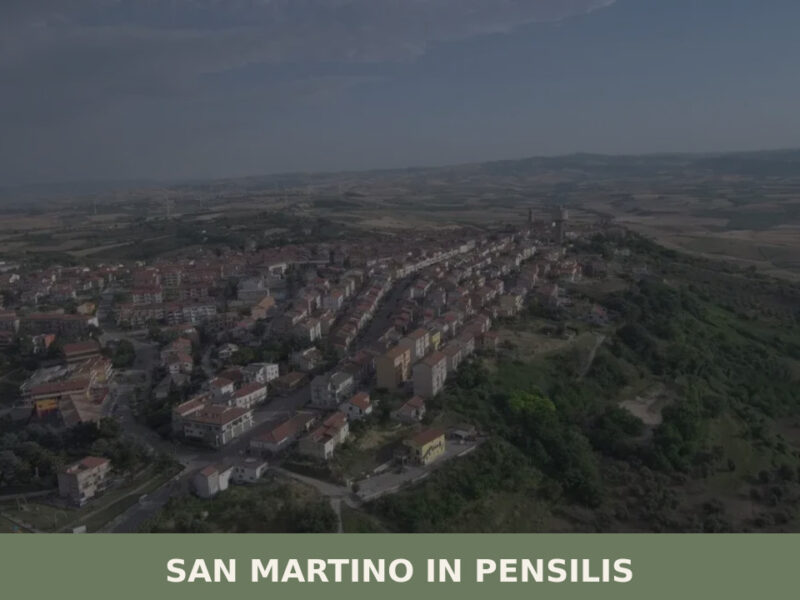
San Martino in Pensilis
Hills
Morning light catches the pale stone of a church bell tower, and below it, the long main street empties into a piazza where a handful of men stand with espresso cups, talking over one another. San Martino in Pensilis sits at 281 metres above sea level in the province of Campobasso, a settlement of roughly […]
Duronia
Mountain
390 residents, 864 metres altitude, and a natural rock formation declared a regional monument — Duronia offers Samnite ruins, medieval stone and an ancient drovers' route.




🏡 Know Bojano better than we do?
If you’re a local or have been there, your knowledge matters: add what’s missing or fix a detail on this page.