


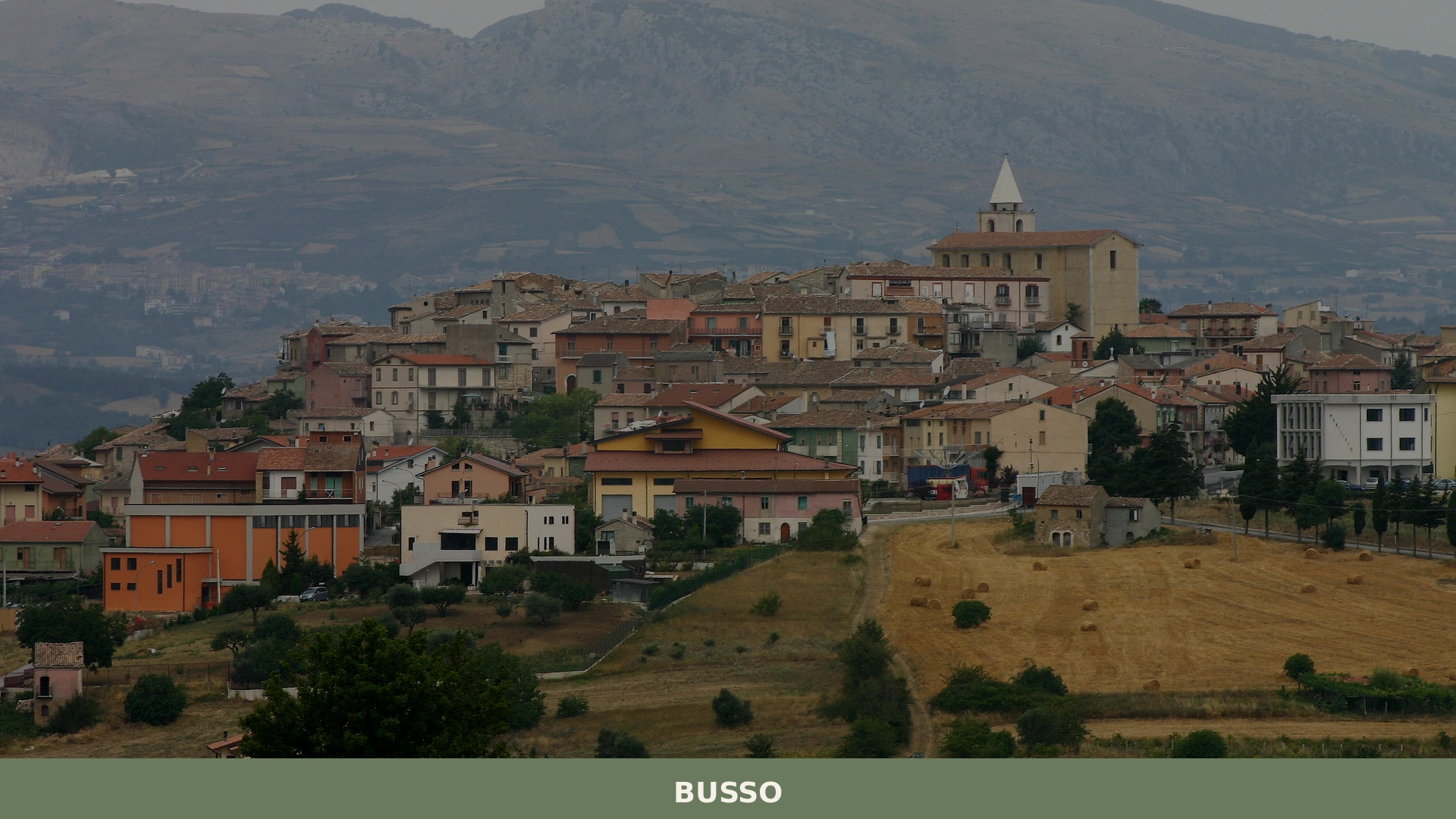

What to see in Busso, Molise, Italy: explore 5 top attractions 10 km from Campobasso. Discover local food, festivals and how to get there. Complete travel guide.
Discover Busso
The road west out of Campobasso drops into a landscape of ridgelines and cultivated slopes before the houses of Busso come into view, grouped against the hillside at roughly 10 kilometres (6.2 mi) from the provincial capital. The municipality borders seven neighbouring communities — Baranello, Campobasso, Casalciprano, Castropignano, Oratino, Spinete, and Vinchiaturo — forming a compact territorial unit within the interior of Molise that most travellers pass without stopping.
Deciding what to see in Busso rewards those who do stop: the village sits inside the Province of Campobasso in the Italian region of Molise, and within a short drive visitors can reach the historic centre, the surrounding valley terrain, and a set of religious and civic structures that document the settlement’s long continuity.
What to see in Busso begins, practically speaking, with its built fabric and the agricultural landscape that frames it on every side. Visitors to Busso find a compact comune where distances are walkable and the relationship between the built environment and the surrounding countryside is immediate and legible.
History of Busso
The settlement of Busso occupies a position that reflects a pattern common across the interior of the Province of Campobasso: a hilltop or hillside location chosen for defensibility and proximity to cultivable land, at an elevation that keeps the worst of the summer heat at bay while remaining accessible along valley routes. The name Busso itself does not carry a documented medieval etymology in the available sources, but the morphology of the site — the tight grouping of structures, the orientation of the older streets — points to an origin rooted in the patterns of medieval rural settlement that characterised much of the Molise interior during the early centuries of the second millennium.
Molise as a region has a layered administrative history. For much of the modern period it formed part of the former region of Abruzzo e Molise before becoming an autonomous region in 1963.
Busso, as a comune (the base unit of Italian local government, equivalent to a municipality), has functioned within the Province of Campobasso throughout the post-unification period. Its position relative to Campobasso — approximately 10 kilometres (6.2 mi) to the west — meant that it sat close enough to the provincial capital to be drawn into its administrative orbit, yet far enough to maintain a distinct rural identity grounded in agriculture and local craft. Communities to the north and east, such as Cercemaggiore, share a comparable pattern of hilltop development and proximity to Campobasso that shaped their historical trajectories in similar ways.
The twentieth century brought the demographic pressures that affected virtually every small municipality across the Molise interior: emigration toward the cities and, for many families, toward northern Italy, northern Europe, and the Americas. The post-war decades saw a contraction in the resident population, a shift away from subsistence agriculture, and the gradual consolidation of services in larger centres.
Busso navigated these changes as a comune within a region that only gained full autonomous status in 1963, meaning that its institutions were shaped partly by the broader administrative reorganisation of the Italian state during the Republican period. The village today functions as a working municipality, with its own elected council and a civic life that continues to organise around the rhythms of the agricultural year and the calendar of religious observance.
What to see in Busso, Molise: top attractions
The Historic Village Centre
The oldest part of Busso occupies the upper section of the hillside, where the street pattern narrows and the building lines follow the contours of the terrain rather than any planned grid. Stone construction dominates: the external walls of older houses show courses of local material laid without the regularity of urban masonry, and several doorways retain carved stone surrounds that date the structures to the early modern period. Walking through the centre takes no more than twenty or thirty minutes at a measured pace, but the changes in elevation — the site rises visibly as you move uphill — give a clear sense of how the settlement was layered over time.
The best light for observing the stonework falls in the morning, before the sun moves behind the western ridge.
Parish Church of the Village
Religious architecture in small Molise municipalities typically centres on a single parish church that has served as the focal point of civic and devotional life for several centuries. In Busso, the parish structure reflects this pattern: a church building positioned to be visible from the main approach routes into the village, with a facade oriented toward the open space that functions as the village’s principal gathering point. The interior follows the layout common to rural churches of the Campobasso province, with nave, side chapels, and a decorative programme that accumulated across different periods of building and renovation. The church calendar continues to organise local public life, particularly around the feast of the patron saint, which draws residents back to the village each year.
The Surrounding Agricultural Landscape
Busso borders seven municipalities, and the territory of the comune extends across a terrain of cultivated slopes, small woodlands, and the kind of mixed-use countryside that characterises the interior of Molise at altitudes between 500 and 700 metres (1,640 and 2,297 feet) above sea level. The visual field from the higher parts of the village extends across ridgelines toward Campobasso, visible to the east at a distance of roughly 10 kilometres (6.2 mi).
Cereal crops, pasture, and kitchen gardens occupy the flatter sections of the territory, while the steeper slopes carry scrub and secondary woodland. For visitors arriving from urban centres, the scale of the landscape — its relative quietness, the absence of intensive industrial agriculture — is the most immediately striking feature.
Road Connections and Views Toward Neighbouring Municipalities
The road network linking Busso to its seven bordering municipalities — Baranello, Campobasso, Casalciprano, Castropignano, Oratino, Spinete, and Vinchiaturo — passes through a sequence of viewpoints where the topography of the Molise interior becomes fully readable. At several points along the road toward Castropignano, the valley below opens to reveal a depth of landscape that the village itself, set against the hillside, does not prepare you for.
These road corridors also mark the practical limits of a day spent exploring Busso and its immediate surroundings: a circuit of the village and a drive to two or three neighbouring comuni can be completed in half a day, leaving time to return to Campobasso or continue toward Bonefro, a village in the Molise interior that sits further east within the same province.
The Cemetery and Civic Monuments
Italian municipal cemeteries of the nineteenth and twentieth centuries function as readable archives of local demographic history, and Busso’s is no exception. The family names on the burial monuments — repeated across generations, visible in the inscriptions on chapels and individual graves — document the relatively closed character of a rural community where the same families occupied the same land across multiple generations.
The civic monuments in the village itself, including any war memorials dating from the First and Second World Wars, follow a pattern common to every Italian comune: a marble or stone tablet, a list of names, a location in or near the main public square. These structures are worth examining closely, as the surnames they record often connect directly to families still present in the community.
Local food and typical products of Busso
The food culture of the Busso area is rooted in the agricultural economy of the Molise interior, where the combination of cereal farming, sheep and goat pastoralism, and domestic pig-keeping produced a cuisine built around preserved meats, hard cheeses, and pasta formats shaped by hand.
The region sits at the junction of influences from the Adriatic coast to the east and the Apennine interior to the west, and this position is reflected in a culinary tradition that favours robust flavours and techniques designed for preservation — drying, salting, smoking — over the kind of delicate preparations associated with urban cooking. The altitude and the relatively cool climate of the inland villages encouraged the keeping of cellars and the production of cured goods that could sustain a family through the winter months.
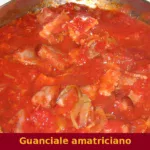
Among the pasta formats most closely associated with the Molise interior, cavatelli — short, ridged pasta pieces rolled by hand from a simple dough of semolina and water — appear on tables throughout the province of Campobasso, typically dressed with a slow-cooked ragù of pork or lamb, or more simply with a fresh tomato sauce and a grating of aged sheep’s milk cheese.
Lagane e ceci, a flat, wide pasta served with chickpeas cooked down into a thick sauce with olive oil and rosemary, is another preparation found across the Molise interior, historically associated with the leaner months of the agricultural calendar when meat was scarce. Pork-based cured meats — including soppressata, a coarsely ground salami seasoned with black pepper and sometimes dried chilli, and capocollo, a cured cut from the neck and shoulder — are produced in many households and small farms across the municipalities bordering Busso.
The cheese tradition of the area centres on sheep’s milk and mixed-milk varieties. Pecorino produced in the province of Campobasso is typically aged for a minimum of sixty days, developing a firm paste with a slightly granular texture and a flavour that sharpens with extended ageing. Younger versions, sold as fresco (fresh), have a softer paste and a milder, milky character.
Neither the pecorino nor the cured meats of the immediate Busso area carry a certified designation of origin (DOP or IGP) specific to the village, but they are part of a broader Molise production tradition that has been documented by regional food authorities. Visitors looking to purchase these products directly should inquire at the village’s small shops or at farms in the surrounding territory.
The rhythm of food production in the area remains tied to the seasons in ways that are increasingly rare in other parts of Italy. Autumn is the period of pig slaughter — the macellazione — when families gather to process the animal and prepare the cured products that will last through winter. Spring brings the first fresh cheeses, made from the milk of sheep and goats turned out to pasture on the new growth. For visitors planning a trip with food in mind, the autumn and early spring periods offer the best chance of encountering these products at their freshest and most varied.
Festivals, events and traditions of Busso
Like every municipality in the Province of Campobasso, Busso organises its public calendar around the feast of its patron saint.
The exact date of this celebration follows the liturgical calendar assigned to the patron, and the format of the event — a morning Mass, a procession through the village streets carrying the statue of the saint, an outdoor gathering in the afternoon — is consistent with the pattern found across rural Molise. Bands of musicians typically accompany the procession, and the evening often concludes with fireworks visible across the surrounding valley. The feast day draws former residents back to the village and provides one of the few occasions in the year when the public spaces of the historic centre are filled to capacity.
Beyond the patron saint’s feast, the agricultural calendar structures a series of smaller communal gatherings tied to the seasons of planting and harvest. The autumn period, in particular, carries a social density rooted in the practical work of preparing for winter: the grape harvest where vineyards exist, the olive pressing in November, and the pig processing that marks the shift into the coldest months.
These are not formalised tourist events but working practices that carry a social dimension, and visitors present in the village during October and November are likely to encounter them in some form. The broader Molise region also organises a number of sagre — traditional food festivals built around a single local product — during the late summer and autumn months, and the villages immediately bordering Busso participate in this circuit.
When to visit Busso, Italy and how to get there
The best period to visit Busso is between late spring and early autumn, specifically from May through September. During these months the temperatures at the village’s inland elevation remain moderate — cooler than the Adriatic coast to the east — and the landscape is at its most visually varied, with the combination of cereal crops, woodland, and pasture producing a sequence of different greens and yellows across the hillsides.
August carries the added advantage of the patron saint’s feast and associated events, though it also coincides with the peak of Italian domestic tourism. For visitors whose primary interest is in the food traditions of the area, late October through November — the season of cured meat preparation and olive pressing — offers a different kind of engagement with the village, though accommodation options in the area are limited and advance planning is essential.
Busso sits approximately 10 kilometres (6.2 mi) west of Campobasso, and the most practical way to reach it is by car. From Campobasso, the drive takes roughly fifteen minutes along provincial roads. From Rome, the journey by car covers approximately 230 kilometres (143 mi) and takes around two and a half hours via the A1 motorway toward Naples and then the A24/A25 corridor toward the Molise interior, or alternatively via the SS17 from the south.
Campobasso itself is served by regional rail connections via Trenitalia, with services connecting to Naples and the broader national network; from Campobasso station, a taxi or hired car is the most reliable option for covering the final 10 kilometres (6.2 mi) to Busso, as local public transport between the two centres is limited. The nearest airport with regular national and international connections is Naples Capodichino, approximately 170 kilometres (106 mi) to the south, from which Campobasso is reachable in around two hours by car. International visitors should be aware that English is not widely spoken in smaller village shops and services, and carrying cash in Euros is advisable, as card payment terminals are not universally available in rural Molise.
A day trip from Campobasso to Busso is entirely practical and can be combined with stops at neighbouring municipalities. The village of Tavenna, situated further in the Molise interior, represents the kind of extension that turns a half-day excursion into a fuller circuit of the province’s smaller centres.
Visitors with more time in the region might also consider the regional capital of Isernia, which lies to the west and offers a broader range of accommodation and services alongside its own historic sites, making it a convenient base for exploring multiple villages across the Molise interior over two or three days.
Frequently asked questions about Busso
What is the best time to visit Busso?
The ideal time to visit Busso is during the warmer months, particularly late spring (May-June) and early autumn (September-October) for pleasant temperatures suitable for exploring the historic centre and surrounding agricultural landscape. Summer, especially August, offers the opportunity to experience the village's vibrant civic life during the feast of San Lorenzo Martire on August 10th. Thanks to its altitude of 756 meters, Busso provides a refreshing escape from the intense summer heat often found in lower areas of Molise.
What to see in Busso? Main monuments and landmarks
In Busso, visitors can explore the compact Historic Village Centre, characterized by its ancient stone construction and narrow streets that follow the terrain's contours. A highlight is the Parish Church of the Village, the centuries-old focal point of local life, prominently visible from the main approaches and featuring a facade oriented towards the principal gathering space. Additionally, the municipal Cemetery offers a unique glimpse into the village's demographic history through its family monuments, while civic memorials in the main square commemorate local figures.
What are the main natural or scenic attractions of Busso?
Busso's primary natural and scenic attractions lie in its Surrounding Agricultural Landscape. Visitors can enjoy the quiet, mixed-use countryside of cultivated slopes and small woodlands, offering a striking contrast to urban environments. The road network connecting Busso to its neighboring municipalities, such as Castropignano, provides numerous viewpoints where the Molise interior's topography unfolds, revealing expansive valley landscapes and picturesque ridgelines. These routes are perfect for scenic drives, showcasing the region's serene beauty.
Where to take the best photos in Busso?
For captivating photographs in Busso, the Historic Village Centre is ideal, particularly in the morning when the light best illuminates the ancient stone buildings and narrow streets. The elevated position of the village offers unique perspectives of its layered history. Additionally, the road corridors linking Busso to its bordering municipalities, especially towards Castropignano, provide panoramic viewpoints where the vast agricultural landscape and ridgelines of the Molise interior become fully readable, perfect for sweeping scenic shots.
Are there museums, churches or historic buildings to visit in Busso?
Yes, Busso offers significant historic buildings to visit. The Parish Church of the Village stands as the central religious and civic landmark, reflecting centuries of local life with its traditional layout and decorative elements. The entire Historic Village Centre is essentially an open-air museum, showcasing ancient stone houses, carved doorways from the early modern period, and a street pattern that traces the settlement's medieval origins. There are no dedicated museums mentioned for Busso.
What can you do in Busso? Activities and experiences
In Busso, visitors can enjoy leisurely walks through the Historic Village Centre, discovering its ancient stone architecture and charming streets. Exploring the surrounding agricultural landscape offers a peaceful experience amidst cultivated slopes and woodlands. Scenic drives along the road network connecting to neighboring municipalities provide breathtaking panoramic views of the Molise interior. During the patron saint's feast on August 10th, you can immerse yourself in local traditions. Additionally, indulging in the authentic local food culture, with its traditional pasta and cured meats, is a must-do experience.
Who is Busso suitable for? Families, couples, hikers, solo travelers?
Busso is ideal for travelers seeking an authentic, tranquil Italian village experience away from mass tourism. It appeals to couples looking for a serene escape, solo travelers seeking quiet reflection, and families who appreciate walkable historic centers and safe, natural surroundings. Its agricultural landscape and scenic drives are perfect for those interested in gentle exploration and photography. Food enthusiasts will also appreciate the robust local cuisine. The village is particularly welcoming to visitors keen on experiencing traditional Molise culture and its unhurried pace of life.
What to eat in Busso? Local products and specialties
The local cuisine of Busso, deeply rooted in the Molise interior's agricultural traditions, features robust flavors and time-honored preservation techniques. Must-try specialties include cavatelli, a hand-rolled ridged pasta typically served with slow-cooked pork or lamb ragù, or a simple fresh tomato sauce and aged sheep's milk cheese. Another traditional dish is Lagane e ceci, a wide pasta with a thick chickpea sauce, olive oil, and rosemary. Don't miss the excellent pork-based cured meats, such as soppressata, a seasoned salami, and capocollo, a flavorful cured cut from the neck and shoulder.
📷 Photo Gallery — Busso
Nearby Villages near Busso
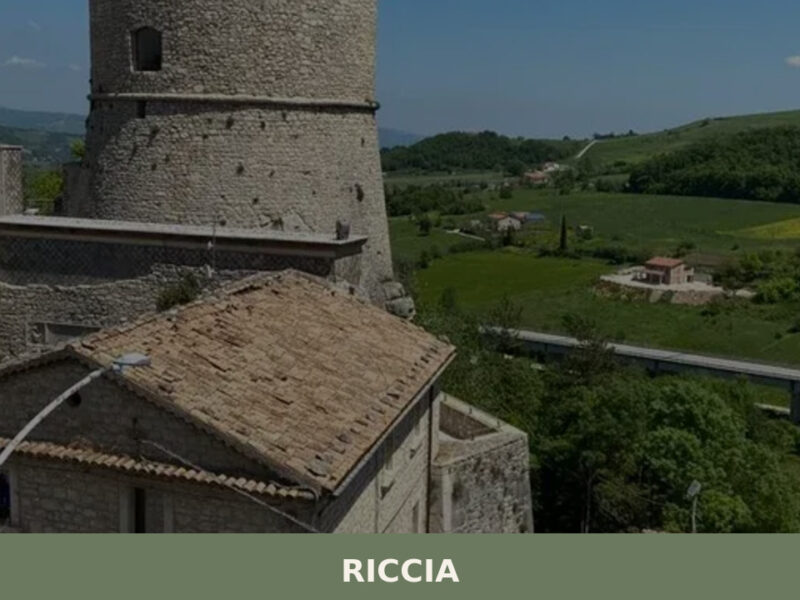
In Molise More villages to discover
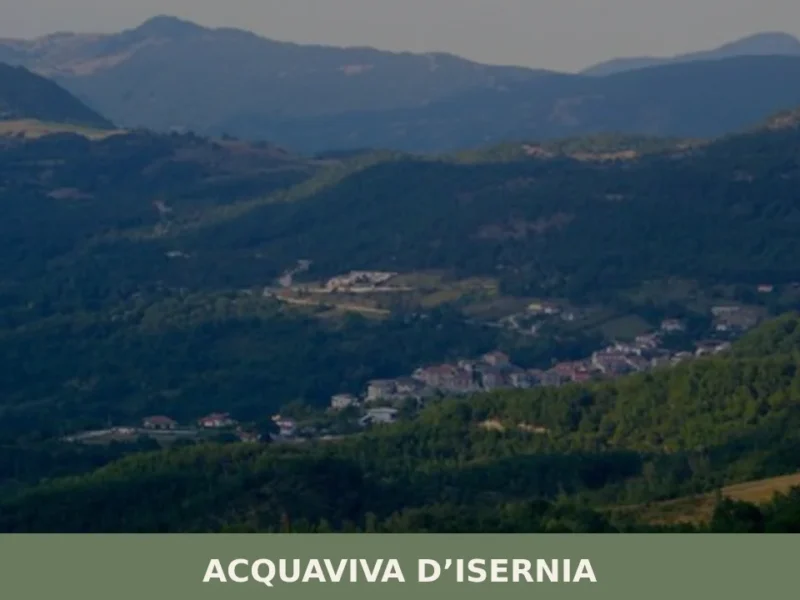
Acquaviva d’Isernia
 Mountain
Discover what to see in Acquaviva d'Isernia: history, food, best time to visit, and how to reach this small Molise village in the Isernia uplands.
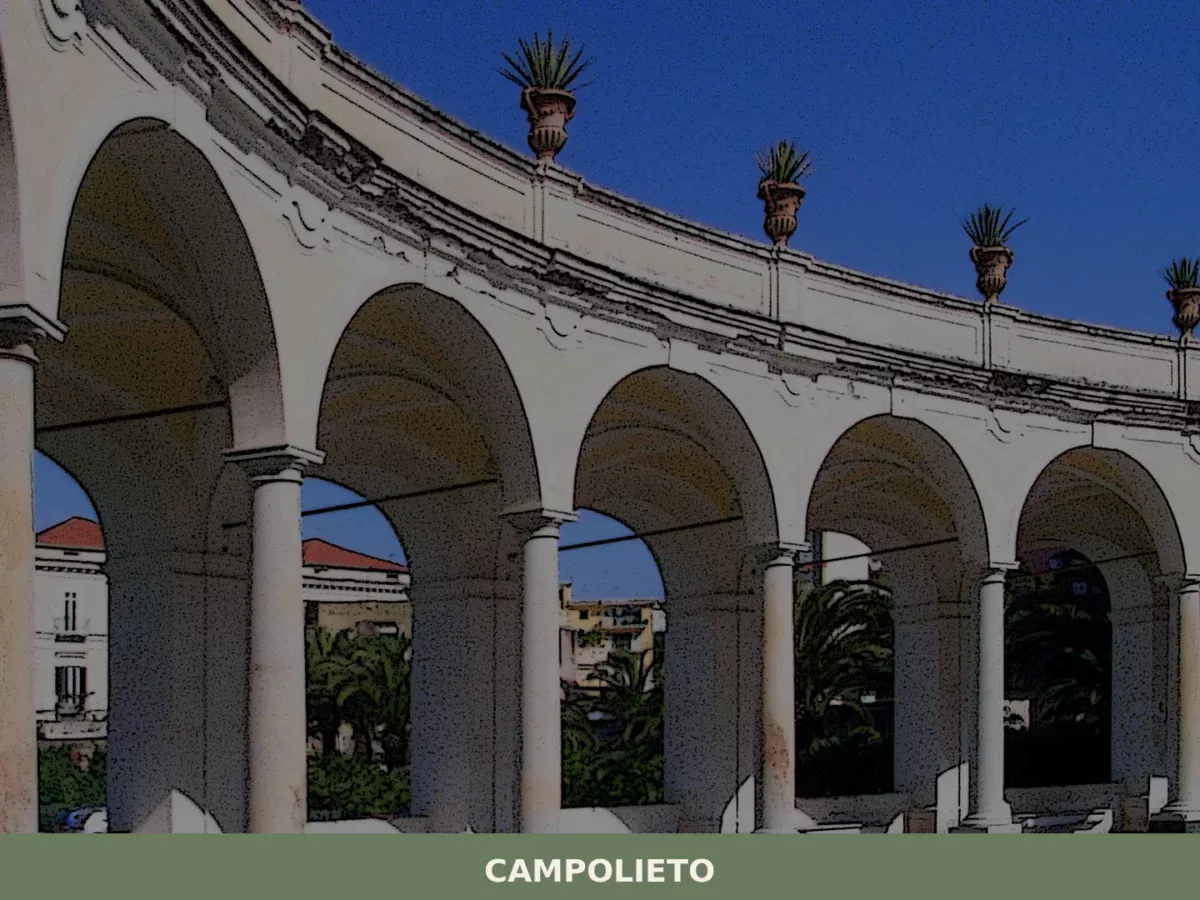
Campolieto
Mountain
What to see in Campolieto, Italy: 11 km from Campobasso, explore the historic centre, local cuisine and festivals. Discover this Molise village now.
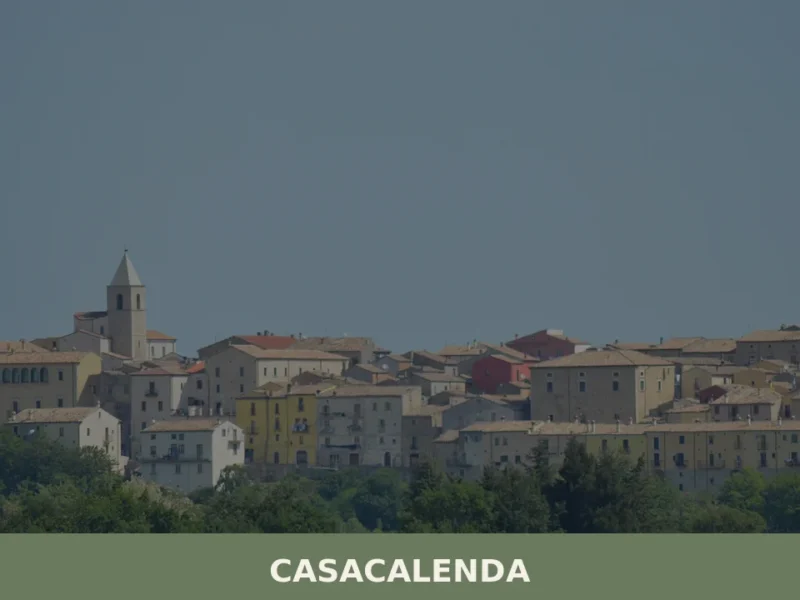
Casacalenda
Mountain
Morning light hits the limestone facades along Corso Roma and the sound is not silence but something close — a dog barking two streets away, the clatter of a shutter being folded back, the low idle of a Fiat Panda parked outside the only bar open before eight. Casacalenda sits at 631 metres above sea […]
Frosolone
Mountain
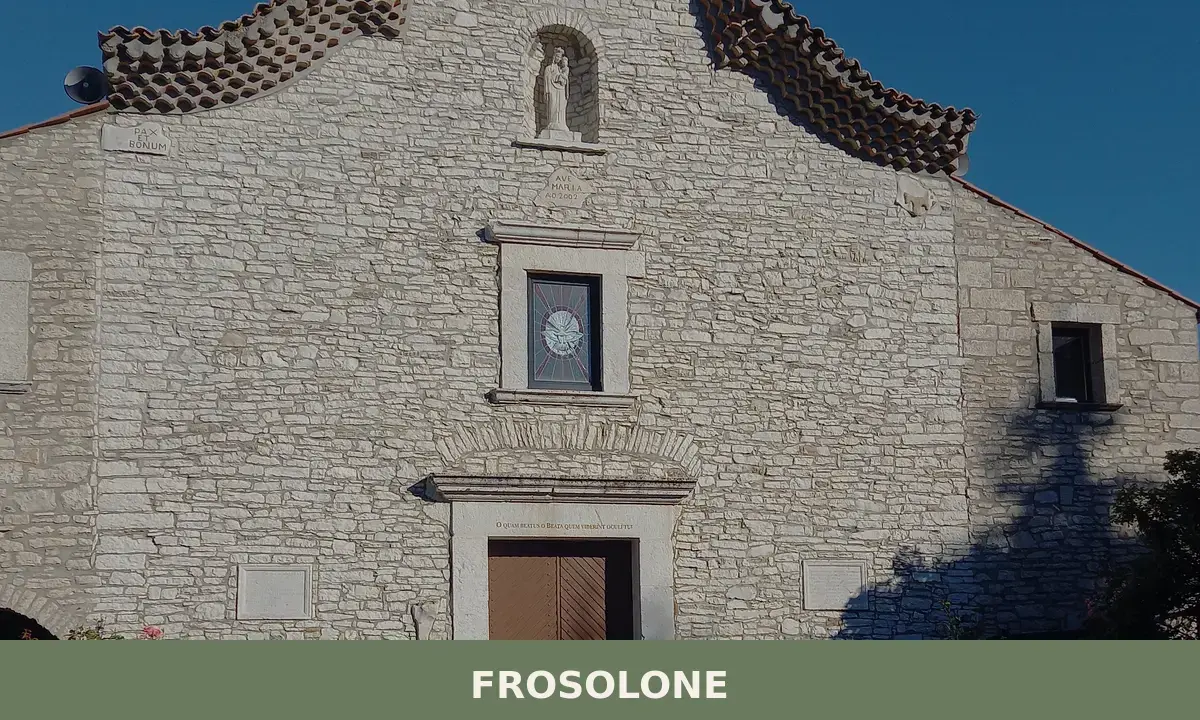
Frosolone is a mountain comune of 2,745 residents in Isernia province, Molise, renowned for its historic blade-making tradition and a hilltop old town with Samnite and medieval remains.
Campodipietra
 Hills
Hills
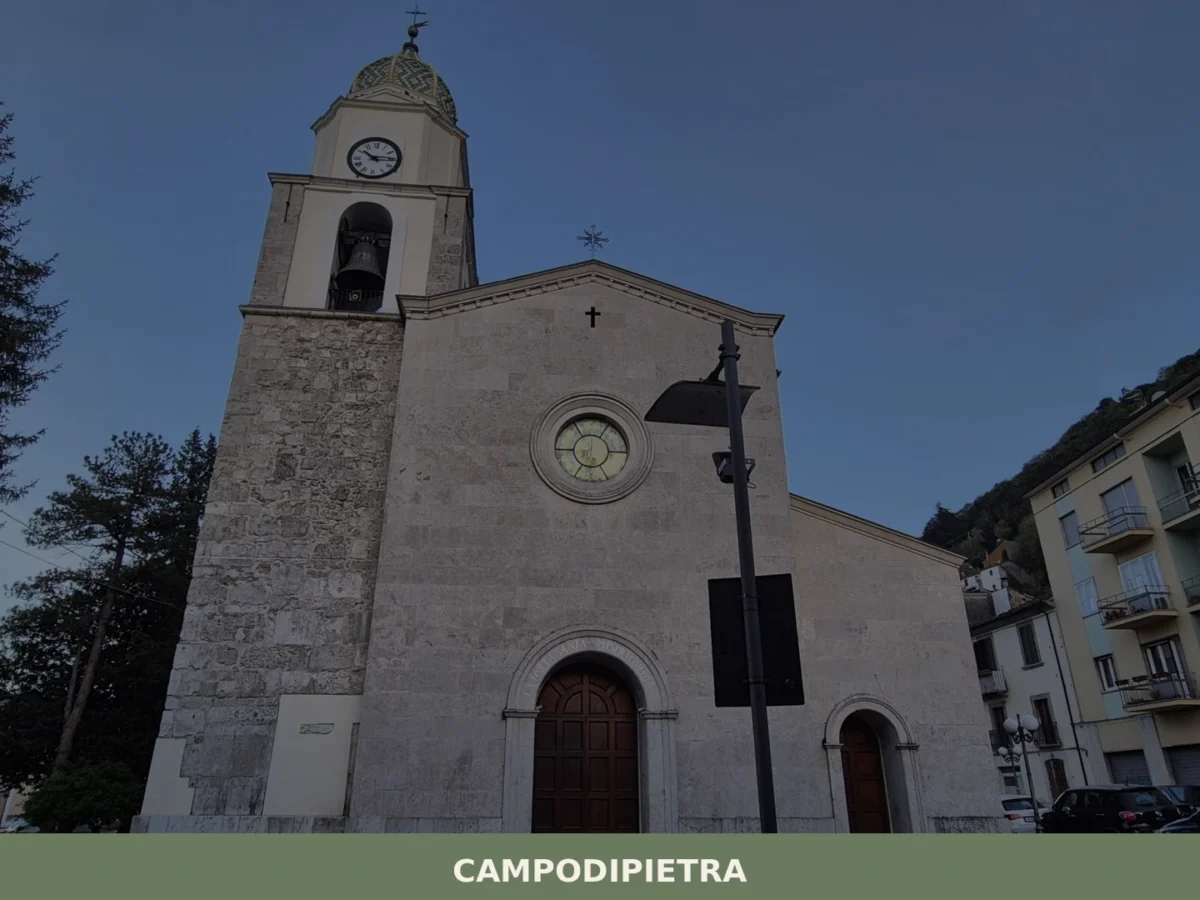
What to see in Campodipietra, Italy: 7 km from Campobasso, discover the 13th-century church of San Martino, medieval walls, and local Molise food traditions. Explore now.
Molise
Mountain
Molise is Italy's youngest and least-visited region. From Samnite theatres to Adriatic fishing towns, here is what to see in Molise.
Guglionesi
Hills
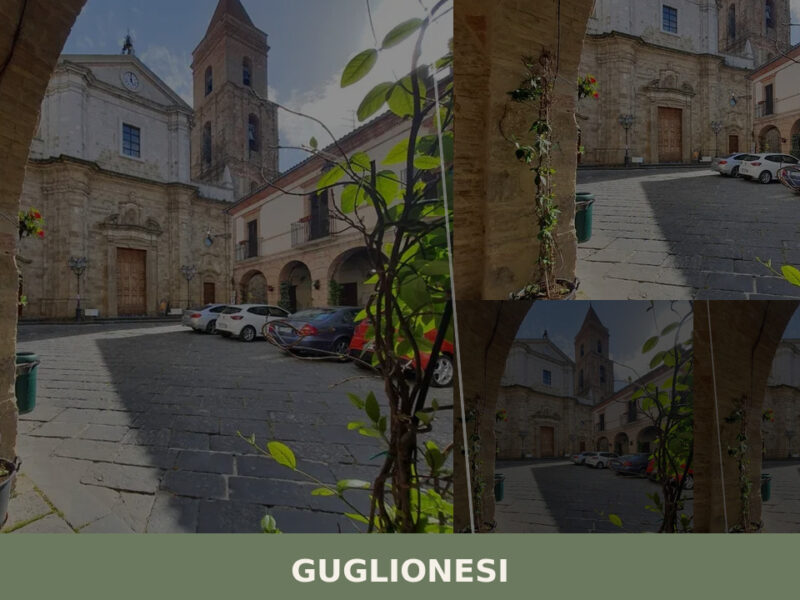
A hill town of nearly five thousand people in Campobasso province, Guglionesi offers Romanesque churches, Samnite archaeological traces, and wide Adriatic views across the Biferno valley.
Belmonte del Sannio
Mountain
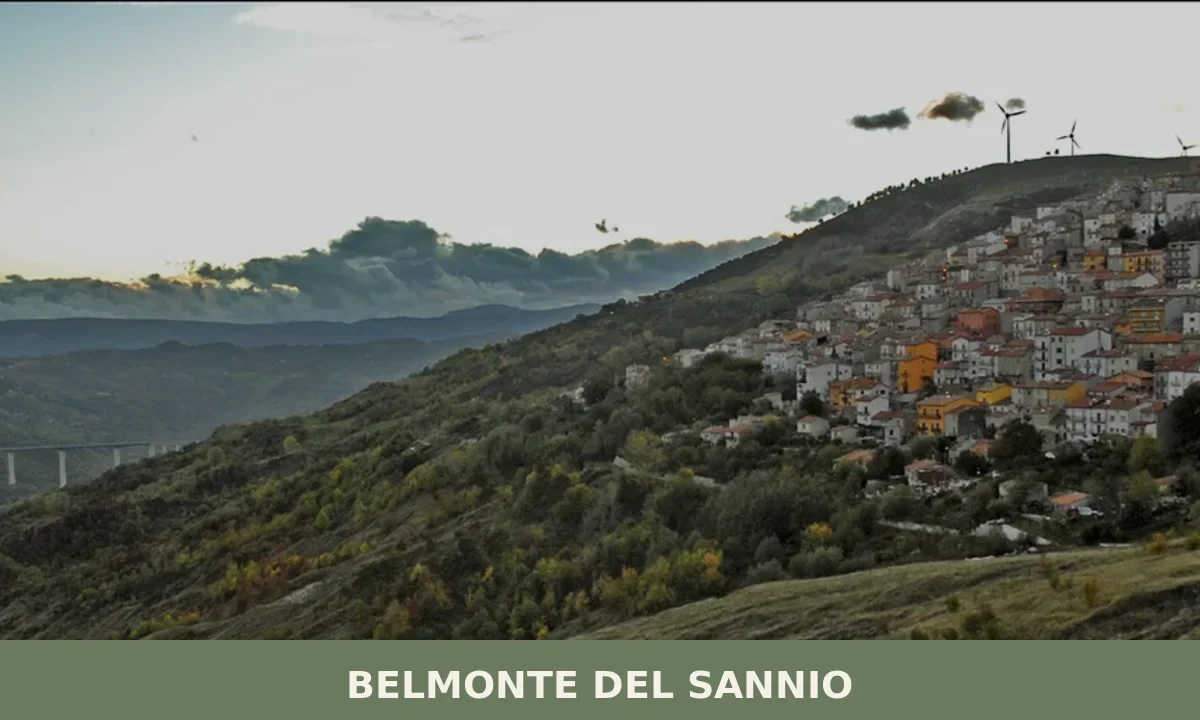
A 610-inhabitant mountain community where Sannite fortifications meet medieval stone architecture. At 864 metres altitude, where ancient warfare and feudal domains left their mark.
Duronia
Mountain
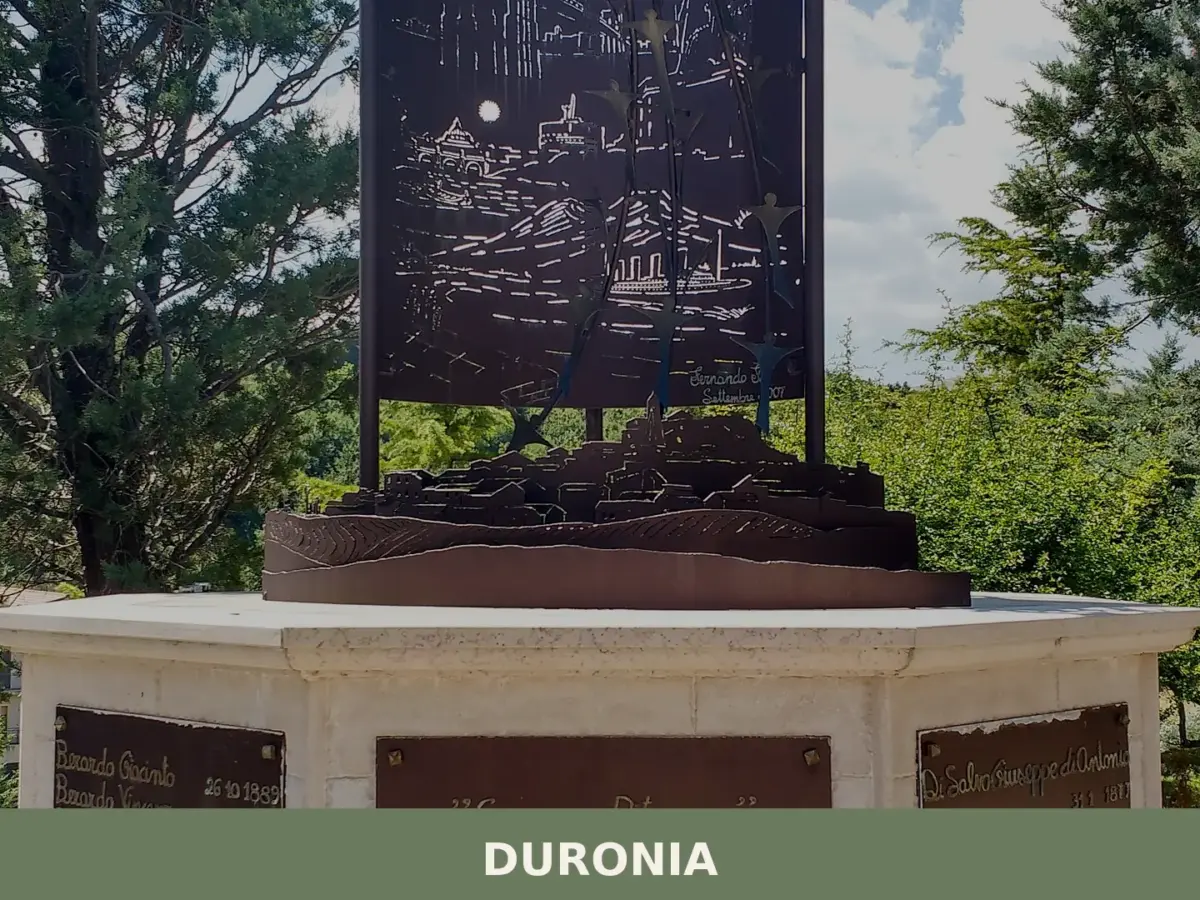
390 residents, 864 metres altitude, and a natural rock formation declared a regional monument — Duronia offers Samnite ruins, medieval stone and an ancient drovers' route.
San Martino in Pensilis
Hills
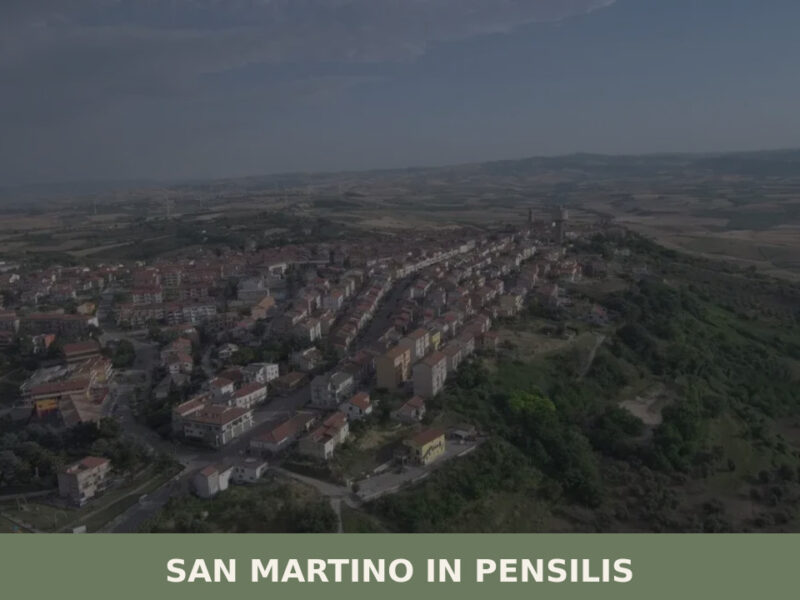
Morning light catches the pale stone of a church bell tower, and below it, the long main street empties into a piazza where a handful of men stand with espresso cups, talking over one another. San Martino in Pensilis sits at 281 metres above sea level in the province of Campobasso, a settlement of roughly […]



🏡 Know Busso better than we do?
If you’re a local or have been there, your knowledge matters: add what’s missing or fix a detail on this page.