


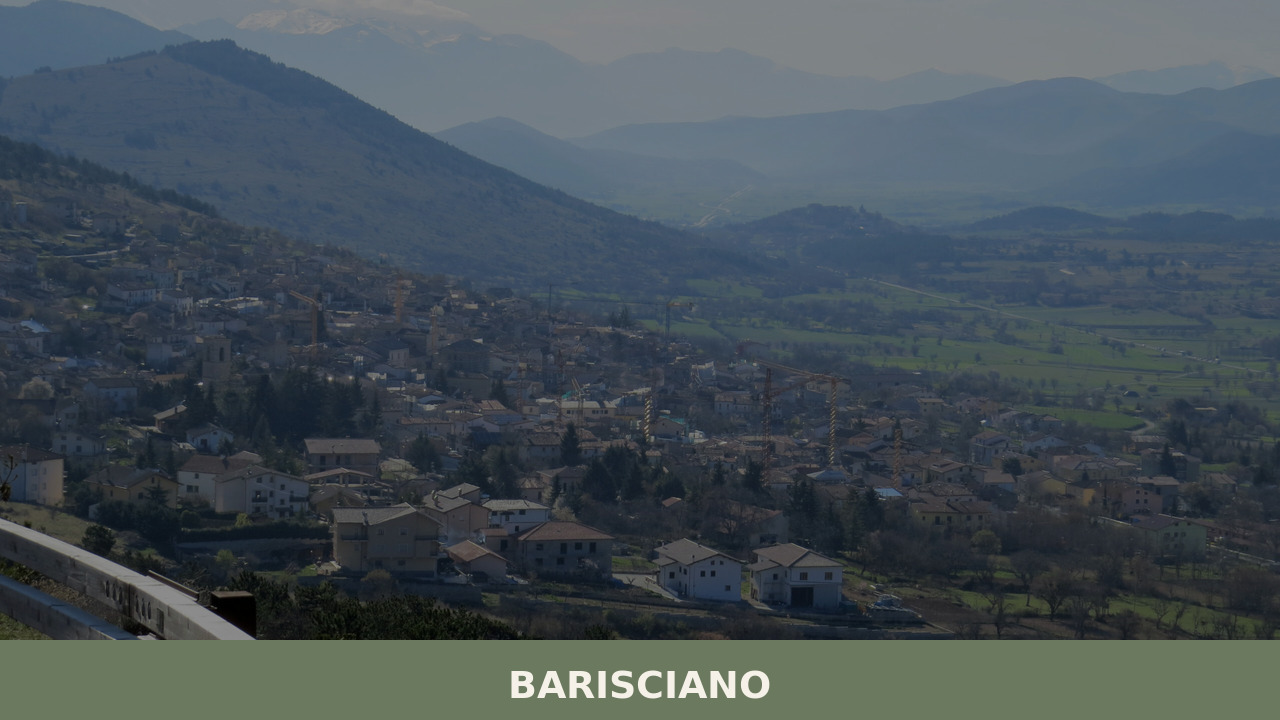
Barisciano
 Mountain
A high-altitude village on the Piana di Navelli, Barisciano holds Roman ruins, Franciscan cloisters, and centuries of Abruzzo history written in stone.
Discover Barisciano
Morning light catches the limestone walls of the old quarter, turning them the colour of warm sand. A church bell — San Flaviano’s — marks the hour, its sound carrying across the high plain below. At 940 metres above sea level, the air is thin and clean, with the scent of woodsmoke even in late spring. Barisciano sits on the northwestern slopes of the Gran Sasso massif, a village of 1,659 people in the province of L’Aquila that reveals its layers slowly. Understanding what to see in Barisciano means reading centuries of Abruzzo history written in stone, fresco, and Roman engineering.
History of Barisciano
The origins of Barisciano reach back to pre-Roman times, when the Vestini — an Italic people who inhabited the inland valleys of central Abruzzo — settled the fertile plain known today as the Piana di Navelli. Roman colonisation brought infrastructure: a bridge that still stands, roads that connected the settlement to the broader network of Italic commerce. The name itself likely derives from a Lombard personal name, “Bariscius” or “Bariscianus,” reflecting the waves of Germanic influence that reshaped Abruzzo’s hilltop communities after the fall of the Western Empire.
During the medieval period, Barisciano became a fortified settlement under the feudal lordship of families tied to the Angevin and later Aragonese crowns. A castle — now in ruins — crowned the ridge above the village, its watchtower commanding views across the entire high plain toward the Gran Sasso. The village was one of several communities that contributed to the founding of the city of L’Aquila in the 13th century, a collective act of urban creation in which dozens of surrounding castelli each built a church and a quarter in the new city. This act bound Barisciano’s fate to L’Aquila’s for centuries.
Earthquakes have shaped and reshaped the built environment here with brutal regularity. The 1703 earthquake devastated much of the province, and the 2009 L’Aquila earthquake — with its epicentre only kilometres away — caused significant damage to Barisciano’s churches and historic structures. Restoration work has been ongoing, a slow and painstaking process of reclaiming what the earth takes back.
What to see in Barisciano: 5 must-visit attractions
1. Convento di San Colombo
Set apart from the village centre, the Franciscan convent of San Colombo dates to the 15th century. Its cloister, with a simple loggia of rounded arches, retains an atmosphere of monastic quiet. The church interior holds traces of frescoes that survived earthquake damage, and the complex stands as one of the most complete examples of Franciscan architecture in the province of L’Aquila. Restoration has stabilised the structure after 2009.
2. Chiesa di San Flaviano
The parish church of San Flaviano anchors the village’s religious life. Its stone façade, plain and unadorned in the Abruzzese Romanesque tradition, gives way to an interior reworked over several centuries. The bell tower — visible from nearly every approach to the village — serves as Barisciano’s most recognisable vertical landmark. Dedicated to a 5th-century bishop, the church reflects the deep Christian roots of this mountain community.
3. The Roman Bridge (Ponte Romano)
Below the village, a single-arch Roman bridge spans a small watercourse — a reminder that Barisciano sat along routes connecting the interior Apennine valleys. Built with dressed stone blocks fitted without mortar in the classic Roman manner, the bridge has survived nearly two millennia of floods and earthquakes. It is modest in scale but precise in its engineering, and it remains one of the clearest Roman-era structures in the immediate area around L’Aquila.
4. Chiesa della Santissima Trinità
Positioned along one of the village’s older lanes, the Church of the Holy Trinity presents a restrained façade of local stone. The interior, modified during the Baroque period, contains altarpieces and stucco work characteristic of 17th- and 18th-century Abruzzese craftsmanship. The church has undergone structural consolidation following seismic damage, and its continued presence speaks to the community’s commitment to preserving its religious heritage.
5. The Castle Ruins and Hilltop Viewpoint
The remains of the medieval castle — walls, fragments of a tower — occupy the highest point above Barisciano. Little of the original structure survives in a legible state, but the location itself justifies the climb. From here, the Piana di Navelli extends to the south, and the Gran Sasso massif fills the eastern horizon. On a clear morning, the geometry of the landscape reveals why this particular ridge was chosen as a defensive site a thousand years ago.
Local food and typical products
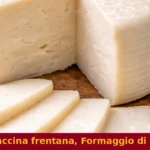
Barisciano lies at the edge of the Piana di Navelli, a plateau historically associated with the cultivation of saffron — Crocus sativus — which has been grown in this area since at least the 14th century. Navelli saffron carries DOP certification and is harvested by hand each October, with the pistils separated from the flowers in a labour-intensive process passed between generations. It appears in local cooking as a flavouring for risotto, in the traditional sagne e ceci (handmade pasta with chickpeas), and infused into local sweets. The surrounding terrain also produces lentils, sheep’s milk cheeses — particularly pecorino — and cured meats from small-scale livestock farming.
Dining options in Barisciano are limited to a handful of family-run trattorie and agriturismi in the surrounding countryside, where menus follow the season and rely on what the land provides. Arrosticini — small skewers of castrated lamb grilled over a narrow trough of coals — are ubiquitous across Abruzzo and appear at nearly every table here. Bread is still baked in wood-fired ovens in some households, and local wine production, though small, draws on Montepulciano d’Abruzzo grapes grown at lower elevations nearby.
Best time to visit Barisciano
The saffron harvest in late October offers the most distinctive reason to time a visit — the fields turn violet for a few brief weeks, and the village comes alive with the annual festival celebrating the crop. Summer months, from June through September, bring warm days and cool evenings at this altitude, with temperatures rarely exceeding 30°C. This is also the best season for hiking in the Gran Sasso e Monti della Laga National Park, whose boundaries lie a short drive to the east. The village itself is quiet, and visitors who come in midsummer will find it nearly to themselves.
Winters are cold and sometimes harsh, with snowfall common between December and March. The village takes on a stark, photogenic quality under snow, but access roads may require chains. Easter and its associated processions bring a brief burst of communal activity. For those interested in architecture and churches, the shoulder months of April–May and September–October offer the most comfortable walking conditions and the clearest light for photography.
How to get to Barisciano
Barisciano is located approximately 20 kilometres southeast of L’Aquila along the SS17 state road, which crosses the Piana di Navelli. By car from Rome, take the A24 motorway toward L’Aquila, exit at L’Aquila Est, and follow the SS17 in the direction of Navelli — the drive takes roughly 90 minutes in normal traffic, covering about 120 kilometres. From Pescara on the Adriatic coast, the A25 motorway connects to the A24 near the town of Bussi, and the journey takes approximately one hour.
The nearest railway station is in L’Aquila, served by regional trains from Sulmona and, less frequently, from Rome via Tivoli. From L’Aquila station, local bus services operated by TUA Abruzzo connect to Barisciano, though service is infrequent and schedules should be confirmed in advance. The nearest airports are Rome Fiumicino (approximately 150 km) and Pescara Abruzzo Airport (approximately 100 km). A car is strongly recommended for exploring both the village and the wider territory.
More villages to discover in Abruzzo
The interior of Abruzzo holds dozens of small communities where history concentrates in stone and silence. South of Barisciano, deeper into the mountains along the spine of the Apennines, Alfedena guards the upper Sangro valley with its pre-Roman necropolis and medieval walls — a village whose archaeological layers run even deeper than Barisciano’s, reaching into Samnite territory. It makes a compelling day trip for anyone drawn to the ancient Italic civilisations that preceded Rome in these mountains.
To the west, still on the high plains, Aielli has reinvented itself through contemporary murals painted across the walls of its old centre, creating a striking dialogue between medieval architecture and modern art. Together, these three villages — Barisciano, Alfedena, and Aielli — trace an arc through Abruzzo’s interior that covers pre-Roman ruins, medieval fortifications, Renaissance convents, and 21st-century creativity, all set against the same severe and beautiful mountain landscape.
Frequently asked questions about Barisciano
What is the best time to visit Barisciano?
The most distinctive time to visit is late October, when the saffron fields of the nearby Piana di Navelli turn violet and the local harvest festival celebrates the DOP crop. Summer (June–September) offers warm days, cool evenings, and ideal conditions for hiking in the Gran Sasso e Monti della Laga National Park. The shoulder months of April–May and September–October provide the best light for photography and comfortable walking. The feast of the patron saint San Flaviano falls on 25 November, bringing a moment of communal religious life to the village in late autumn.
What are the historical origins of Barisciano?
Barisciano's origins trace back to the pre-Roman Vestini people, who settled the Piana di Navelli. Roman colonisation left lasting infrastructure, including a bridge still standing today. The village name likely derives from the Lombard personal name 'Bariscius', reflecting Germanic influence after the fall of the Western Empire. In the medieval period it was a fortified feudal settlement and notably contributed to the founding of L'Aquila in the 13th century — each surrounding castellum built a church and quarter in the new city. The 1703 and 2009 earthquakes repeatedly reshaped its built heritage.
What to see in Barisciano? Main monuments and landmarks
The five main attractions are: the 15th-century Convento di San Colombo, a Franciscan complex with a frescoed church and arcaded cloister; the parish Chiesa di San Flaviano, with its landmark bell tower; the single-arch Roman bridge (Ponte Romano) below the village, built with dry-fitted dressed stone blocks; the Chiesa della Santissima Trinità, featuring Baroque altarpieces and stucco work; and the medieval castle ruins on the hilltop, which offer panoramic views over the Piana di Navelli and the Gran Sasso massif. Visits to the churches are generally free; confirm access locally as some sites are under ongoing post-2009 restoration.
What are the main natural or scenic attractions near Barisciano?
Barisciano sits on the northwestern slopes of the Gran Sasso massif, with the Gran Sasso e Monti della Laga National Park a short drive to the east — one of central Italy's premier destinations for hiking and mountain scenery. The Piana di Navelli, the high plateau below the village, turns violet with saffron flowers in October. At 940 metres altitude, the surrounding landscape offers open views and clean mountain air year-round. The area is well suited to driving and walking tours combining the high plain with the Apennine foothills.
Where to take the best photos in Barisciano?
The hilltop castle ruins above the village provide the most commanding viewpoint: looking south across the Piana di Navelli and east toward the Gran Sasso massif, the geometry of the landscape is clearest on a crisp morning. The Roman bridge makes a precise architectural subject, best photographed in low-angle light when the dry-stone coursework is in sharp relief. The limestone walls of the old quarter catch warm tones at sunrise. In late October, the saffron fields of the Navelli plain below offer a rare seasonal shot of violet-flowering rows against the mountain backdrop.
Are there museums, churches or historic buildings to visit in Barisciano?
The main religious and historic buildings are the Chiesa di San Flaviano (the parish church with its prominent bell tower), the Chiesa della Santissima Trinità (Baroque interior, local stone façade), and the Convento di San Colombo (15th-century Franciscan convent with cloister and traces of frescoes). The Roman bridge below the village is a rare surviving piece of ancient infrastructure. The medieval castle ruins, though fragmentary, occupy the highest point above the settlement. Several of these structures have undergone consolidation following the 2009 earthquake; opening hours should be confirmed with the local municipality or pro loco before visiting.
What can you do in Barisciano? Activities and experiences
Hiking is the primary outdoor activity, with the Gran Sasso e Monti della Laga National Park accessible a short drive east. The saffron harvest in October offers a rare hands-on agricultural experience in the Piana di Navelli. Food and wine exploration is rewarding: local agriturismi and family-run trattorie serve seasonal menus built around Navelli saffron DOP, arrosticini, pecorino, and handmade pasta. The village's historic core is well suited to slow walking between churches and the castle viewpoint. Visiting during the feast of San Flaviano on 25 November adds a layer of local religious tradition to any stay.
Who is Barisciano suitable for? Families, couples, hikers, solo travellers?
Barisciano suits travellers who prefer quiet, unhurried destinations over tourist-heavy resorts. Hikers and nature lovers will value the proximity to the Gran Sasso e Monti della Laga National Park. Couples and culturally curious visitors will appreciate the layered history — Roman, medieval, Franciscan — concentrated in a compact village. Food enthusiasts will find the saffron harvest season (October) particularly rewarding. Families with older children can explore the castle ruins and Roman bridge comfortably. The village is less suited to those seeking nightlife, beach access, or dense tourist infrastructure; a car is essential for making the most of the wider territory.
What to eat in Barisciano? Local products and specialties
The defining local product is Zafferano dell'Aquila DOP (Navelli saffron), harvested by hand each October from fields on the plain below the village — among the most prized saffron in the world. It flavours local dishes including risotto and sagne e ceci, a traditional handmade pasta with chickpeas. Arrosticini — small lamb skewers grilled over a narrow charcoal trough — are the emblematic street food of Abruzzo and widely available. Pecorino sheep's milk cheese, cured meats from small local farms, and lentils from the mountain terrain round out a table that follows season and altitude closely.
How to get to Barisciano? Distances, motorway exit, nearest train station
By car from Rome (approx. 120 km, 90 min): take the A24 motorway, exit at L'Aquila Est, then follow the SS17 toward Navelli — Barisciano is roughly 20 km southeast of L'Aquila. From Pescara (approx. 100 km, 60 min): take the A25 to its junction with the A24 near Bussi, then continue toward L'Aquila and follow the SS17. The nearest railway station is L'Aquila, served by regional trains from Sulmona and Rome via Tivoli; TUA Abruzzo buses connect L'Aquila to Barisciano, though service is infrequent — confirm schedules in advance. Nearest airports: Rome Fiumicino (150 km) and Pescara (100 km). A car is strongly recommended.
Nearby Villages near Barisciano
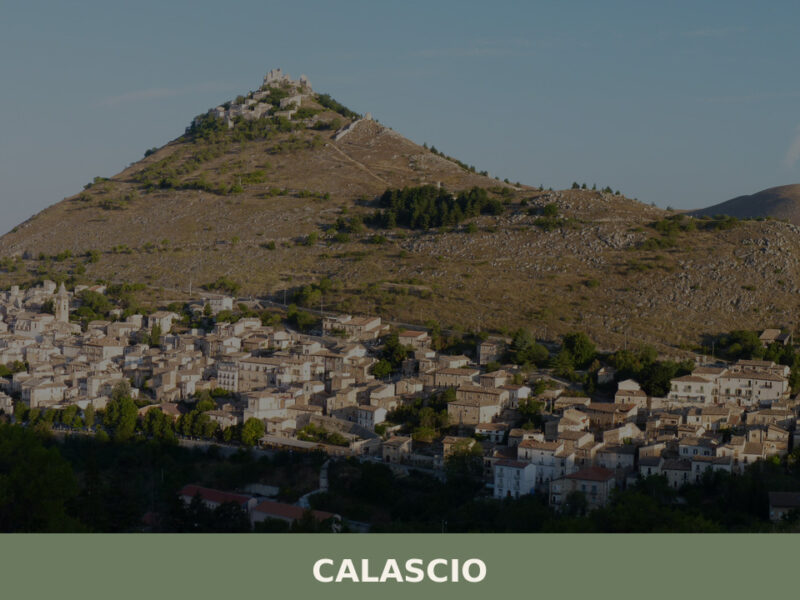
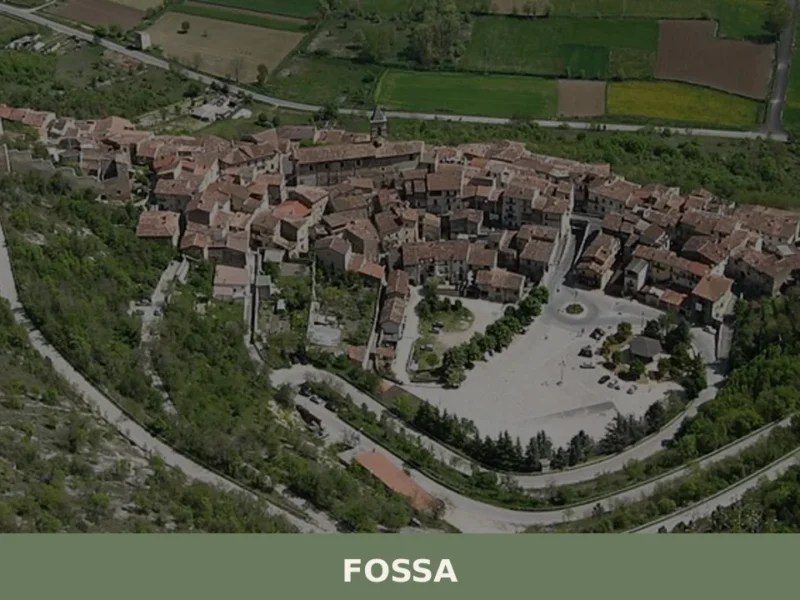
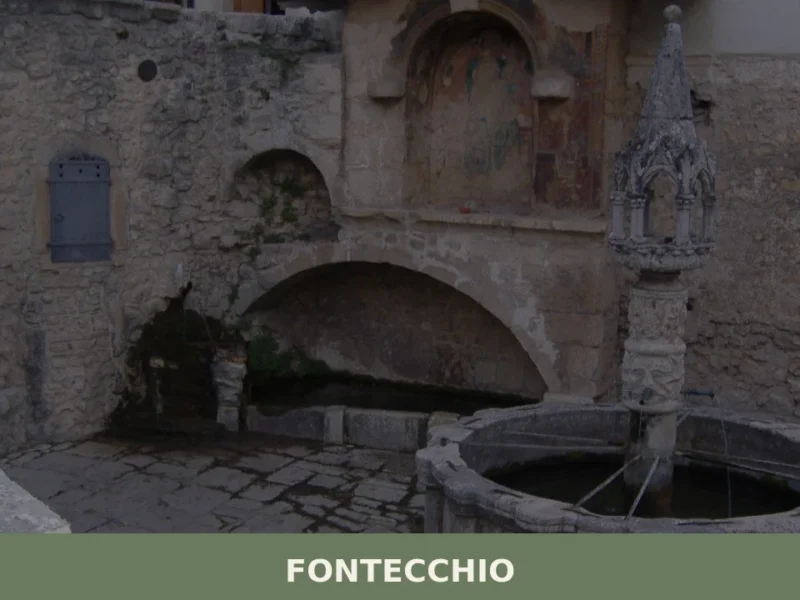
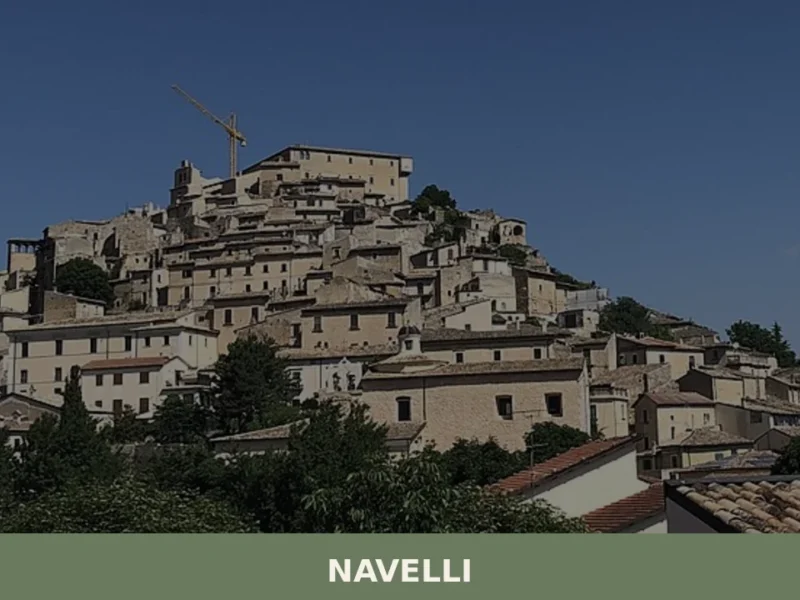
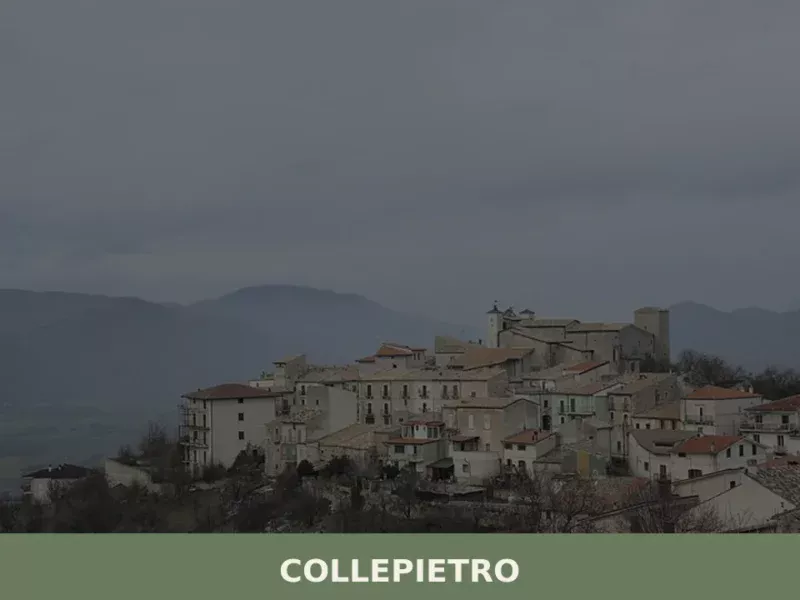
In Abruzzo More villages to discover
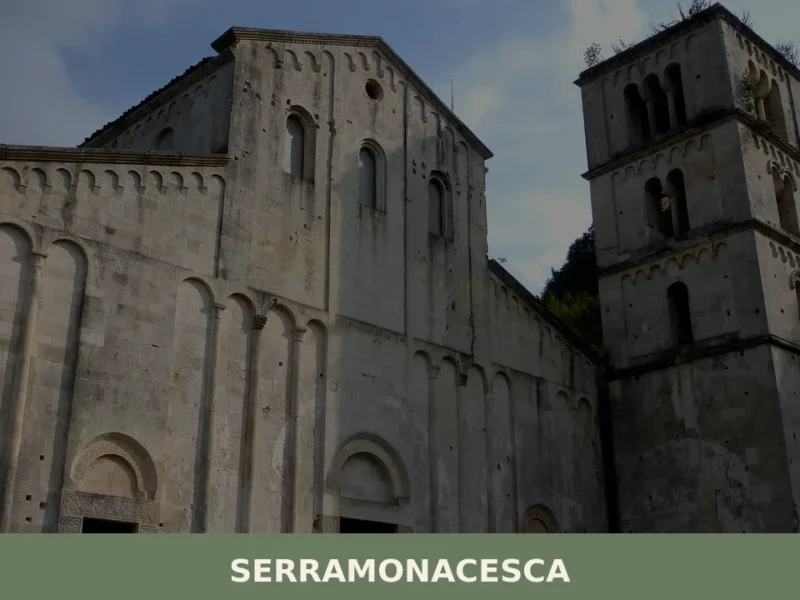
Serramonacesca
 Hills
Hills
What to see in Serramonacesca, Abruzzo, Italy: discover 6 top attractions including the Abbey of San Liberatore, rock-cut tombs, and a medieval tower. Population 560.
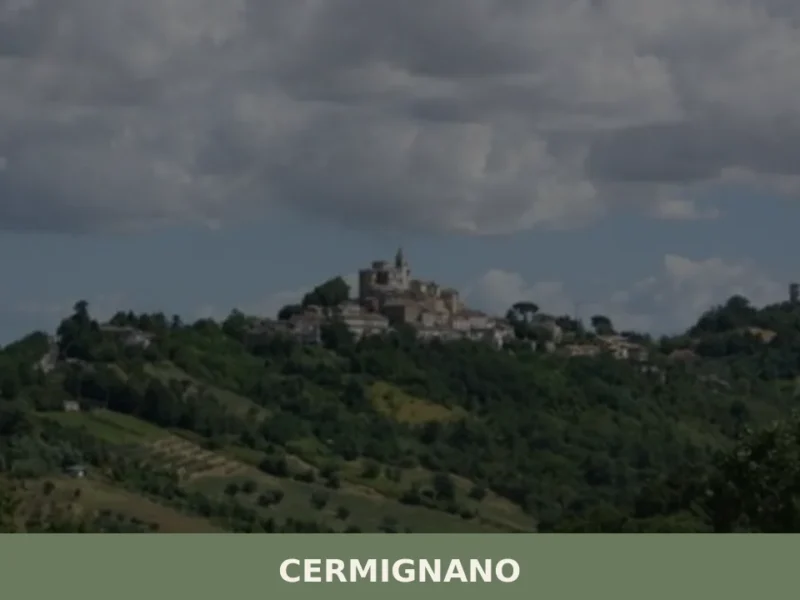
Cermignano
Hills
From the heights of Cermignano, at 563 meters above sea level, the gaze embraces the Abruzzese valleys, shaped by a succession of hills sloping down towards the Adriatic Sea. This small center, inhabited by 1,440 people, retains the typical appearance of the rural villages in the province of Teramo, where life still flows at rhythms […]
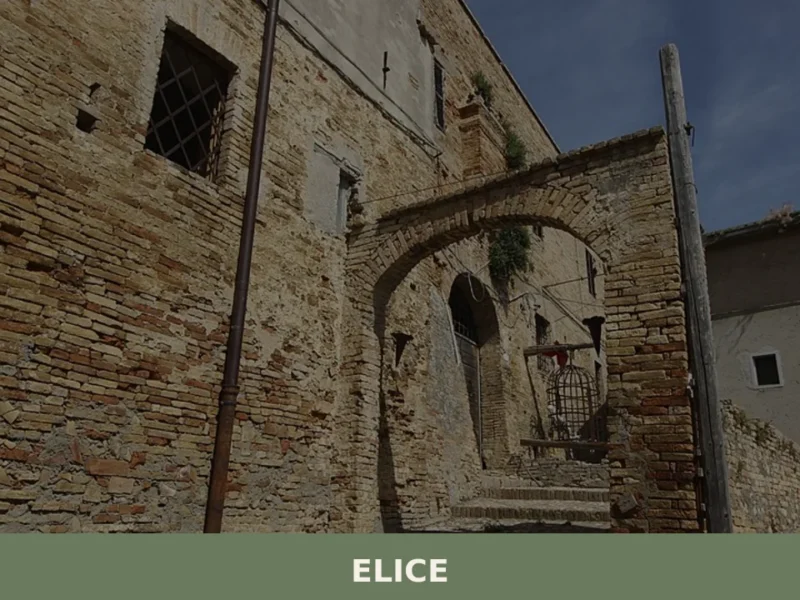
Elice
Hills
What to see in Elice, Italy: Discover its 259 m altitude, ancient origins, and ceramic heritage. Explore Elice, Abruzzo, for a historical journey.
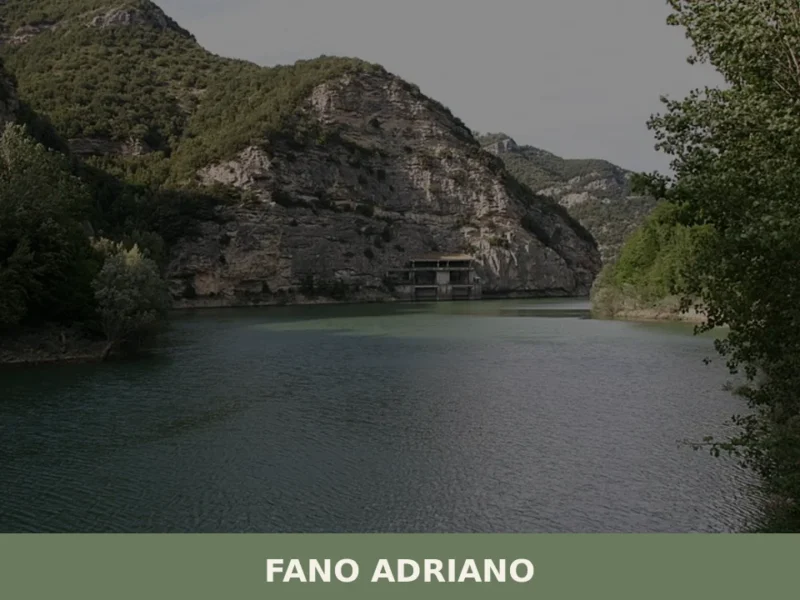
Fano Adriano
Mountain
what to see in fano adriano, Italy: Discover 5 key attractions and local traditions in this Abruzzo village at 750 m (2,461 ft) altitude. Explore.
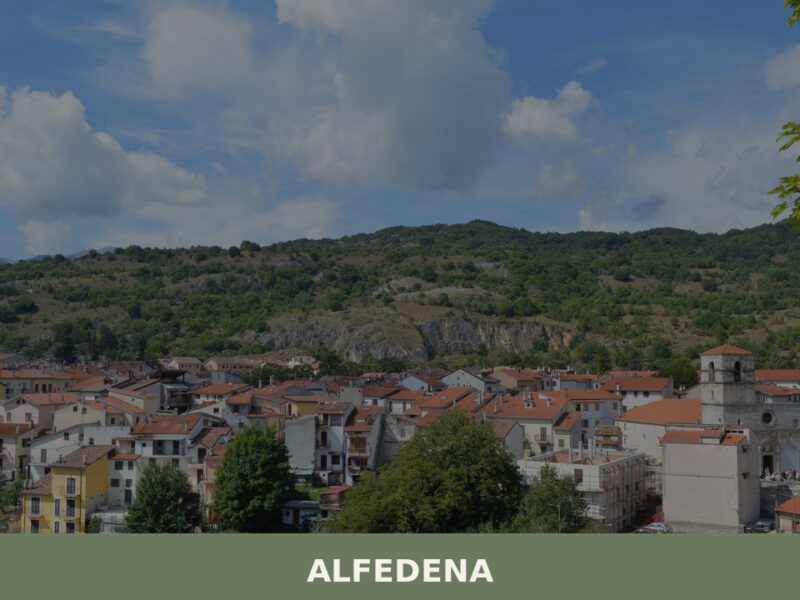
Alfedena
Mountain
Morning light falls across a line of limestone rooftops, turning them the colour of raw honey. A church bell marks the hour — its sound rolls downhill, across empty streets still cool from the night, and fades into the forested slopes of the upper Sangro valley. Alfedena sits at roughly 914 metres above sea level […]
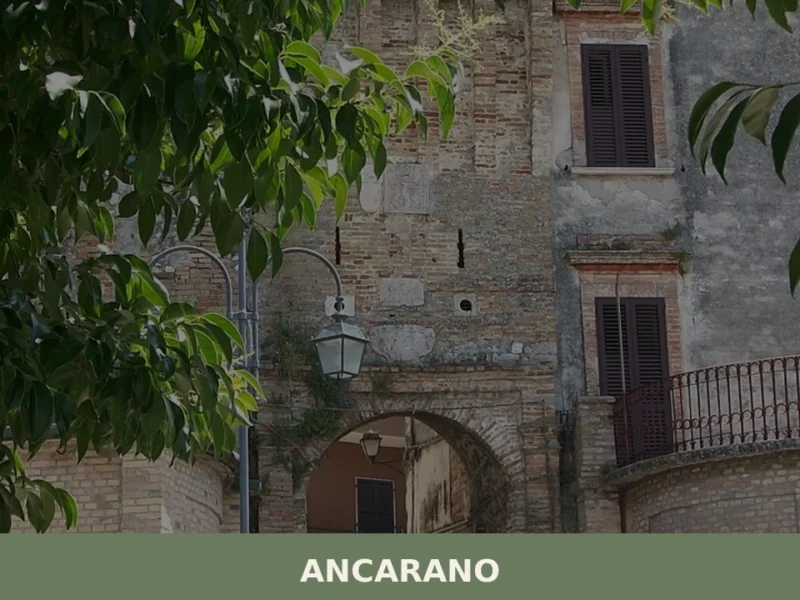
Ancarano
Hills
At 295 metres above sea level, where the province of Teramo brushes against the border with the Marche, Ancarano occupies a strip of hilly territory that slopes down towards the Val Vibrata, with a population of 1,824 inhabitants spread between the historic centre and the surrounding hamlets. Anyone wondering what to see in Ancarano will […]
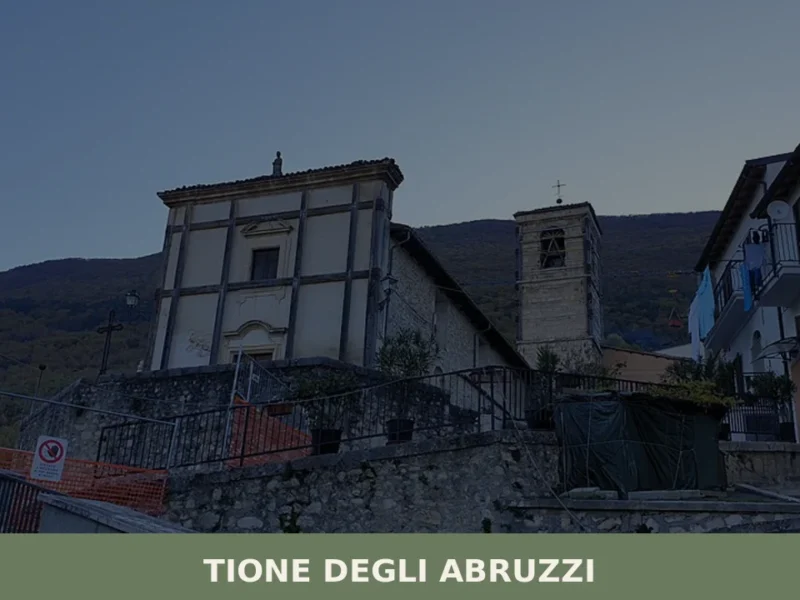
Tione degli Abruzzi
Mountain
What to see in Tione degli Abruzzi, Italy includes its 322 inhabitants and railway connection. Discover the village and its Abruzzese culture. Explore this L'Aquila comune.
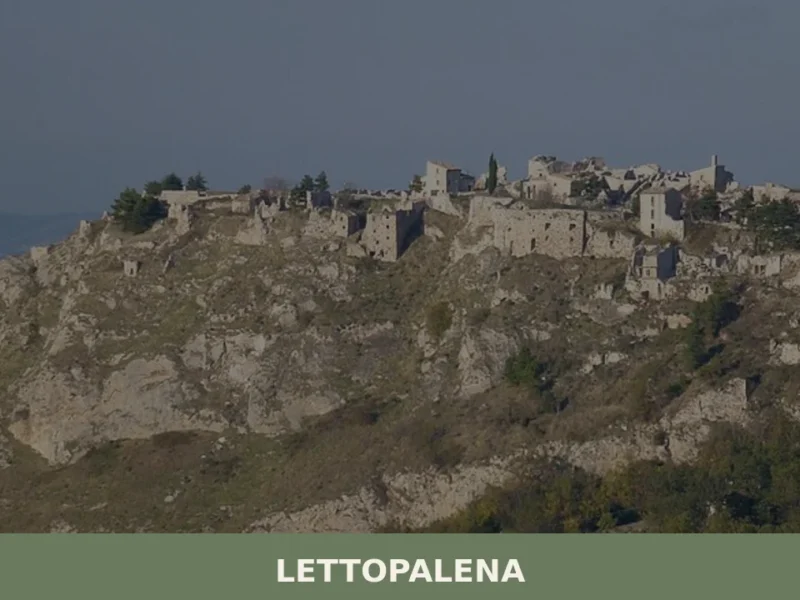
Lettopalena
Mountain
Discover the charm of Lettopalena Village in Abruzzo, Italy. Explore its rich history, culture, and scenic beauty. Plan your visit to this hidden Italian gem today!
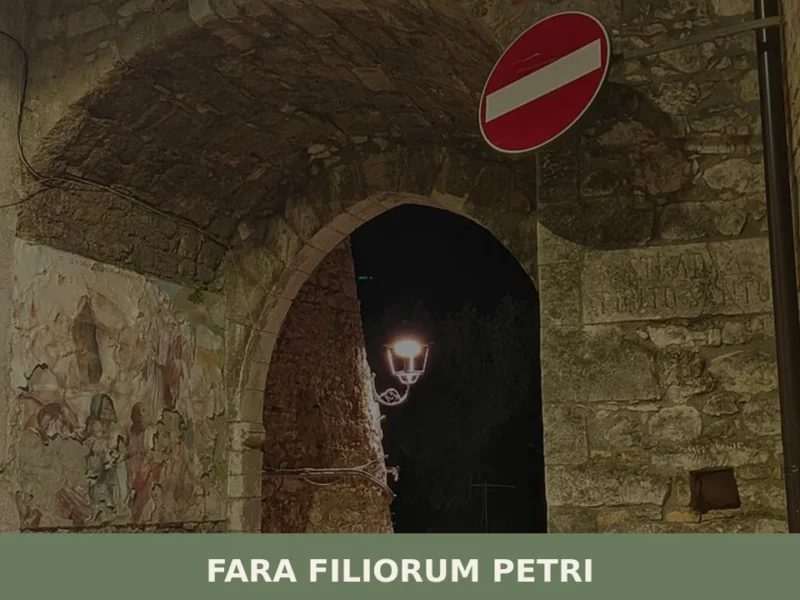
Fara Filiorum Petri
Hills
Fara Filiorum Petri, a municipality in the province of Chieti with 1,942 inhabitants, stands at 227 meters above sea level. The toponym itself, of complex origin, suggests historical layering: “Fara” refers to Lombard settlements, while “Filiorum Petri” is linked to the feudal family of Filiorum Petri, who held control in subsequent eras. This duality names […]
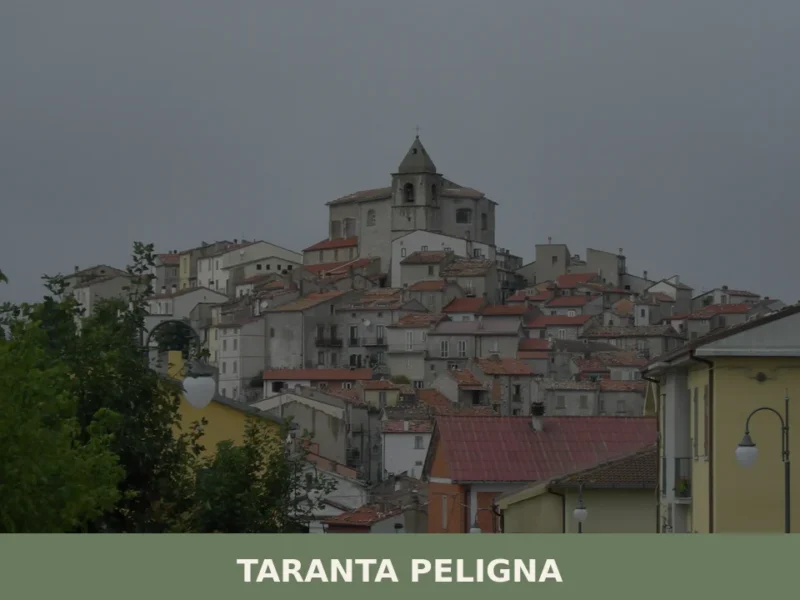
Taranta Peligna
Mountain
What to see in Taranta Peligna, Italy: explore the Maiella mountains from this village of 384 inhabitants. Discover Cavallone Cave and the Military Shrine. Read more.



🏡 Know Barisciano better than we do?
If you’re a local or have been there, your knowledge matters: add what’s missing or fix a detail on this page.