


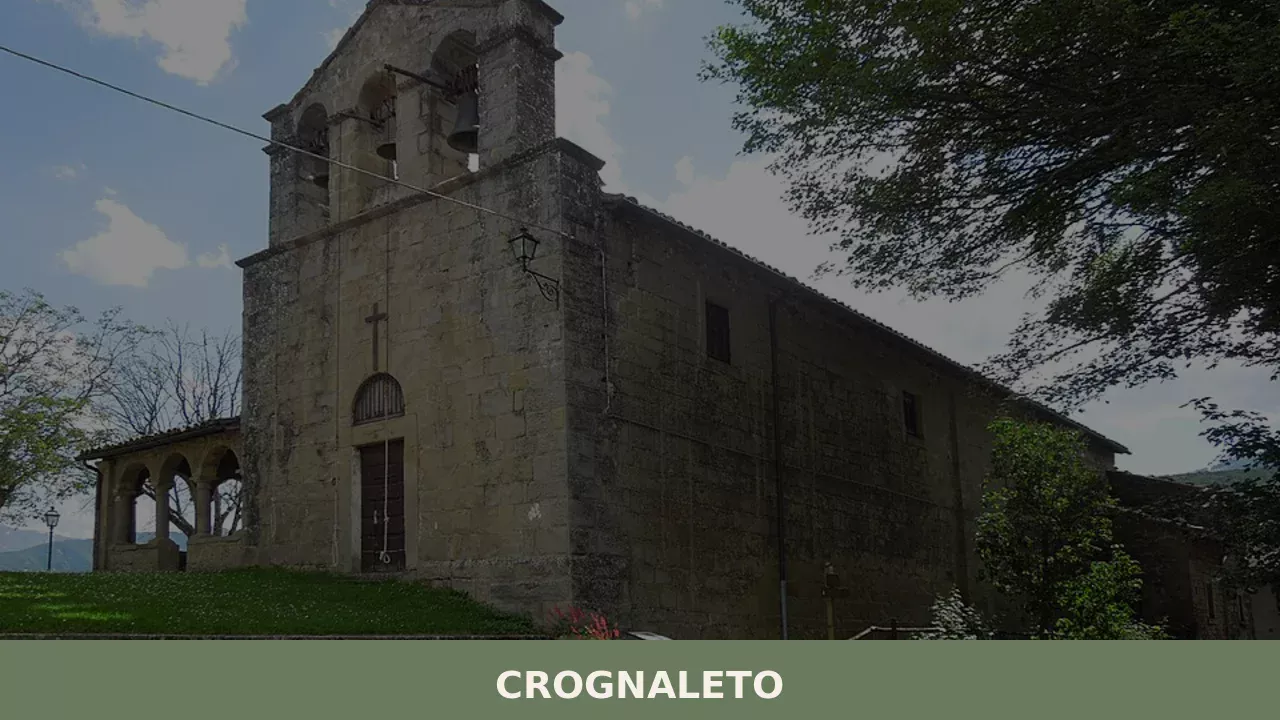
Crognaleto
 Mountain
What to see in Crognaleto, Italy: Discover this 1,094m altitude village in Abruzzo. Explore the Monti della Laga and Gran Sasso National Park.
Discover Crognaleto
Standing at an elevation of 1,094 m (3,589 ft) above sea level, Crognaleto in the Teramo Province of Abruzzo offers a distinct mountain experience. Its position on the slopes of the Monti della Laga mountain range defines its character and provides expansive views across the Vomano Valley. This high-altitude environment, home to 1,094 inhabitants, shapes the rhythm of local life and traditions, creating a profound connection between the community and its rugged surroundings.
For those wondering what to see in Crognaleto, this guide explores the essential aspects of this Abruzzese destination, from its natural setting to its administrative heart.
Visitors to Crognaleto find themselves within the vast Gran Sasso e Monti della Laga National Park, offering unique opportunities to explore its diverse landscapes and discover the communal offices located in its frazione of Nerito. This guide serves as a comprehensive resource for planning a visit to this authentic Italian mountain village.
History of Crognaleto
Crognaleto’s history is deeply intertwined with its geographical position within the Monti della Laga mountain range and the Province of Teramo, an area of central Italy known for its challenging yet historically rich terrain. The village functions as a comune, an administrative division that has typically governed local affairs for centuries in many Italian regions. The administrative structure of a comune often includes several frazioni, much like the organization found in other Abruzzese villages such as Castel Castagna, also located in the Teramo province.
While specific founding dates for Crognaleto itself are not explicitly detailed in the available historical records, the enduring presence of communities in this part of Abruzzo suggests a long and complex past.
The area’s development has been influenced by various historical powers that have shaped central Italy over millennia, from Roman times through medieval lordships and subsequent regional administrations. The fact that Crognaleto lies within the Gran Sasso e Monti della Laga National Park further underscores its historical continuity, as such protected areas often encompass ancient human settlements and traditional land use patterns.
Mid-20th century documentation, such as Giulio Di Nicola’s article “Crognaleto” published in “La Gazzetta di Teramo” on September 7, 1975, confirms the village’s established identity and role within the provincial landscape during that period. Further insights into the surrounding localities and their historical evolution can be gleaned from works like “Tottea, visioni d’epoca,” published in 2006 by the Pro Loco di Tottea.
These sources collectively highlight Crognaleto’s consistent presence as a resilient community, adapting to its mountain environment while preserving its distinct character through documented historical periods.
What to see in Crognaleto, Abruzzo: top attractions
The Village of Crognaleto
The core village of Crognaleto itself is a compact settlement, presenting a collection of traditional structures built to endure the mountain climate. Situated at an elevation of 1,094 m (3,589 ft) above sea level, it offers panoramic views that stretch across the rugged Abruzzese landscape. A walk through its quiet streets allows visitors to observe the functional architecture and the daily rhythms of a community of 1,094 inhabitants, whose lives are closely connected to their high-altitude environment.
The Frazione of Nerito
Nerito serves as the administrative center of the comune of Crognaleto, housing the communal offices that manage local governance. This outlying area is a vital component of the municipality’s structure, centralizing services for the dispersed population across the mountainous territory. Exploring Nerito provides insight into the practical organization required to sustain a community in a challenging geographical setting, with its location contributing to the extensive vistas characteristic of the Monti della Laga region.
Monti della Laga Mountain Range
Crognaleto is positioned directly on the slopes of the Monti della Laga mountain range, a prominent geological formation in central Italy that profoundly shapes the local topography and ecosystems.
This range defines the immediate surroundings, with its diverse peaks and valleys influencing the regional climate and biodiversity. Visitors can observe the distinct geological strata and the varied vegetation that thrives at elevations often exceeding 1,000 m (3,281 ft), providing a natural environment for both the village and opportunities for outdoor exploration.
Vomano Valley
The comune of Crognaleto extends across both the northern and southern slopes of the Vomano Valley, a significant geographical feature carved by the Vomano river. This valley acts as a natural passage through the mountainous terrain, offering broad perspectives from Crognaleto’s elevated vantage point. From the village, visitors can witness the valley’s vastness and observe how it influences regional hydrology, agricultural practices, and historical transportation routes, a testament to millennia of geological and human interaction.
Gran Sasso e Monti della Laga National Park
Crognaleto lies entirely within the boundaries of the , one of Italy’s most extensive protected natural areas.
This designation ensures the conservation of its rich biodiversity, including diverse flora, fauna, and unique geological formations, with the park’s highest peaks reaching over 2,900 m (9,500 ft). The park offers an ideal setting for observing alpine meadows, ancient forests, and high-altitude wildlife, with various access points near Crognaleto inviting visitors to explore its expansive natural beauty.
Local food and typical products of Crognaleto
The culinary landscape of Crognaleto, like many mountain communities in Abruzzo, is historically shaped by the resources available from its rugged terrain and traditional pastoral economy. While specific dishes unique to Crognaleto are not detailed in the provided sources, the broader gastronomic heritage of the Monti della Laga region and the Province of Teramo emphasizes hearty, nourishing preparations.
Ingredients commonly feature local meats, especially lamb and mutton, alongside cheeses derived from sheep’s milk, robust legumes, and foraged wild herbs, reflecting a diet adapted to the demanding mountain environment.
Typical Abruzzese mountain cuisine often includes dishes such as arrosticini, skewers of lamb traditionally cooked over an open flame, and various forms of pasta served with rich meat sauces. Cheeses like pecorino, a firm, salty sheep’s milk cheese, are fundamental to the diet and are often used both as a table cheese and in cooking. However, without specific documentation for Crognaleto, it is not possible to identify unique certified products or signature dishes that originate solely from this village.
The village’s high-altitude environment naturally encourages a diet focused on sustenance and local produce, reflecting centuries of agricultural practices. Farmers’ markets, if present, would typically offer seasonal vegetables, cured meats, and cheeses from the surrounding areas of the Gran Sasso e Monti della Laga National Park. However, specific details on markets, local producers, or food festivals (sagre) occurring within Crognaleto itself are not recorded in the available information.
Festivals, events and traditions of Crognaleto
The community of Crognaleto observes its patron saint’s day in honor of Santi Pietro e Paolo (Saints Peter and Paul) annually on June 29.
This date is a significant fixture in the village calendar, reflecting a tradition common across many Italian localities where religious devotion intertwines with community identity. The celebration typically involves a solemn mass and other religious observances, drawing residents together in shared spiritual and social activity.
While specific details on the unique customs or public festivities, such as processions, musical performances, or fireworks displays, associated with the feast of Santi Pietro e Paolo in Crognaleto are not provided in the available sources, such events are characteristic of patronal celebrations throughout the Abruzzo region. The late June timing often allows for pleasant weather, facilitating outdoor gatherings and fostering a sense of communal festivity. Beyond this key date, no other festivals, specific events, or documented traditions are noted for Crognaleto.
When to visit Crognaleto, Italy and how to get there
The best time to visit Crognaleto, Abruzzo, largely depends on the desired activities and what to see in Crognaleto’s natural surroundings.
For hiking and exploring the Gran Sasso e Monti della Laga National Park, late spring (May-June) and early autumn (September-October) offer pleasant temperatures, vibrant flora, and stable weather conditions. Summers (July-August) are warm but generally cooler than the coastal areas due to the village’s 1,094 m (3,589 ft) altitude, making it an ideal escape from intense heat. Winters bring snow, transforming the landscape and providing opportunities for winter sports in nearby areas, though access on smaller mountain roads can be challenging.
Crognaleto, Abruzzo, Italy, is primarily accessible by car. From major Italian cities, the most direct route typically involves the A24 motorway, connecting Rome to Teramo. Visitors should take the exit for Teramo, from which Crognaleto is approximately 38 km (23.6 mi) away, requiring a drive of about 50 minutes on winding provincial roads. The terrain around Crognaleto is mountainous, characterized by ascents and descents that lead to the village’s high elevation, so careful driving is advised.
For those traveling from further afield, the nearest major train station is located in Teramo, offering connections to the regional rail network.
The closest airport is Abruzzo Airport (PSR) in Pescara, situated approximately 105 km (65.2 mi) southeast of Crognaleto, with a driving time of around 1 hour and 40 minutes. A day trip from Rome, a significant Italian hub city, is feasible by car, covering a distance of about 155 km (96.3 mi) in approximately 2 hours and 15 minutes via the A24 motorway. International visitors should be aware that English may be limited in smaller local establishments, and carrying some Euros cash can be useful for various purchases.
The experience of visiting Crognaleto can be enhanced by exploring other distinct Abruzzese communities, such as Bugnara, which shares a rich regional heritage. For those who appreciate mountain settings and historical centers, a visit to Pettorano sul Gizio, another village in Abruzzo, offers comparable insights into the region’s cultural and natural landscape.
Frequently asked questions about Crognaleto
What is the best time to visit Crognaleto?
Crognaleto offers diverse experiences throughout the year, with the best time depending on your interests. Summer (July and August) is ideal for exploring mountain trails and enjoying mild temperatures. A highlight is June 29th, when the village celebrates its patron saints, Pietro e Paolo, with traditional festivities. Spring and autumn are perfect for less strenuous excursions, offering beautiful blooming landscapes or vibrant fall foliage, with autumn also being prime for mushroom and chestnut foraging. Winter provides a tranquil, snow-covered setting, suitable for those seeking quiet or access to nearby winter sports facilities.
What to see in Crognaleto? Main monuments and landmarks
Crognaleto, a mosaic of hamlets, offers several points of interest. Don't miss the Church of Saints Peter and Paul in the main village, an 18th-century example of mountain architecture. Explore the historic hamlets like Macchiatornella, with its characteristic stone houses, or Tottea, home to medieval tower ruins and the Church of San Silvestro. For nature enthusiasts, the Apennine Wolf Museum in Cesacastina provides insights into this symbolic species of the Gran Sasso. Additionally, the Church of Santa Maria Assunta in Nerito showcases local building traditions. These sites are generally accessible during daylight hours, but checking local schedules for church openings is advisable.
What are the main natural or scenic attractions of Crognaleto?
Crognaleto is immersed in the stunning natural beauty of the Gran Sasso and Monti della Laga National Park. Its extensive territory is a paradise for nature lovers, crisscrossed by sections of the CAI's Sentiero Italia and numerous local hiking trails. These routes lead through ancient beech forests, vast high-altitude pastures, and offer breathtaking panoramic views of the minor peaks of the Gran Sasso. Visitors can enjoy walks suitable for various fitness levels, discovering diverse mountain landscapes and rich biodiversity throughout the seasons.
What can you do in Crognaleto? Activities and experiences
Crognaleto offers a range of activities focused on nature and local culture. Hiking is paramount, with numerous trails, including sections of the Sentiero Italia, exploring beech forests and high-altitude pastures within the Gran Sasso and Monti della Laga National Park. Visitors can delve into history by exploring the various historic hamlets. The Apennine Wolf Museum in Cesacastina provides an educational experience. Gastronomy is a key activity, savoring traditional Abruzzese mountain cuisine. Depending on the season, you can also participate in the patron saint festival on June 29th or enjoy mushroom and chestnut harvesting in autumn.
Who is Crognaleto suitable for? Families, couples, hikers, solo travelers?
Crognaleto is ideally suited for nature lovers, hikers, and anyone seeking tranquility away from crowded tourist routes. Its extensive network of hiking trails within the Gran Sasso and Monti della Laga National Park makes it perfect for outdoor enthusiasts and solo adventurers. Families and couples can enjoy exploring the historic hamlets, discovering local culture, and savoring authentic mountain cuisine. The village offers a peaceful retreat, appealing to those looking for an authentic Abruzzese mountain experience, blending active pursuits with cultural immersion and relaxation.
What to eat in Crognaleto? Local products and specialties
The cuisine of Crognaleto is a hearty reflection of its mountain and pastoral traditions. Must-try specialties include local Pecorino cheeses, often aged, and fresh ricotta. Savor traditional cured meats like ventricina and artisanal pork sausages. Iconic dishes are 'maccheroni alla chitarra' served with rich meat ragù, and 'pallotte cacio e uova,' delicious cheese and egg meatballs. Depending on the season, look for porcini mushrooms and truffles. Don't forget to taste the mountain honey, lentils, and potatoes, which are staples in local soups and hearty side dishes.
Nearby Villages near Crognaleto
In Abruzzo More villages to discover
Castilenti
 Hills
Hills
At 272 metres above sea level, along the valley of the Fino torrent, Castilenti has a current population of 1,346 and occupies a stretch of hilly terrain in the province of Teramo where olive cultivation marks the landscape with orderly rows of trees and still-active oil mills. Anyone wondering what to see in Castilenti will […]
Cappadocia
Mountain
Cappadocia: discover historic churches and natural trails. Plan your visit today and experience the authenticity of this Abruzzo village.
Fontecchio
Mountain
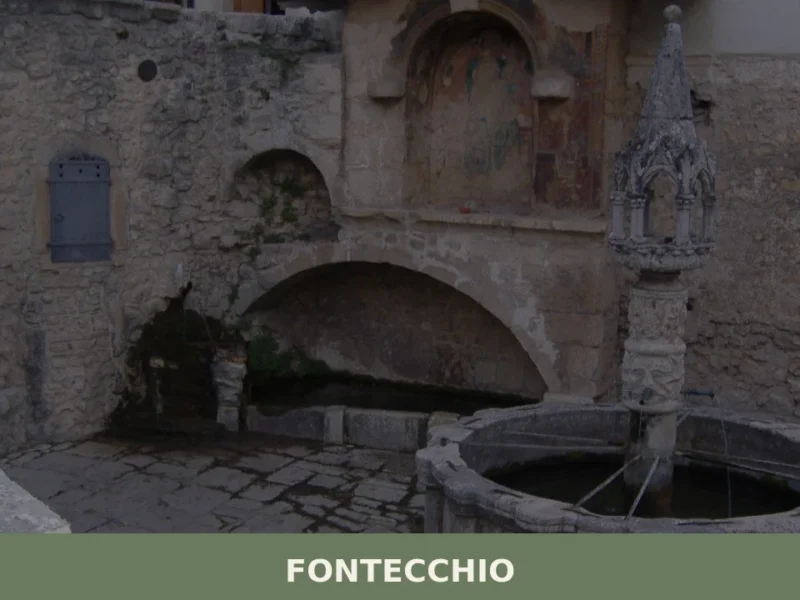
The fourteenth-century fountain with a fourteen-spouted stone basin, dated 1355, still marks the centre of Fontecchio’s main square — a village of 291 inhabitants at 668 metres above sea level in the middle Aterno Valley, province of L’Aquila. Anyone wondering what to see in Fontecchio should start right here, at this hydraulic structure that has […]
Civitaquana
Hills
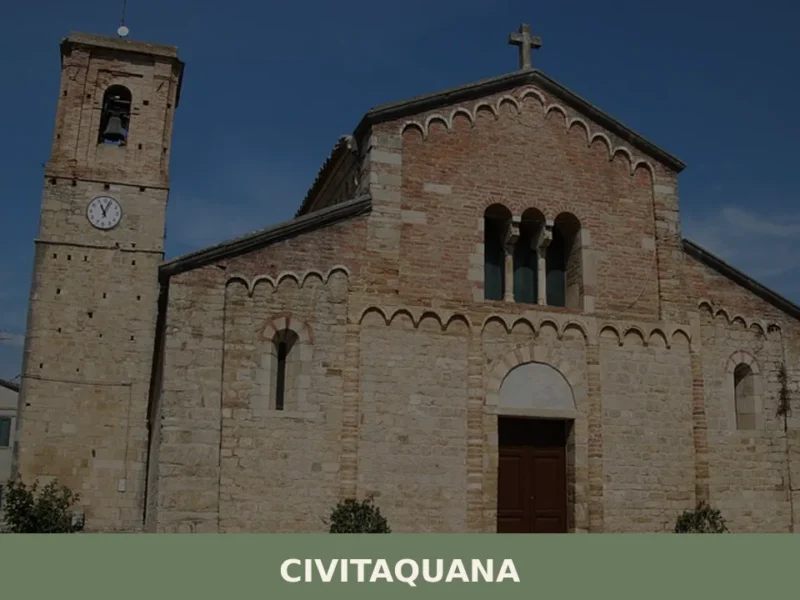
At 550 metres above sea level, on the eastern slope of the Gran Sasso descending towards the Pescara hills, Civitaquana is home to 1,146 inhabitants spread between the historic centre and the surrounding hamlets. The village’s very name — documented in medieval sources as Civitas Aquanae — reveals an origin linked to the presence of […]
Civita d’Antino
Mountain
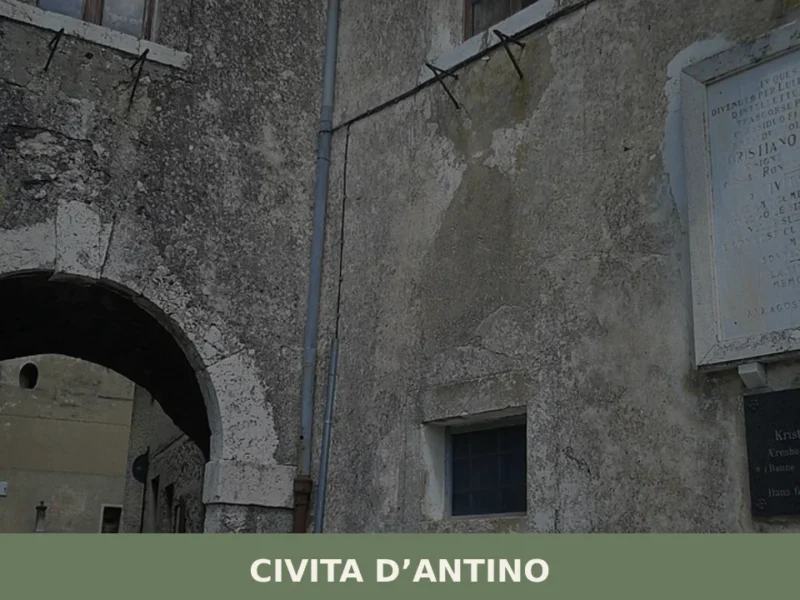
In 1878, the Danish painter Kristian Zahrtmann reached Civita d’Antino for the first time and decided to return every summer until 1911, turning this small town in the Valle Roveto into an artistic colony frequented by dozens of Scandinavian painters. Even today, anyone wondering what to see in Civita d’Antino will find traces of that […]
Campo di Giove
Mountain
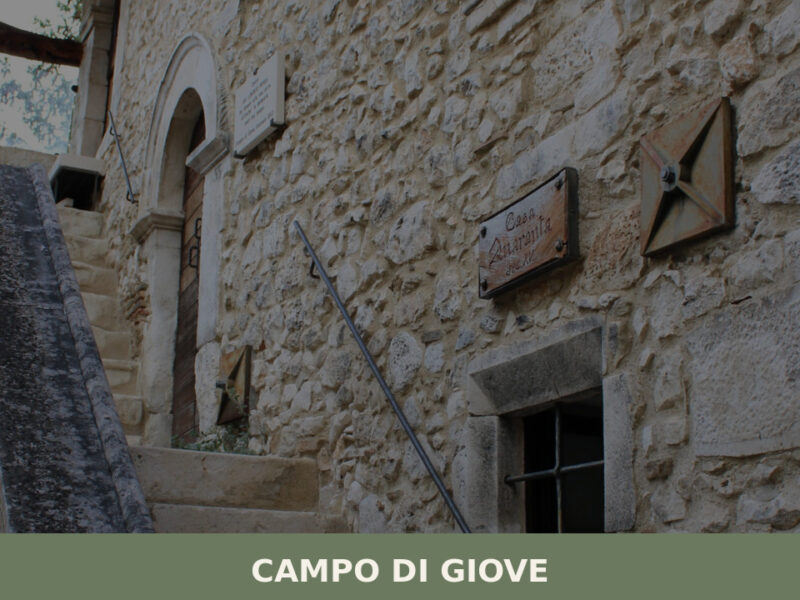
A mountain village at 1,064 metres beneath the Majella massif. Discover what to see in Campo di Giove — medieval stone houses, highland pastures, and quiet trails.
Santo Stefano di Sessanio
Mountain
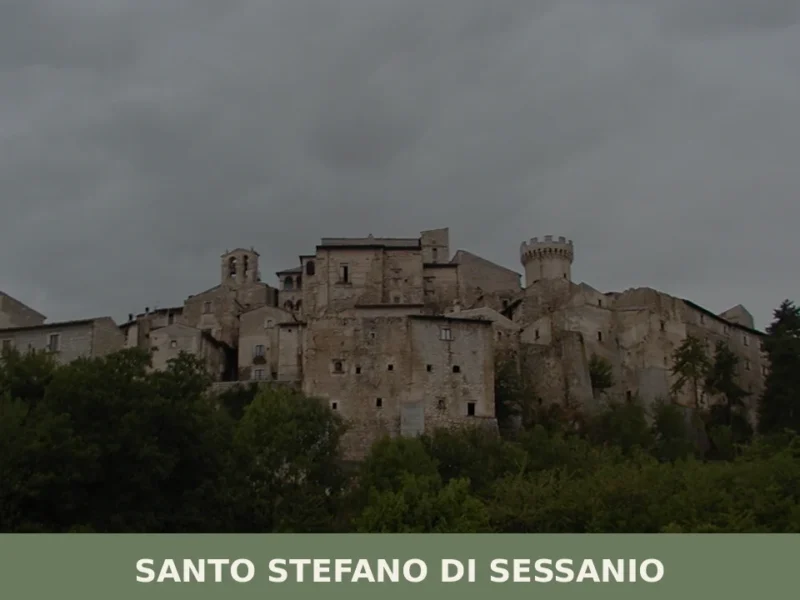
What to see in Santo Stefano di Sessanio, Italy: Discover this medieval hill town at 1,250 m (4,101 ft) altitude. Explore its restored Sextantio Albergo Diffuso and taste the renowned gourmet lentils.
Avezzano
 Lake
Mountain
Lake
Mountain
What to see in Avezzano, Italy: explore the Orsini-Colonna Castle, Roman villa, and Fucino PGI potato. 100 km from Rome. Discover Abruzzo's Marsica hub.
Carpineto Sinello
Hills
At 381 metres above sea level, on the ridge line separating the Sinello valley from the Appello stream valley, Carpineto Sinello has just 480 inhabitants today — less than a fifth of the nearly two thousand recorded in early twentieth-century censuses. The demographic data tells the story of a hilltop centre in the Chieti area […]
Tufillo
Hills
What to see in Tufillo, Abruzzo, Italy: a village of 456 inhabitants in the Province of Chieti. Discover top attractions, local food, and how to get there.





🏡 Know Crognaleto better than we do?
If you’re a local or have been there, your knowledge matters: add what’s missing or fix a detail on this page.