


Belforte all’Isauro
 Hills
Hills
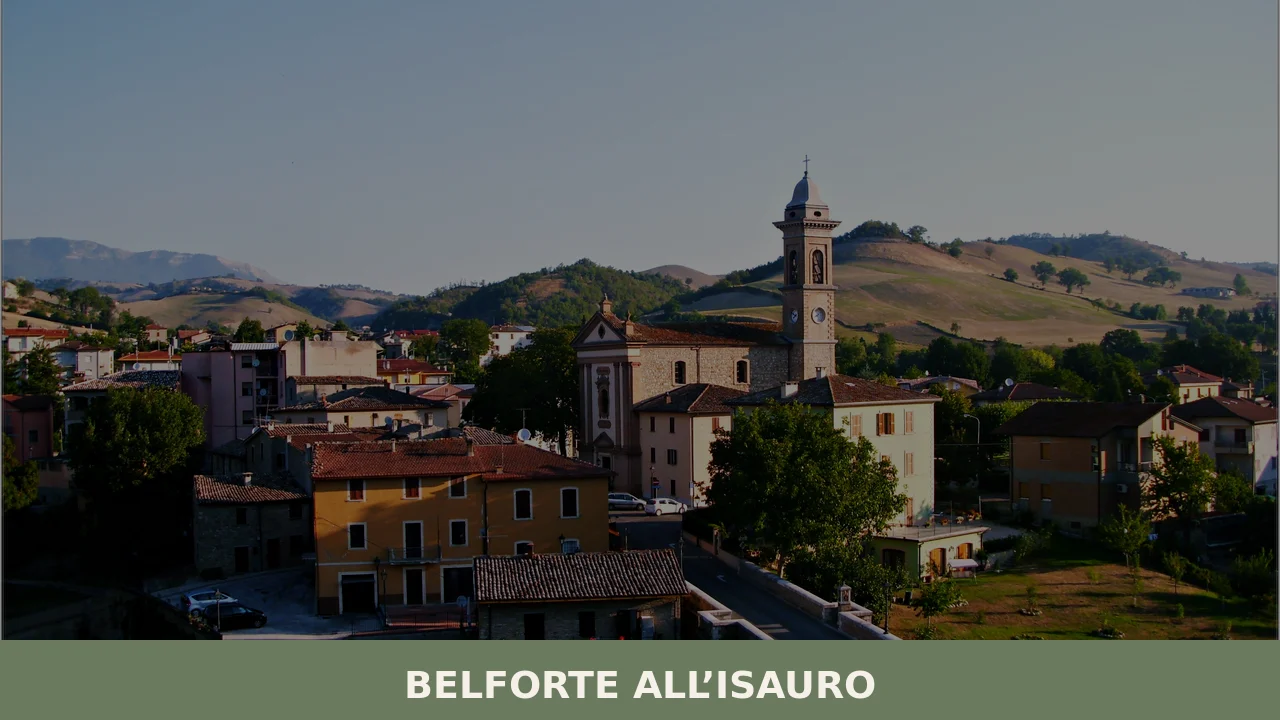
Morning light catches the stone walls of the old borgo before it reaches the valley floor, warming the façades to a pale amber. Below, the Isauro river — a modest tributary of the Foglia — moves quietly between wooded banks. With fewer than 800 inhabitants, Belforte all’Isauro occupies a stretch of the upper Montefeltro where […]
Discover Belforte all’Isauro
Morning light catches the stone walls of the old borgo before it reaches the valley floor, warming the façades to a pale amber. Below, the Isauro river — a modest tributary of the Foglia — moves quietly between wooded banks. With fewer than 800 inhabitants, Belforte all’Isauro occupies a stretch of the upper Montefeltro where the Marche meets Romagna, and where centuries of border life have left their mark on every wall and watchtower. Understanding what to see in Belforte all’Isauro begins with this geography: a village shaped by its river and by the contested ground it stands on.
History of Belforte all’Isauro
The name itself is a declaration. “Belforte” derives from the Latin bellum forte — a strong fortress — and “Isauro” refers to the river Isauro (today more commonly called the Foglia in its lower reaches), which has defined the settlement’s strategic importance since at least the early medieval period. The village’s origins are tied to the broader fortification of the Montefeltro territory, a borderland between papal and ducal powers that required every hilltop to serve as a point of defence.
Through the medieval centuries, Belforte all’Isauro fell within the orbit of the Duchy of Urbino, governed by the Montefeltro and later the Della Rovere families. The Montefeltro lords, who would produce one of the Renaissance’s most celebrated patrons in Federico da Montefeltro, used villages like Belforte as part of a network of fortified positions guarding the approaches to Urbino. The castle that once crowned the settlement was integral to this defensive chain, though its military function gradually faded as the duchy was absorbed into the Papal States in 1631.
The transition from stronghold to agricultural village was slow and incomplete. Belforte retained its compact, defensive layout — narrow streets designed to slow intruders, thick walls that double as house foundations — even as its economy turned toward farming, forestry, and the modest commerce of a river valley. The population, never large, has declined steadily over the past century, a pattern common to the inland villages of Pesaro e Urbino province.
What to see in Belforte all’Isauro: 5 must-visit attractions
1. The medieval borgo and castle remains
The historic centre preserves the tight, concentric street plan of a fortified village. Fragments of the original castle walls are visible at the highest point of the settlement, incorporated into later residential construction. Walking the narrow lanes, you notice how buildings lean inward, creating covered passages — a practical response to both weather and warfare that gives the borgo its distinctive enclosed atmosphere.
2. Chiesa di San Lorenzo
The parish church of San Lorenzo anchors the village’s spiritual life and architectural identity. Its interior holds works of devotional art accumulated over several centuries, typical of the small churches across the Montefeltro. The façade, unadorned and built from local stone, reflects the restrained aesthetic of rural ecclesiastical architecture in this part of the Marche, where materials were quarried locally and budgets were modest.
3. The Isauro river valley
Below the village, the river valley opens into a corridor of deciduous woodland, cultivated plots, and scattered farmsteads. The Isauro’s banks offer walking routes that follow the watercourse through terrain largely unchanged in character for generations. In autumn, the valley fills with the colours of oak and chestnut, and the sound of running water is audible from the village itself on quiet mornings.
4. Palazzo Comunale
The town hall building, modest in scale, stands as the civic counterpart to the church. Its architecture reflects the administrative needs of a small commune — a meeting hall, municipal offices, a small archive. The building’s proportions and stonework are consistent with public architecture across the Montefeltro dating from the sixteenth and seventeenth centuries, when these villages formalised their governance under papal administration.
5. Surrounding countryside and panoramic viewpoints
Several points along the roads approaching Belforte offer open views across the upper Foglia basin toward the Apennine ridge. On clear days, the line of peaks that separates the Marche from Tuscany and Romagna is visible to the west and north. These viewpoints are not signposted tourist stops but rather natural pauses in the landscape where the terrain opens and the broader geography of the region becomes legible.
Local food and typical products
The cooking of Belforte all’Isauro belongs to the Montefeltro tradition: robust, land-based, shaped by what the hills and forests provide. Autumn brings porcini mushrooms and truffles — the territory around the Marche interior is one of Italy’s significant truffle-producing areas. Pasta is handmade, with tagliatelle and passatelli appearing regularly. Grilled meats, particularly pork and lamb, are prepared simply, often over wood embers. Polenta, once a staple of necessity, remains on tables here as a matter of preference.
Local producers maintain the tradition of casciotta d’Urbino, a DOP sheep-and-cow’s-milk cheese with roots in the Montefeltro. Olive oil, though produced in smaller quantities than on the coast, carries a more peppery, assertive character at this altitude. The village itself has limited restaurant options — this is a place where food is found in agriturismi and home kitchens rather than formal dining rooms — but the surrounding valley hosts farm stays that serve meals drawn directly from their own production.
Best time to visit Belforte all’Isauro
Spring, from late April through June, brings the valley to its most vivid state: wildflowers along the river paths, mild temperatures for walking, and long daylight hours that illuminate the stone of the borgo well into evening. Autumn, particularly October and November, is the season of truffle hunting and mushroom foraging — the forests around the village are at their most aromatic, and the local markets in nearby towns fill with seasonal produce.
Summer can be warm but remains more temperate than the coastal lowlands, and the river valley provides natural cooling. Winter is quiet, occasionally cold, and largely without tourist infrastructure — but for those who appreciate solitude and the stark beauty of leafless Apennine foothills, it has its own appeal. There is no major annual festival widely documented for Belforte specifically, so visitors should plan around the regional events of the Montefeltro and the seasonal rhythms of the land rather than a fixed calendar.
How to get to Belforte all’Isauro
Belforte all’Isauro lies in the province of Pesaro e Urbino, in the inland hill country of the northern Marche. By car, the village is accessible from the E78 (which connects Fano on the Adriatic coast to Arezzo in Tuscany), exiting toward the upper Foglia valley. The drive from Pesaro takes approximately 50 minutes; from Urbino, roughly 30 minutes. Rimini’s Federico Fellini International Airport is the nearest commercial airport, located about 60 kilometres to the north. Ancona’s Raffaello Sanzio Airport is a further option, approximately 120 kilometres to the southeast.
There is no direct rail service to Belforte. The nearest train stations are at Pesaro and Fano, both on the Adriatic rail line. From either station, a car — rented or private — is necessary to reach the village. Public bus service exists but is infrequent and geared toward local commuters rather than visitors. A vehicle is, practically speaking, essential for exploring this part of the Montefeltro.
More villages to discover in Marche
The territory surrounding Belforte all’Isauro is dense with small settlements that share its medieval origins and Montefeltro character. A short drive south brings you to Piandimeleto, a village whose castle — better preserved than Belforte’s — dominates a wider valley and houses a museum dedicated to rural life and local geology. The two villages share a common history under the Montefeltro dukes and a similar relationship with the Apennine landscape.
To the east, toward the coast, the terrain gradually opens and the architecture shifts. Sassocorvaro is notable for its Rocca Ubaldinesca, a fortress designed by the military architect Francesco di Giorgio Martini that famously sheltered thousands of artworks during the Second World War. Together, these villages form a circuit through the Montefeltro that reveals how a single duchy’s ambitions — military, artistic, agricultural — played out across dozens of individual communities, each adapting the same broad history to its own particular hillside.
Frequently asked questions about Belforte all’Isauro
What is the best time to visit Belforte all'Isauro?
Late April through June offers mild temperatures, wildflowers along the Isauro valley paths, and long evenings that illuminate the stone borgo beautifully. October and November are ideal for truffle and porcini season, with forests at their most atmospheric and regional markets full of seasonal produce. Summer remains cooler than the coast thanks to the hill altitude (344 m). Mark your calendar for 10 August, the feast of San Lorenzo, the village patron — the one fixed annual celebration on the local calendar.
What are the historical origins of Belforte all'Isauro?
The name derives from the Latin bellum forte — strong fortress — reflecting its medieval origins as a fortified hilltop post in the contested Montefeltro borderland between papal and ducal powers. From the Middle Ages the village fell within the orbit of the Duchy of Urbino, governed first by the Montefeltro family and later the Della Rovere. It served as part of a defensive network protecting approaches to Urbino, before being absorbed into the Papal States in 1631, after which its function shifted gradually from military stronghold to agricultural community.
What to see in Belforte all'Isauro? Main monuments and landmarks
The medieval borgo itself is the primary attraction: its concentric street plan, covered passages, and castle wall fragments incorporated into residential buildings at the settlement's highest point. The parish church of Chiesa di San Lorenzo, built in local stone with a sober façade, holds centuries of devotional art. The Palazzo Comunale reflects sixteenth- and seventeenth-century civic architecture typical of the Montefeltro. All three sites are within easy walking distance of each other in the compact historic centre. No ticketed admissions are required for the streets and exteriors.
What are the main natural or scenic attractions of Belforte all'Isauro?
The Isauro river valley below the village offers walking routes along wooded banks through deciduous forest of oak and chestnut — particularly spectacular in autumn colour. The upper Foglia basin is visible from several points on roads approaching the village, with clear-day views extending to the Apennine ridge dividing Marche from Tuscany and Romagna. The valley terrain is largely unchanged in character and provides natural cooling in summer. No formal nature reserve or signed CAI trails are specifically documented for the immediate village area.
Where to take the best photos in Belforte all'Isauro?
The most rewarding shots come early in the morning, when light catches the amber stone façades of the borgo before reaching the valley floor — the effect described by those who know the village well. The highest point of the settlement, where castle wall fragments survive among residential buildings, offers views down over the Isauro valley. The approach roads to the village provide open panoramic frames across the upper Foglia basin toward the Apennine ridge, best in clear autumn or spring light.
What can you do in Belforte all'Isauro? Activities and experiences
Visitors can explore the medieval borgo on foot, walk the river paths along the Isauro valley, and use the village as a base for truffle and porcini foraging excursions in autumn — the surrounding Montefeltro forests are among the Marche's notable truffle-producing areas. The feast of San Lorenzo on 10 August brings local life to the village's streets. Agriturismo stays in the surrounding valley allow direct engagement with farm production and home cooking. Day trips to nearby Piandimeleto and Sassocorvaro extend the experience across the wider Montefeltro.
Who is Belforte all'Isauro suitable for?
Belforte all'Isauro suits slow travellers and couples seeking authenticity over infrastructure — a genuine inland Marche borgo with fewer than 800 inhabitants and no mass tourism. Hikers and nature lovers appreciate the river valley walks and Apennine scenery. Food enthusiasts, particularly those drawn to truffle and mushroom culture, will find the autumn season rewarding. History and architecture fans interested in Montefeltro heritage beyond Urbino will value its medieval fabric. It is less suited to families requiring structured activities or visitors who prefer well-serviced destinations.
What to eat in Belforte all'Isauro? Local products and specialties
The local table follows Montefeltro tradition: handmade tagliatelle and passatelli pasta, grilled pork and lamb over wood embers, polenta, and seasonal truffle and porcini dishes in autumn. Casciotta d'Urbino DOP — a mixed sheep-and-cow's-milk cheese with protected origin status rooted in the Montefeltro — is the area's most recognised cheese product. Local olive oil has a peppery, assertive character at this altitude. Meals are best sought at agriturismi in the surrounding valley, which serve food drawn from their own farm production rather than restaurant menus.
Nearby Villages near Belforte all’Isauro
In Marche More villages to discover
Borgo Pace
Hills
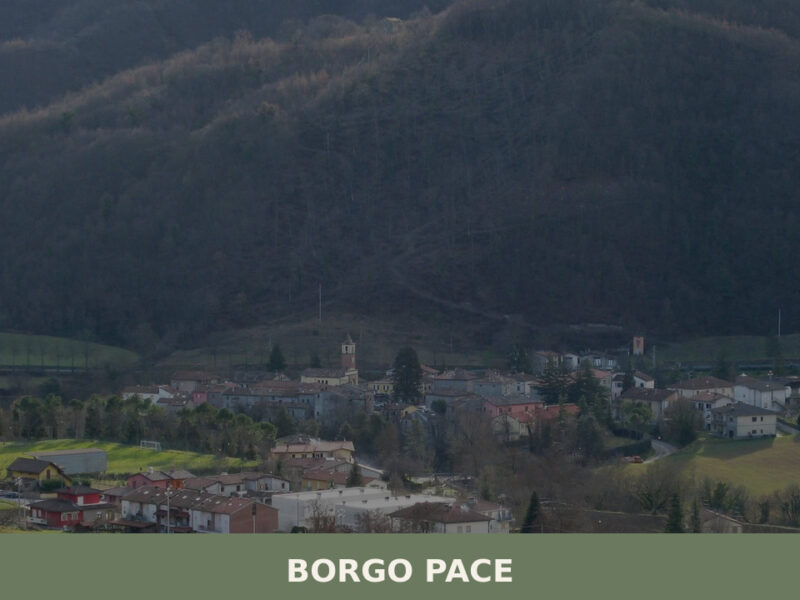
Two rivers converge here — the Meta and the Auro — and their meeting point gives this settlement its ancient rhythm. In the early morning, mist lifts off the water and clings to stone walls darkened by centuries of wood smoke. Borgo Pace sits at the edge of the Apennine watershed in the province of […]
Mercatino Conca
Hills
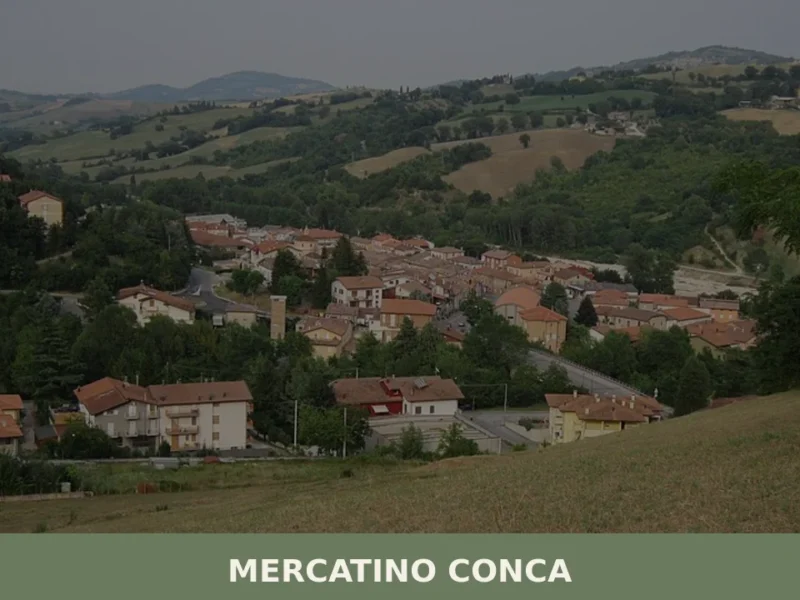
At 275 meters above sea level, in the province of Pesaro and Urbino, lies Mercatino Conca, a settlement with 1,033 residents. The name itself, “Mercatino” (meaning “little market”), suggests a historical commercial function, likely linked to its position in the Conca river valley, a crossroads for trade and activities since ancient times. For those wondering […]
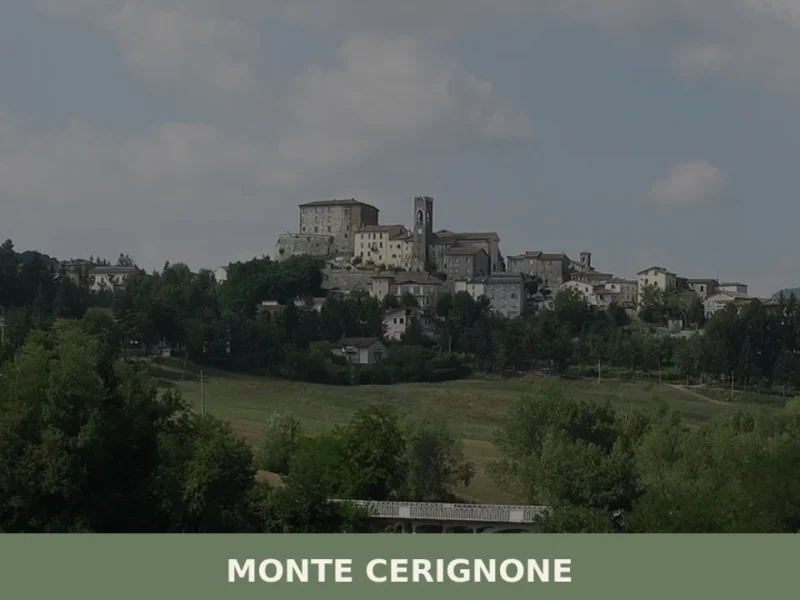
Monte Cerignone
Hills
What to see in Monte Cerignone: discover 5 must-see attractions, from Malatesta Fortress to St. Blaise Church. Plan your trip to this Marche village.
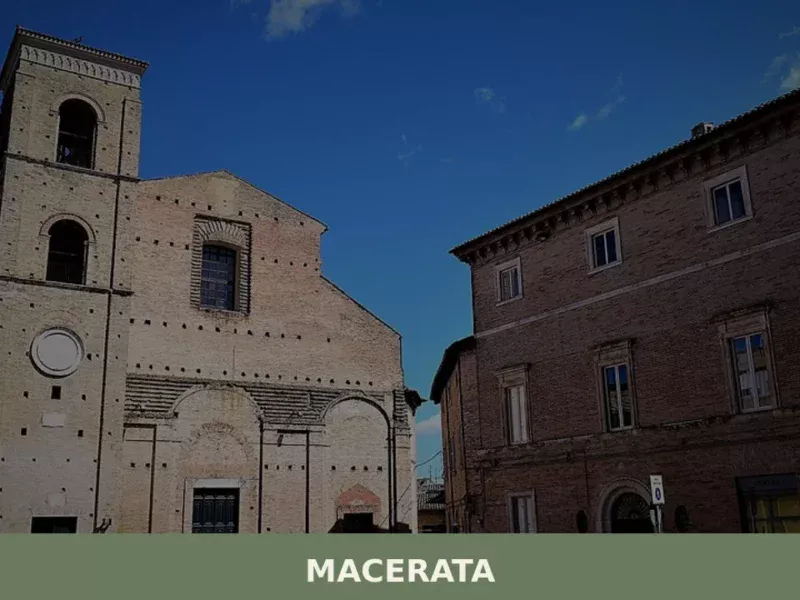
Macerata
Hills
What to see in Macerata: discover the 5 main attractions, including the Sferisterio and Piazza della Libertu00e0. Plan your visit to this Marche village.
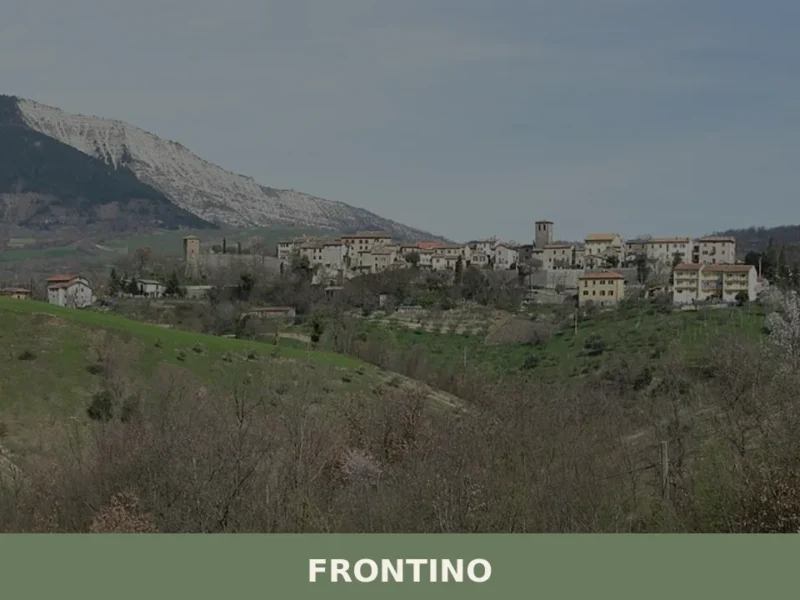
Frontino
Hills
Frontino has around 300 inhabitants today, spread across a hilly area in the province of Pesaro and Urbino at 519 metres above sea level, along the eastern slope of the Apennines separating the Marche from Tuscany and Romagna. The municipality, one of the least populated in the entire region, retains a compact and legible urban […]
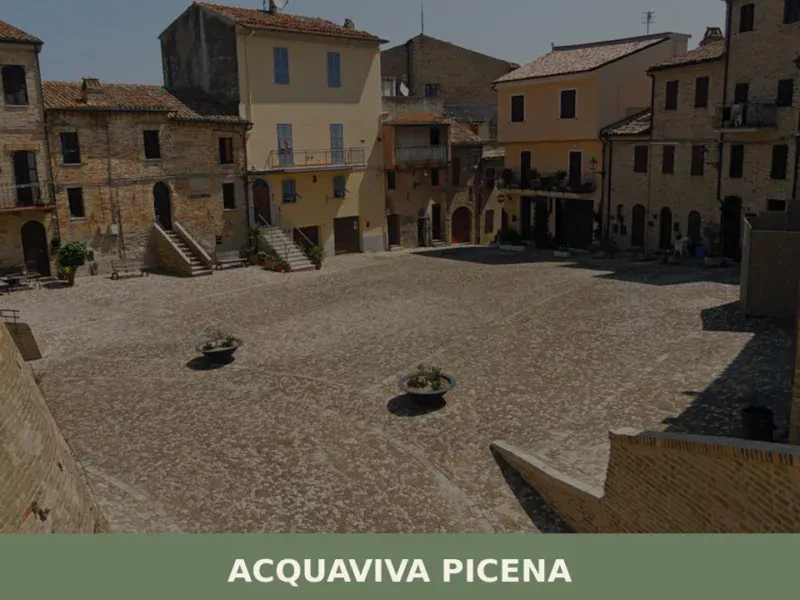
Acquaviva Picena
 Sea
Sea
Discover what to see in Acquaviva Picena: medieval fortress, town walls, local food and travel tips for this hilltop village in Ascoli Piceno, Marche.
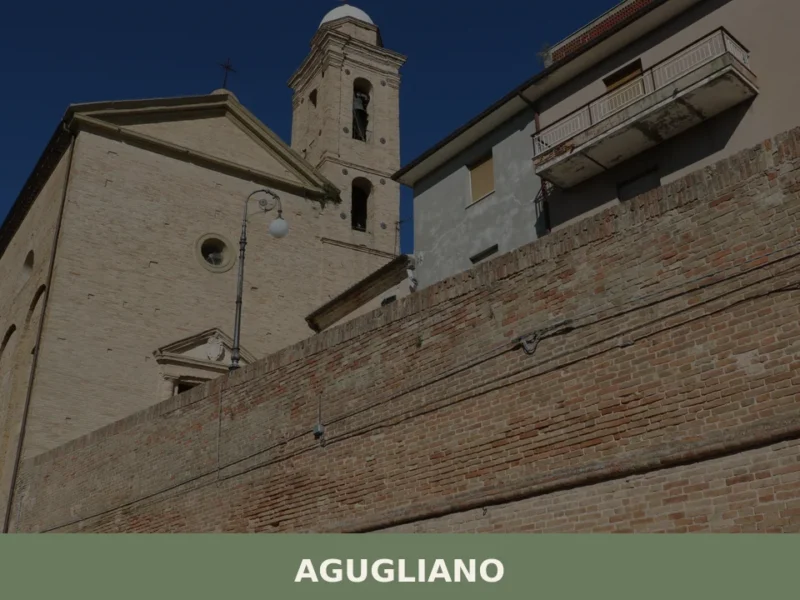
Agugliano
Sea
Discover what to see in Agugliano, a hill comune near Ancona in Marche. History, food, attractions, travel tips and where to stay.

Barbara
Hills
What to see in Barbara, Marche, Italy: 5 top attractions, local food, festivals and how to get there. Population 1,484. Discover this Ancona province comune.
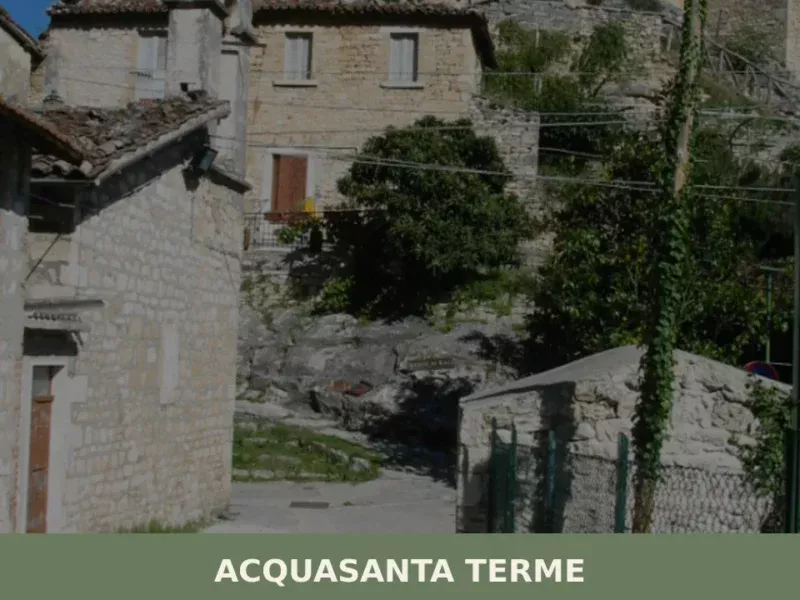
Acquasanta Terme
 Mountain
Discover what to see in Acquasanta Terme: Roman thermal baths, Tronto gorge, medieval hamlets and Apennine landscapes in Marche's Ascoli Piceno province.
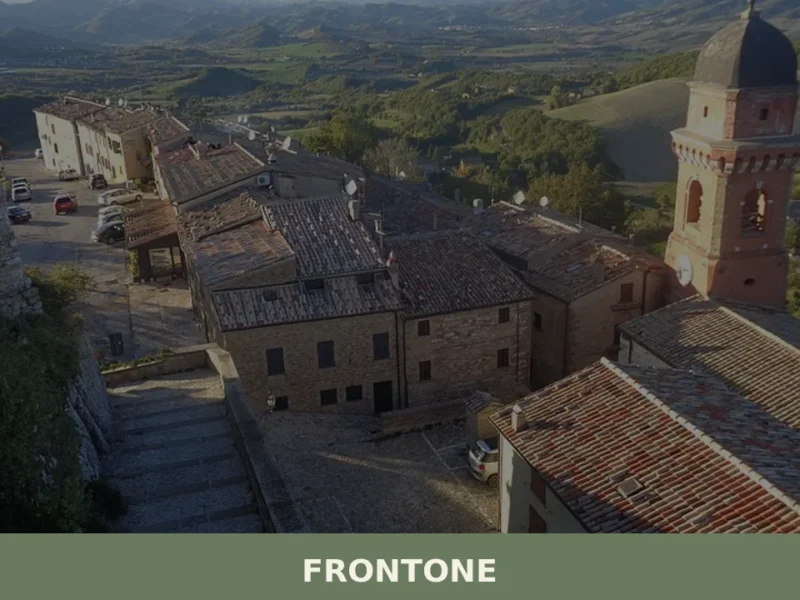
Frontone
Hills
Frontone Castle, whose original structure dates between the 11th and 12th centuries, overlooks the village of the same name, a municipality of 1,218 inhabitants in the province of Pesaro and Urbino. Situated at 412 meters above sea level, Frontone extends along the slopes of Mount Catria, offering a view of the surrounding hilly landscape. Its […]






🏡 Know Belforte all’Isauro better than we do?
If you’re a local or have been there, your knowledge matters: add what’s missing or fix a detail on this page.