


Carpegna
 Mountain
Morning mist lifts off Monte Carpegna in slow, deliberate layers, revealing stone walls the colour of raw honey and a bell tower that has marked the hours here for centuries. The village sits at the foot of its namesake peak in the province of Pesaro e Urbino, home to just 1,672 residents who move through […]
Discover Carpegna
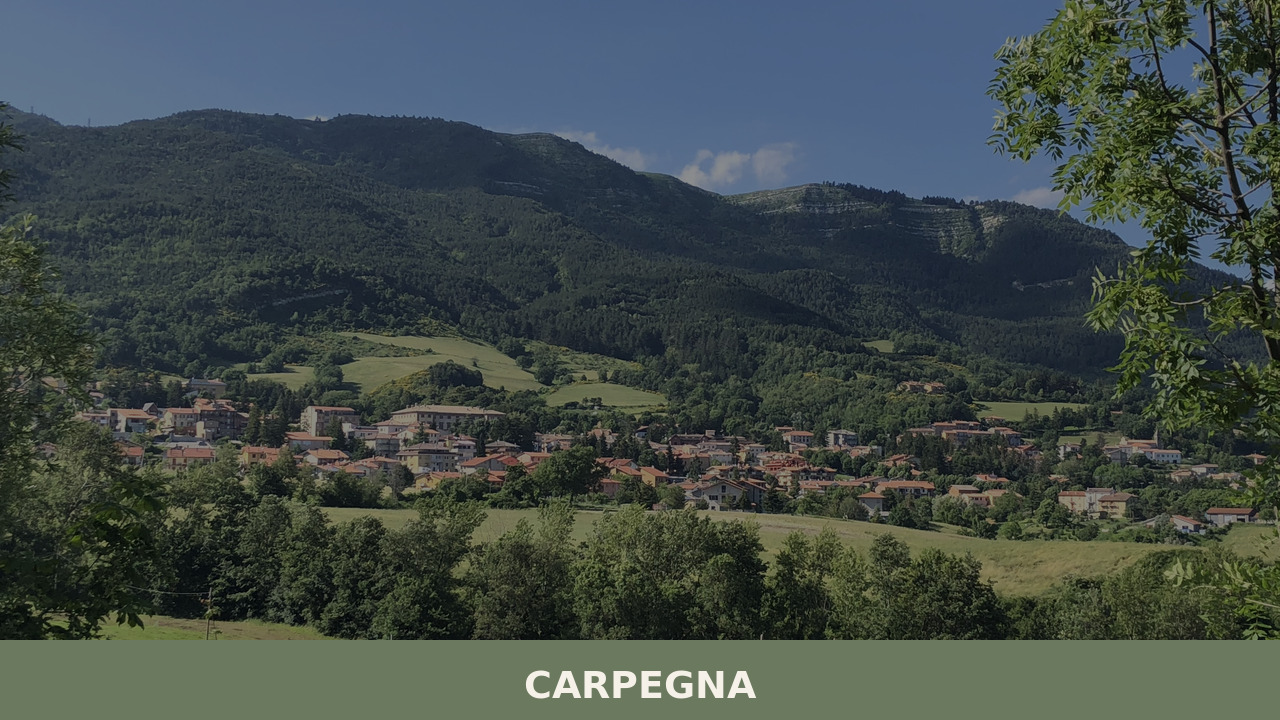
Morning mist lifts off Monte Carpegna in slow, deliberate layers, revealing stone walls the colour of raw honey and a bell tower that has marked the hours here for centuries. The village sits at the foot of its namesake peak in the province of Pesaro e Urbino, home to just 1,672 residents who move through narrow streets with the unhurried pace of people who know every corner. If you are wondering what to see in Carpegna, the answer begins with this silence — and the deep historical strata beneath it.
History of Carpegna
The name Carpegna likely derives from the Latin carpinus, referring to the hornbeam trees that once blanketed these slopes in dense, deciduous forest. Human settlement here predates the Roman period, but it was during the early Middle Ages that the village acquired its political identity, becoming the seat of the Counts of Carpegna — one of the oldest noble families of the Montefeltro region, documented as far back as the tenth century.
The Carpegna family exercised considerable influence over the surrounding territory for generations. Their lineage intertwined with papal politics and the broader power struggles of central Italy. Antonio Carpegna, elevated to cardinal in the seventeenth century, brought Roman prestige back to this small mountain fief. The family’s palazzo still dominates the village centre, a physical reminder that this hamlet once operated at the intersection of ecclesiastical and feudal power.
Through the Renaissance and into the modern era, Carpegna’s fortunes tracked those of the wider Marche hinterland: a slow shift from feudal agriculture to rural economy, punctuated by emigration. What remained constant was the mountain — Monte Carpegna at 1,415 metres — anchoring the community to a landscape that resisted industrialisation and preserved something older.
What to see in Carpegna: 5 must-visit attractions
Palazzo dei Principi di Carpegna
The ancestral palace of the Carpegna counts stands at the village core, its seventeenth-century facade of dressed stone projecting quiet authority. The building reflects the family’s ambitions — part rural stronghold, part aristocratic residence. Its proportions are generous for a settlement this size, with an internal courtyard that still functions as an informal gathering point for locals.
Monte Carpegna
Rising to 1,415 metres, this peak within the Parco Naturale del Sasso Simone e Simoncello draws cyclists — including the late Marco Pantani, who used its gradients for training — and hikers. Beech and oak forest gives way to open meadow near the summit, offering unobstructed views across the Apennine ridge toward the Adriatic coast.
Chiesa di San Nicolò
The parish church of San Nicolò contains altarpieces and decorative elements accumulated across several centuries. Its interior, modest in scale, rewards close attention: carved wooden furnishings and devotional paintings that document the faith and craftsmanship of a small mountain community over time.
Parco Naturale del Sasso Simone e Simoncello
This protected area surrounds Carpegna with over 4,800 hectares of forest, grassland, and exposed rock formations. The twin plateaux of Sasso Simone and Simoncello — flat-topped limestone mesas that rise abruptly from wooded slopes — are the park’s most distinctive geological features. Marked trails connect the park’s principal viewpoints and habitats.
Cippo di Carpegna
Situated along the road ascending Monte Carpegna, this marker commemorates the climb’s significance in Italian cycling culture. The stretch became synonymous with Pantani’s punishing training regime. For non-cyclists, the road itself offers a graduated ascent through changing vegetation zones, from cultivated terraces to high-altitude pasture.
Local food and typical products
Carpegna’s most celebrated product carries a protected designation: Prosciutto di Carpegna DOP, a dry-cured ham produced according to methods documented since at least the fifteenth century. The curing process depends on the specific microclimate of these mountain valleys — cool, steady air circulation at altitude that allows a slow maturation impossible to replicate at lower elevations. The result is a ham with a distinctly sweet, delicate flavour, less assertive than its Parma counterpart, best eaten sliced thin at room temperature.
Beyond the prosciutto, local tables feature hand-rolled pasta shapes dressed with ragù of game or wild mushrooms gathered from the surrounding forests. Pecorino cheeses from small-scale producers, chestnuts roasted or ground into flour, and foraged herbs appear seasonally. Restaurants and agriturismi in and around the village serve these ingredients with little embellishment — the cooking here is defined by restraint and raw material quality rather than technique.
Best time to visit Carpegna
Late spring through early autumn — May to October — offers the widest range of outdoor access, with park trails fully open and cycling conditions at their best. Summer temperatures remain moderate at this altitude, rarely oppressive, while the valley floor can be significantly warmer. Autumn brings vivid foliage to the beech forests and the start of truffle and mushroom season, which shifts the village’s rhythm toward food-centred gatherings and local sagre.
Winter transforms the upper slopes with snow, limiting some trail access but offering a quieter, more introspective experience of the village. The annual festival celebrating Prosciutto di Carpegna DOP, typically held in summer, is the most significant recurring event, drawing visitors from across the region to taste the product at its source.
How to get to Carpegna
From the A14 Adriatica motorway, exit at Pesaro or Rimini Sud and follow the SP258 inland through the Foglia valley — a drive of approximately 60 kilometres from either exit, taking just over an hour. The road narrows and climbs as it enters the Montefeltro hills, with Carpegna signposted clearly from the junction at Pietrarubbia.
The nearest railway station is Pesaro, on the Bologna–Ancona line, from which the village is accessible by car or infrequent regional bus services. Federico Fellini International Airport in Rimini lies roughly 70 kilometres to the north; Ancona–Falconara airport is approximately 120 kilometres to the southeast. For those arriving from Rome, the journey covers about 300 kilometres via the E45 and takes around four hours. A car is essential for exploring the surrounding park and hill villages.
More villages to discover in Marche
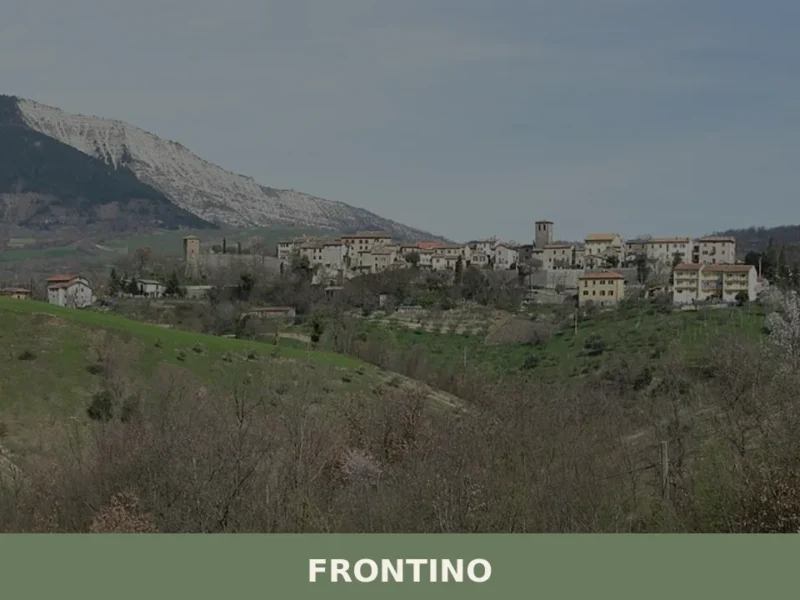
The Montefeltro territory around Carpegna holds a concentration of small settlements where geography and history have produced distinctive local identities. A short drive to the northwest leads to Frontino, a walled village set among chestnut groves that has been recognised as one of Italy’s most beautiful borghi — its compact medieval layout barely altered across six centuries, its silence even deeper than Carpegna’s.
To the east, the landscape opens toward the rolling middle hills of the province, where Sassocorvaro commands attention with its massive Rocca Ubaldinesca, a fortress designed by Francesco di Giorgio Martini that famously sheltered thousands of artworks from Nazi looting during World War II. Together, these villages form a circuit through the less-visited heart of the Marche — a region that rewards those willing to leave the coast behind.
Frequently asked questions about Carpegna
What is the best time to visit Carpegna?
Late spring to early autumn (May–October) is ideal: trails in the Parco Naturale del Sasso Simone e Simoncello are fully open, cycling conditions on Monte Carpegna are at their best, and summer temperatures remain mild at 748 metres. Autumn adds exceptional beech forest foliage and mushroom season. The feast of Sant'Antonio, patron of the village, falls on 13 June — a good anchor for a late-spring visit. Summer also hosts the Prosciutto di Carpegna DOP festival, drawing visitors from across the region.
What are the historical origins of Carpegna?
The name Carpegna derives from the Latin carpinus, the hornbeam tree once dominant on these slopes. Settlement predates the Roman era, but the village gained political identity in the early Middle Ages as seat of the Counts of Carpegna, documented since the tenth century. The family wielded influence across the Montefeltro region, intertwining with papal politics. Cardinal Antonio Carpegna, elevated in the seventeenth century, reinforced the family's prestige. Their palazzo still anchors the village centre, testifying to centuries of feudal and ecclesiastical power.
What to see in Carpegna? Main monuments and landmarks
The Palazzo dei Principi di Carpegna, a seventeenth-century dressed-stone aristocratic residence with an internal courtyard, is the village's architectural centrepiece. The parish church of San Nicolò holds carved wooden furnishings and devotional altarpieces spanning several centuries. Monte Carpegna (1,415 m) dominates the skyline and is accessible by road or on foot. Along the ascent, the Cippo di Carpegna commemorates the climb's place in Italian cycling history, linked to Marco Pantani's training on these slopes.
What are the main natural or scenic attractions of Carpegna?
Carpegna is surrounded by the Parco Naturale del Sasso Simone e Simoncello, a protected area of over 4,800 hectares encompassing beech and oak forest, open grassland, and the striking flat-topped limestone mesas of Sasso Simone and Simoncello. Monte Carpegna rises to 1,415 metres within the park, with marked trails connecting major viewpoints and habitats. The park offers hiking, wildlife observation, and some of the most dramatic Apennine scenery in the Marche region.
Where to take the best photos in Carpegna?
The summit area of Monte Carpegna offers unobstructed panoramic views across the Apennine ridge toward the Adriatic coast — best in clear morning light. The flat-topped mesas of Sasso Simone and Simoncello, visible from multiple points within the park, provide dramatic geological backdrops. In the village, the facade of the Palazzo dei Principi and the honey-coloured stone streets around the bell tower are most photogenic in soft early morning or late afternoon light, especially when seasonal mist lingers on the slopes.
Are there museums, churches or historic buildings to visit in Carpegna?
The Palazzo dei Principi di Carpegna is the village's most significant historic building, a seventeenth-century aristocratic palace whose internal courtyard remains accessible. The Chiesa di San Nicolò, the parish church, contains altarpieces and carved wooden furnishings accumulated over several centuries, documenting local faith and craftsmanship. Specific opening hours for either building are not centrally published; it is advisable to contact the Comune di Carpegna or local pro loco before visiting to confirm access.
What can you do in Carpegna? Activities and experiences
Hiking and trail walking through the Parco Naturale del Sasso Simone e Simoncello are the primary outdoor activities, with marked routes reaching the Sasso Simone and Simoncello mesas. Road cycling on the Monte Carpegna ascent — historically associated with Marco Pantani — draws enthusiasts throughout the season. Autumn foraging for truffles and wild mushrooms is a local tradition, tied to seasonal sagre and food events. Tasting Prosciutto di Carpegna DOP at local restaurants and agriturismi is a food-centred experience specific to this village.
Who is Carpegna suitable for?
Carpegna suits hikers and nature lovers seeking the Apennine trails and landscapes of the Parco Naturale del Sasso Simone e Simoncello. Road cyclists make dedicated visits to train or pay tribute on the Monte Carpegna climb linked to Marco Pantani. Couples and slow-travel visitors drawn to quiet medieval villages, local gastronomy, and unhurried mountain rhythms will find it rewarding. Families comfortable with a rural, car-dependent destination can enjoy the park's open spaces. It is not a beach or theme-park destination — its appeal is resolutely landscape, history, and food.
What to eat in Carpegna? Local products and specialties
Prosciutto di Carpegna DOP is the defining local product: a dry-cured ham produced since at least the fifteenth century, whose slow maturation depends on the specific cool mountain air of these valleys. It is sweeter and more delicate than Parma ham and is best eaten sliced thin at room temperature. Local menus also feature hand-rolled pasta with game ragù or wild mushroom sauces, seasonal pecorino from small producers, chestnut preparations, and foraged herbs. Agriturismi and village restaurants serve these ingredients with characteristic simplicity.
Nearby Villages near Carpegna
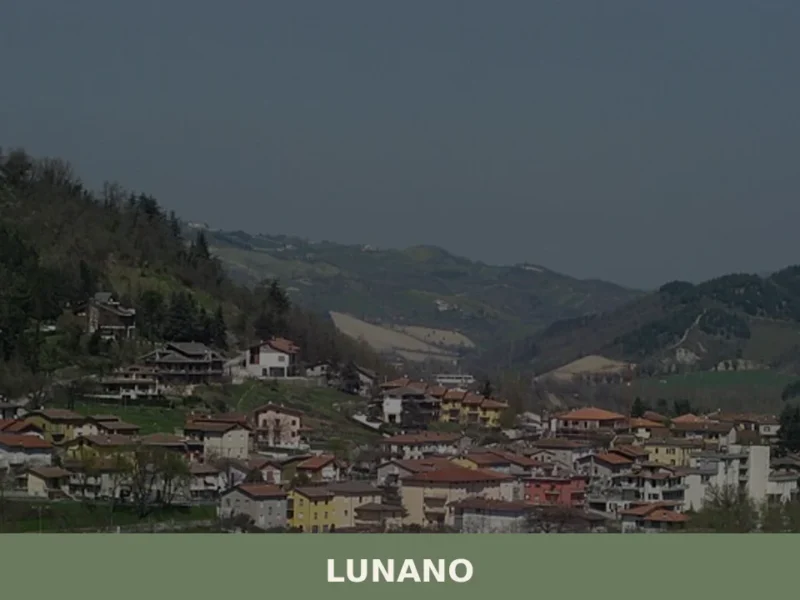
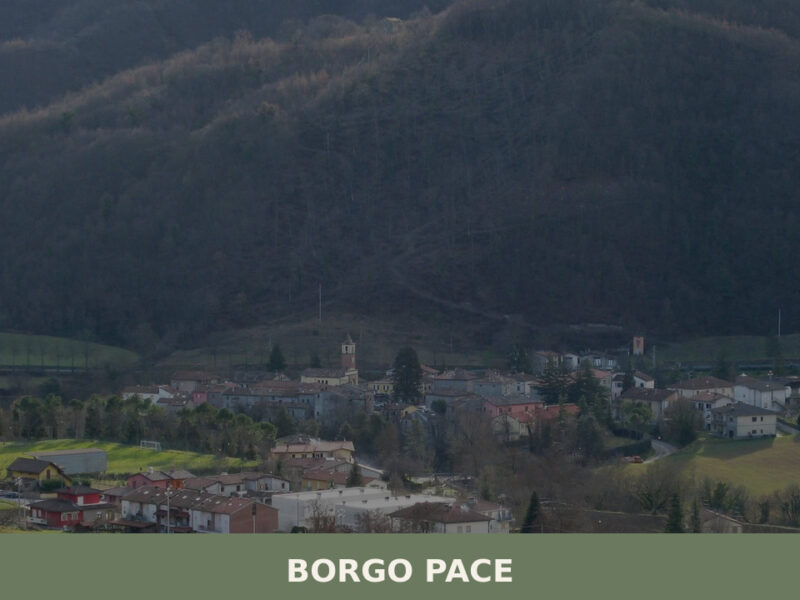
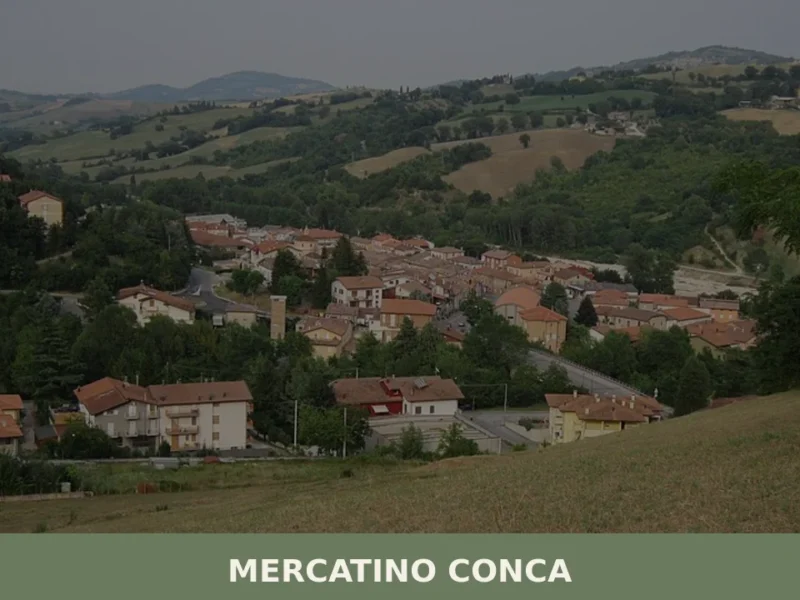
In Marche More villages to discover
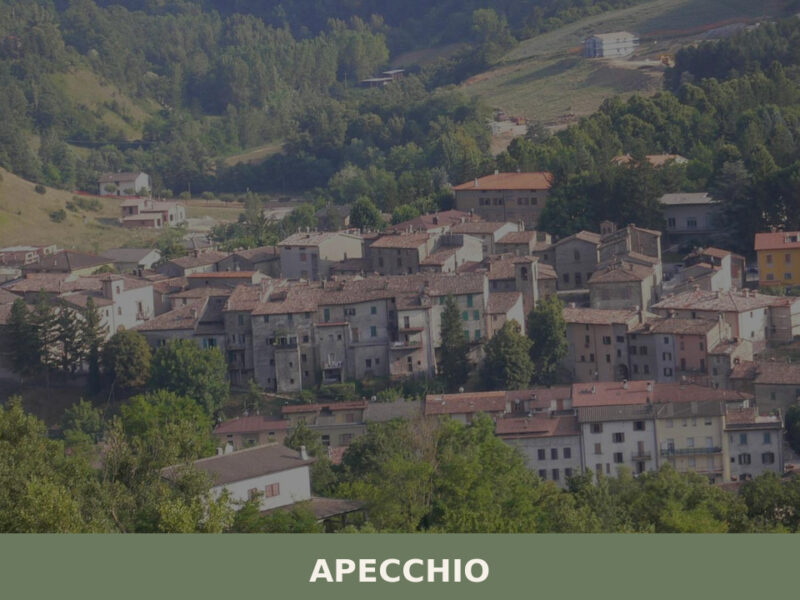
Apecchio
 Hills
Hills
Morning mist lifts off the Biscubio river and the medieval bridge emerges in grey stone, its arches still carrying the weight of six centuries. A bell tower marks the hour above terracotta rooftops, and the smell of woodsmoke mixes with damp earth from the surrounding Apennine slopes. At 493 metres above sea level, this small […]

Grottammare
 Sea
Sea
Home to a perfectly preserved medieval borgo and 15,924 residents, Grottammare offers a rare meeting of Adriatic beaches and Renaissance history on the Marche coast.
Fermo
Sea
What to see in Fermo? Discover the 5 must-visit attractions of this village in Marche with our complete guide. Plan your perfect visit!
Auditore
Hills
Morning light falls across a line of stone houses the colour of dry wheat, and somewhere below the rooftops a church bell marks the hour with a single, unhurried stroke. Auditore sits in the hill country of the province of Pesaro e Urbino, a settlement of 1,631 people where the Foglia river valley opens toward […]
Altidona
Sea
Discover what to see in Altidona, a Marche village in the Province of Fermo. History, attractions, local food, and practical travel tips.
Mercatello sul Metauro
Hills
Mercatello sul Metauro has a current population of 1,326 and sits at an elevation of 429 metres in the middle Metauro valley, in the province of Pesaro and Urbino. The village owes its identity to one specific figure: Saint Veronica Giuliani, a Capuchin mystic born here in 1660, beatified in 1804 and canonised in 1839. […]
Fratte Rosa
Hills
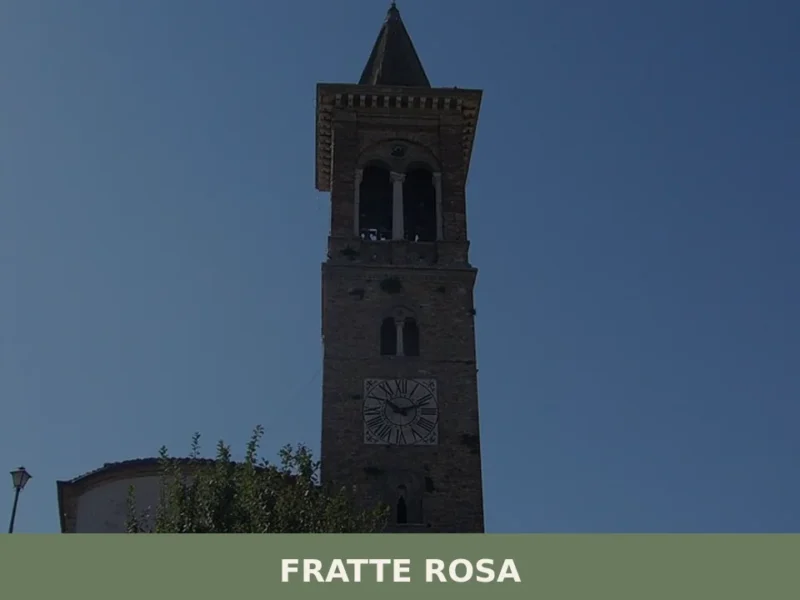
With its 847 inhabitants and an altitude of 419 meters above sea level, Fratte Rosa is located in the province of Pesaro and Urbino, a hilly area of the Marche region. The village’s name “Rosa” is historically linked to the color of a local clay, an essential component for the practice of pottery, documented in […]
Acquaviva Picena
Sea
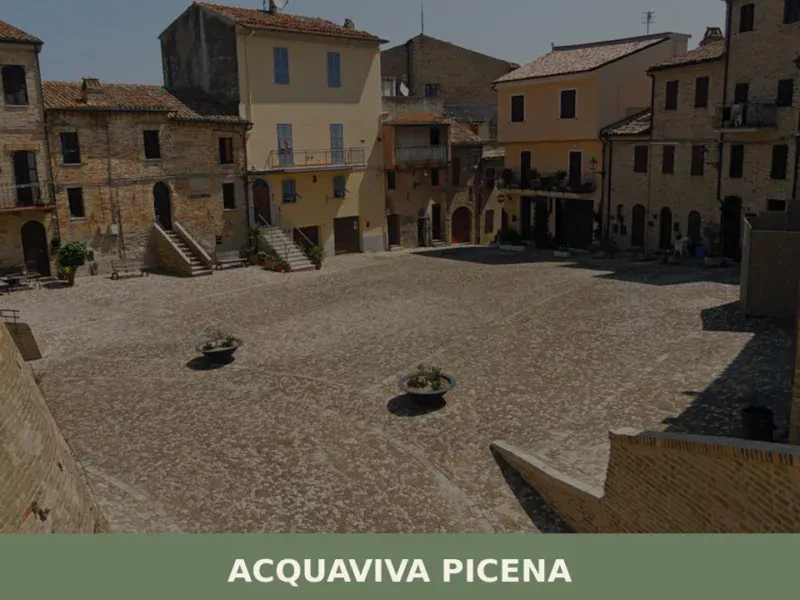
Discover what to see in Acquaviva Picena: medieval fortress, town walls, local food and travel tips for this hilltop village in Ascoli Piceno, Marche.
Frontone
Hills
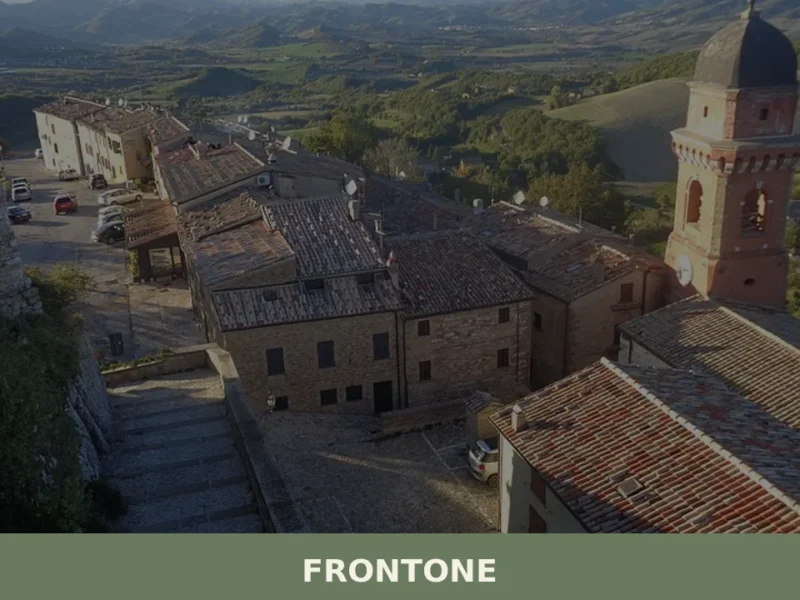
Frontone Castle, whose original structure dates between the 11th and 12th centuries, overlooks the village of the same name, a municipality of 1,218 inhabitants in the province of Pesaro and Urbino. Situated at 412 meters above sea level, Frontone extends along the slopes of Mount Catria, offering a view of the surrounding hilly landscape. Its […]
Isola del Piano
Hills
Discover Isola del Piano, a charming village in Marche, Italy. Explore its rich history, organic traditions, stunning landscapes, and authentic Italian culture.



🏡 Know Carpegna better than we do?
If you’re a local or have been there, your knowledge matters: add what’s missing or fix a detail on this page.