


Fosciandora
 Hills
Hills
What to see in Fosciandora, Italy: 9 churches, a medieval mill, local Garfagnana cuisine and the feast of San Sebastiano. Explore this Lucca province village at 390 m.
Discover Fosciandora
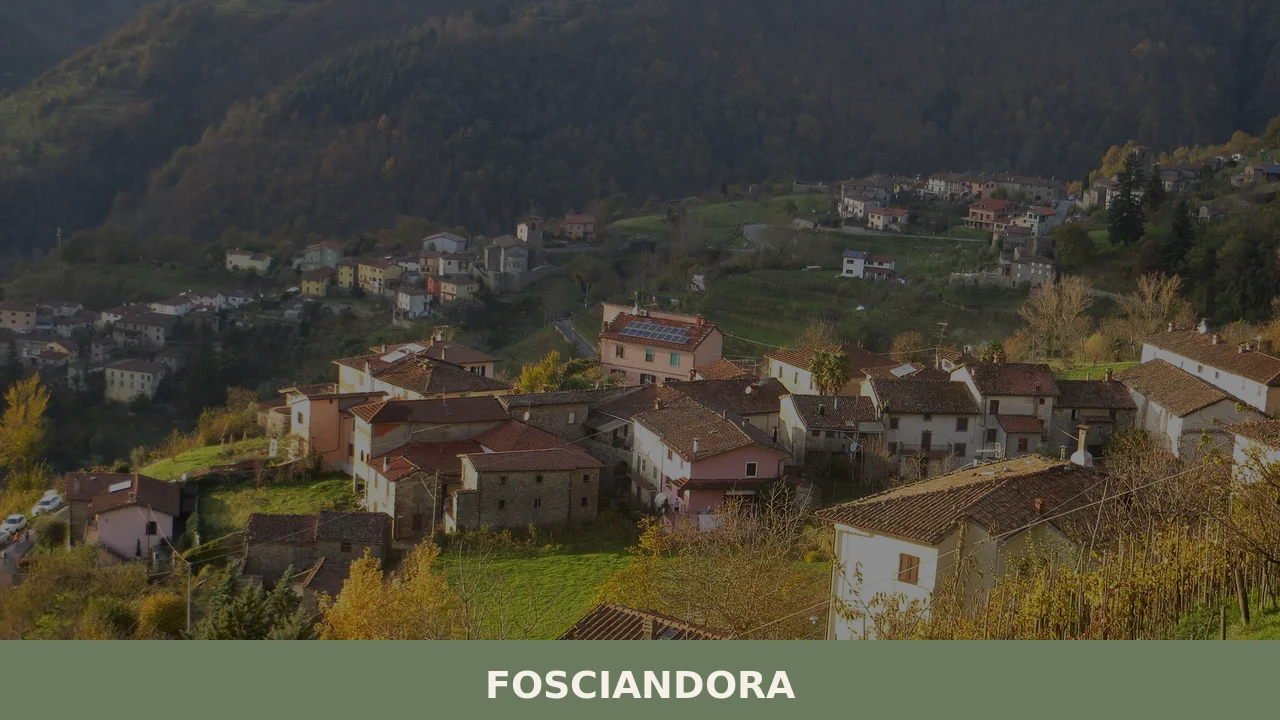
The Serchio valley narrows at this point in the Garfagnana, and the road that climbs toward Fosciandora crosses the regional route 445 before the houses announce themselves through stone walls and the bell tower of San Sebastiano. At 390 m (1,280 ft) above sea level, the settlement divides across several distinct hamlets — Ceserana, Treppignana, Riana, Lupinaia, Migliano — each preserving its own church, its own parish identity, its own relationship with the forested ridges above the valley floor.
Knowing what to see in Fosciandora means understanding a municipality built from fragments: historically split between competing states, then slowly unified into a single comune, an administrative unit, by the early nineteenth century.
The village sits roughly 30 km (19 mi) north of Lucca and about 70 km (43 mi) northwest of Florence, placing it within reach of both cities for a day trip.
With a population of around 614 inhabitants spread across its hamlets, Fosciandora, Toscana, Italy offers a dense concentration of religious architecture, a documented medieval mill, and a calendar anchored by the feast of San Sebastiano on 20 January.
History of Fosciandora
The territory that now forms the municipality of Fosciandora entered the orbit of the Republic of Lucca during the thirteenth century, when the lowland city-states were extending their administrative reach into the Garfagnana highlands. The population and its land were incorporated into a governance structure that would last, in various forms, for over a century and a half. That relative stability ended when the House of Este began taking control of the wider Garfagnana region from 1429 onward, triggering a division that cut directly through what is now a single municipality.
The split produced two jurisdictions from one territory.
The three settlements known as the “three lands” — Treppignana, Riana, and Lupinaia — remained under Lucca’s jurisdiction and formed part of the diocese of Gallicano.
The rest of the current municipality, with Ceserana as its administrative centre, passed first to the Republic of Florence and then, in 1451, to Borso d’Este, becoming part of the Duchy of Ferrara. This political boundary ran through a landscape of chestnut forests and river tributaries, dividing communities that shared the same ridge lines and the same seasonal rhythms. The Este connection linked the Garfagnana to the Po Valley courts rather than to Tuscany, leaving a distinct imprint on local governance and land tenure.
At the end of the eighteenth century, the Cispadane Republic absorbed the Garfagnana, and on 3 March 1799 it ordered that Ceserana, Villa, and Fosciandora each become an independent comune. A new law of March 1804 reversed that fragmentation, merging the three into a single municipality under the name Comunità di Fosciandora.
Subsequent decades brought further boundary changes: in 1847, when the Treaty of Florence came into force, the territory expanded to its present limits and fell under the Duchy of Modena and Reggio.
That arrangement lasted until 1859, after which the area became part of the unified Kingdom of Italy. The final administrative shift came in 1923, when the entire district of Castelnuovo di Garfagnana, Fosciandora included, moved from the Province of Massa-Carrara to the Province of Lucca, the provincial alignment that remains in force today.
What to see in Fosciandora, Toscana: top attractions
Church of San Sebastiano in Fosciandora
The Church of San Sebastiano stands as the parish church of the village centre and the seat of the municipality’s patron cult. San Sebastiano has been venerated here at least since the early modern period, and the feast day of 20 January continues to draw residents from across the scattered hamlets together in the main settlement. The building’s interior follows the single-nave layout typical of Garfagnana parish churches, where the stone construction provides a thermal mass that keeps the space cool in summer and cold in winter.
Visiting in the weeks around January gives the clearest sense of how the church functions as the social and liturgical centre of the municipality.
Sanctuary of Maria Santissima della Stella in Migliano
The Sanctuary of Maria Santissima della Stella occupies the hamlet of Migliano, one of the higher-lying settlements within the Fosciandora municipality.
Sanctuaries of this type in the Garfagnana typically developed around reported apparitions or miraculous images between the fifteenth and seventeenth centuries, drawing pilgrims from the surrounding valleys along routes that followed the ridges rather than the rivers. The building shares its hamlet with the Church of San Michele Arcangelo, giving Migliano two distinct religious structures within a small cluster of houses. For those asking what to see in Fosciandora beyond the valley floor, the climb to Migliano and its sanctuary provides a clear view of the Serchio basin and the wooded slopes that define the Garfagnana landscape.
Church of Sant’Andrea Apostolo in Ceserana
Ceserana served as the administrative capital of the portion of Fosciandora that fell under Florentine and then Este control after 1429, a role that gave the hamlet a civic weight beyond its size.
The Church of Sant’Andrea Apostolo is the principal religious building of this hamlet and reflects the longer history of Ceserana as a settlement centre. The dedication to the Apostle Andrew is consistent with early medieval church foundations across northern Tuscany, suggesting the building’s origins predate the Este period by several centuries. Ceserana is accessible directly from the regional road 445, making it one of the easier hamlets to reach without a steep uphill walk.
The Mill in the Mulino del Cavallo-Casonza Area
The mill documented in the Mulino del Cavallo-Casonza area represents the most significant piece of civil architecture recorded within the municipality.
Water mills in the Garfagnana were fundamental to the processing of the chestnut flour and grain that sustained highland communities through winters when road access to lowland markets was unreliable. The Casonza stream, like other tributaries of the Serchio, provided a consistent gradient suitable for milling operations.
The structure gives visitors a concrete point of reference for understanding the pre-industrial economy of the area, and it stands apart from the cluster of religious buildings that otherwise dominates the architectural record of the municipality.
Church of San Silvestro Pope in Riana and Church of San Martino Bishop in Treppignana
Riana and Treppignana formed two of the “three lands” that remained under Lucca’s jurisdiction while the rest of the current municipality fell under Este control, and both hamlets retain their individual parish churches as evidence of that separate administrative identity. The Church of San Silvestro Pope in Riana and the Church of San Martino Bishop in Treppignana each carry dedications to bishop-saints, a pattern common in territories historically tied to the diocese of Gallicano.
Walking between these two churches — both located in the Lucchese portion of the municipality — covers ground that was once a political boundary, with the Este-controlled territories beginning within a few hundred metres. The two hamlets sit at elevations above the valley road, requiring a short uphill approach from the regional route 445.
Local food and typical products of Fosciandora
The Garfagnana valley has historically been a zone of subsistence agriculture centred on chestnut cultivation, rye, and the pastoral use of the higher slopes.
Fosciandora, sitting at 390 m (1,280 ft) and bordered by the municipalities of Barga, Castelnuovo di Garfagnana, Gallicano, Pieve Fosciana, and Pievepelago, shares the culinary traditions of this entire highland zone. The influence of the Este court in the Ferrara period did not substantially alter the diet of rural settlements like Ceserana, which remained oriented toward locally grown cereals and preserved meats rather than the refined court cuisine of the Po Valley cities.
The Garfagnana kitchen relies on a small number of ingredients used repeatedly across different preparations.
Polenta di farro, made from emmer wheat ground coarsely and cooked slowly in water with salt, is eaten as a main dish alongside braised vegetables or dried salt cod.
Necci are thin chestnut-flour pancakes cooked between two flat iron plates, traditionally eaten with fresh sheep’s-milk ricotta; the batter requires only chestnut flour and water, producing a result that is slightly sweet from the flour’s natural sugars and dense enough to fold around a filling. Castagnaccio, a flat cake made from chestnut flour, rosemary, pine nuts, and raisins baked in olive oil, is prepared from October through to early spring, coinciding with the chestnut harvest and the months when dried chestnuts are available in quantity.
Across the Province of Lucca and the wider Garfagnana, the Farro della Garfagnana (IGP — Indicazione Geografica Protetta) is the most formally recognised product of the zone. This emmer wheat variety has been cultivated in the Garfagnana since at least the medieval period and carries European protected geographical indication status, meaning it can only be labelled with the IGP designation when grown within the defined production area.
The grain’s low gluten content and nutty flavour distinguish it from modern wheat varieties, and it appears in soups, in pasta dough, and in the polenta dishes mentioned above.
Local macellerie, traditional butcher’s shops, in the nearby centre of Castelnuovo di Garfagnana stock the full range of Garfagnana cured meats and flours, including the Biroldo della Garfagnana, a spiced blood sausage made from pig’s head meat and seasoned with spices including cloves and cinnamon.
Castelnuovo di Garfagnana, 30 km (19 mi) south of Fosciandora, holds a periodic food market where Garfagnana producers sell directly, and the autumn months of October and November are the most productive period to find chestnut-based products at their freshest. The chestnut harvest, known locally as the raccolta delle castagne, takes place between September and November across the forested slopes above the valley settlements, and several of the hamlets within the Fosciandora municipality border woodland areas used for this purpose.
Festivals, events and traditions of Fosciandora
The principal annual event in the municipality is the feast of San Sebastiano, held on 20 January.
San Sebastiano has been venerated as a protector against plague and epidemic illness since the early Christian period, and his feast day in Fosciandora brings together residents from the dispersed hamlets of the municipality for a liturgical celebration centred on the parish church that bears his name.
The date falls in the depths of winter, when the Garfagnana valley receives limited sunlight and temperatures at 390 m (1,280 ft) can drop to near freezing; the gathering therefore carries a practical as well as devotional function, marking one of the few occasions when the scattered population assembles as a single community.
The broader calendar of the Garfagnana includes the chestnut festivals held across the valley in October and November, when individual municipalities organise sagre — traditional local food festivals — around the harvest.
While specific verified events tied to Fosciandora itself are limited in the documented record, the municipality’s position within the Garfagnana zone means that the regional events calendar of Castelnuovo di Garfagnana and the surrounding comuni is directly accessible to visitors staying in or near Fosciandora.
The Oratory of Maria Santissima Addolorata in Lupinaia and the Sanctuary of Maria Santissima della Stella in Migliano both have Marian dedications that would historically have been marked by local observances in May and September, the months traditionally associated with Marian devotion in the Italian liturgical calendar.
When to visit Fosciandora, Italy and how to get there
The best period to visit Fosciandora sits between late May and early October, when the road access is reliable, the forested slopes above the hamlets are fully green, and the valley floor offers walking conditions that require only standard footwear.
Summer temperatures at 390 m (1,280 ft) are cooler than on the Tuscan coast, rarely exceeding 28°C (82°F) at midday, making the Garfagnana a practical alternative to the more crowded coastal and hill-town circuits.
Those interested in the chestnut harvest and the associated food traditions should plan for September and October specifically. The feast of San Sebastiano on 20 January is the only reason to make a winter visit to Fosciandora, and international visitors should check road conditions on the regional route 445 before travelling at that time of year.
The municipality is served by the Fosciandora-Ceserana railway station on the Lucca–Aulla railway line, which connects the Garfagnana valley to both Lucca in the south and Aulla in the north. From Lucca, the train journey covers approximately 30 km (19 mi) and takes around 50 minutes, making a day trip from Lucca entirely workable.
From Florence, the practical approach is to drive northwest on the A11 motorway toward Lucca, exit at Lucca Est, and then follow the regional route 445 north into the Garfagnana; the total distance from Florence is approximately 110 km (68 mi), covering the journey in about 90 minutes by car.
Public bus services operated by CTT Nord run along the regional road 445 and connect the valley settlements, though frequency is limited and schedules should be checked in advance on the CTT Nord network. The nearest major airport is Pisa Galileo Galilei, approximately 80 km (50 mi) southwest of Fosciandora; from Pisa, the route runs via Lucca. International visitors should carry euros in cash, as smaller establishments in the Garfagnana hamlets do not always accept card payments, and English is not widely spoken in village shops and local bars.
For those travelling from Aulla, which sits at the northern terminus of the Lucca–Aulla railway roughly 50 km (31 mi) from Fosciandora, the same rail line provides a direct connection southward into the Garfagnana, making a linear journey through the valley entirely feasible by train in a single day.
Visitors who want to extend their time in the area will find that the municipality borders Castelnuovo di Garfagnana, the main service town of the valley, where fuel, supermarkets, pharmacies, and the full range of practical amenities are available within 10 km (6.2 mi) of Fosciandora’s hamlets.
Further information on transport schedules and local services is available through the official website of the Comune di Fosciandora.
Those combining the Garfagnana with a broader Tuscan itinerary may find it useful to note that Casola in Lunigiana, which lies to the northwest in the adjacent Lunigiana territory, shares the same rail corridor and a comparable pattern of dispersed highland hamlets, making it a natural extension of a Garfagnana-focused trip.
Frequently asked questions about Fosciandora
What is the best time to visit Fosciandora?
Late spring (May–June) and early autumn (September–October) offer mild temperatures at 390 m elevation, clear views over the Serchio valley, and accessible forest paths. October coincides with the chestnut harvest, when necci, castagnaccio, and chestnut flour are at their freshest across the Garfagnana. For those interested in local traditions, 20 January — the feast of the patron saint San Sebastiano — brings residents from all hamlets together at the main village church, offering a rare glimpse of communal life across the scattered municipality.
What are the historical origins of Fosciandora?
Fosciandora entered the orbit of the Republic of Lucca in the thirteenth century. From 1429, Este expansion split the territory: Treppignana, Riana, and Lupinaia remained under Lucca, while Ceserana passed to Florence and then in 1451 to Borso d'Este, linking the area to the Duchy of Ferrara. Following Napoleonic-era reorganisation, the three separate comuni were merged into the Comunità di Fosciandora in March 1804. In 1923 the municipality moved from the Province of Massa-Carrara to the Province of Lucca, its current administrative home.
What to see in Fosciandora? Main monuments and landmarks
Key sites include the Church of San Sebastiano in the village centre, active hub of the patron feast on 20 January; the Sanctuary of Maria Santissima della Stella in Migliano, a hilltop hamlet with panoramic views over the Serchio basin; the Church of Sant'Andrea Apostolo in Ceserana, accessible directly from regional road 445; the medieval mill in the Mulino del Cavallo-Casonza area; and the paired parish churches of San Silvestro Pope (Riana) and San Martino Bishop (Treppignana). No admission fees are documented for these sites.
Where to take the best photos in Fosciandora?
The hamlet of Migliano, the highest-lying settlement in the municipality, offers the clearest views over the Serchio valley and the wooded Garfagnana ridges. The climb to the Sanctuary of Maria Santissima della Stella provides the natural vantage point for landscape photography. At valley level, the stone approaches to Ceserana from regional road 445 and the bell tower of San Sebastiano framed against the forested slopes above the village centre are the most photogenic architectural subjects within the municipality.
Are there museums, churches or historic buildings to visit in Fosciandora?
Fosciandora has five documented religious buildings spread across its hamlets: San Sebastiano (village centre), Sant'Andrea Apostolo (Ceserana), the Sanctuary of Maria Santissima della Stella and San Michele Arcangelo (both in Migliano), San Silvestro Pope (Riana), and San Martino Bishop (Treppignana). The medieval mill in the Mulino del Cavallo-Casonza area is the principal civil structure on record. No opening hours or admission fees are officially published for these sites; visiting during morning hours or around liturgical events improves access to the churches.
What can you do in Fosciandora? Activities and experiences
Fosciandora is suited to low-key hill walking between its five hamlets — Ceserana, Treppignana, Riana, Lupinaia, and Migliano — along paths that cross former political boundaries between the old Lucchese and Este territories. The chestnut forests above the valley floor are accessible on foot from the village in autumn. The municipality also serves as a base for exploring the wider Garfagnana, with Castelnuovo di Garfagnana roughly 10 km away for markets, food shopping, and the full range of Garfagnana cured meats and IGP-certified farro.
Who is Fosciandora suitable for? Families, couples, hikers, solo travelers?
Fosciandora suits independent travellers and couples seeking quiet Garfagnana hill villages away from organised tourist circuits. Hikers will value the forested ridges and inter-hamlet paths at elevations between 390 m and the higher ground around Migliano. History enthusiasts interested in the Este–Lucca territorial boundary that once cut through this single municipality will find the hamlets a tangible illustration of medieval political geography. The village is less suited to families expecting organised children's activities or visitors relying on public transport connections.
What to eat in Fosciandora? Local products and specialties
Fosciandora shares the Garfagnana food tradition built on chestnut and emmer wheat. Key dishes include necci (thin chestnut-flour pancakes eaten with sheep's-milk ricotta), castagnaccio (chestnut flour cake with rosemary, pine nuts, and raisins, available October through early spring), and polenta di farro made from coarsely ground emmer. The Farro della Garfagnana IGP — an emmer wheat with European protected geographical indication status — is the zone's most formally recognised product, used in soups, pasta, and polenta. The nearest well-stocked food shops and macellerie are in Castelnuovo di Garfagnana.
Nearby Villages near Fosciandora
In Tuscany More villages to discover
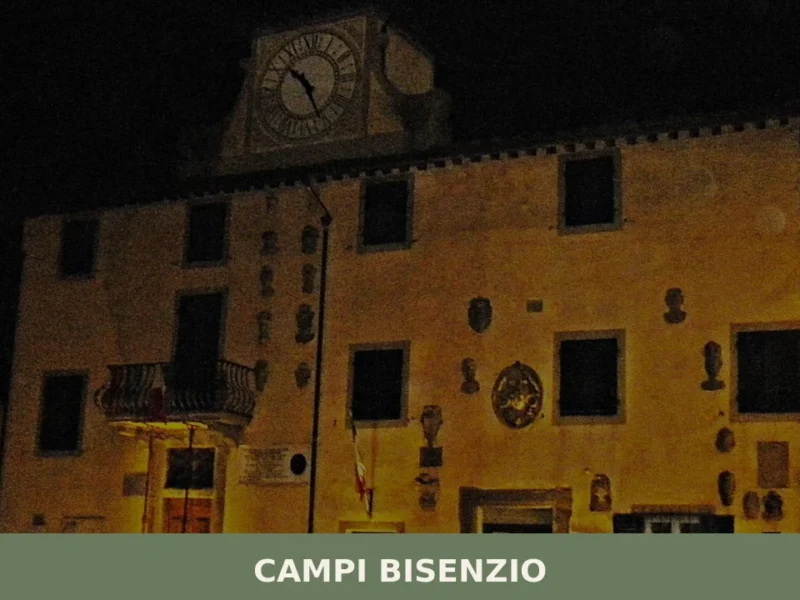
Campi Bisenzio
 Plains
What to see in Campi Bisenzio, Italy: 43,580 inhabitants, 10 km from Florence. Discover the birthplace of the internal combustion engine, Renaissance art and more.
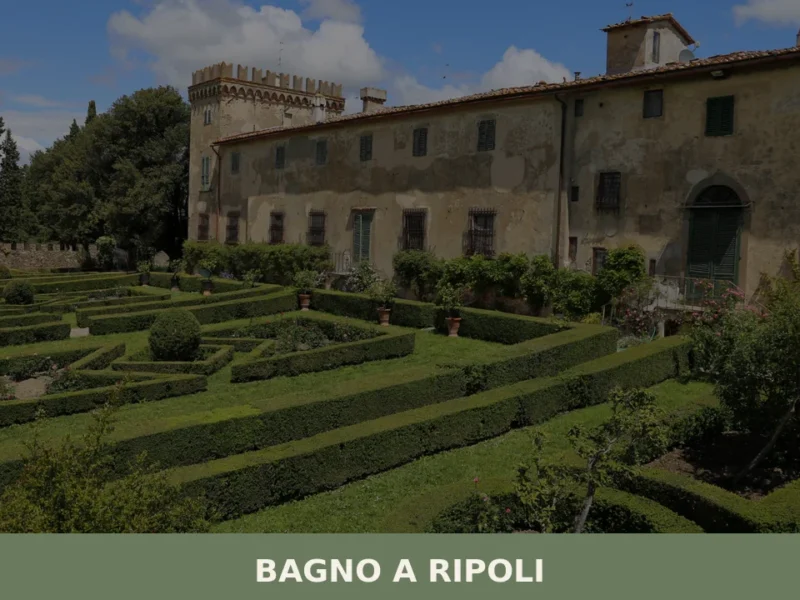
Bagno a Ripoli
Plains
What to see in Bagno a Ripoli, Italy: 25,488 inhabitants, 7 km from Florence. Discover top attractions, local food, and how to get there. Explore now.
Calenzano
Plains
What to see in Calenzano, Italy: 5 top attractions, medieval churches, Renaissance art, and practical tips. 11 km from Florence. Discover Calenzano, Toscana.
Bagni di Lucca
Plains
A comune of 5,560 residents in Lucca province, Bagni di Lucca centres on warm springs and the Serchio river corridor. Its identity rests on water and geology.
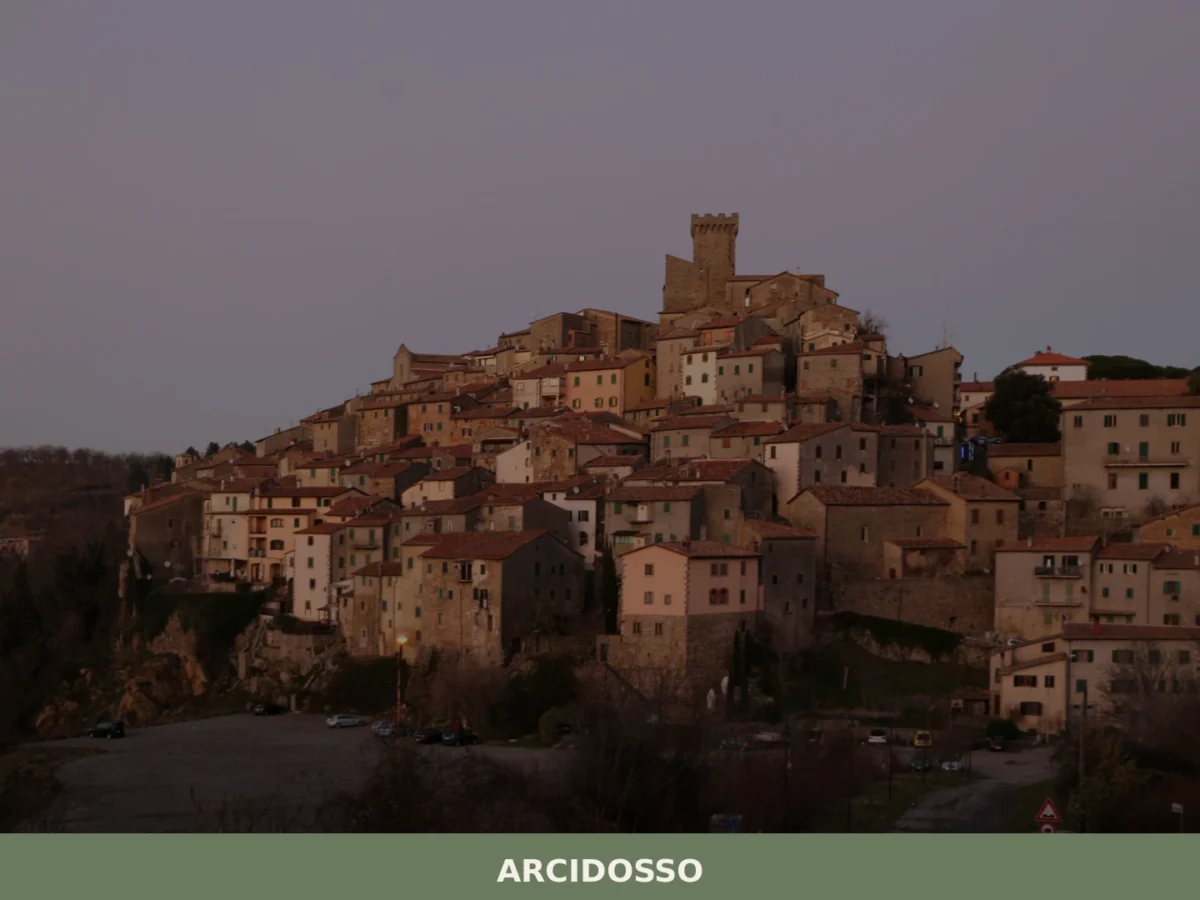
Arcidosso
 Mountain
What to see in Arcidosso, Italy: explore a medieval castle built around 1000 AD, 3 surviving city gates, and local Monte Amiata cuisine. Discover top attractions now.
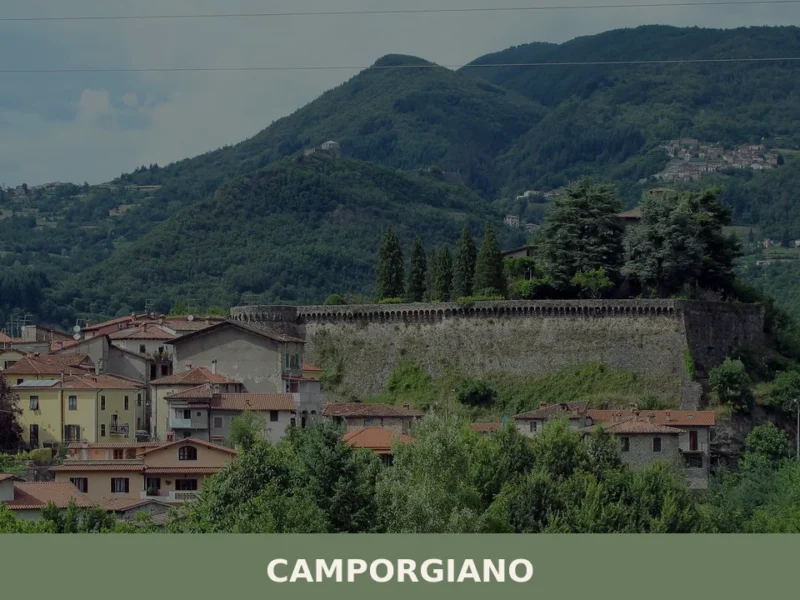
Camporgiano
Hills
What to see in Camporgiano, Italy: a hilltop comune at 475 m in Garfagnana, Toscana. Discover the fortress, San Iacopo feast and local chestnut traditions.
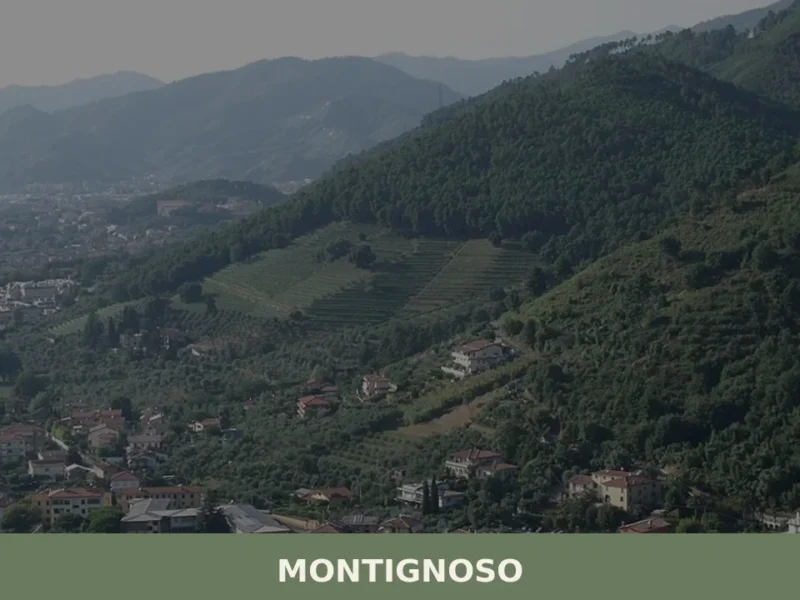
Montignoso
 Sea
Sea
Discover what to see in Montignoso: 5 historical and natural attractions. Explore Aghinolfi Castle and Monterosso Park!

San Giovanni Valdarno
Hills
Founded in 1296 as a Florentine frontier town, San Giovanni Valdarno preserves a medieval grid layout, masterpieces by Beato Angelico, and the legendary miracle of Monna Tancia.
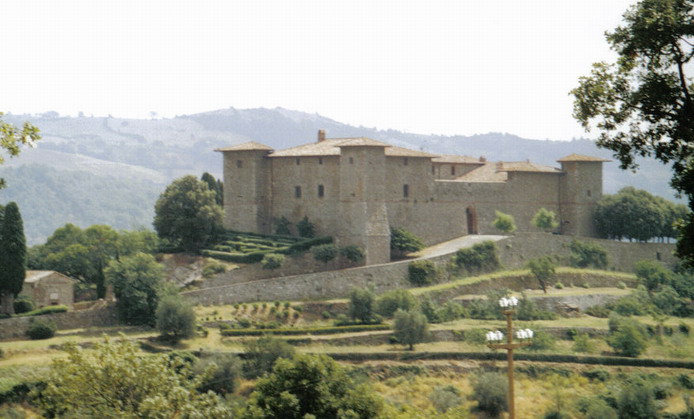
Pitigliano
Sea
What to see in Pitigliano, Italy: a tufa-rock town 80 km from Grosseto with a 1598 synagogue, Etruscan cuts, and Orsini Fortress. Discover the complete guide.
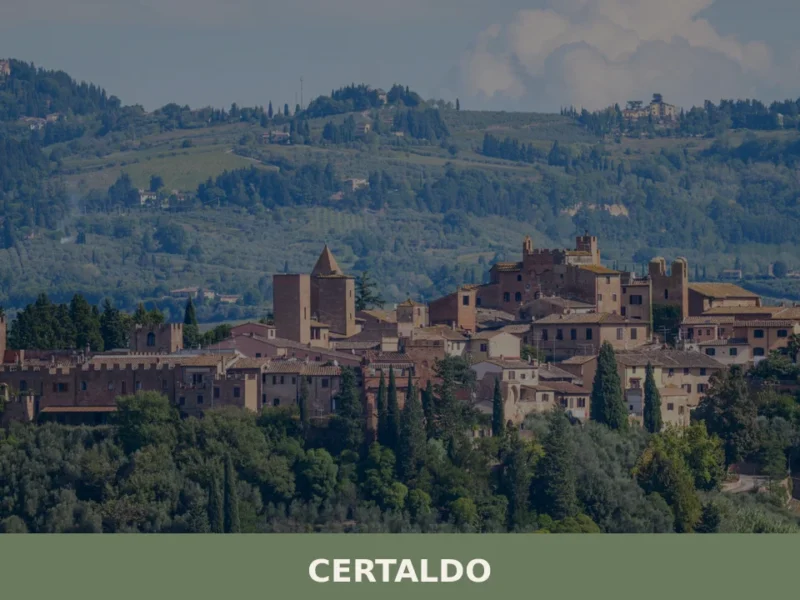
Certaldo
Plains
Red brick rises above the Valdelsa in distinct horizontal courses, the same fired clay that built the house where Giovanni Boccaccio is documented to have died in 1375. The upper town, Certaldo Alto, sits at 67 m (220 ft) above sea level on a ridge that divides the valley floor from the surrounding hills, its […]

🏡 Know Fosciandora better than we do?
If you’re a local or have been there, your knowledge matters: add what’s missing or fix a detail on this page.