


Bisenti
 Hills
Hills
What to see in Bisenti, Abruzzo, Italy: explore the church of Santa Maria degli Angeli, the House of Pilate legend, and a village of 2,030 inhabitants. Discover it now.
Discover Bisenti
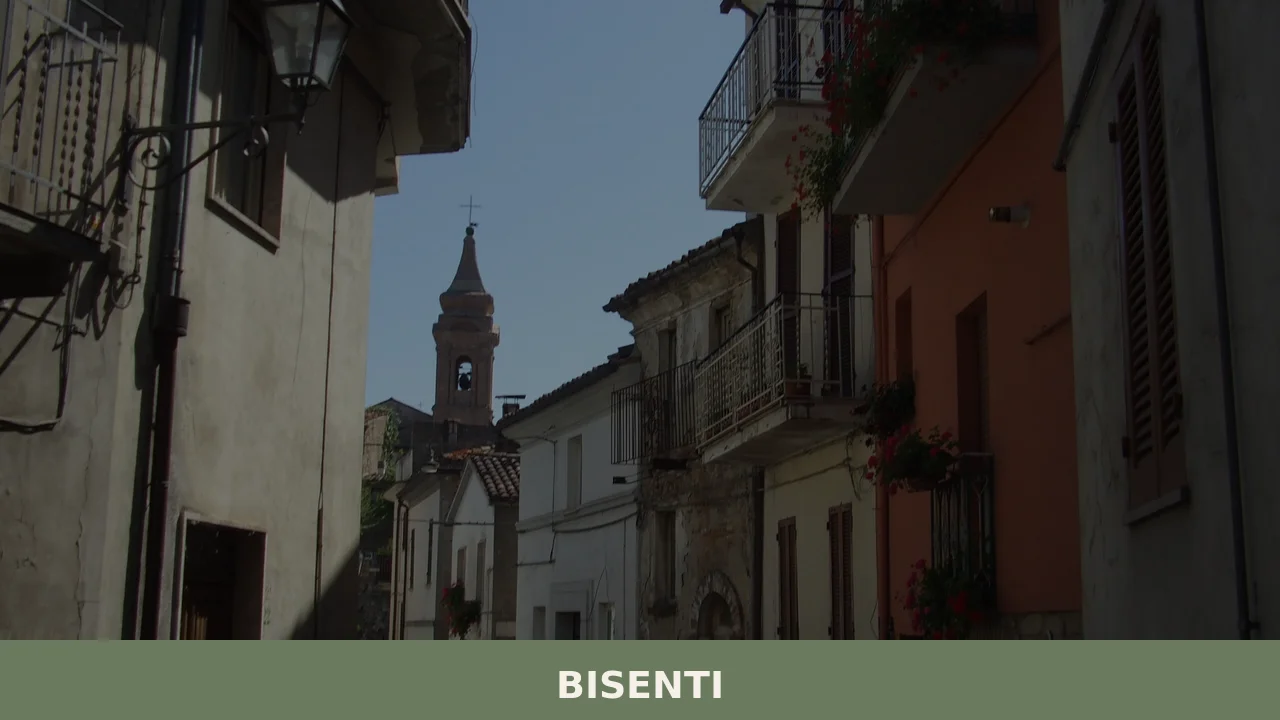
The bell tower of Santa Maria degli Angeli rises over Piazza Vittorio Emanuele in a pale stone that catches the midday light differently than the surrounding walls. Below, the streets of the historic centre follow a medieval grid that has remained largely intact, and the ruins locally called the House of Pilate stand at the edge of the oldest quarter, their Roman-era stonework visible in horizontal courses.
Bisenti, in the province of Teramo, holds 2,030 inhabitants and sits at 274 m (899 ft) above sea level on a rise above the surrounding Abruzzo plain.
Deciding what to see in Bisenti rewards a focused half-day visit: the parish church of Santa Maria degli Angeli, documented as one of the major basilicas of Abruzzo during the 15th and 16th centuries, and the ruins associated with the legend of Pontius Pilate are the two anchors of any itinerary. Visitors to Bisenti, Abruzzo, Italy also find a medieval street plan, a Franciscan-linked religious heritage, and a local identity rooted in the Samnite past of central Italy’s interior. The population of 2,030 gives the place a small-town rhythm that makes navigation straightforward.
History of Bisenti
The Latin names recorded for the settlement — Bisemptum and Biseptum — appear in early ecclesiastical documents and point to an origin that predates the medieval administrative reorganisation of the Teramo province. The local dialect name Bisìndë, still used by long-term residents, preserves a phonetic form that linguists associate with the broader Sabine and Samnite speech patterns of the central Apennine interior. Bisenti occupies territory that was historically part of the Samnite lands before Roman consolidation, a fact that shapes both its archaeological profile and its later legendary associations.
During the 15th and 16th centuries, Bisenti reached a documented peak of religious prominence.
The church of Santa Maria degli Angeli was considered one of the major basilicas of Abruzzo in that period, drawing pilgrims and ecclesiastical attention to a settlement that was otherwise modest in size. The Franciscan order maintained a connection to the church according to local tradition, and the building’s status was significant enough that a representation of it was incorporated into the mosaic floor of the Basilica of Saint Peter in Rome. That detail, verifiable in the Roman basilica itself, places Bisenti within a broader network of Franciscan and regional Catholic significance that extended well beyond its administrative boundaries.
The Roman layer of the site is kept alive by a persistent tradition linking Bisenti to the birthplace of Pontius Pilate. Ruins identified locally as the House of Pilate occupy a corner of the historic centre, and the writer Angelo Paratico dedicated a chapter to exploring this claim, describing Pilate’s origins in Samnite territory and a legendary meeting with Longinus observed every Easter. The frazione of Colle Marmo represents the only formally recognised subdivision of the comune, the administrative unit corresponding roughly to a municipality, reflecting Bisenti’s compact territorial footprint within the Teramo province.
What to see in Bisenti, Abruzzo: top attractions
Church of Santa Maria degli Angeli
The facade of Santa Maria degli Angeli opens onto Piazza Vittorio Emanuele and presents a stone surface that has been modified across several building phases, with the bell tower marking the most visually imposing element of the ensemble.
Historical records confirm that the church held the rank of one of the major basilicas of Abruzzo during the 15th and 16th centuries, placing it in a category of regional religious architecture that few settlements of Bisenti’s size could claim. Inside, the spatial proportions reflect the casa badiale — a residential structure historically attached to a monastic or conventual church — which remains integrated into the complex. The Franciscan connection documented in local tradition explains the layout and the scale, both of which exceed what a purely parish function would have required. Visitors should look at the floor level near the apse, where the architectural transitions between building campaigns are most readable.
Piazza Vittorio Emanuele and the Historic Centre
Piazza Vittorio Emanuele functions as the spatial hub of Bisenti’s medieval street plan, a plan that has survived without the large-scale demolitions common in many Italian towns during the 20th century. The square’s proportions are modest — consistent with a settlement of around 2,000 inhabitants — and the buildings enclosing it include the parish church on one side and residential structures from successive centuries on the others.
Walking the adjacent streets, visitors encounter a sequence of covered passageways, external staircases, and narrow junctions that are characteristic of hilltop Abruzzo urbanism. The stone used throughout is local, giving the walls a uniform warm-grey tone that shifts in afternoon light. The best time to read the square’s geometry is early morning, before vehicle traffic makes access to the narrower lanes difficult.
The House of Pilate
The ruins known locally as the House of Pilate occupy a clearly defined site within the historic centre and consist of masonry courses that are identifiably Roman in construction technique, distinguishable from the medieval fabric surrounding them by the regularity of the stone coursing and the mortar type. The tradition linking this structure to the birthplace of Pontius Pilate situates Bisenti within Samnite territory, a geographically and historically coherent identification given that the Samnites controlled much of the central Apennine interior before Roman conquest.
Angelo Paratico, a researcher who has written about early Roman figures in Italian provincial contexts, dedicated specific analysis to this claim and to the Easter tradition associating the site with a meeting between Pilate and Longinus. The ruins are accessible on foot from Piazza Vittorio Emanuele within a five-minute walk, and the site repays close attention to the wall fabric rather than to the overall volume.
The Medieval Street Plan of the Historic Centre
Few Italian villages of Bisenti’s population retain a street layout this close to its medieval form, with lane widths, turning radii, and building setbacks that reflect pre-automotive planning logic throughout. The grid responds to the natural topography of the rise on which the settlement sits at 274 m (899 ft), with the main circulation axis running roughly parallel to the contours and secondary lanes dropping toward the edges of the built area.
At several points, the external walls of the historic centre open onto views of the surrounding Abruzzo lowlands, offering clear sightlines across a landscape that changes character between spring, when cereal crops cover the plain, and late summer, when the ground dries to an ochre tone. Exploring these streets on foot from the piazza outward takes between 45 minutes and one hour at a deliberate pace, covering the full circuit of the medieval perimeter.
Colle Marmo
Colle Marmo is the only officially recognised frazione — a subdivision of the comune, smaller than a municipality — associated with Bisenti, and it lies within the broader territorial unit of the Teramo province. The name, translating directly as Marble Hill, suggests either a geological feature or a historical extraction or processing activity, though the documentary record does not specify which. Reaching Colle Marmo from the main settlement requires a short road journey, and the road itself passes through agricultural land typical of the Abruzzo interior at this elevation.
The fraction offers a different perspective on Bisenti’s territorial scale, making clear that the comune extends beyond the concentrated historic centre. Those driving between Bisenti and Fano Adriano, a village in the Gran Sasso foothills further into the Teramo province, can include Colle Marmo as a brief stop along the route.
Local food and typical products of Bisenti
The food culture of the Teramo province, within which Bisenti sits, developed across centuries of subsistence farming and transhumance — the seasonal movement of livestock between lowland winter pastures and upland summer grazing — that connected the interior of Abruzzo to both the Adriatic coastal plain and the higher Apennine zones. At 274 m (899 ft), Bisenti occupies a transitional altitude: low enough for cereal cultivation and olive growing in favourable microclimates, high enough to benefit from the livestock products — cured meats, aged cheeses, lamb preparations — that define the inland Abruzzo table.
The result is a local eating pattern that draws on both agricultural and pastoral traditions without being exclusively identified with either.
Dishes common to this part of the Teramo province include maccheroni alla chitarra, a fresh egg pasta cut on a wire-strung wooden frame that produces square-section strands typically served with a slow-cooked lamb ragù or, in season, with a sauce based on saffron and lamb offal. Arrosticini, small skewers of mutton fat and lean meat grilled over a long, narrow brazier, originated in the Abruzzo shepherd tradition and appear at almost every local gathering. Pecora alla cottora, mutton cooked for several hours in a sealed pot with white wine, wild herbs, and onion, represents the more substantial end of the local repertoire and is associated with autumn and winter meals. Bread in this area tends toward dense, open-crumb loaves baked from locally milled soft wheat, often consumed the day after baking when the crust softens slightly.
No certified designation of origin products — DOP, IGP, or STG — are recorded specifically for Bisenti in the available sources. The broader Teramo province, however, is the production area for several Abruzzo-wide certifications, including Montepulciano d’Abruzzo (DOC wine) and Pecorino d’Abruzzo, an aged sheep’s milk cheese produced across multiple Abruzzo provinces.
Visitors to Castiglione a Casauria, a village to the southwest in the Pescara province, will find similar pastoral food traditions linked to the same transhumance routes that historically connected the interior of Abruzzo.
Local markets in the Teramo province typically run on a weekly cycle, with the largest markets in the provincial capital of Teramo offering the broadest selection of agricultural products from the surrounding comuni. Spring and early autumn are the most productive seasons for fresh produce from the Bisenti area, with the summer heat reducing market variety but increasing the availability of cured and preserved goods that form a significant part of the local diet during the drier months.
Festivals, events and traditions of Bisenti
The church of Santa Maria degli Angeli, as the parish church of Bisenti, anchors the main religious calendar of the village. The Franciscan tradition linked to the church means that the feast days associated with the Franciscan liturgical year carry particular weight locally, with processions through the medieval streets forming the core of the public observance. The Easter period carries additional significance in Bisenti specifically because of the tradition documented by Angelo Paratico: a local commemoration connecting the ruins of the House of Pilate to a meeting between Pontius Pilate and Longinus, observed each year and giving Easter a local narrative layer absent from most other Abruzzo villages of comparable size.
The broader Abruzzo calendar of sagre — traditional food festivals tied to a single ingredient or dish — influences the events programme of the Teramo province throughout summer and early autumn.
While no specific sagra is documented in the available sources for Bisenti itself, the proximity to larger centres in the Teramo province means that visitors in July and August will find multiple events within a short drive. The medieval atmosphere of the historic centre has historically made it a functional backdrop for outdoor events during the summer months, when the stone streets and the square in front of Santa Maria degli Angeli provide a natural gathering space.
When to visit Bisenti, Italy and how to get there
The best time to visit Bisenti falls between late April and June, and again in September and October. Spring brings the surrounding plain into full agricultural colour and keeps temperatures at the 274 m (899 ft) site moderate — typically between 14°C (57°F) and 22°C (72°F) during the day — without the heat that makes July and August walking in the historic centre uncomfortable during midday hours. Early autumn offers similar temperatures with the added advantage of harvest activity in the surrounding countryside and reduced visitor numbers across the Teramo province generally. Winter is functional but cold, with occasional frost at this altitude and reduced opening hours at local services.
Getting to Bisenti by car is the most practical option for international visitors. From the A24 motorway (Rome–L’Aquila–Teramo), the exit at Teramo places you approximately 25 km (15.5 mi) from Bisenti, with the journey completed via the SS81 provincial road eastward.
From Pescara, the nearest major coastal city and the location of the Aeroporto d’Abruzzo, Bisenti is approximately 45 km (28 mi) by road, a drive of around 50 minutes depending on the route taken through the Abruzzo interior. Pescara is also connected to Rome Termini by Trenitalia intercity rail services, with journey times of approximately 3 hours, making a Rome–Pescara–Bisenti route viable as a two-day trip. From Rome by car via the A24, Bisenti is reachable in approximately 2 hours and 15 minutes, placing it within comfortable day-trip range for visitors based in the capital. There is no railway station in Bisenti itself; the nearest functional stations are in Teramo and Pescara. International visitors should note that English is not widely spoken in smaller shops and restaurants in the Bisenti area, and carrying cash in Euros is advisable as card payment infrastructure in smaller establishments can be limited.
Visitors organising a wider itinerary through the Teramo province can combine Bisenti with Villa Celiera, a village in the Pescara province that shares the same broad Apennine foothills landscape and offers comparable medieval urban fabric. Those travelling from the south or east, approaching through the Marsica area, might also consider extending the route to include Luco dei Marsi in the L’Aquila province, which preserves a different but historically related layer of central Abruzzo settlement history.
Frequently asked questions about Bisenti
What is the best time to visit Bisenti?
Spring and early summer offer the most rewarding conditions: mild temperatures, green Abruzzo plains visible from the historic centre's edge, and the two major patron saint celebrations. The feast of San Pasquale Baylón falls on 17 May, while the festival of the Madonna degli Angeli — directly tied to the parish church of Santa Maria degli Angeli — takes place on 2 August. Visiting around these dates connects you to the living religious and community traditions of the village. Autumn is quieter but equally pleasant for walking the medieval streets without summer heat.
What are the historical origins of Bisenti?
Bisenti's origins predate medieval administrative organisation. Its Latin names — Bisemptum and Biseptum — appear in early ecclesiastical documents, while the local dialect form Bisìndë preserves speech patterns linguists link to Sabine and Samnite traditions of the central Apennines. The territory was part of the Samnite lands before Roman consolidation, shaping both its archaeological profile and the persistent legend connecting the so-called House of Pilate to the birthplace of Pontius Pilate. The village reached its peak of religious prominence in the 15th and 16th centuries, when Santa Maria degli Angeli ranked among the major basilicas of Abruzzo.
What to see in Bisenti? Main monuments and landmarks
Three sites anchor any visit. The church of Santa Maria degli Angeli on Piazza Vittorio Emanuele was one of the major basilicas of Abruzzo in the 15th–16th centuries and is represented in the mosaic floor of St Peter's Basilica in Rome. The ruins known as the House of Pilate, a five-minute walk from the piazza, display identifiably Roman masonry courses and are linked to the Pontius Pilate legend explored by researcher Angelo Paratico. Finally, the intact medieval street plan rewards 45–60 minutes on foot, with covered passageways and views across the Abruzzo lowlands.
Where to take the best photos in Bisenti?
The bell tower of Santa Maria degli Angeli photographed from Piazza Vittorio Emanuele is the village's most distinctive image, particularly at midday when pale stone catches the light at a different tone from surrounding walls. The edges of the medieval perimeter, where the historic centre opens onto the Abruzzo plain, offer wide landscape shots that change character dramatically between spring — when cereal crops green the plain — and late summer, when the ground turns ochre. Early morning is recommended for the piazza, before vehicle traffic reaches the narrower lanes.
Are there museums, churches or historic buildings to visit in Bisenti?
The primary historic building is the church of Santa Maria degli Angeli, which retains its integrated casa badiale — the residential structure historically attached to a conventual church — reflecting Franciscan connections and a scale exceeding a purely parish function. The architectural transitions between building phases are most readable near the apse. The House of Pilate ruins represent the main archaeological site, with Roman masonry coursing distinguishable from surrounding medieval fabric. Specific opening hours for the church are not centrally published; visiting during morning hours or around the 2 August patron feast maximises access.
What can you do in Bisenti? Activities and experiences
The primary activity is exploring the medieval street plan on foot from Piazza Vittorio Emanuele outward — a full circuit of the historic perimeter takes 45 minutes to one hour. The ruins of the House of Pilate reward close attention to wall fabric and Roman construction technique. A short road journey reaches the frazione of Colle Marmo, passing agricultural land typical of the Abruzzo interior. The village's two patron saint festivals — 17 May and 2 August — provide direct participation in local religious and community life. The surrounding Abruzzo hill landscape suits unhurried scenic drives.
Who is Bisenti suitable for? Families, couples, hikers, solo travelers?
Bisenti suits travellers who value depth over spectacle: history enthusiasts drawn to Samnite and Roman heritage, architecture lovers interested in a genuinely intact medieval street plan, and those seeking the rhythm of a small Abruzzo hill village of around 1,700 people. Couples and slow-travel solo visitors find the compact historic centre easy to navigate in a focused half-day. Families with older children can engage with the Pontius Pilate legend and Roman ruins. It is not oriented toward beach tourism, nightlife, or large-scale outdoor sports, but pairs naturally with nearby Teramo province destinations.
What to eat in Bisenti? Local products and specialties
Bisenti sits within the Teramo province food tradition, drawing on both agricultural and pastoral heritage. Key dishes include maccheroni alla chitarra — square-section fresh egg pasta typically served with slow-cooked lamb ragù or saffron and lamb offal sauce. Arrosticini, small mutton skewers grilled over a narrow brazier, are present at virtually every local gathering. Pecora alla cottora — mutton slow-cooked in a sealed pot with white wine, wild herbs, and onion — is the substantial winter option. Local bread is dense and open-crumbed, baked from soft wheat and best the day after baking.
Getting there
Via Duca degli Abruzzi, 64033 Bisenti (TE)
Nearby Villages near Bisenti


In Abruzzo More villages to discover
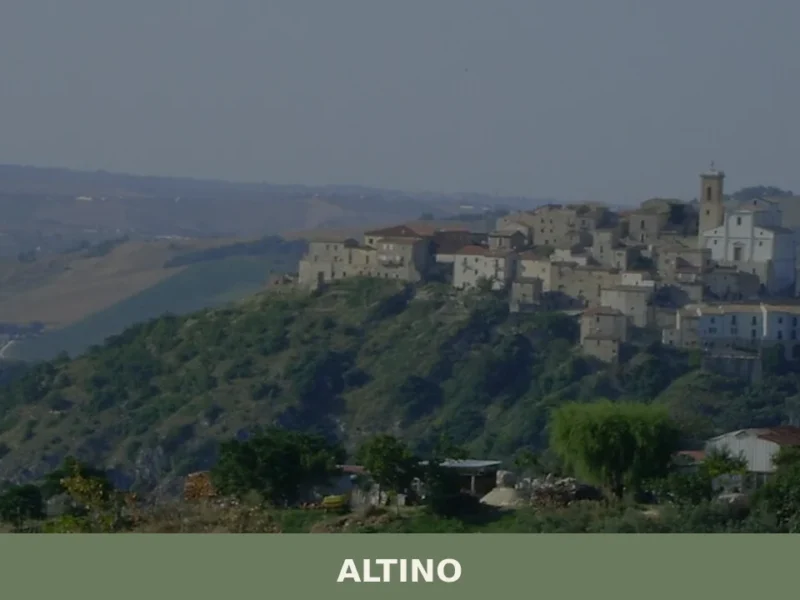
Altino
Hills
What to see in Altino? Explore the 5 main attractions of this village with 3,067 inhabitants, from the Sweet Pepper Museum to the Mother Church. Plan your visit!
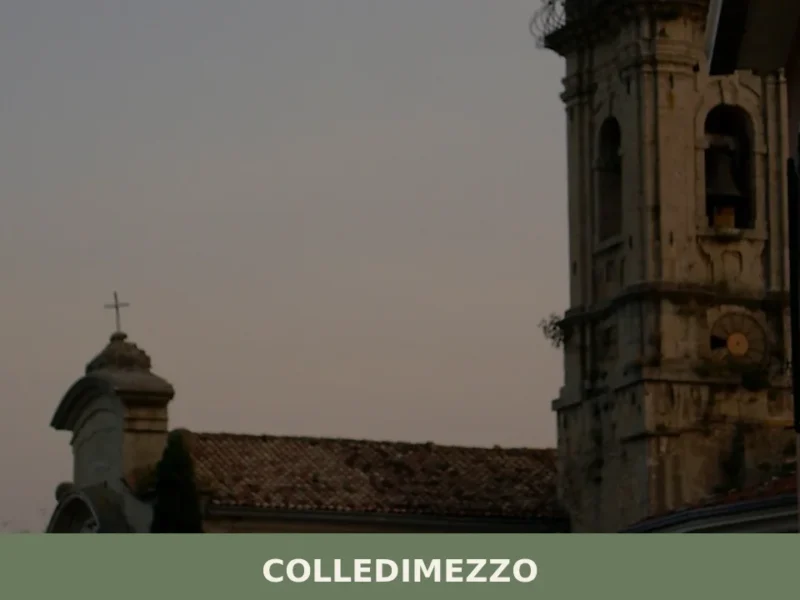
Colledimezzo
Hills
Colledimezzo has 440 inhabitants and extends along a hillside ridge at 425 metres above sea level, in the province of Chieti, overlooking the Sangro river valley and the artificial lake of Bomba. Anyone looking for what to see in Colledimezzo will find a settlement whose urban layout preserves the concentric plan of the fortified medieval […]
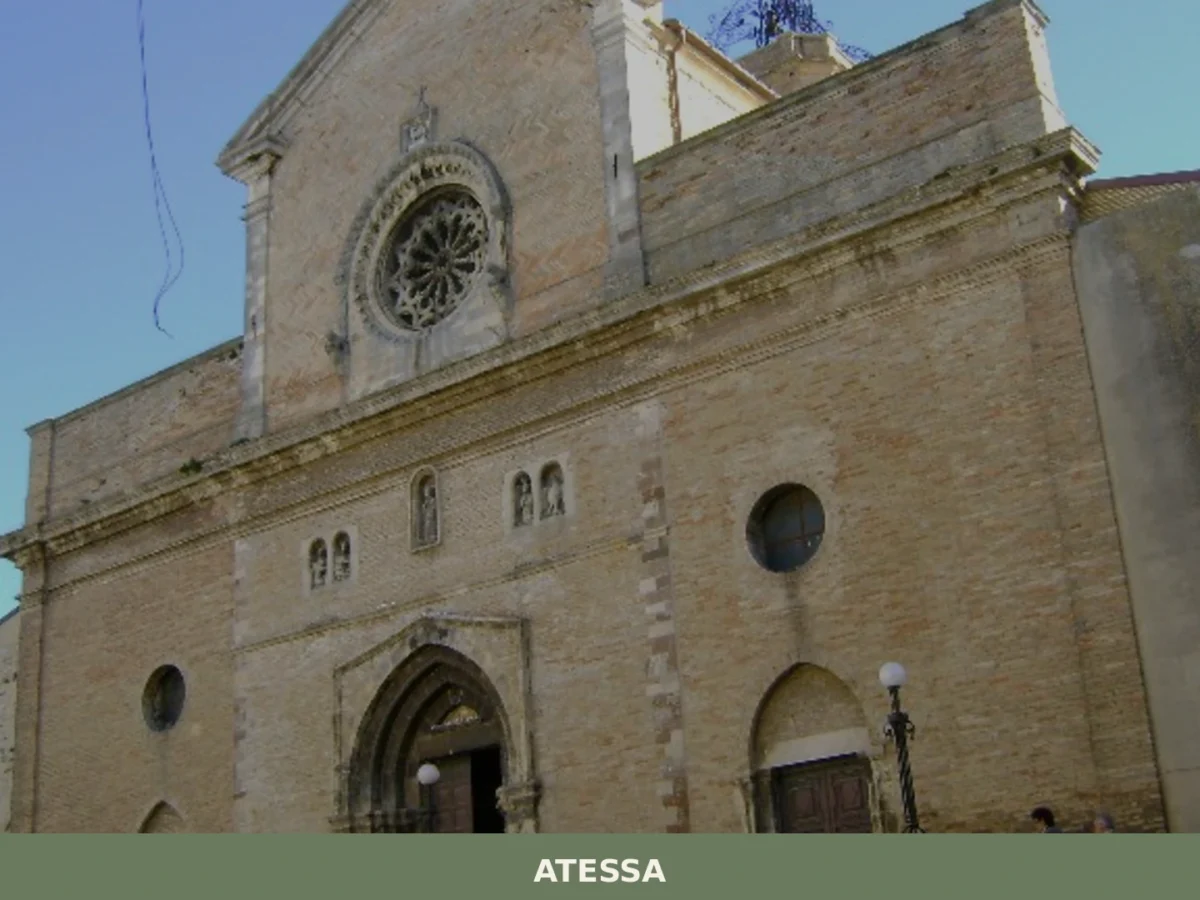
Atessa
Hills
What to see in Atessa, Abruzzo, Italy: explore the Cathedral of San Leucio, the Pallanum archaeological park, and a 17th-century historic centre spanning 11,003 hectares. Discover it all.
Fontecchio
 Mountain
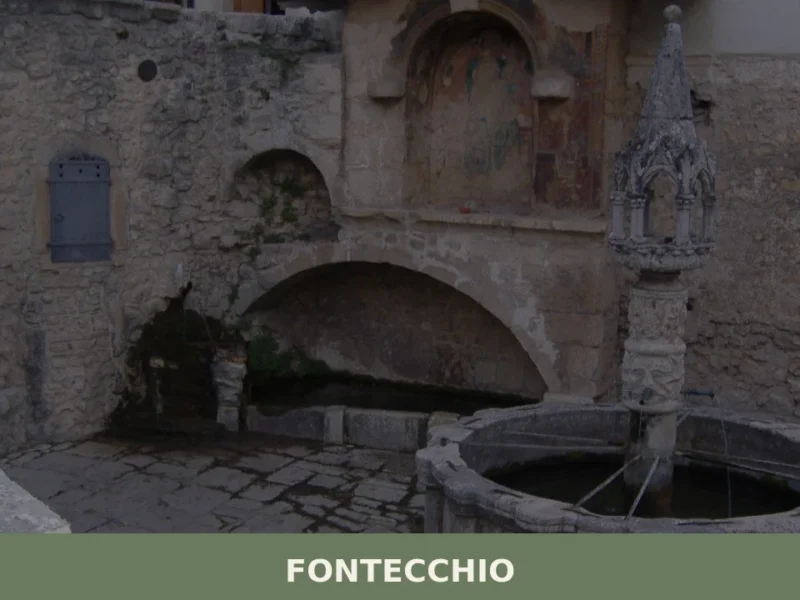
The fourteenth-century fountain with a fourteen-spouted stone basin, dated 1355, still marks the centre of Fontecchio’s main square — a village of 291 inhabitants at 668 metres above sea level in the middle Aterno Valley, province of L’Aquila. Anyone wondering what to see in Fontecchio should start right here, at this hydraulic structure that has […]
Prata d’Ansidonia
Mountain
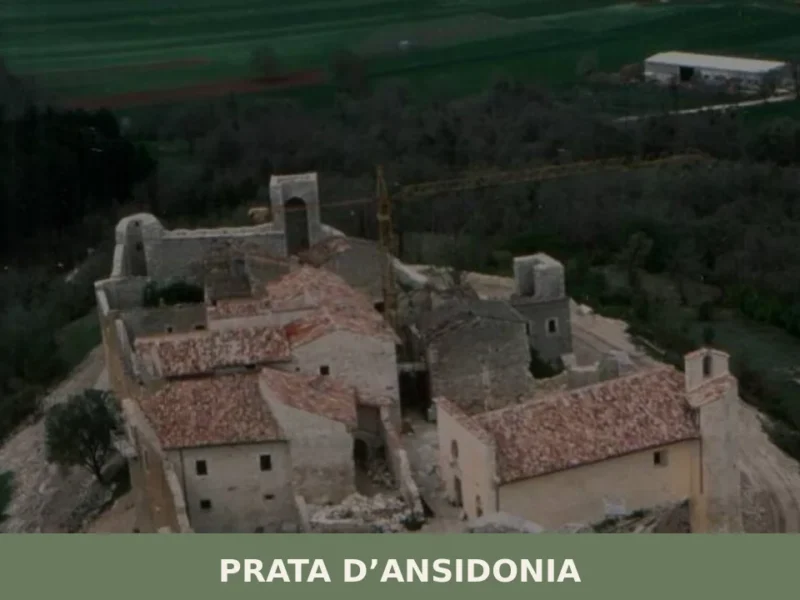
What to see in Prata d’Ansidonia? Discover the 5 must-see historic attractions of this village in Abruzzo. Plan your visit and immerse yourself in local history.
Barete
Mountain
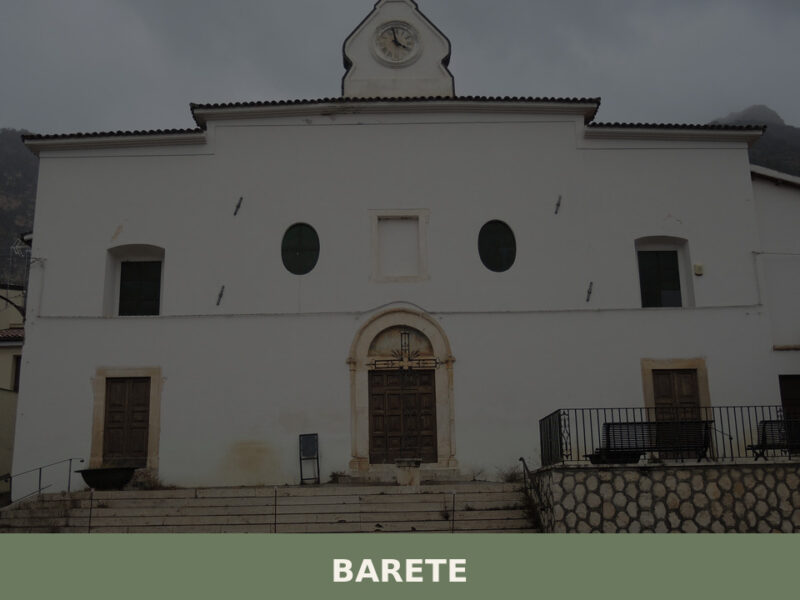
Morning light hits the limestone walls of Barete’s older houses at a low angle, turning them briefly gold before the shadow of the Gran Sasso massif reclaims the narrow lanes. A rooster calls from somewhere behind a garden wall. The air smells of woodsmoke and cold stone. This is a settlement of roughly 695 inhabitants, […]
Poggiofiorito
 Sea
Sea
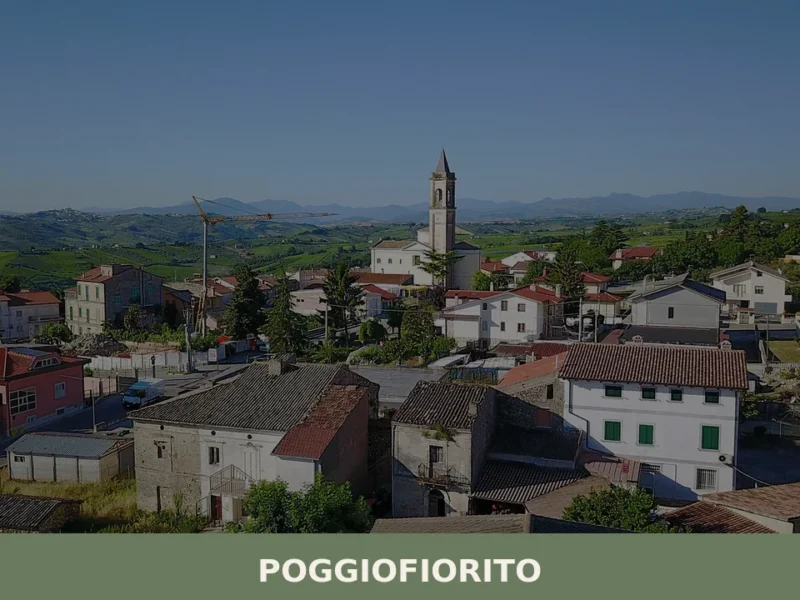
What to see in Poggiofiorito: 5 attractions in this Abruzzo village, from the main church to the historic centre. Discover the complete visitor's guide.
Montefino
Hills
What to see in Montefino, Abruzzo, Italy: the Castello di Corte, the Chiesa di San Giacomo and the olive oil festival. Village at 375 m. Discover the full guide.
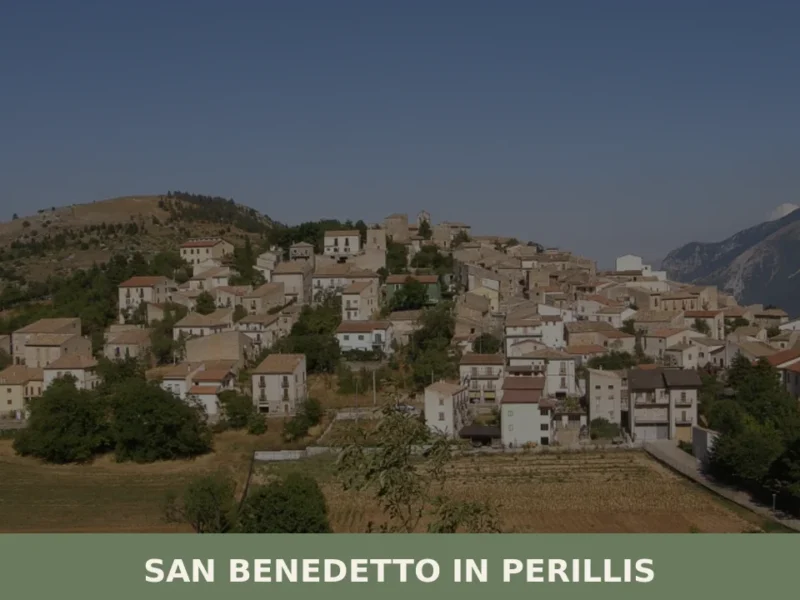
San Benedetto in Perillis
Mountain
What to see in San Benedetto in Perillis, Abruzzo, Italy: 2 churches, a medieval monastery used in a 1985 film. Population 120. Discover top attractions and how to get there.
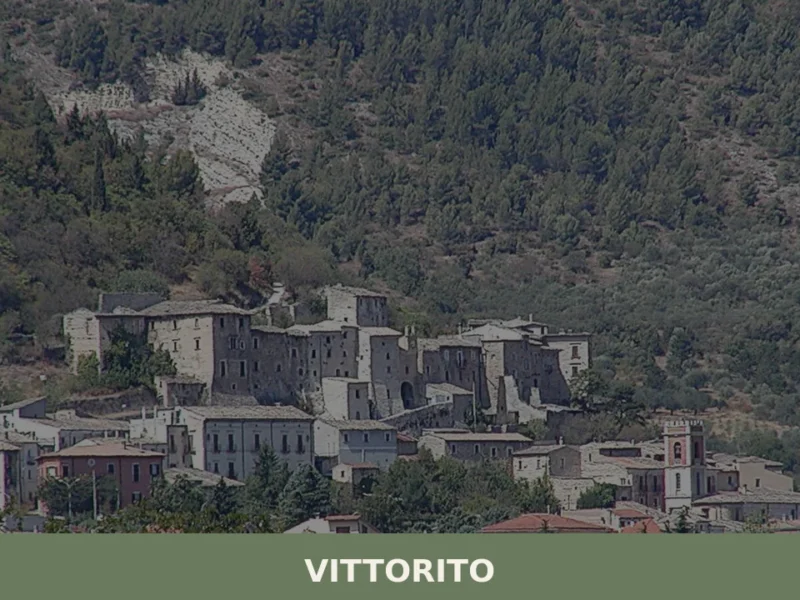
Vittorito
Mountain
What to see in Vittorito: 5 attractions in this Abruzzo village, including the Church of San Pietro, the castle, and the historic centre. Discover the full guide.





🏡 Know Bisenti better than we do?
If you’re a local or have been there, your knowledge matters: add what’s missing or fix a detail on this page.